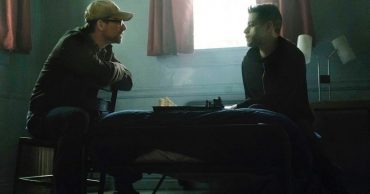
Scott Peterson‘s infamous case has returned to the spotlight after a new documentary claimed previously unseen evidence could challenge one of America’s most notorious convictions.
More than two decades after the homicide of his pregnant wife, Laci Peterson, the upcoming series revisits the criminal investigations through fresh forensic analysis, never-before-seen defense footage, and alternative theories.
However, while the documentary presents allegedly compelling new evidence, a California judge rejected many of the same claims just months earlier, leaving Peterson behind bars.
Scott Peterson was convicted in November 2004 of the homicide of his wife, Laci Peterson, and their unborn son, Conner
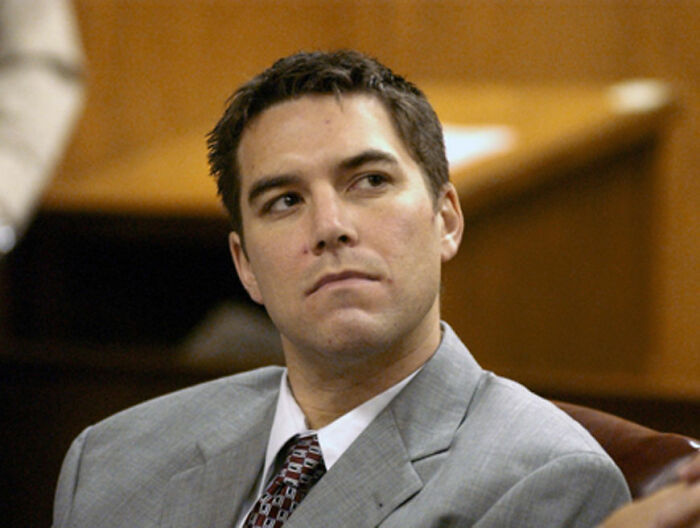
Image credits: Bart Ah You/Modesto Bee/Tribune News Service via Getty Images
On December 24, 2002, the eight-month-pregnant California resident, Laci Peterson, vanished from the Modesto home she shared with her husband, Scott Peterson.
Scott told investigators he had spent the morning on a solo fishing trip at the Berkeley Marina in San Francisco Bay before returning home to find Laci missing.
As volunteers searched for the expectant mother, the investigation took a dramatic turn several weeks later when a massage therapist, Amber Frey, contacted police.
Frey revealed she had been involved in a romantic relationship with Scott, who had allegedly told her he was a widower months before Laci disappeared.
Then, in April 2003, the remains of Laci and her unborn son, Conner, were discovered along the shoreline of the San Francisco Bay.

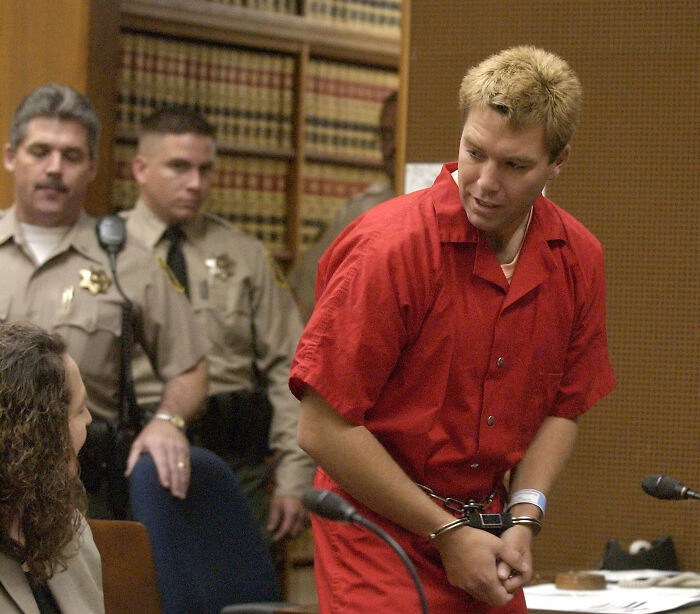
Image credits: Al Golub-POOL/Getty Images


Because the discovery occurred near the same body of water where Scott admitted he had been fishing on the day she disappeared, investigators increasingly focused on him as their primary suspect.
Days later, Scott was arrested near San Diego, reportedly after investigators became concerned he might attempt to leave the country.
During the highly publicized 2004 trial, prosecutors argued Scott intentionally caused Laci’s demise before transporting her remains in his 14-foot fishing boat and disposing of them in the San Francisco Bay.
Scott’s defense team, led by renowned attorney Mark Geragos, maintained his client’s innocence, arguing that investigators ignored alternative leads that pointed elsewhere.
“I lose sleep, and with Scott, probably more than any other case, when I believe a client is innocent,” Mark told The New York Post.
“You have an instinct or a gut feeling that is honed by doing 10,000 reps, so to speak, and you know when someone is good for a crime or when they’re not.”

Image credits: Getty Images
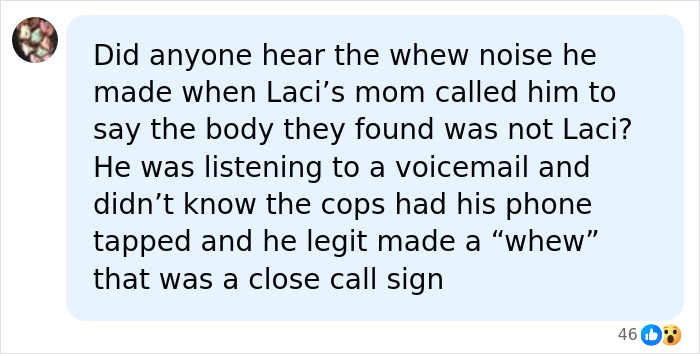
Despite those arguments, the jury ultimately convicted Peterson in November 2004 of first-degree m**der in connection with Laci and second-degree m**der in connection with Conner.
He was initially sentenced to d**th, though the California Supreme Court overturned that sentence in 2020 while leaving the convictions intact.
Peterson was later resentenced to life imprisonment without the possibility of parole, where he remains today.
In April 2026, a California Superior Court judge denied Scott’s petition seeking to revisit several pieces of evidence that his attorneys argued could undermine the prosecution’s case.
The petition, filed by lawyers working with the Los Angeles Innocence Project (LAIP), presented a series of alternative theories and updated forensic analyses that they believe were either overlooked or unavailable during the original 2004 trial.
Months after his latest appeal was denied, a new documentary revisits Scott’s case with alleged new evidence
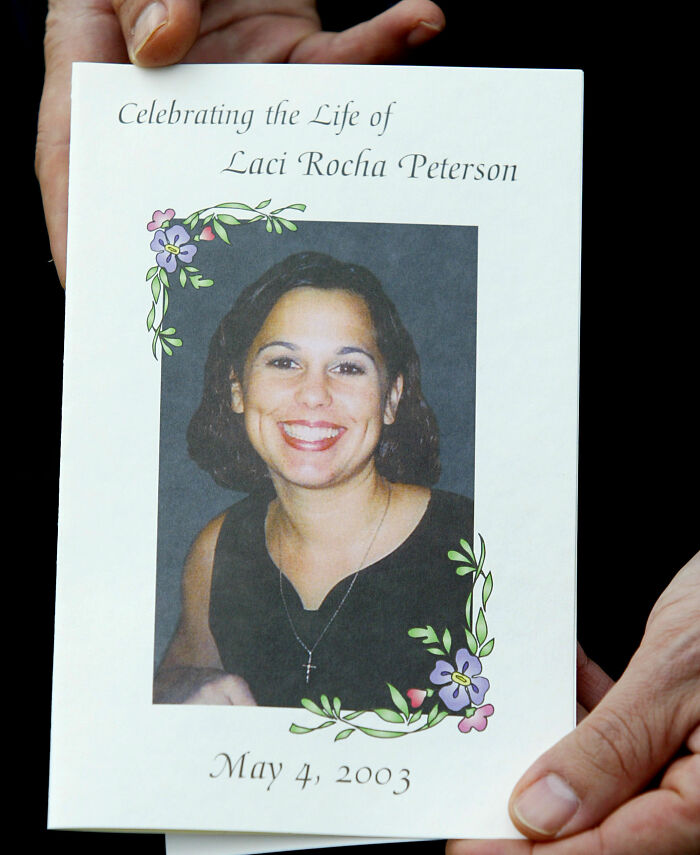
Image credits: Justin Sullivan/Getty Images
However, the court ruled that many of those arguments were either procedurally barred or lacked sufficient legal merit to warrant further review.
Scott’s defense team plans to appeal the decision to a higher court, arguing that the evidence warrants a full judicial review rather than dismissal on procedural grounds.
While those legal proceedings continue, the case is once again back in the spotlight through a new four-hour A&E documentary, Scott Peterson: The New Evidence.
The two-part series is scheduled to premiere on July 16 and 17 and primarily centers on forensic science and investigative findings.
Veteran defense attorney and ABC News legal analyst Chris Pixley teamed up with retired LAPD detective Ninette Toosbuy to re-examine police files, reconstruct timelines, and evaluate whether advances in forensic science raise new questions about the prosecution’s theory.
The documentary also features extensive interviews with attorney Geragos, who continues to believe investigators reached the wrong conclusion.
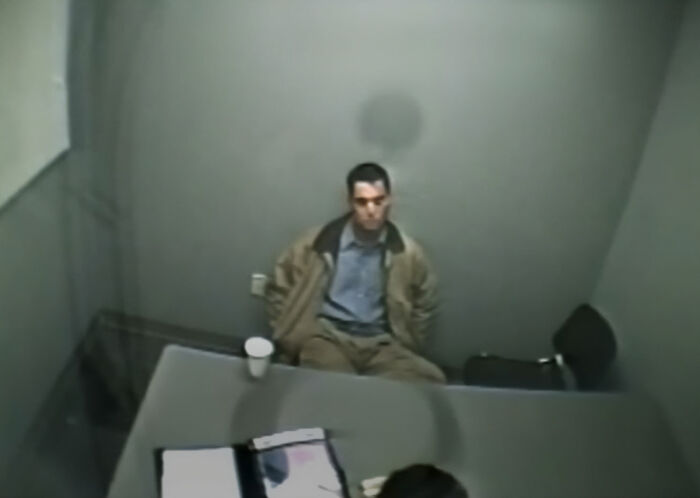
Image credits: Netflix

One of the central arguments is a burglary that occurred across the street from the Peterson home around the time Laci disappeared.
For years, Scott’s attorneys have suggested Laci may have encountered the burglars while walking the family dog and was abducted after witnessing the crime.
The theory is supported by renewed attention on an orange-and-white van that was later found burned near the area.
According to the documentary, the vehicle contained a blood-stained mattress, which the defense believes warranted far greater scrutiny during the original investigation.
Previous forensic testing reportedly detected male DNA on the mattress, though no evidence directly linked it to Laci.
Even so, Peterson’s attorneys argue investigators dismissed the lead too quickly after focusing almost exclusively on Scott.
Another major focus of the documentary is never-before-seen defense footage involving Peterson’s 14-foot fishing boat.
Scott was reportedly having an affair with a massage therapist, whom he had told he was a widower before Laci’s disappearance
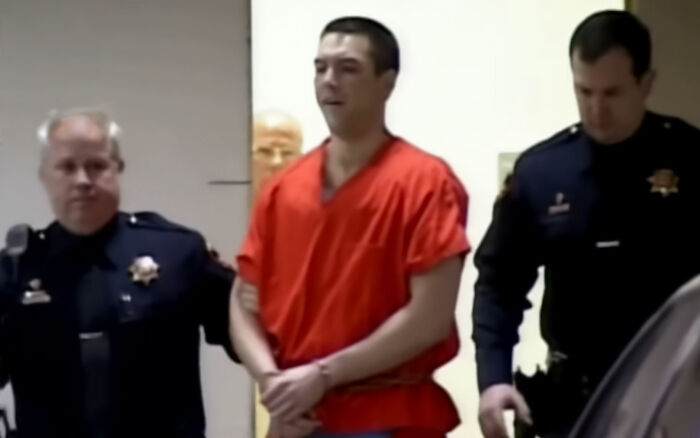
Image credits: TODAY
During the original trial, prosecutors alleged the convict transported Laci’s body in the small aluminum vessel before disposing of it in the San Francisco Bay.
To challenge that theory, the defense recreated the alleged scenario using a weighted dummy designed to replicate Laci’s approximate body weight.
According to the documentary, every attempt to push the weighted dummy overboard caused the boat to capsize.
The defense argues the experiment demonstrates that carrying out the prosecution’s theory without overturning the vessel or attracting attention from nearby boaters would have been extremely difficult.
The documentary also introduces updated fetal biometric analysis, which Peterson’s attorneys believe could reshape the timeline presented during the trial.
Using modern fetal growth calculations and forensic tracking methods that were unavailable in 2004, defense experts claim the unborn child, Conner, may have remained alive longer than prosecutors originally estimated.
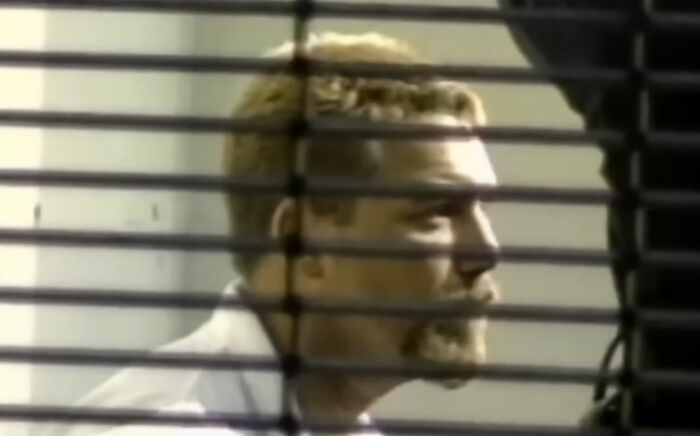
Image credits: TODAY
If accurate, they argue, the revised timeline could suggest Laci was alive after the period during which prosecutors alleged Scott acted.
At trial, prosecutors argued Laci and Conner eventually surfaced in an area consistent with Scott’s fishing trip in the San Francisco Bay.
However, in the documentary, experts argue that updated tidal and wind modeling makes it unlikely the remains would have drifted to their eventual location from the area where Scott said he launched his boat.
Instead, they suggest the remains were more likely placed in the water from a shoreline location accessible to vehicles or pedestrians.
Another key claim revisited in the documentary concerns Peterson’s fishing boat, which prosecutors argued he had secretly purchased without Laci’s knowledge.
However, handwritten notes allegedly by Laci demonstrate she knew about the boat, contradicting a central element of the prosecution’s theory.
Prosecutors, however, continue to reject those claims, maintaining that the evidence presented during the original trial overwhelmingly supported Scott’s conviction and that the defense’s latest arguments do not alter the overall case presented to the jury.
While Scott Peterson: The New Evidence is expected to reignite public debate surrounding the infamous case, the documentary itself cannot alter Peterson’s conviction or sentence.
For now, he remains incarcerated, and any change to his legal status will depend on whether a higher court ultimately determines that the defense’s claims warrant another review.
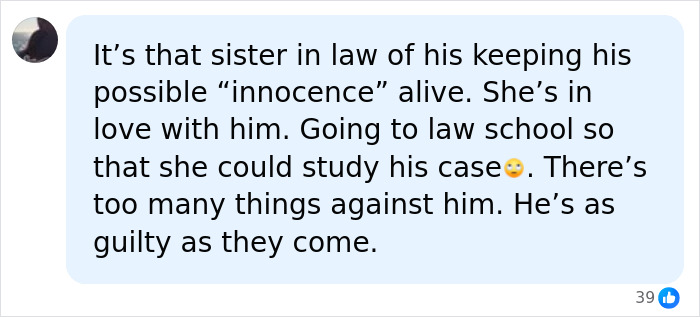
One netizen wrote, “There is reasonable doubt… While he is probably guilty, I also believe it might have been a rush to judgment!”










 Follow Us