Before Juana Barraza Samperio became known across Mexico as “La Mataviejitas,” — Spanish for The Elderly Woman Slayer — she had another name. In wrestling circles, she was “The Lady of Silence,” a woman drawn to the masks, belts, pageantry, and theatrical violence of lucha libre.
Those who knew her in that environment later remembered her as calm and friendly, an image that would sit uneasily beside the crimes eventually linked to her name.
By 2008, that same woman had received the longest sentence in Mexico’s history: 759 years in prison.
Motivated by a personal deep-seated hatred of older women, Barraza fatally wounded and robbed as many as 40 victims before being captured.
Less often discussed is that before her homicide spree, Barraza tried to live a normal life, until a series of tragedies pushed her to the brink.
The Mataviejitas was once an innocent girl subjected to a nightmarish childhood by her mother
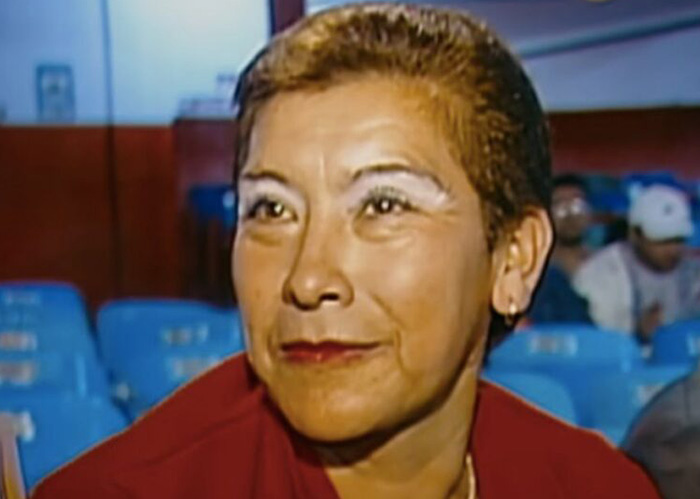
Image credits: Netflix
Juana Barraza Samperio was born on December 27, 1957, in Epazoyucan, Hidalgo. The violence later associated with her did not begin in Mexico City apartments or behind locked doors.
By her own account, it began in childhood.
Her early life as one marked by poverty, abandonment, drinking in the home, physical torment, and intimate violence.

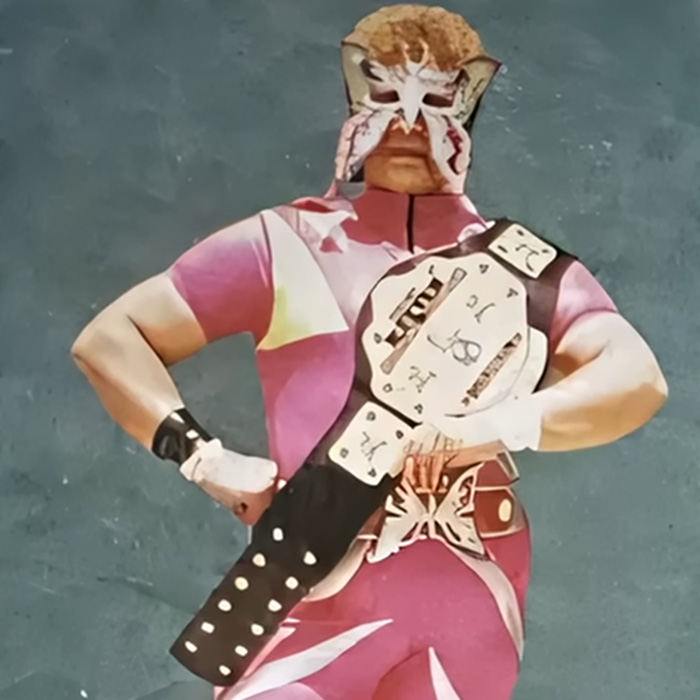
Image credits: Netflix
Barraza’s mother was a domestic worker known as Justa Samperio. By most accounts, Samperio was a cold woman, who saw little Juana as nothing but a hindrance.
Barraza’s father, a man identified as Trinidad who worked as a truck driver, left them both when she was about three months old. After that, Samperio moved with her daughter to Mexico City.
The weight of having to take care of her child alone made her drinking problems worse.
Image credits: Canal Catorce
One day, Samperio went to a bar and took 12-year-old Barraza with her. Finding herself unable to buy any more drinks, she effectively sold her own daughter to a man identified as José Lugo “in exchange for three beers.”
The man took advantage of her. From that day onwards, a burning hatred started brewing inside Barraza, one that would eventually lead her to claim the lives of dozens of women.
Barraza became pregnant with Lugo’s child.
An investigation by the Autonomous University of Mexico (UNAM) would later reveal that Samperio told authorities that Barraza had gone with Lugo “willingly.”
Barraza’s childhood trauma became central to her hatred toward older women
Image credits: Historias Innecesarias
Investigators and commentators later returned to Barraza’s childhood when trying to understand why her victims were so often elderly women who lived alone.
In court, Barraza gave her own explanation:
“I hated older women because my mother mistreated me, beat me, and always cursed me. One day she gave me to an older man and I was ab*sed. That is why I hated older women. I know it is no excuse. I do not deserve forgiveness from God or anyone, but I already did it.”
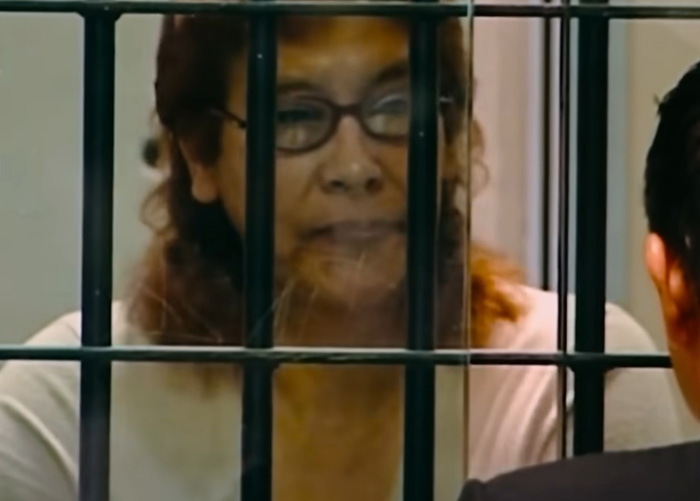
Image credits: Historias Innecesarias
Samperio later entered a relationship with a man identified in one criminological thesis as Gerardo Hernández, with whom she had two children. The same account describes Barraza’s childhood home as poor, violent, and shaped by her mother’s drinking problem.
Hernández became Barraza’s stepfather. The thesis says he did not let her go to school or leave the house because he believed women did not need education.


After she gave birth, Barraza’s uncles, described as brothers of her stepfather, learned what had happened and rescued her.
The child born from that period was named José Enrique Lugo Barraza. Her stepfather took her back home and helped her raise him. When Samperio later passed away of cirrhosis, Barraza reportedly did not mourn her.
Accounts say she felt relief, while still carrying the resentment that she later linked to her hatred of older women.
Before becoming a serial criminal, Barraza tried to live a normal life but was met with one tragedy after another
Image credits: Inside Edition
As an adult, Barraza moved through a series of unstable relationships. At 23, she married Miguel Ángel Barrios García and had a daughter, Érika Erandi, before leaving him because he became violent.
She later entered a relationship with Félix Juárez Ramírez, with whom she had two more children, José Marvin and Emma Ivonne. That relationship also ended after violence against her and the children.
Image credits: Historias Innecesarias
After the separation, Barraza lived with her younger children in Ixtapaluca, State of Mexico. She had little formal education, no stable protection, and a long record of surviving through low-paid work.
She cleaned houses, moved through informal commerce, sold clothes and food, and eventually began selling popcorn around wrestling events.
That contact with lucha libre changed the shape of her life.
Lucha libre gave Barraza a much needed glimmer of hope, until an injury cut that dream short
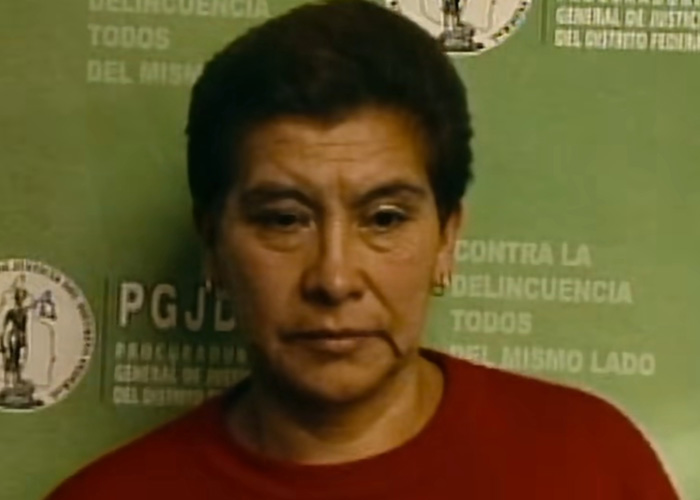
Image credits: Historias Innecesarias
By most older accounts, Barraza entered the wrestling world at about 30, which places the beginning of that chapter around 1988. It was a striking turn for a woman whose childhood had been defined by feeling powerless.
In the ring, or at least in the world around it, strength was no longer something used against her. It became something she could display.
Lucha libre offered Barraza a true escape. Under her mask she could become someone else, build her own mythology.
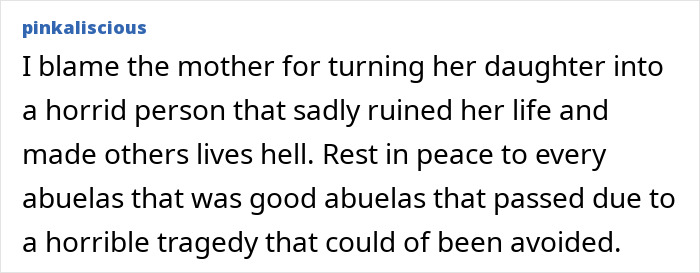

Image credits: Historias Innecesarias
She became “The Lady of Silence,” a persona she reportedly chose because she considered herself quiet and isolated. In one television appearance, when asked whether she was a hero or a villain, she described herself as “a ruda at heart.”
“Rudos” are the rule-breakers of lucha libre, the villains who fight against the good guys “técnicos” with force, deception, and intimidation. The girl who had been subjugated became a woman who could present herself as untouchable and feared.
As a wrestler, she wore a pink outfit, a butterfly-like mask, and a belt. She was said to have fought until a back injury forced her to stop, after doctors warned that continuing could leave her disabled.
Sometime after her injury, Barraza’s first son was fatally wounded in a street fight

Image credits: Inside Edition
When that world collapsed, the loss was more than professional. The spine injury ended her time in the ring and pushed her into promotion, but that work was unstable and did not bring enough money to support her children.
The fantasy of becoming powerful had failed to become a life she could actually live.
By the mid-1990s, sources place Barraza in theft, shoplifting, street robbery, and later burglaries.


She still appeared around wrestling gyms and events, and one former colleague later said Barraza would invite people to eat despite having no clear source of income.
“She spent a lot of money. We didn’t know how she got it. She said she had a good job, but she never explained what it was.”
Then came another loss.
José Enrique Lugo Barraza, her eldest son, was fatally wounded at 24.
Some accounts say he lost his life in a fight, while others describe a street robbery in which a group attacked him and beat him repeatedly with bats. Either way, his passing has been described as Barraza’s last straw.
Soon after, the first homicides linked to her began to appear.
The brutality of the attacks led police to assume the criminal was a man
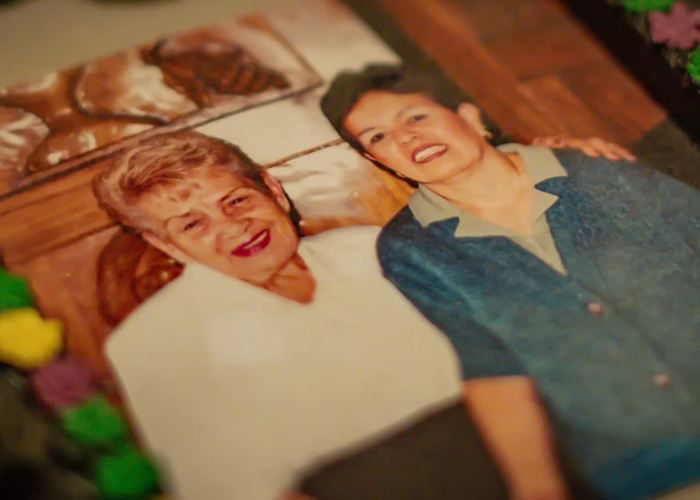
Image credits: Historias Innecesarias
The earliest suspected victim in several chronologies was María Amparo González Salcida Yllánez, attacked in May 1998 inside her apartment in Unidad Modelo, Iztapalapa. She was strangled with an electrical cable.
That same year, a woman identified as Concepción Carranza met a similar fate. Those two incidents form the earliest edge of the Mataviejitas chronology, although not every source agrees on how firmly they should be placed within Barraza’s confirmed series.
The first homicide with a much clearer narrative trail came on November 25, 2002.
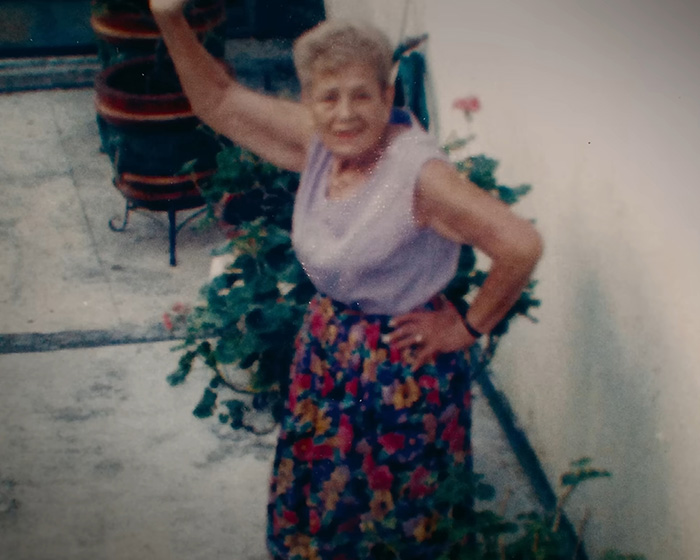
Image credits: Historias Innecesarias
María de la Luz González Anaya was an elderly woman living in Mexico City. That evening, around 6 pm, her son-in-law Esteban received a call from her asking for help. When he arrived, he found the gate open, the door closed, and María de la Luz on the floor.
She was still alive.
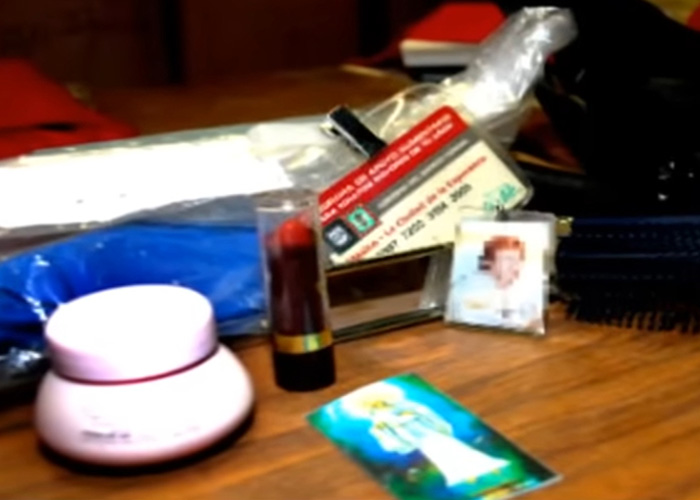
Image credits: Azteca Noticias
Before passing away, she told him she had let in a woman who presented herself as a social worker. The woman had robbed her, tried to strangle her, and beaten her several times in the abdomen.
Esteban lifted her from the floor and placed her barefoot on a sofa, where she passed away.
Her rooms had been searched. Jewelry, watches, and cash were missing. Investigators also found fingerprints on items inside the home.


María de la Luz had been struck repeatedly with a blunt object or fists, suffering severe internal injuries in the thoracic and abdominal area. Her neck showed signs of manual strangulation. She had been attacked by someone with superior physical strength.
Because of this, the police made their first mistake. They attributed the crimes to a man.
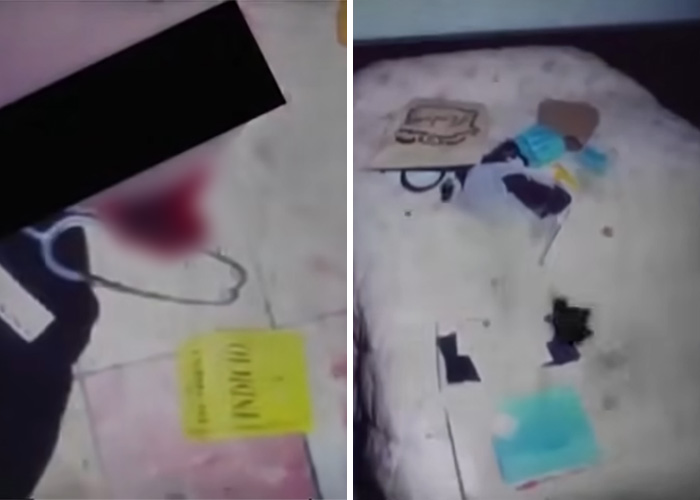
Image credits: Azteca Noticias
Four months later, on March 2, 2003, Guillermina León Oropeza was attacked. She lived alone. Her body was found on a chair near her bed, with a pantyhose wrapped around her neck. The home showed signs of searching, but the door had not been forced.
A glass of Coca-Cola later yielded fingerprints that matched Juana Barraza.
Barraza’s homicide spree went into overdrive between 2003 and 2004, taking the lives of 21 women
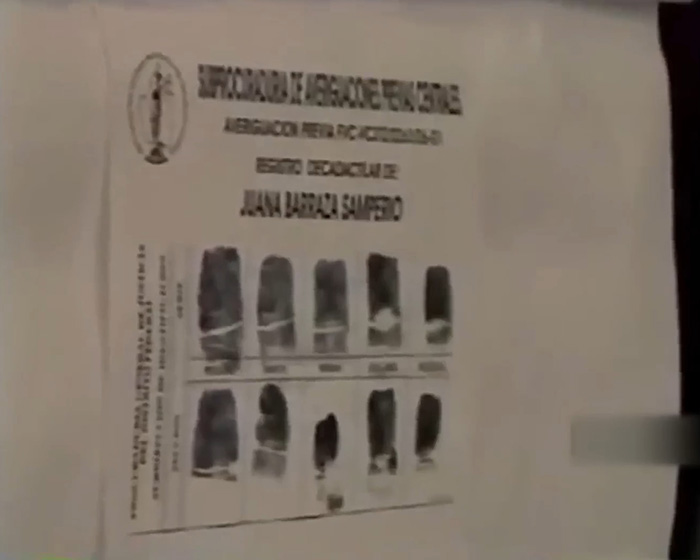
Image credits: Inside Edition
For years, bodies were found in apartments across Mexico City, sometimes days after passing because many of the women were rarely visited by relatives.
The attacks continued. On July 25, 2003, María Guadalupe Aguilar Cortina was attacked. On October 9, 2003, María Guadalupe de la Vega Morales, followed by María del Carmen Muñoz Cote de Galván on October 24.
In November 2003, more women were added to the list: Lucrecia Elsa Calvo Marroquín on November 4, Natalia Torres Castro on November 19, and Alicia Cota Ducoin on November 28.
The next year brought a grim succession of names.
Image credits: Historias Innecesarias
Alicia González Castillo was attacked on February 20, 2004. Andrea Tecante Carreto on February 25. Carmen Cardona Rodea on March 20, followed by Socorro Enedina Martínez Pajares on March 26.
Guadalupe González Sánchez was attacked on May 24. Esthela Cantoral Trejo on June 25.
In July 2004, Delfina González Castillo, María Virginia Xelhuatzi Tizapán, and María de los Ángeles Cortés Reynoso were all listed in public chronologies tied to the case.
Margarita Martell Vázquez was fatally robbed on August 31. Simona Bedolla Ayala on September 29. María Dolores Martínez Benavides on October 24. Margarita Arredondo Rodríguez on November 9, and María Imelda Estrada Pérez on November 17.
By then, police were under severe pressure.
Investigators considered the possibility of the culprit being a crossdresser before admitting it could be a woman
Image credits: Azteca Noticias
Instead of considering the possibility that the criminal was a woman. Authorities came to believe it was a crossdressing man.
Because of this more than 100 adult industry workers who dressed as women were brought in for questioning. The case also produced wrongful arrests, with at least one woman and one man publicly treated as the Mataviejitas before Barraza was caught.
The investigation grew large. More than 200 investigators, led by then deputy attorney general Renato Sales Heredia, were assigned to the search.


Forensic evidence slowly corrected part of the police theory. A sanitary pad found in the trash at two crime scenes finally pointed away from the theory that the criminal was male, since the victims were elderly and the items did not appear to belong to them.
In 2005, the attacks continued.
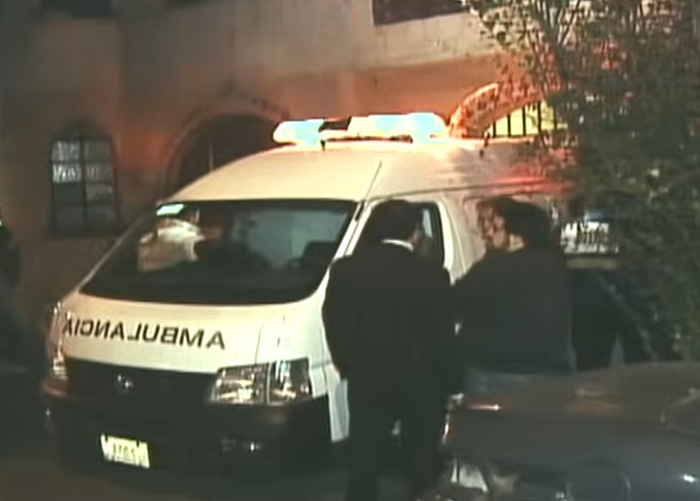
Image credits: Azteca Noticias
Between January 11 and October 18, public chronologies tied to the case listed 17 more homicides, including several attacks clustered within days of each other in April, July, August, and September.
The number widened the scale of the investigation, though not every homicide in the broader chronology was later treated with the same certainty as the core attacks for which Barraza was convicted.
Barraza was finally arrested on January 25, 2006
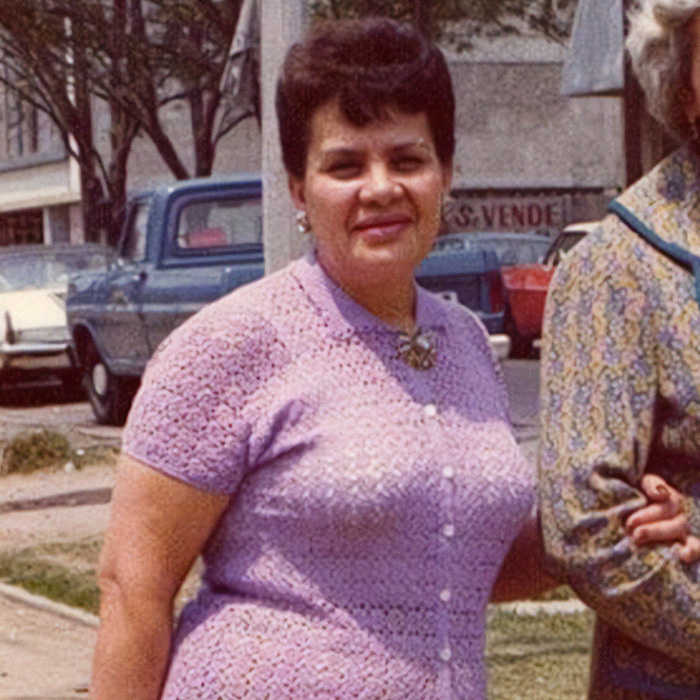
Image credits: Family Search
That day, Barraza entered the apartment of Ana María de los Reyes Alfaro in the Moctezuma neighborhood of Mexico City.
Some reports described the victim as 81 years old, while others gave her age as 89. The method followed the same pattern. Barraza had allegedly approached her under the pretext of being a social worker, entered her home, and strangled her.
This time, however, she was seen leaving.


A witness raised the alarm almost immediately after discovering what had happened. Police were nearby as part of the operation already deployed to catch the criminal. Barraza was detained shortly after the attack, ending the years-long search.
At the moment of her arrest, she was 48 years old.
Barraza reportedly admitted only to the final homicide of Ana María de los Reyes Alfaro.

Image credits: Canal Catorce
Despite years of investigation, public pressure, forensic comparisons, and the long list of victims tied to the Mataviejitas pattern, solid evidence was available to convict her in connection with 16 homicides and 12 robberies.
In 2008, the court handed down an extraordinary sentence: 759 years in prison, widely described as the longest sentence in Mexico’s history.
As of July 2026, Barraza remains behind bars at Santa Martha Acatitla.
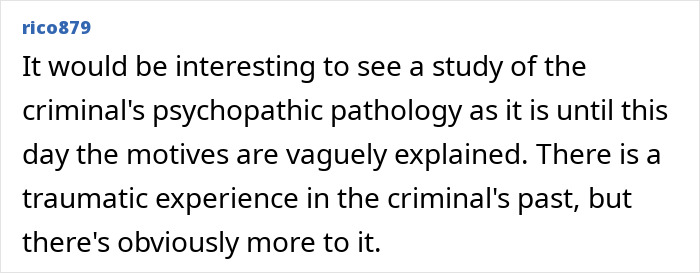
“Misery on both sides.” People reflected on the circumstances that led Barraza to become the Mataviejitas













 Follow Us