For years, Ariana Grande‘s appearance has been under intense public scrutiny, with netizens repeatedly dissecting her weight, body shape, and overall health whenever she steps into the spotlight.
More recently, online conversations have shifted toward accusations that the Grammy winner is intentionally “body checking,” with some viewers citing specific poses and camera angles as evidence of the controversial behavior.
Amid the renewed debate, medical experts warned that body checking is a genuine psychological behavior linked to body image disorders, while also cautioning how it can negatively influence young audiences.
One user wrote, “Ariana just can’t go a day without bodychecking or straining her neck muscles girl relax we know you’re tiny.”
Medical experts explain why speculation around Ariana Grande’s alleged ‘body checking’ could do more harm than good

Image credits: arianagrande
For several years, Ariana Grande has faced relentless discussion surrounding her appearance, particularly following her noticeable weight loss during the filming and promotion of the Wicked franchise.
As photos and videos circulated online, some internet users began accusing the singer of intentionally highlighting her slim frame through particular poses and camera angles.
One person wrote online, “Why is she so focused on bodychecking her chestbones they’re like her prized possession.”
“How do they normalize that… Why are you guys so obsessed with body checking?” another user questioned.

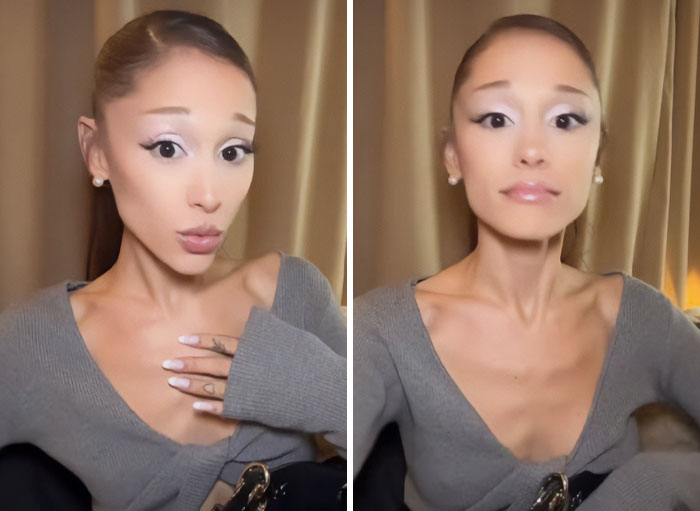
Image credits: arianagrande
Amid the criticism, the term “body checking” has become increasingly common on social media, but experts say it is often misunderstood.
Bored Panda spoke with Dr. Monica Li, a double board-certified dermatologist and Clinical Associate Professor in the Department of Dermatology and Skin Science at the University of British Columbia.
Li explained that body checking is “when an individual repeatedly and intentionally measures, scrutinizes, or monitors their body size, shape, or weight.”
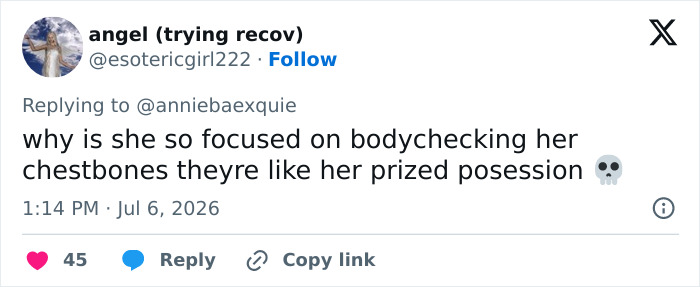
Image credits: esotericgirl222
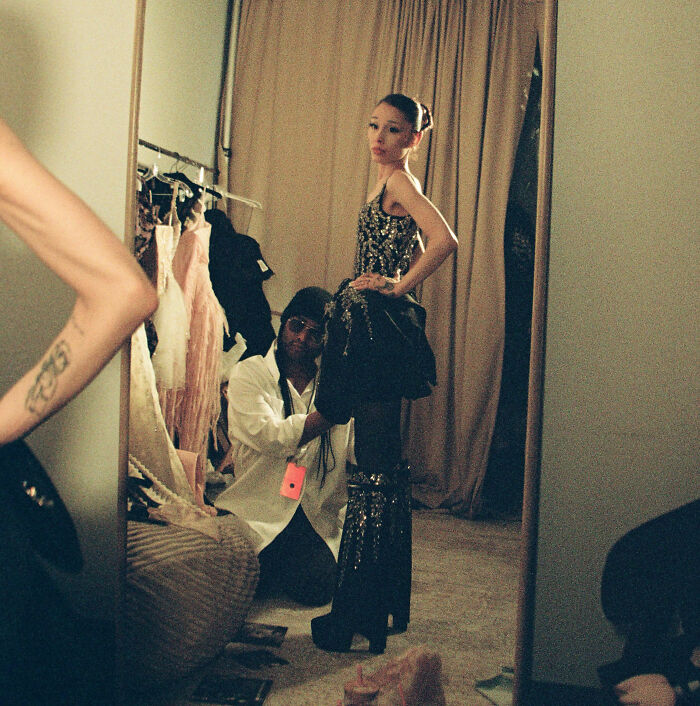
Image credits: arianagrande
“This behavior is often linked to eating disorders or body dysmorphia,” she explained.
“In contrast to showing an outfit or body which is casual or artistic, body checking focuses on highlighting a specific body part, such as posing in unnatural angles to emphasize thinness or hip bones.”
However, Dr. Gizem Seymenoglu, a London-based medical aesthetician, stressed that social media users should avoid assuming intent based solely on public images.
Experts explain how constant discussions about celebrity bodies and “body checking” may negatively affect young audiences

Image credits: GURYAN/Pexels (not an actual photo)
Dr. Seymenoglu explained, “The intention is what makes the difference, and that’s something we usually can’t know from the outside. Someone posting a holiday photo or showing an outfit isn’t automatically body checking. The reality is that we cannot diagnose intention from a photograph.”
Explaining the distinction, the medical expert said, “If someone is sharing a photo because they feel good and want to express themselves, that’s self-expression.”
“But if they’re repeatedly documenting their body from specific angles or seeking validation to manage anxiety about how they look, that moves closer to body checking.”
While both experts cautioned against labeling a public figure’s behavior, they agreed that the constant online analysis surrounding celebrity appearances can still carry real consequences.
Dr. Monica warned that repeated exposure to body-focused celebrity content can distort how teenagers and young adults perceive themselves.
“It can increase body dissatisfaction, raise the risk of eating disorders, and reinforce the belief that thinness is the basis of beauty, success and happiness,” she said.
She added that modern beauty standards have become increasingly unrealistic due to filters, cosmetic procedures, and digital editing, creating expectations that are often biologically impossible to meet.
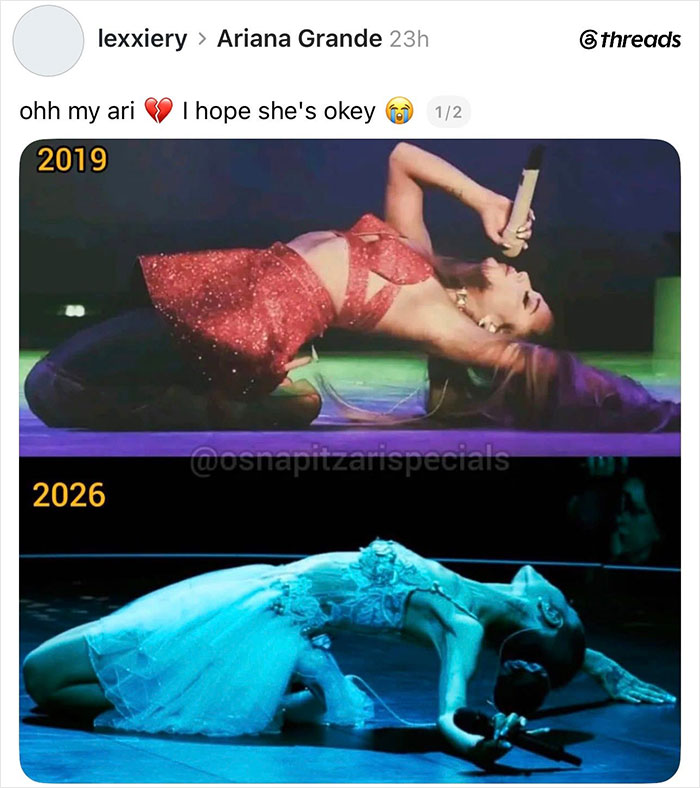
Image credits: lexxiery
Dr. Gizem echoed those concerns, explaining that even conversations that criticize a celebrity’s appearance can reinforce the idea that physical appearance matters most.
“Young people don’t just absorb the images themselves,” she explained.
“They also absorb the conversations around them. If every post leads to debates about someone’s weight, shape, or appearance, it sends the message that a person’s body is one of the most important things about them.”
Dr. Gizem emphasized, “Appearance should be only one part of someone’s identity, rather than the thing they’re valued for most”
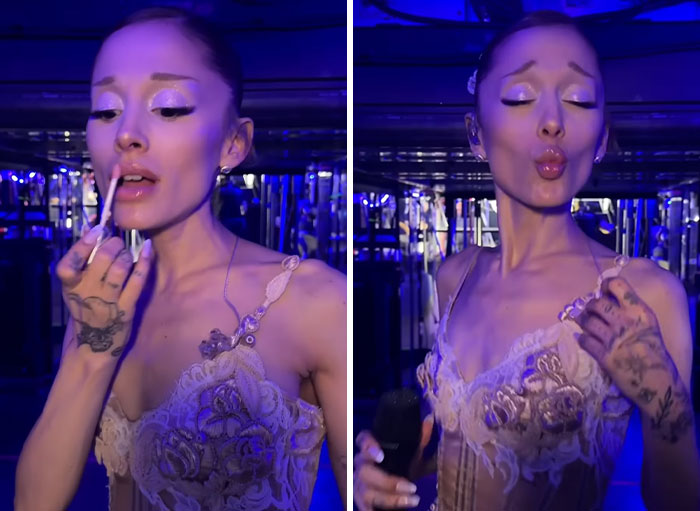
Image credits: arianagrande
Dr. Gizem noted that social media algorithms can further amplify the issue by repeatedly recommending similar appearance-focused content, adding that “it can feel as though one particular body type is everywhere, even if that’s not an accurate reflection of reality.”
Expanding on that point, she explained that today’s social media environment exposes young people to celebrity images far more frequently than it did for previous generations.
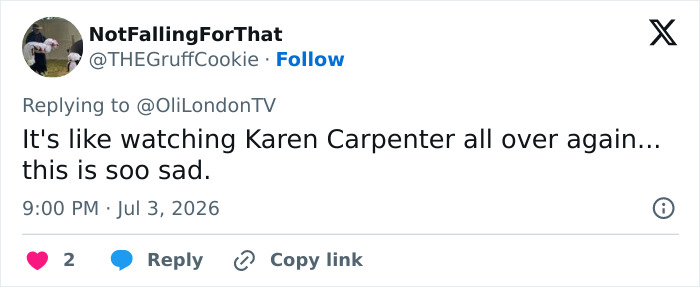
Image credits: THEGruffCookie
Image credits: cottonbro studio/Pexels (not an actual photo)
She shared, “Years ago, celebrity images mainly appeared in magazines or on television. Now they’re in our pockets all day. Even if someone knows an image has probably been edited, filtered, or captured under perfect conditions, repeated exposure can still influence what starts to feel ‘normal.’”
She explained that the pressure comes from constant comparison rather than any single image.
“People aren’t comparing themselves to one celebrity anymore. They’re comparing themselves to hundreds of carefully curated faces and bodies every week. That can gradually create unrealistic expectations and leave young people feeling that they never quite measure up.”
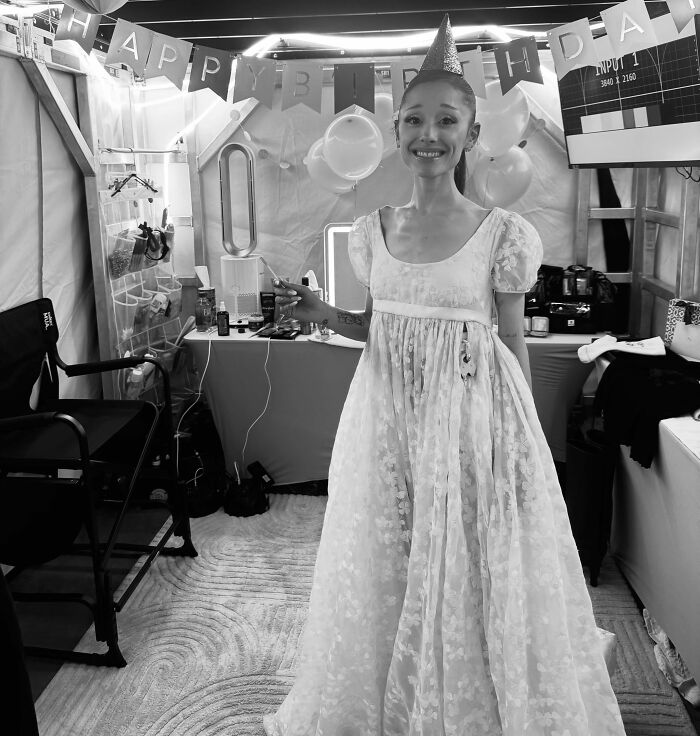
Image credits: arianagrande
The ongoing debate surrounding Grande’s appearance is not new.
In April 2023, the singer directly addressed the constant commentary in a widely shared TikTok video, explaining that the version of her body many people considered “healthy” had actually been one of the most difficult periods of her life.
Grande revealed that she had been taking medications, drinking heavily, and struggling mentally during that time, adding that appearances rarely tell the full story.
“I think we should be gentler and less comfortable commenting on people’s bodies,” she said. “There are many different kinds of beautiful. There are many different ways to look healthy and beautiful.”
The Grammy-winning singer has repeatedly urged people to stop commenting on others’ bodies, including her own
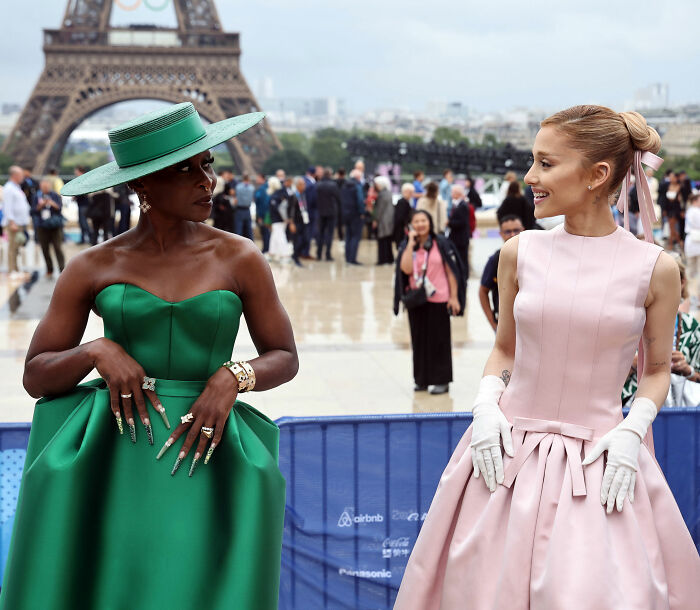
Image credits: Christophe Petit Tesson/PA Images via Getty Images
The singer revisited the topic during the Wicked press tour, explaining that she has spent much of her career feeling as though she has lived “in a petri dish” while strangers constantly evaluated her appearance.
Dr. Gizem firmly believes that online beauty standards have become increasingly narrow and specific as “it’s not just about being thin or fit anymore.”
“It’s about a very specific look, from body shape to facial features, often achieved through a combination of surgery, injectables and digital editing. When young people repeatedly see the same aesthetic, it narrows their idea of what’s ‘normal’ or desirable, and what they’re supposed to look like.”
Both experts believe parents and caregivers have an important role in helping young people navigate this type of content.
Dr. Monica recommends encouraging open conversations about edited images and celebrating qualities beyond appearance, such as kindness, intelligence, and effort.
Meanwhile, Dr. Gizem advises helping teenagers question what they see online instead of accepting every image as reality.
She concluded that showing a wider range of body types, being transparent about editing and filters, and placing less emphasis on appearance altogether “could help make social media feel less like a constant comparison.”
“Appearance should be only one part of someone’s identity, rather than the thing they’re valued for most.”
“She keeps doing it intentionally, showing certain parts of her that she thinks look skinny and bodychecking in videos,” wrote one netizen
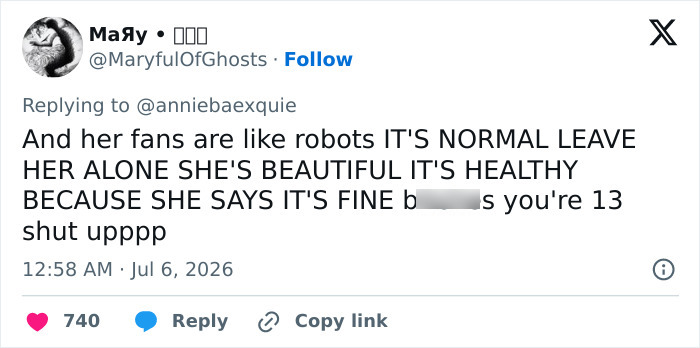
Image credits: MaryfulOfGhosts
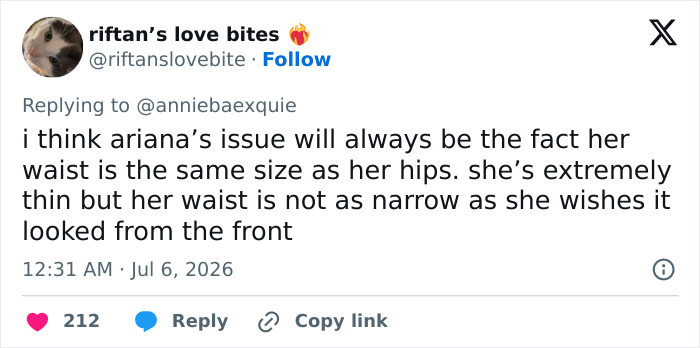
Image credits: riftanslovebite
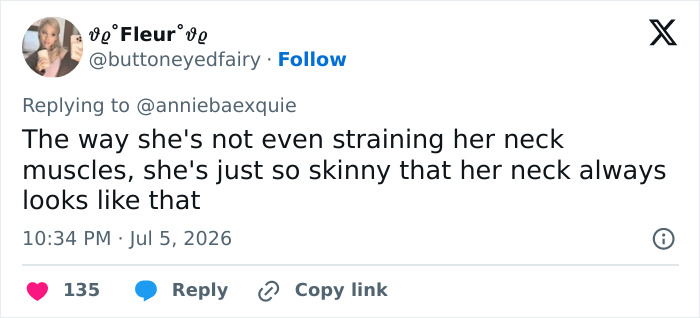
Image credits: buttoneyedfairy
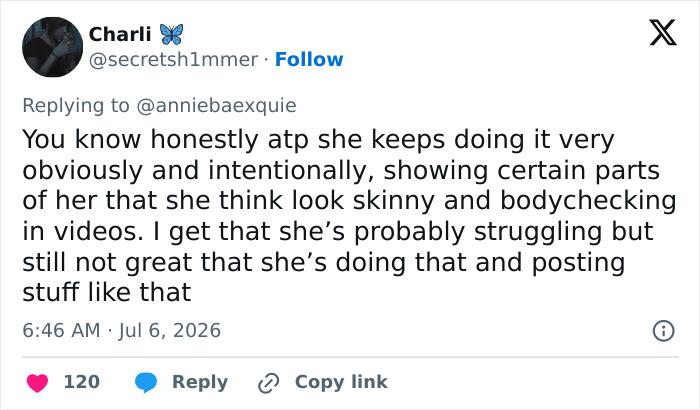
Image credits: secretsh1mmer
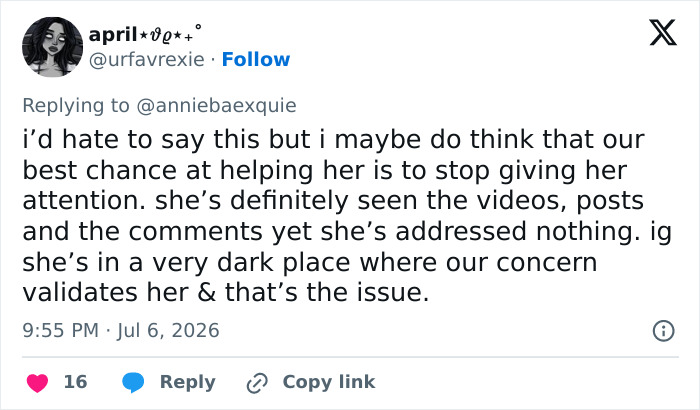
Image credits: urfavrexie
Image credits: BrigidKennedy
Image credits: EKF31
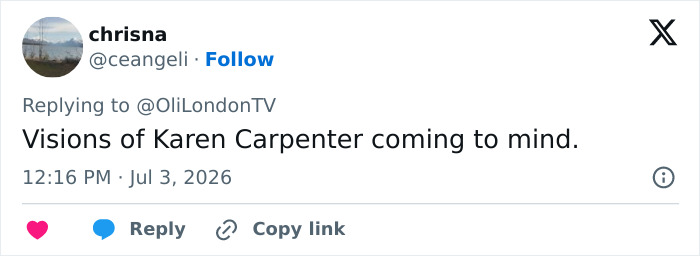
Image credits: ceangeli
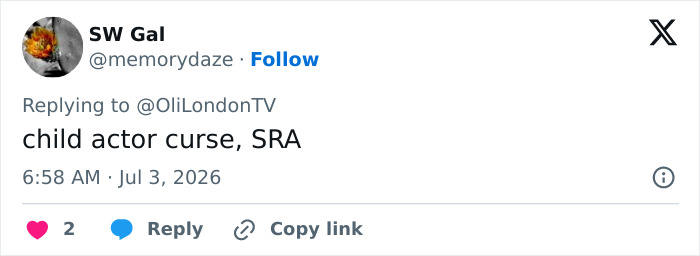
Image credits: memorydaze
 Follow Us