We’ve all met that one person who can turn a two-minute errand into a full-length drama production. Most shoppers just want to grab their groceries and head home, but every now and then, someone decides the checkout lane is the perfect stage for an unforgettable performance.
That’s exactly what happened in one Walmart checkout line, which today’s Original Poster (OP) was unfortunately a part of. A customer was struggling to pay for her groceries and it soon evolved into a drawn-out attempt to gain sympathy from everyone around her. By the time the situation was over, the people waiting behind realized the entire ordeal may have been completely unnecessary.
More info: Reddit
Whether it’s a checkout line, a busy café, or public transport, things work smoothly when people consider those around them just as much as themselves.
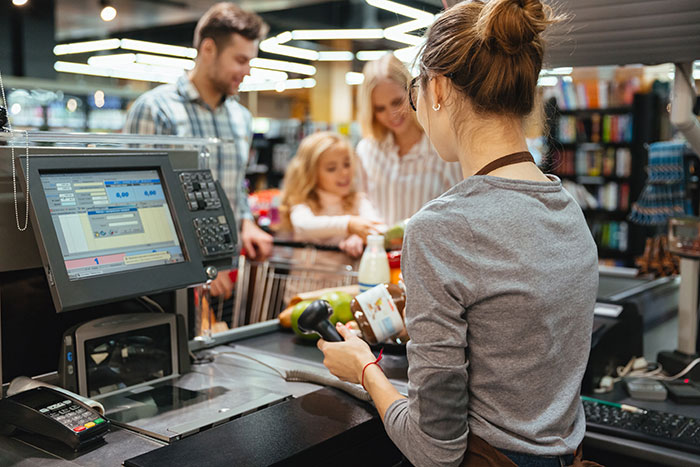
Image credits: drobotdean / Magnific (not the actual photo)

The author was waiting in a Walmart checkout line when a woman ahead slowed everything down by chatting and taking her time with the cashier
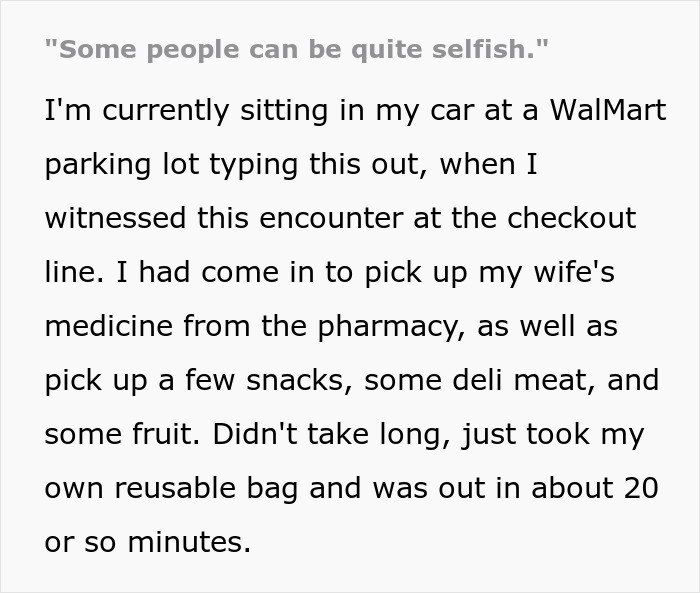
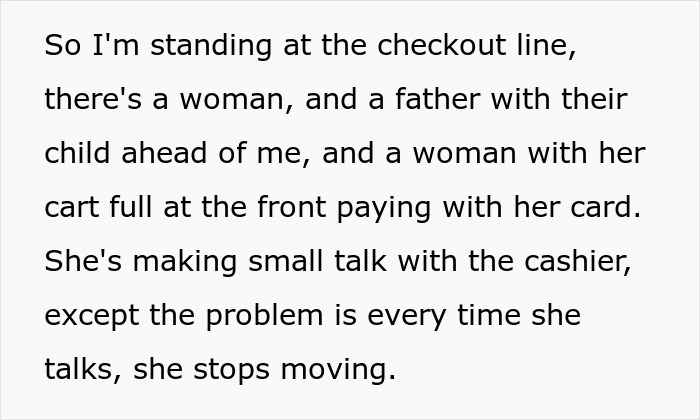
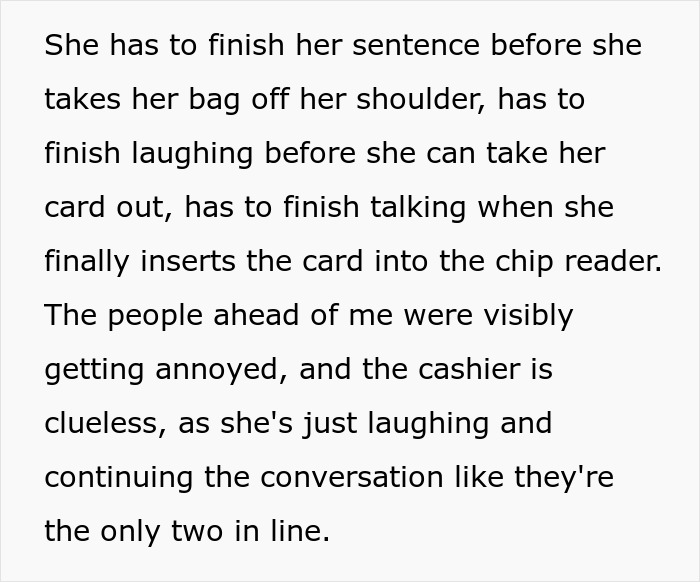
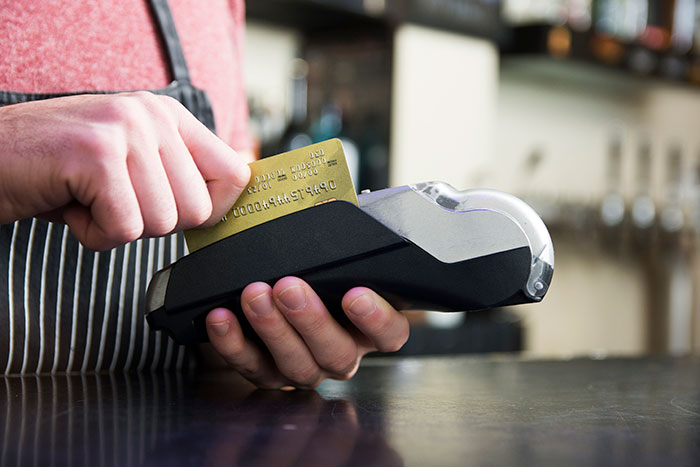
Image credits: freepik / Magnific (not the actual photo)
Her card repeatedly declined, and she struggled to complete payment, causing growing frustration among people waiting behind her
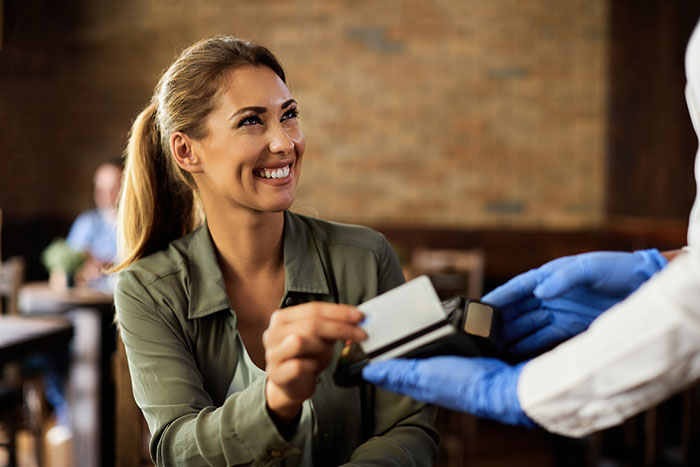
Image credits: Drazen Zigic / Magnific (not the actual photo)
She refused simple solutions like removing items and instead implied others should step in and help, talking about needing “good Samaritans”
Image credits: SugarySpaceSprinkles
After holding up the line for a long time, she unexpectedly produced a $100 bill, paid instantly, and then criticized others for being “selfish”
The OP’s trip to Walmart was supposed to be quick and uncomplicated, with only a few items in hand and a reusable shopping bag ready to go. When he reached the checkout area, however, he found himself behind several other customers and a woman who appeared in no hurry whatsoever. The woman struck up a conversation with the cashier and seemed incapable of doing more than one thing at a time.
She would remove her card to prepare her payment, then stop to chat and laugh. As the interaction dragged on, the customers waiting behind her became visibly irritated. When the woman finally attempted to pay, her card declined multiple times, turning an already slow checkout process into an even lengthier one. After several unsuccessful attempts, she asked to split the payment between her card and cash.
However, the cash she had available still left a significant balance unpaid, and the woman reportedly became defensive and insisted there had to be another solution. The cashier suggested removing some items from the purchase or returning at another time with enough funds, rather the woman began lamenting how she had looked forward to enjoying the things she had purchased.
She then remarked that moments like these were when the world needed “good Samaritans”. Immediately, the people in line picked up on the implication. When the woman saw that no one was coming to help, she suddenly produced a $100 bill. The cashier was surprised as the payment issue was instantly resolved, but the woman, displeased, criticized everyone on the line for not being kinder and more generous.
Image credits: jcomp / Magnific (not the actual photo)
In situations like this, Zendesk explains that some customers display what is known as “situational entitlement”, where individuals unconsciously prioritize their own experience over the efficiency of a shared environment. In this case, it can be seen when a shopper slows down a public checkout line, engages in extended interaction, or focuses on personal conversation without considering others waiting behind them.
Building on this, Sprinklr notes that customers with high entitlement are more likely to reject standard, rule-based solutions when problems arise. In the Walmart scenario, this reflects how a shopper might refuse practical options such as removing items, adjusting the purchase, or stepping aside to resolve a payment issue efficiently. Instead, they may expect exceptions or special treatment outside normal store procedures.
Business Insider also highlights “moral licensing” and related social influence behaviors, where individuals may use moral language, such as appeals to “kindness” or “good people”, to shape how others should act. In the context of this story, this aligns with moments where a customer frames delays or requests in emotional or moral terms, subtly pressuring those around them to feel responsible or obligated to help.
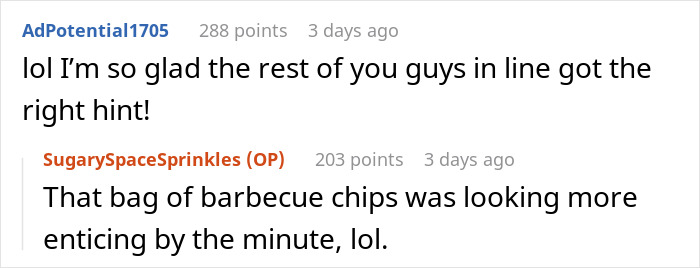
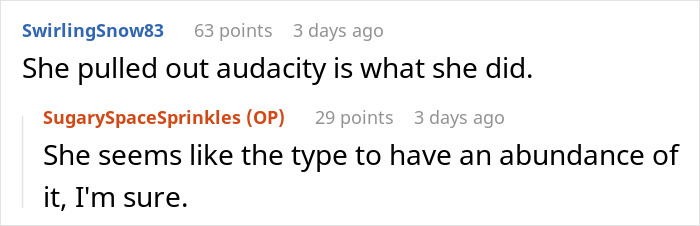
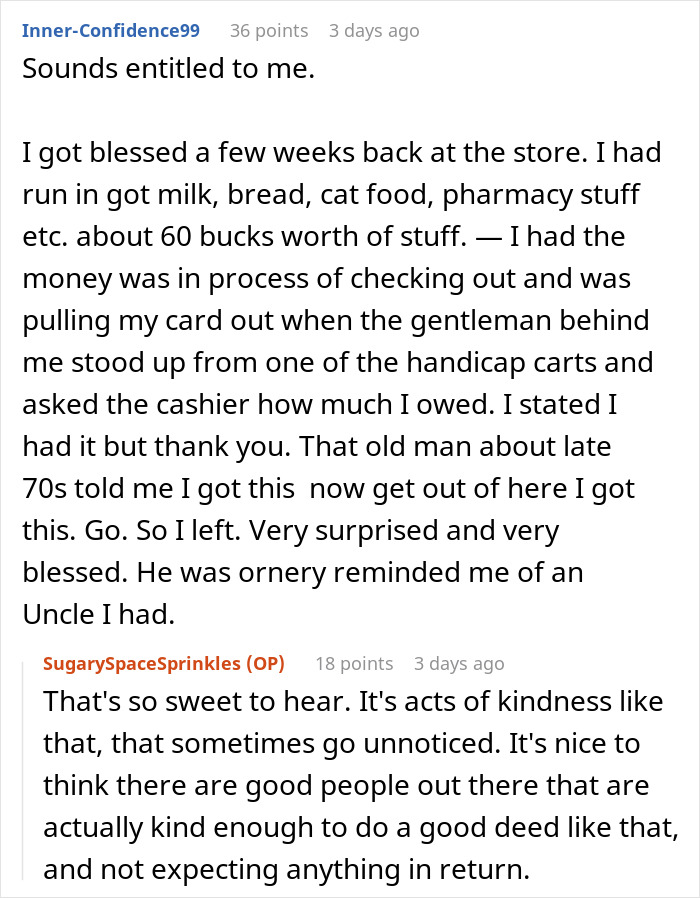
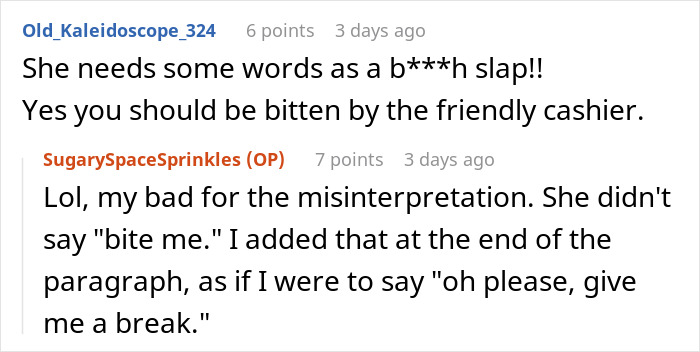
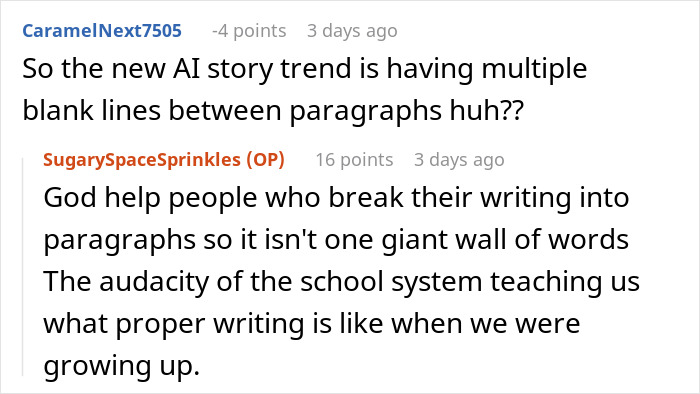
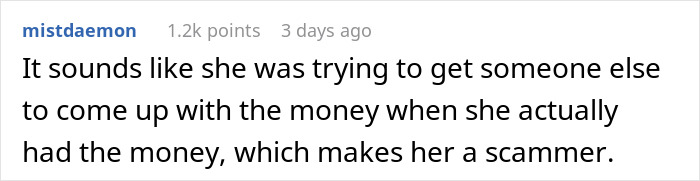
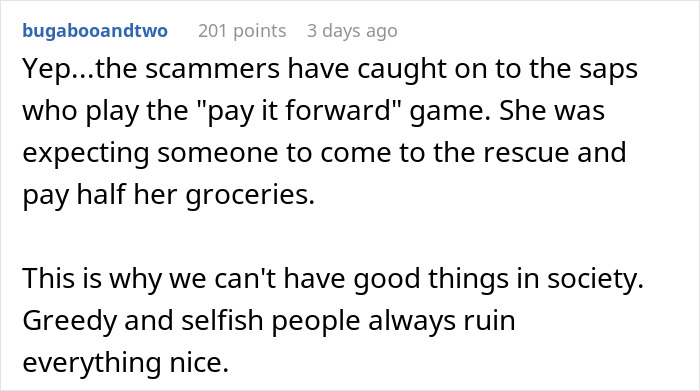
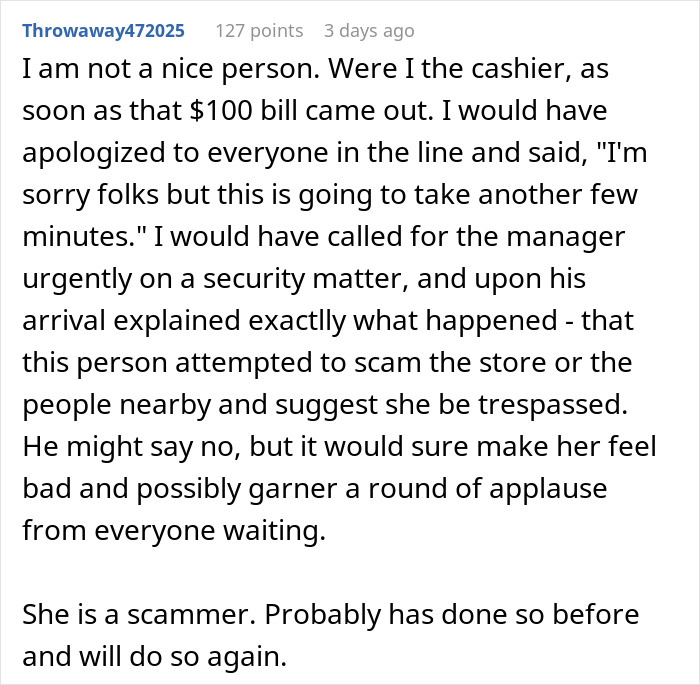
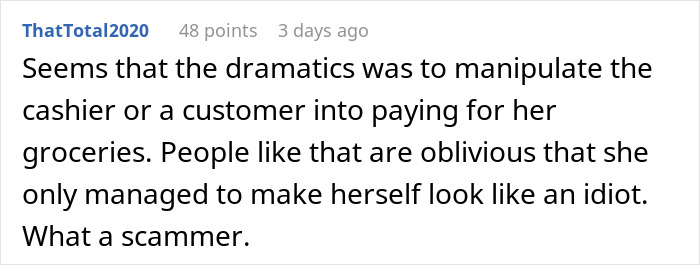
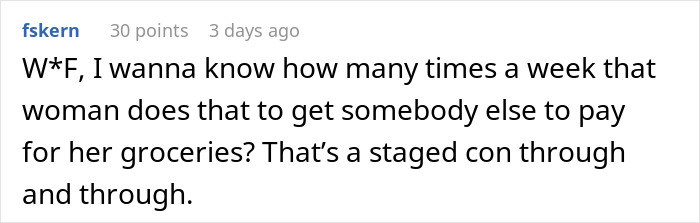
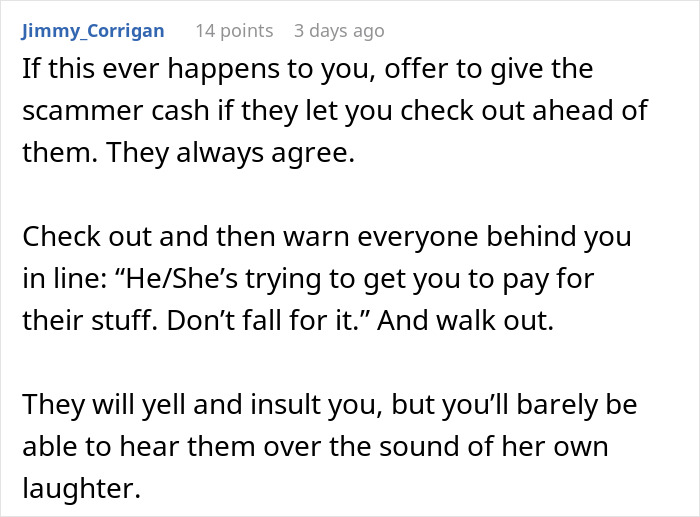
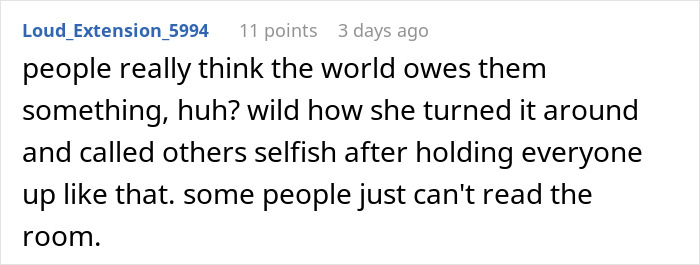
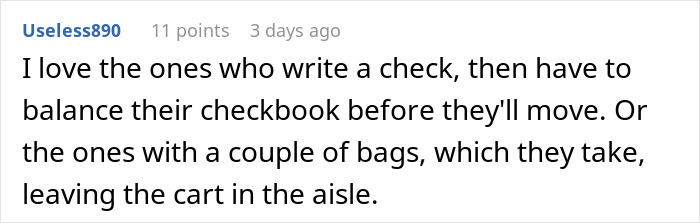
Netizens insisted that the woman’s behavior was deliberate manipulation rather than genuine financial trouble. They described her to be dishonest and attention-seeking and also criticized her of trying to exploit others’ goodwill. What are your thoughts? Do you think this was a genuine money issue or a deliberate attempt to manipulate the people in line? We would love to know your thoughts!
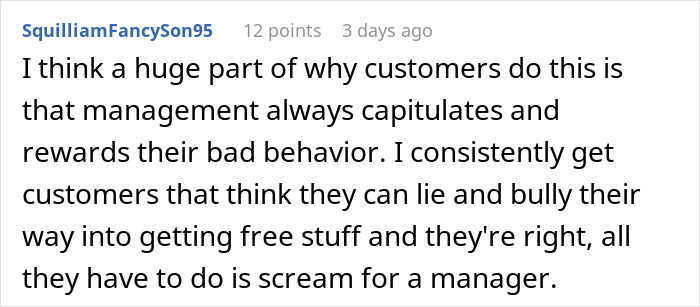
Netizens blamed a wider culture of rewarding disruptive customers, arguing that some individuals learn to push boundaries because they are eventually accommodated






 Follow Us