Somewhere between trying to be supportive, not overstepping boundaries, and figuring out whether you should buy a Mother’s Day card or simply disappear for the weekend, many stepparents find themselves walking an emotional tightrope.
And that’s exactly what happened to today’s Original Poster (OP) who spent years trying to build a relationship with her husband’s children, only to find herself repeatedly reminded that she wasn’t considered a parent by them. After years of rejection and several Mother’s Days that left her feeling excluded, a confrontation with her mother-in-law finally pushed her past her breaking point.
More info: Reddit
There’s a certain kind of peace that comes when you finally stop chasing things that never quite come back to you the way you hoped

Image credits: freepik / Magnific (not the actual photo)

The author became a stepmother when her husband’s children were very young, and struggled for years to build a close bond with her stepchildren
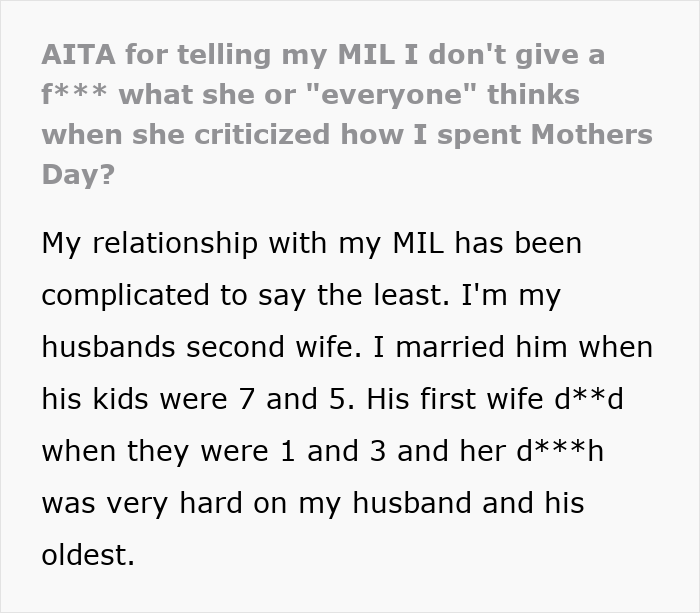
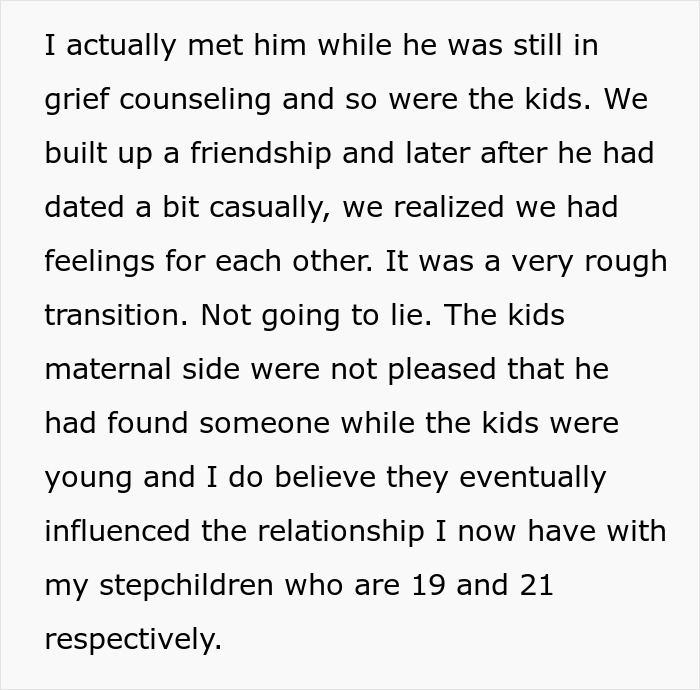
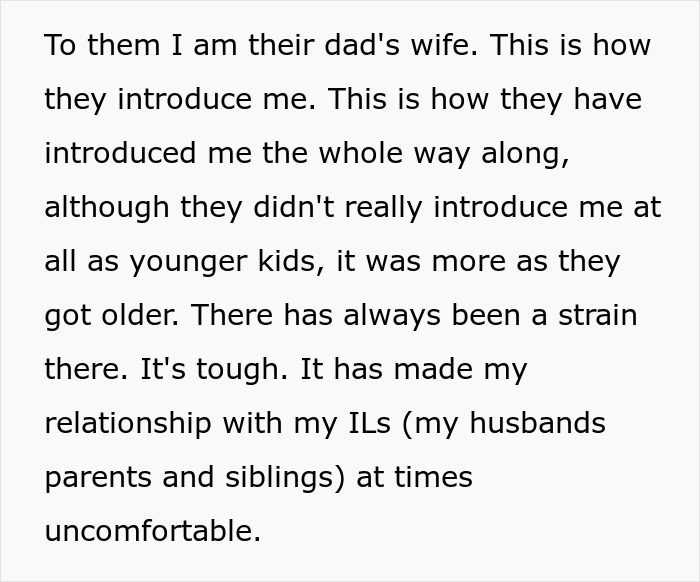

Image credits: freepik / Magnific (not the actual photo)
As they grew older, the stepchildren never fully accepted her as a parental figure and eventually stopped participating in Mother’s Day celebrations with her entirely
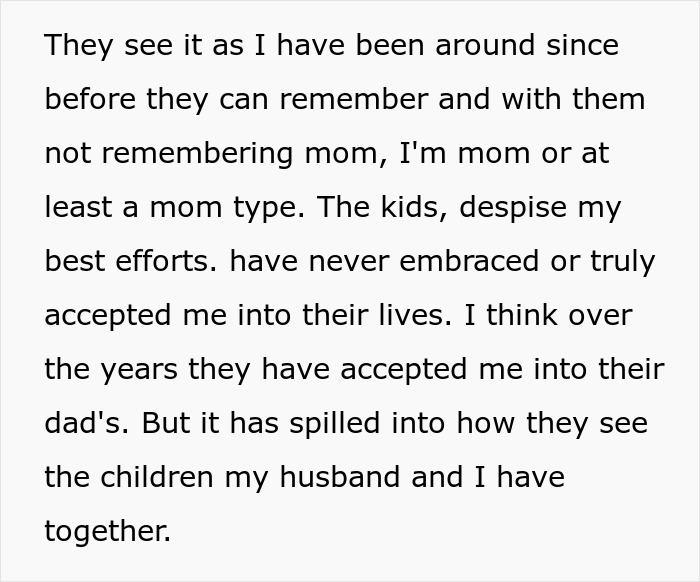
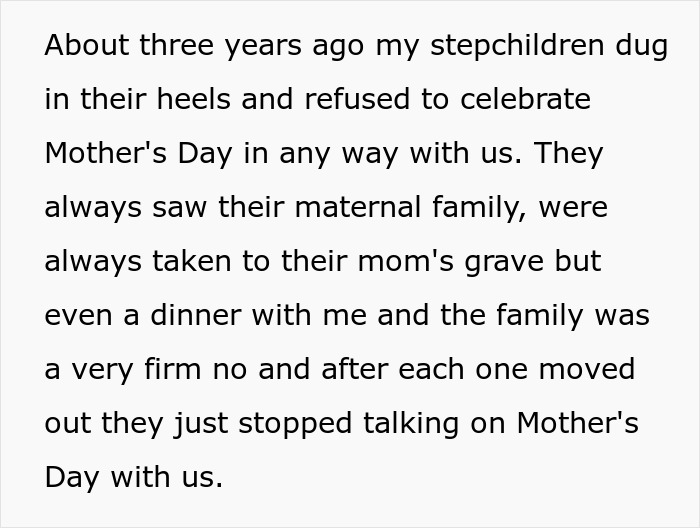


Image credits: syda_productions / Magnific (not the actual photo)
Eventually, she chose to spend Mother’s Day peacefully with her biological children instead, rather than waiting for her stepchildren to reach out or include her
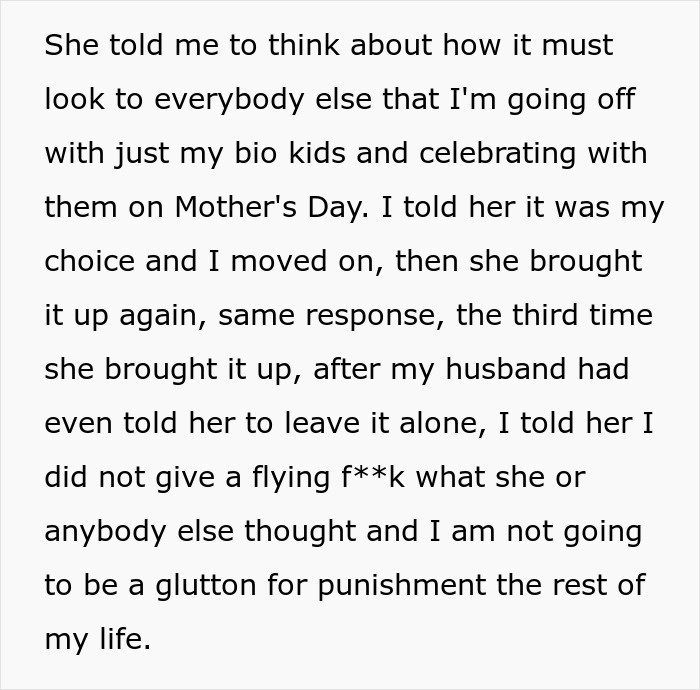
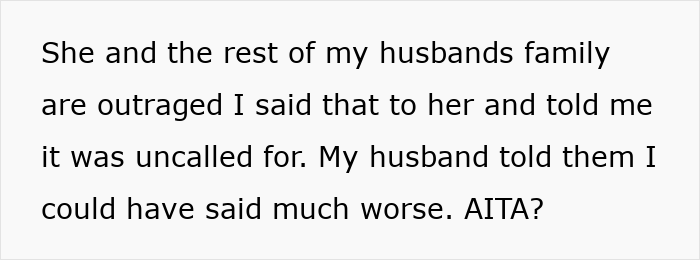
Image credits: LogicalRove
After her late husband’s ex-in-laws repeatedly criticized her decision, she snapped, sparking family backlash and debate over whether she was wrong for finally setting boundaries
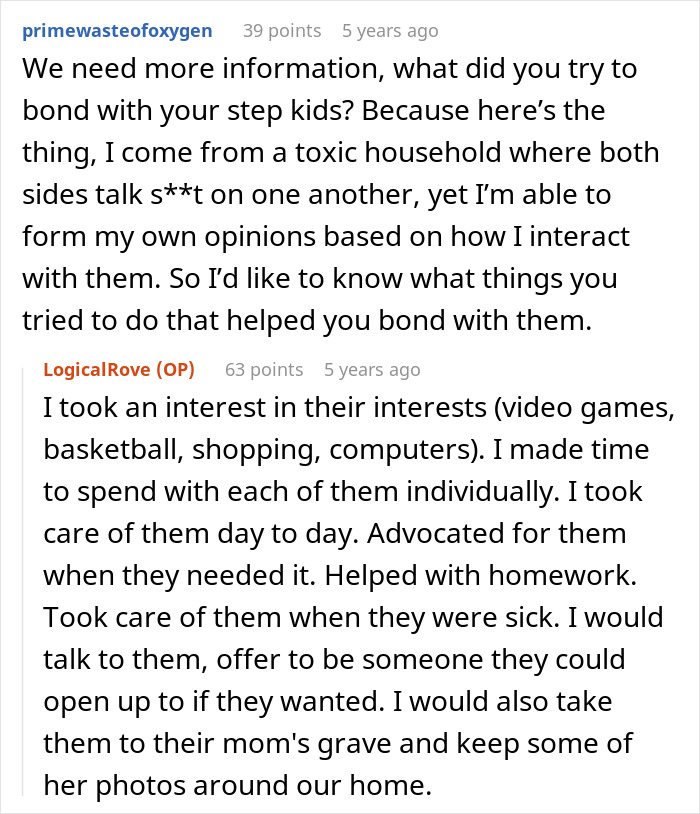
The OP met her future husband while he and his children were still navigating the devastating loss of his first wife. Their relationship developed slowly, eventually leading to marriage when his children were still very young and despite her efforts to become a positive figure in their lives, the transition was never smooth. Although she helped raise them, they never embraced her as a parental figure.
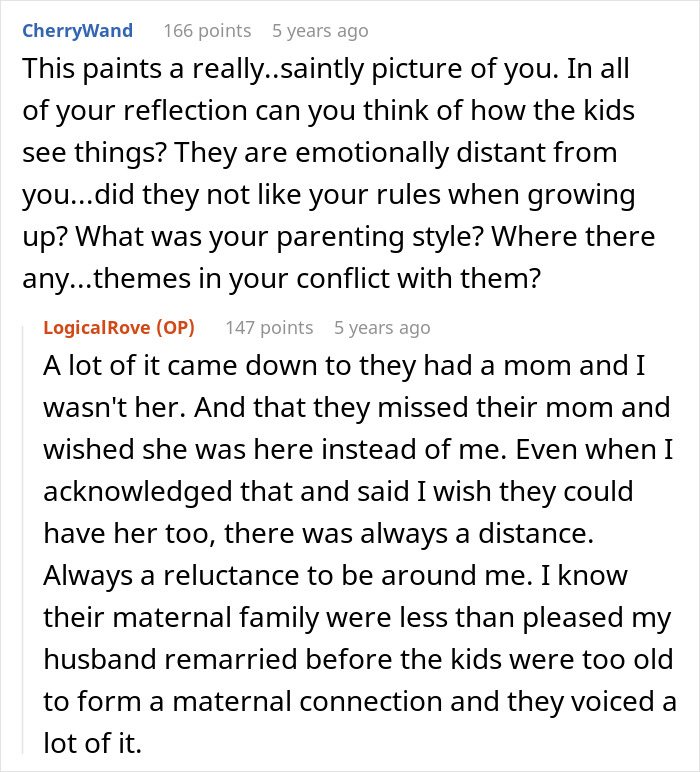
As the children grew older, they consistently introduced her as the “dad’s wife” rather than a stepmother or parent. While they accepted her presence in their father’s life, they never developed the close bond she had hoped for, and this distance became especially noticeable during Mother’s Day. The children maintained traditions honoring their late mother and spending time with their maternal relatives, which the OP respected.
However, several years ago they stopped participating in any Mother’s Day activities involving her entirely. Eventually, she decided that rather than waiting around hoping for a call or surprise visit, she would spend Mother’s Day with her biological children. Her late husband’s ex-in-laws, the family of his first wife, however, strongly disapproved and argued that she should have left the door open for her stepchildren to participate.
After hearing the same criticism multiple times, the OP finally lost it and bluntly told her mother-in-law that she didn’t care what anyone thought and that she wasn’t willing to spend the rest of her life setting herself up for disappointment. Unfortunately, that response triggered backlash from her husband’s family, who felt her language was disrespectful and unnecessary.
Image credits: Stockbusters / Magnific (not the actual photo)
Children who lose a parent at a young age may struggle with feelings of loyalty when a stepparent enters their lives. Rector Therapy affirms this by explaining that some worry that becoming too close to a stepparent could feel like replacing or forgetting the parent they lost, which can make it difficult to form a deep bond even when the stepparent has been a loving and consistent presence for many years.
Shulman notes that occasions such as Mother’s Day often bring underlying family dynamics to the forefront, particularly in blended families. For children who have lost a parent, celebrations around motherhood can resurface feelings of grief and remembrance, and stepparents may feel excluded despite years of involvement in the children’s lives.
Maintaining healthy boundaries is important in situations like this. According to Psychology Today, repeatedly putting oneself in situations that lead to disappointment can eventually result in frustration and resentment. In cases like this one, setting boundaries may not be about giving up on a relationship, but choosing not to continue patterns that have consistently caused emotional pain.
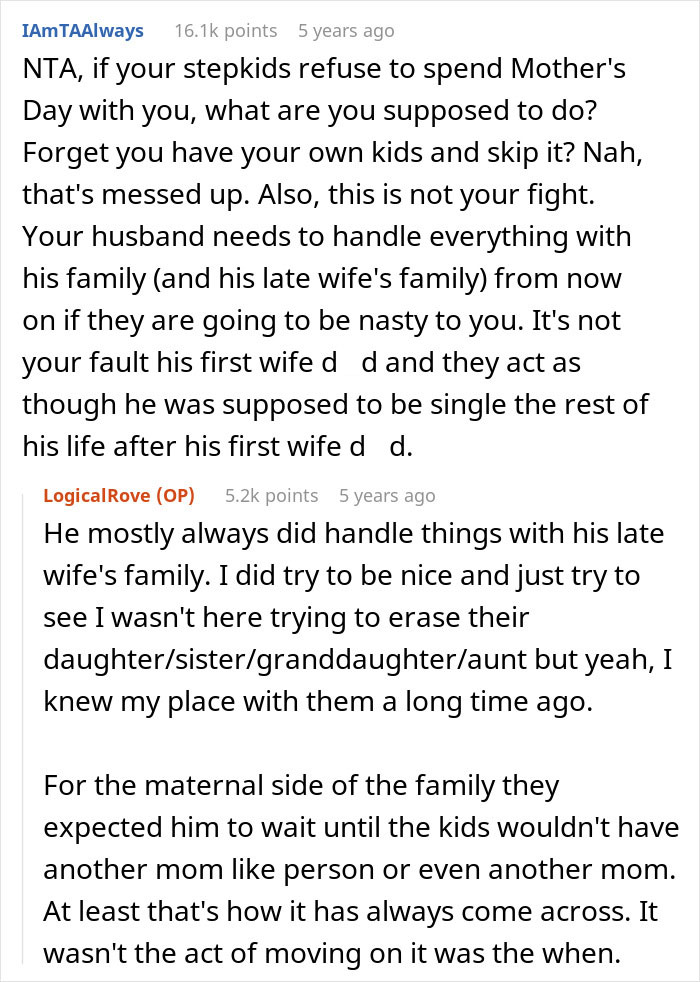
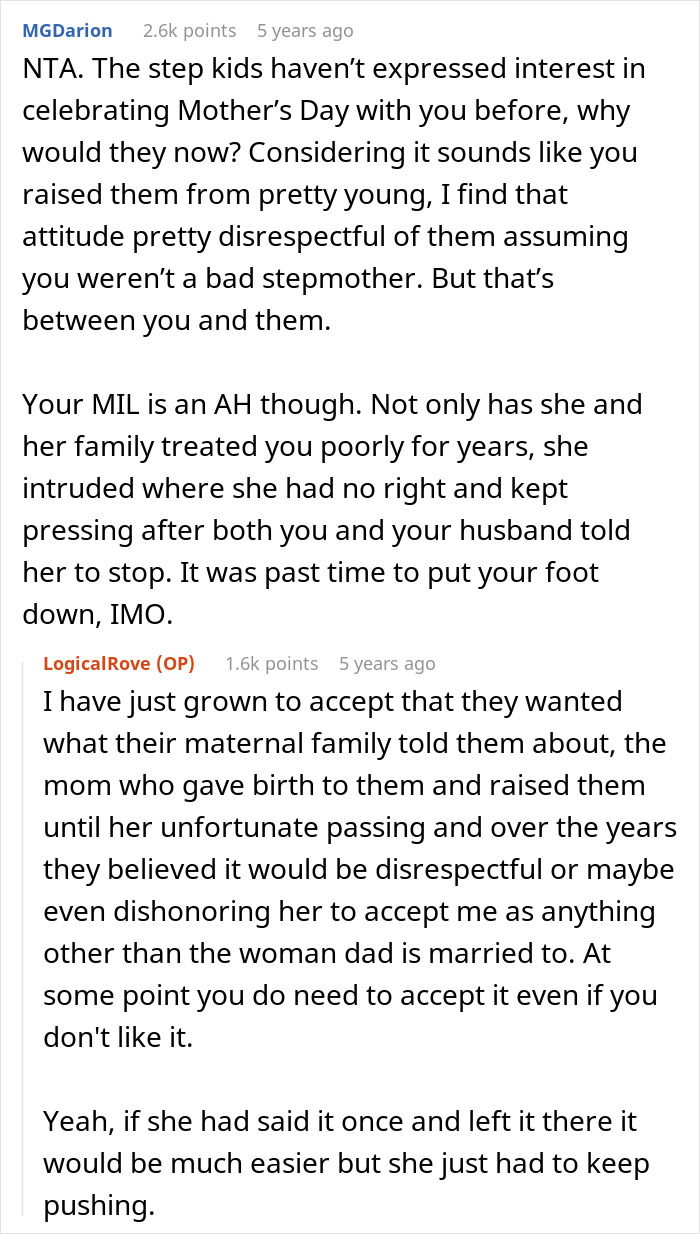
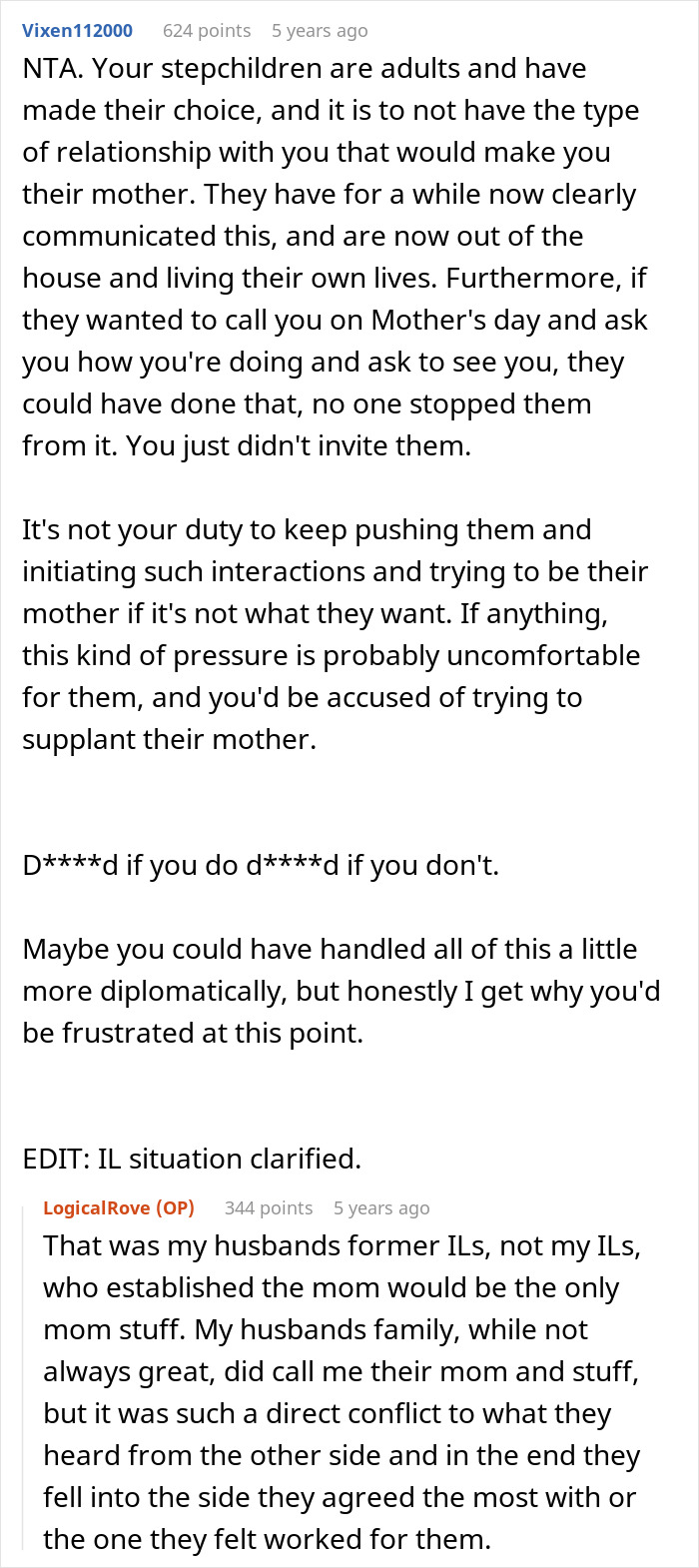
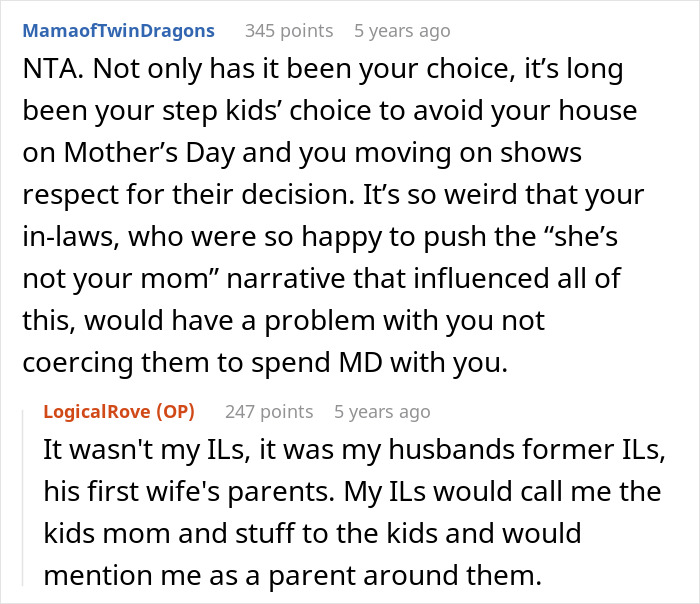
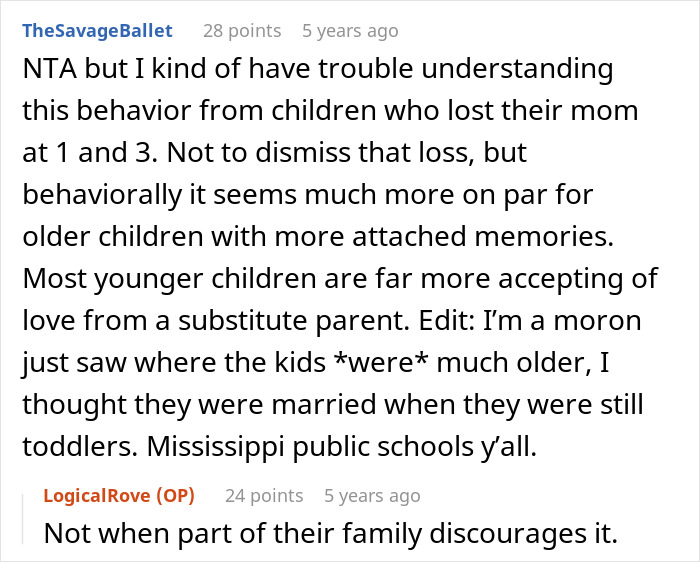
Netizens showed support for the OP’s decision to celebrate Mother’s Day with her biological children instead of continuing to wait for her stepchildren to participate. They also highlighted that the mother-in-law’s behavior was intrusive and unfair. What do you think about this situation? Should stepparents still “wait” for recognition from stepchildren who repeatedly reject them? We would love to hear from you!
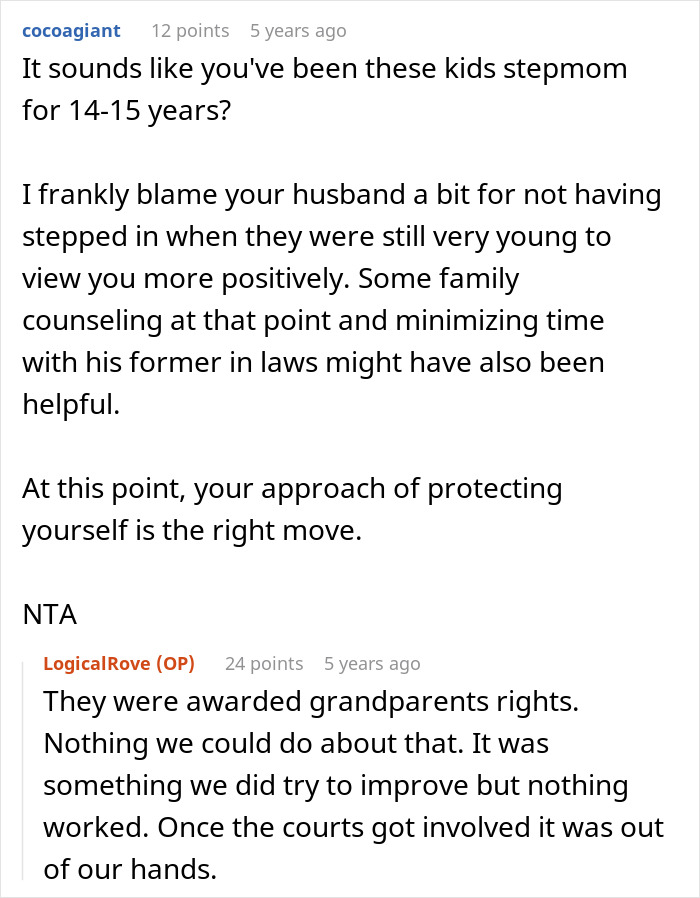
Netizens pointed out that the real issue lies within the extended family’s lack of support, agreeing that the author was justified in finally standing her ground after years of tension and criticism
 Follow Us