The popular Facebook page ‘World Beauties and Wonders’ is all about showcasing breathtaking sights from across the globe. Today, we’re bringing you some of the page’s most stunning recent photos, hoping to ignite a little wanderlust and inspire you to discover the amazing experiences that await beyond your comfort zone.
Scroll through, upvote your favorite shots, and tell us which ones impressed you the most and why. Have you recently encountered a view or adventure that took your breath away? Share your stories with us in the comments!
#1 The Bridge Of Sighs, Venice, Italy (Circa 1600)
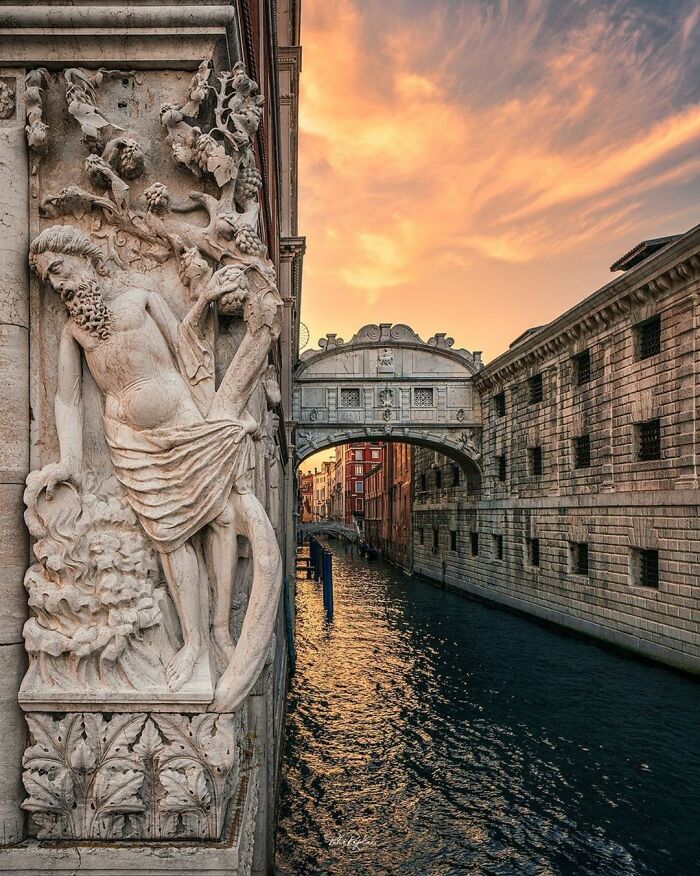
Image source: worldbeautiesandwonders

#2 The Sanctuary Of Las Lajas, Dramatically Perched In The Canyons Of Colombia
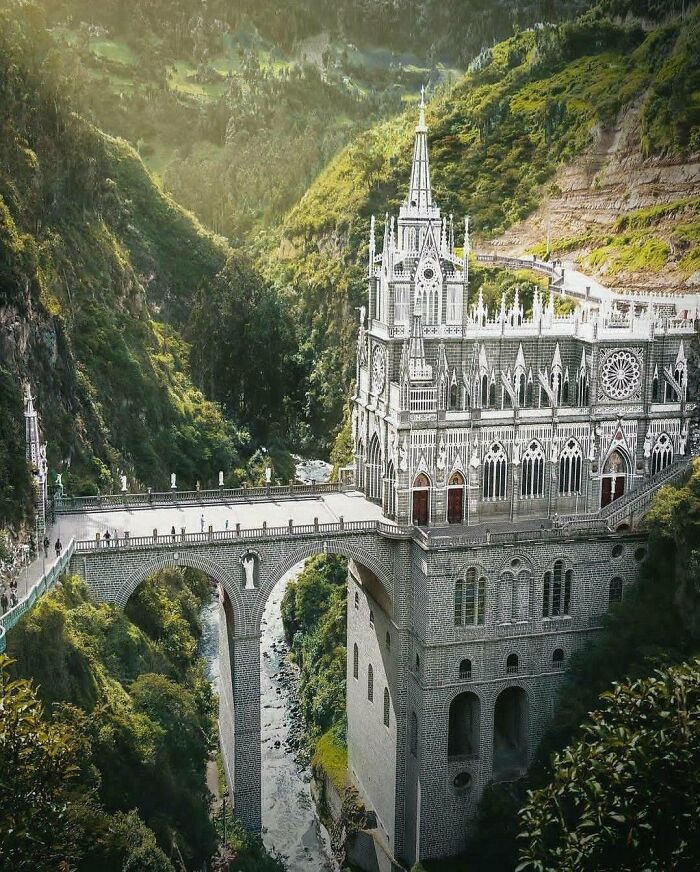
Image source: worldbeautiesandwonders
#3 Pertevniyal Valide Sultan Mosque, Istanbul, Turkey
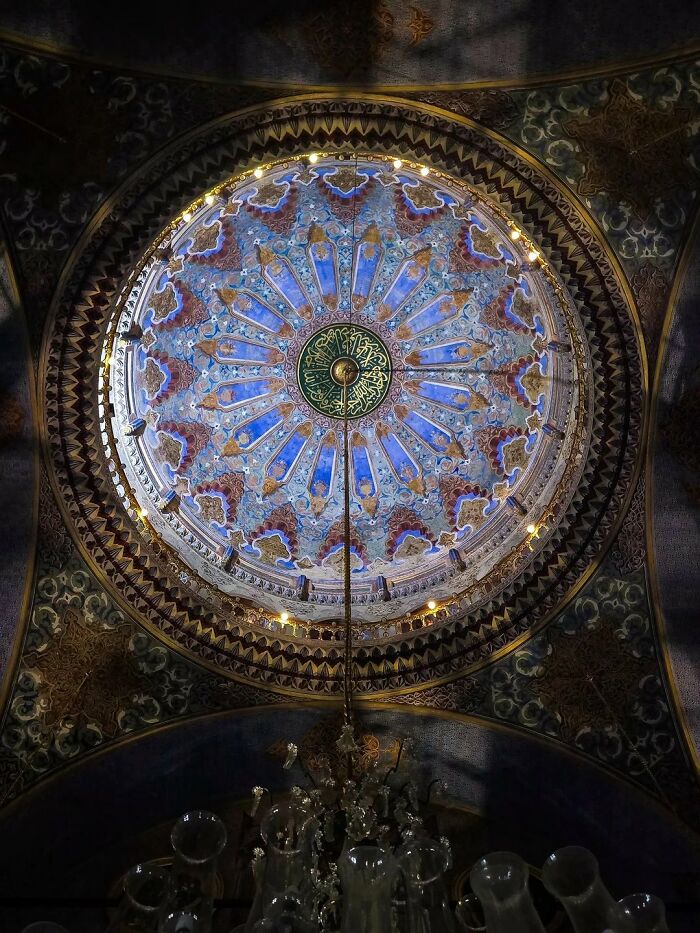
Image source: worldbeautiesandwonders
#4 Arak Four Seasons Bath Museum, Arak, Iran
Iran must be among the most breathtaking countries on earth… beauty can be found in every corner…
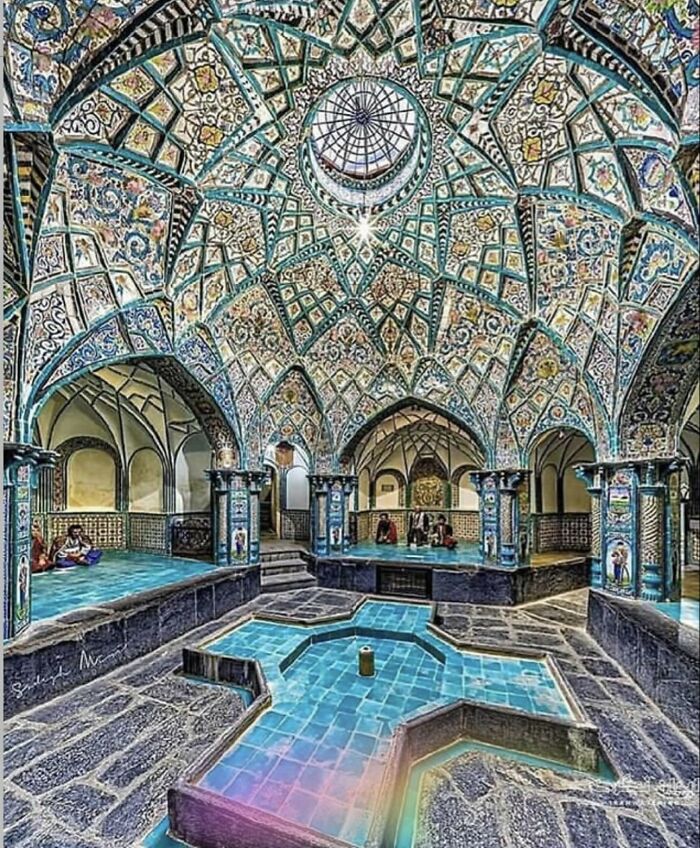
Image source: worldbeautiesandwonders
#5 “Gates Of Heaven,”Pura Penataran Agung Lempuyang, Bali
The “Gates of Heaven” at Pura Penataran Agung Lempuyang in Bali 🇮🇩 are among Indonesia’s most iconic temple views.
Situated 600 meters above sea level, the ancient Hindu complex frames Mount Agung in the distance. The temple features intricate carvings inspired by Balinese mythology and the Ramayana.
It remains one of Bali’s most sacred pilgrimage sites.
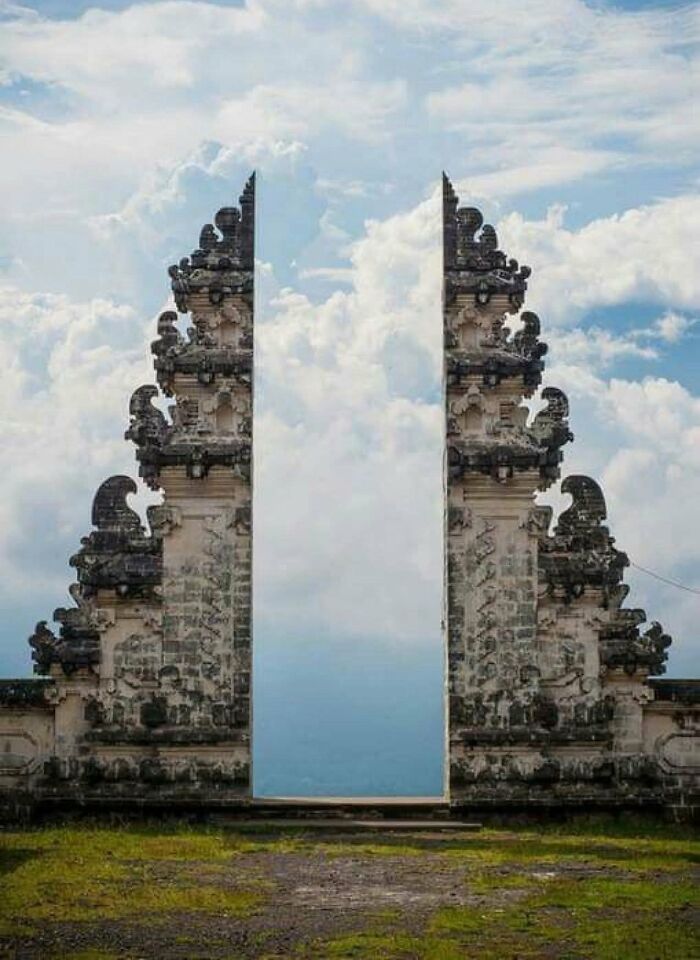
Image source: worldbeautiesandwonders
#6 Christmas Market Beside Cologne Cathedral, Germany
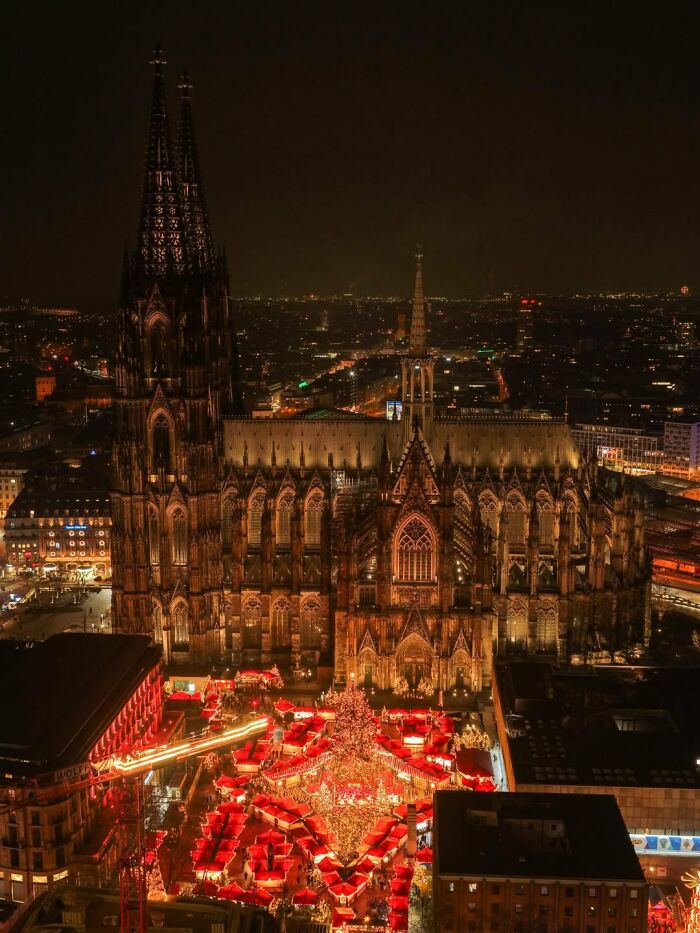
Image source: worldbeautiesandwonders
#7 The Masonic Initiation Well Of Quinta Da Regaleira
Hidden beneath the lush gardens of the Quinta da Regaleira estate in Sintra, Portugal, lies a spectacular 27-meter-deep “Initiation Well”—an inverted tower built not for water but for ritual. Constructed between 1904 and 1910 under the direction of António Augusto Carvalho Monteiro, a wealthy man fascinated by esoteric traditions, and architect-set designer Luigi Manini, the well merges Gothic, Egyptian, Moorish, and Renaissance influences.
The spiral descent symbolized death and rebirth, echoing mystical rites associated with the Knights Templar and later Masonic traditions. Candidates reportedly entered blindfolded, descended nine flights of stairs—representing the nine founding Templars—and navigated a dark labyrinth before emerging into the light to complete their symbolic rebirth.
Now under UNESCO protection, the Initiation Well remains one of Portugal’s most enigmatic architectural creations.
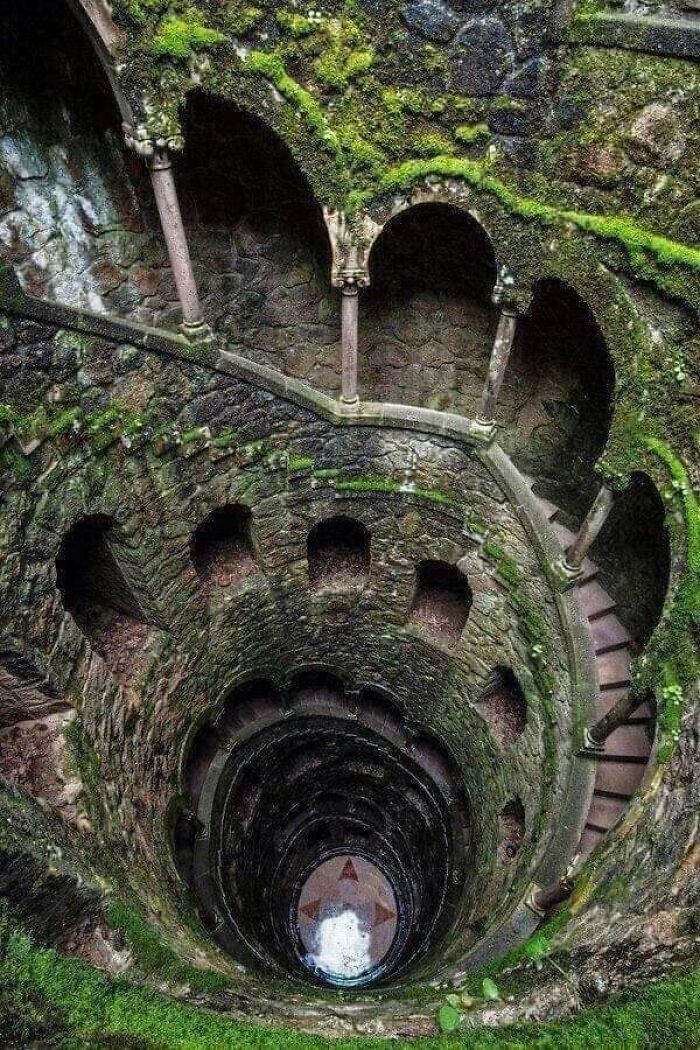
Image source: worldbeautiesandwonders
#8 Civita Di Bagnoregio, The “Dying City” Of Italy
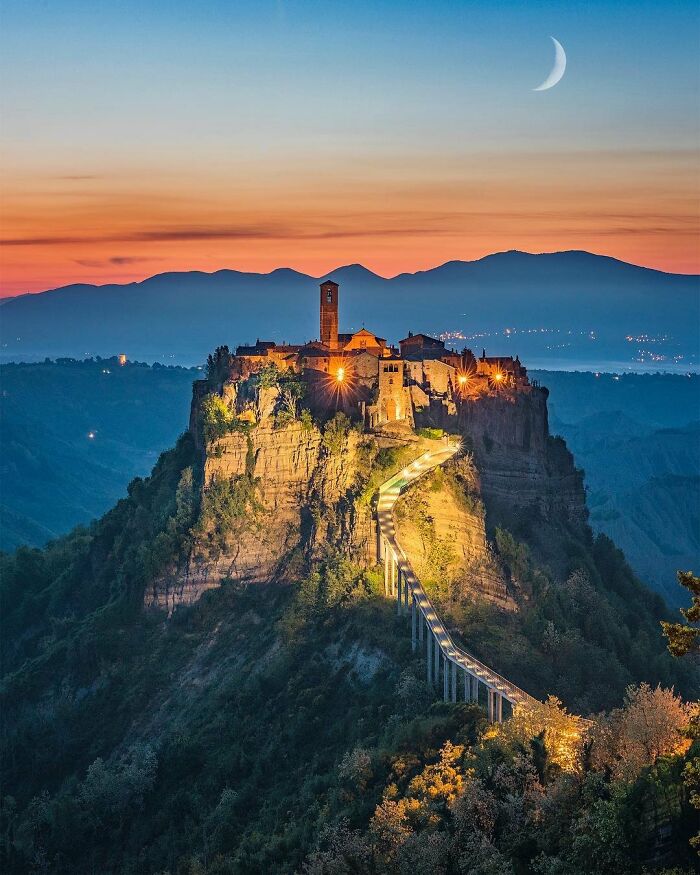
Image source: worldbeautiesandwonders
#9 Puente Nuevo Bridge In Ronda, Spain
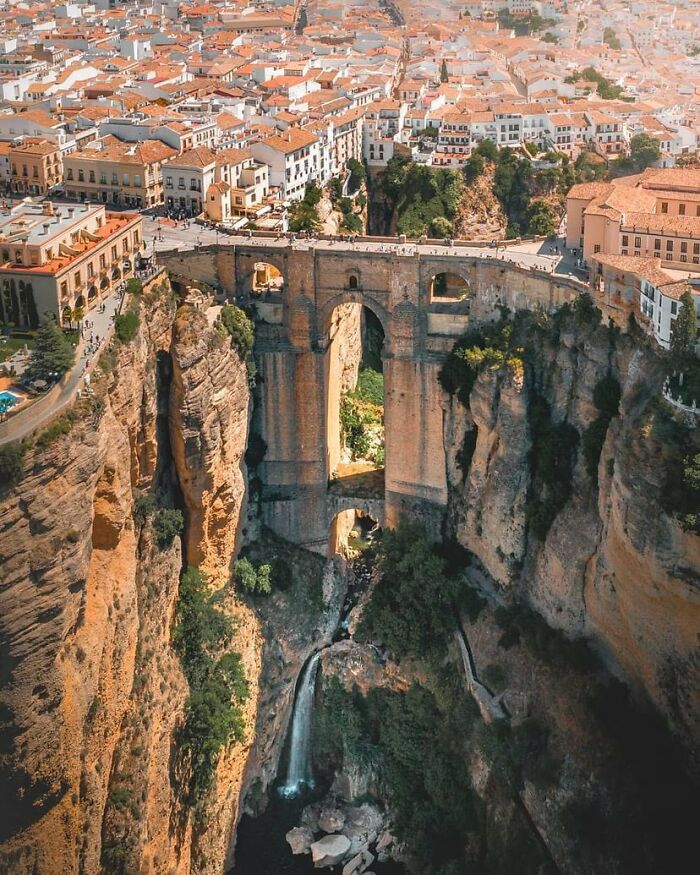
Image source: worldbeautiesandwonders
#10 Monastery Of Varlaam, Greece
Before rock-cut stairs were added in the 1920s, the Meteora monasteries could be reached only by long, detachable ladders or by nets hauled up with a winch.
For security, ladders were pulled in or the rope could simply be cut. At the Monastery of Varlaam, the rope was traditionally replaced only “when God allowed it to break,” meaning visitors and supplies were hoisted upward entirely on faith.
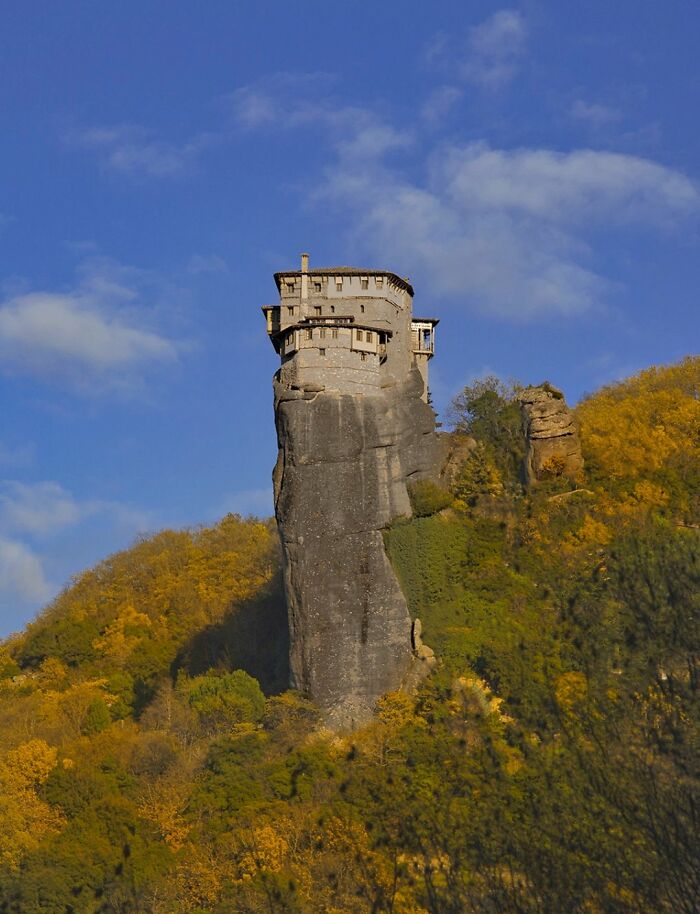
Image source: worldbeautiesandwonders
#11 Antakya, Turkey
The world’s largest preserved mosaic, opened to visitors in 2019 in Antakya, Türkiye, within the newly constructed Antakya Museum Hotel. The 1,300-year-old, 9,000-square-foot mosaic was unearthed in 2010. Archaeologists and architects worked together to protect the massive piece during construction. A raised platform supported by structural columns now hovers above the mosaic, with designated viewing areas that allow guests to look down upon the artwork. Experts believe the mosaic, composed of complex geometric forms, once floored a public building in ancient Antioch. Earthquakes in AD 526–528 shifted the foundation dramatically, but because the mosaic remained bonded to the moving substrate, the warped surface actually enhances its visual character. Founded in 300 BC by Seleucus I Nicator, one of Alexander the Great’s successors, Antioch served as capital of the Seleucid Empire until the Roman conquest in 63 BC. It later became the seat of the governor and a major crossroads for trade linking the Mediterranean with the East. At its height, Antioch reached roughly half a million inhabitants and rivaled first Alexandria and later Constantinople as the empire’s second city. Today, Antakya is renowned for the extraordinary quantity and quality of mosaics beneath its streets. The Hatay Archaeological Museum houses an unparalleled Roman mosaic collection, many lifted and conserved indoors. Thus, when construction of a hotel exposed a monumental late Roman mosaic, the discovery—though remarkable—was not astonishing. What set it apart was the unprecedented approach to conservation: rather than removing, covering, or bypassing it, the archaeological team and architects created a hybrid “museum-hotel.” Emre Arolat Architecture aligned structural supports along an ancient riverbed cutting through the site, placing them outside the mosaic’s footprint. A platform carrying the hotel’s shared spaces—ballroom, conference halls, pool, gym—was built above, with corridors and viewing decks integrated for observing the archaeology below. Prefabricated room units were stacked overhead to minimize on-site building activity and avoid harming the mosaic. Walkways and bridges allow open views of the ruins throughout the hotel.
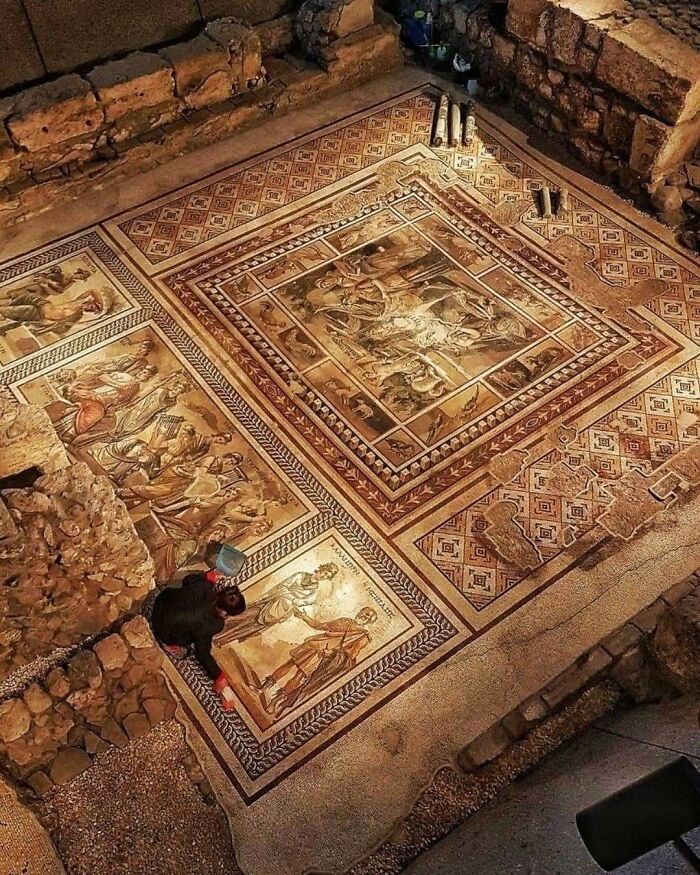
Image source: worldbeautiesandwonders
#12 Leuven, Belgium
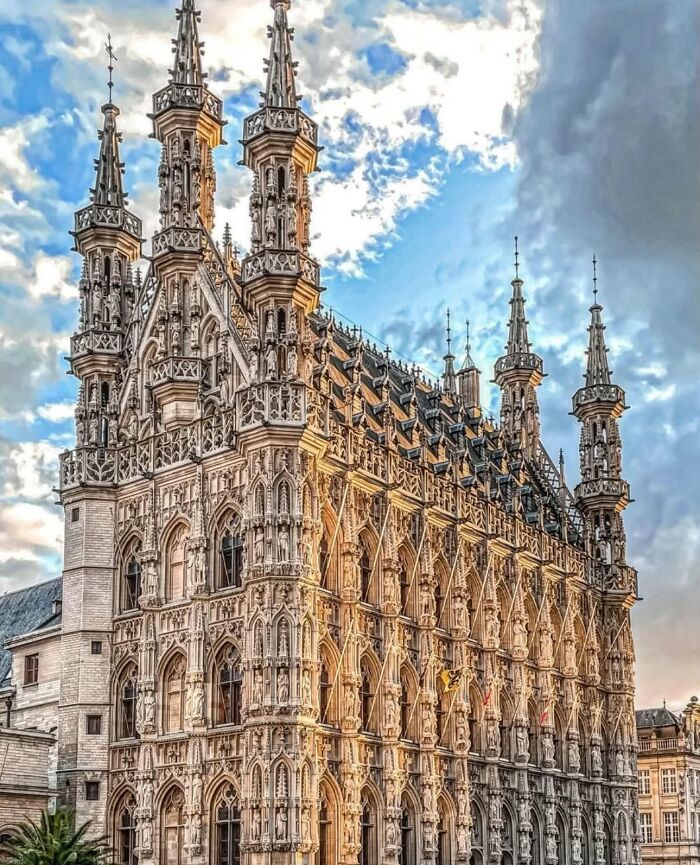
Image source: worldbeautiesandwonders
#13 The Starry Ceiling Of The Church Of San Gioacchino, Rome, Italy
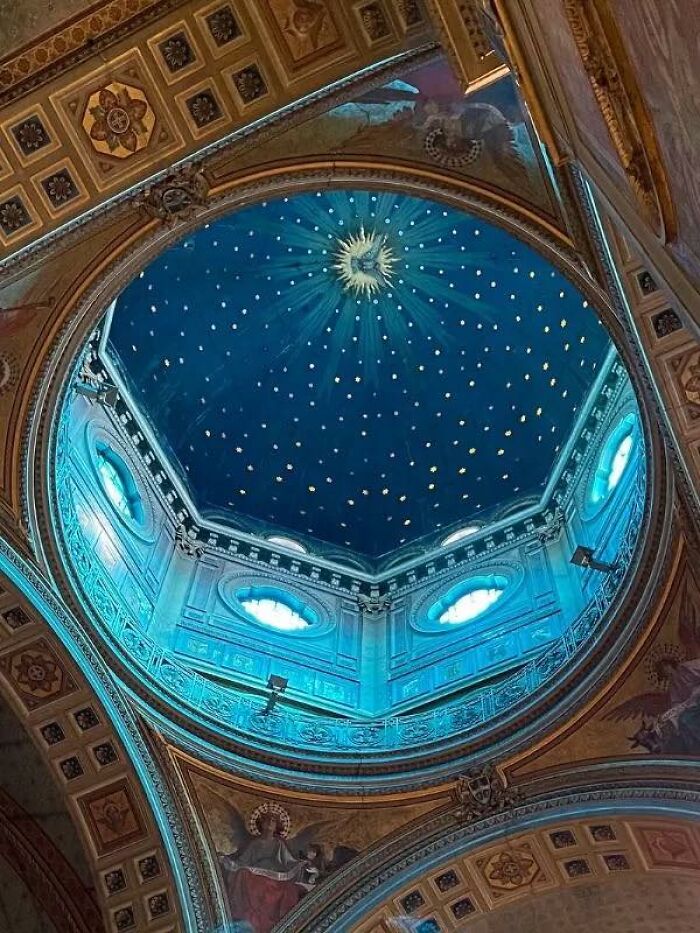
Image source: worldbeautiesandwonders
#14 Athens, Greece
They utter no words, yet have watched empires rise and crumble. The original Caryatids of the Erechtheion stand as silent guardians of history, carrying its weight upon their shoulders.
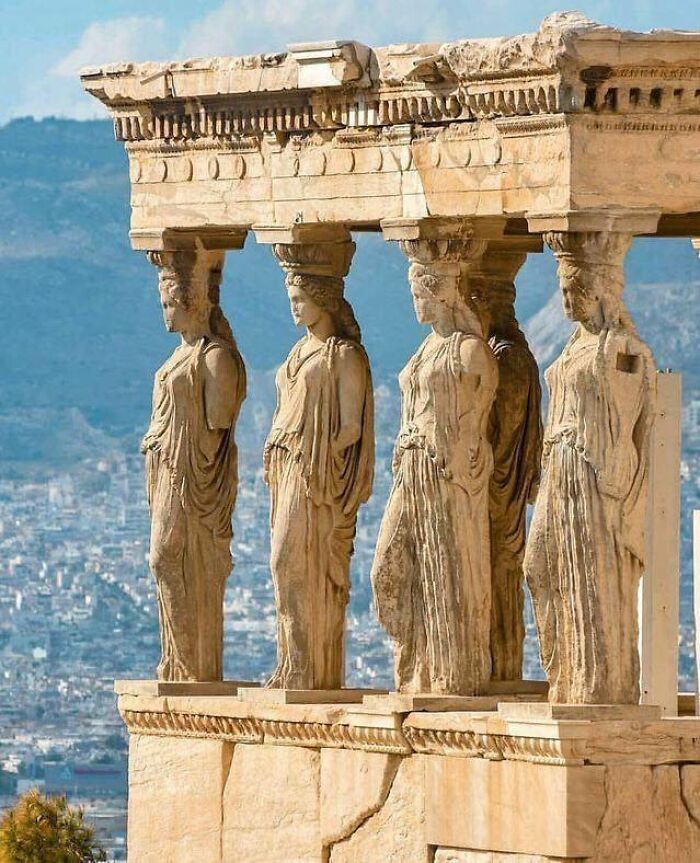
Image source: worldbeautiesandwonders
#15 A Renowned Spiral Staircase Designed By Leonardo Da Vinci In 1516
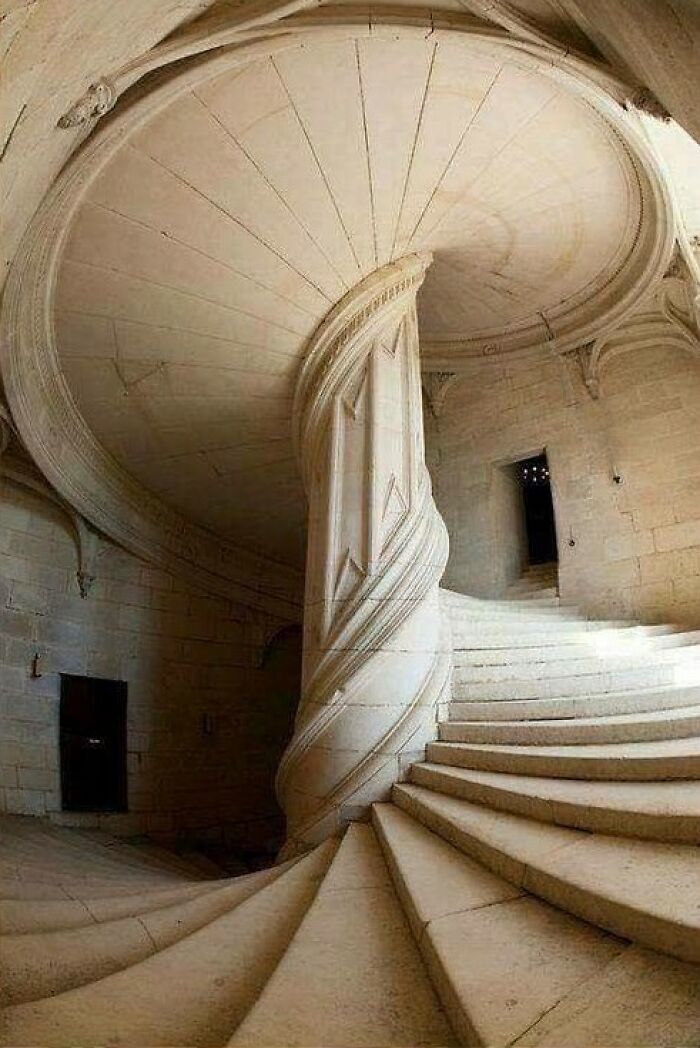
Image source: worldbeautiesandwonders
#16 Geghard Monastery, Armenia
Geghard Monastery, in Armenia’s Kotayk Province, is a medieval marvel partly carved into the surrounding cliffs. The complex’s breathtaking setting and unique construction earned it UNESCO World Heritage status for its cultural and historical value.
Founded in the 4th century by Gregory the Illuminator at a site with a sacred spring, the monastery’s main chapel was completed in 1215 AD. For centuries, Geghard served as a spiritual and pilgrimage center, blending architecture and landscape into one of Armenia’s most sacred places. Its harmony with nature and its centuries-old sanctity make it a profound symbol of Armenian Christian heritage.
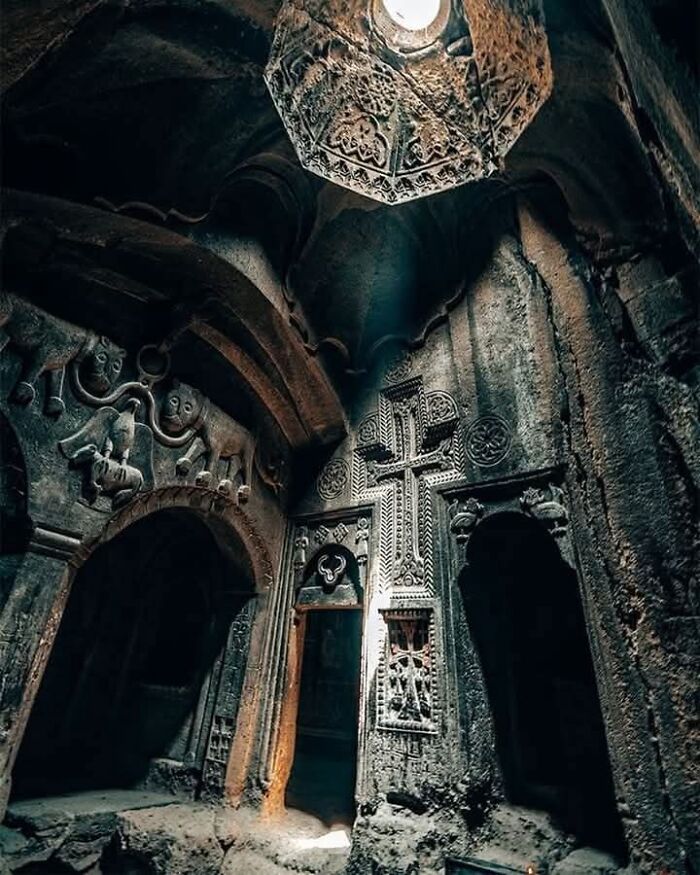
Image source: worldbeautiesandwonders
#17 Naples, Italy
Standing beneath the dome of Galleria Umberto I in Naples reveals an old belief: beauty was never mere ornament—it was destiny.
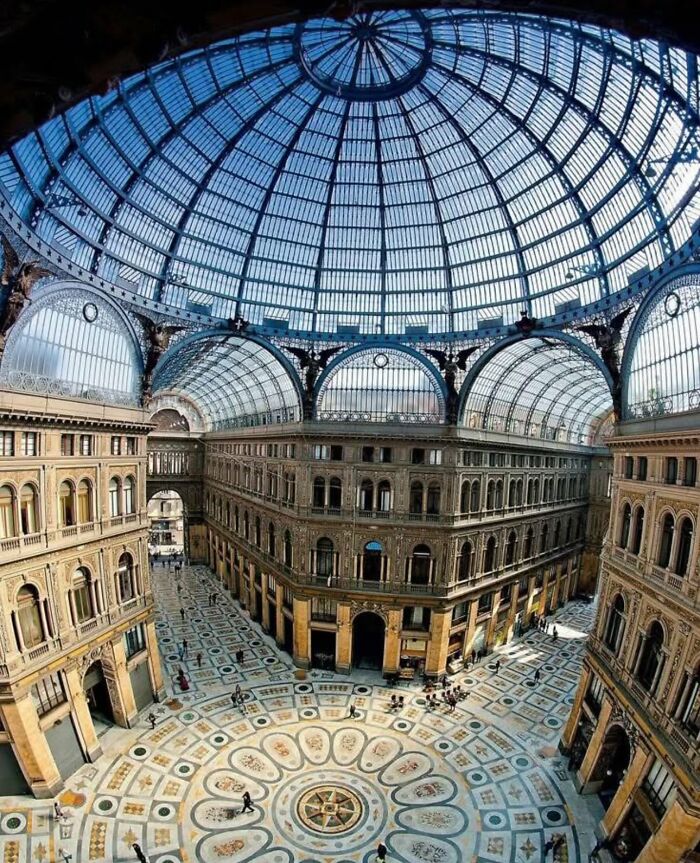
Image source: worldbeautiesandwonders
#18 Chicago, USA
Looking down the spiral staircase of the Sullivan Center in Chicago
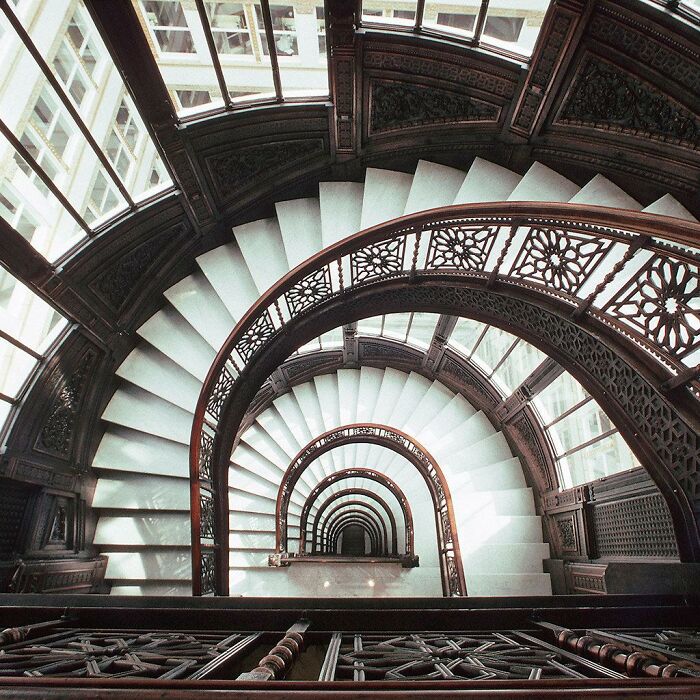
Image source: worldbeautiesandwonders
#19 Bavljenac, Island In Croatia
Baljenac, a small uninhabited island located in the Šibenik archipelago of Croatia, is renowned for its striking resemblance to a giant fingerprint, created by an intricate network of stone walls built by local farmers in the 1800s. Covering an area of just 0.14 square kilometers, the island’s walls, if connected, would stretch for an impressive 23 kilometers (14 miles). Farmers from the neighboring island of Kaprije once used Baljenac for agriculture, clearing the island’s harsh vegetation to grow fig and citrus trees, along with grapevines. To protect their crops from the wind and divide the land into plots, they constructed waist-high stone walls using the ancient technique of dry stone walling, which involves skillfully stacking and interlocking rocks without the use of mortar.
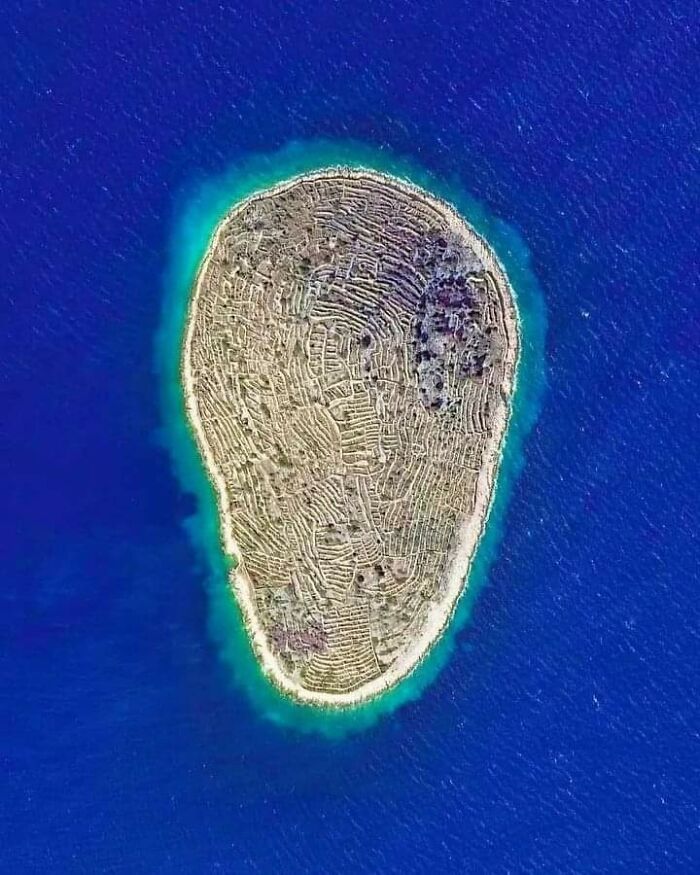
Image source: worldbeautiesandwonders
#20 Church Of The Savior On Spilled Blood, Saint Petersburg, Russia
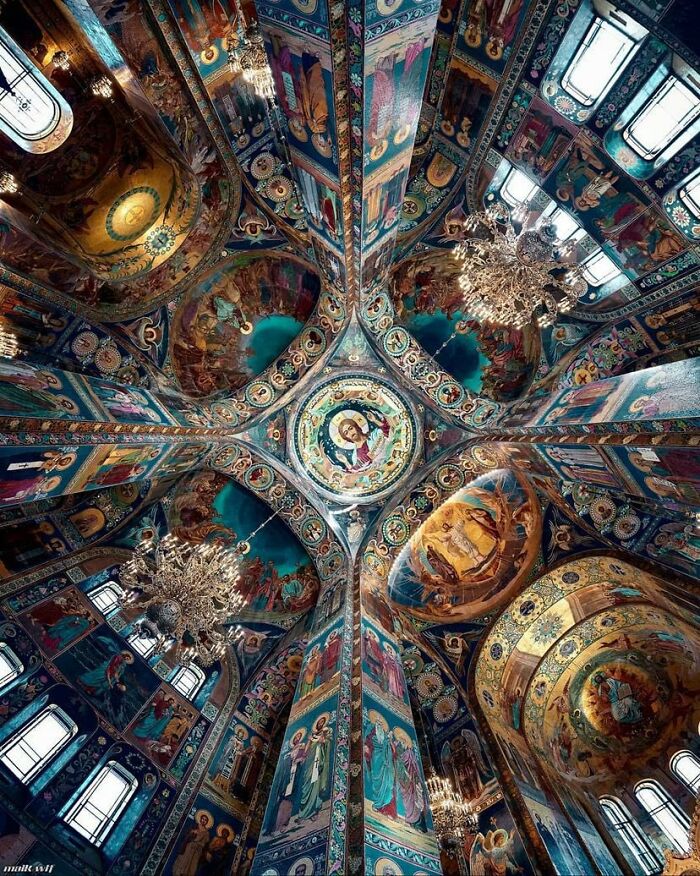
Image source: worldbeautiesandwonders
#21 Jaisalmer, India
It resembles delicate wooden lace… yet it’s carved from stone. This stunning facade in Jaisalmer, India.
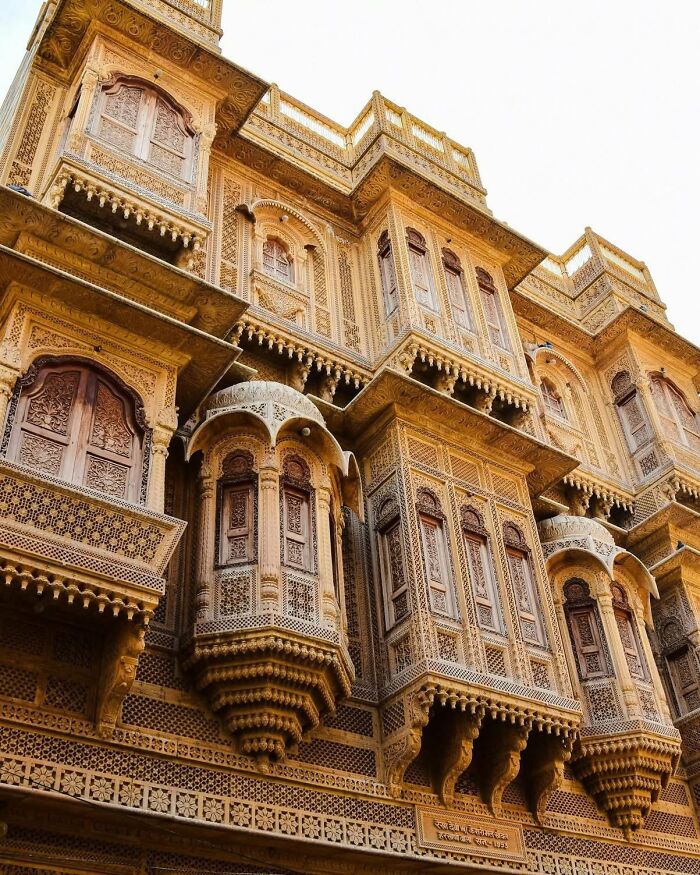
Image source: worldbeautiesandwonders
#22 Nördlingen, Germany
The medieval town of Nördlingen in Germany, uniquely situated within a 15-million-year-old meteorite crater.
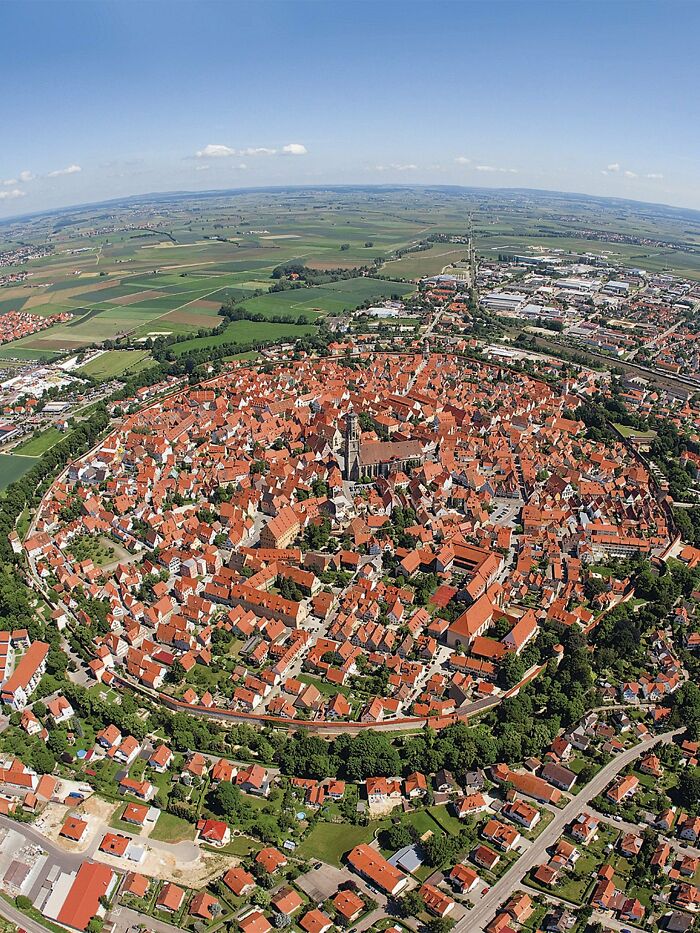
Image source: worldbeautiesandwonders
#23 The Roman Bridge Of Córdoba, Spain
Rising proudly for more than 2,000 years, the Roman Bridge of Córdoba is a masterpiece of engineering elegance.
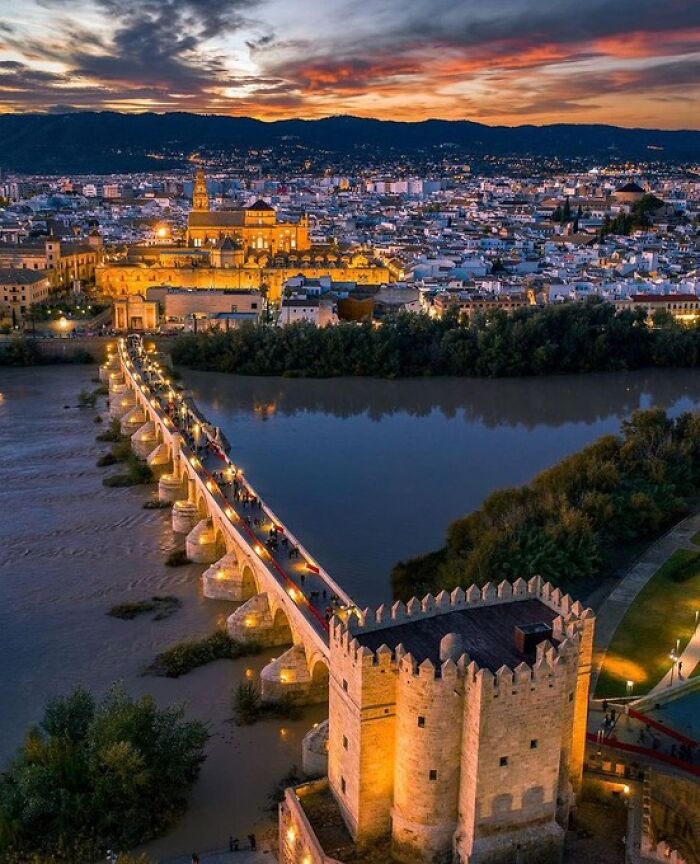
Image source: worldbeautiesandwonders
#24 The Catacombs Of Kom El Shoqafa
The Catacombs of Kom El Shoqafa, whose name translates roughly as “Mound of Shards,” are one of the most important archaeological sites in Alexandria, Egypt. This underground complex is often referred to as the “Hill of Treasure” and represents a vast necropolis dating back to the 2nd century AD. The catacombs are particularly notable for their unique combination of artistic traditions. Elements of Roman, Hellenistic, and ancient Egyptian styles appear together in the wall decorations, statues, funerary objects, and architectural design. Because of this remarkable cultural blending, the site has sometimes been considered one of the Seven Wonders of the Middle Ages. The catacombs were rediscovered in September 1900 under unusual circumstances. According to local accounts, a donkey wandering near Alexandria’s outskirts stepped onto unstable ground and suddenly fell into the hidden shaft leading down into the tomb complex. The underground burial chambers create an eerie yet fascinating atmosphere. Rows of carved stone tombs stretch through the dimly lit spaces, giving visitors a mixture of historical curiosity and quiet unease. The Ptolemaic dynasty, which ruled Egypt after the conquests of Alexander the Great, had adopted many Egyptian religious beliefs. Although the dynasty was originally Greek, its rulers embraced Egyptian traditions regarding death, the afterlife, and divine worship. This cultural fusion is clearly visible in the catacombs, where Roman artistic features appear alongside traditional pharaonic symbolism. The complex consists of multiple Alexandrian tombs carved deep into the bedrock and descending approximately 35 meters underground across three levels. A circular entrance leads down through a spiral staircase toward the main burial chambers. The lowest level is now flooded due to groundwater seepage and cannot currently be accessed. Visitors enter through a central shaft that leads to the principal tomb chamber and a large antechamber supported by columns. This central area connects to an inner sanctuary. The walls of the antechamber are decorated with carvings of the Egyptian god Anubis, depicted wearing Roman-style armor. Statues representing Roman emperors who ruled Egypt during this period also appear within the chamber. This richly decorated antechamber is considered the most important area of the catacombs because it contains many of the site’s sculptures and decorative features. From here, two passages lead to another chamber known as the Hall of Caracalla, which contains its own staircases. Among the catacombs’ notable features are the tombs of Emperor Tigrane and Wardian, located only a short distance from the entrance.
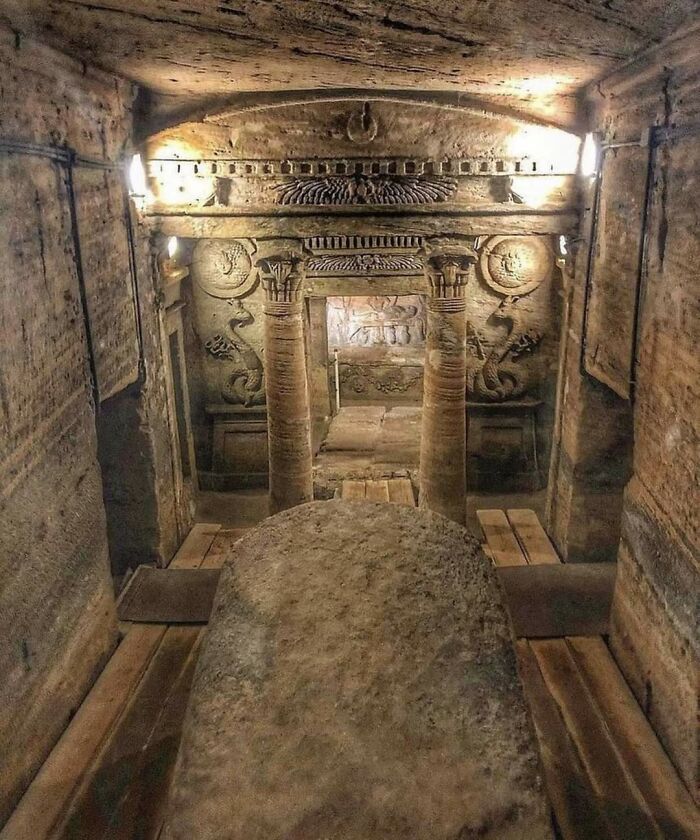
Image source: worldbeautiesandwonders
#25 Rome, Italy
Between the Colosseum and the Circus Maximus lies the evocative road known as Clivus Scaurus, often regarded as one of the most beautiful streets in Rome.
Hidden beneath the Basilica of Saints John and Paul on the Caelian Hill is an extraordinary underground archaeological complex known as the Roman Houses of the Celio (Case Romane del Celio). This site contains more than twenty rooms dating from the 2nd to the 4th centuries AD.
These remarkably preserved structures offer historians a rare glimpse into the evolution of Roman urban living. They document the transition from commercial insulae—multi-story apartment buildings—into luxurious domus, the private residences of wealthy Roman families, and later into spaces connected with early Christian communities. Because of the exceptional state of preservation, the complex is sometimes described as a “miniature Pompeii” located in the heart of Rome.
The rooms were discovered in 1887 by Father Germano di San Stanislao. Archaeologists found them approximately seven meters below the current floor level of the church.
Visitors today access the site through Clivus Scaurus itself, an ancient Roman road that has remarkably preserved much of its medieval atmosphere. The street still features arches spanning overhead, giving the area a unique historical character that connects different layers of Rome’s long past.
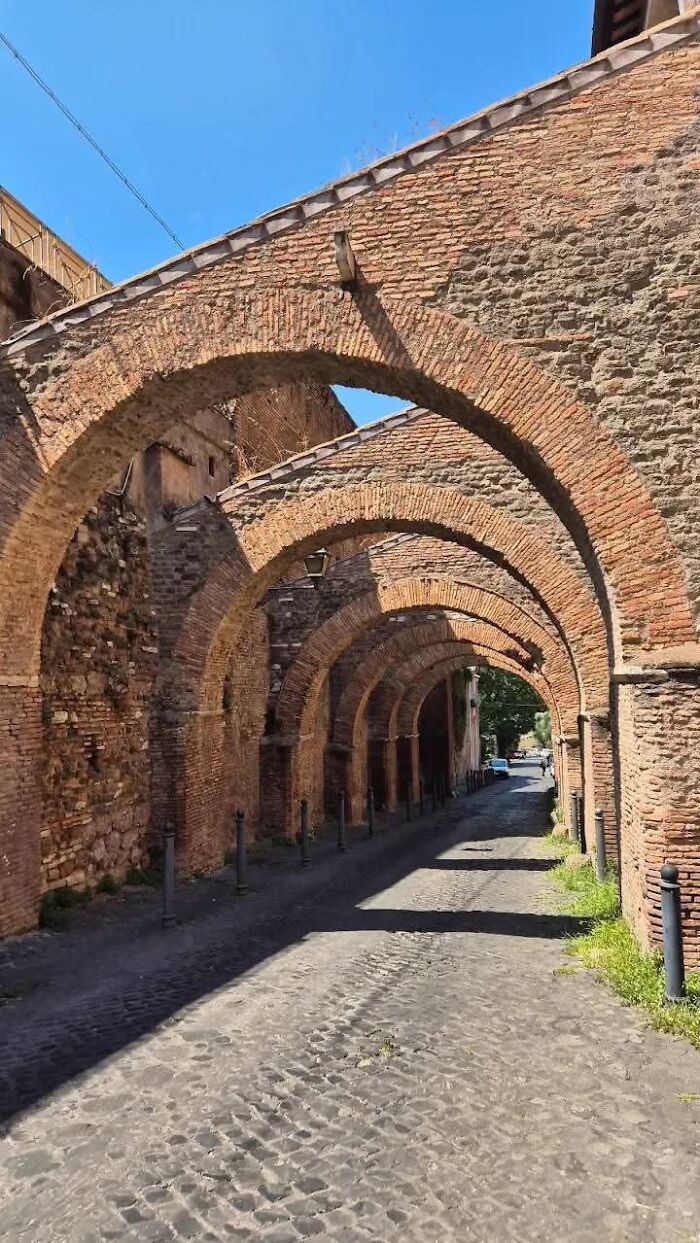
Image source: worldbeautiesandwonders
#26 Aerial Perspective Of Hamadan In Western Iran
Formerly known as Ecbatana and once the capital of the Median Empire, this city with more than 3,000 years of history is widely regarded as one of the oldest continuously inhabited settlements in Iran.
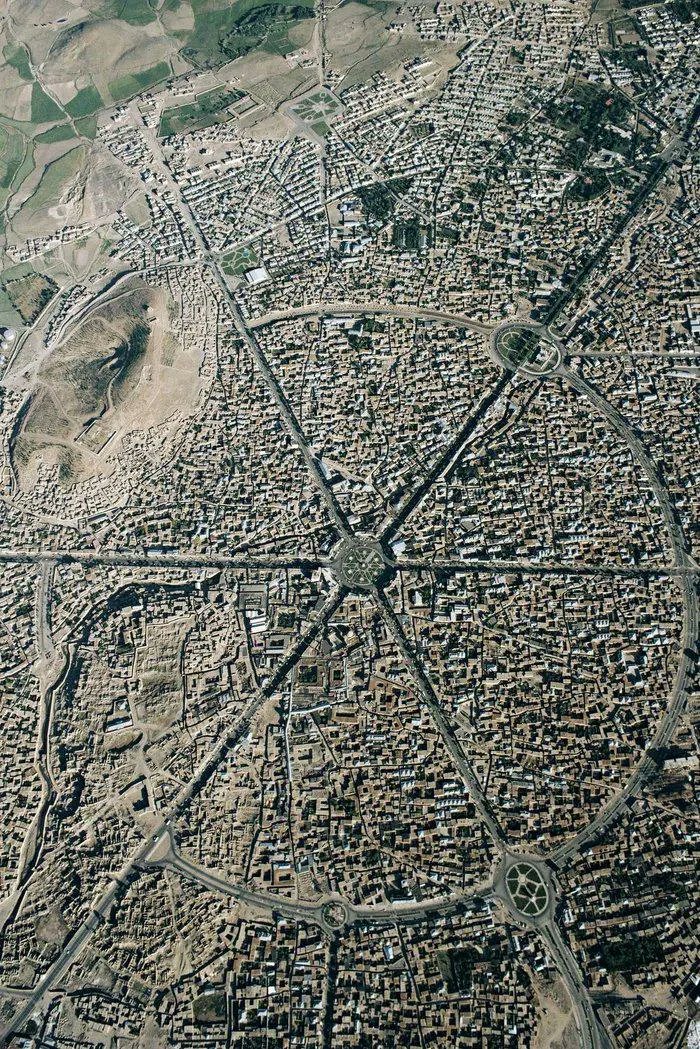
Image source: worldbeautiesandwonders
#27 The “Crinkle-Crankle” Walls Of England
In certain parts of England, you may occasionally encounter unusual brick walls that follow a wavy or serpentine pattern. Surprisingly, this curved design actually uses fewer bricks than a traditional straight wall.
These structures are known as crinkle-crankle walls. At first glance they may appear decorative or whimsical, but their origin lies in practical engineering rather than aesthetics.
A straight brick wall built only one brick thick is structurally weak and can easily collapse under sideways pressure. To make a straight wall stable, builders normally construct two parallel layers of bricks, effectively doubling the amount of material required.
However, by introducing a repeating series of curves, the wall becomes significantly stronger. Each bend acts like a natural buttress, distributing forces across the structure and allowing the wall to stand securely while remaining only a single brick thick.
This clever design became particularly popular in parts of England where landowners needed long boundary walls but wanted to minimize construction costs. Over long distances, a serpentine single-layer wall could save thousands of bricks compared to a straight wall built with double thickness.
During the 18th and 19th centuries, the design became especially common in garden estates across East Anglia. The curved shape also offered horticultural benefits. The concave sections created small sheltered microclimates that were ideal for growing fruit trees such as apples and pears. Sunlight collected along the south-facing curves, helping to warm the plants and protect them from wind.
Although modern observers often view these walls primarily as decorative features, their elegant appearance was originally a by-product of practical engineering and cost efficiency.
Thomas Jefferson even adopted the idea after seeing similar walls in England and incorporated crinkle-crankle walls into the design of his estate at Monticello in the United States
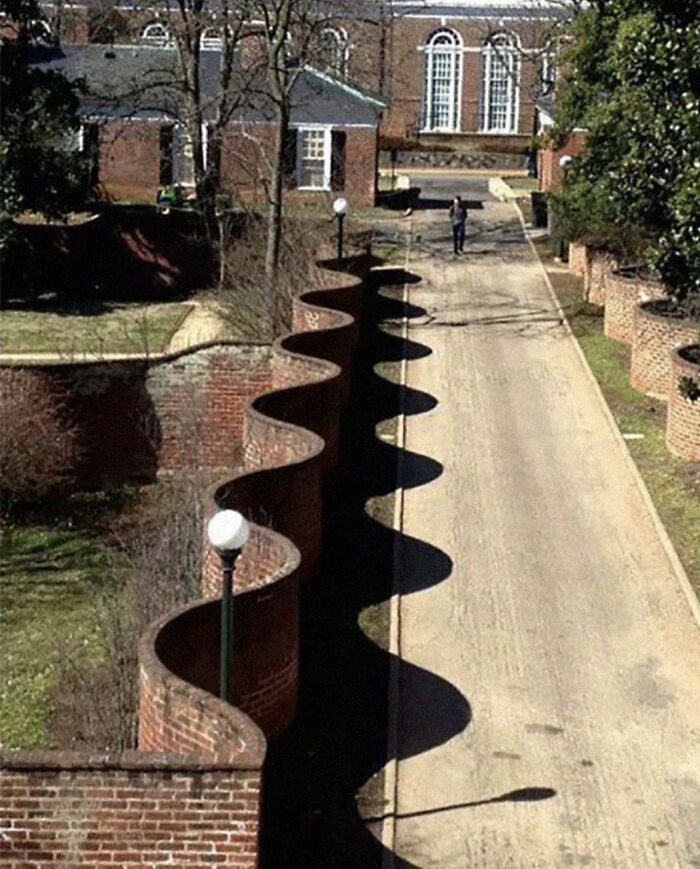
Image source: worldbeautiesandwonders
#28 Venice, Italy
The Danieli Hotel, one of the most famous and luxurious hotels in Venice, Italy, possesses a long and fascinating history. The building that houses the hotel is a historic 14th-century palace that once belonged to the influential Venetian Dandolo family. Constructed in the early 1300s, the palace served as a residence for several noble Venetian families over the centuries. In the 19th century, it was purchased by Giuseppe Dal Niel, who converted the historic palace into a luxury hotel known as the Hotel Danieli. The establishment quickly gained popularity among wealthy travelers and members of the aristocracy thanks to its elegant interiors, exceptional hospitality, and prime location within Venice. Over time, the hotel welcomed many famous guests, including composer Richard Wagner and celebrated writers such as Charles Dickens and Henry James. During the early 20th century, the property was acquired by the Società delle Nazioni. Architect Francesco Marsich was commissioned to oversee an extensive renovation project. He expanded the complex by adding a third building and designing an impressive interior courtyard that remains one of the hotel’s defining architectural features. During World War II, the building was seized by German military forces and used as an operational headquarters. After the war ended, the property was returned to its owners and underwent additional restorations and improvements. Today, the Danieli Hotel remains one of Venice’s most iconic luxury destinations, famous for its lavish interiors, exceptional service, and deep historical heritage. Its grand halls and elegant rooms continue to attract visitors from around the world who wish to experience Venice in an atmosphere of sophistication and tradition.
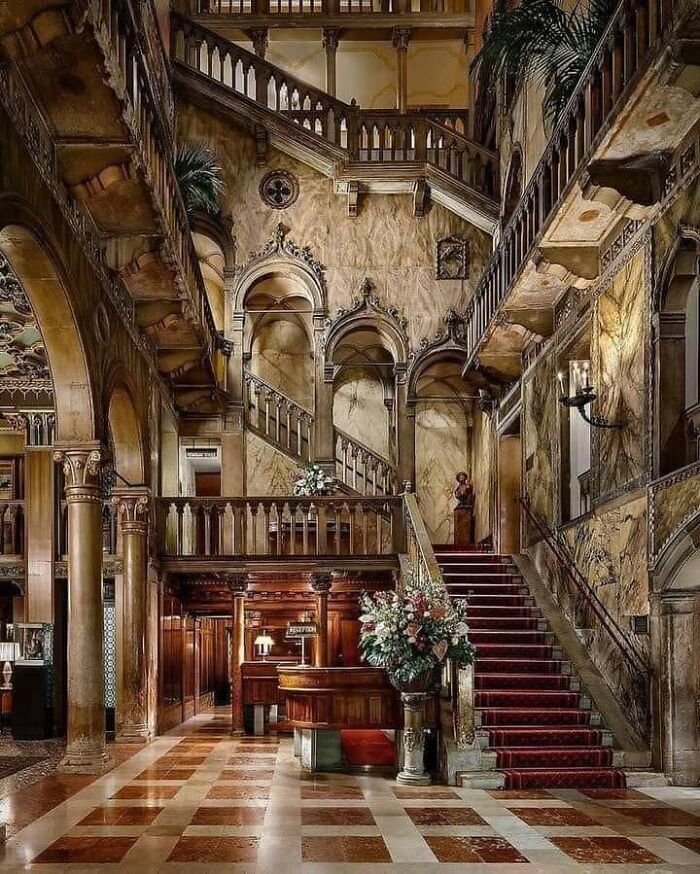
Image source: worldbeautiesandwonders
#29 Mount Roraima, Venezuela
Mount Roraima, one of the most fascinating landscapes on the planet, rises from the isolated Gran Sabana region of Venezuela. This immense tabletop mountain—classified as a tepui—is widely regarded as one of the most striking natural formations on Earth. Towering nearly 3,000 meters above sea level, its flat summit and towering vertical cliffs have intrigued scientists, explorers, and travelers for centuries.
For more than five centuries, researchers from many countries have studied the mountain’s unusual geological characteristics. Its shape differs dramatically from typical mountain systems. Most mountains originate through tectonic processes, when shifting plates push portions of the Earth’s crust upward. Mount Roraima, however, traces its origins to the Precambrian era and is estimated to be about two billion years old, making it among the oldest exposed geological structures on Earth.
The mountain forms part of the Guiana Shield, an ancient craton composed of some of the planet’s oldest rock formations. The summit plateau and the dramatic vertical walls consist mainly of quartzite and sandstone—materials highly resistant to erosion. Over immense stretches of geological time, wind, rainfall, and temperature fluctuations sculpted the mountain into its distinctive form, producing an isolated natural stronghold that rises above the surrounding terrain.
The summit of Mount Roraima presents an almost surreal landscape and is frequently described as a “lost world” because of its isolation and its distinctive ecological environment. The plateau covers roughly 31 square kilometers and is often enveloped in dense mist, which enhances its mysterious atmosphere. Weather conditions on the summit shift rapidly, with regular rainfall and temperatures that may be warm during daylight hours but drop to near freezing overnight. These isolated conditions have produced a rare ecosystem containing numerous endemic plant and animal species that exist nowhere else on Earth. Carnivorous plants such as pitcher plants and sundews flourish here, adapting to nutrient-poor soils by trapping and digesting insects. The plateau also supports a remarkable variety of orchids and bromeliads, further enriching the region’s botanical diversity.
Mount Roraima also holds profound cultural meaning for the indigenous Pemon and Kapon peoples of the Gran Sabana. They call the mountain “Roraima,” often translated as “Mother of All Waters,” a reference to the many waterfalls cascading from its cliffs. In local belief systems, the mountain is sacred and inhabited by spiritual forces and deities. One widely known legend tells of a gigantic tree that once grew atop the summit. According to the story, this tree produced every fruit and vegetable found in the world. When it was cut down, a catastrophic flood followed, and the mountain emerged from the stump left behind. Interestingly, this narrative echoes flood myths that appear in numerous cultures across the globe.
The mystery and dramatic beauty of Mount Roraima have made it an appealing destination for explorers and travelers. The first documented ascent to the summit occurred in 1884, led by British explorer Everard im Thurn. Since that expedition, the mountain has drawn many climbers and trekkers eager to witness its extraordinary terrain and expansive vistas. The most frequently used route to the summit begins in the Gran Sabana region of Venezuela and typically requires several days of trekking. The journey involves navigating dense rainforest, crossing rivers, and climbing steep slopes. Despite the difficulty, those who reach the top encounter an otherworldly landscape filled with unusual rock formations, pristine pools, and sweeping views extending across three countries—Venezuela, Brazil, and Guyana.
Because of its ecological importance and cultural value, conservation efforts have been implemented to protect Mount Roraima and its environment. The mountain lies within Canaima National Park, a protected area recognized as a UNESCO World Heritage Site. This status offers some defense against threats such as deforestation, mining, and environmental damage. Nevertheless, the rise in tourism and the potential for ecological disruption remain ongoing concerns for those working to preserve this extraordinary landscape.
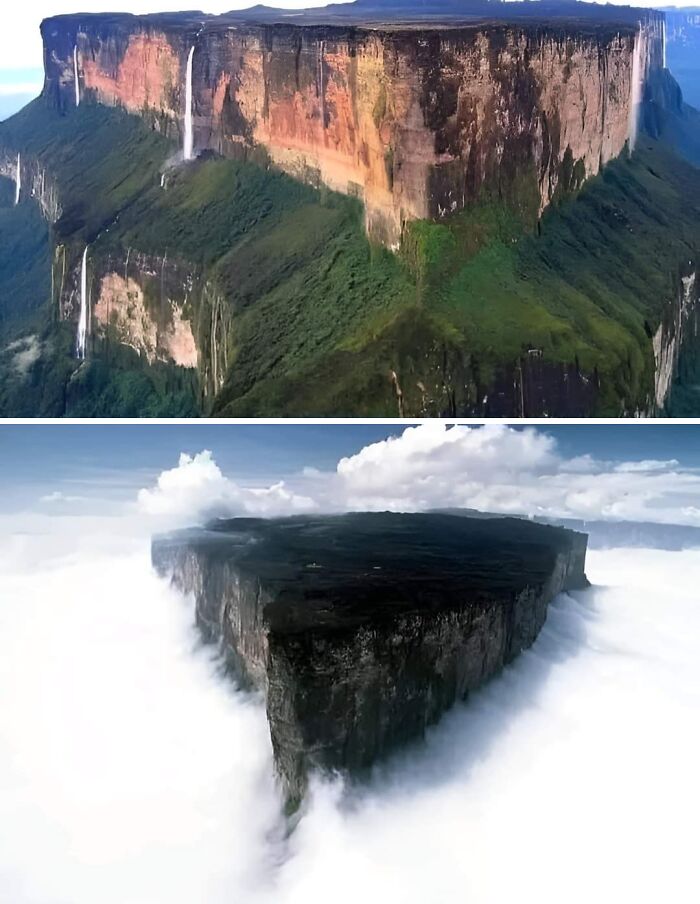
Image source: worldbeautiesandwonders
#30 The Spiral Staircase In The Tower Of The Moot Hall, Maldon (1420 Ad)
Hidden inside the tower of Moot Hall, a narrow brick spiral staircase has been winding upward since around 1420. The staircase was built during a period when English towns were increasing in authority and constructing strong civic buildings for courts, markets, and municipal meetings. The staircase provided access to upper rooms that served various purposes, including storage, observation, and sometimes defensive positions. Its tight spiral allowed it to occupy minimal space within the tower while still providing efficient vertical movement. Unlike the grand stone staircases typically associated with castles, this example was constructed from brick. In medieval England, brick was still considered a relatively modern and expensive building material, making its use notable. Each brick step was individually placed by hand, and as a result, no two steps are exactly identical. The steep incline and narrow curve were not only practical architectural choices but also served a defensive function, slowing movement and making the tower easier to control if unrest occurred below. The worn surfaces of the steps reveal centuries of use. For more than six hundred years, magistrates, merchants, messengers, and countless townspeople climbed these same stairs as part of daily life in Maldon. Many medieval brick spiral staircases like this one were designed to be self-supporting, meaning the structure of the staircase itself contributes to supporting the tower above. This demonstrates an early example of architectural form and structural engineering working together long before modern engineering formulas were developed.
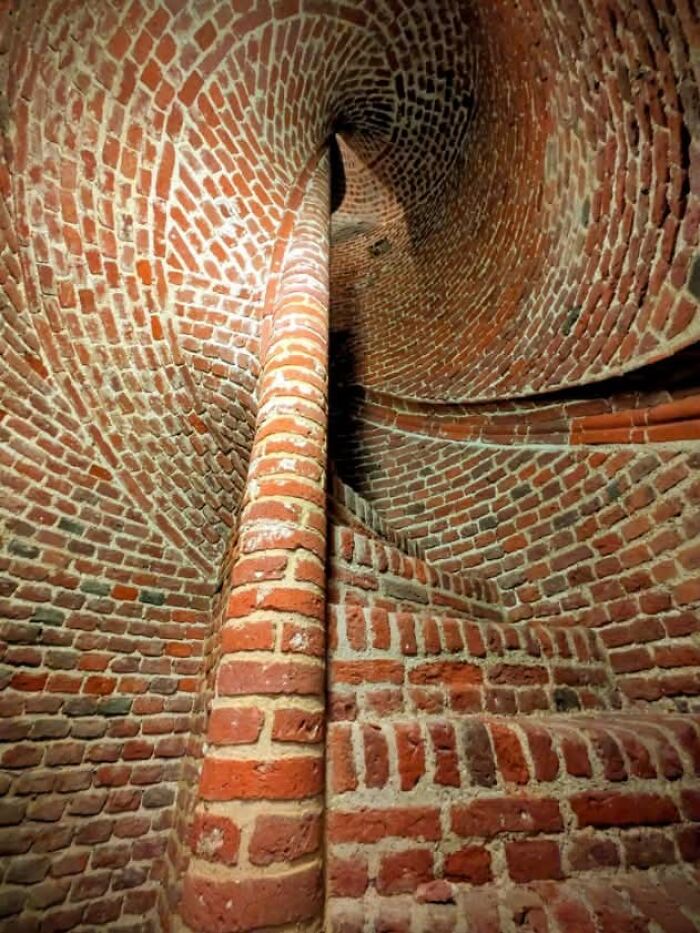
Image source: worldbeautiesandwonders
#31 The Veiled Marble Sculpture
A remarkable example of artistic craftsmanship shows marble carved to resemble delicate, transparent fabric draped over a mourning woman. The funerary monument was created in 1856 by Italian sculptor Giovanni Battista Lombardi and is located in the Cimitero Vantiniano, also known as the Monumental Cemetery of Brescia.
This artistic approach, often called “veiled sculpture,” became particularly celebrated during the eighteenth and nineteenth centuries. Sculptors pushed the limits of stone carving by producing figures that seemed covered in thin fabric, despite being carved from a single block of marble. The process required sculpting the figure first and then meticulously chiseling away the surrounding stone to form the illusion of a translucent veil without adding any separate material.
The illusion works partly because marble can be polished to a soft translucency, allowing light to penetrate slightly below the surface. This subtle interaction between light and stone produces the visual effect of skin visible beneath delicate cloth.
One artist who became famous for mastering this technique was Raffaelle Monti. His 1860 sculpture The Veiled Lady astonished Victorian audiences, many of whom believed the fabric must have been carved separately and placed over the figure afterward.
Perhaps the most celebrated work of this type is Veiled Christ, sculpted in 1753 by Giuseppe Sanmartino in Naples. Even today, many modern sculptors find it difficult to reproduce the same effect without the assistance of modern power tools.
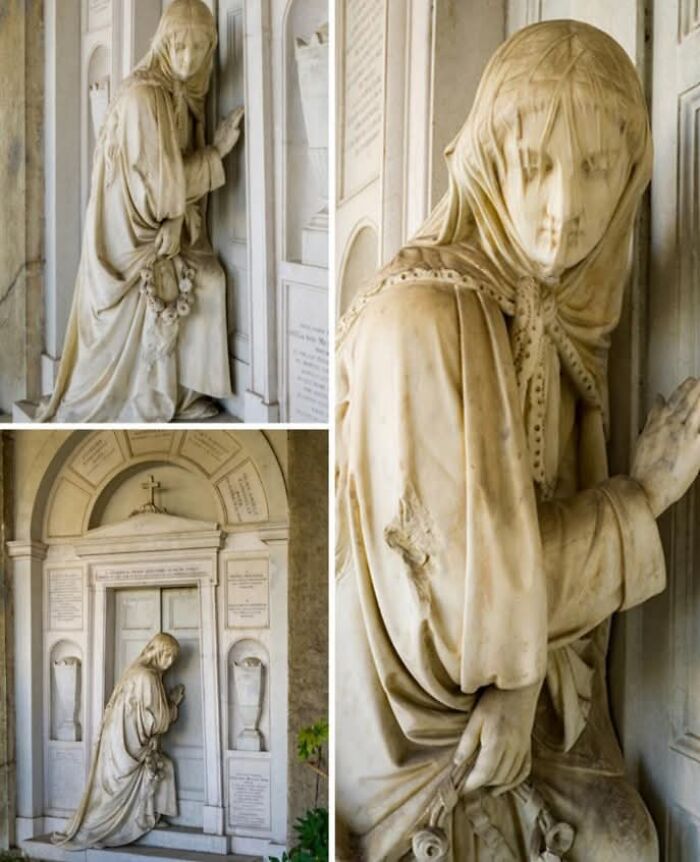
Image source: worldbeautiesandwonders
#32 Imam Mosque Of Isfahan
The Shah Mosque, now called the Imam Mosque, forms part of Naqsh-e Jahan Square in Isfahan and stands as a masterpiece of Persian Islamic architecture.
Constructed between 1611 and 1629 under Shah Abbas I of the Safavid dynasty, the mosque symbolized both religious authority and imperial ambition. Architect Shaykh Bahai designed the complex to integrate education, worship, and urban planning.
A unique architectural feature is its orientation: the entrance aligns with the square, but visitors turn slightly upon entering to face Mecca precisely, allowing both the portal and dome to remain visible from the plaza.
Renowned for its acoustics and intricate blue tilework, the mosque remains one of Iran’s most celebrated UNESCO World Heritage sites.
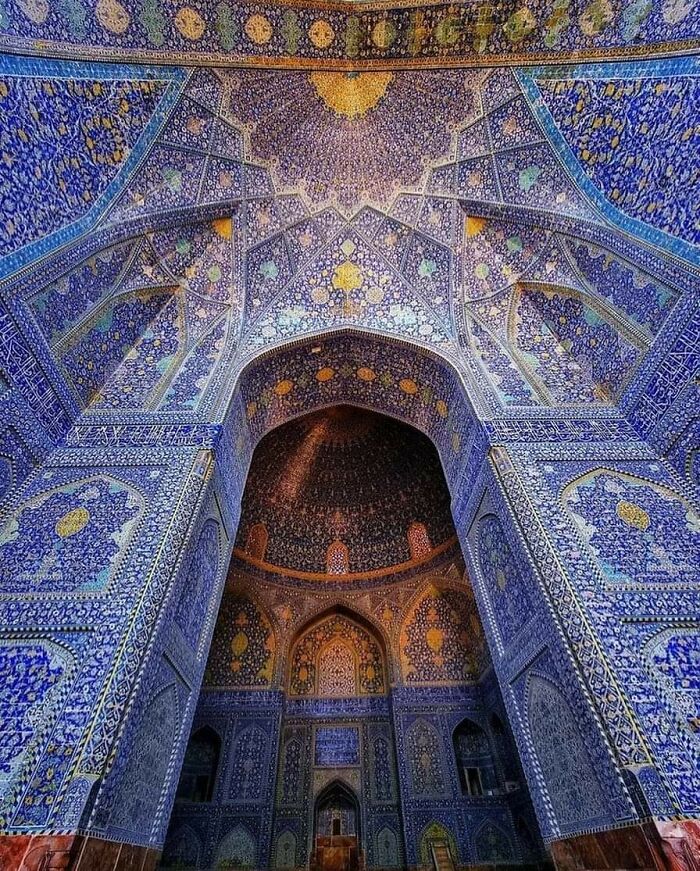
Image source: worldbeautiesandwonders
#33 The Tulip Staircase At The Queen’s House, London
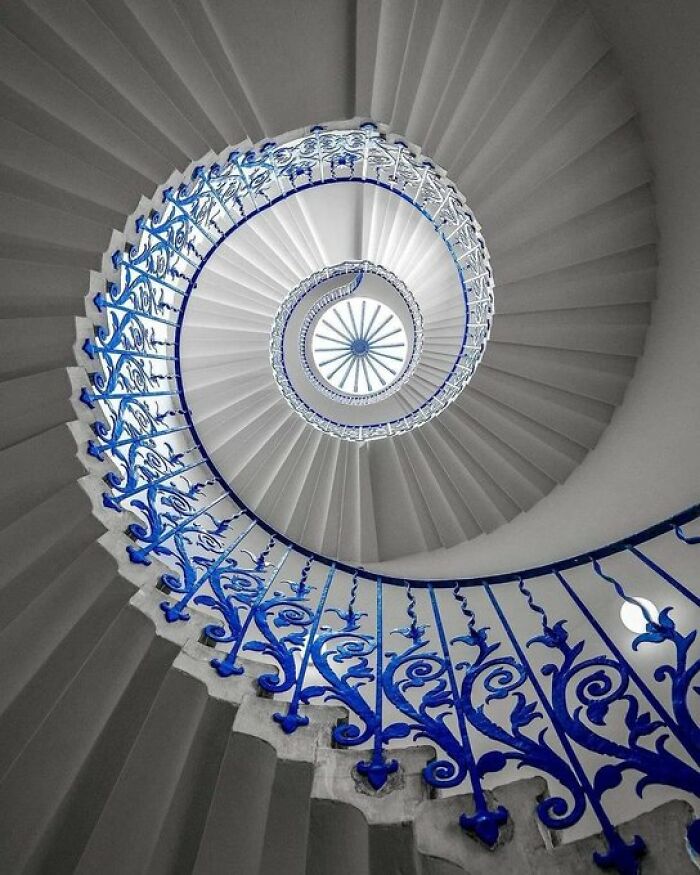
Image source: worldbeautiesandwonders
#34 The Abbey Library Of Saint Gall In St. Gallen, Switzerland
The Abbey Library of Saint Gall in St. Gallen is not only one of Europe’s oldest libraries, but also one of its most visually striking.
According to official records from the Abbey of Saint Gall, the earliest evidence of a library on the site dates back to around 820 AD, with architectural plans showing a collection attached directly to the main church. Many of the library’s approximately 160,000 invaluable manuscripts are nearly that old.
Among its treasures are an 8th-century bill of sale for abbey lands, a Gospel of John dating to around 800 AD, and rotating exhibitions of handwritten and illuminated manuscripts. These include Bibles, liturgical texts, prayer books, and saints’ biographies from as early as the 8th and 9th centuries. Other works depict everyday monastic life, offering rare insight into abbey routines throughout the Middle Ages. Some of the earliest texts are written in Irish, reflecting the monastery’s Irish roots — hence the name “St. Gall.”
The elaborate Rococo library hall itself was constructed between 1758 and 1767. Its burnished woodwork, flowing balconies, and ceiling frescoes are artworks in their own right. Following the Rule of St. Benedict, which encouraged literary study when possible, the abbey naturally became a center of learning. By the 10th century, it was recognized as a major hub of Western science and culture.
In the mid-18th century, the collection was moved into its current baroque setting, lavishly decorated with sweeping moldings and ceiling art that give the space a dreamlike quality. Flower-shaped wooden balconies curve around the room. And yes — the historic books are still there, if you can pull your attention away from the surroundings long enough to notice them.
Today, the Abbey Library of Saint Gall remains nearly unmatched in beauty and significance, housing over twelve centuries of uninterrupted collecting, including the earliest known architectural plan on parchment
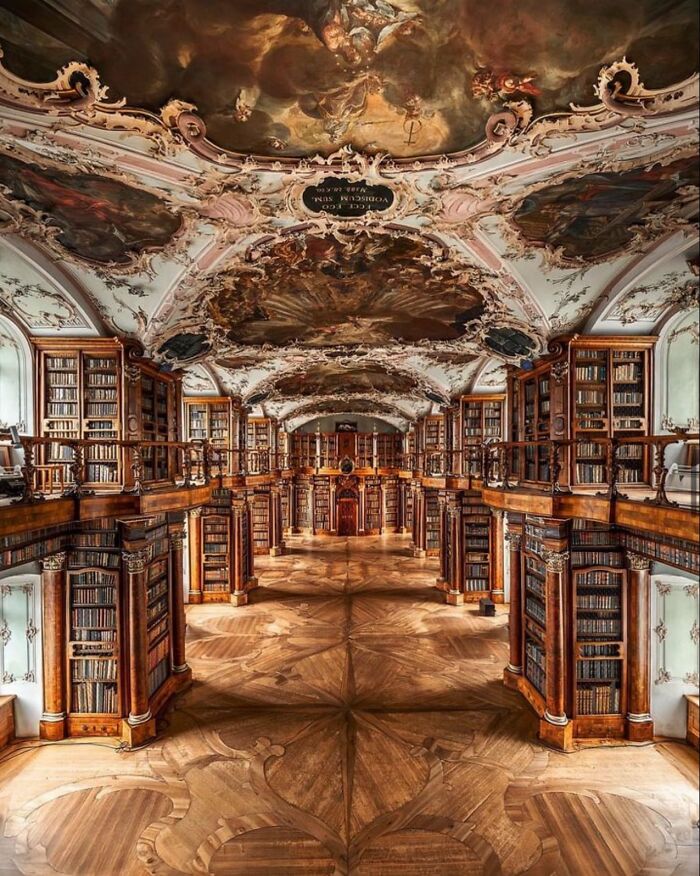
Image source: worldbeautiesandwonders
#35 Geghard Monastery, Armenia
The interior of Geghard Monastery reveals churches carved directly into rock cliffs within the Azat Gorge. Founded in the 4th century, the complex blends natural stone with sacred architecture. Its name references the spear believed to have pierced Christ, once housed there.
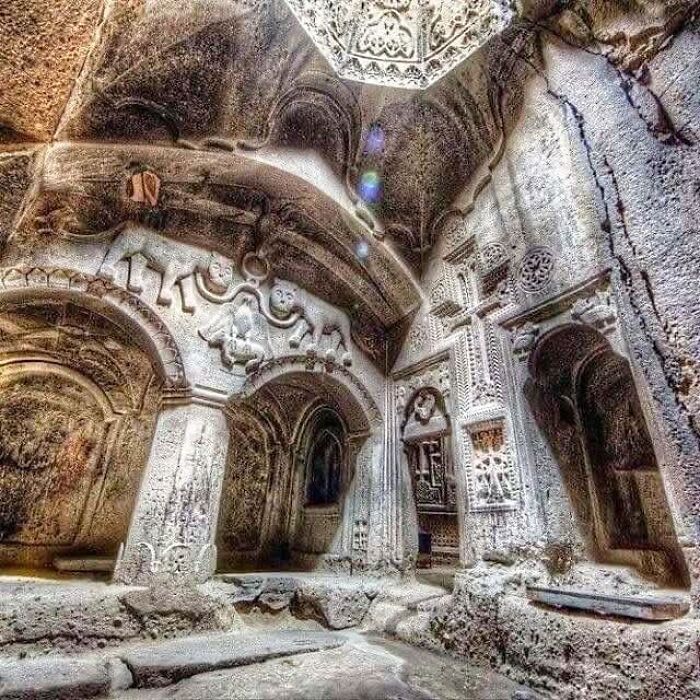
Image source: worldbeautiesandwonders
#36 The Olive Tree Of Vouves, Crete
The Olive Tree of Vouves in Crete is considered the oldest living olive tree on Earth, estimated at over 3,000 years old. Declared a Natural Monument in 1990, it continues to bear fruit and symbolizes endurance, renewal, and immortality. Its sculptural trunk and historical continuity attract visitors from around the world, representing the deep cultural bond between Greece and the olive tree.
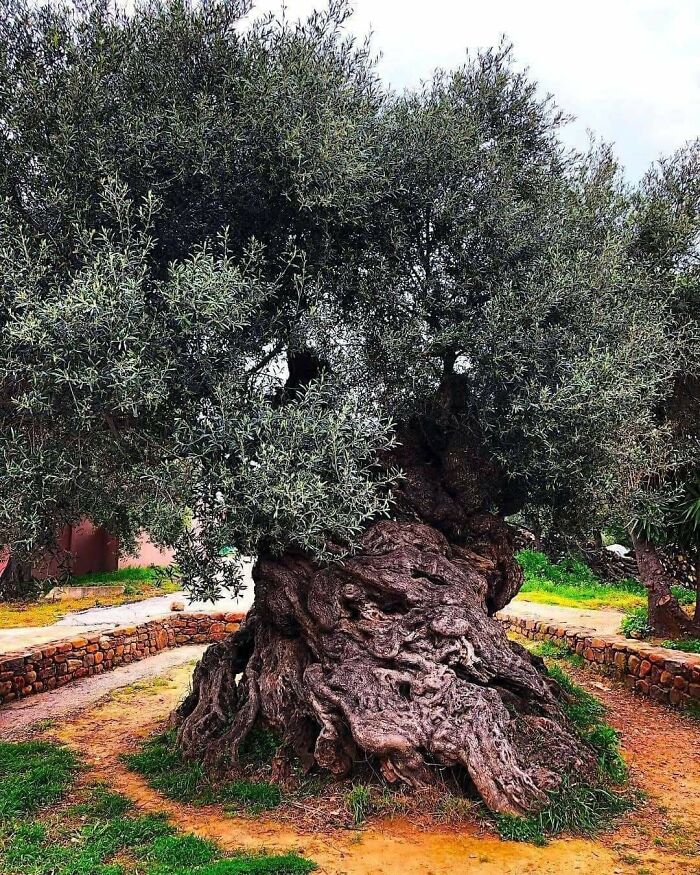
Image source: worldbeautiesandwonders
#37 The Ancient Theater Of Epidaurus, Greece
The ancient Theater of Epidaurus, renowned for its exceptional acoustics and harmonious proportions, remains one of the best-preserved classical theaters in the world.
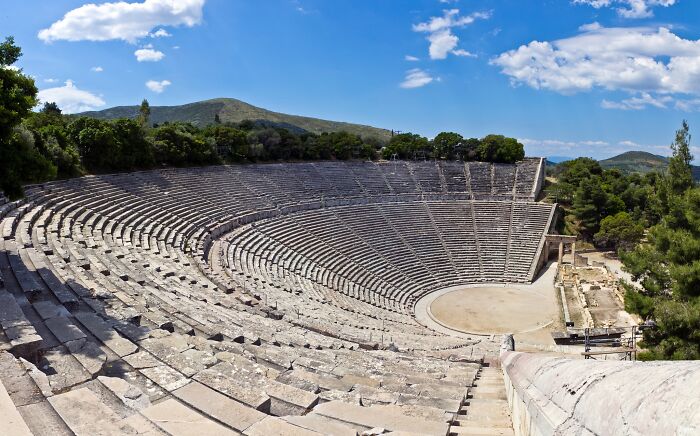
Image source: worldbeautiesandwonders
#38 Hell Lane, Also Called Shute’s Lane, In Symondsbury, Dorset
Hell Lane, also called Shute’s Lane, in Symondsbury, Dorset, is one of Britain’s deepest and best-preserved holloways, with sandstone walls carved nearly nine metres below the surrounding land.
The term “holloway” comes from Old English, meaning a sunken road formed through centuries of repeated use.
The route likely dates back to prehistoric times. Tracks here were already in use during the Bronze Age, later by the Iron Age Durotriges tribe, and continued through Roman and medieval periods. New paths often followed older ones, preserving ancient routes across generations.
Over time, foot traffic, carts, hooves, and rain gradually eroded the surface. This process intensified during the Middle Ages, especially after the construction of Symondsbury church in the 14th century. Nearby Quarry Hill supplied stone, which was hauled along this lane, cutting it ever deeper into the bedrock.
Close by lies Bridport Harbour, now West Bay, a long-established trading and fishing port. Routes like Hell Lane linked the coast with inland settlements.
Its walls are covered with centuries of carved names and symbols, forming an informal record of travelers across time.
Dorset’s coast was also notorious for smuggling in the 17th and 18th centuries. Hidden sunken lanes like this were ideal for moving contraband inland.
Today, Hell Lane feels like a corridor through history, preserving thousands of years of movement, labor, and daily life in its very walls.
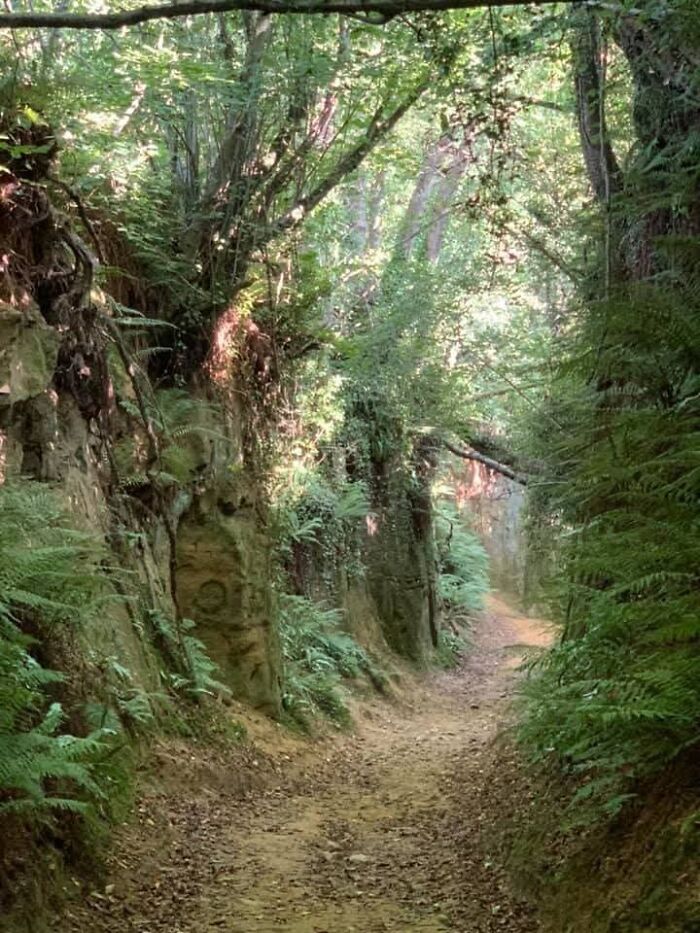
Image source: worldbeautiesandwonders
#39 The Cholistan Desert, Pakistan
The Cholistan Desert, also known as Rohi, lies in present-day Pakistan and forms part of the greater Thar Desert. Archaeological evidence shows it was once watered by the Hakra River and supported Indus Valley settlements.
From 4000 to 600 BC, agriculture flourished along the river’s course. When the river changed flow and disappeared underground, the region became arid and hostile.
A network of medieval forts remains across Cholistan, with Derawar Fort as the most prominent survivor. Built in the 9th century by Rai Jajja Bhatti, it was later expanded by the Nawabs of Bahawalpur.
The fort’s massive brick walls, forty bastions, and nearby mosque and cemetery highlight its strategic importance. These forts protected caravan routes linking Central Asia, India, and Mecca.
Control of water meant control of trade and power. Derawar’s access to deep groundwater ensured its survival while others crumbled.
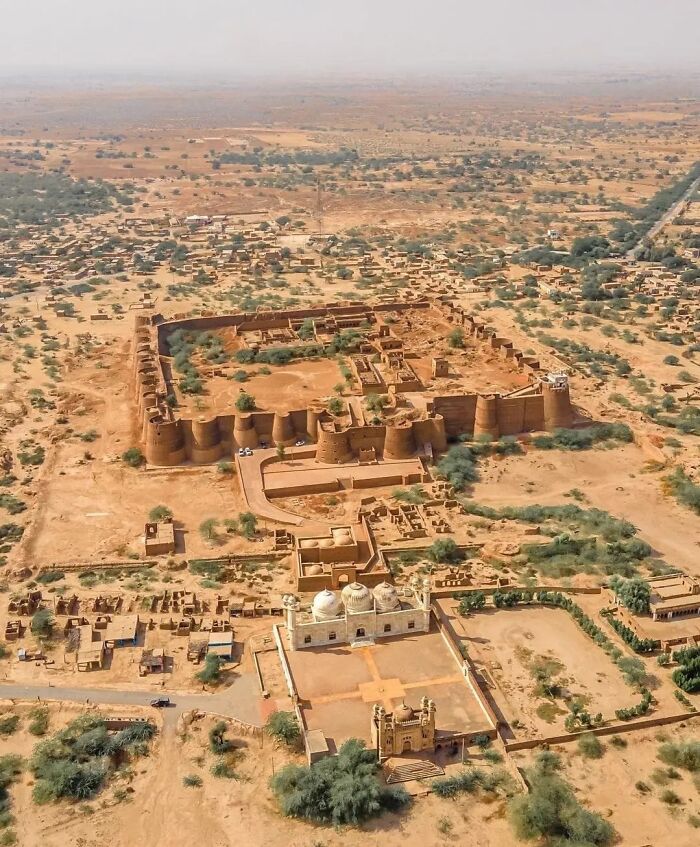
Image source: worldbeautiesandwonders
#40 Château Pèlerin (Atlit Castle)
Château Pèlerin (Atlit Castle) is a Crusader fortress begun in 1218 AD by the Knights Templar during the Fifth Crusade.
Constructed as a major coastal stronghold following the loss of Jerusalem, it served as a refuge and strategic base for Crusader forces.
The fortress stands on a rocky promontory along the Mediterranean coast, roughly 15 kilometers south of modern Haifa, in present-day Israel. Its location allowed control of maritime routes and ensured supplies could arrive directly by sea.
Among the largest and most formidable Crusader castles ever built, it featured massive concentric defenses: inner and outer curtain walls reinforced with square towers, a deep rock-cut moat, and a fortified harbor. The complex contained grand halls, storage rooms, stables, and a chapel. Large sections of the outer walls and towers still survive today, though much of the site lies in ruins.
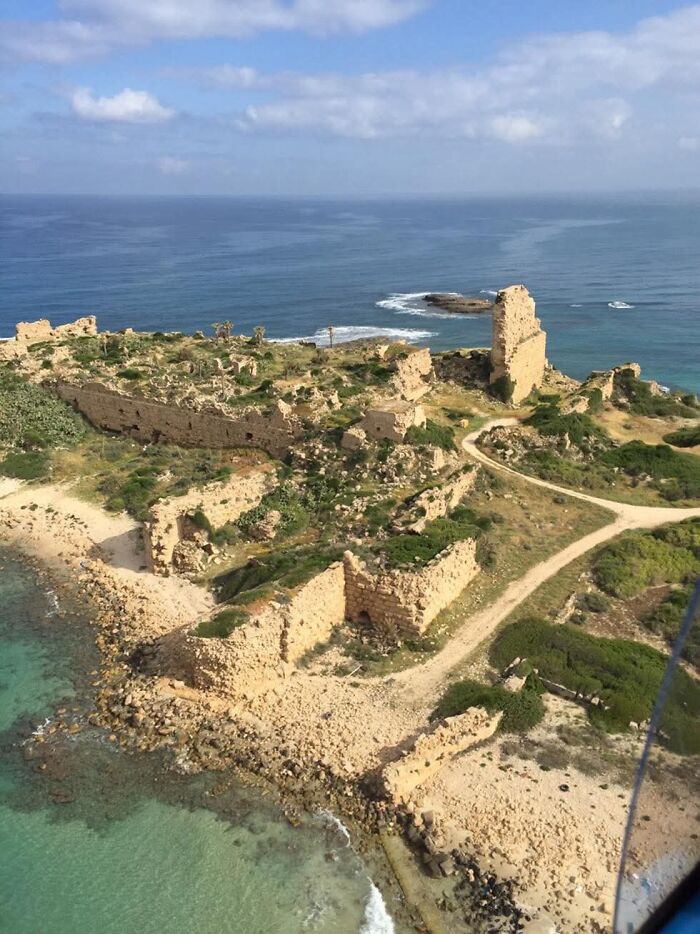
Image source: worldbeautiesandwonders
#41 Ziggurat Of Ur, Iraq
The Ziggurat of Ur was designed not only to align with the heavens, but also to endure the unstable earth beneath it.
Constructed around 2100 BC by King Ur-Nammu in what is now southern Iraq 🇮🇶, the massive platform rises from an alluvial floodplain prone to seasonal inundation by the Euphrates River. Rather than succumbing to water damage, its builders engineered deep foundations, layered brick cores, and internal drainage channels to redirect moisture away from the structure.
Some fired bricks were bonded with bitumen, serving as one of the earliest known waterproofing techniques. This was not architecture driven solely by ritual symbolism—it was a feat of environmental engineering.
Combined with precise cardinal orientation and solar alignment, the ziggurat reflects a sophisticated understanding of landscape, climate, and durability.
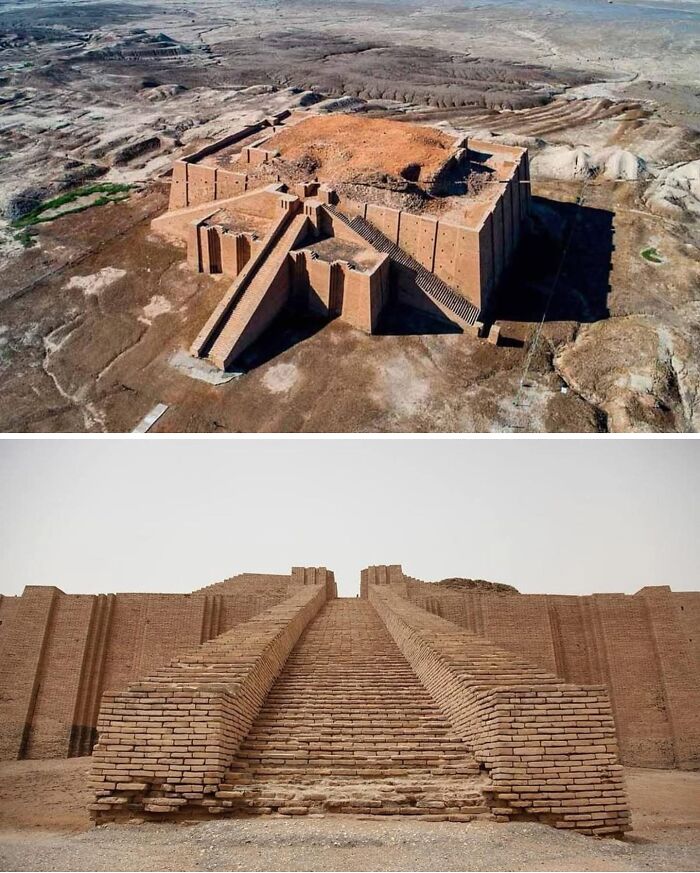
Image source: worldbeautiesandwonders
#42 Piazza Dell’anfiteatro, Lucca, Italy
Piazza dell’Anfiteatro in Lucca is among the most distinctive public squares in Tuscany 🇮🇹, instantly recognizable for its oval form and the vibrant buildings that frame its perimeter.
This remarkable square occupies the footprint of an ancient Roman amphitheater constructed during the 1st or 2nd Century AD. At the time, it stood just outside Lucca’s city walls near the northern gate, making it easily accessible for spectators arriving from the surrounding countryside. The amphitheater featured an elliptical structure composed of two superimposed rings of 55 arches and could accommodate up to ten thousand spectators.
After the amphitheater fell into ruin, its stone columns and materials were stripped and reused for centuries as building resources. Gradually, residential structures were erected on its remains, yet the distinctive oval outline endured.
The square as it exists today was shaped by architect Lorenzo Nottolini, who in 1830 cleared the central arena space of later buildings and opened Via dell’Anfiteatro. Through his careful intervention, Piazza dell’Anfiteatro became one of Lucca’s most iconic and unforgettable landmarks.
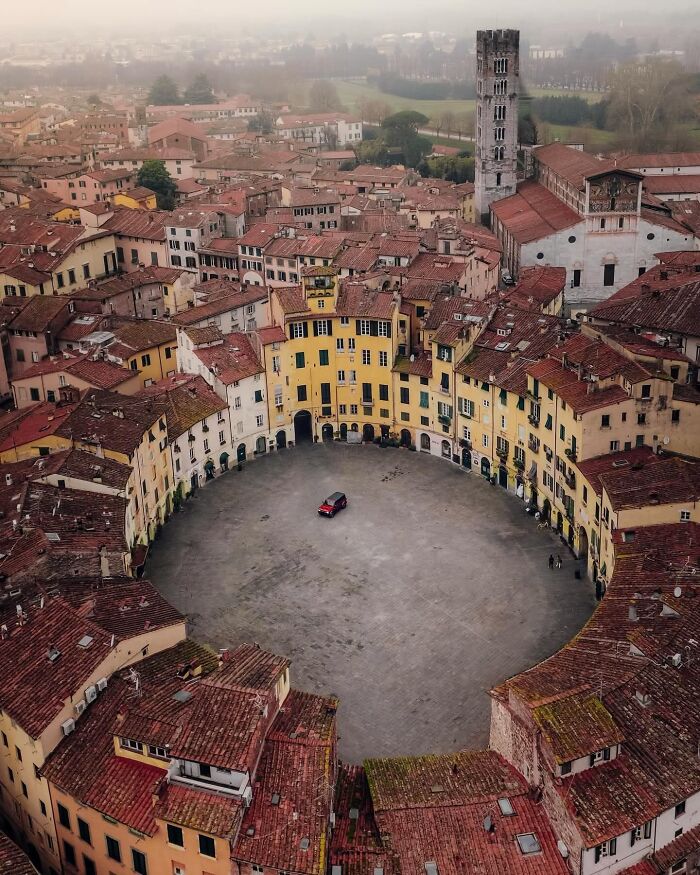
Image source: worldbeautiesandwonders
#43 One Of The Famous Olmec Colossal Heads Stands As A Monumental Achievement Of Ancient Mesoamerican Sculpture
In total, seventeen of these massive stone heads have been discovered, primarily at San Lorenzo, La Venta (shown here), and Tres Zapotes in the Mexican states of Tabasco and Veracruz. They are believed to portray individual Olmec rulers and date to approximately 1200–400 BC.
Each head was carved from enormous basalt boulders transported from the distant Tuxtla Mountains, with some weighing as much as 50 tons. Their distinct facial features and elaborate headdresses emphasize individuality rather than idealization.
These sculptures highlight not only the political power of Olmec leaders but also the technical skill and artistic sophistication of one of Mesoamerica’s earliest civilizations.
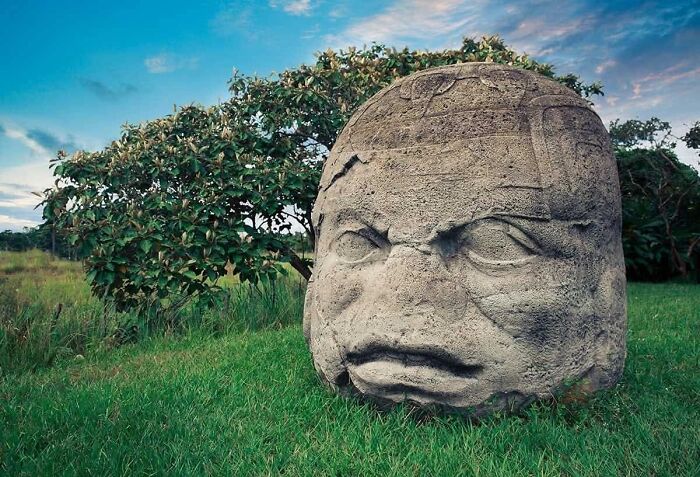
Image source: worldbeautiesandwonders
#44 The Hypaethral Temple On The Island Of Philae, Egypt
Known locally as the Pharaoh’s Bed, this structure was commissioned by the Roman Emperor Trajan, who ruled from 98 to 117 CE, and is therefore often called Trajan’s Kiosk.
Some scholars, however, suggest it may date to the reign of Augustus (27 BC–14 CE).
Regardless of its exact origin, the building is widely believed to have been dedicated to the goddess Isis.
With a footprint of roughly 15 by 20 meters and a height of 15.85 meters, the monument was dismantled and moved to the nearby island of Agilkia in the 1960s to protect it from flooding caused by the Aswan High Dam.
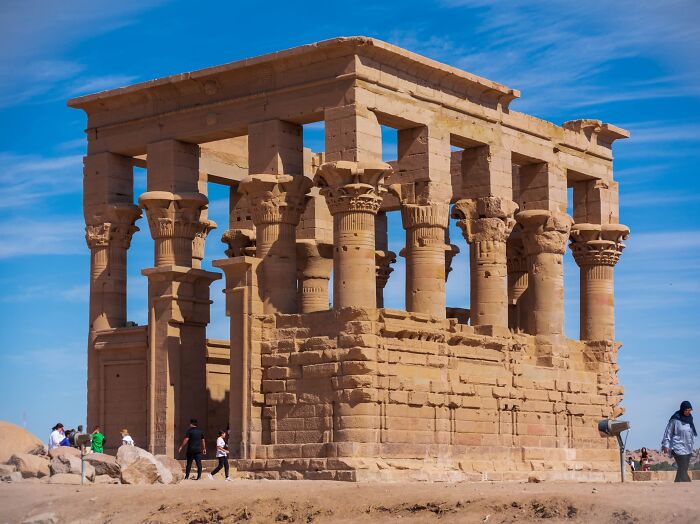
Image source: worldbeautiesandwonders
#45 Château Des Dames, Chenonceau, France
Known as the Château des Dames, Chenonceau (1522) is among the most beautiful castles in the Loire Valley and all of France.
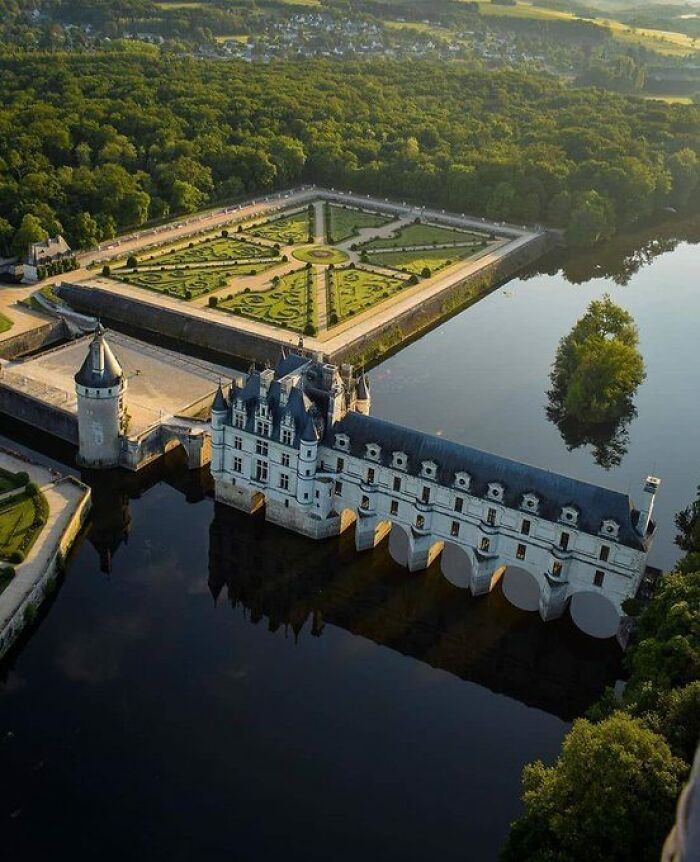
Image source: worldbeautiesandwonders
#46 Cité De Carcassonne, France
The Cité de Carcassonne rises above the Aude River as one of Europe’s most formidable medieval fortresses. Encircled by double walls stretching nearly 3 kilometers, it forms a fortified world designed to endure centuries of warfare. Passing through its gates feels like entering a living fragment of the Middle Ages, where stone ramparts once protected trade routes, armies, and entire communities. Its preservation makes it a rare architectural jewel in modern France.
The fortress is especially renowned for its 52 watchtowers, each a striking testament to medieval engineering. These towers provided exceptional defensive coverage and sweeping views of the surrounding landscape. Their construction illustrates how military architecture combined practicality with symbolic power, projecting intimidation toward potential invaders. Today, they remain enduring symbols of Carcassonne’s former strategic importance.
Carcassonne’s dramatic outline has also influenced modern storytelling. Its imposing design is often cited as inspiration for Winterfell, the Stark stronghold in Game of Thrones. This connection shows how real medieval structures continue to shape fictional worlds. As both historical monument and cultural icon, Carcassonne bridges past and present, reality and imagination
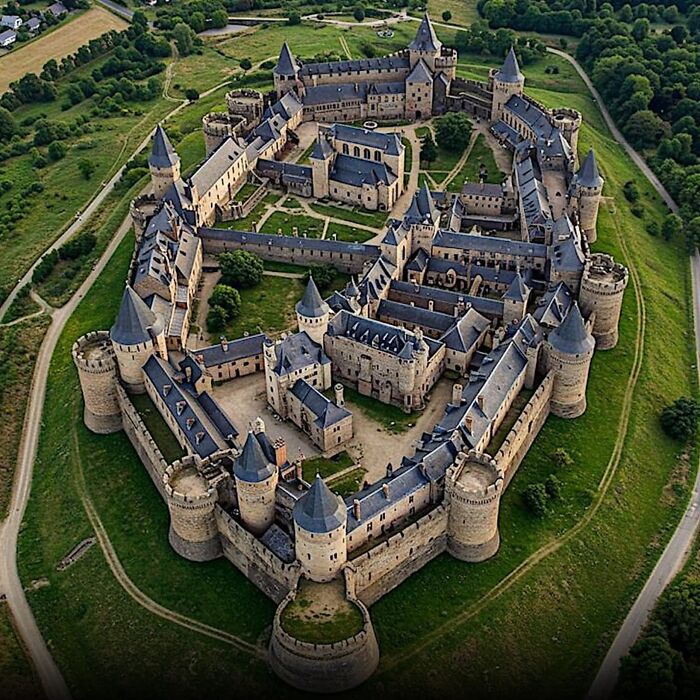
Image source: worldbeautiesandwonders
#47 Viking Tunnel At Höfn, Iceland
Near Höfn in Iceland, the remains of a Viking-Age farm at Stöng reveal early Norse settlement activity dating to around 871 AD. Many settlers arriving from Norway unknowingly built their homes near Mount Hekla—one of Iceland’s most powerful volcanoes.
The 871 AD eruption spread the Landnám tephra layer across the island, now used as a geological timestamp: no Viking remains have ever been found beneath it. Iceland’s Settlement Age (874–930 AD) began with Ingólfur Arnarson, who—according to legend—settled Reykjavík where his sacred high-seat pillars washed ashore.
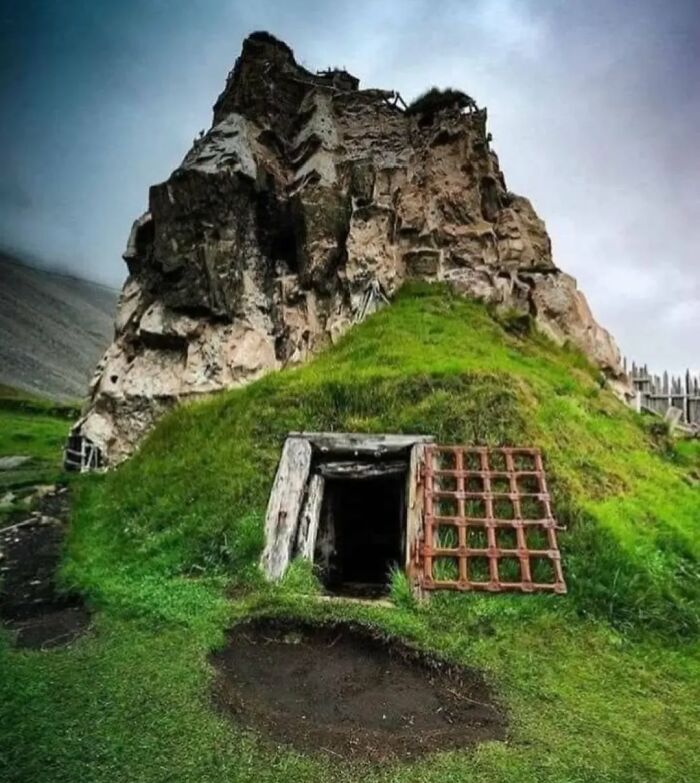
Image source: worldbeautiesandwonders
#48 Shazdeh Garden, Iran
Shazdeh Garden, near Mahan in Iran’s Kerman Province, was created in the late 19th century during the Qajar dynasty as an oasis in a harsh desert landscape.
Construction began around 1870 under governor Mohammad Hasan Khan Qajar Sardari Iravani, who envisioned an impressive Persian garden embodying authority, grace, and harmony. His successor, Abdolhamid Mirza Naserodolleh, expanded it with terraces, pavilions, and elegant water features.
Designed in the classic Persian chahar-bagh style, the garden relies on geometric order and channels flowing water at its core. Its irrigation system uses the Tigran qanat, allowing it to flourish in arid surroundings. Cascading pools descend along the slope, guiding the eye from the entrance to the upper residential pavilion.
The garden symbolized the Qajar rulers’ power over land and water and the prosperity they provided. After the dynasty’s fall, it fell into neglect until restoration efforts in the late 20th century revived its layout and structures.
Today, Shazdeh Garden is considered one of the finest surviving Persian desert gardens and is recognized as a UNESCO World Heritage Site for its blend of engineering, architecture, and landscape design.
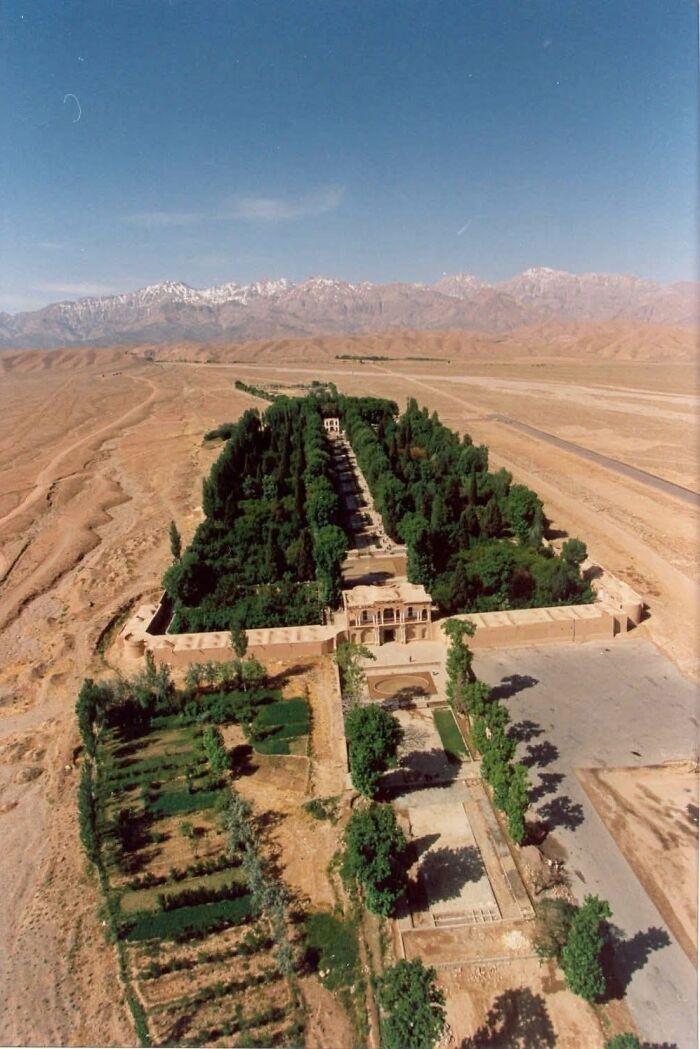
Image source: worldbeautiesandwonders
#49 Ronda, Spain
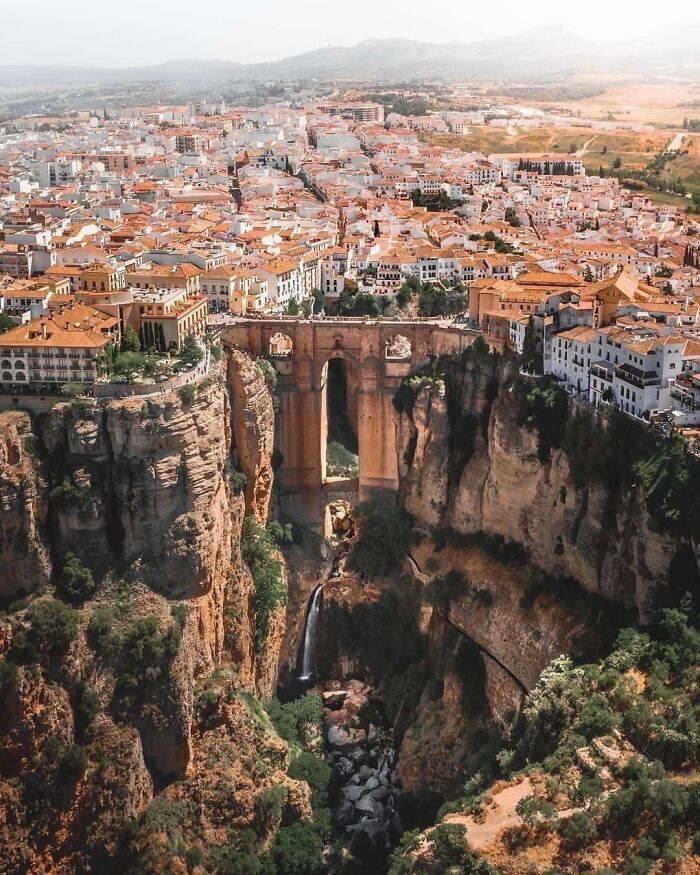
Image source: worldbeautiesandwonders
#50 Santa Croce, Italy
Facade Details of Santa Croce
Architectural details from the façade of the Basilica of Santa Croce in Italy.
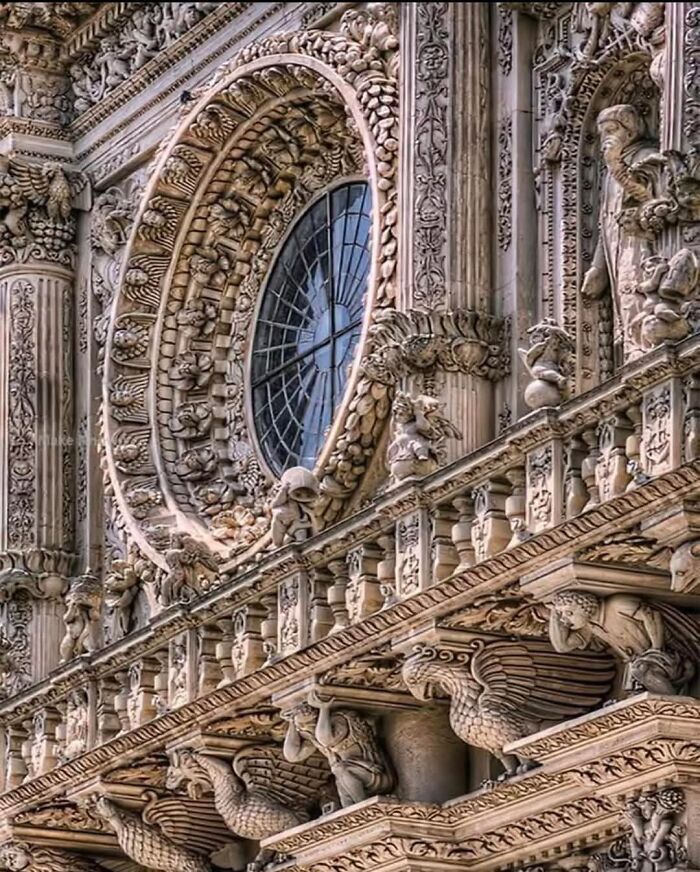
Image source: worldbeautiesandwonders
#51 Palazzo Reale Di Torino, Italy
The Royal Palace of Turin—its halls walked by Napoleon, as well as monarchs who founded kingdoms and ones who later lost them.
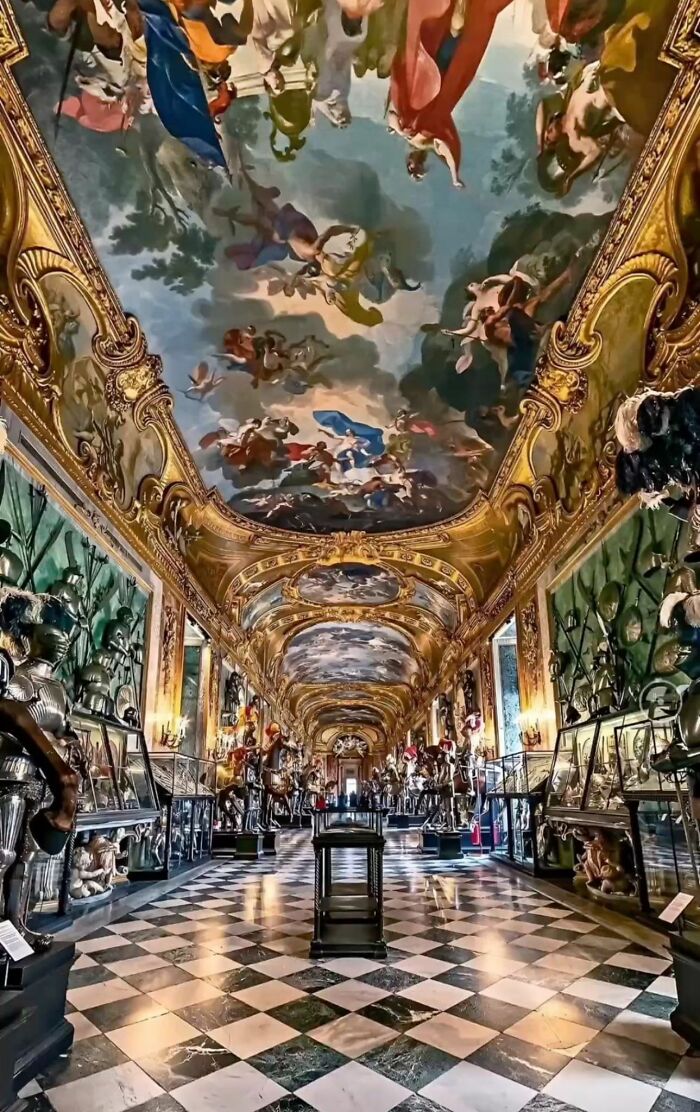
Image source: worldbeautiesandwonders
#52 Frescoes In The Villa Dei Misteri, Italy
2,000-year-old wall paintings from the “Room of the Frescoes” in Pompeii’s Villa dei Misteri.
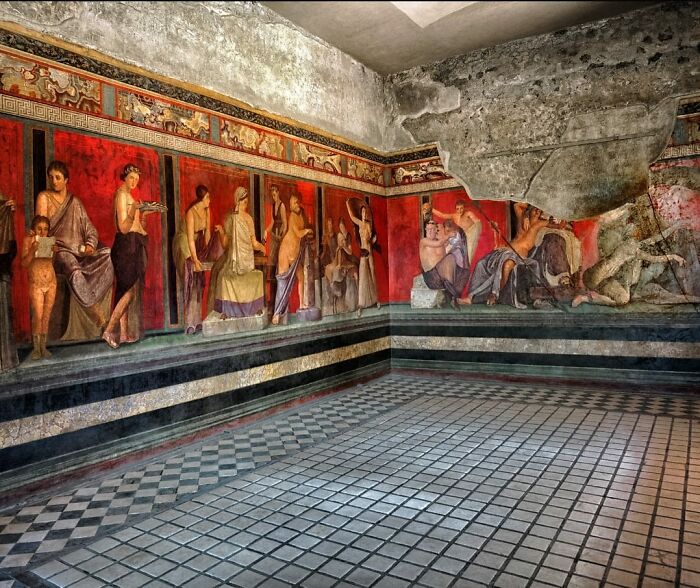
Image source: worldbeautiesandwonders
#53 Fountain At Palazzo Borghese, Rome
A Baroque fountain designed by Leonardo Reti between 1671 and 1673, located in the gardens of Palazzo Borghese in Rome.
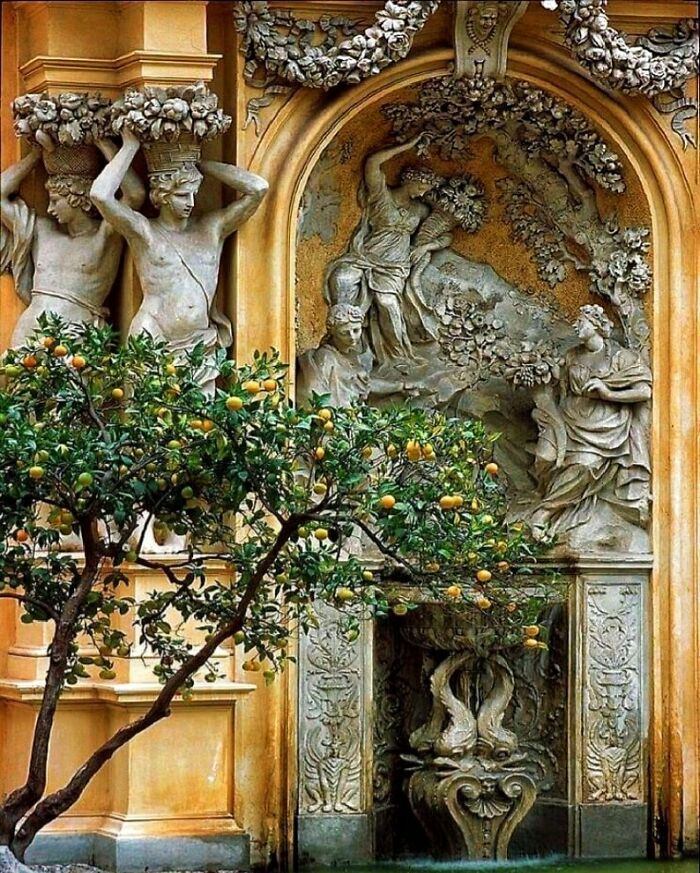
Image source: worldbeautiesandwonders
#54 Lincoln Cathedral, England
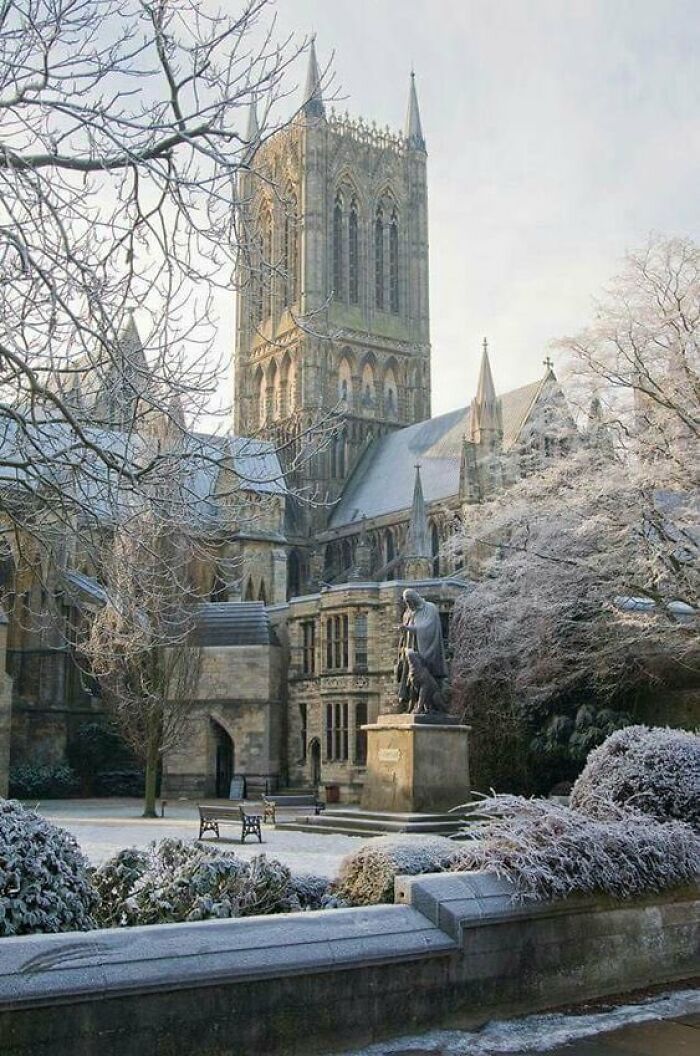
Image source: worldbeautiesandwonders
#55 Cochem, Germany
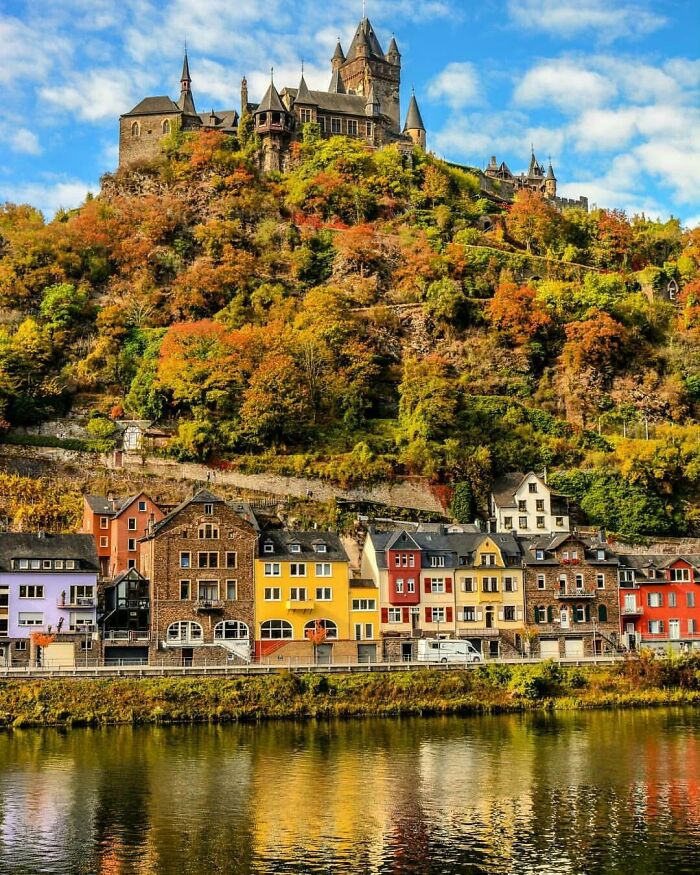
Image source: worldbeautiesandwonders
#56 Barcelona, Spain
This stained glass window from the Bellesguard Tower in Barcelona was designed by the famed architect Gaudí.
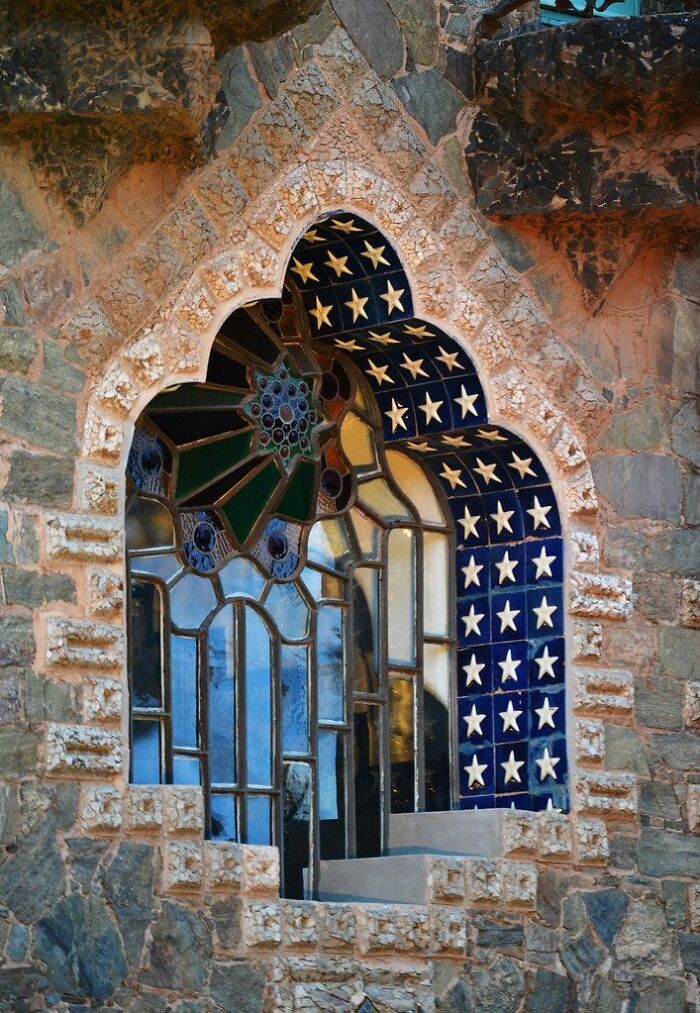
Image source: worldbeautiesandwonders
#57 Barcelona, Spain
Barcelona is more than a city — it’s a living museum beneath the open sky. Just look at the Casa Pere Brias building
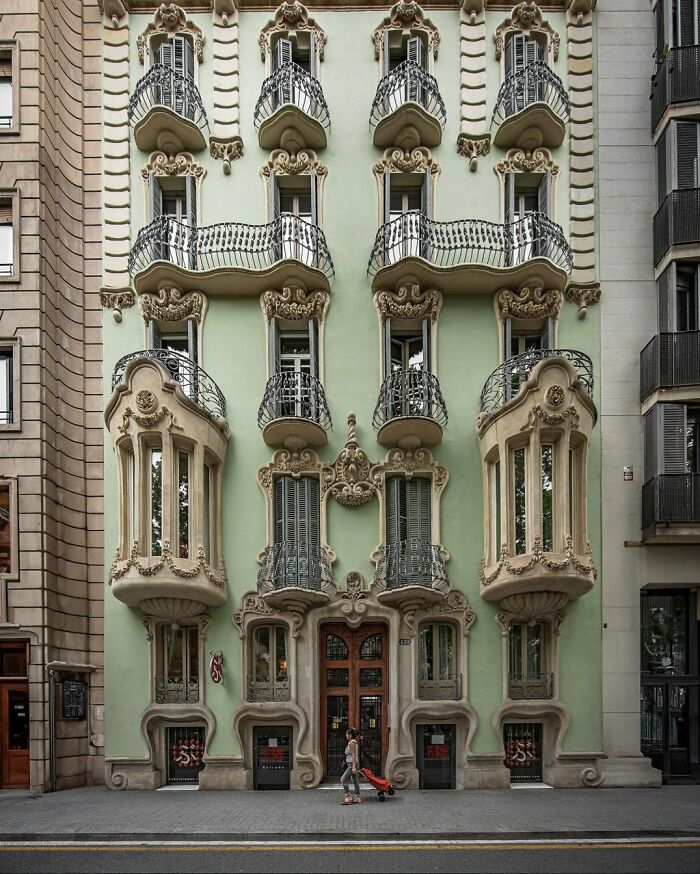
Image source: worldbeautiesandwonders
#58 Athens, Greece
For the first time in 200 years, the Parthenon stands completely free of scaffolding. Its western façade, now fully visible after two decades of restoration, can be seen unobstructed — a sight not witnessed by six generations.
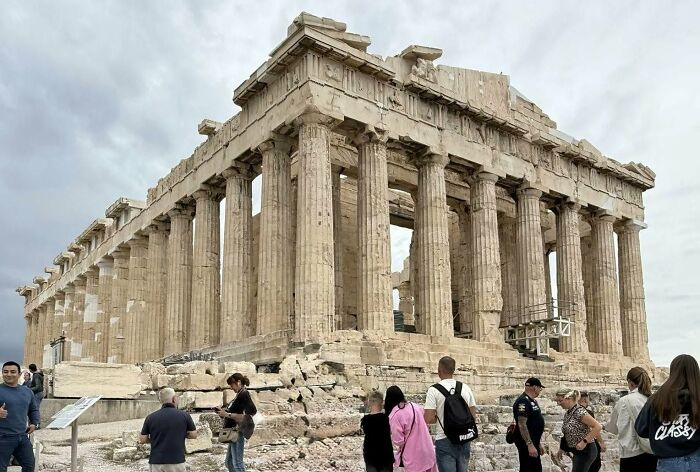
Image source: worldbeautiesandwonders
#59 Dresden, Germany
Pfunds Molkerei, founded in 1880 by the Pfund brothers in Dresden, Germany, is often called the most beautiful milk shop in the world.
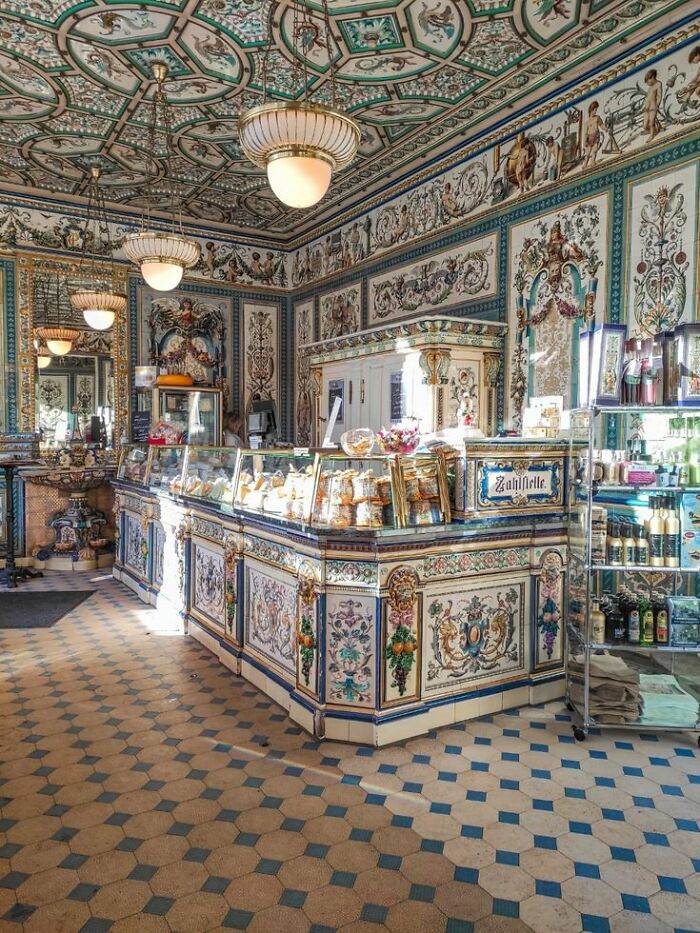
Image source: worldbeautiesandwonders
#60 The Red Monastery, Sohag, Egypt
The Coptic Christian Red Monastery in Sohag is a striking reminder of Egypt’s deep Christian heritage — a place where ancient faith endures amidst the desert sands.
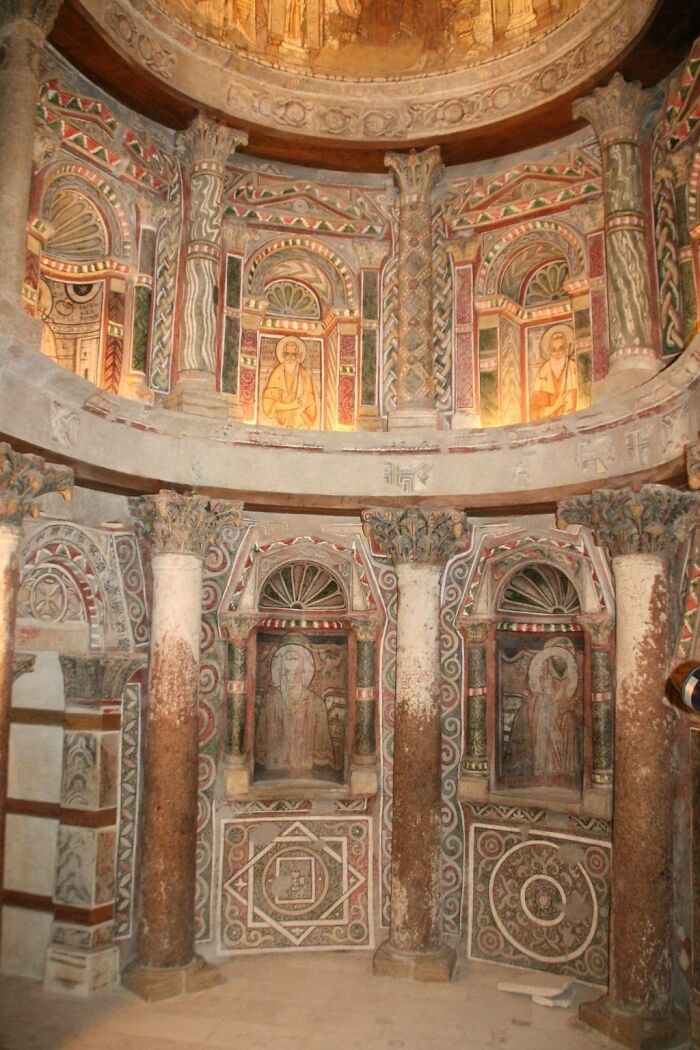
Image source: worldbeautiesandwonders
#61 Thessaloniki, Greece
The Church of Saint Catherine in Thessaloniki, a 14th-century Eastern Roman (Byzantine) church.
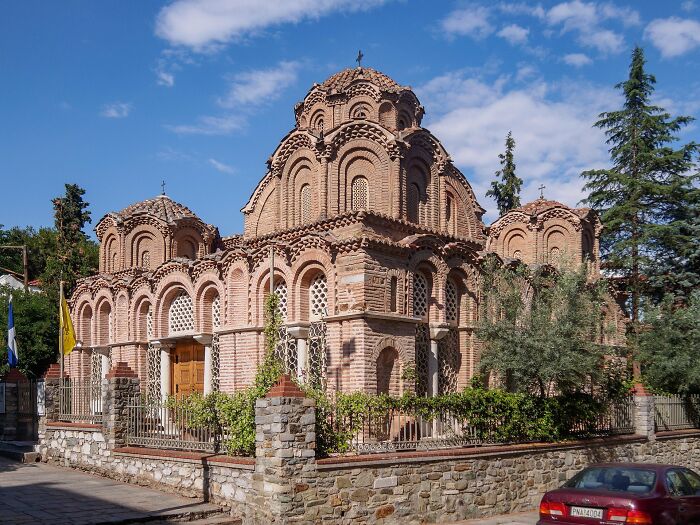
Image source: worldbeautiesandwonders
#62 Hadrian’s Cistern, Athens, Greece (C. 125 Ce)
Built around 125 CE, Hadrian’s Cistern in Athens is an engineering marvel of Roman water storage, still standing as a testament to ancient ingenuity.
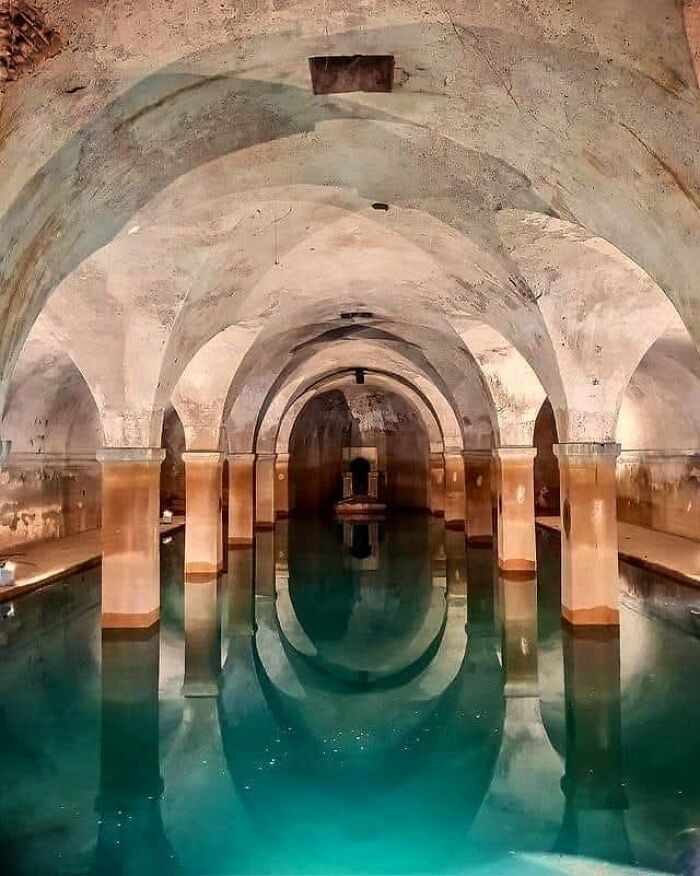
Image source: worldbeautiesandwonders
#63 Castle De Haar (Reconstructed Just 113 Years Ago), Netherlands
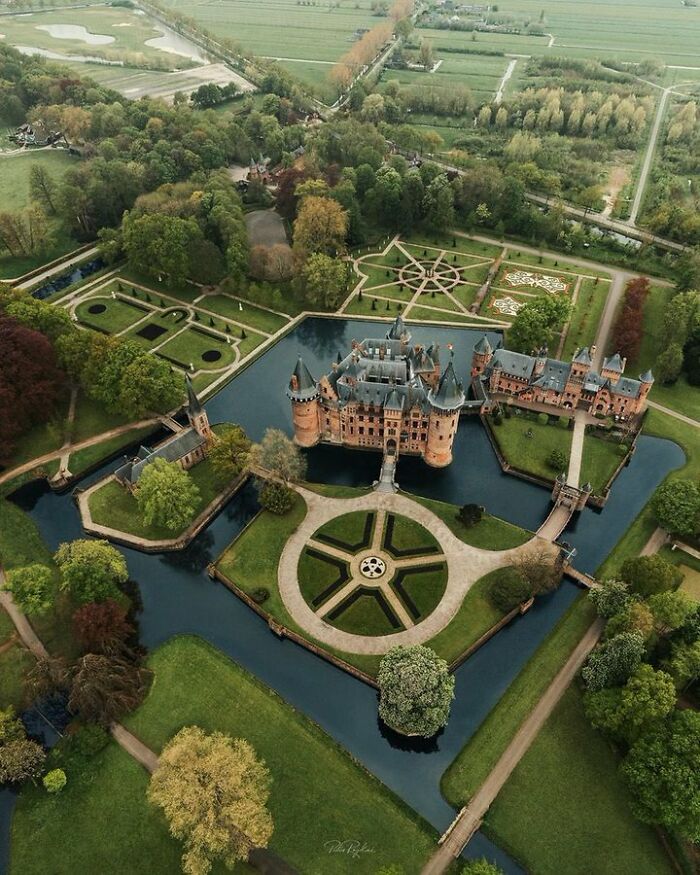
Image source: worldbeautiesandwonders
#64 The Snake Bridge Crossing The Macclesfield Canal, Astbury Village, England
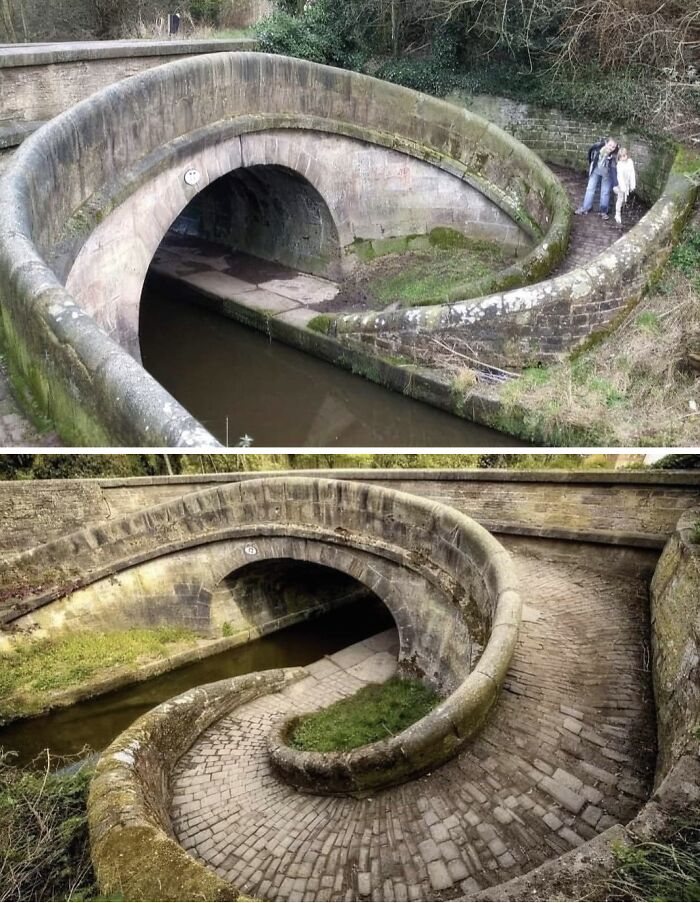
Image source: worldbeautiesandwonders
#65 Gloucestershire, England
Nearly nine centuries old, Tewkesbury Abbey (1121) stands as one of the most remarkable Romanesque churches in Britain
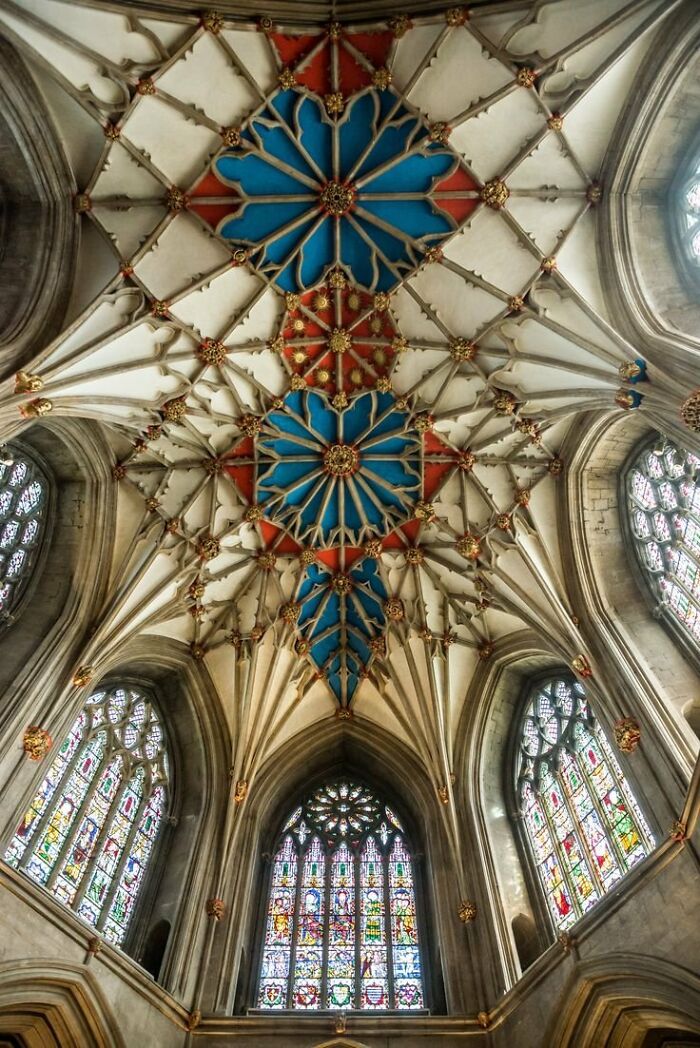
Image source: worldbeautiesandwonders
#66 Duntrune Castle, Scotland
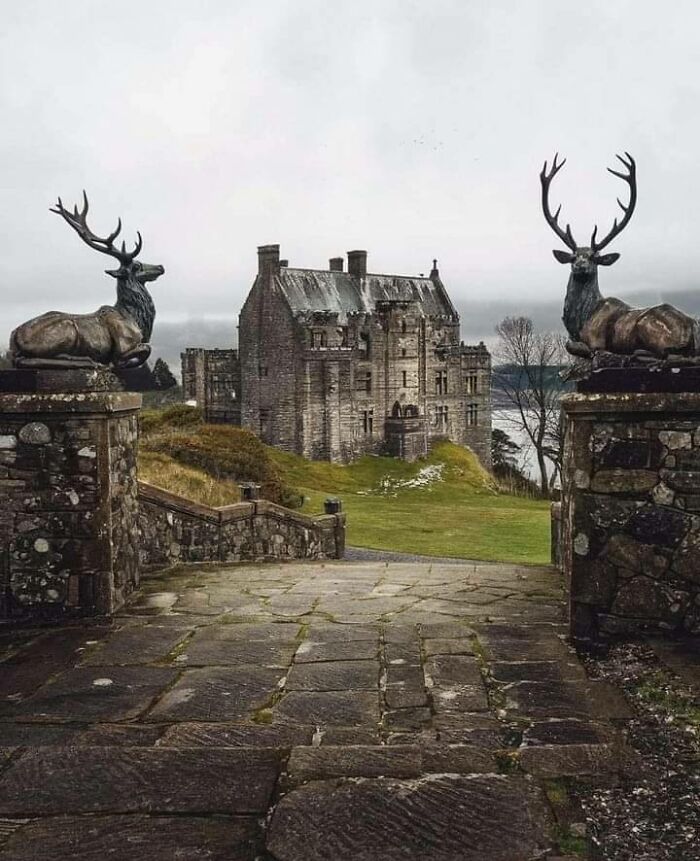
Image source: worldbeautiesandwonders
#67 Istanbul, Turkey
The imperial gate of Hagia Sophia, once reserved for the Emperor and his entourage. Above it shines the mosaic of Emperor Leo VI.
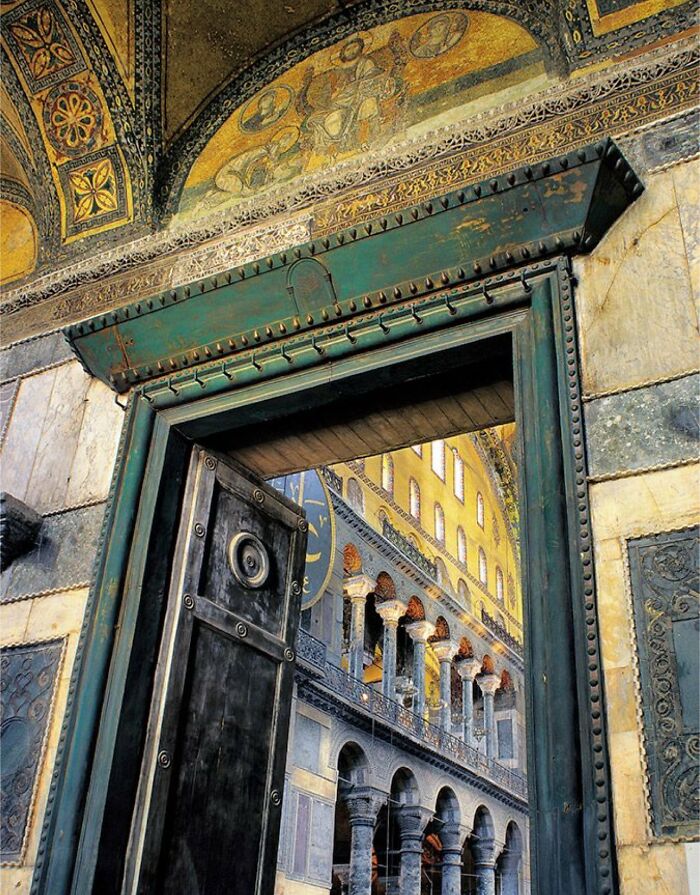
Image source: worldbeautiesandwonders
#68 Peloponnese, Greece
The ancient theatre of Epidaurus, Peloponnese, Greece — 4th century BC.
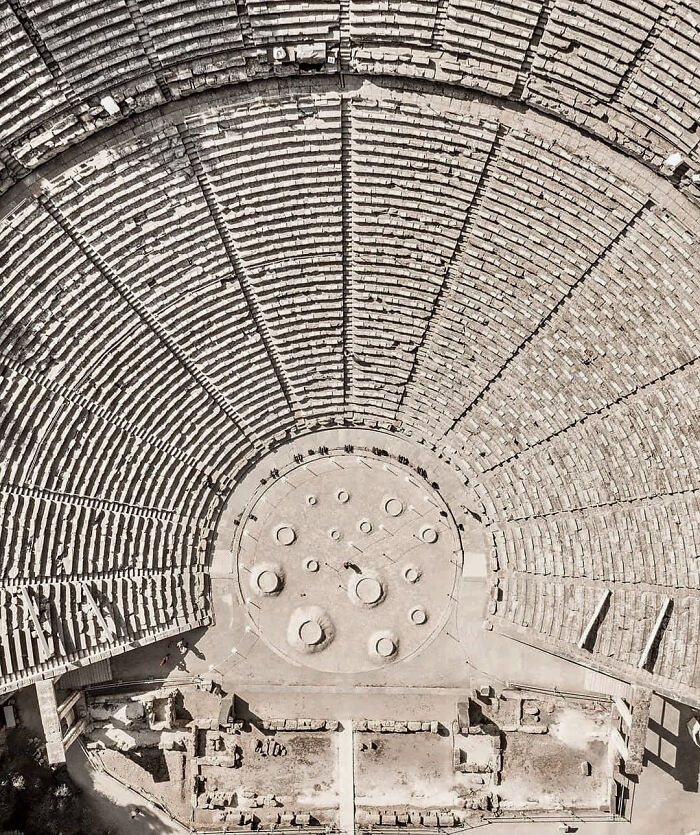
Image source: worldbeautiesandwonders
#69 Bern, Switzerland
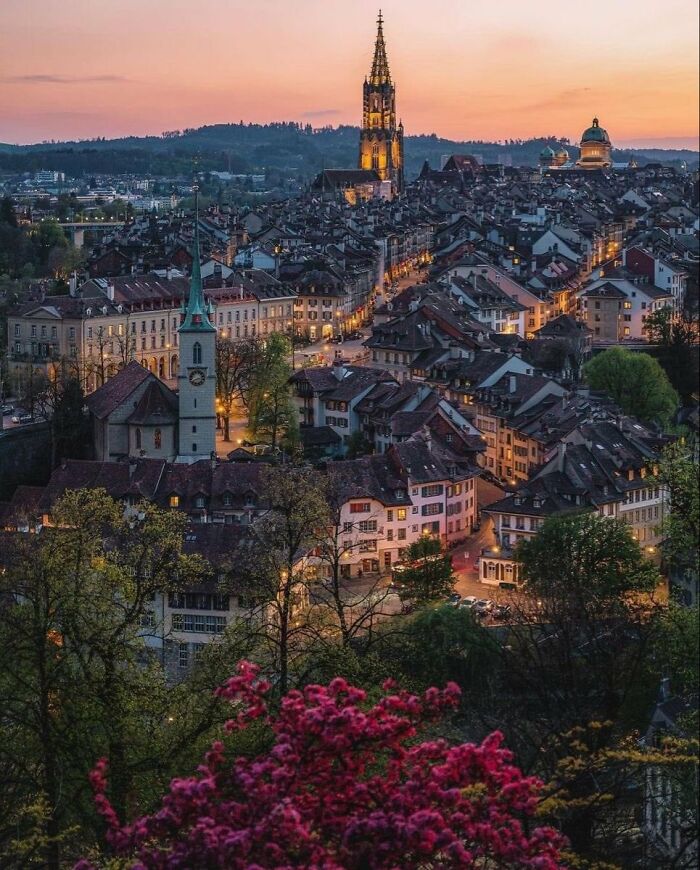
Image source: worldbeautiesandwonders
#70 Gujarat, India
Reaching an incredible 790 feet in height (including its base), the Statue of Unity is the tallest statue in the world — an astonishing feat of engineering. It’s three times taller than the Statue of Liberty.
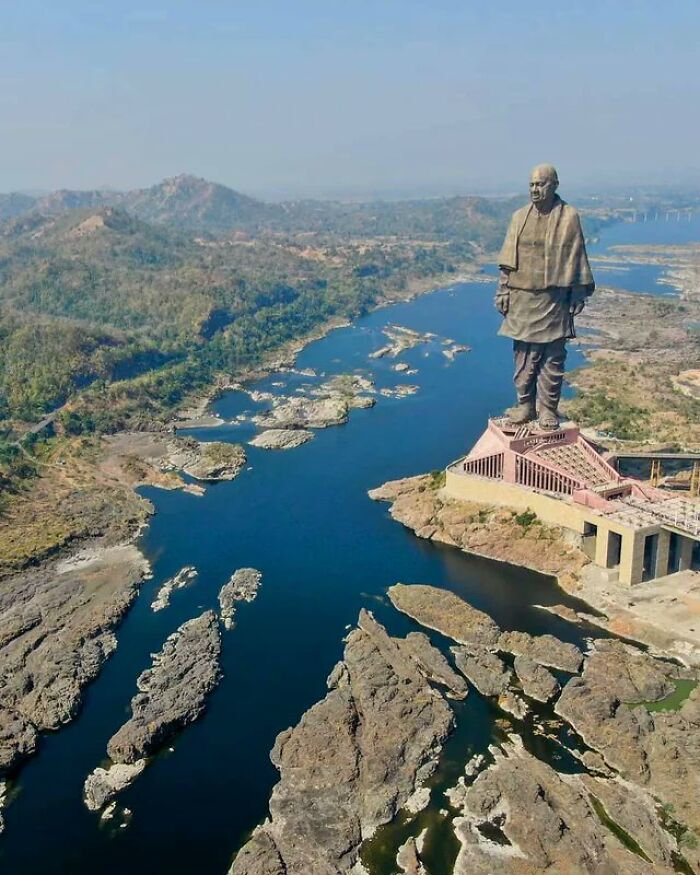
Image source: worldbeautiesandwonders
#71 Royal Palace Of Caserta, Italy (1752)
Sometimes it feels almost unreal that such places were ever built.
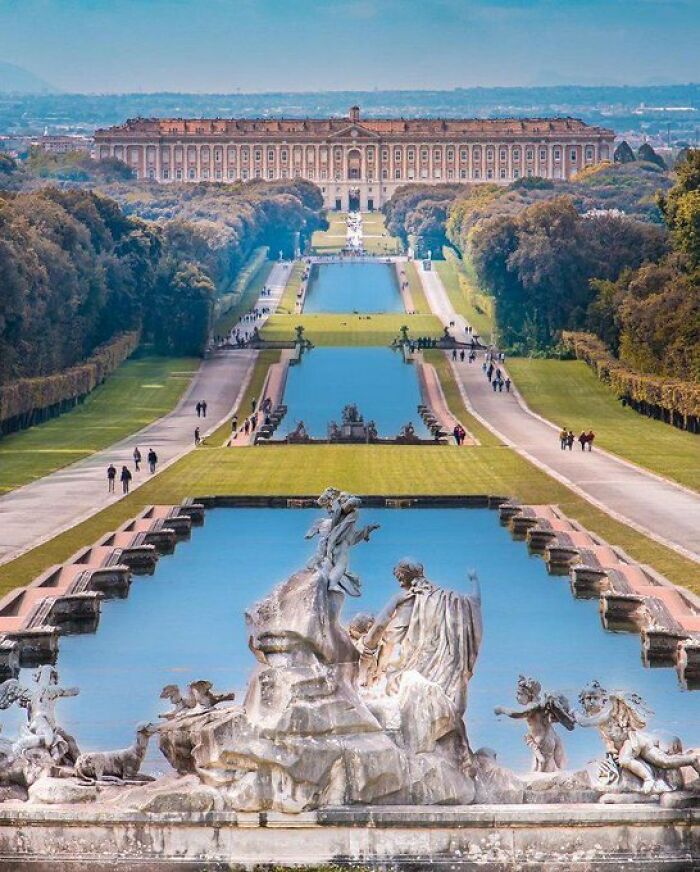
Image source: worldbeautiesandwonders
#72 Intricate Carvings Adorning Burgos Cathedral, Spain
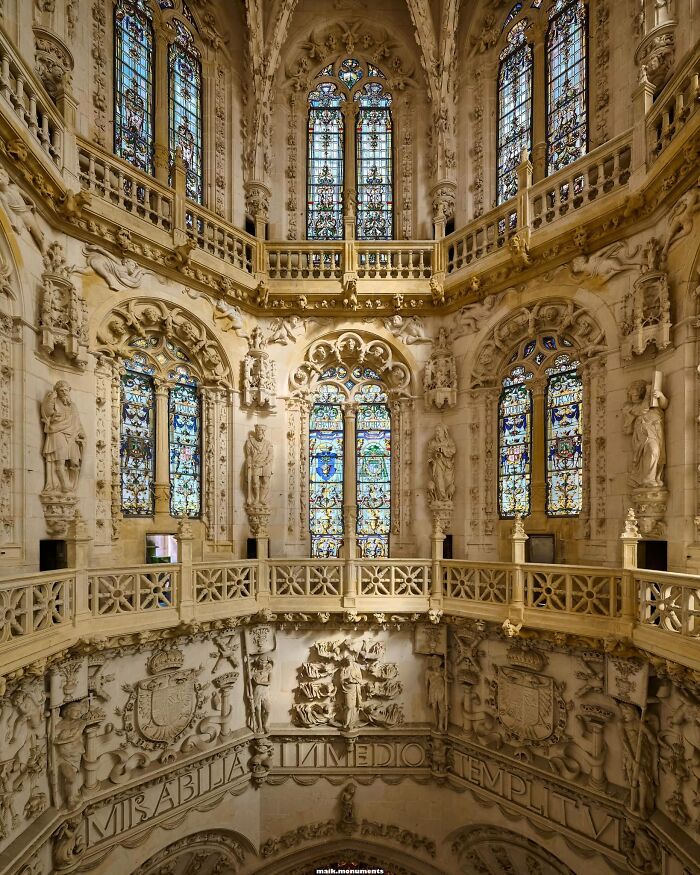
Image source: worldbeautiesandwonders
#73 Dubrovnik, Croatia
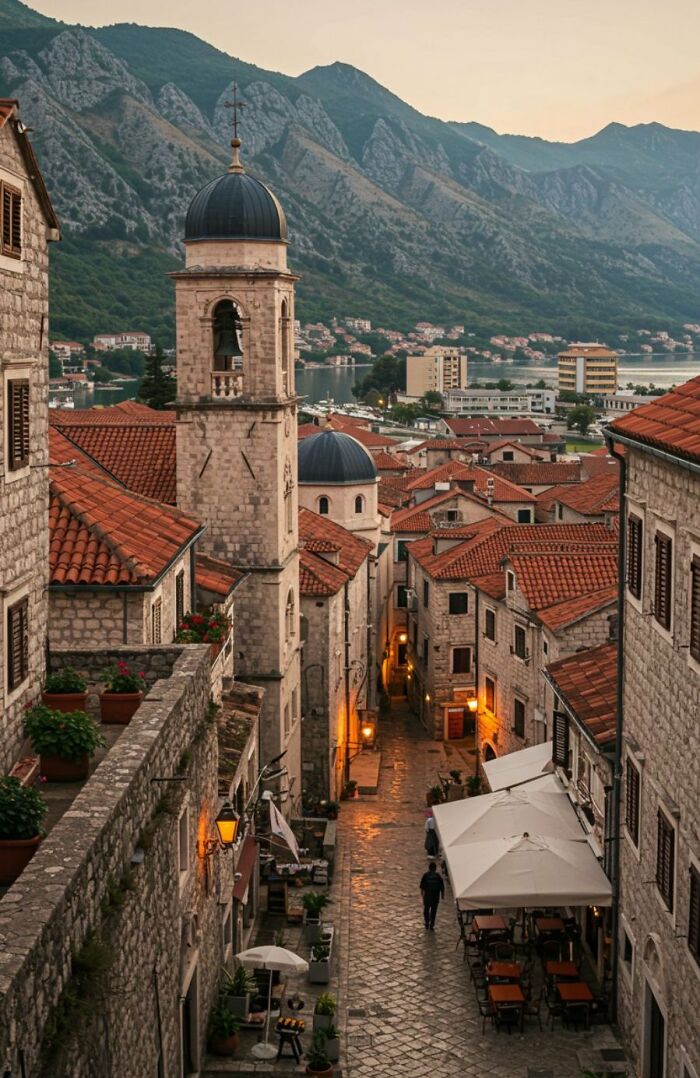
Image source: worldbeautiesandwonders
#74 Cloisters Of Gloucester Cathedral, England (14th Century)
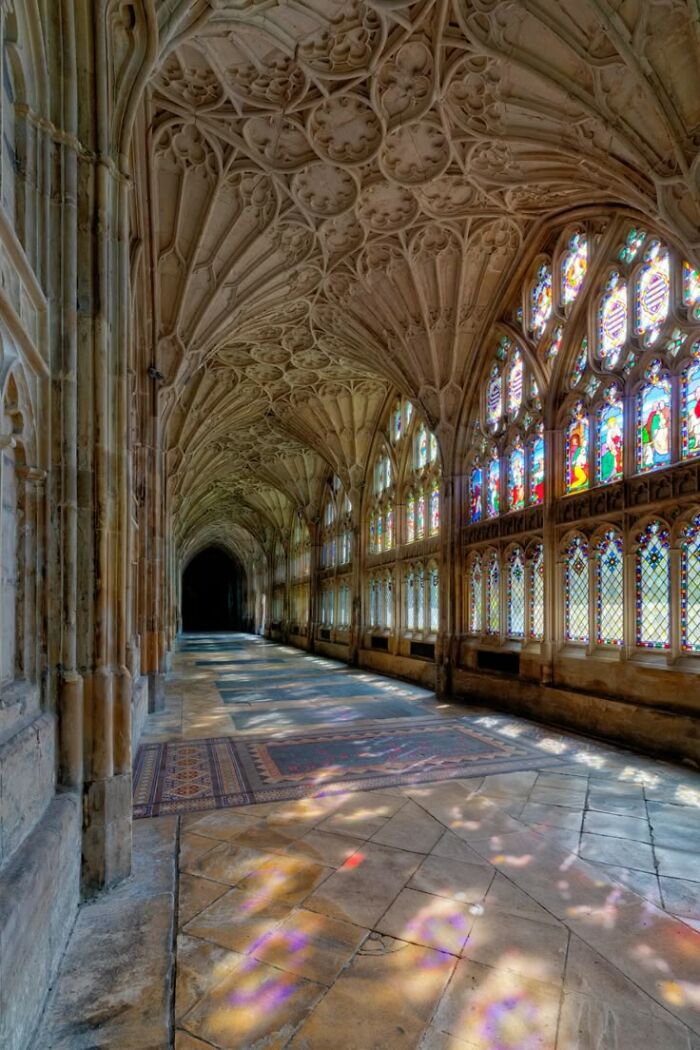
Image source: worldbeautiesandwonders
#75 Stairway With Stained Glass By Architect Louis Kolovitch, Port Said, Egypt
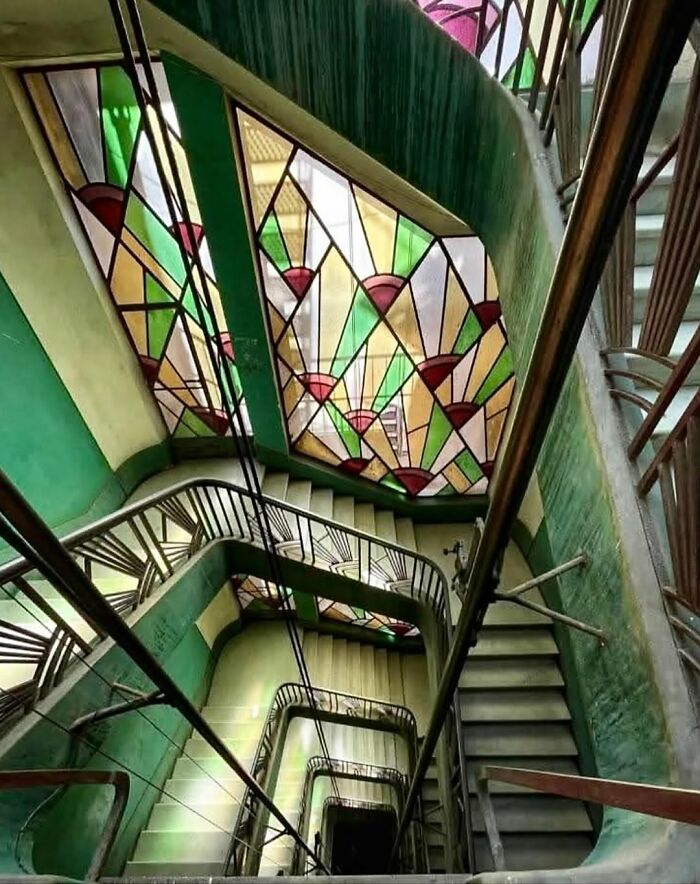
Image source: worldbeautiesandwonders
 Follow Us