Textile artist Larysa Bernhardt creates moth sculptures that feel as if they’ve fluttered in from a half-remembered dream. Working with fabric, embroidery, beads, and found materials, the Missouri-based artist transforms vintage textiles into delicate, character-like creatures that seem shy, nostalgic, and full of stories. Bernhardt’s fascination with old fabrics is deeply personal, rooted in childhood memories of growing up in Ukraine and spending time at her grandparents’ home, where walls were covered with tapestries, icons, paintings, and dried flowers. That visual richness, along with the emotional weight textiles can carry, continues to shape the atmosphere of her work today.
There’s also something especially poetic about Bernhardt’s choice of subject. Inspired by her longtime love of nostalgic cloth and the ritual of checking old fabrics for moth larvae, she began pairing textiles with the very insect often seen as their natural enemy. In doing so, she found not only a compelling visual contrast but also a symbol that spoke to fear, beauty, fragility, and imagination. Her moths are not just decorative objects, but tiny storytellers stitched from memory, scent, instinct, and emotion.
Wanting to learn more about the ideas and feelings behind these intricate creations, we reached out to Bernhardt and invited her to share more about her artistic journey, her process, and the symbolism woven into her work.
More info: Instagram | larysabernhardt.com
#1
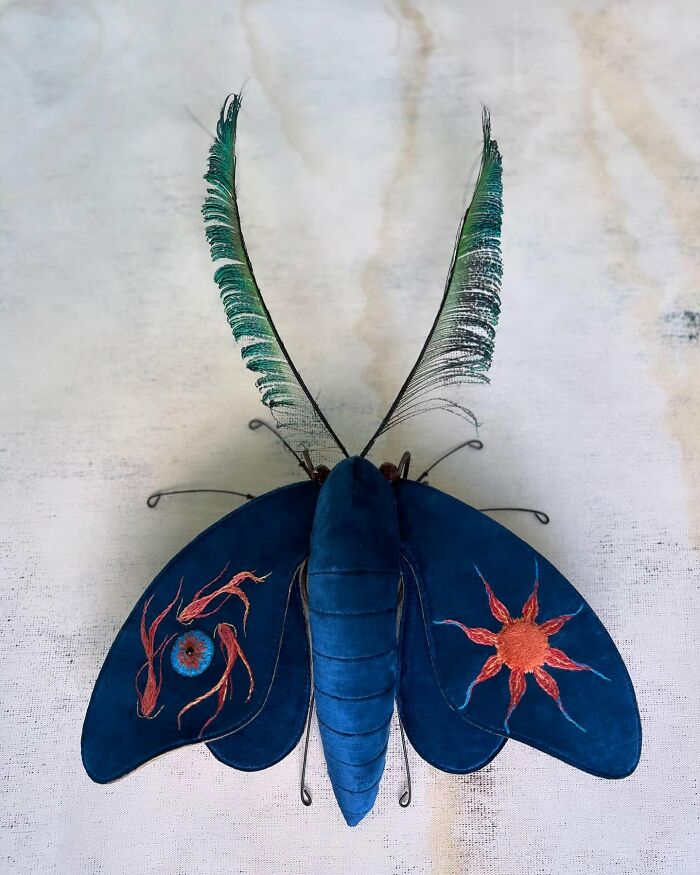
Image source: Larysa Bernhardt
Asked how she would introduce herself and the textile moth sculptures she creates to readers discovering her work for the first time, Bernhardt said: “I am a textile artist with many fears and anxieties. I deal with them by stitching, sculpting, sketching, embroidering, and beading. I make my fears look beautiful. Then I unleash them onto the world.”

#2
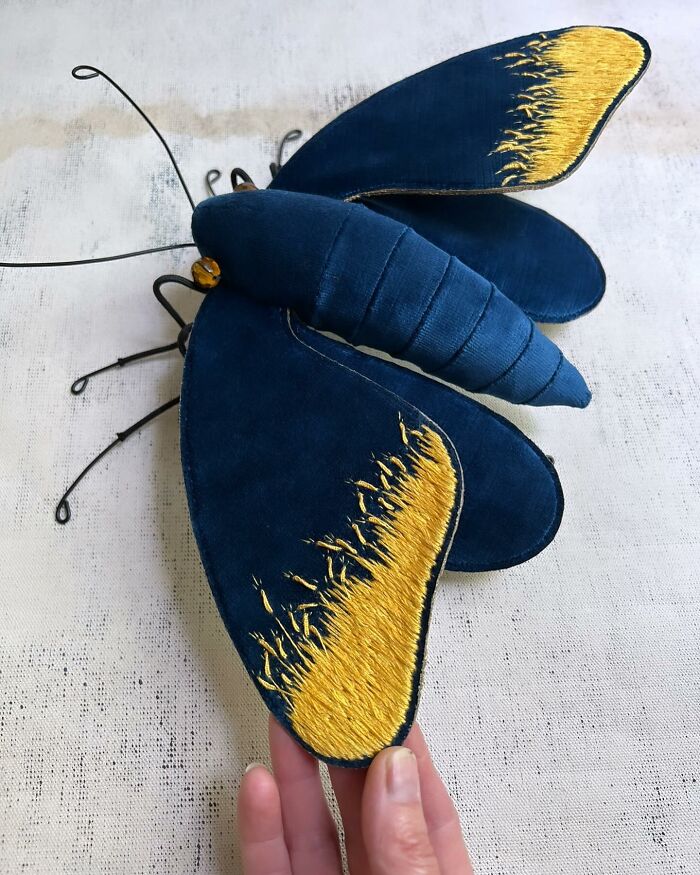
Image source: Larysa Bernhardt
#3
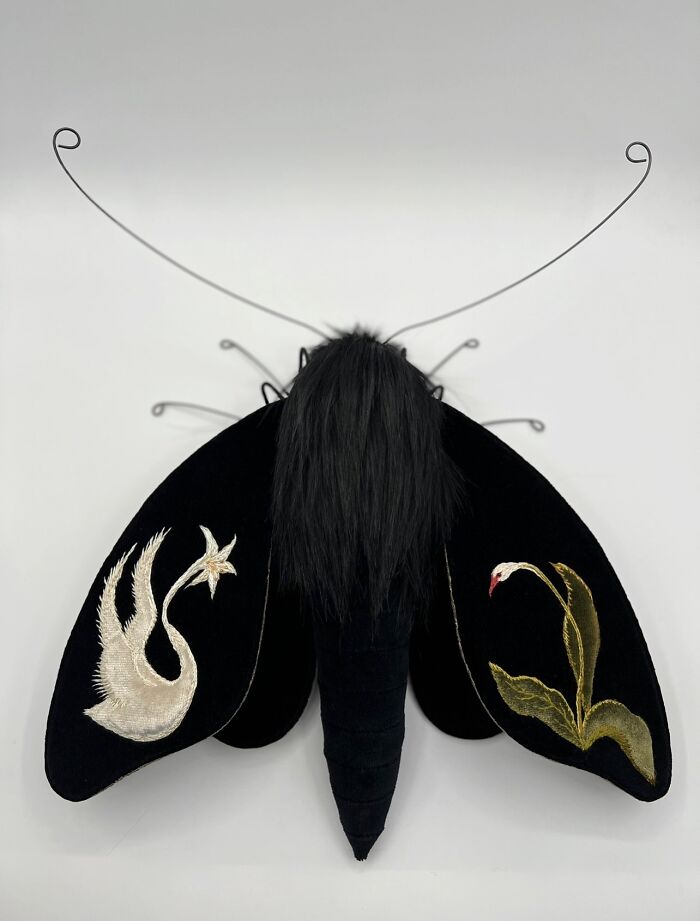
Image source: Larysa Bernhardt
Speaking about how her relationship with textiles began and eventually evolved into sculpture, she shared: “My love for textiles is rooted in my ancestry. As a child, I spent my summer school break with my grandparents in the Ukrainian countryside. I learnt that fabrics are the answer to just about anything. To cover, to clean, to wear, to walk on, to carry in, to cry into. To strain cheese curds, and to wrap freshly made butter into. What do you do when you’re a child and you’re scared? Right, you get under a blanket.”
#4
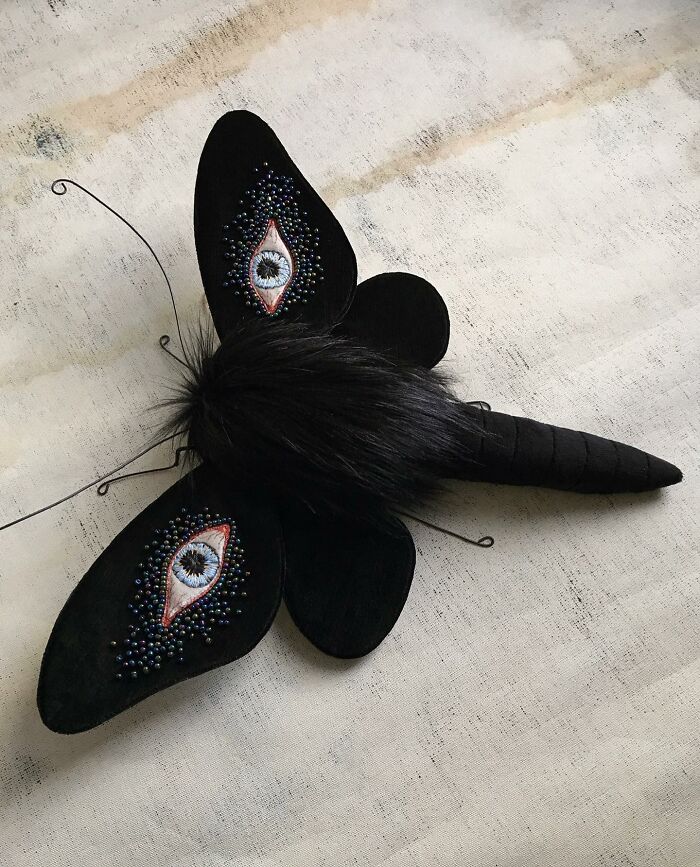
Image source: Larysa Bernhardt
#5
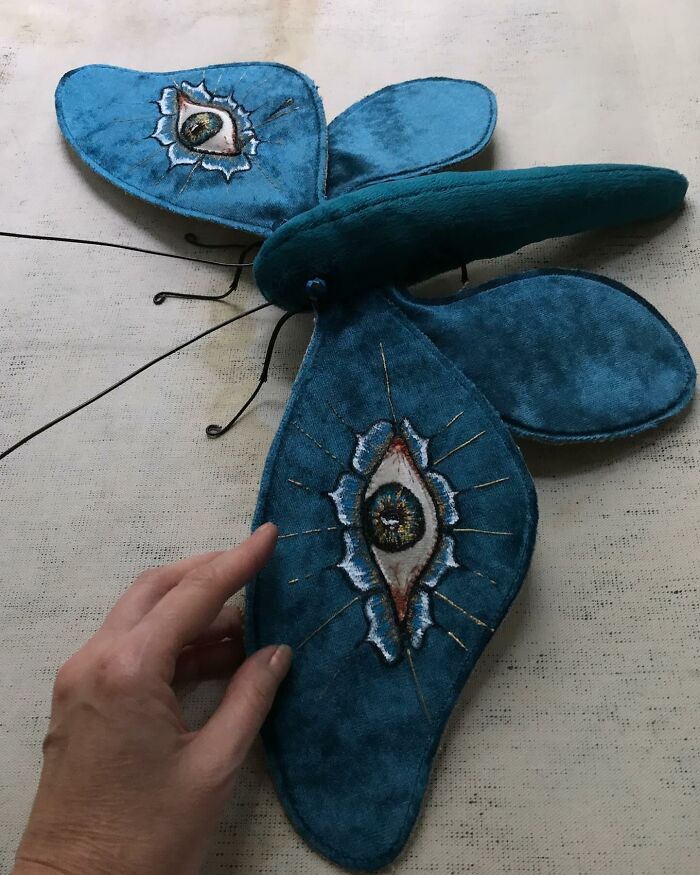
Image source: Larysa Bernhardt
When asked what draws her to creating moths that feel so emotional, shy, and story-filled, Bernhardt explained: “I used to imagine my moths flying into open windows at night. Perched on a headboard, they would tell a sleeping person a story, and it would turn into a dream. It took me a while to realize that the moth was actually a ‘stand-in’ for a storyteller, and the storyteller was me, but who would listen to me? But a moth is an igniter for imagination! They beat their wings on the glass of glowing windows, shedding fairy dust and demanding to come inside, a perfect allegory just outside my bedroom window.”
#6
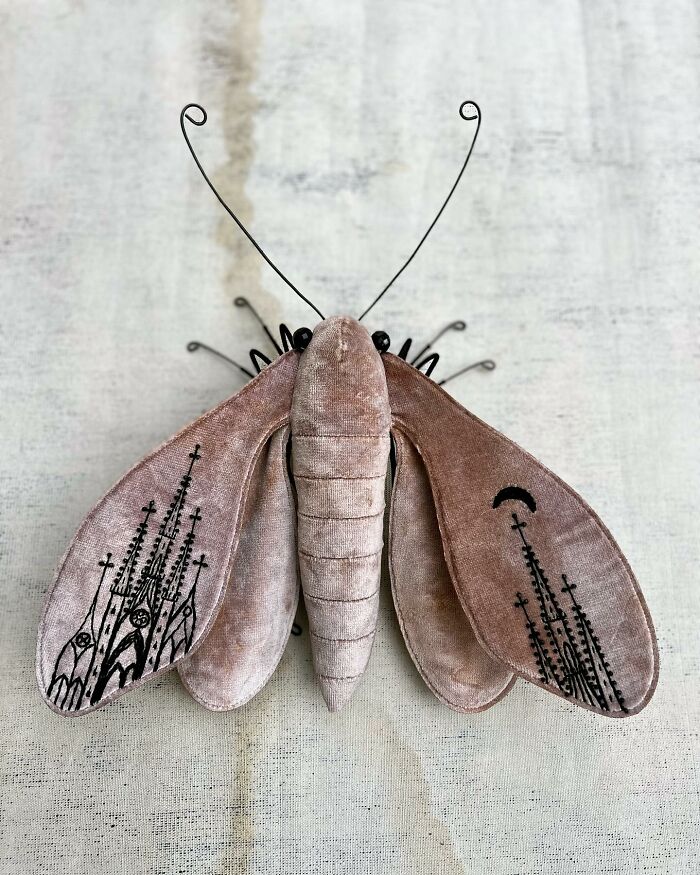
Image source: Larysa Bernhardt
#7
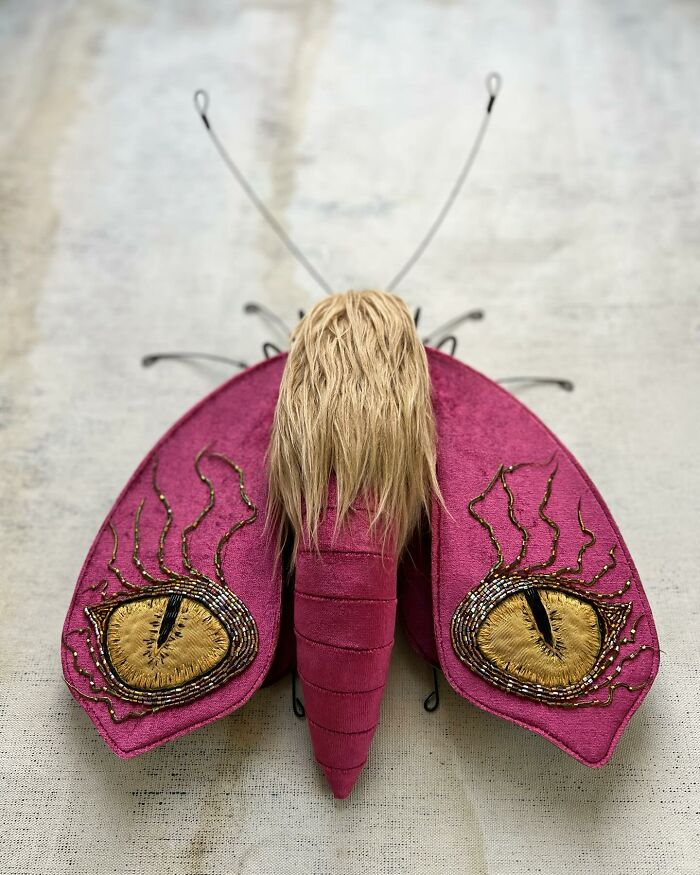
Image source: Larysa Bernhardt
On the poetic contrast of combining delicate fabric with the insect often seen as its natural enemy, Larysa put it simply: “Facing what I am afraid of.”
#8
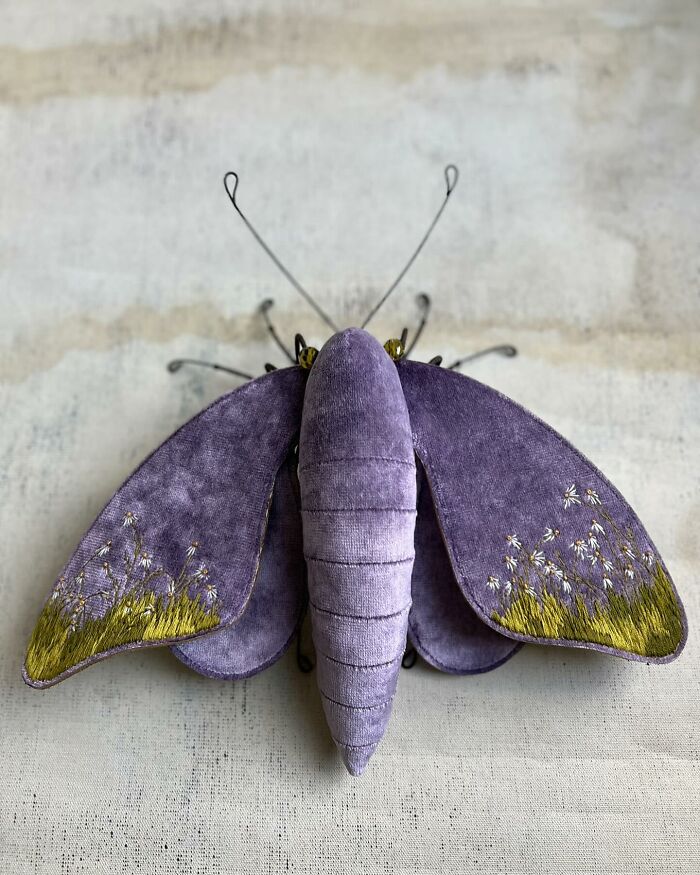
Image source: Larysa Bernhardt
#9
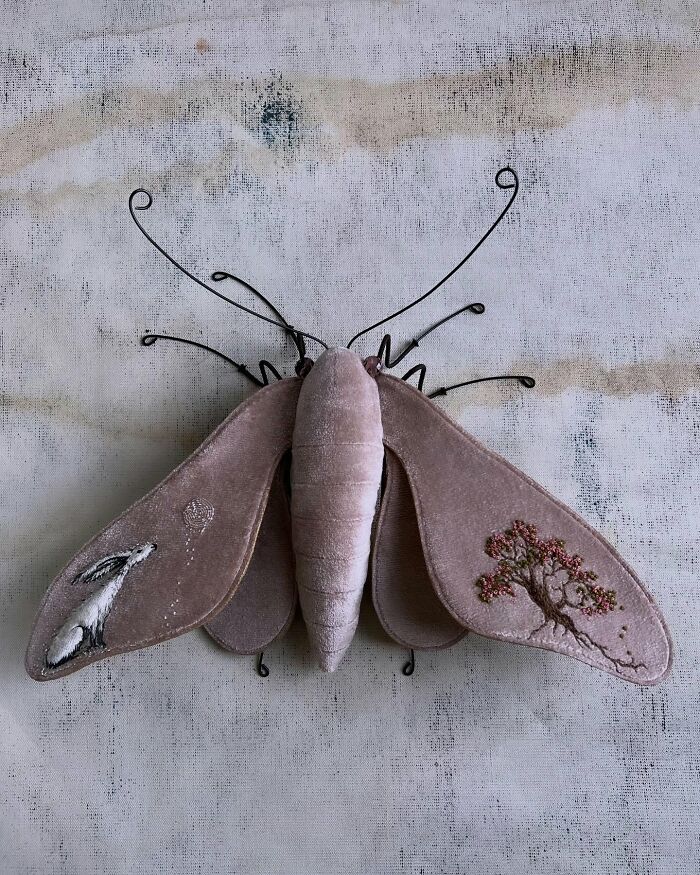
Image source: Larysa Bernhardt
Asked how much the history and sensory qualities of a material shape the final sculpture, especially when fabrics arrive carrying scents like coffee, spices, old books, or lavender, she said: “Scent has the ability to instantly transport you to a different place—geographically and time-wise. How my brain translates it into my work is a mystery to me. It sort of…knows what to do.”
#10
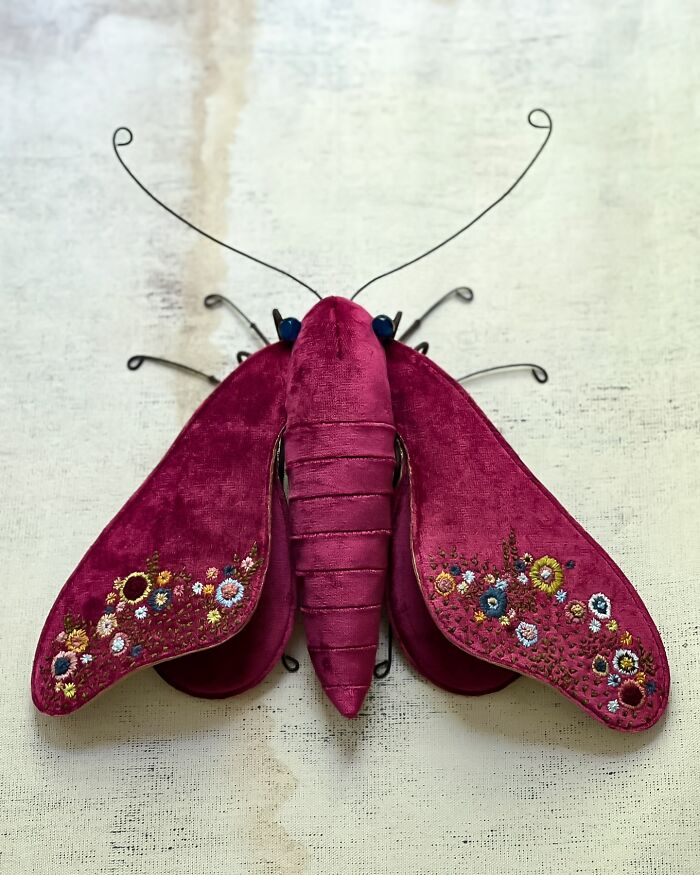
Image source: Larysa Bernhardt
#11
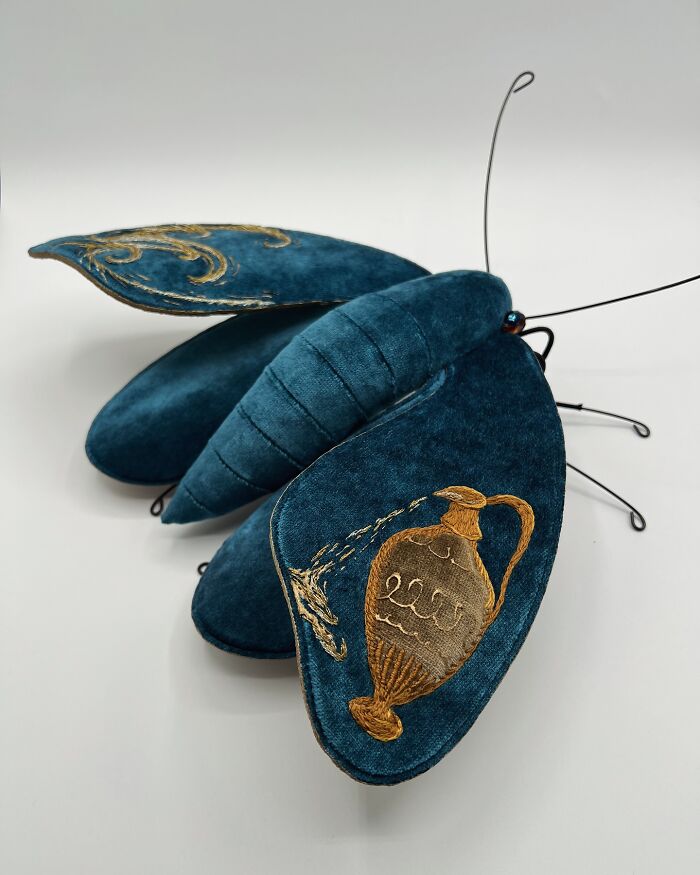
Image source: Larysa Bernhardt
Discussing moths themselves and what studying and recreating them has taught her, Bernhardt reflected: “Don’t make a mistake. I love butterflies. I plant my garden for them with many bright flowers. But I also plant a moon garden for moths and night pollinators. My night garden is fragrant with white honeysuckle and lily-of-the-valley, mystical blooms of sacred datura and Nicotiana sylvestris that grows eight feet tall flower stalks, and you can stand underneath them and watch sphinx moths hovering and getting nourishing nectar, and when the garden is moonlit, everything looks like it’s dipped in silver. It’s magic, and it’s a mystery, and it is fragile and fleeting. It is everything I need to feed my imagination.”
#12
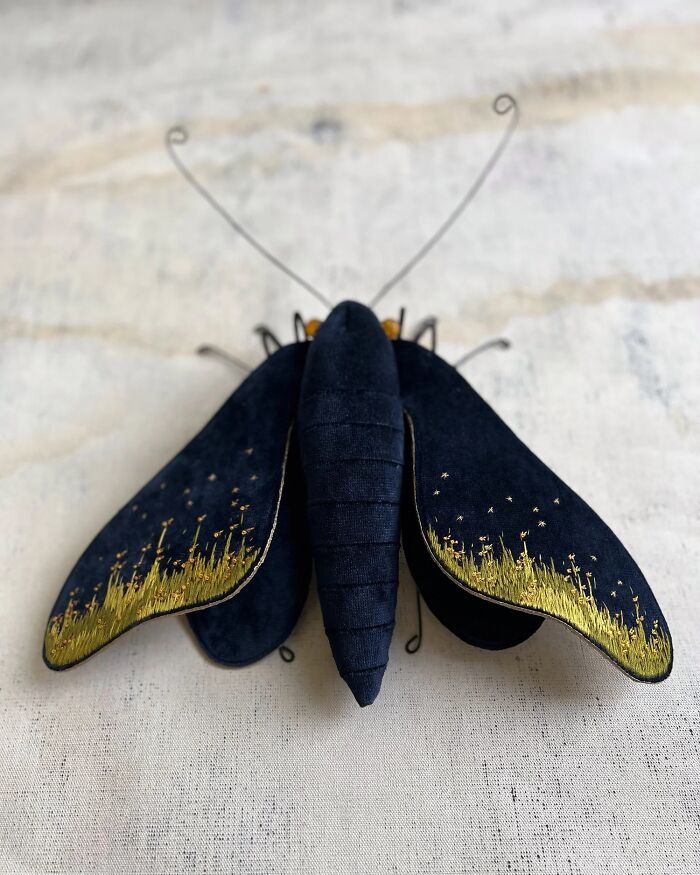
Image source: Larysa Bernhardt
#13
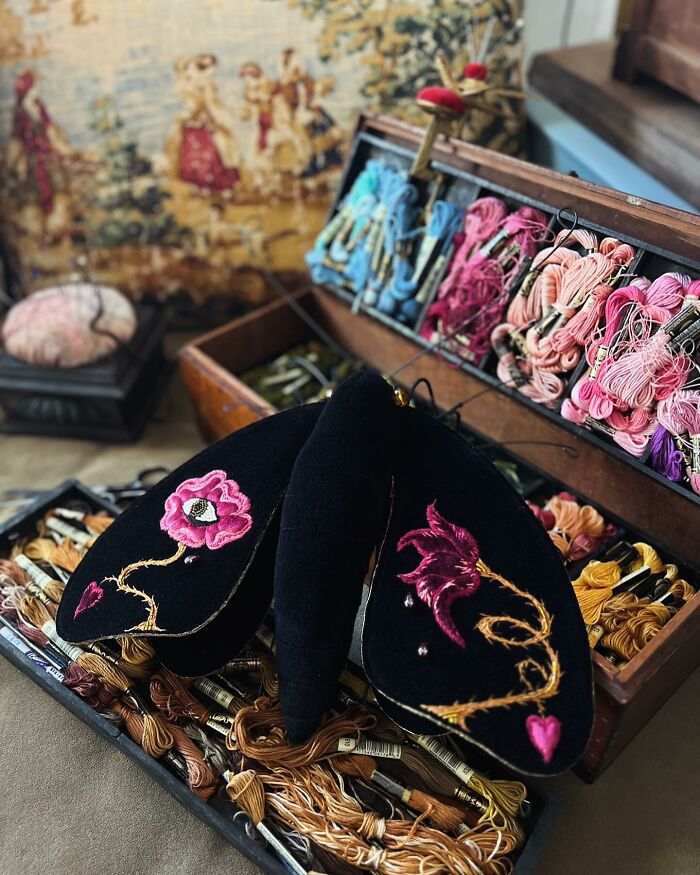
Image source: Larysa Bernhardt
When the conversation turned to her creative process, from finding a fabric to finishing one of her moth sculptures, she said: “Every piece is different! When I work on commissions, and it is someone else’s vision, it’s very important to really understand your client. This trust is delicate, and when I am able to make a person happy, it’s the best feeling. But it’s when I get to go rogue and create whatever comes to my mind – this is real fun, and it never goes the intended way. I make sketches and figure the color palettes, but a few minutes into work i may get an idea that seems better and newer and shinier, and the original sketch goes into the trash, and new threads and beads get pulled out, and a new color story emerges. It’s good to keep the door open.”
#14
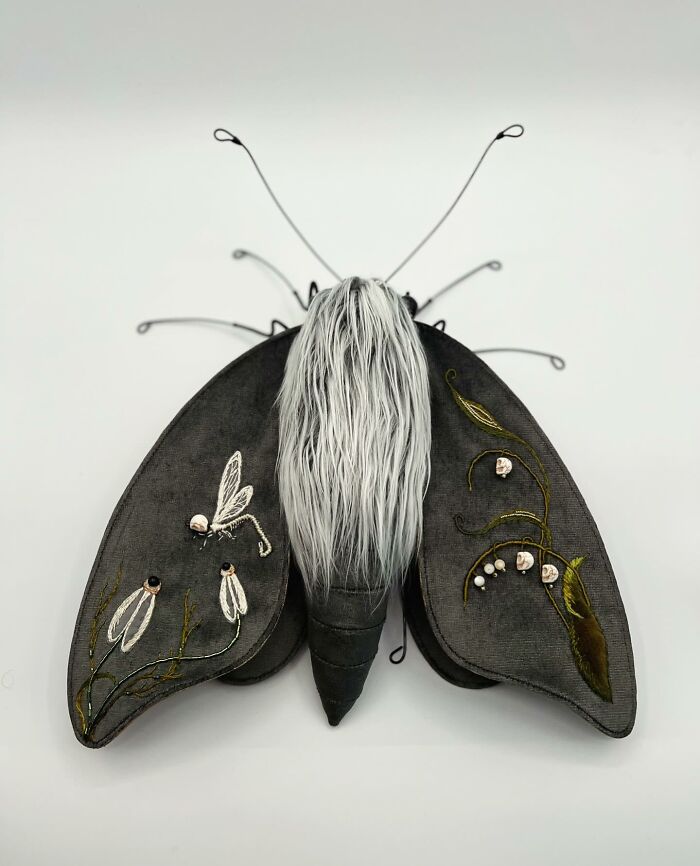
Image source: Larysa Bernhardt
#15
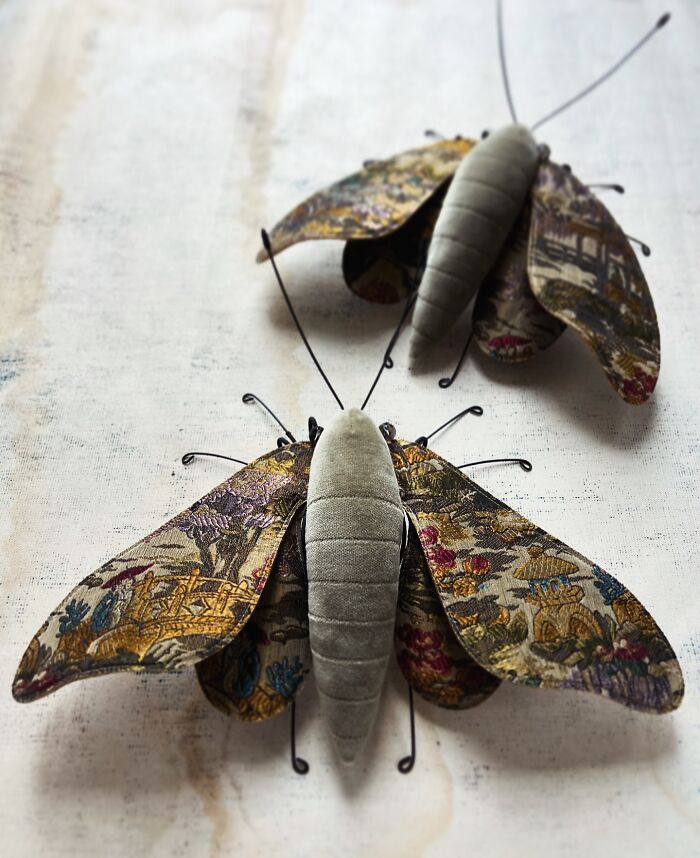
Image source: Larysa Bernhardt
Asked whether there is one piece that feels especially meaningful to her, Bernhardt shared: “The story of Sun and Moon is a recurring one. Two lovers forever chasing each other, unable to be together, unable to be apart, the duality of it and the tension. Like a moth falling in love with the butterfly.”
#16
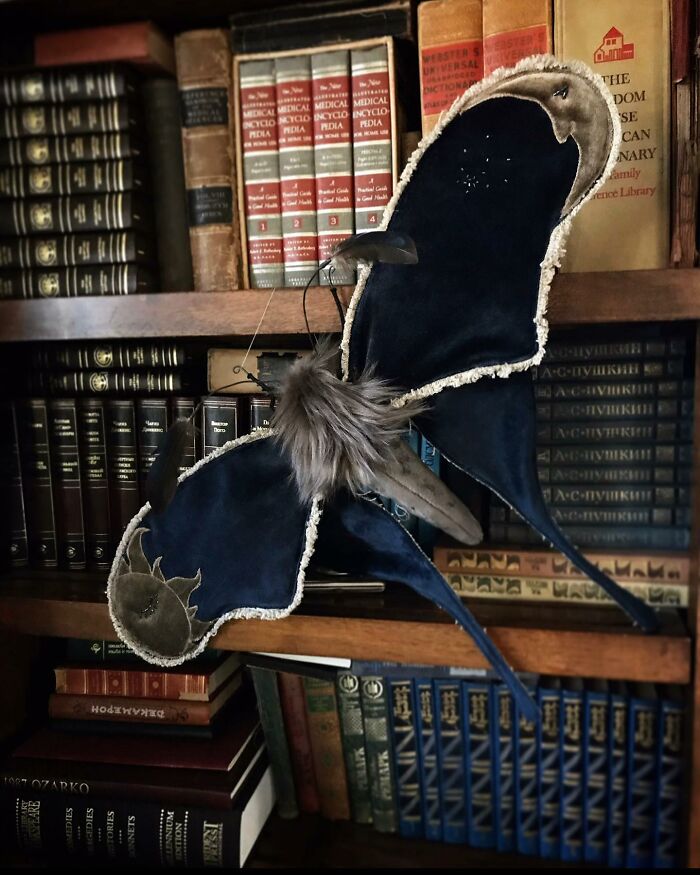
Image source: Larysa Bernhardt
#17
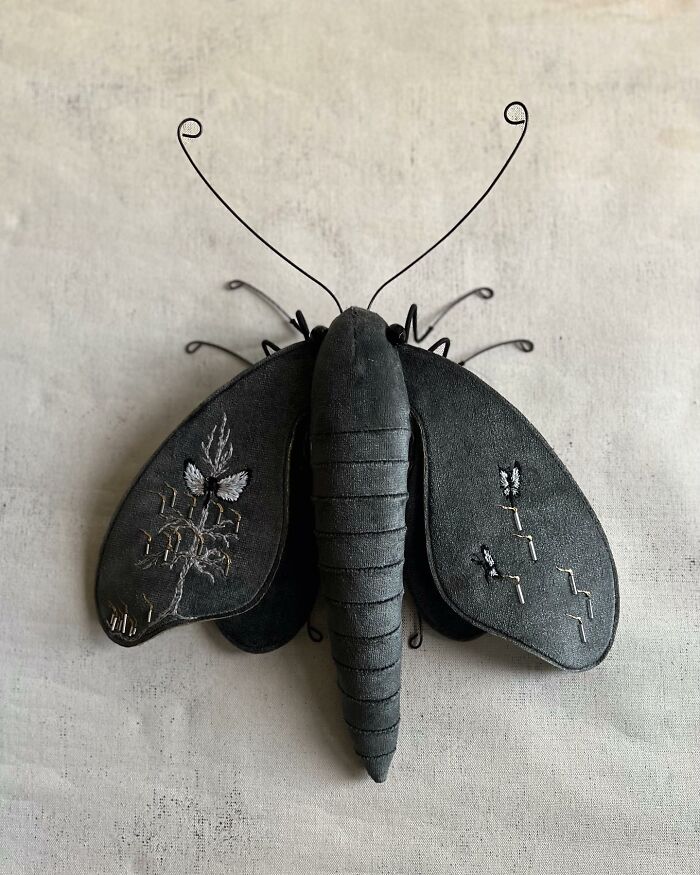
Image source: Larysa Bernhardt
On what she hopes people feel when they first see her textile moths, she said: “I just want them to feel. I’ll take anything – wonderment, tension, awe, fascination, fear, love, nostalgia – it’s indifference that terrifies me.”
#18
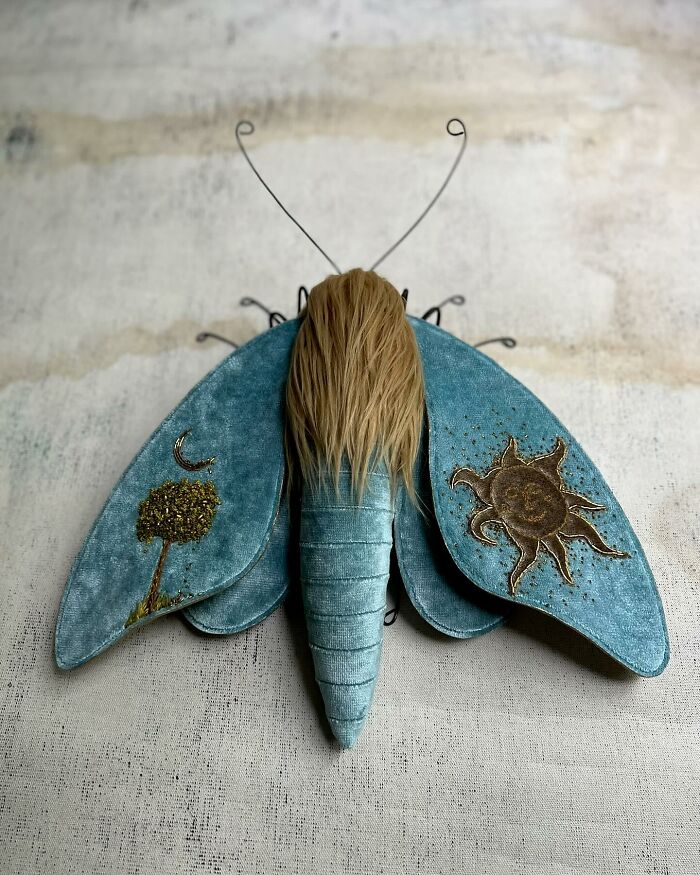
Image source: Larysa Bernhardt
#19
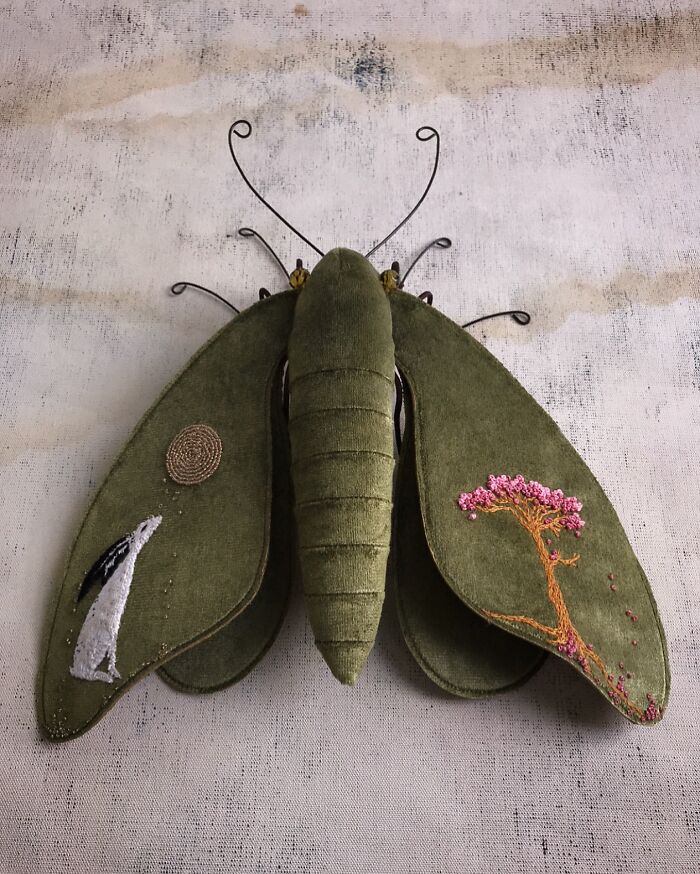
Image source: Larysa Bernhardt
And finally, when asked about themes, creatures, or materials she would like to explore next, Bernhardt said: “My work changes as I keep developing my own symbolic language, but I feel that my most archetypal imagery will always be present. Tree. Moon. Sun. Bird. Flower. Ribbon that connects. Fruit that nourishes. The feelings they invoke might differ for everyone, but you know what they say – we’re not the thinking animals that occasionally feel, we’re the feeling animals that occasionally think. I want people to take a break from thinking and simply feel for a very, very long moment.”
#20
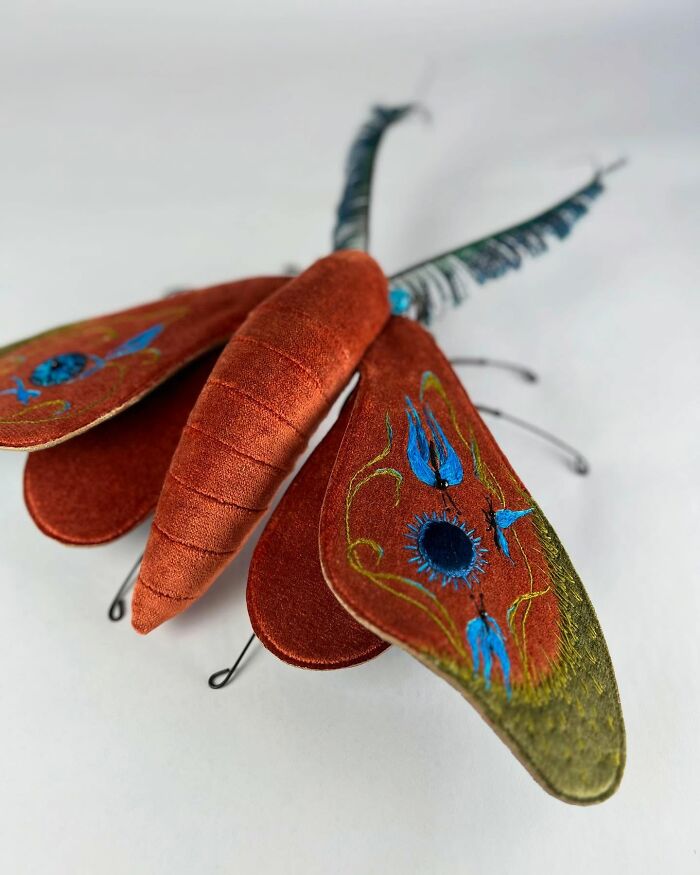
Image source: Larysa Bernhardt
#21
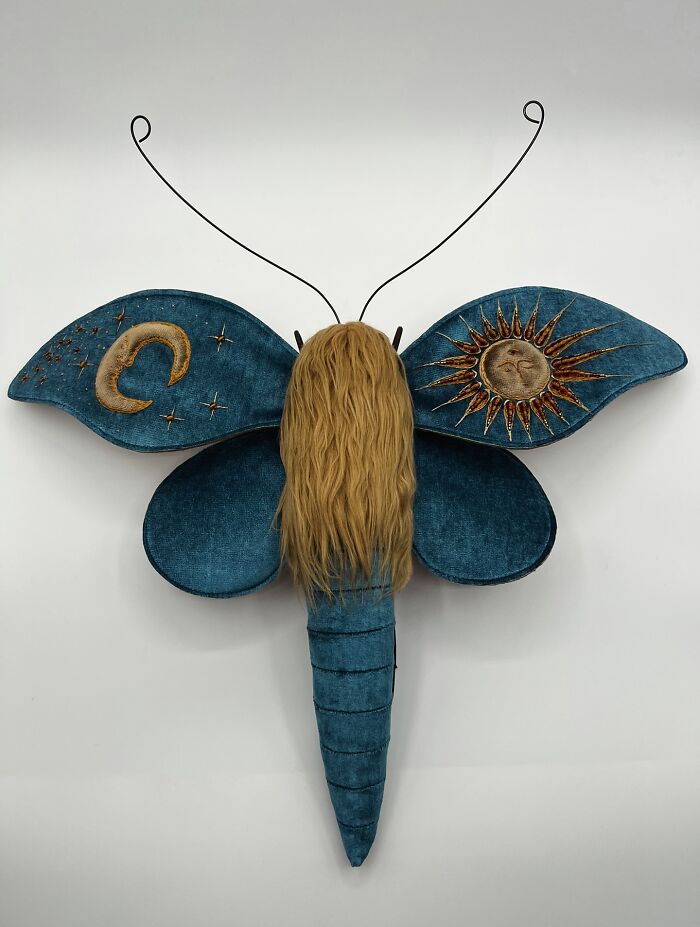
Image source: Larysa Bernhardt
#22
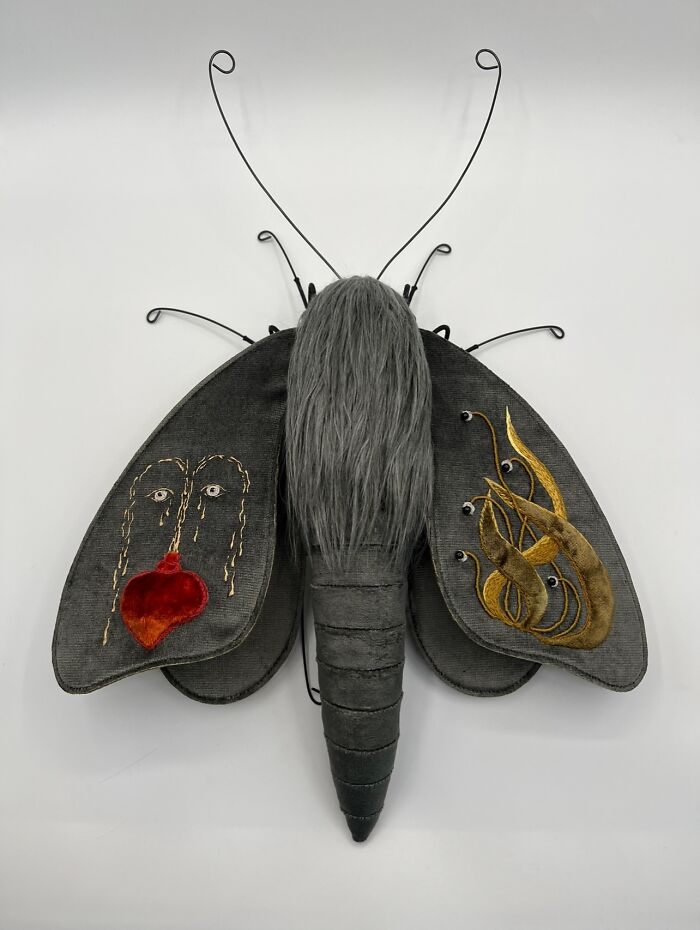
Image source: Larysa Bernhardt
#23
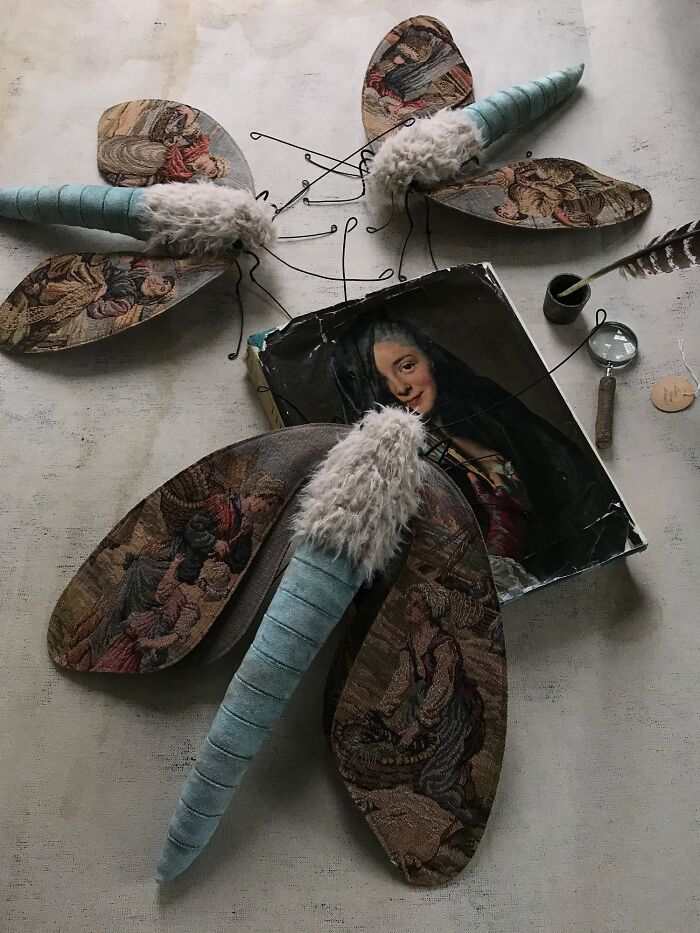
Image source: Larysa Bernhardt
#24
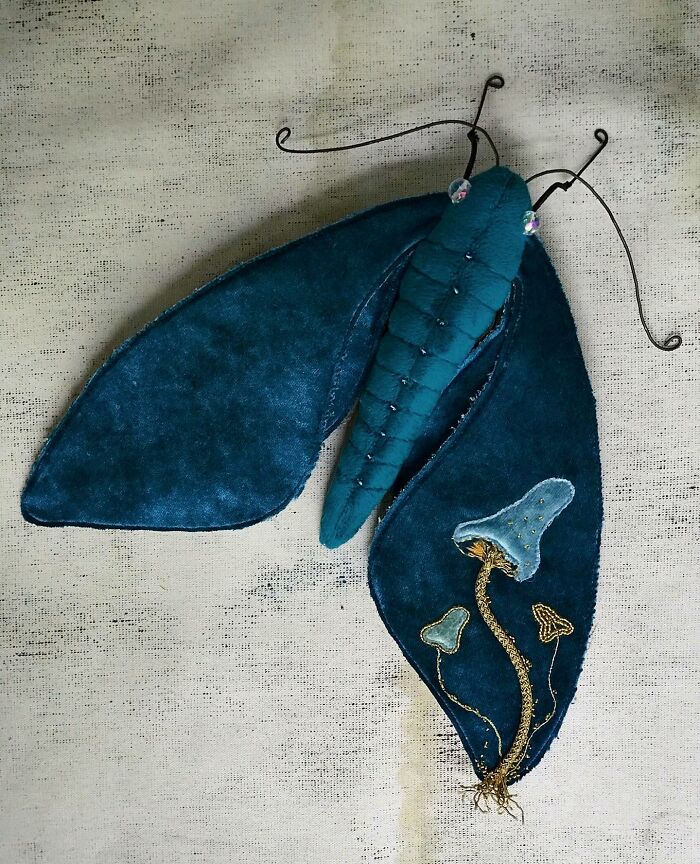
Image source: Larysa Bernhardt
#25
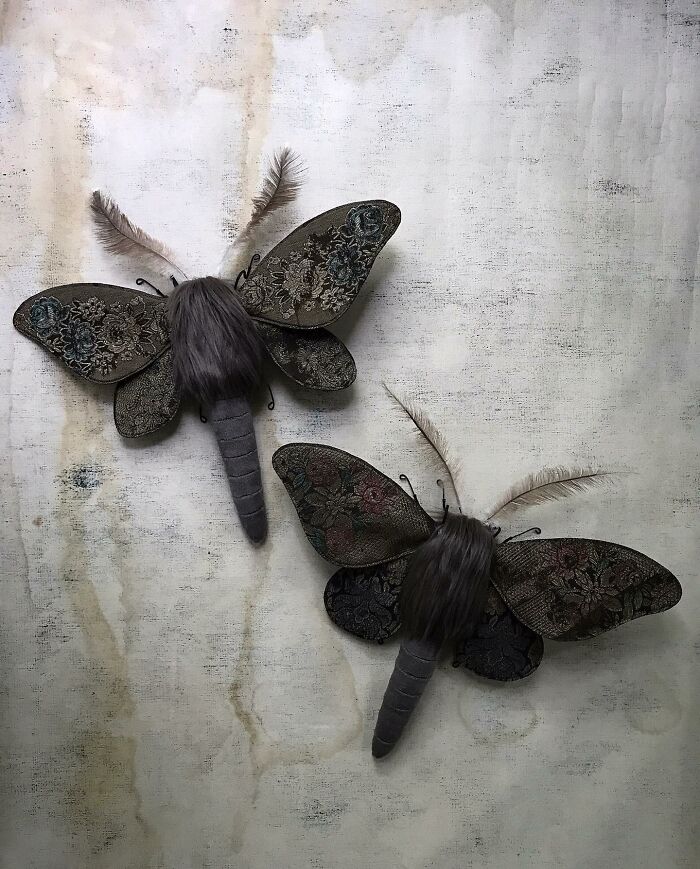
Image source: Larysa Bernhardt
#26
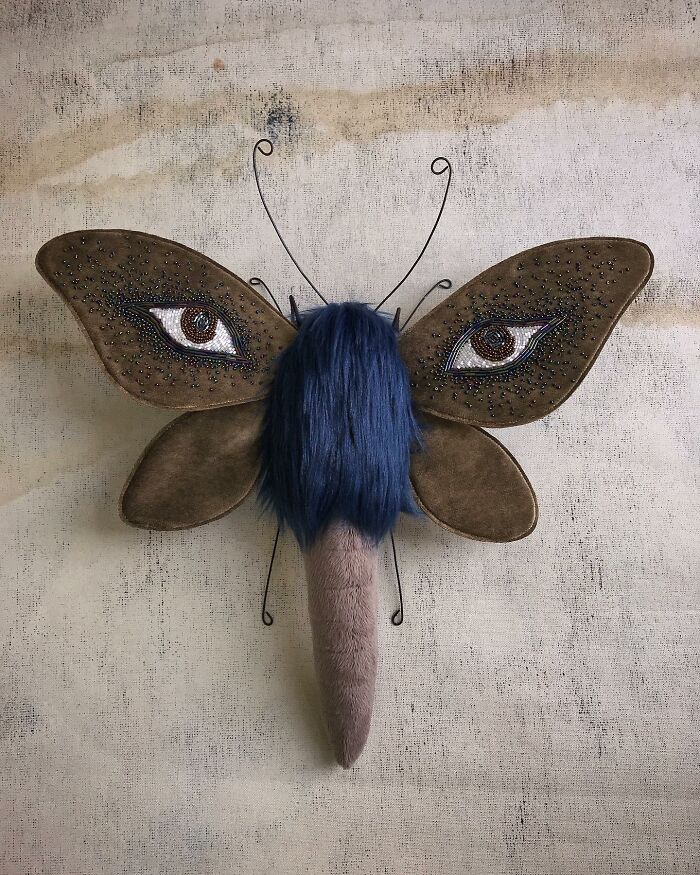
Image source: Larysa Bernhardt
#27
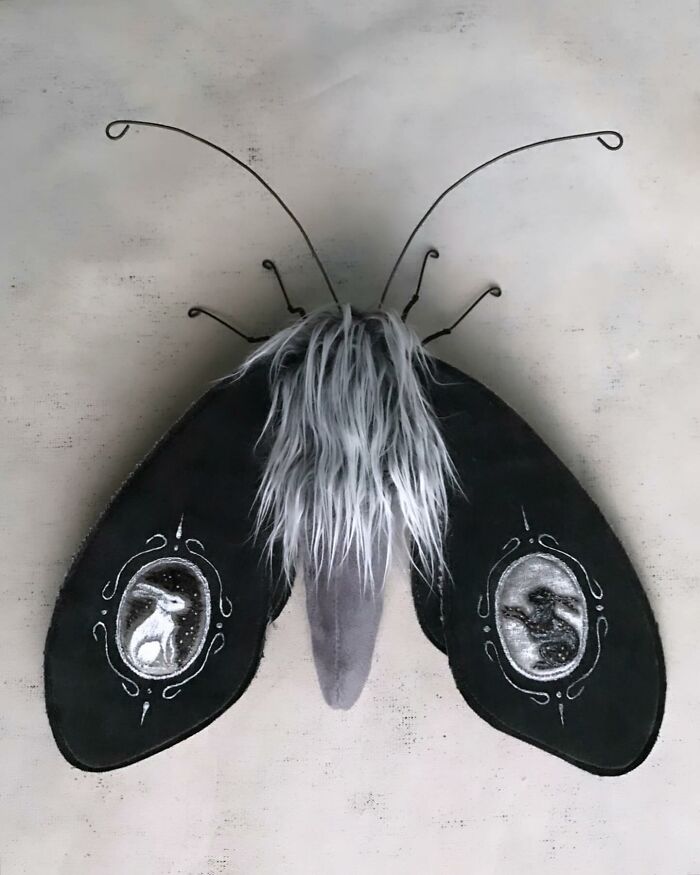
Image source: Larysa Bernhardt
#28
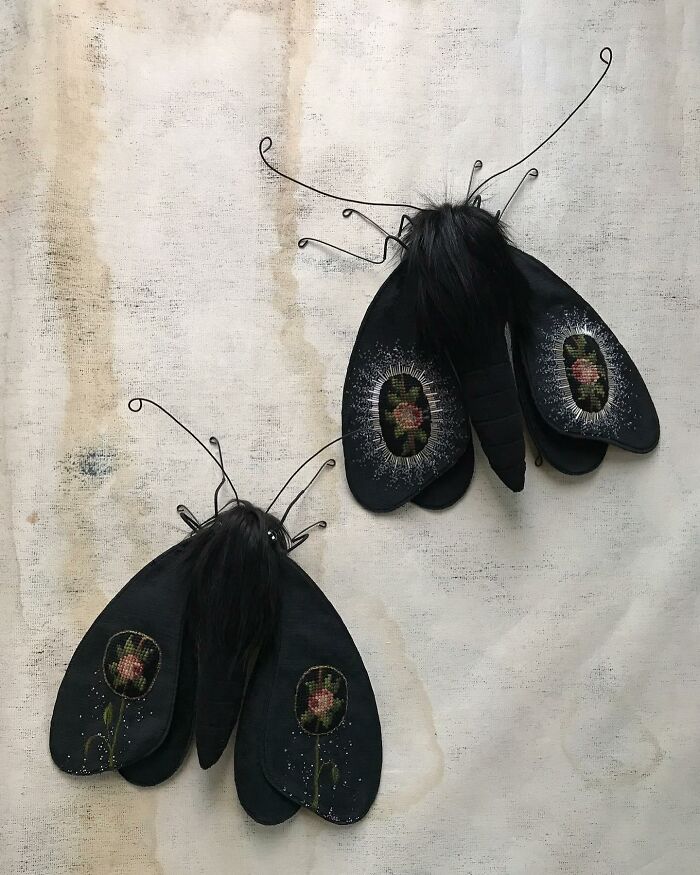
Image source: Larysa Bernhardt
#29
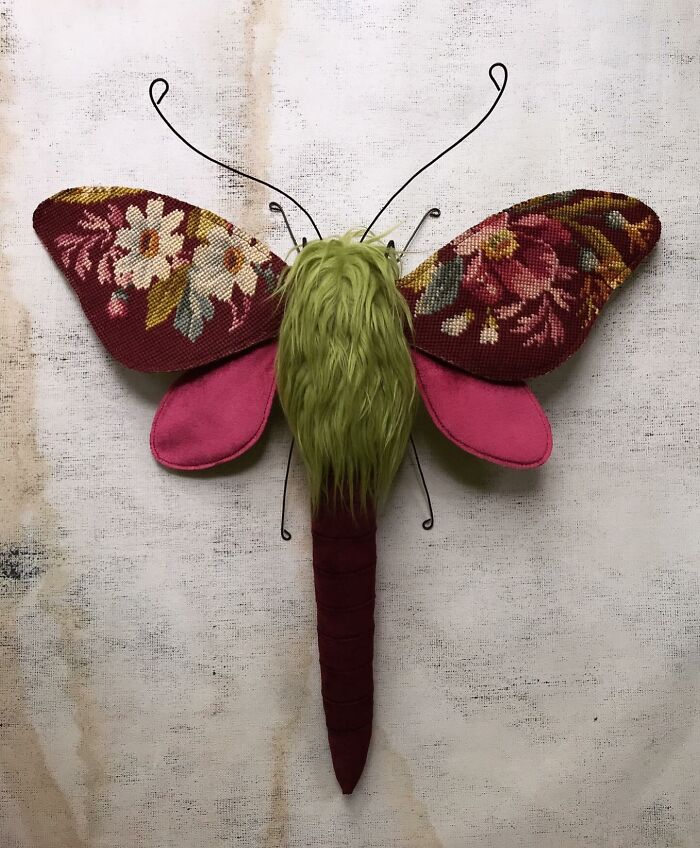
Image source: Larysa Bernhardt
#30
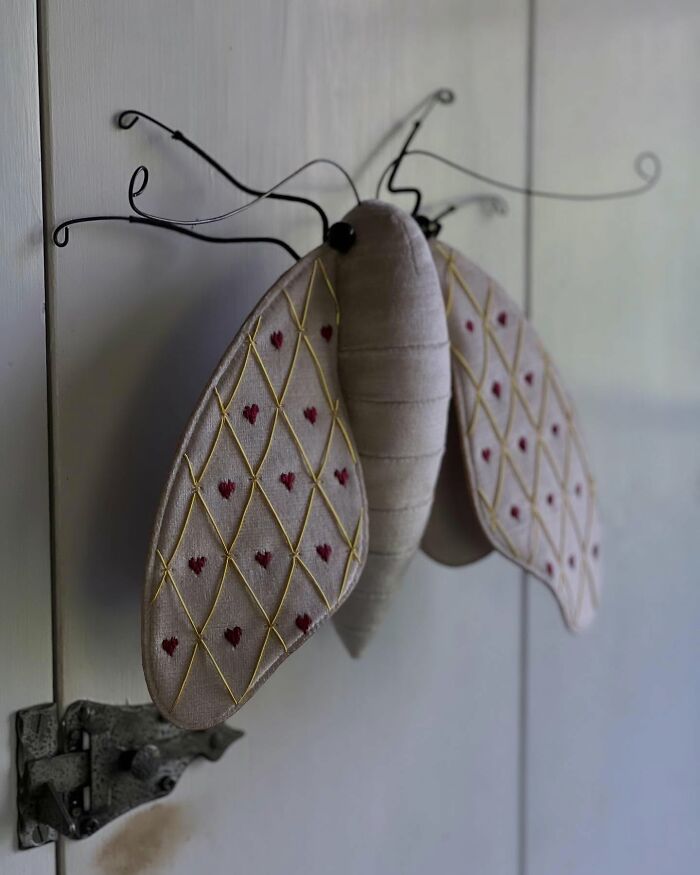
Image source: Larysa Bernhardt
#31
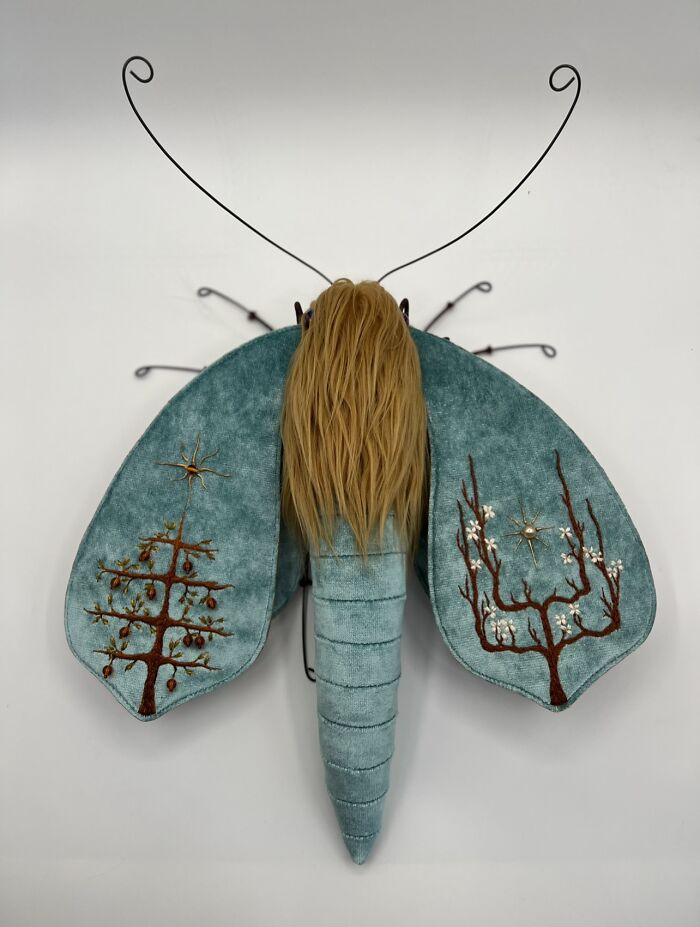
Image source: Larysa Bernhardt
#32
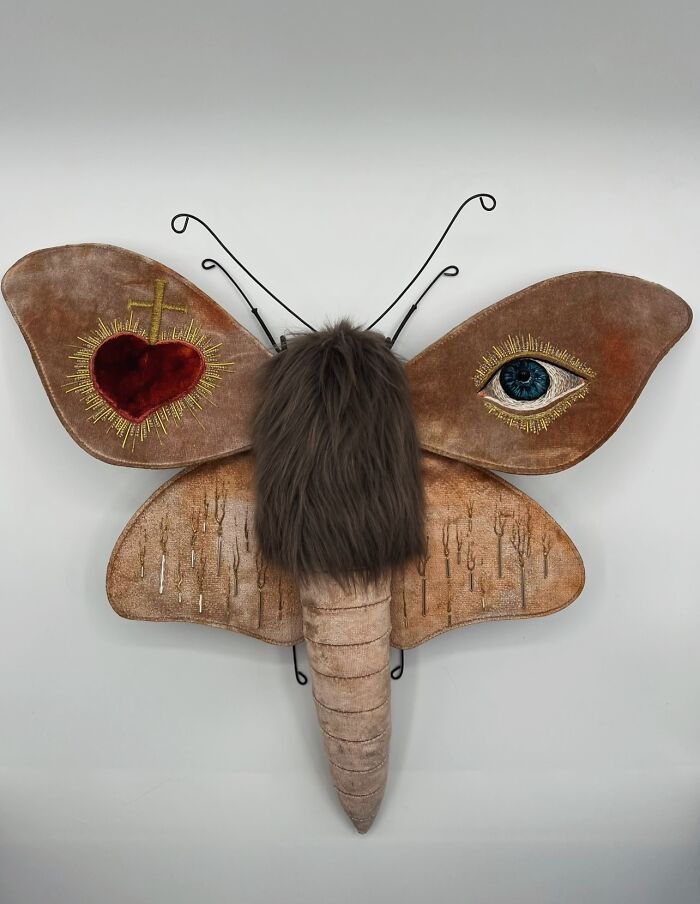
Image source: Larysa Bernhardt
#33
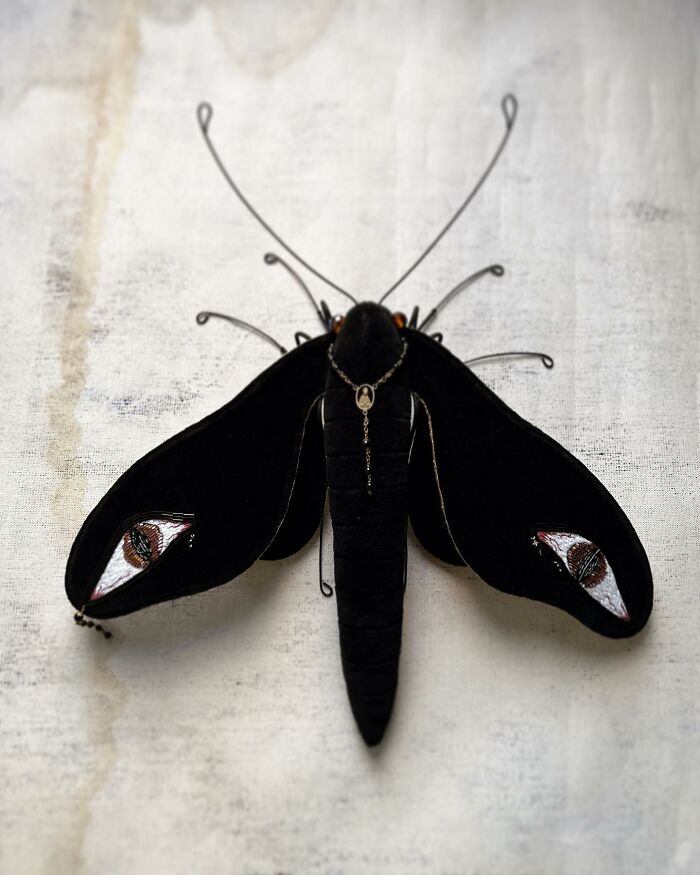
Image source: Larysa Bernhardt
#34
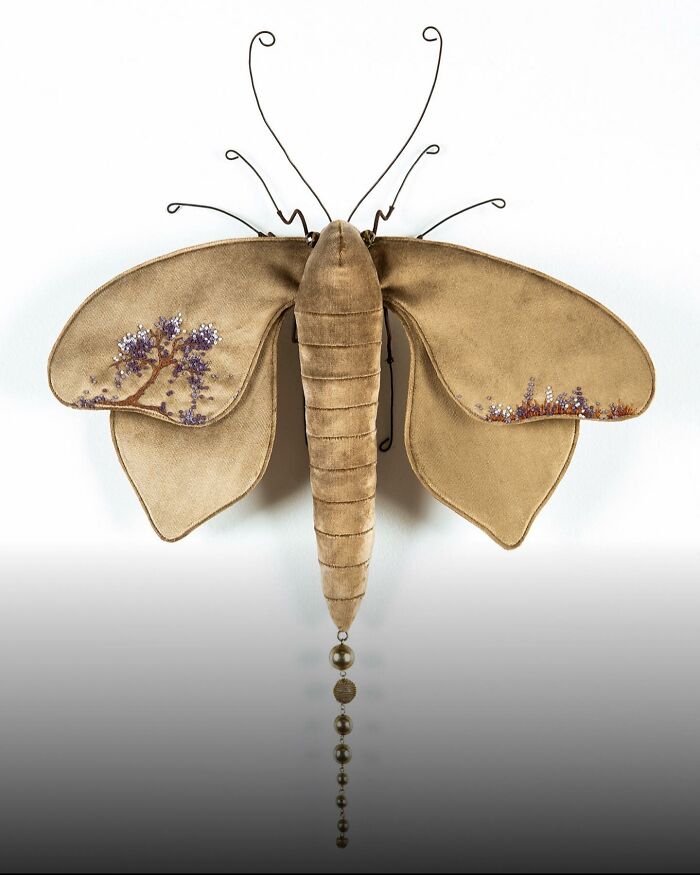
Image source: Larysa Bernhardt
 Follow Us