Even in the glitzy world of Hollywood filmmaking, few awards carry as much recognition, industry prestige, and international success as the Academy Awards.
Every year for almost a century, filmmakers, actors, screenwriters, and other creatives in the film industry await the iconic Oscars ceremony with bated breath, knowing that just one golden trophy could change their careers forever.
But even within that pantheon of accomplishments, there is one prestigious combination of awards that all covet but only a few films have ever achieved: the “Big Five”.
This title refers to the five most-coveted Academy Awards a movie can win in a single ceremony. It’s not just a sweep of accolades; it’s a declaration that a film has triumphed in storytelling, performance, vision, and artistic execution.
To take all the big five awards in one ceremony is to reach the pinnacle of filmmaking excellence, and it has happened just three times in almost 100 years.
This exclusive club spans genres and eras, with many hoping to join it and missing out by an award or two every year.
Creating such an exceptional movie illuminates what it truly means to dominate the industry and change the history of filmmaking.
The 5 Major Oscar Categories: Understanding the Big Five
Each of the “Big Five” awards individually honors a distinct pillar of filmmaking, but when they’re combined, they encompass nearly every core element required to create a cinematic masterpiece.

Best Picture
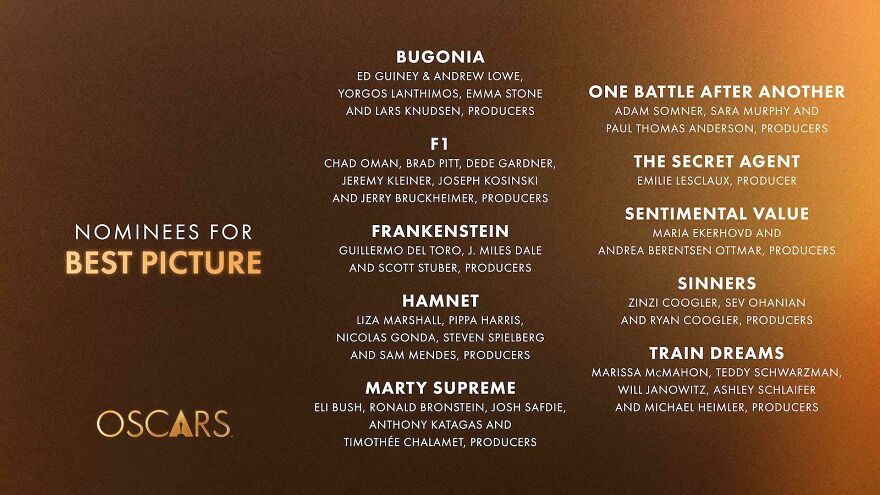
Image credits: JuanRiveara / Reddit
Best Picture is, without a doubt, the Academy’s highest honor. Awarded to the film’s producers, it recognizes the entire production from development to final cut and declares it the best movie of the season.
Unlike technical categories that spotlight specific crafts, Best Picture represents the collective effort of the cast, crew, financiers, and creative leaders. It denotes that a film is nothing short of excellent.
Winning Best Picture is not just about artistry, but about cohesion. Winning movies typically balance narrative power, cultural resonance, performances, direction, and craftsmanship into a unified whole.
Best Director
If Best Picture honors the building, Best Director honors the architect. This award recognizes the filmmaker whose artistic vision shaped every frame and whose direction led the production to prestigious victory. Directors determine pacing, guide performances, oversee visual style, and ultimately decide how the story is told.
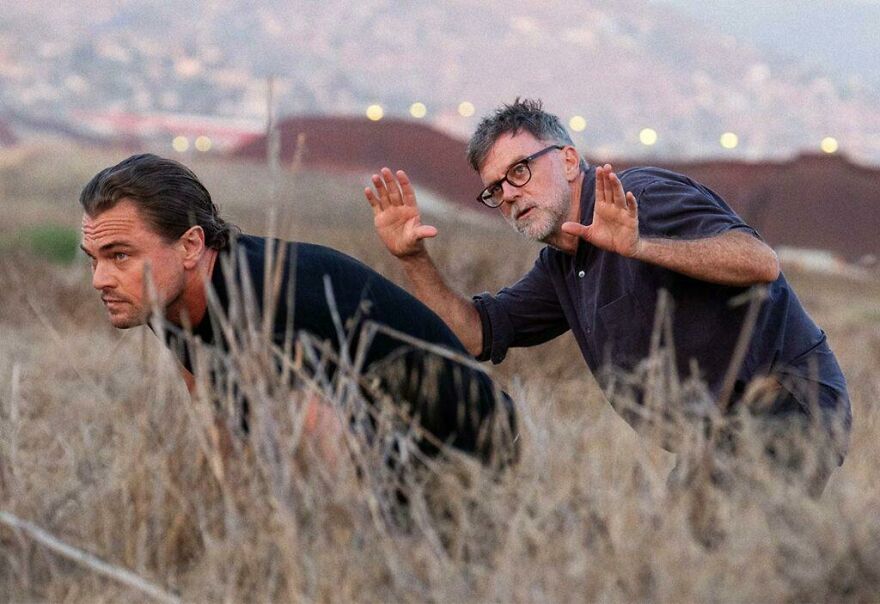
Image credits: CrunchyNar / Reddit
The Best Director award singles out leadership and authorship, honoring the individual who made one of the year’s best pictures.
Historically, these two awards often go to the same movie, but not always. When they do coincide as part of a Big Five sweep, they emphasize the harmony between a film’s artistic direction and its overall execution.
Best Actor
Best Actor celebrates the most outstanding leading male performance of the year. Acting is the most visible and popular craft in cinema, and the lead performance of a movie often becomes its central emotional anchor.
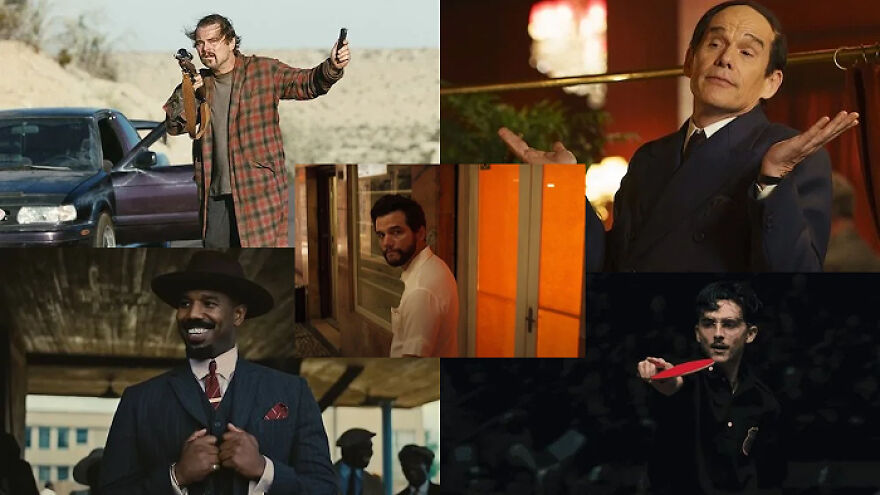
Winners in this category typically deliver transformative, immersive portrayals that dominate the big screen.
The Academy has long favored performances that demand intensity, vulnerability, or dramatic range; those roles that linger in the audience’s minds for weeks after the film leaves cinemas.
Best Actress
Parallel to Best Actor, the Best Actress accolade honors the year’s most compelling female performance. The category has historically produced some of the most iconic Oscar moments, recognizing depictions of strength, complexity, and emotional nuance.
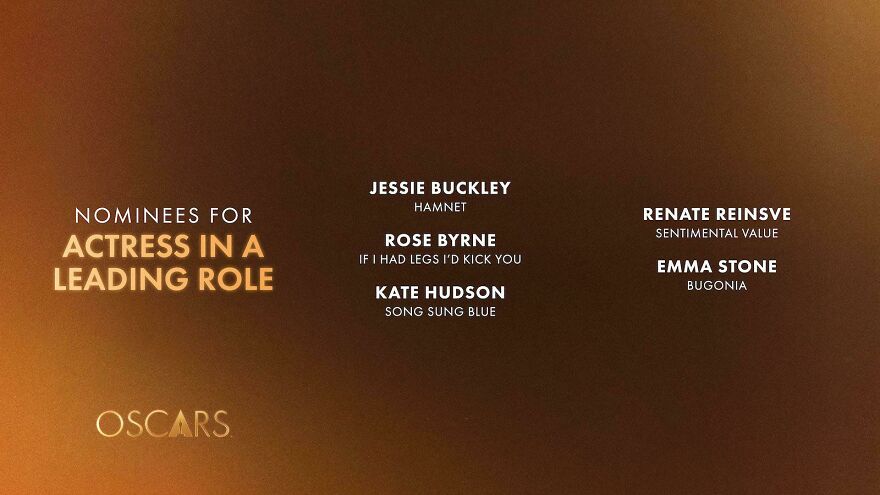
Image credits: JuanRiveara / Reddit
For a film to win both acting categories, it must feature two lead performances that are not merely strong individually but powerful enough to outshine every other contender in their respective categories. That alone makes a Big Five sweep statistically improbable.
Best Screenplay
Whether Original or Adapted, the Best Original Screenplay Oscar recognizes the writing. It’s the blueprint for the film, allowing the actors to deliver exceptional performances through incredible dialogue, structure, character arcs, and thematic depth.
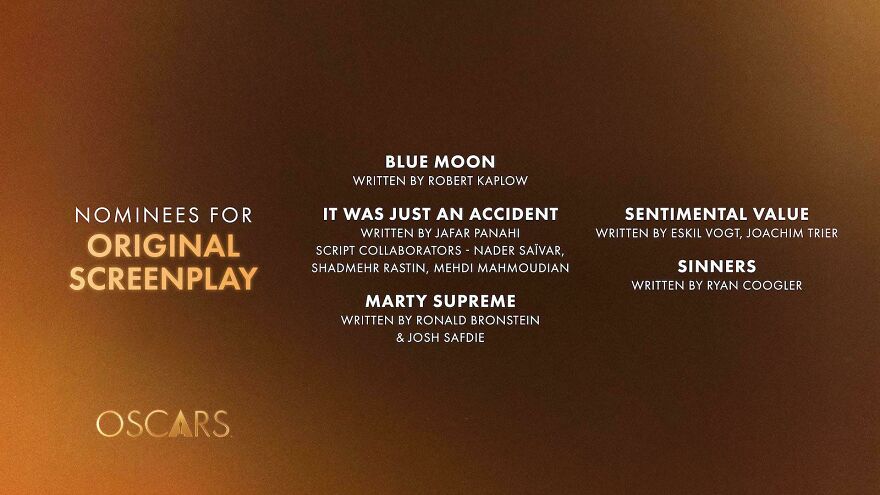
Image credits: JuanRiveara / Reddit
A screenplay win indicates narrative excellence, facilitating achievements across the board. When combined with wins in directing, acting, and picture, this Oscar suggests that the film’s success is rooted in a story so compelling that every other element of filmmaking flourished in its wake.
The Exclusive Club: Every Movie That Won the Big Five
Across nearly one hundred Academy Awards ceremonies, just three movies have ever won all five of the Oscars’ most prestigious categories.
They span more than half a century, represent three very different genres, and reflect the various changing eras of Hollywood, but each achieved total dominance in its own iconic way in its respective year.
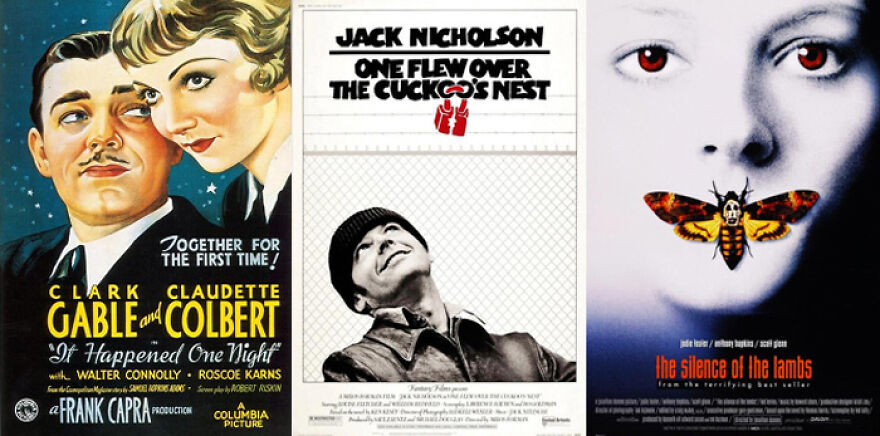
Image credits: r/Oscars
It Happened One Night (1934)
This is the film that started it all, the first one to achieve the Big Five and prove that it could be done. It Happened One Night, directed by Frank Capra, was a romantic comedy that many people immediately fell in love with.
According to The Guardian, it “set the foundation for the genre” despite not being associated with sweeping awards triumphs today.
Starring Clark Gable and Claudette Colbert, the story follows a runaway heiress and the cynical reporter she travels with on a cross-country journey. What begins as a light, witty romance soon evolves into a sharply written battle of wits, layered with social commentary on class, independence, and American resilience.
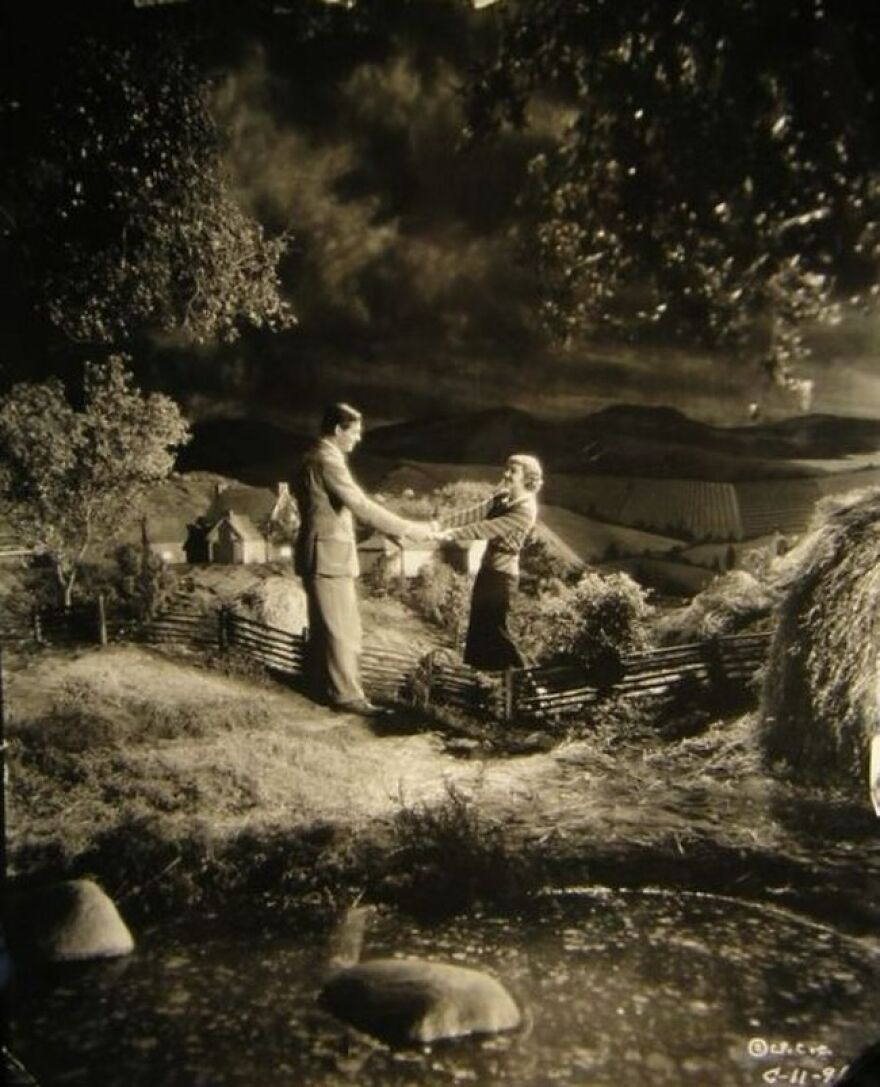
Image credits: dearmrgablecom / Instagram
At the 7th Academy Awards, the film won Best Picture, Director, Actor, Actress, and Adapted Screenplay, setting an iconic record not even a decade into the Oscars. It would stand alone for decades afterwards.
It Happened One Night’s success was groundbreaking for several other reasons. It proved that comedies could carry emotional and artistic weight, and also demonstrated the power of two strong, dynamic leads.
Gable’s charismatic bravado and Colbert’s sharp comedic timing certainly elevated the movie beyond its simple premise. Coupled with Capra’s direction, which seamlessly blended humor and heart, it truly resonated with Depression-era audiences.
What makes It Happened One Night so remarkable is that it wasn’t built to be a cinematic juggernaut. It was modestly budgeted and not initially expected to become such a cultural landmark, yet it quickly established the blueprint for what a “complete” Oscar film could look like.
One Flew Over the Cuckoo’s Nest (1975)
Forty-one years later, a second film joined that exclusive Big Five club: One Flew Over the Cuckoo’s Nest. Directed by Milos Forman and based on the classic novel by Ken Kesey, the movie absolutely dominated the 48th Academy Awards, scooping all five main categories in quick succession.
Set inside a mental institution, the drama centers on Randle McMurphy, played by three-time Oscar winner Jack Nicholson, a rebellious convict who challenges the authority of the oppressive Nurse Ratched, played by Louise Fletcher. The two leads shared an incredible psychological chemistry, creating a gritty, intense drama that dominated all five categories.
Nicholson’s performance as McMurphy is widely regarded as one of the most electric in cinema history. He brought humor, vulnerability, and tragedy together in a unique way that also engaged the spirit of ‘70s anti-authoritarian rebellion.
Fletcher’s Ratched became one of film’s most iconic antagonists, with a quiet, bureaucratic cruelty that audiences found more terrifying than all-out villainy.
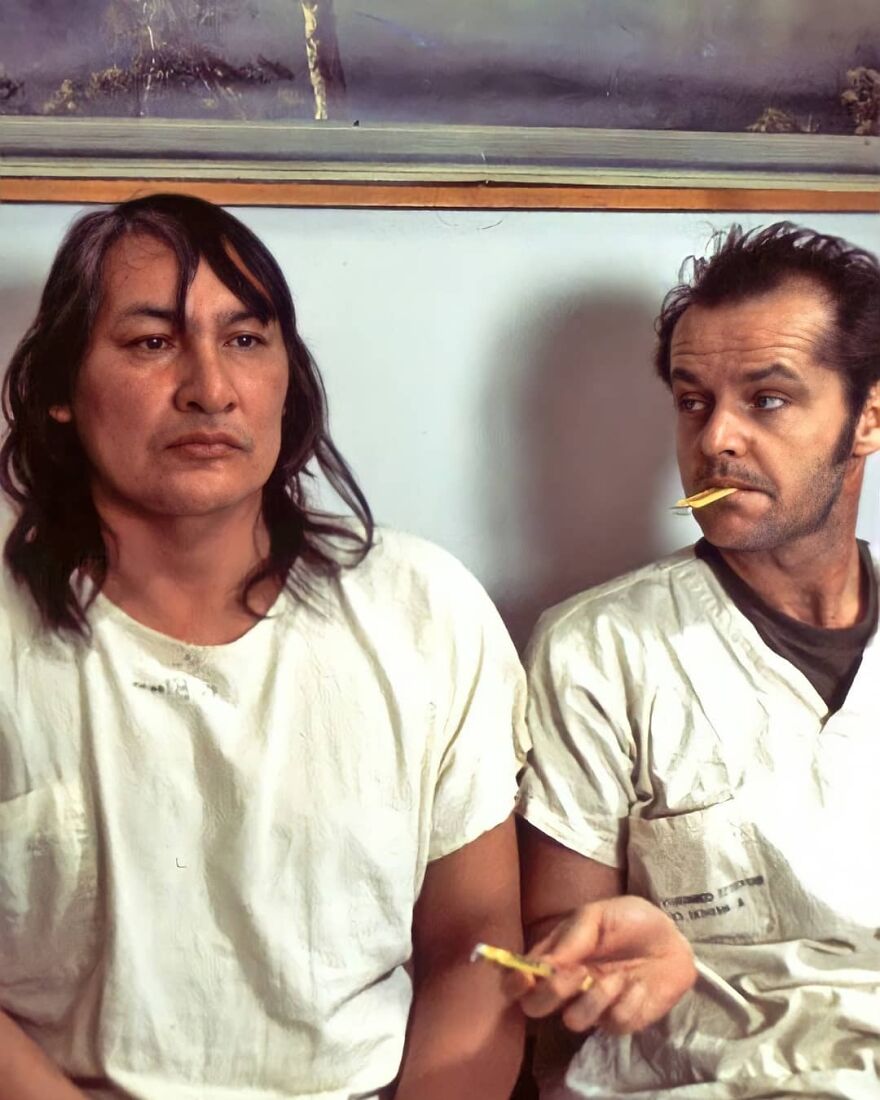
Image credits: jacknicholsongoat / Instagram
Forman’s direction was crucial to the movie’s success. Rather than heightening tension with overt melodrama, he allowed scenes to unfold with raw realism, unsettling viewers.
The institutional setting felt suffocating yet intimate, providing the perfect stage for the film’s screenplay, which streamlined the narrative while preserving key themes of individuality versus oppressive control.
What made this Big Five sweep particularly significant was its tonal seriousness. Unlike the romantic buoyancy of It Happened One Night, One Flew Over the Cuckoo’s Nest was emotionally heavy and politically charged. Per Empire Online, it was made amid “one of the most rebellious periods in Hollywood history”, and its victory proved that bold, socially-resonant stories could also triumph.
The Silence of the Lambs (1991)
In 1991, history was made for a third time when the horror-thriller The Silence of the Lambs joined the elite trio of Oscar winners. Directed by Jonathan Demme, the film accomplished something unprecedented: it became the first, and currently remains the only, horror-thriller to scoop the Big Five.
What makes this sweep even more legendary is Anthony Hopkins’ iconic performance as Dr. Hannibal Lecter; he secured the Best Actor win with less than 25 minutes of total screen time. This proved that a “Big Five” victory isn’t just about the scale of the production, but the undeniable impact of its storytelling and performances.
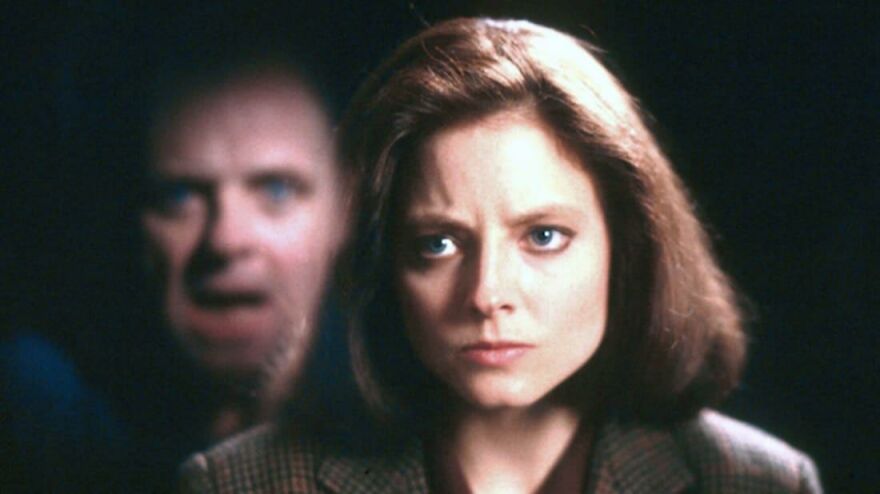
Image credits: userslashthrowaway / Reddit
But The Silence of the Lambs transcended its genre. Jodie Foster’s portrayal of Clarice combined vulnerability with a steely determination, grounding the film emotionally and providing the perfect foil to Hopkins’ unnerving presence. Their psychological chemistry instantly entered cinematic legend territory.
Demme’s direction emphasized psychological tension over graphic spectacle, creating a sense of intimacy and discomfort simultaneously. The screenplay also adapted the original story well while sharpening the character dynamics between Starling and Lecter. Its sweep was not just a win for the film, but for genre storytelling as a whole.
Per Awards Watch, this Big Five sweep feels like the most significant in many ways because it proved that horrors and thrillers, when directed with artistic precision and depth, could command the same respect as traditional prestige dramas.
Why is a Big Five Sweep so Rare?
Three movies have proved that a Big Five sweep is possible, so why haven’t more films achieved it?
Category Splits
One of the biggest obstacles to a Big Five sweep is the frequent split between major categories. It’s common for Best Picture to go to one movie, while the acting and screenplay awards fall elsewhere across the nominees.
That’s because acting awards often reward transformative, career-defining performances, even when the movie isn’t the year’s strongest contender, whereas Best Picture wins may praise ensemble brilliance over single, standout performances.
The Competition
The Academy’s preferential ballot system for Best Picture adds another layer of complexity. According to Gold Derby, voters rank and eliminate nominees, meaning consensus matters most.
A movie must have broad appeal, while the acting and screenplay branches vote within their specialties before the Academy weighs in. This requires a film to both dominate overall sentiment and also secure top-tier support from fellow writers, actors, and directors.
Near Misses
Several celebrated movies have come close to joining the club, but fallen slightly short. American Beauty won Best Picture, Director, Actor, and Original Screenplay, but missed out on Actress.
The Godfather won Best Actor, Best Picture, and Best Adapted Screenplay, but didn’t take Best Director or Best Actress. More recently, La La Land dominated several categories, including Best Actress, but famously lost Best Picture in one of the Academy’s most dramatic moments.
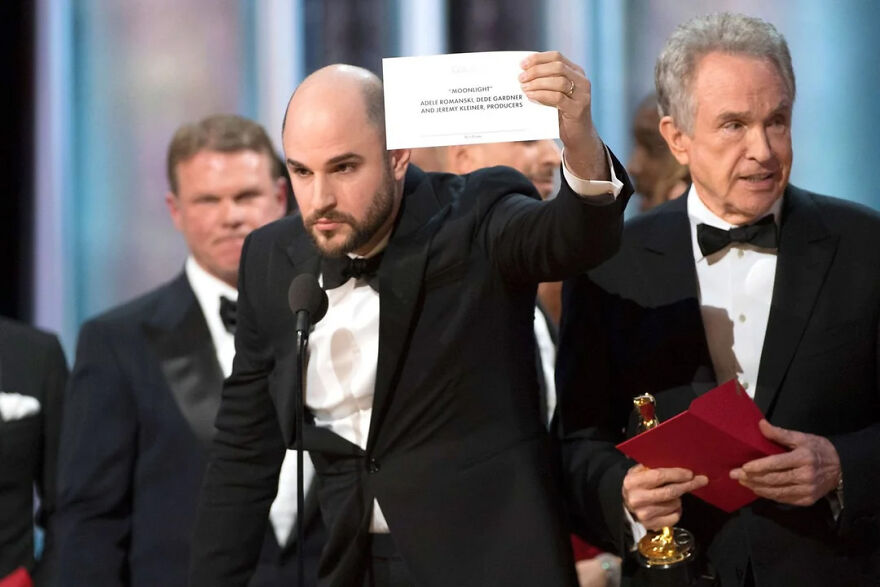
Image credits: r/popculturechat
These near-sweeps show just how fragile Oscar alignment can be. A single category loss, sometimes by the narrowest of margins, can be what keeps a movie out of that exclusive club.
Will the 2026 Academy Awards Crown a New Big Five Champion?
With the Academy expanding its membership and global influence, predicting a modern Big Five sweep is increasingly difficult. Contemporary Oscar races tend to be more fragmented, with momentum shifting between prior award ceremonies and various international voting blocs.
To achieve a Big Five now, a movie would need a universally praised screenplay, a director with undeniable vision, two lead performances that outshine all others, and broad preferential ballot support for Best Picture. That level of consensus is rare in an era defined by changing tastes, streaming variety, and niche acclaim.
Looking at the 2026 nominees, it is clear that while the competition is fierce, the exclusive “Big Five” club will remain closed for at least another year. A sweep is mathematically impossible this season for the simple reason that no single movie is nominated in all five categories.
Heavy hitters like Sinners and One Battle After Another are competing in four major slots: Best Picture, Director, Actor, and Screenplay, but both lack a Lead Actress contender. Similarly, the period drama Hamnet shines in four categories but is missing a Lead Actor nomination to complete the set.
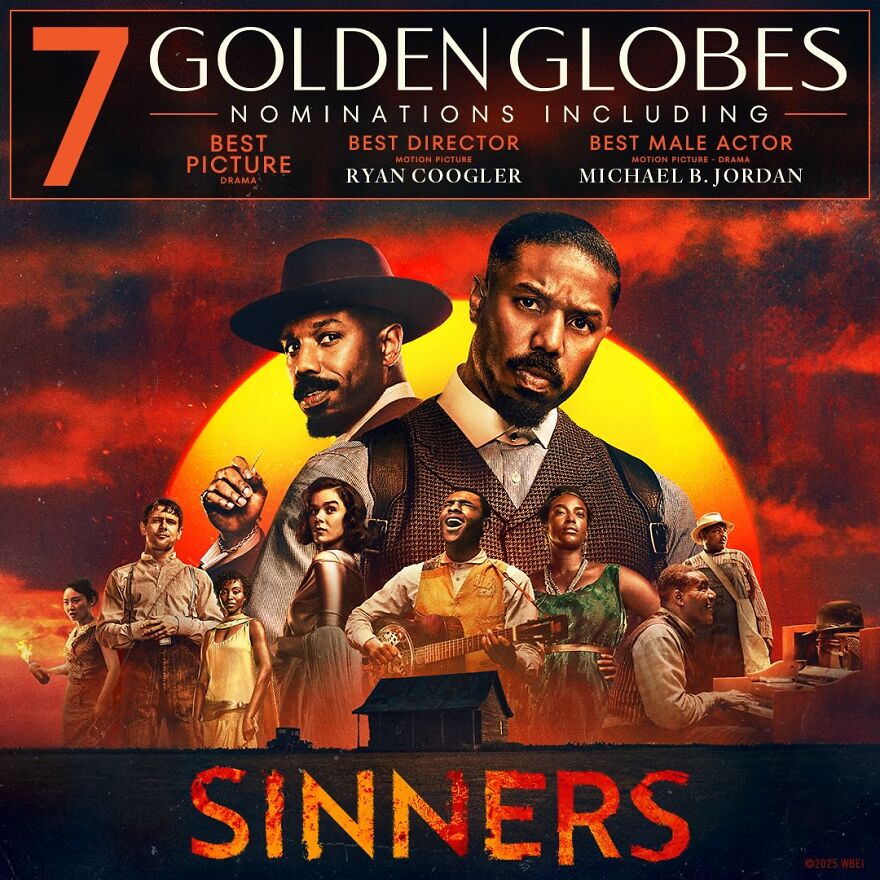
Image credits: sinnersmovie / Instagram
Nonetheless, these are incredible achievements. Nominations in these core categories represent the ultimate industry prestige, and studios will focus their remaining campaign resources heavily on them to define each movie’s cinematic legacy.
Conclusion
Nobody knows when (or if) we’ll see a Big Five Oscars sweep again, so it remains the Academy’s most elusive feat.
The romantic excellence of It Happened One Night, the rebellious intensity of One Flew Over the Cuckoo’s Nest, and the psychological terror of The Silence of the Lambs all prove that there is no single formula for success.
What unites these movies is not genre, but completeness. The Big Five stands as the ultimate pinnacle of filmmaking excellence, and a reminder that when every creative element comes together in such a perfect way, Oscar history can be made in a single night.
As we reflect on the legends that joined the Big Five club, all eyes turn to the 98th Academy Awards. Will 2026 bring us a new masterpiece to stand alongside them? To stay ahead of the race and ensure you don’t miss a single moment of this year’s history in the making, dive into our Oscars 2026 guide.
 Follow Us