The Big Cat Industry Looked as Ugly as It Really Is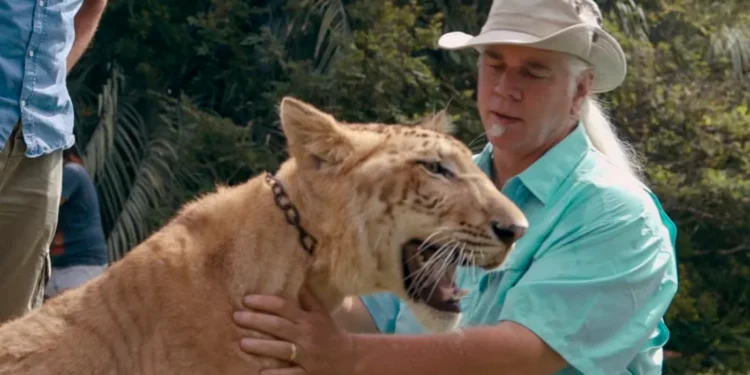
The most “true” part of the series is its central message: the private big-cat world is a mess of ego, money, and exploitation. The show accurately reflects how cub petting and breeding can become a business loop—produce cubs, sell the experience, discard the adult animals when they’re no longer profitable. It also captures the reality that many roadside operations blur the line between “sanctuary,” “zoo,” and “personal brand,” with animals functioning as marketing tools.
The series also gets something important right about public perception: big cats are used to sell a fantasy. The fantasy is access—holding a cub, taking a photo, “living wild.” The show demonstrates how quickly that fantasy turns into a pipeline of questionable ethics and risky handling practices. Even if the documentary sometimes becomes circus-like, the underlying ecosystem it shows is real: unregulated spaces where attention is currency and animals are leverage.
Where the show succeeds most is making viewers understand that this isn’t just about one wild personality. It’s a network—breeders, buyers, handlers, influencers, and legal gray zones—where the same patterns repeat. That broad truth holds even when individual storylines get chopped into more dramatic shapes.

The Carole Baskin Mystery Was Turned Into a Hook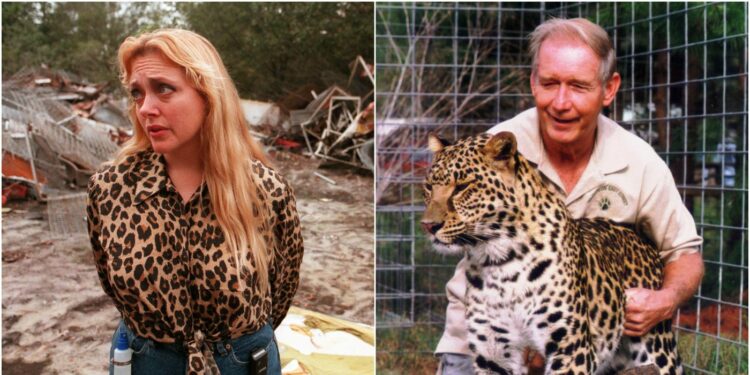
The series undeniably made Carole Baskin the center of a mystery narrative—especially around the disappearance of Don Lewis. The facts that are easy to verify are these: Lewis disappeared in 1997, the case remained unresolved for years, and people connected to his life have voiced suspicion of Baskin. Baskin has repeatedly denied wrongdoing. The show presents that suspicion in a way that feels like a conclusion because it’s edited to feel like one.
That’s the key “wrong” impression many viewers take away: the documentary treats rumor like a plot engine. The infamous “fed him to the tigers” suggestion plays like a punchline and a theory at the same time. It’s sticky, it’s sensational, and it’s the kind of claim that doesn’t need proof to spread once it’s packaged as entertainment. But a fact-check has to be blunt here: suspicion and insinuation are not the same as evidence.
The series also simplifies what many real-life missing-person cases look like—messy relationships, financial disputes, and competing family narratives—into a cleaner villain-versus-victim framing. That makes the story bingeable, but it can mislead viewers into thinking the documentary “solved” something it didn’t solve. The real truth is less satisfying: Lewis’s disappearance remains a complicated, publicly debated case, and the show’s framing intensified public judgment without offering definitive proof.
Joe Exotic’s Crimes Were Real, but the Edit Was Strategic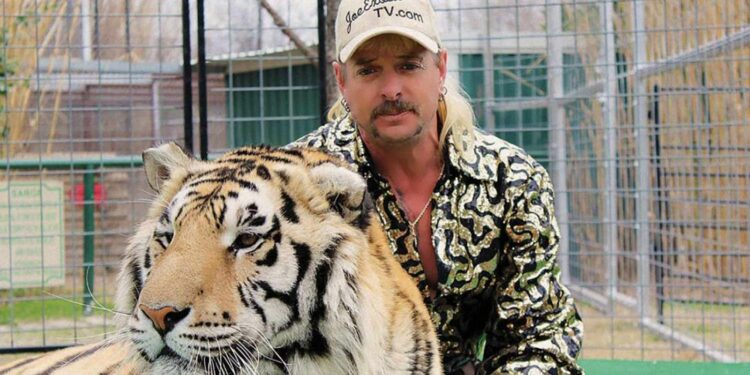
Joe Exotic is not a misunderstood hero. The broad legal reality is that he was convicted in federal court on murder-for-hire conspiracy charges tied to a plot against Baskin, along with wildlife-related offenses. The show doesn’t invent his legal problems—it uses them. It also accurately shows that his operation was chaotic, that his treatment of animals was heavily criticized, and that his feud with Baskin escalated far beyond “online drama.”
Where the documentary gets slippery is the way it builds emotional alignment. It gives Joe more “main character” time, more humor, more music-video absurdity, and more chaos-as-charisma than it gives to other figures. That’s not a factual error, but it is a narrative choice with consequences: viewers can confuse screen presence with credibility. The series lets you laugh with him often enough that you forget you’re watching someone whose actions were serious enough to result in major prison time.
The show also compresses complex legal and operational realities into digestible beats. That can leave the impression that the case was mostly “a feud that got out of hand,” rather than a mix of documented conduct, federal investigation, and multiple layers of criminal exposure. The truth is less meme-friendly: the situation involved real harms, real legal stakes, and a pattern of behavior that didn’t begin and end with one documentary storyline.
Other Key Players Were More Serious Than the Show Suggested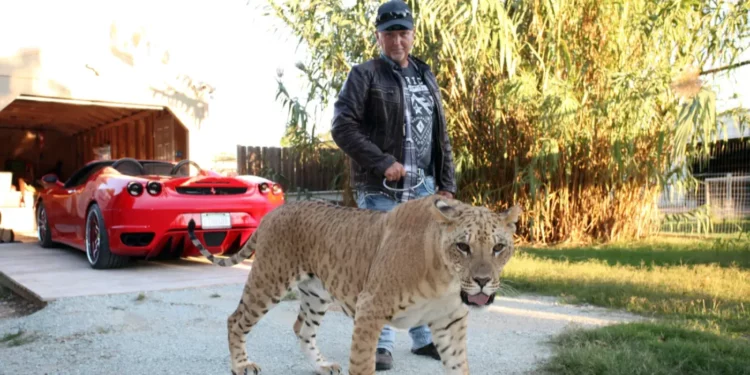
One of the biggest “what it got wrong” critiques is that Tiger King: Murder, Mayhem and Madness sometimes treats its wider cast like colorful side characters rather than what they represent: a system. Doc Antle, for example, is framed as a charismatic operator in the background—almost like an exotic “kingmaker.” But the broader reality surrounding him and similar figures has included significant legal scrutiny and allegations about animal handling and business practices. The show’s tone can make those realities feel like lore instead of stakes.
Then there’s Jeff Lowe, who is edited like a reality-TV antagonist sliding into a business vacuum. The documentary captures the chaos of the handoffs and the constant power shifts, but it also turns complicated disputes into bite-sized villainy. In real life, the story around ownership, promises, and exploitation is less clean than “this person was the worst.” The show is effective at giving you someone to hate, but less effective at explaining how the environment itself rewards that behavior.
More broadly, the series sometimes blurs a critical distinction: it’s easy to focus on personalities and ignore the structural issues—weak oversight, profit incentives, and the social-media economy that rewards stunts. The most important truth the documentary gestures toward is that this world produces repeat offenders because it produces repeat opportunities. The show’s biggest distortion is making it feel like a one-time freak show instead of a predictable outcome of a poorly regulated industry.
 Follow Us