Why Ryan Reynolds Is Usually Ranked Higher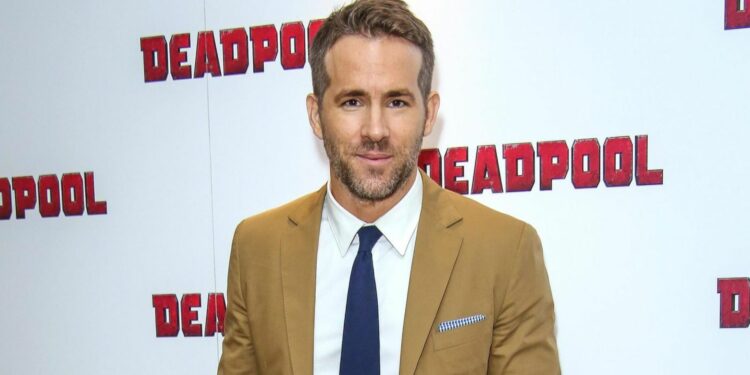
Most widely circulated estimates place Reynolds in the hundreds of millions, and the main driver is ownership. His acting career (especially franchise-level success like Deadpool) made him globally bankable, but his biggest wealth narrative is tied to equity stakes, brand partnerships, and business deals that created “exit-style” paydays. In celebrity finance terms, that’s the difference between being paid like talent and being paid like a founder.
The best example is Mint Mobile. Public reporting around the company’s T-Mobile acquisition repeatedly emphasized that Reynolds held a meaningful stake rather than being a simple spokesperson. When a private company sells at a headline valuation, net worth estimates jump because there’s a transaction the public can point to. That kind of deal can move the needle more than years of film salaries, even for an A-lister.
He has also been associated with Aviation American Gin’s sale to Diageo, another widely covered example of a celebrity-backed brand becoming a real asset. Even if outsiders can’t see every term, the pattern is what matters: he’s consistently positioned himself as someone who builds value in companies and then benefits when that value becomes liquid through a sale or acquisition. That’s why his reported net worth tends to sit far above the “traditional actor” tier.

How Blake Lively’s Wealth Is Built Differently
Most public estimates place Lively far lower than Reynolds, commonly in the tens of millions. That doesn’t mean she isn’t wealthy—it means her portfolio has been valued more conservatively in public because it’s built through different lanes. Her acting foundation is substantial, with long-running visibility that began for many viewers with Gossip Girl. From there, she maintained star status through film work, producing, and brand campaigns that kept her in the high-earning celebrity bracket.
Where the comparison gets interesting is her business-building. Lively has moved into consumer products with ventures like Betty Buzz and Betty Booze, and she has also launched newer lifestyle categories that function more like brand ecosystems than single endorsements. The public often underestimates how lucrative these can be because a private beverage brand doesn’t come with a clean public “valuation moment” the way a major acquisition does. Without a big exit headline, net worth sites tend to keep the number conservative even if the business is performing well.
Another factor is how net worth lists treat “influence” income. A modern celebrity can earn significantly through partnerships, licensing, and product margins, but those streams are difficult to verify. Some outlets simply don’t price them aggressively unless there’s a public sale, a public filing, or a widely confirmed revenue figure. So Lively’s reported net worth often reflects a safe, conservative valuation rather than a fully priced picture of her brand-building upside.
Who’s Richer and What Would Change the Answer
Based on commonly cited public estimates, Reynolds is usually ranked richer, often by a wide margin. The “why” is the important part: he has been tied to multiple high-profile equity outcomes, and those outcomes create clean valuation moments that estimation sites can confidently price into a net worth number. Lively’s wealth, while still substantial, is more often priced through acting, producing, and private consumer-brand building that doesn’t always get fully valued until there’s a major public transaction.
If you want the most realistic indicator of whether the gap narrows, don’t track movie roles—track business milestones. If one of Lively’s consumer brands hits a major acquisition or becomes large enough that its valuation is widely reported, her public net worth estimates could jump quickly. That’s how these lists work: they don’t always reward gradual growth, but they dramatically reward public valuation events.
The bottom line: Reynolds is typically ranked higher today because equity and exits create outsized, reportable wealth. Lively’s wealth is real and growing, but much of it sits in lanes that the public can’t price as aggressively without a major transaction. That’s why “who’s richer” has a consistent answer in headlines, and why the “and why” is the part that actually teaches you something.
 Follow Us