In the world of mega-fandom, collecting rare merchandise is more like a competitive sport than a hobby. Autographed posters and limited-edition items are the holy grail, and fans will spend thousands and scour the globe to get their hands on them. The community is basically a self-sustaining economy.
But much like the landscapes of high-end art and luxury goods, there is a seedy underworld of fakes and thievery. For one K-pop fan, her dream purchase cost her thousands, but it also dragged her into a vicious, international drama of theft, betrayal, and a level of online harassment she never could have imagined.
More info: Reddit
A celebratory, high-end purchase is supposed to be a moment of joy, not the start of an international incident
Image credits: Joel Muniz / Unsplash (not the actual photo)

A woman bought two authenticated, autographed K-Pop posters as a gift to herself for graduating
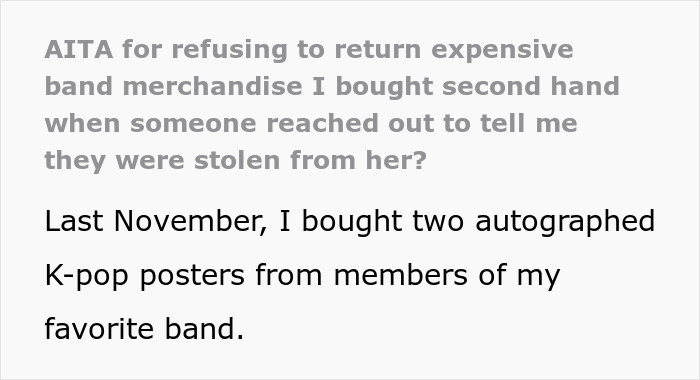
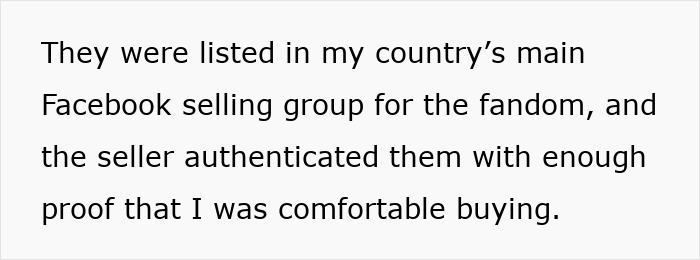
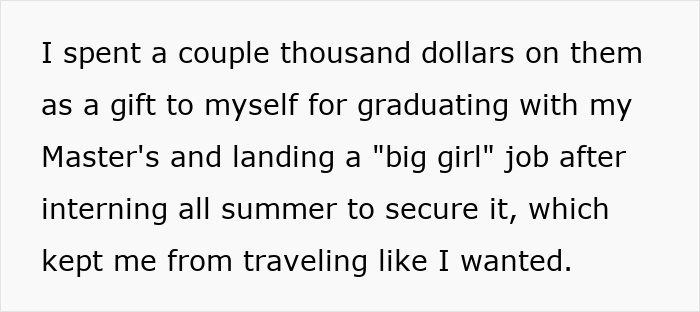
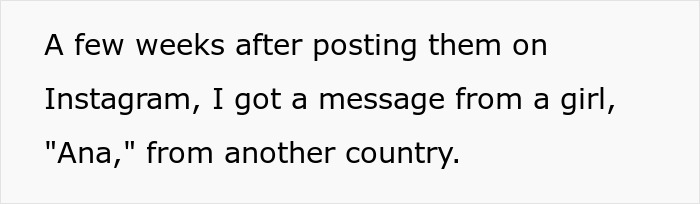
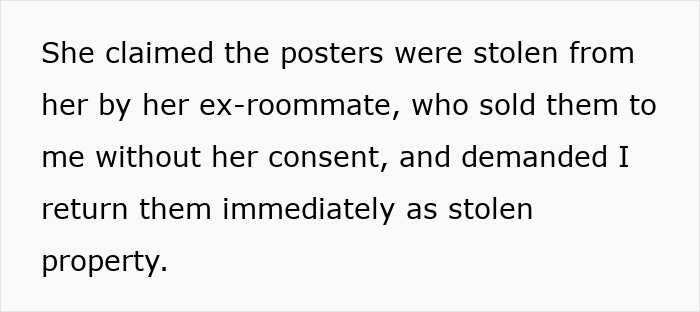
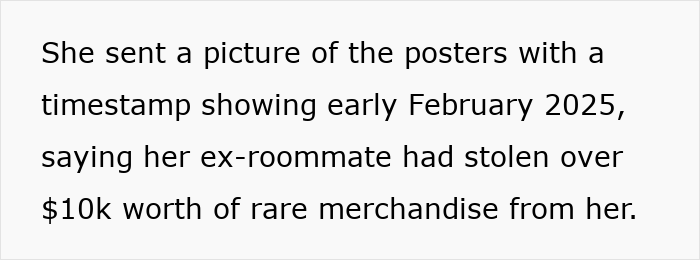

Image credits: wayhomestudio / Freepik (not the actual photo)
Weeks later, a stranger from another country demanded she return them, claiming they were stolen from her
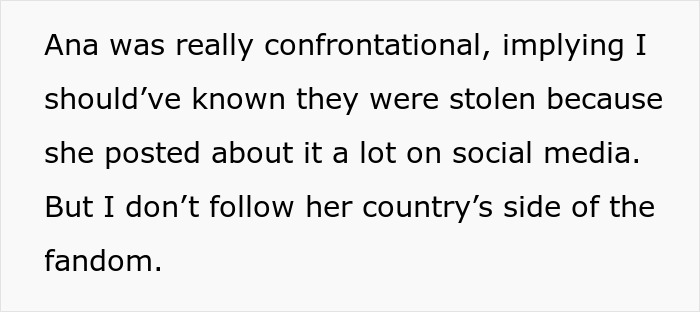
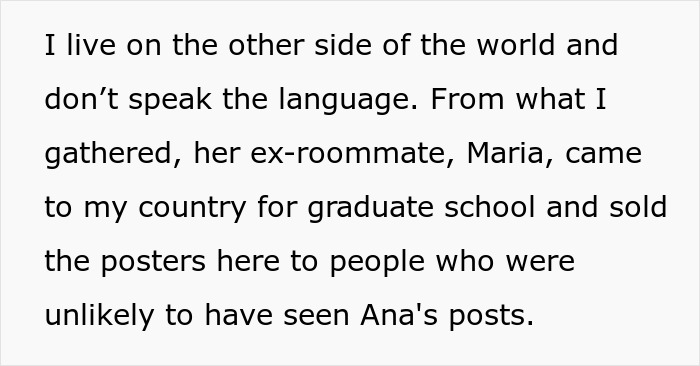
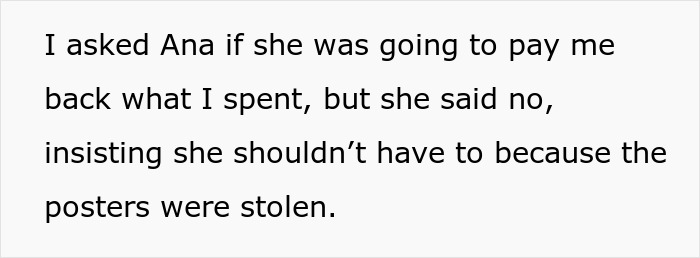
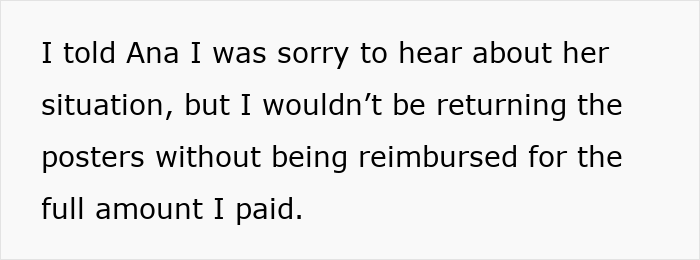
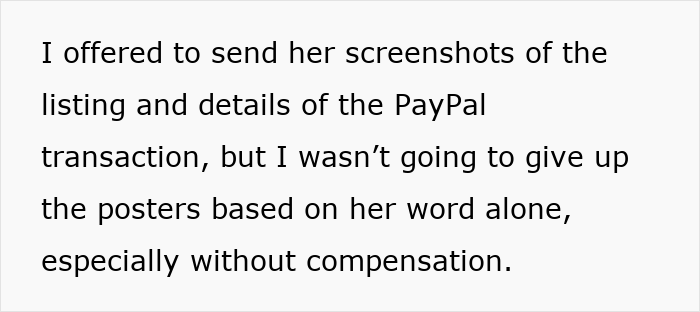

Image credits: pvproductions / Freepik (not the actual photo)
When the woman asked to be reimbursed if she returned them, the stranger refused and insisted she hand them over for free
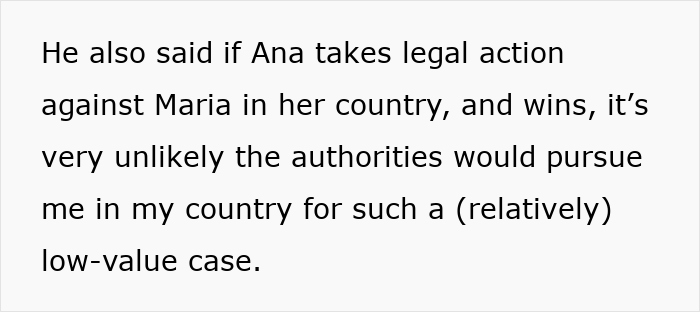
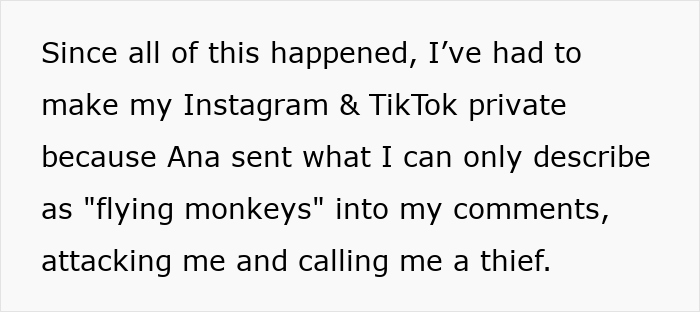
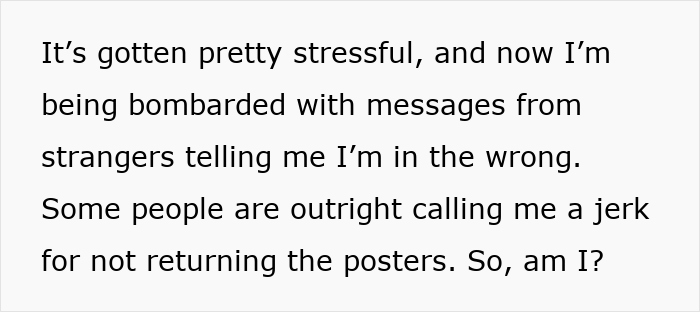
Image credits: stephanie390
The woman stood her ground, so the stranger unleashed her online comrades to harass her on social media
A woman celebrated landing her “big girl” job and graduating with her Master’s by doing what any dedicated fan would do: she splurged. She spent a couple of thousand dollars on two authenticated, autographed K-pop posters, a well-deserved and deeply personal reward for all her hard work. She posted her new prized possessions on Instagram, basking in the glow of a celebratory purchase.
But that celebratory glow was quickly extinguished by an accusatory DM from a stranger in another country named “Ana.” Ana claimed the posters were hers, stolen by an ex-roommate, and demanded they be returned immediately, for free. She had posted about the theft on her own social media, and the buyer, who lives on the other side of the world and doesn’t speak the language, “should have known.”
The narrator, a savvy buyer in a community known for scams, responded with calm, rational logic. She explained she had bought them in good faith, offered to provide proof of the transaction, and said she would happily return them upon being fully reimbursed. When Ana refused, the narrator delivered the checkmate move: if they were truly stolen, Ana should file a police report.
Instead of a police report, Ana filed a complaint with the court of social media, unleashing her “flying monkeys” to harass the OP, calling her a thief. Now, the buyer, who has confirmed with her lawyer brother that she is legally in the clear, has been forced to make her accounts private. She’s left wrestling with the moral question: is she the jerk for refusing to take a massive financial hit for a crime she didn’t commit?

Image credits: garetsvisual / Freepik (not the actual photo)
The narrator’s lawyer brother was citing a real legal doctrine known as the “good faith purchaser for value.” Everson Law explains this principle protects an innocent buyer who purchases property without any knowledge that it was stolen. The narrator did her due diligence, saw proof of authentication, and paid a fair price. Legally and ethically, the posters are now hers.
This isn’t just a K-pop problem; it’s a dynamic seen all over the world of fine art too. As explained by art law experts at Boodle Hatfield, when a stolen artwork resurfaces, the original owner’s legal battle is with the thief, not the innocent new buyer. Ana’s demand that the narrator simply hand over the posters for free isn’t just unreasonable; it’s a demand that would be laughed out of any legitimate art recovery case.
And let’s be clear: we’re not talking about posters you get at the mall. The market for rare K-pop merchandise is a serious, high-value industry. Prestige Online reports that signed items can sell for thousands of dollars, making the narrator’s “couple thousand” investment a significant one. Luckily, it wasn’t a set of BTS microphones that was stolen. Those sold for $83,200!
Ana had a clear and correct path to justice: filing a police report. Instead of pursuing the actual criminal, she chose to unleash a campaign of online harassment against a second, innocent victim. The narrator was just the final link in a chain of events started by the roommate. Ana’s behavior was a form of bullying that completely undermines her own victim status.
Do you think she should return the posters or is this a finders-keepers case? Share your opinions below!
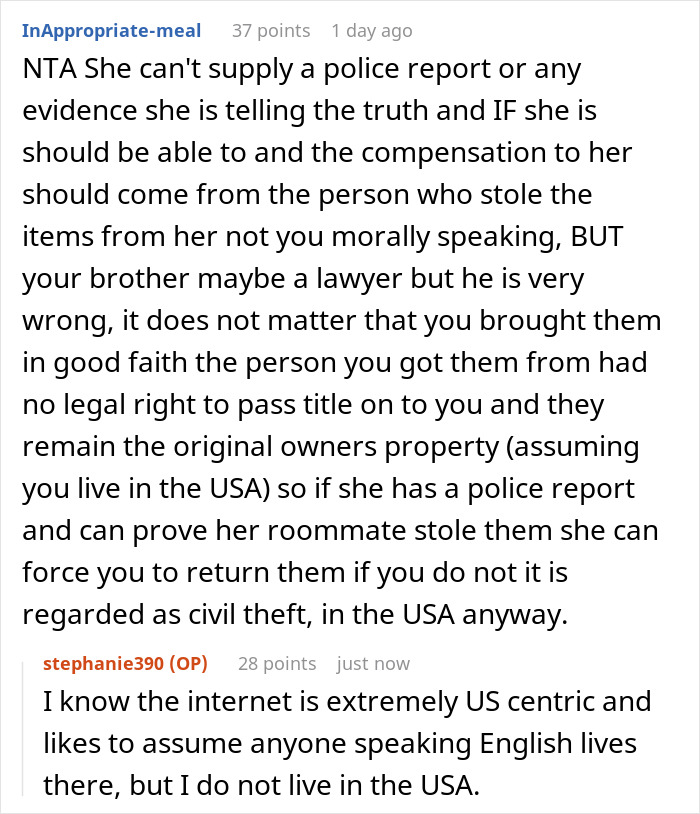
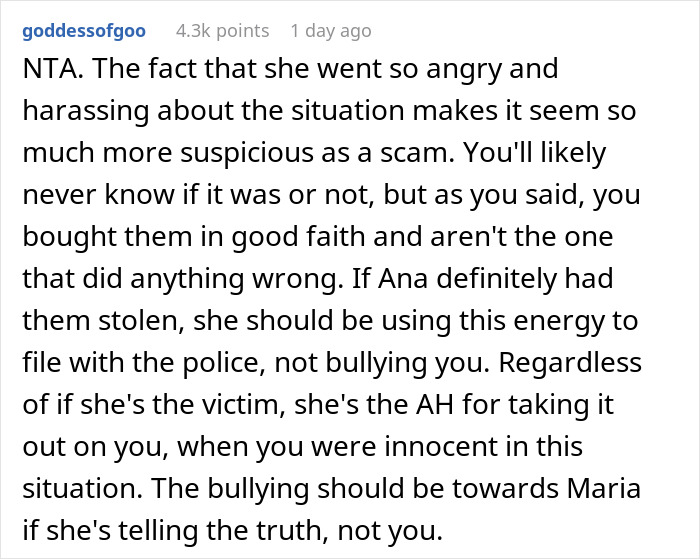
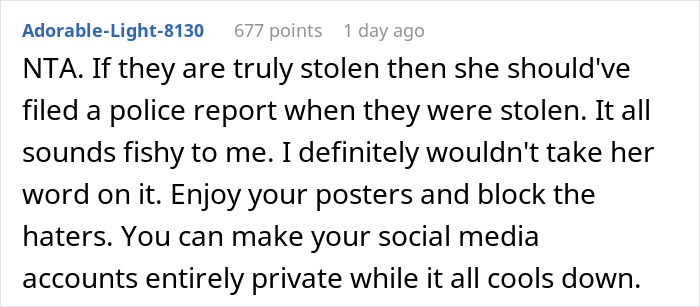
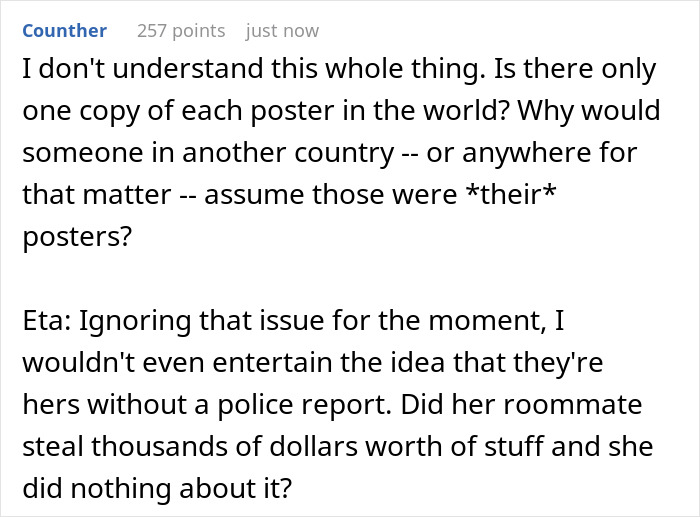
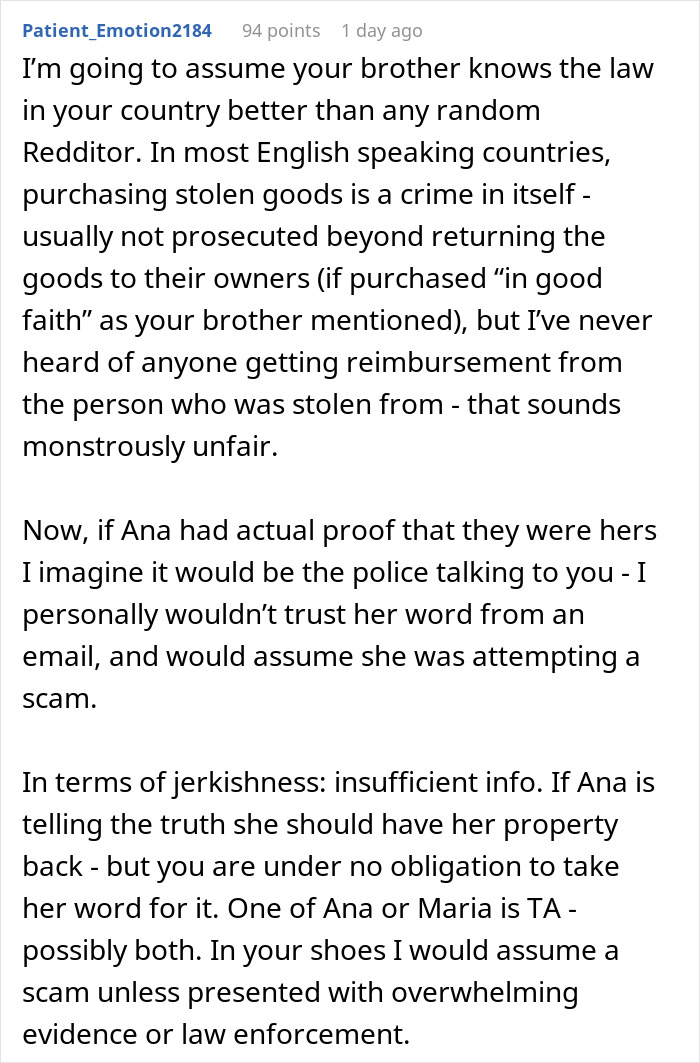
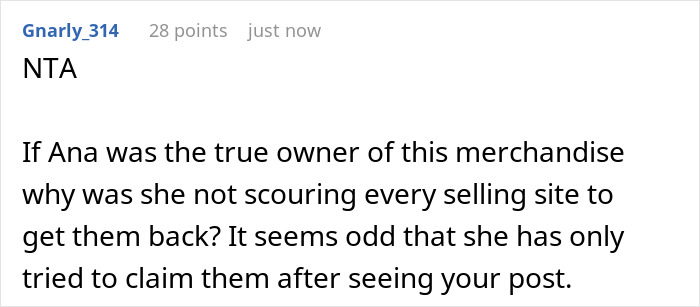
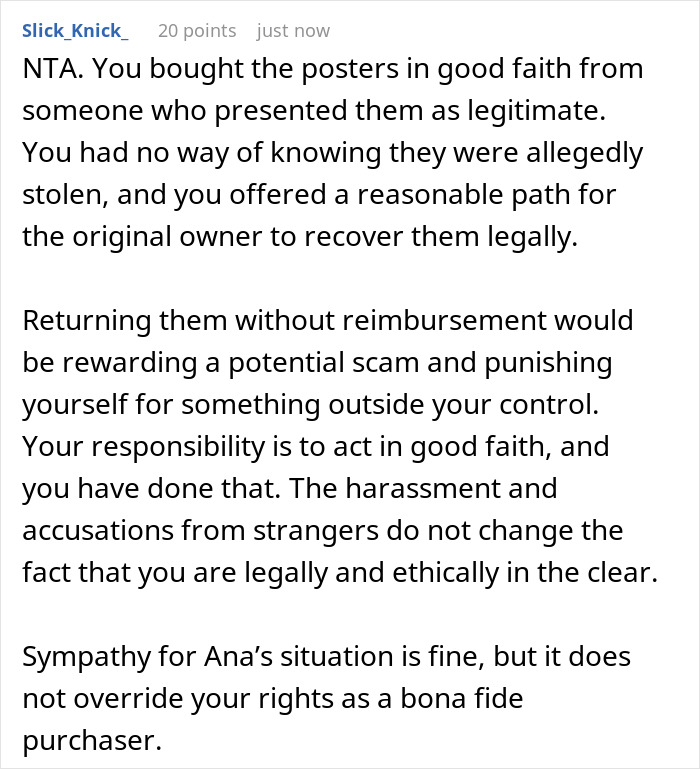
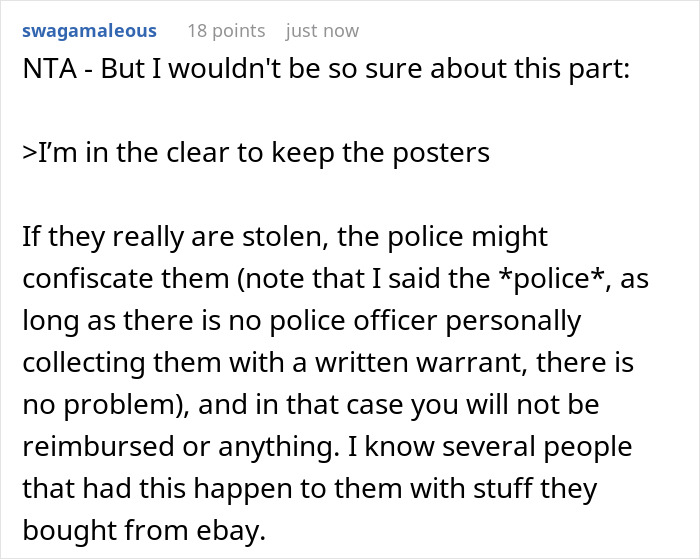
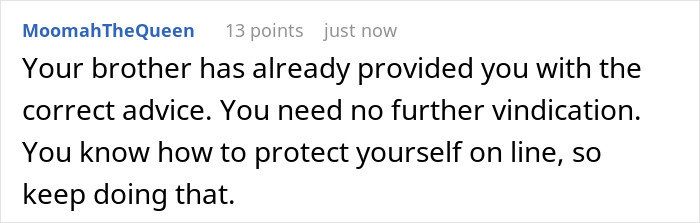
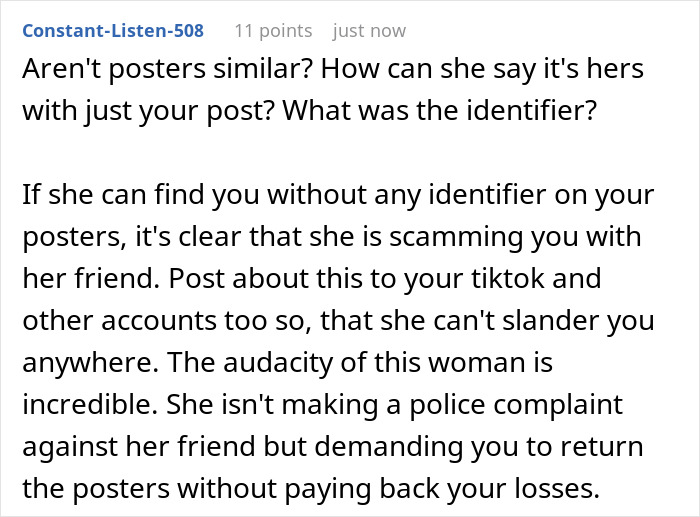
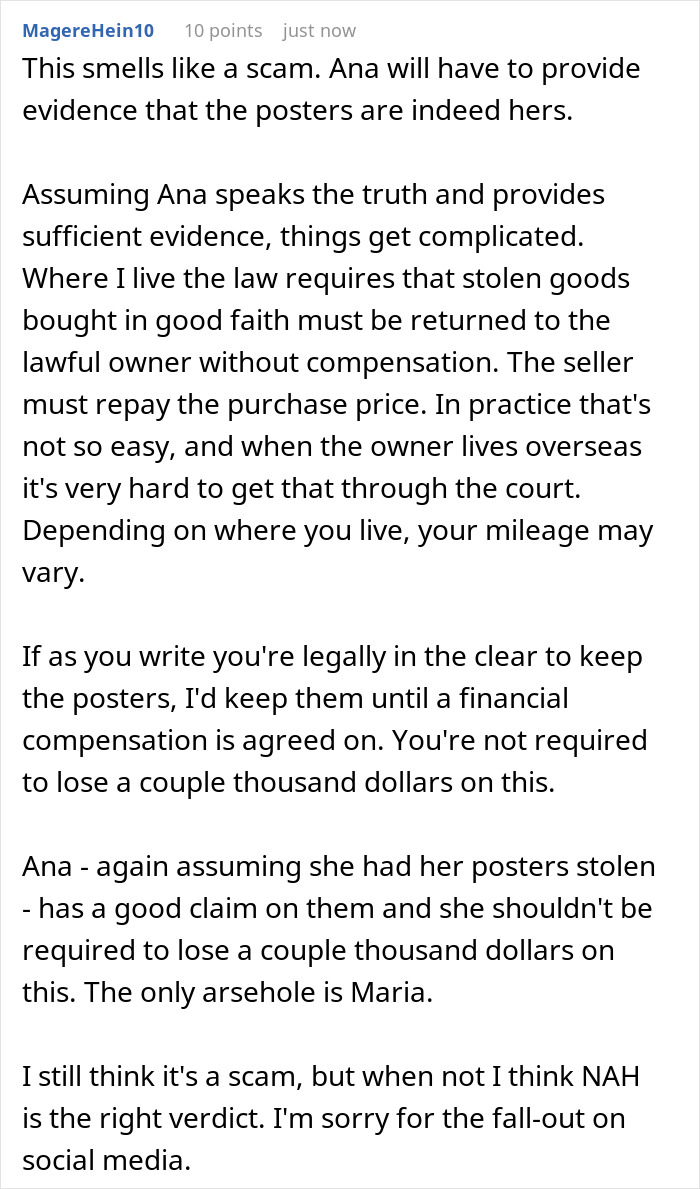
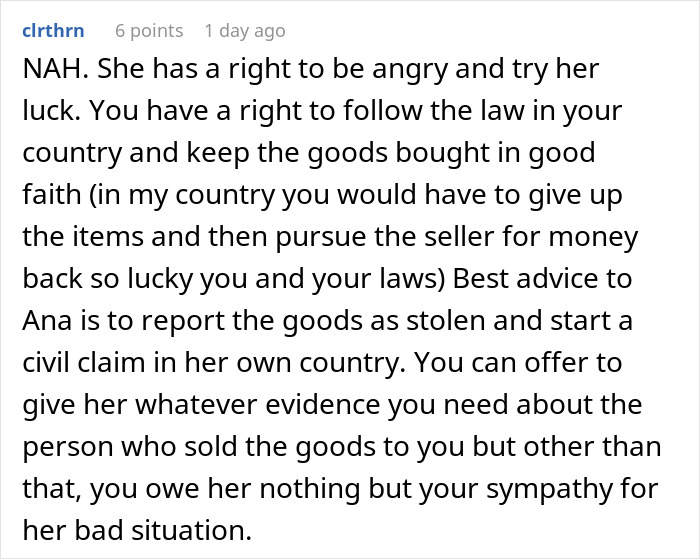
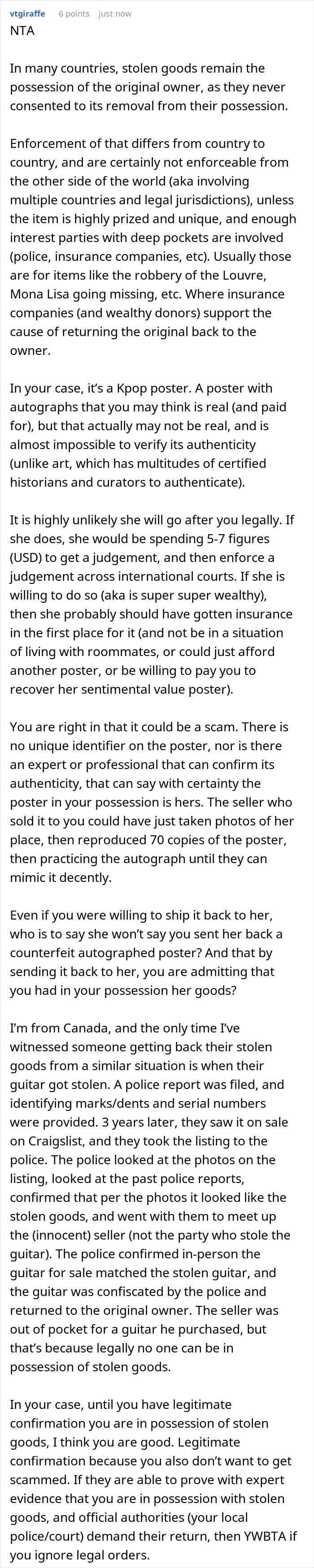
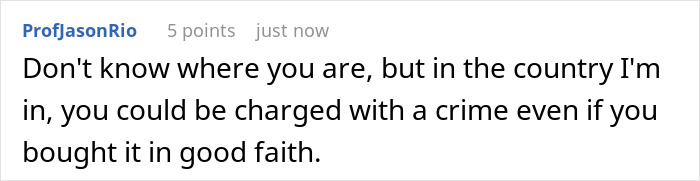
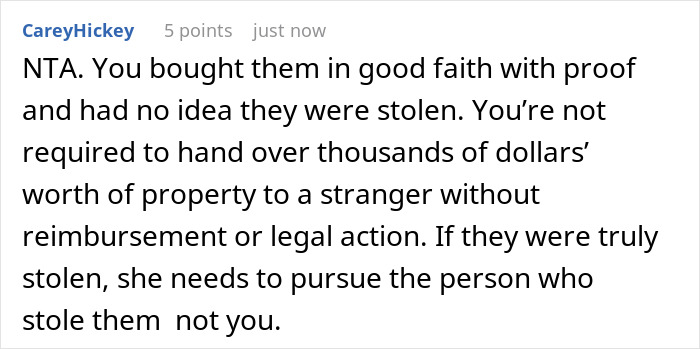
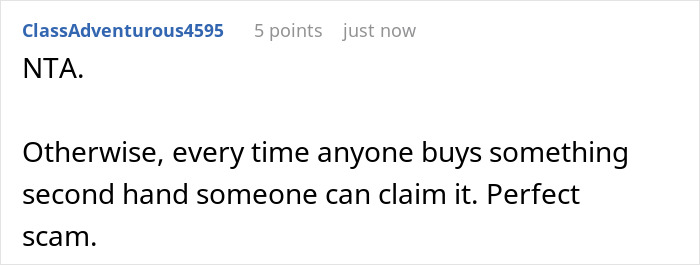
The internet, siding with legal logic, declared the woman was not a thief, but a “good faith purchaser” who was being bullied







 Follow Us