The very worst workplace leaders embody a “rules for thee, but not for me” mindset. They believe they are above ethics and morality, while everyone else on their payroll should be punished for breaking the rules. And when they get caught, they might even ask human resources to protect them.
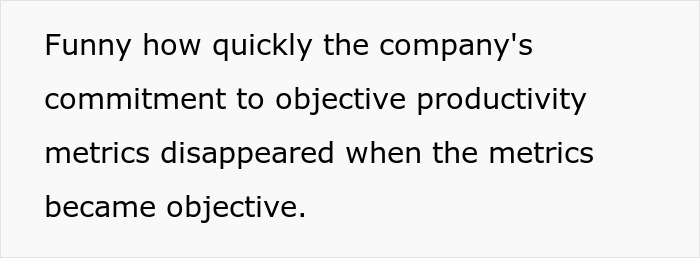
One IT specialist recently went viral after sharing how a company’s demand to monitor employee productivity soon turned into an embarrassing situation. The IT pro added management to the browsing-history check, including the president. As it turns out, he was up to no good during work hours. Check out what happened below.
It is infuriating to watch executives strut around thinking that they’re above the rules

syda_productions / Magnific (not the actual photo)

This IT professional was asked to check everyone’s browsing history. He decided to do the same for the company’s President, too

magnific / Magnific (not the actual photo)

nomadsoul1 / Magnific (not the actual photo)

syda_productions / Magnific (not the actual photo)
Bad managers tend to get hired because good and toxic workplace leaders share some superficial similarities
It is infuriating to witness companies go out of their way to protect managers and bosses who behave unethically and immorally. Blatant favoritism and a lack of executive accountability erode trust, undermine the brand’s reputation, and alienate top-tier talent. And that affects the bottom line.
So, how do recruiters and company representatives not notice that someone will probably be a Big Problem before hiring them for a leadership position? The reality is that executives often have qualities that warp how others perceive them, which helps hide some of their more unsavory behaviors. At least at first.
According to Kathleen Saxton, the author of ‘How to Recognize, Resist and Rise Above Toxic Power,’ the workplace leaders who do the most psychological damage often aren’t tyrants at the start. They can appear charming and confident at the start.
“Some of this starts at selection. Consider the language of the senior job specification: bold, decisive, resilient, charismatic, comfortable under pressure, possessed of ‘executive presence.’ There is nothing wrong with any of it. The problem is that a healthy leader and a dangerous one can look almost identical at interview,” Saxton explains in an article in The Guardian.
“One candidate is decisive because they have experience and a secure enough ego to make the difficult call; another because doubt itself is intolerable. One is resilient through self-regulation, another through emotional detachment. Both interview beautifully. Corporate language launders the difference: low empathy is repackaged as decisiveness, ruthlessness as ‘high standards,’ emotional detachment as resilience, manipulation as influence.”
At the end of the day, narcissists tend to land executive jobs. However, this does not mean that they will be effective leaders. What it does mean is that these individuals are extremely good at so-called ‘impression management.’
It is not a given that your company’s HR will take your concerns and complaints seriously
According to Saxton, toxic leadership tends to survive through repetition. “One generation learns to tolerate it and quietly teaches the next how to survive it: keep your head down, toughen up, don’t become difficult, protect your income, guard your reputation, learn to manage the boss,” she says.
However, you are not powerless. “That inheritance can be refused by the board member who asks the harder question, the colleague who declines to join the whispering afterwards, the investor who asks how the numbers were achieved, the organisation that protects the person telling the truth rather than the person holding the power. The people who have benefited from our silence are counting on us to keep it that way. We should give them reason to think again. Through structured governance, yes, but more than anything by treating our colleagues with something far less onerous – simple humanity.”
When it comes to mistreatment at work, employees should look to their employee handbook, union, or attorney for corrective options.
David Yamada, director of the New Workplace Institute at Suffolk University Law School, told the American Psychological Association that workers should genuinely think about whether their company’s HR department takes complaints seriously.
Employers should investigate complaints and concerns about toxic work conditions ASAP. But unfortunately, as Yamada points out, in many cases, the best decision may be to look for another job.
You can’t fire your boss, but you can learn to manage upwards
Meanwhile, Bryan Robinson, Ph.D., Professor Emeritus at the University of North Carolina at Charlotte, emphasizes in a piece on Psychology Today that even though you can’t fire your toxic boss, you can make choices that will benefit you.
For one, you should avoid anger, frustration, and impatience. “Use good judgment. Steer clear of inappropriate, offensive, inflammatory, derogatory language, or gossip. Remain tactful, diplomatic, and professional even when you’re frustrated. Talk with your boss and try to understand his or her human side. Attempt to find an idea, pastime, or point of view that gives you common ground to connect with your boss so you can stay objective and see the problem bigger than just the two of you,” Robinson suggests.
Getting on the same page matters, too. For example, you should get clarity on what your boss expects from you in terms of performance. “Make sure your boss understands your point of view, the importance of your personal life, and your expectations concerning job demands. Make priorities, set goals, and schedule your time accordingly.”
Robinson also advises you to reach out to your colleagues who are likely having very similar issues with management. “Start support-group meetings before or after work or during lunch in designated places onsite. By meeting together and talking about problems constructively, you can develop a rich support system to draw from in the job setting. Take the high road and schedule a group meeting with the boss and explain your concerns in a professional way. Ask for feedback or ground rules so everyone can be productive and collaborative.”
And, if possible, try to avoid “mean-spirited conversations such as backbiting, blame, rumors, or gossip and seek to build professional partnerships.” Ideally, this will lead to a culture of teamwork with your boss.
We want to hear your work stories. Share your perspectives in the comments. What is management and HR like at your job? Who is the most toxic employee in the workplace, and how is the company dealing with them? Have you ever worked under managers who expect everyone else to follow the rules but personally feel free to ignore them?
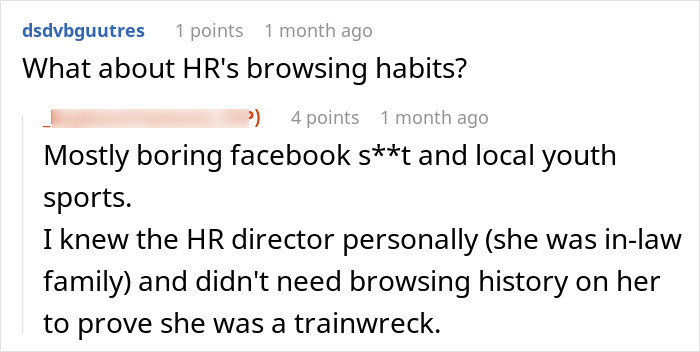
The author answered people’s questions and shared more context about the workplace in the comments
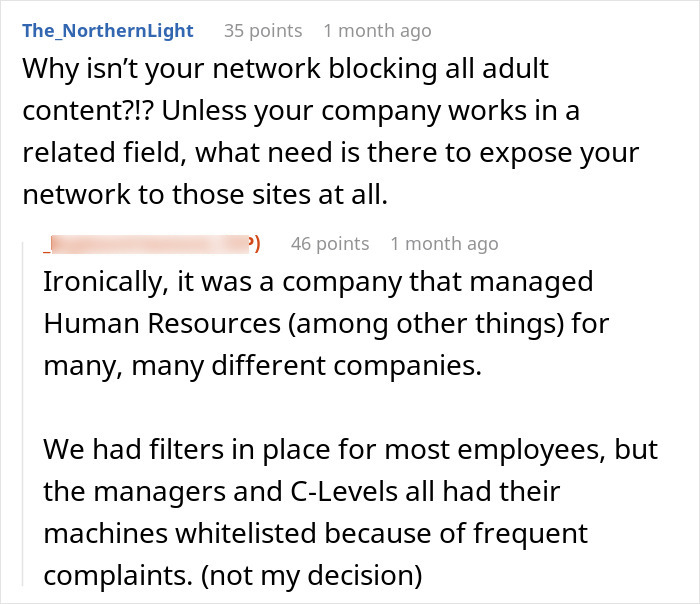
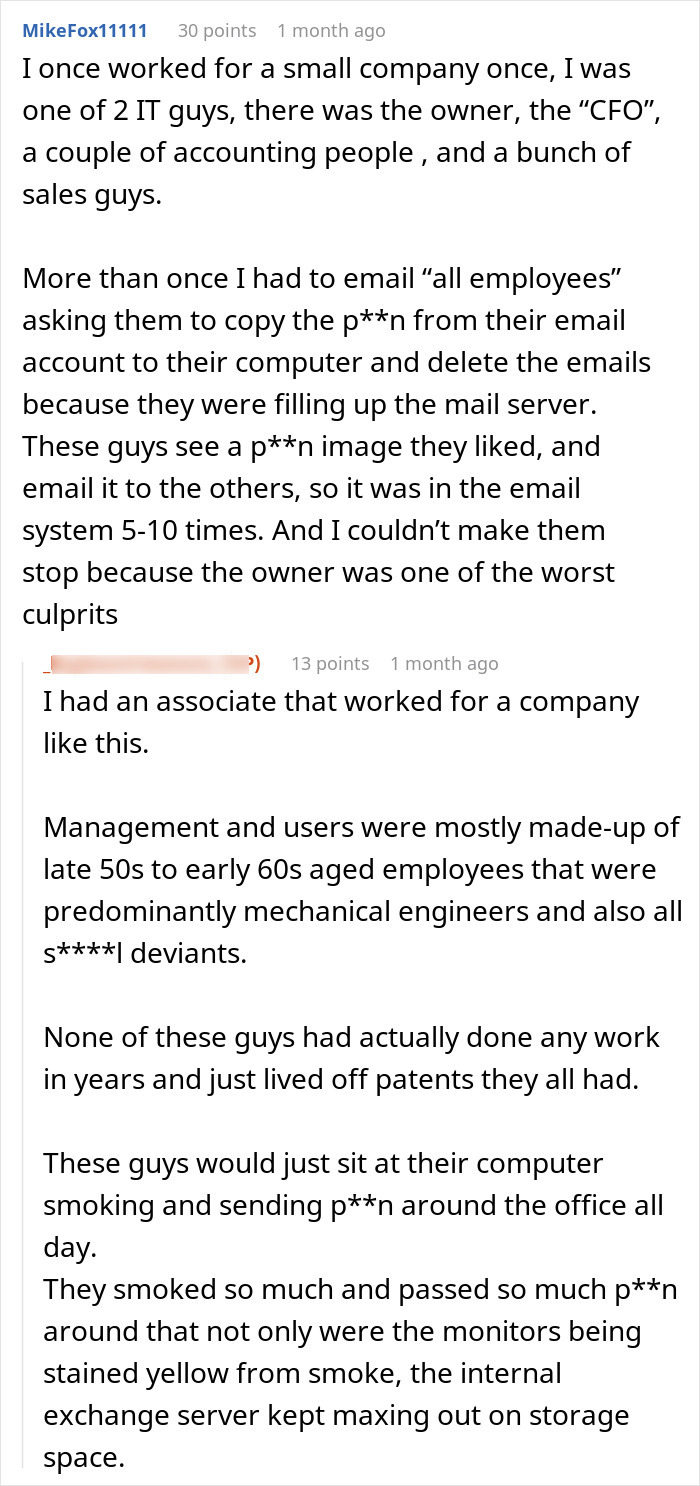
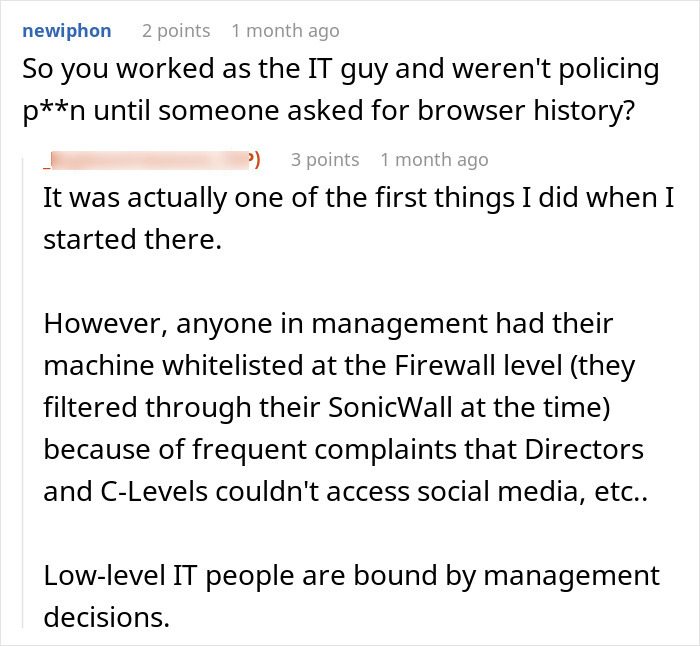
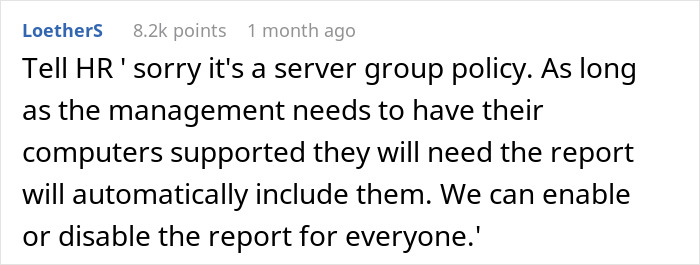
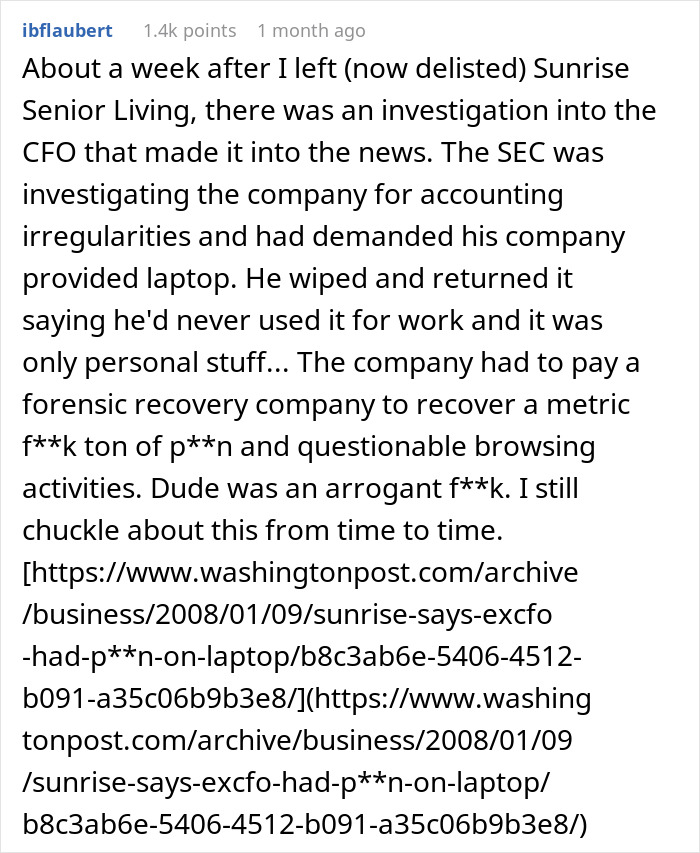
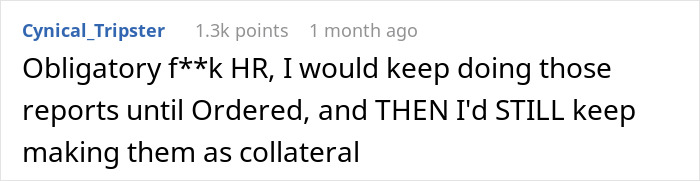
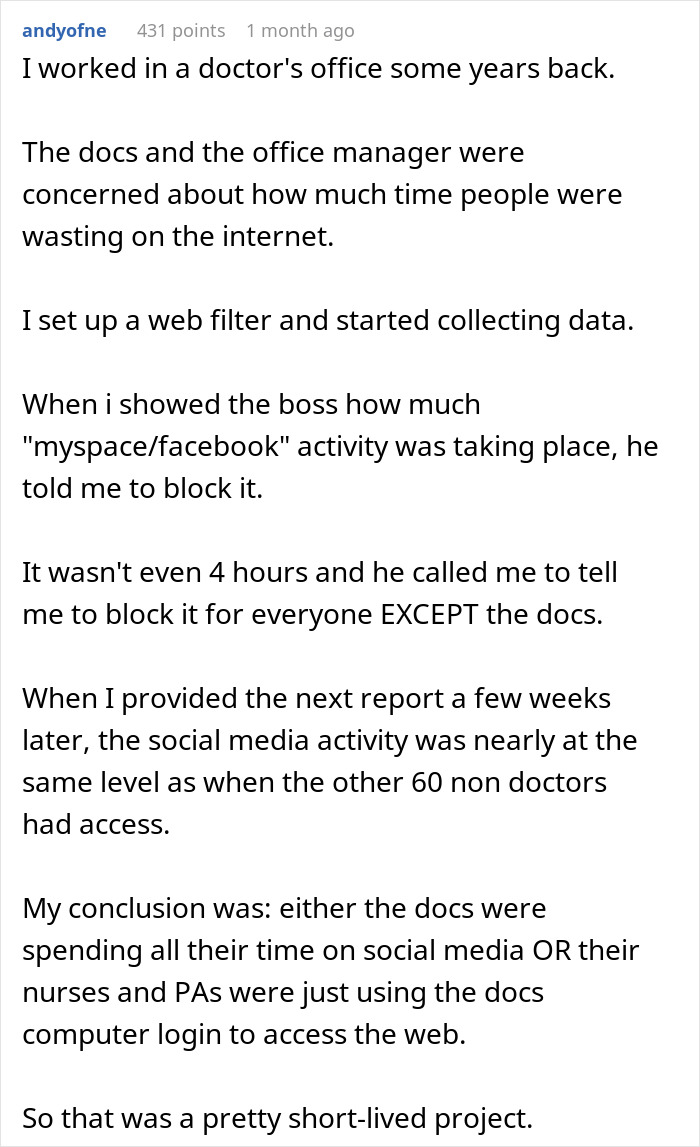
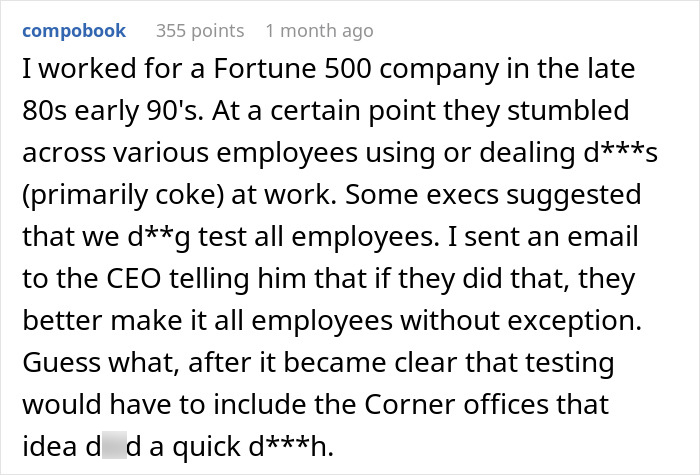
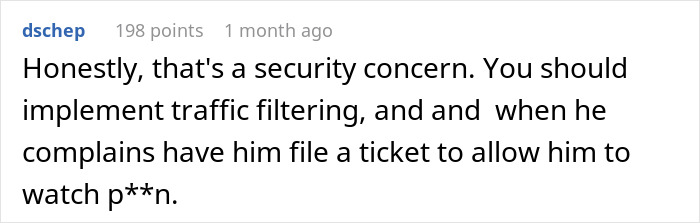
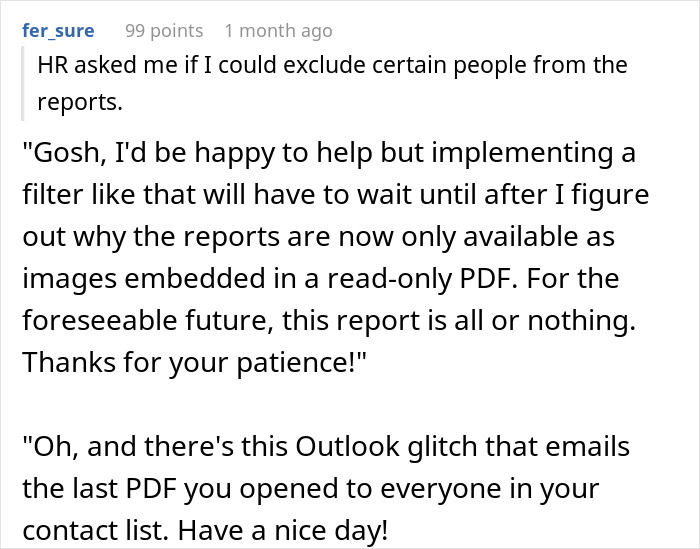
Here are some internet users’ perspectives about the employee productivity drama


 Follow Us