We all go through our fair share of struggles in life, and for many, the home is a sanctuary. But when the family isn’t a safe space, the relationship dynamic can crumble.
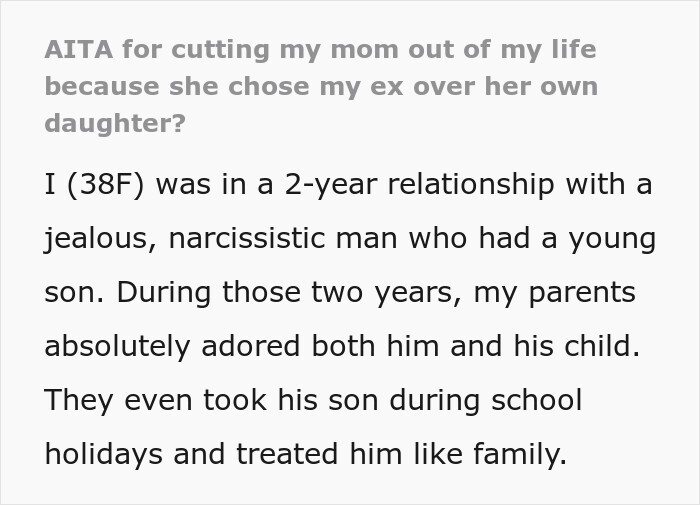
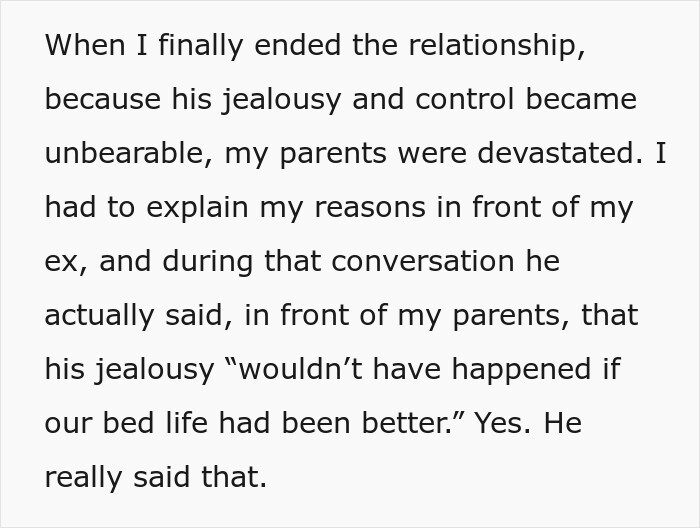
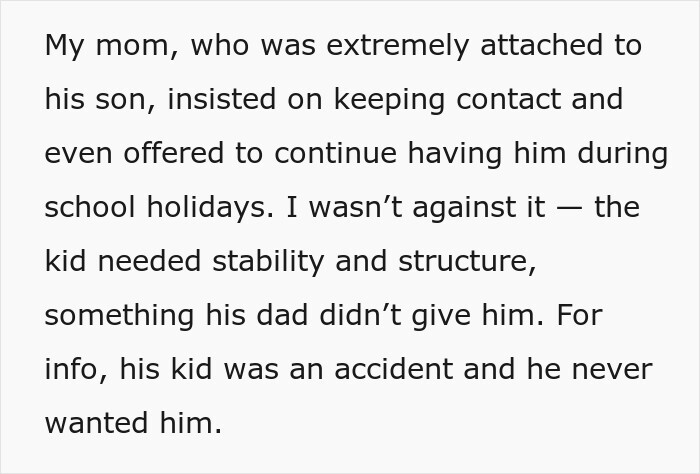
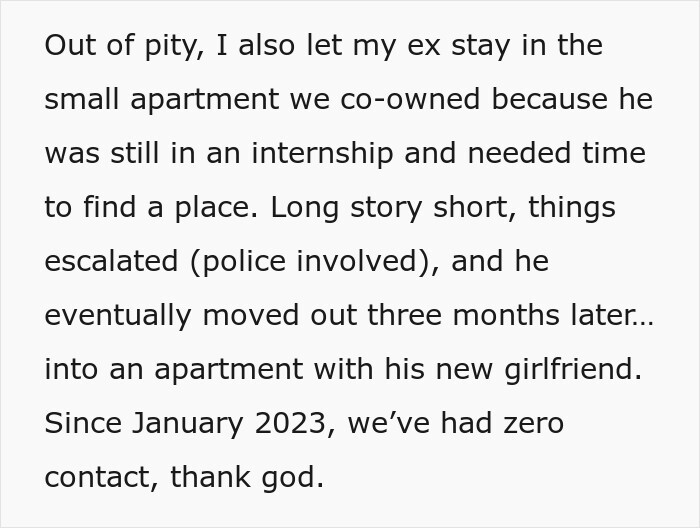
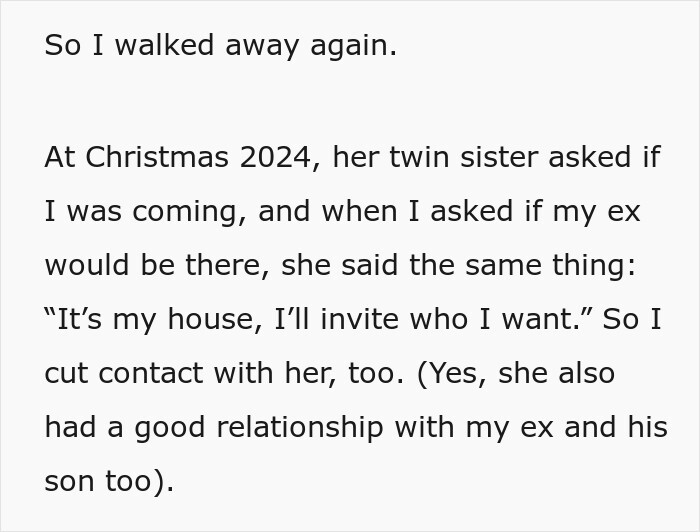
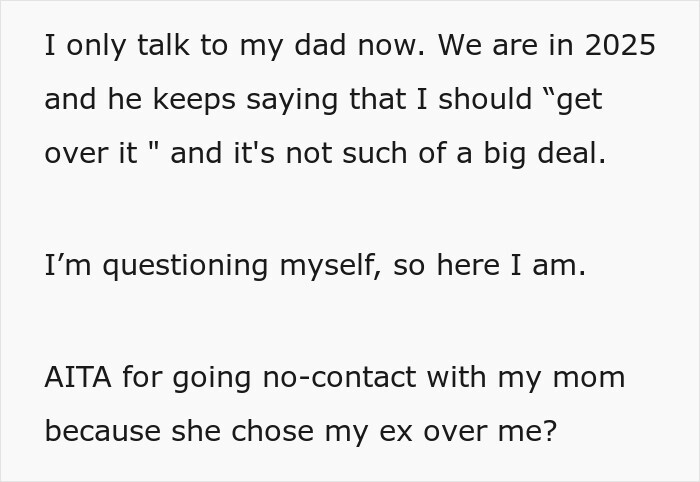
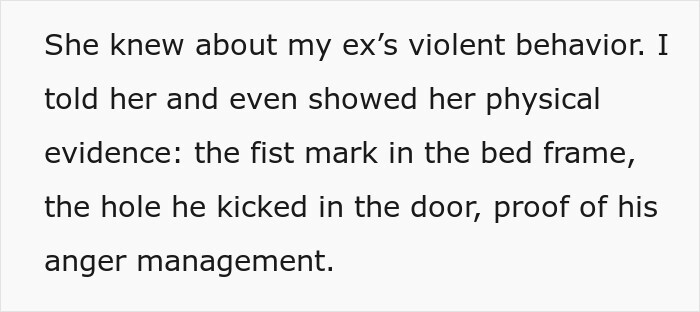
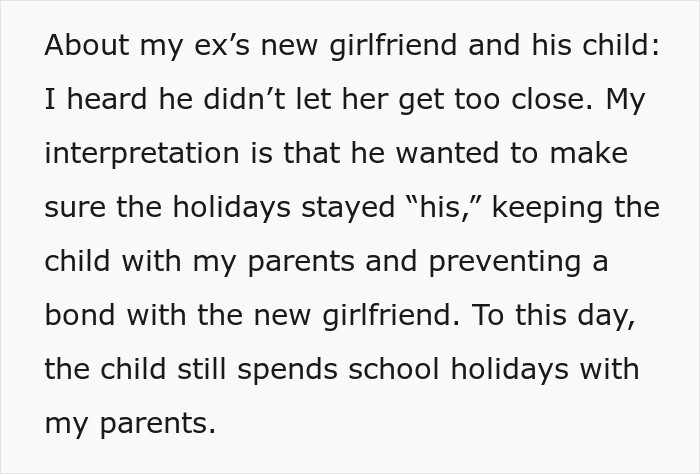
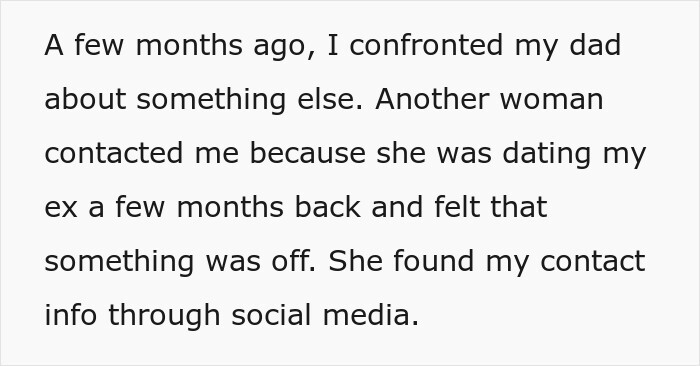
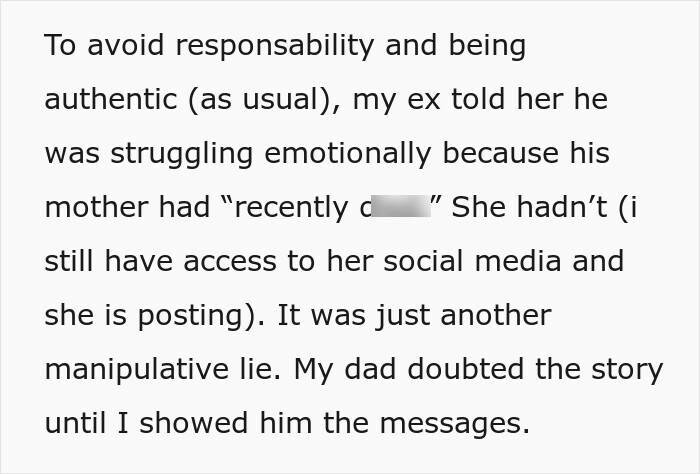
This woman knows that feeling all too well, as she went through a toxic relationship for a couple of years. What made her situation worse was that her own mother continued to foster a connection with her manipulative ex, while failing to show care and compassion for her own daughter.
The woman has since taken drastic measures because of her hopelessness, but she also wonders whether she was wrong to do so.
Families are expected to provide a safe space

kues1 / magnific (not the actual photo)

But for this woman, her mother was a source of the pain and resentment carried for years
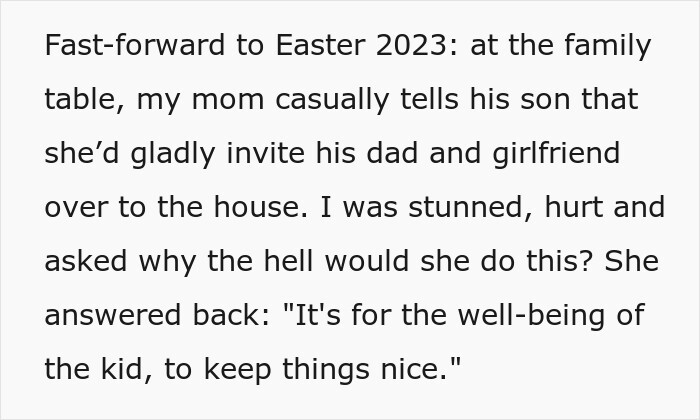
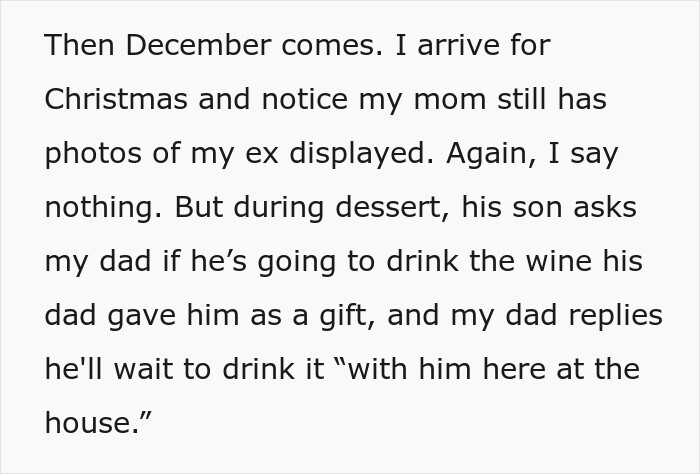
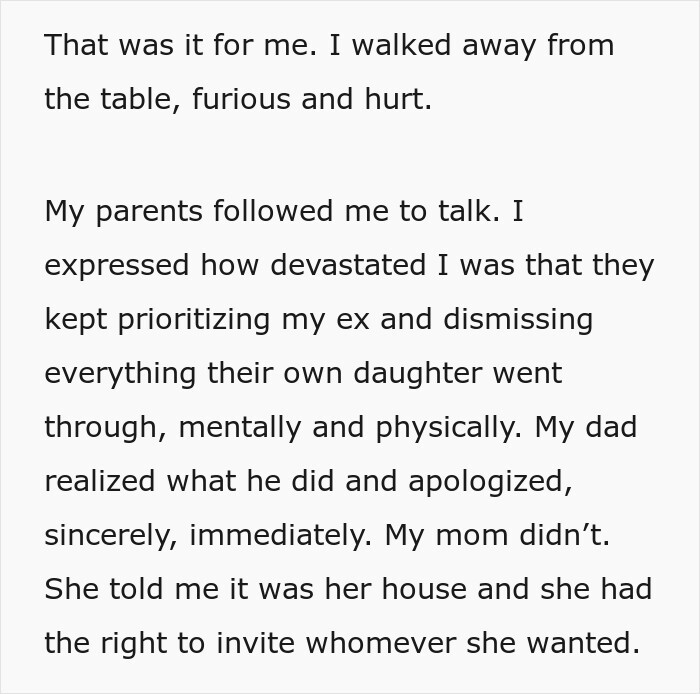
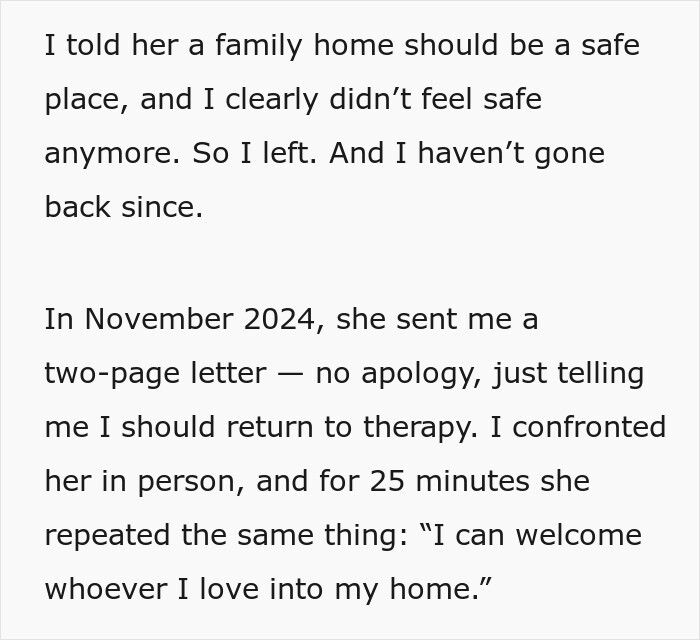
Ambreen / magnific (not the actual photo)
She was pushed to take drastic measures, but wonders if she was wrong for doing so
Parents are less likely to go no-contact with their children, and they are likely to suffer more when it happens
The mom may have refused to mend her relationship with her daughter, but the daughter initiated going no-contact. According to psychologist and parental estrangement expert Dr. Joshua Coleman, parents are less likely to cut ties with their children because of the “intergenerational stake.”
“(It conveys) he idea that when you’re raising your children you make a big investment, in part in the interest of furthering your genetic line,” he explained. “That can lead parents to assume that when they raise children, they will be close to them throughout their lifetime.”
Dr. Coleman adds that estrangement hits parents much harder. According to him, a child may feel like cutting ties with a toxic relationship is a way to protect themselves and prioritize their mental health.
Meanwhile, he says parents may go through periods of shame, loss, grief, distress, and social isolation, even when the child is problematic.
“The parents may feel some relief if the kid is not in contact because they don’t have to worry about them stealing from them or (mistreating) them, but they’re still burdened with enormous worry,” Dr. Coleman said.
Estrangements are repairable, but parents should do their part to validate their child’s suffering
The idea of going no-contact may seem harsh, but many cases aren’t permanent. Research has found that 81% of adult children eventually reconcile with their estranged mothers.
However, it can only happen if parents acknowledge their child’s suffering and take responsibility for the pain they caused.
Dr. Coleman says the best way to do this is to write a letter of amends that includes a willingness to hear what their child has to say and, at the very least, try to change their behavior.
His recommendation: write something along the lines of, “It’s clear I have some significant blind spots as a person and a parent, and that I don’t have a better understanding of what caused this, but I would like to know.”
The author’s decision to distance herself from her mother, who repeatedly hurt her, was understandable. And if her mother refuses to own up to what she did, their relationship may not be reparable, even with professional intervention.
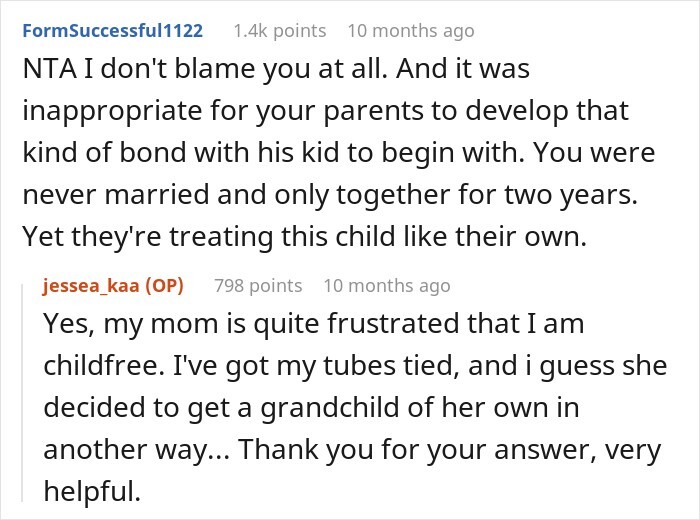
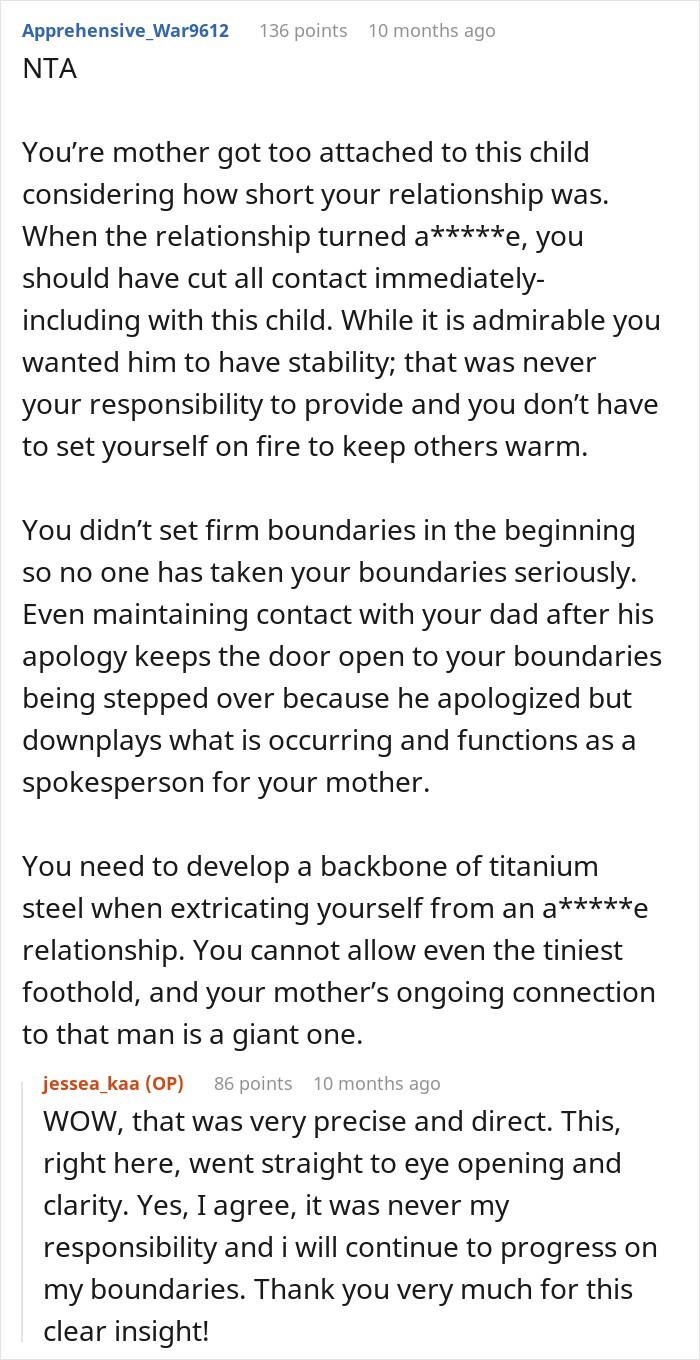
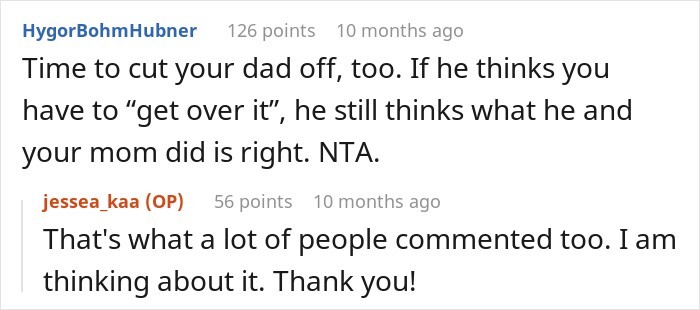
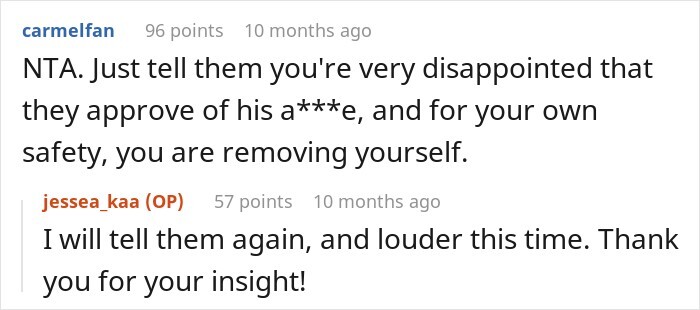
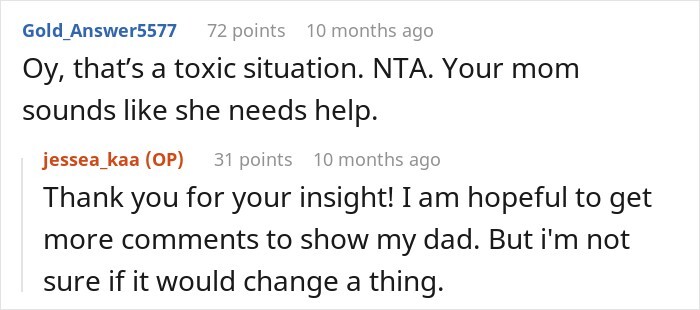
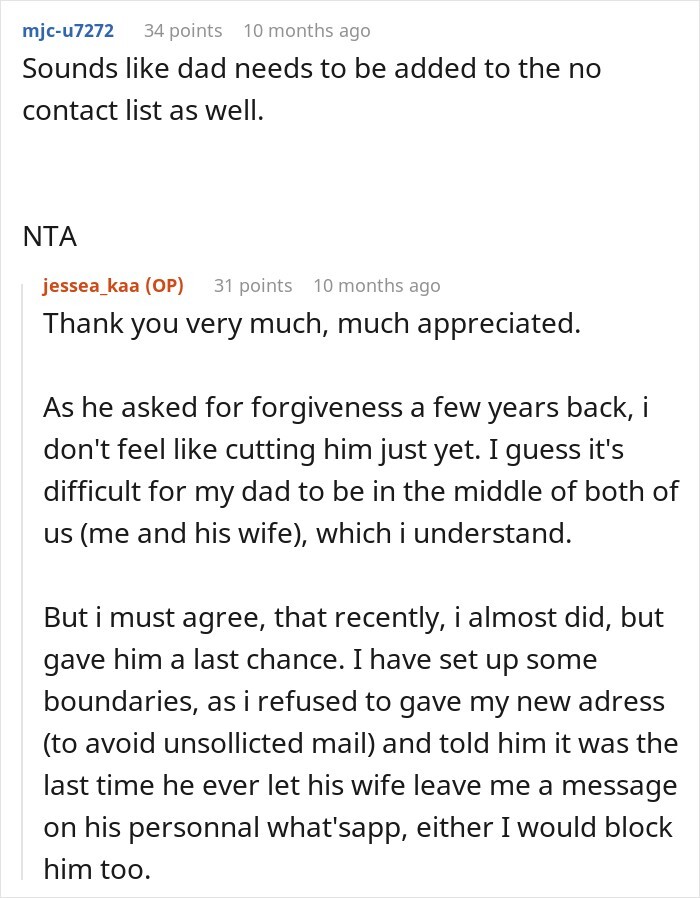
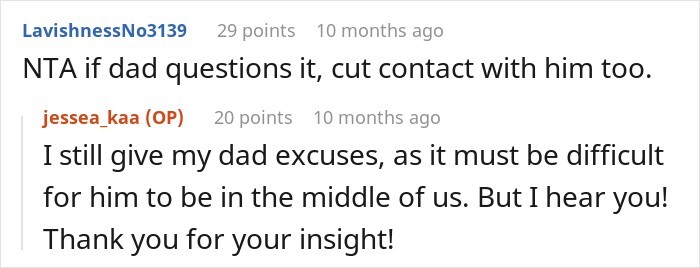
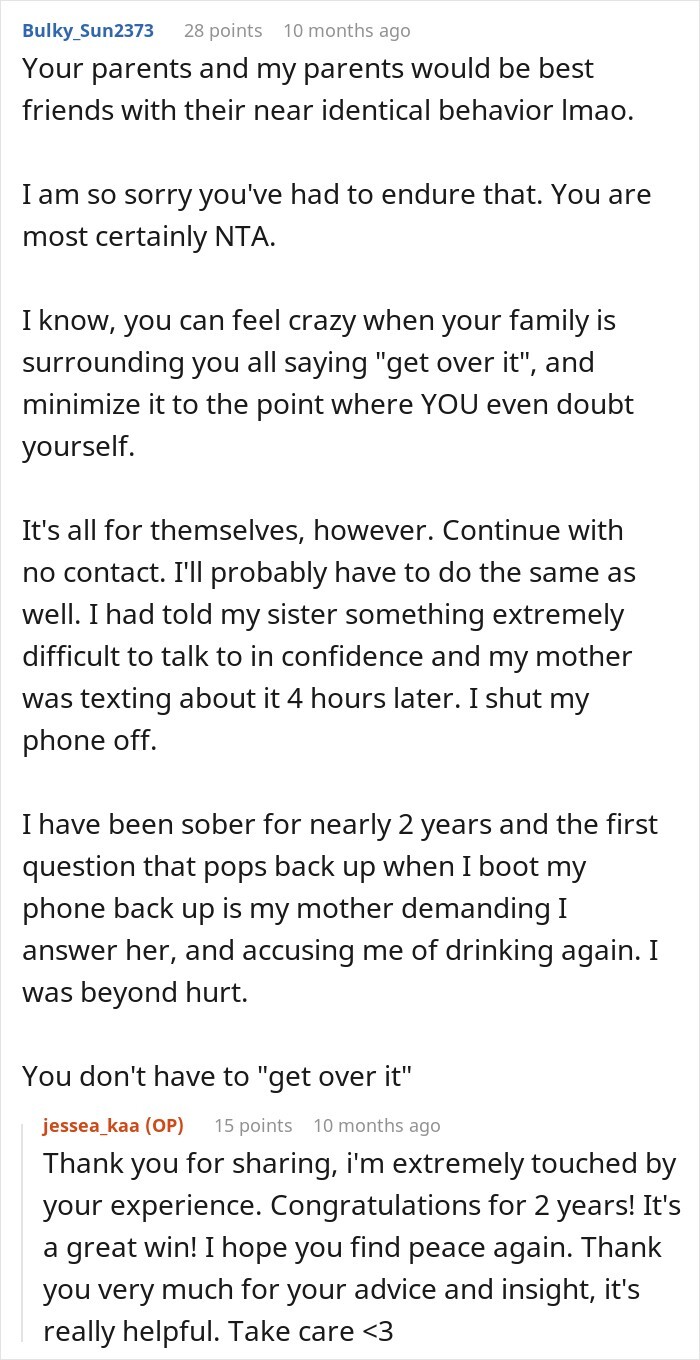
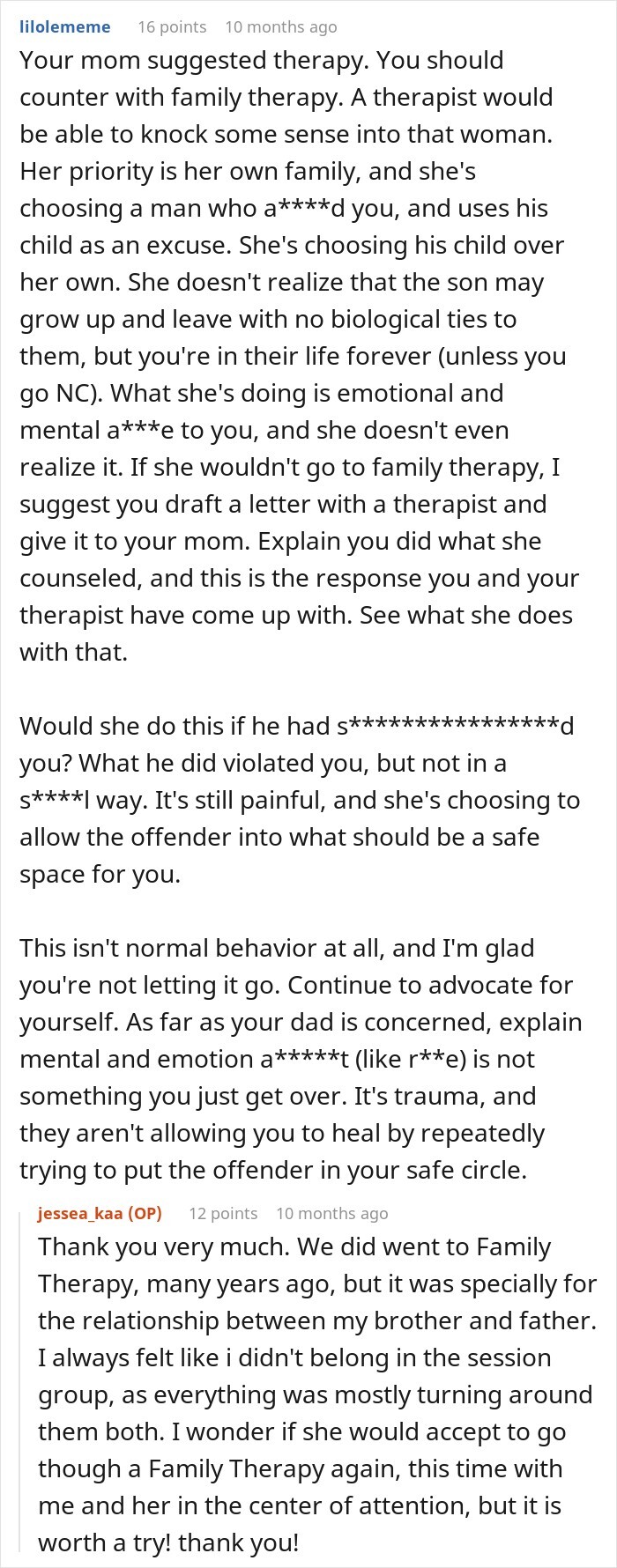
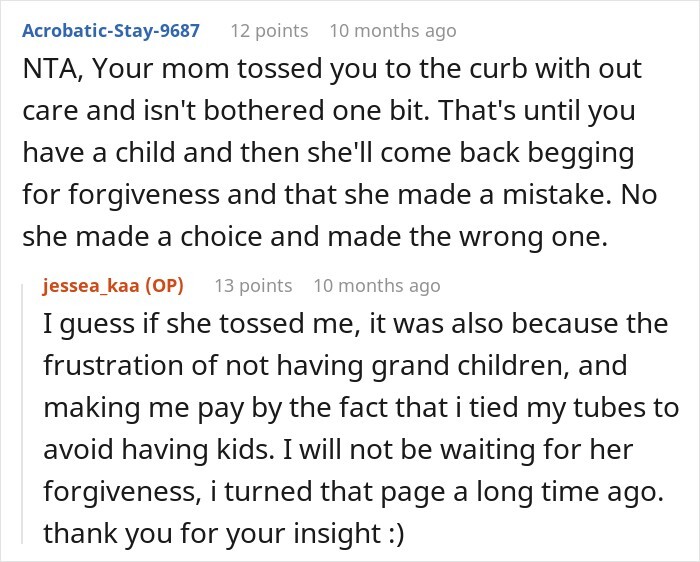
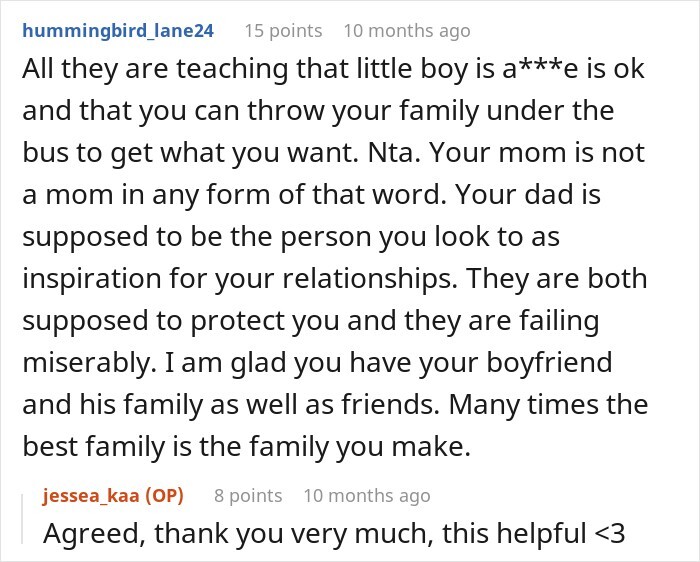
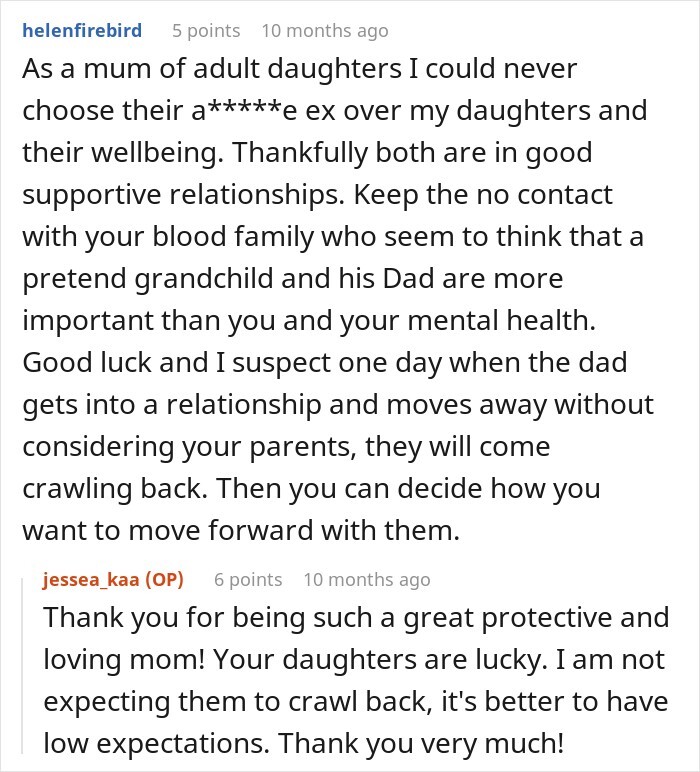
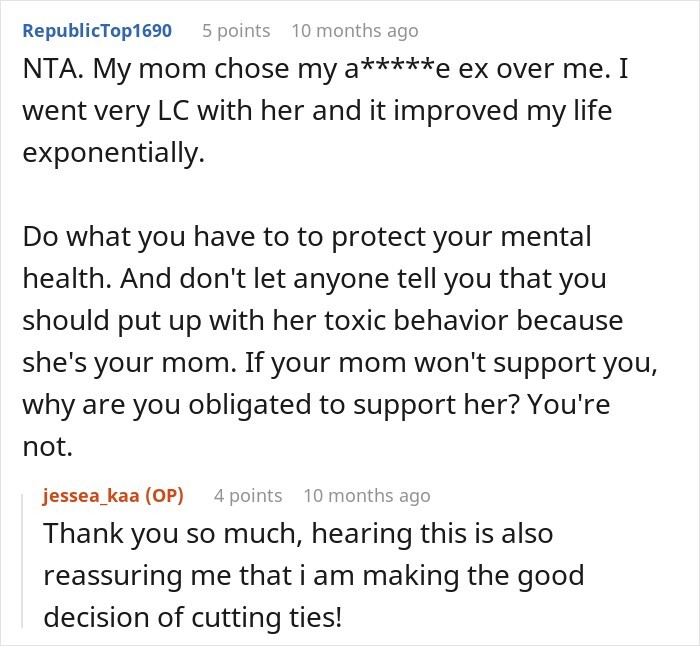
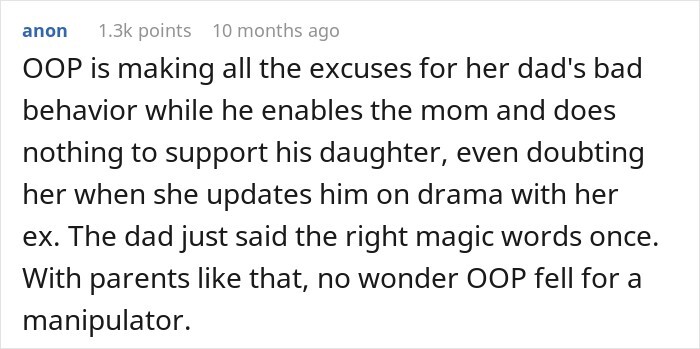
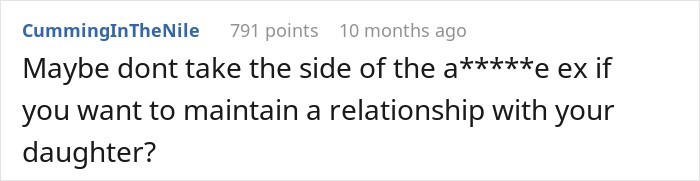
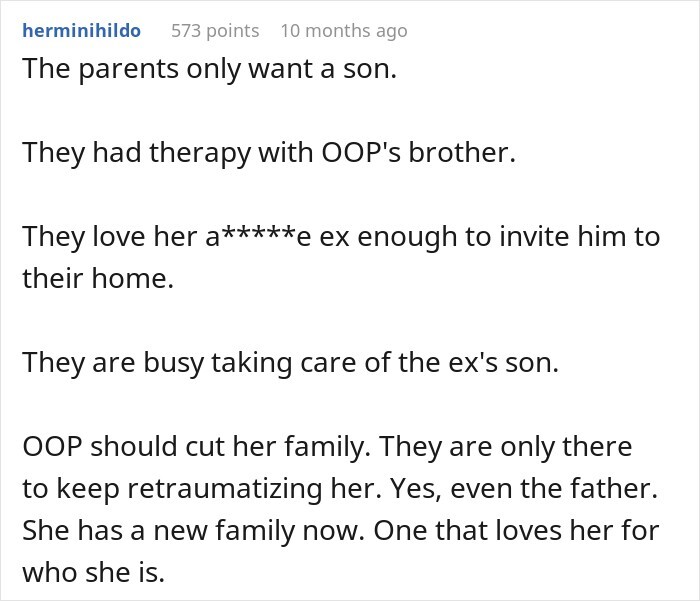
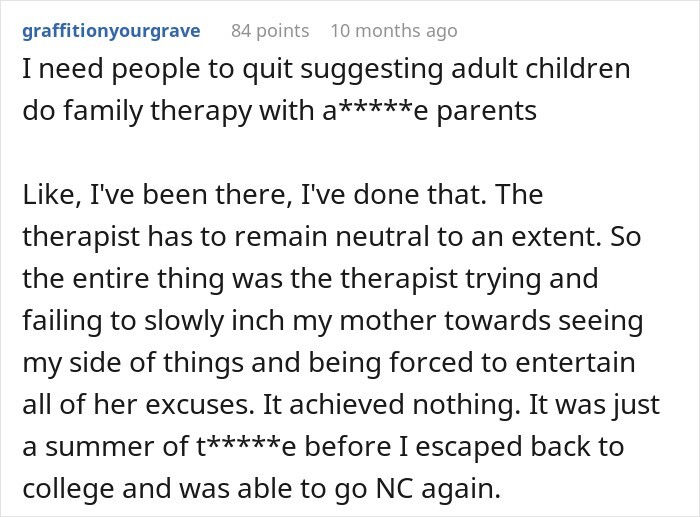
Most commenters sided with the author







Yulia Raneva / magnific (not the actual photo)
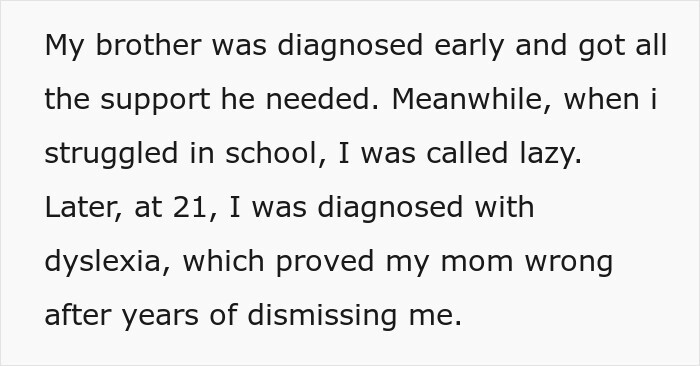
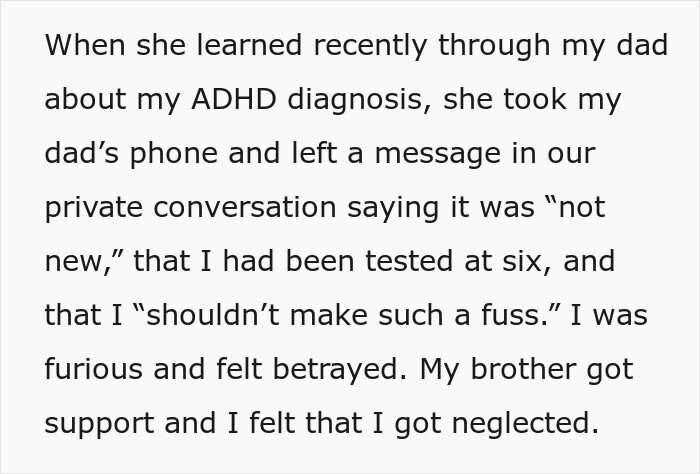
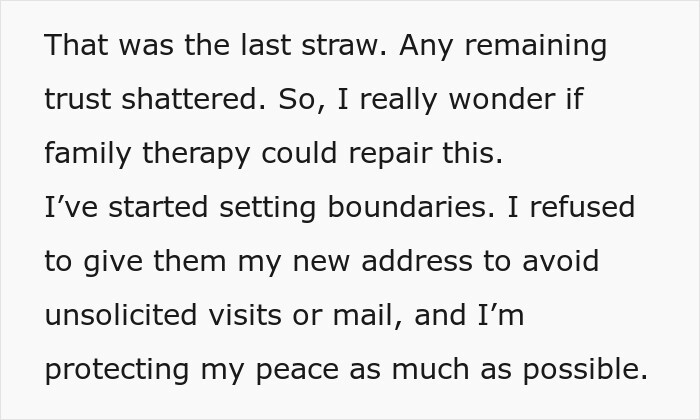
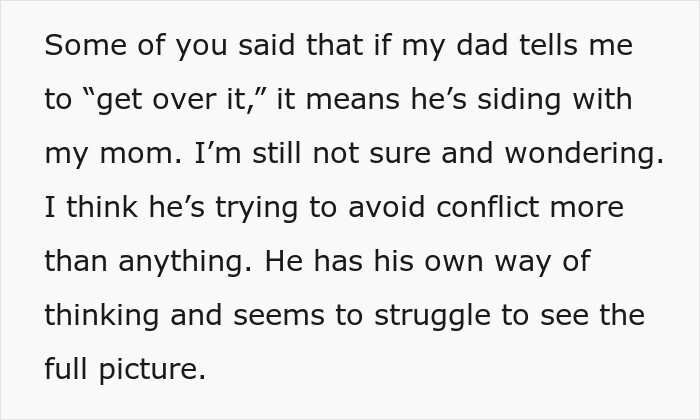
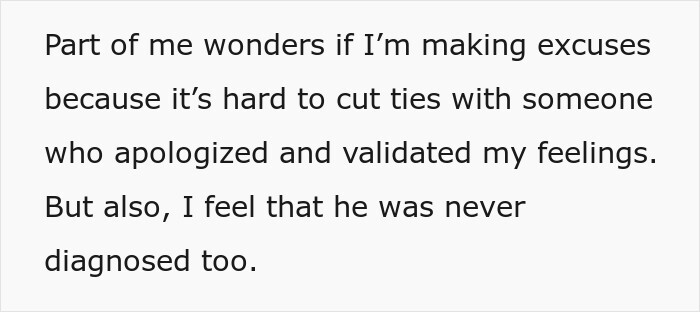
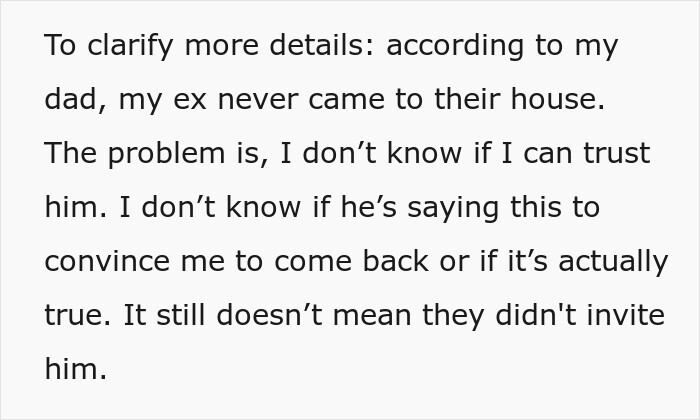
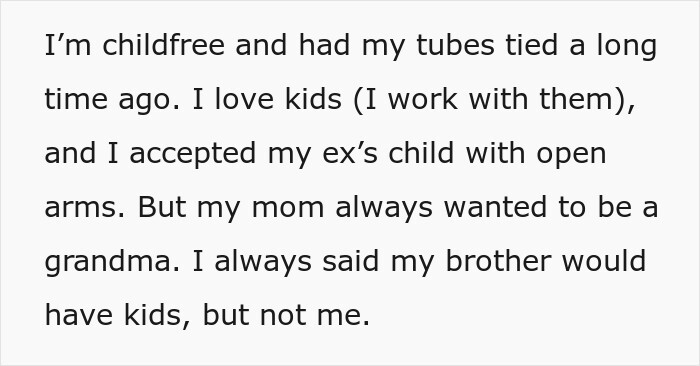
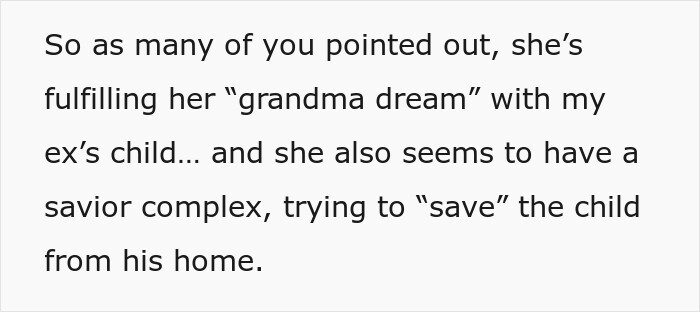
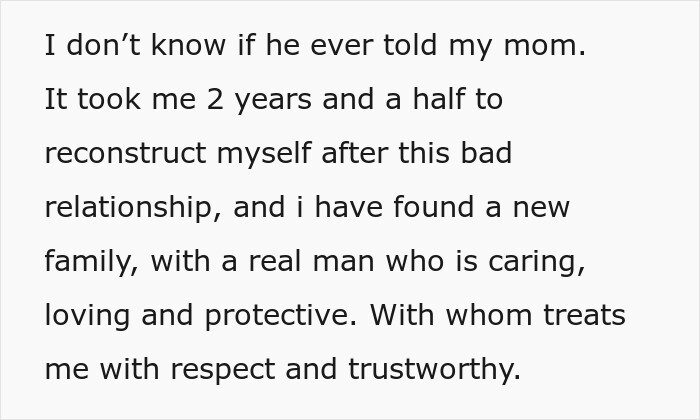
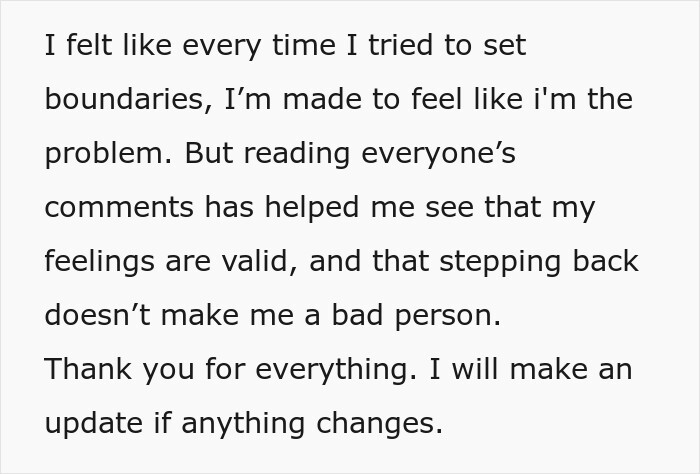
The woman provided an update
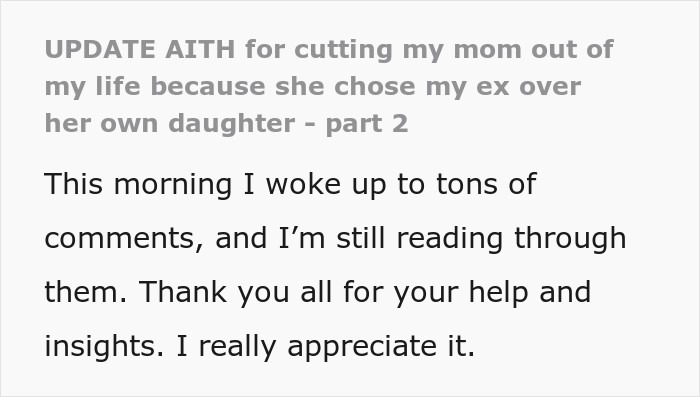
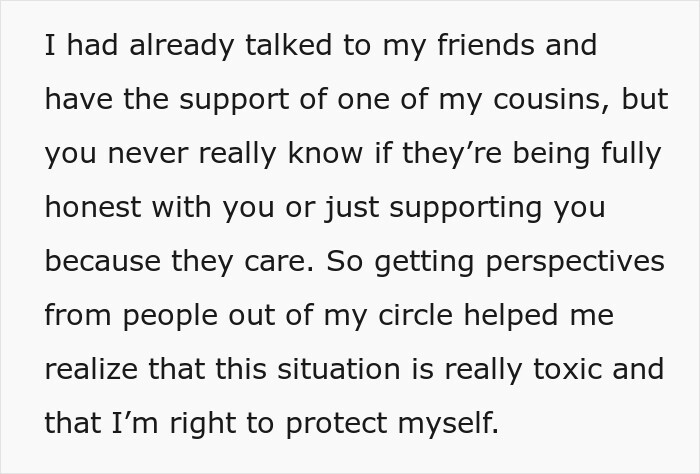
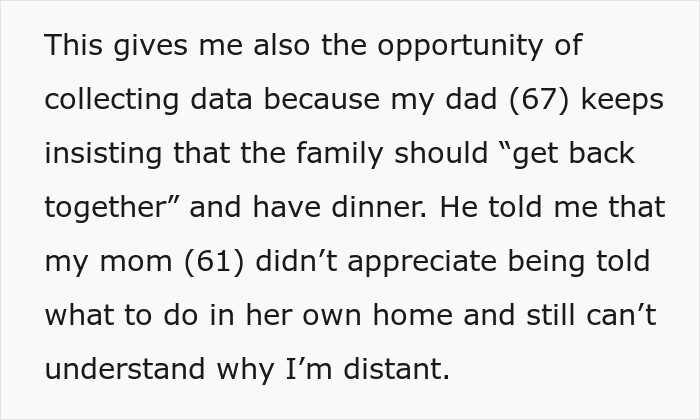

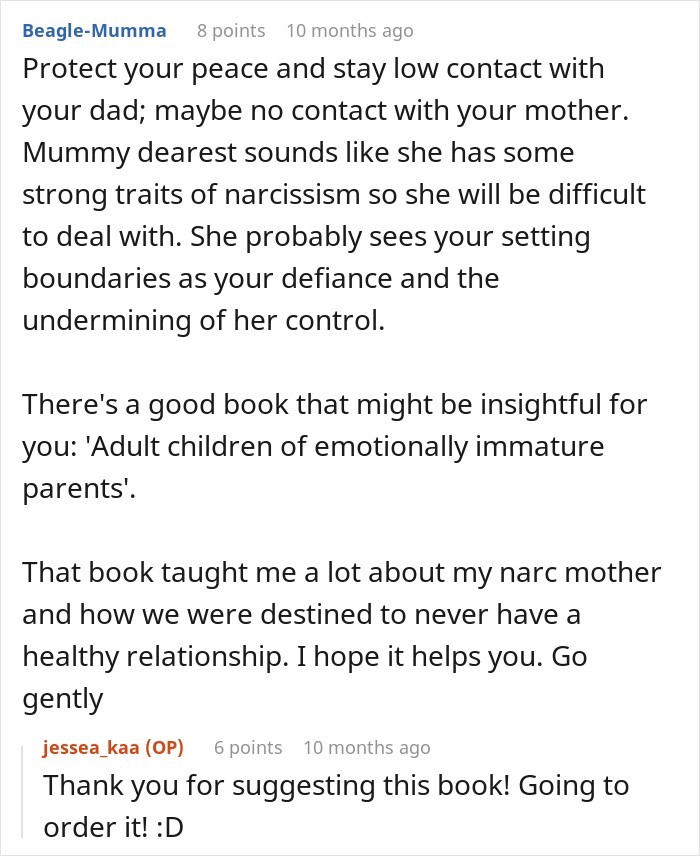
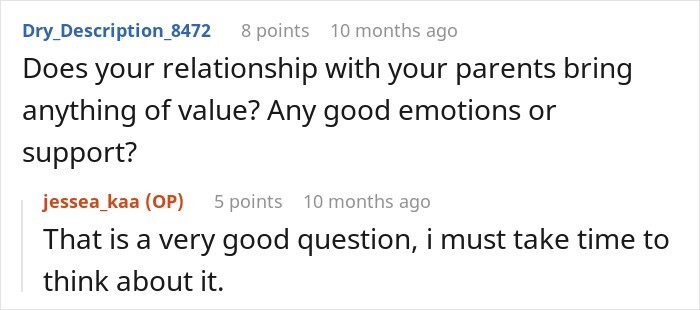
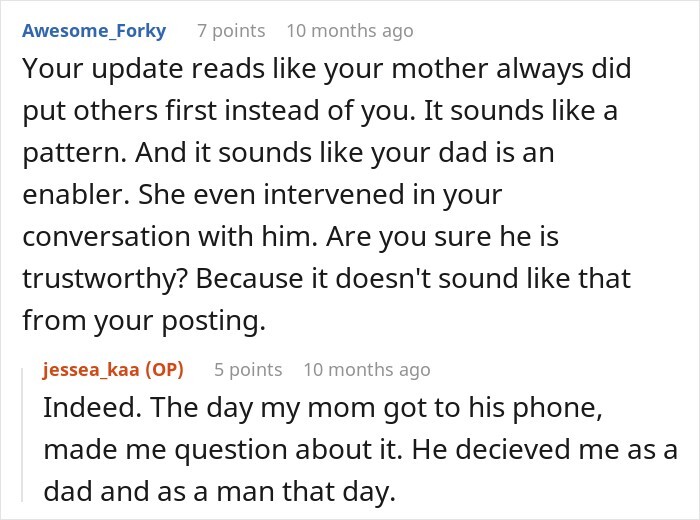
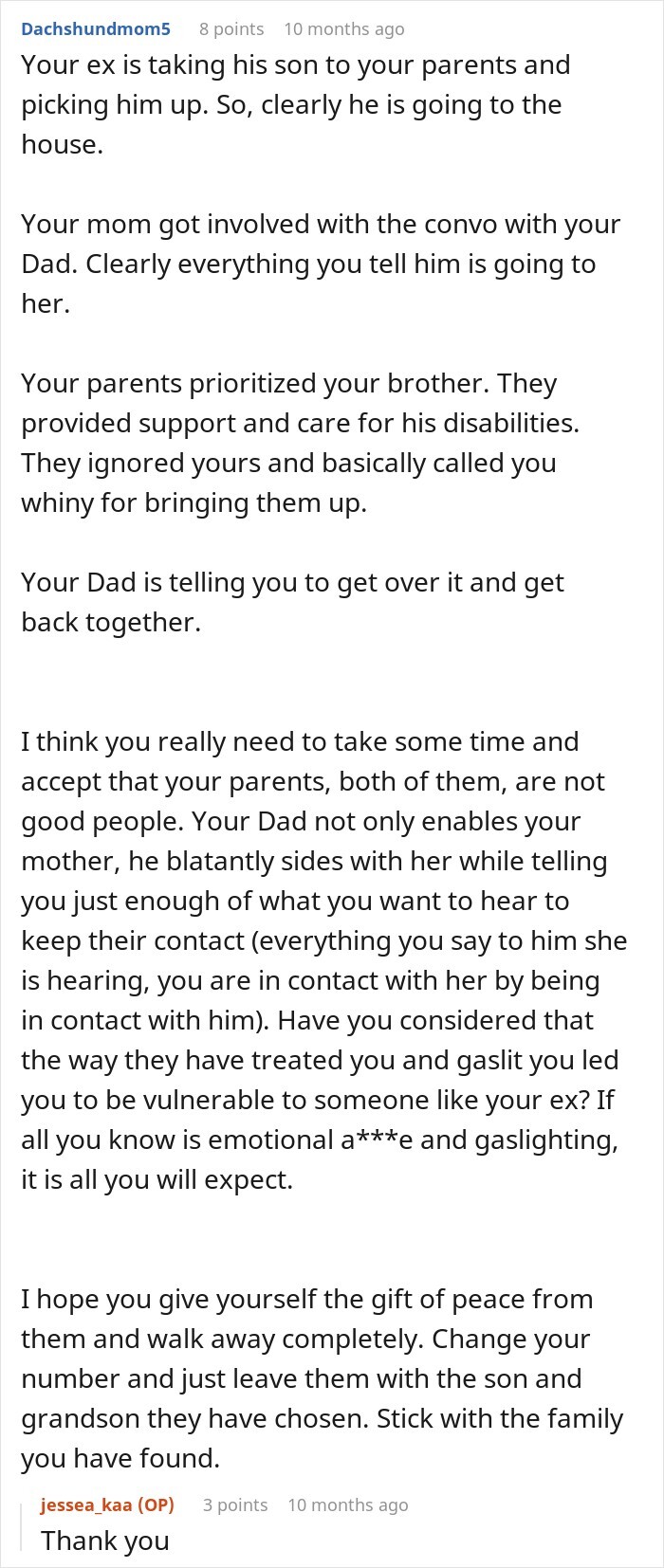
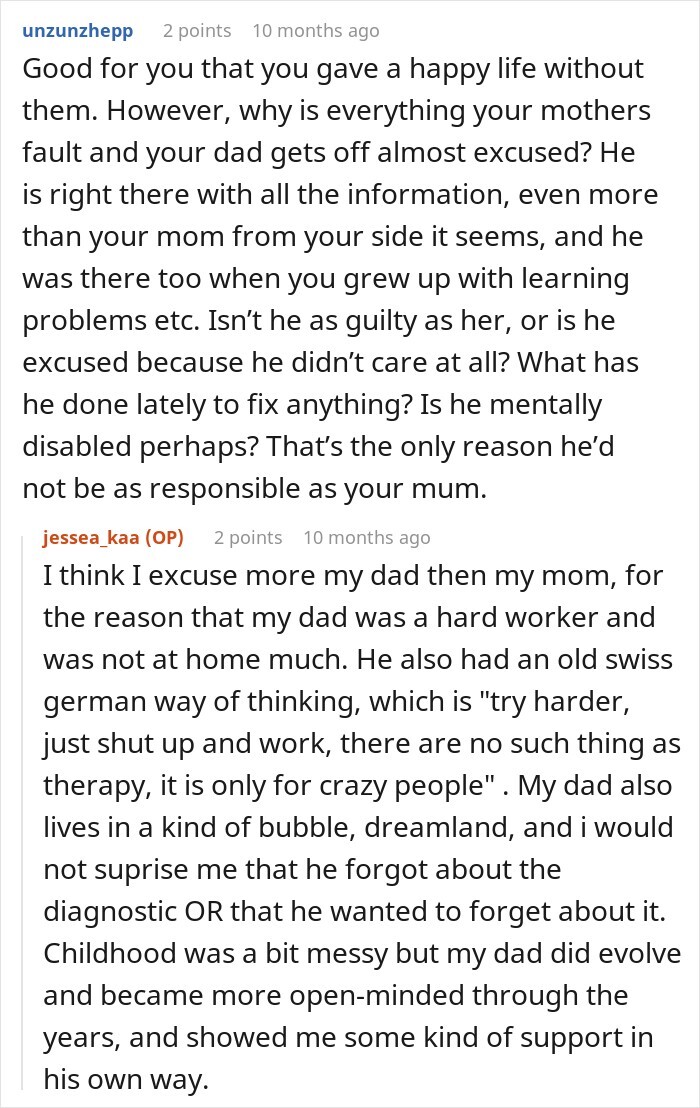
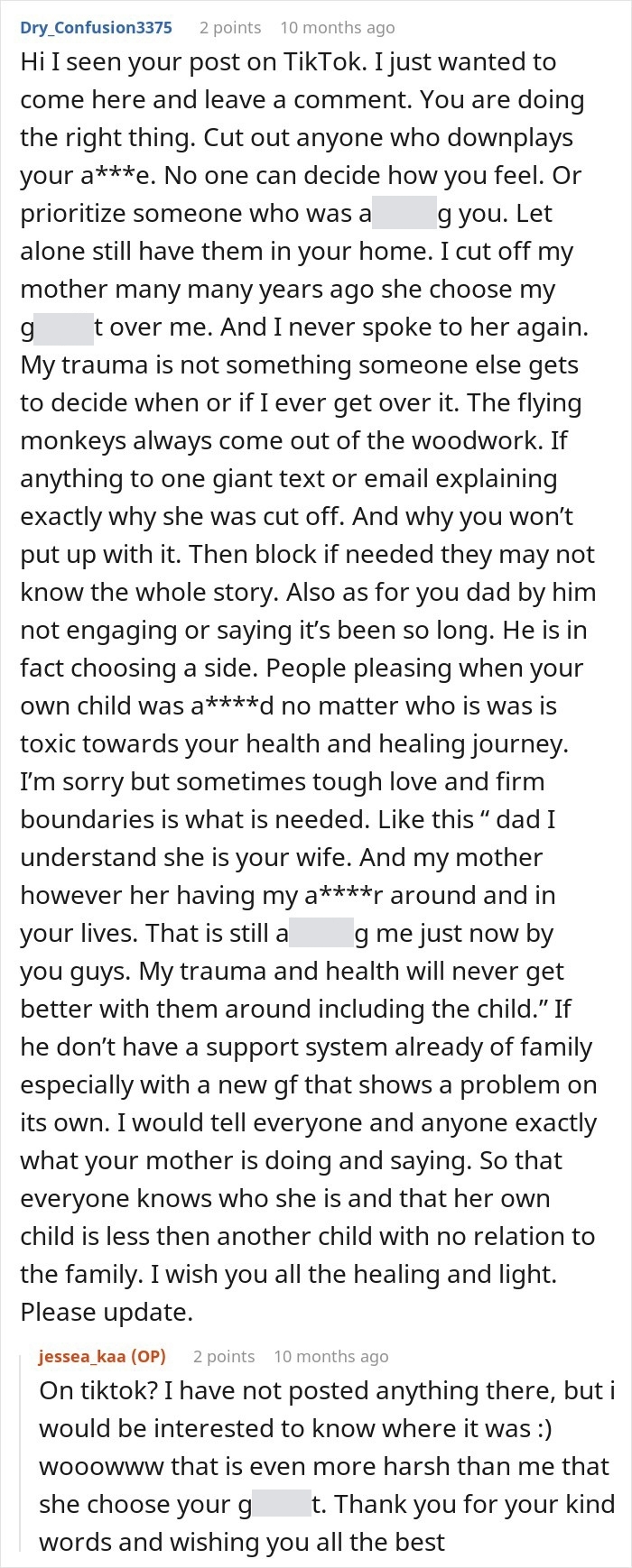
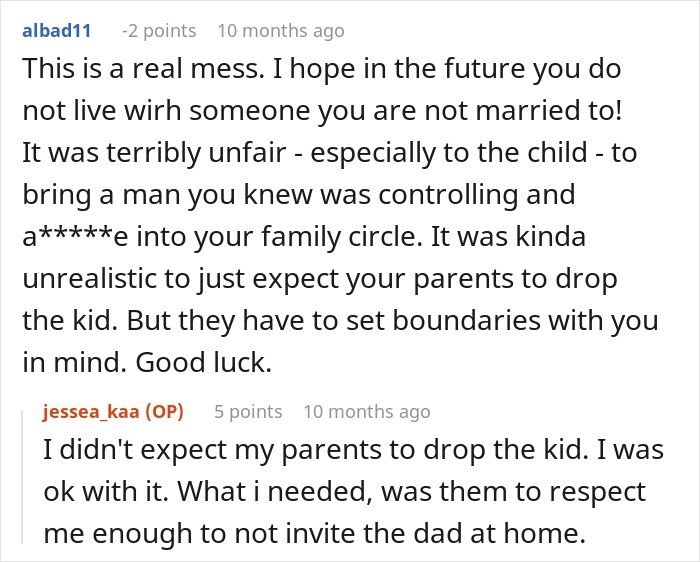
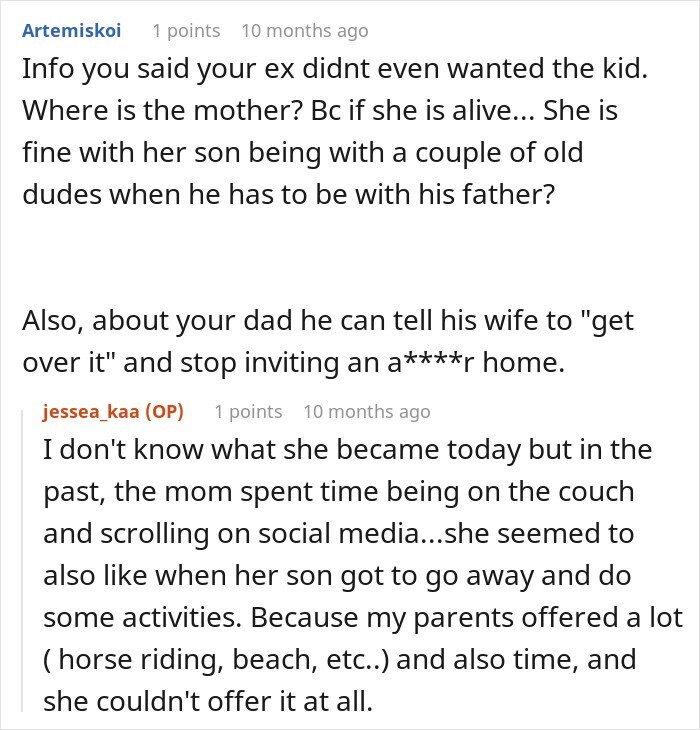
Commenters had questions, some of which the author addressed





 Follow Us