Mountain biking is built around a certain amount of calculated risk. Riders expect steep drops, tight corners, sudden turns, and the occasional spectacular landing that doesn’t go quite according to plan. What they don’t expect is to encounter a toddler treating a jump like a playground, especially when other people are approaching at speed. A little awareness can go a long way when everyone is sharing the same outdoor space.
One mountain biker learned this the hard way during a sunny Sunday ride when he spotted two very young children playing right on top of an active trail jump. After swerving to avoid them, he decided to explain just how dangerous their little game could be. But their mother, who had been taking pictures nearby, wasn’t about to accept a stranger correcting her children.
Kids are naturally curious and eager to explore, but that makes keeping an eye on them all the more important
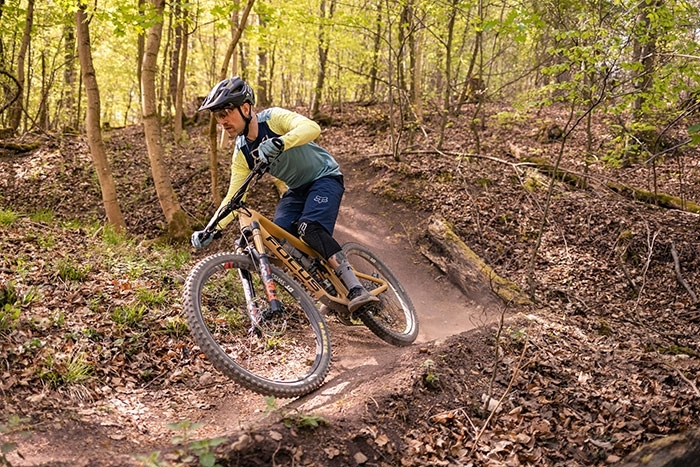
Axel Brunst/Unsplash (not the actual photo)

A mountain biker noticed a woman taking pictures near a trail and later spotted her two young children playing on an active jump
Masson-Simon/Envato (not the actual photo)
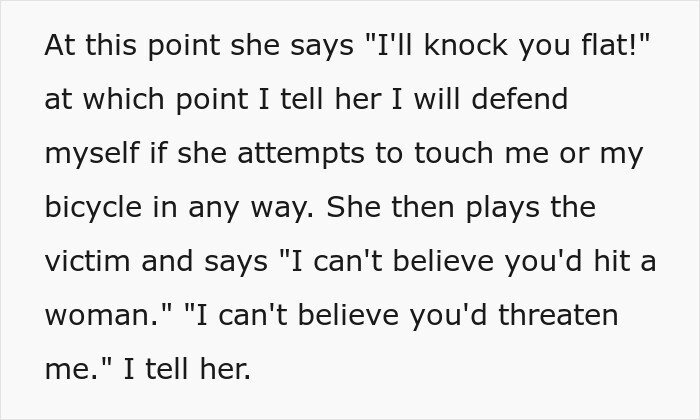
He swerved to avoid the kids and warned them about the danger, but their mother rushed over and started screaming at him
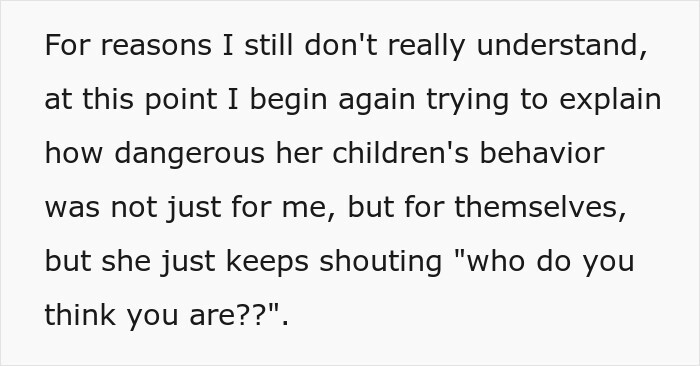
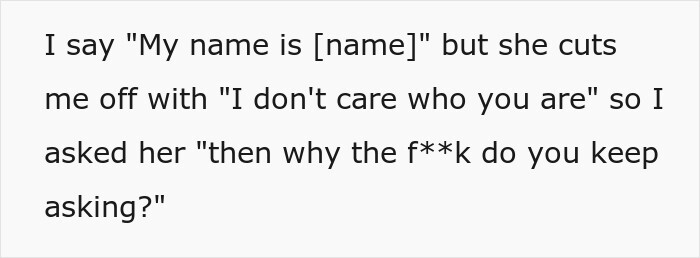
The mother then threatened him and demanded an apology for swearing, while he argued that her children’s safety mattered more than his choice of words
The first thing worth understanding is that mountain bike trails have their own etiquette, and it goes beyond simply staying out of someone’s way. Trek emphasizes controlling your bicycle, anticipating other trail users, and communicating before passing. Riders are expected to remain aware of their surroundings and adjust their speed when necessary.
At the same time, people visiting bike parks should understand that designated riding features are not ordinary walking paths or play areas. This is because the layout of a trail can make certain spots particularly dangerous as blind corners, and jumps require riders to make quick decisions based on what they can see ahead.
This is where parental supervision becomes particularly important. KidsHealth explains that the appropriate level of supervision depends on the child’s developmental stage, personality, abilities, and the activity itself. Giving children independence is valuable, but independence doesn’t mean leaving them to manage hazards they aren’t yet capable of recognizing.
Parents need to assess the environment and decide whether their children can safely participate in an activity or whether they need closer guidance. A young child playing near an active mountain bike feature presents a very different supervision challenge from one exploring a quiet patch of grass. The goal isn’t to prevent children from enjoying outdoor activities, but to make sure they have a suitable space to do so.
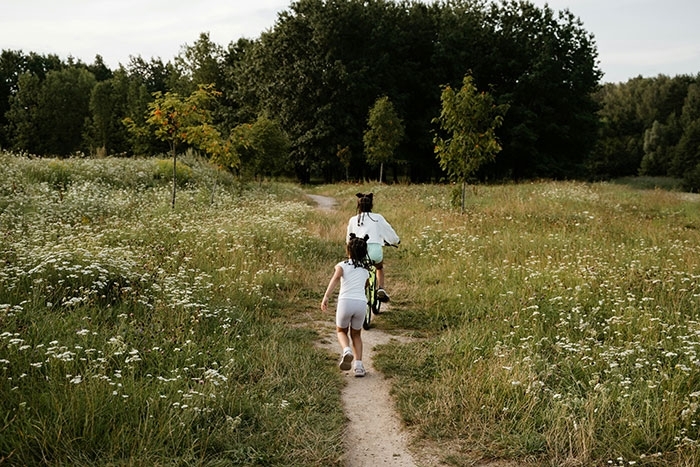
Polina Kuzovkova/Unsplash (not the actual photo)
Interestingly, the situation also raises an important distinction in childhood development. Caring For Kids notes that not every risky activity is necessarily a bad one, and that outdoor risky play can benefit children’s physical, mental, and social development. Climbing, exploring, balancing, and testing physical limits can help children build confidence and learn to assess their surroundings.
However, they distinguish between manageable risks and environmental hazards. Their guidance makes it clear that adults should identify dangerous conditions, consider children’s individual abilities, and intervene when play becomes a threat to themselves or others. A mountain bike jump being actively used by cyclists is very different from an ordinary playground structure.
Still, the mother’s reaction raises another interesting psychological concept which is defensiveness. According to Verywell Mind’s explanation of defensive behavior, people can react negatively to feedback when they perceive it as criticism or an attack on their character. Instead of considering the actual concern being raised, they may become focused on defending themselves, making excuses, or turning the criticism back on the other person.
Parenting can be an especially sensitive subject because comments about a child’s behavior can feel like judgments about the parent’s own abilities. That might help explain why a safety warning became a personal confrontation, although it doesn’t excuse threats or aggressive behavior.
What do you think about this situation? How would you react if a stranger sternly warned your children about doing something dangerous? Let us know your thoughts in the comments!
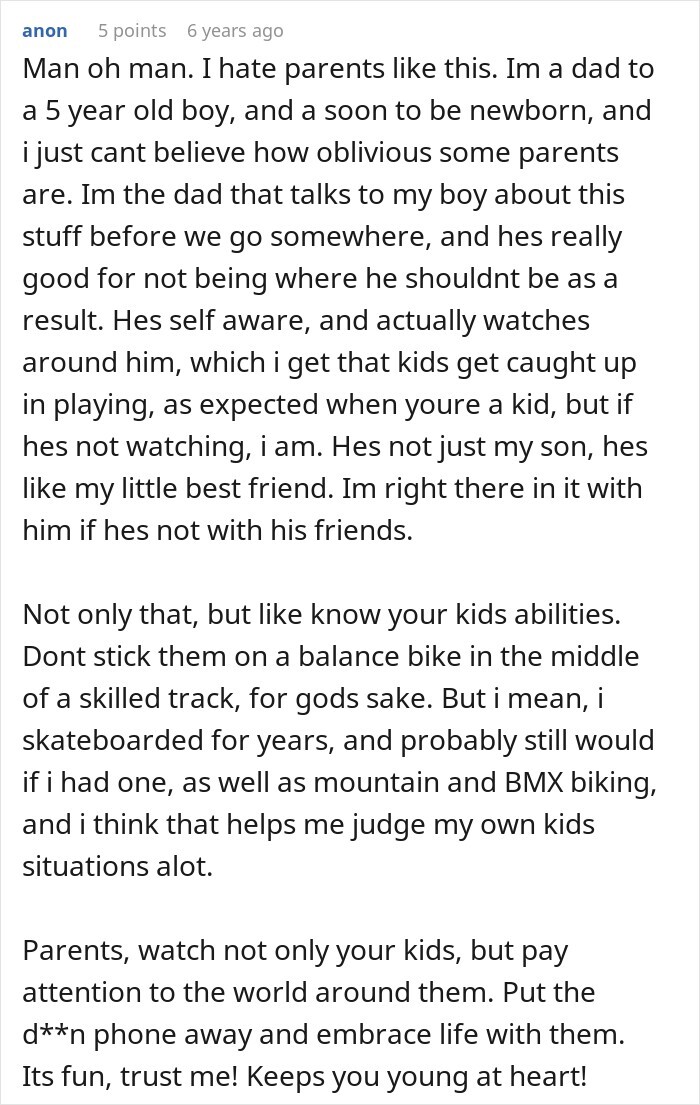
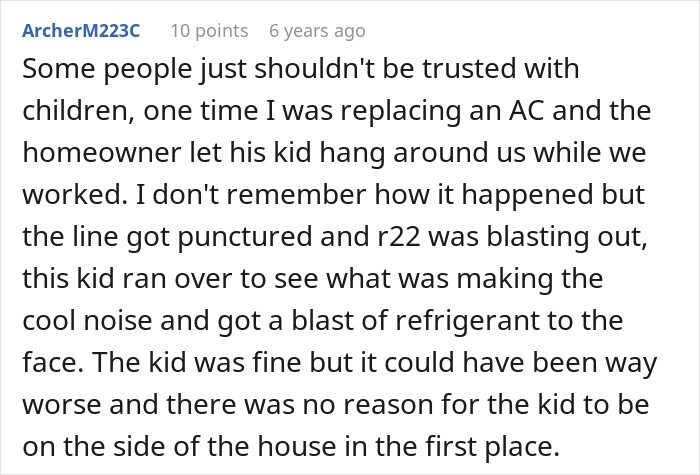
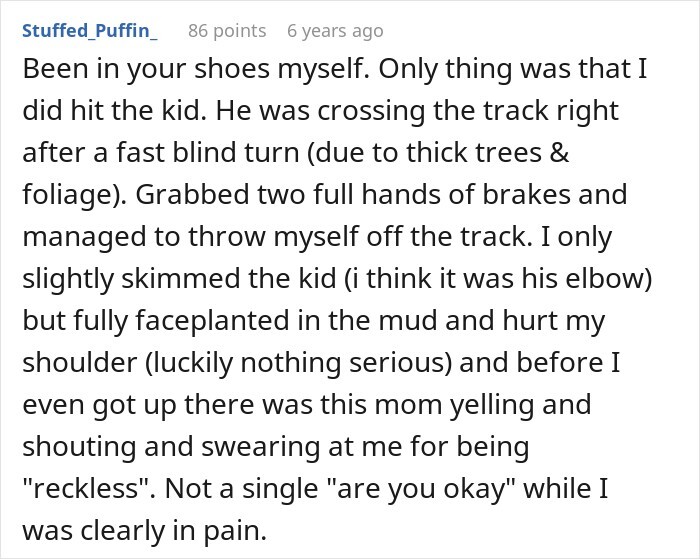
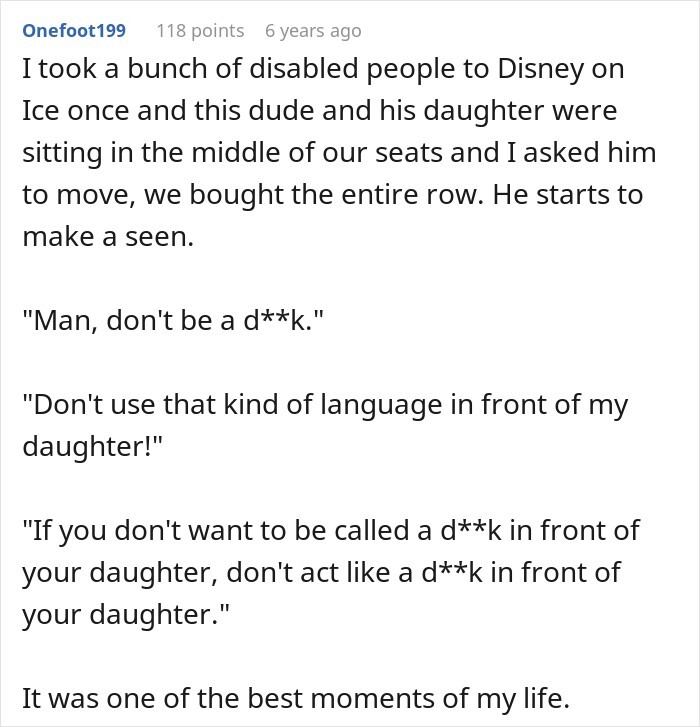
Netizens were disappointed at the entitlement and irresponsibility of the mother
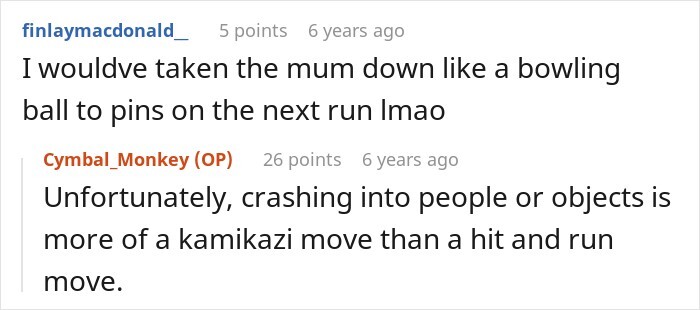

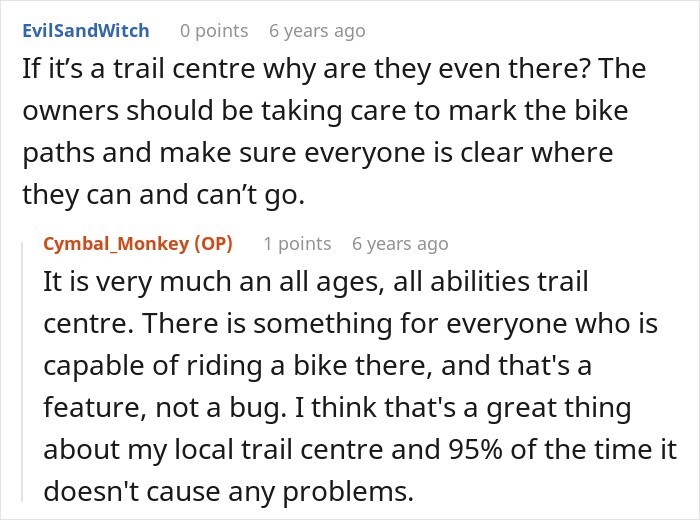

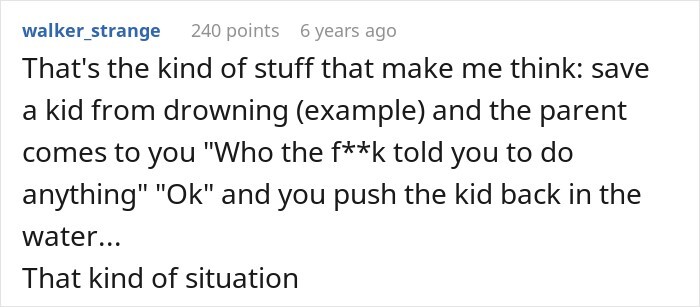


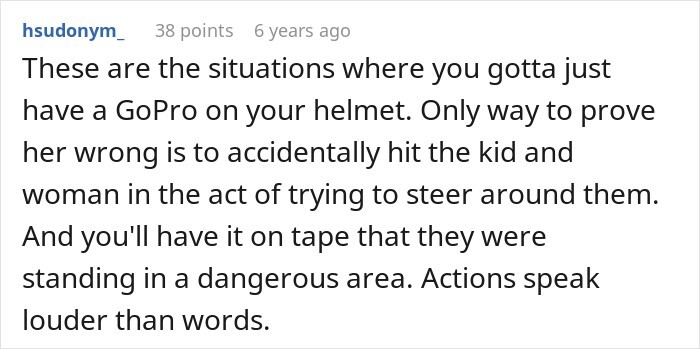





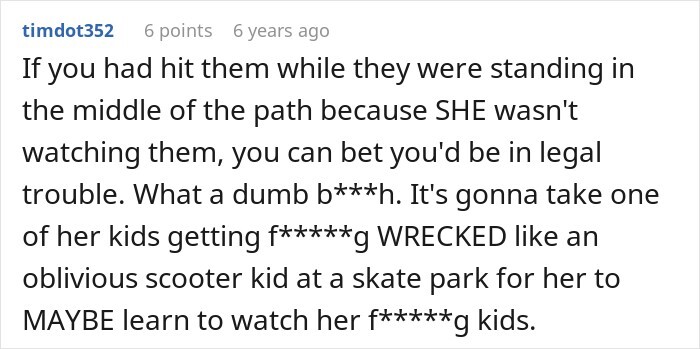
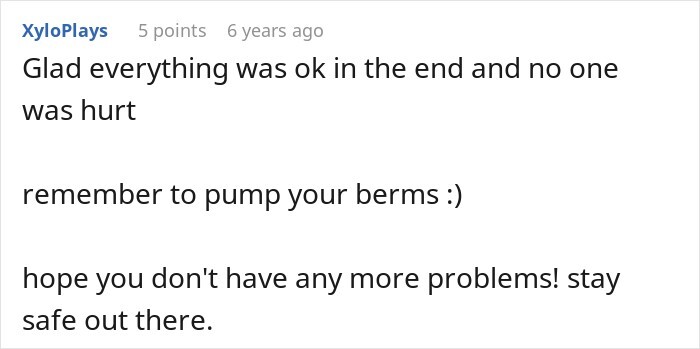
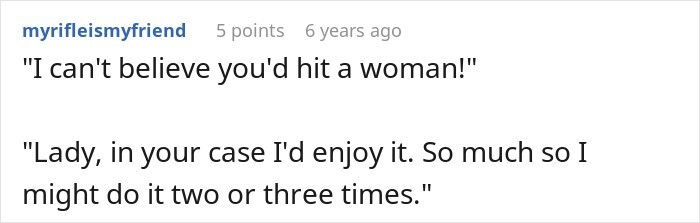
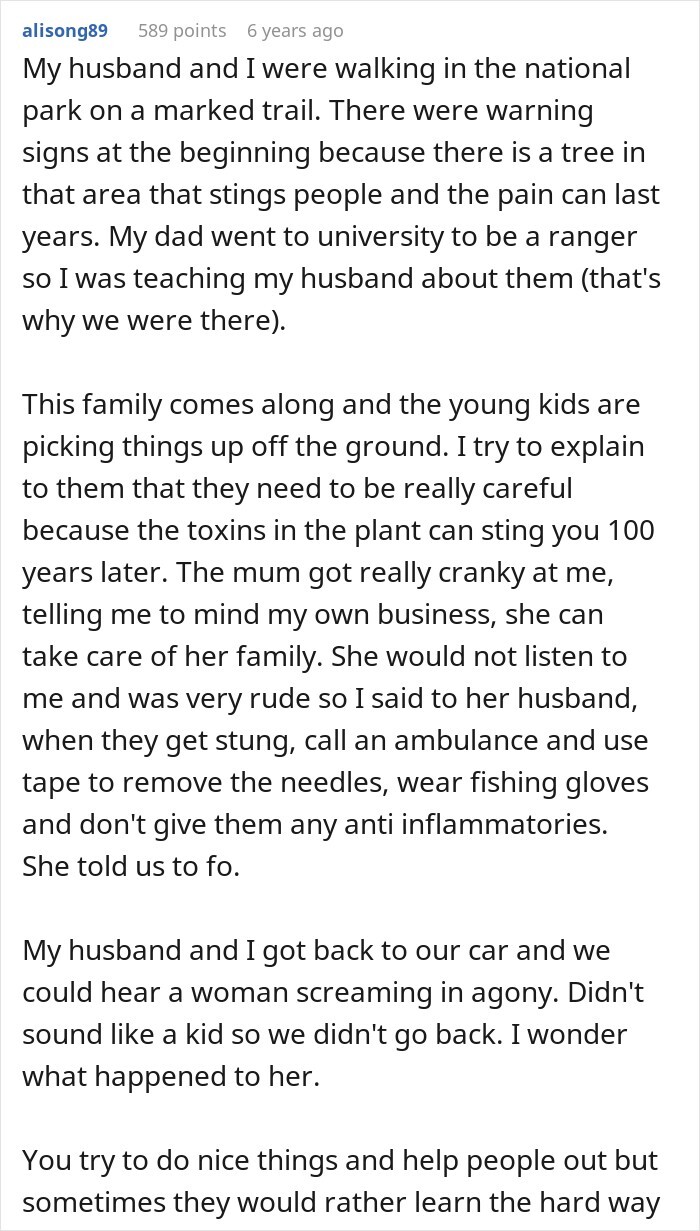
They expressed frustration at the situation, sharing similar stories involving entitled parents
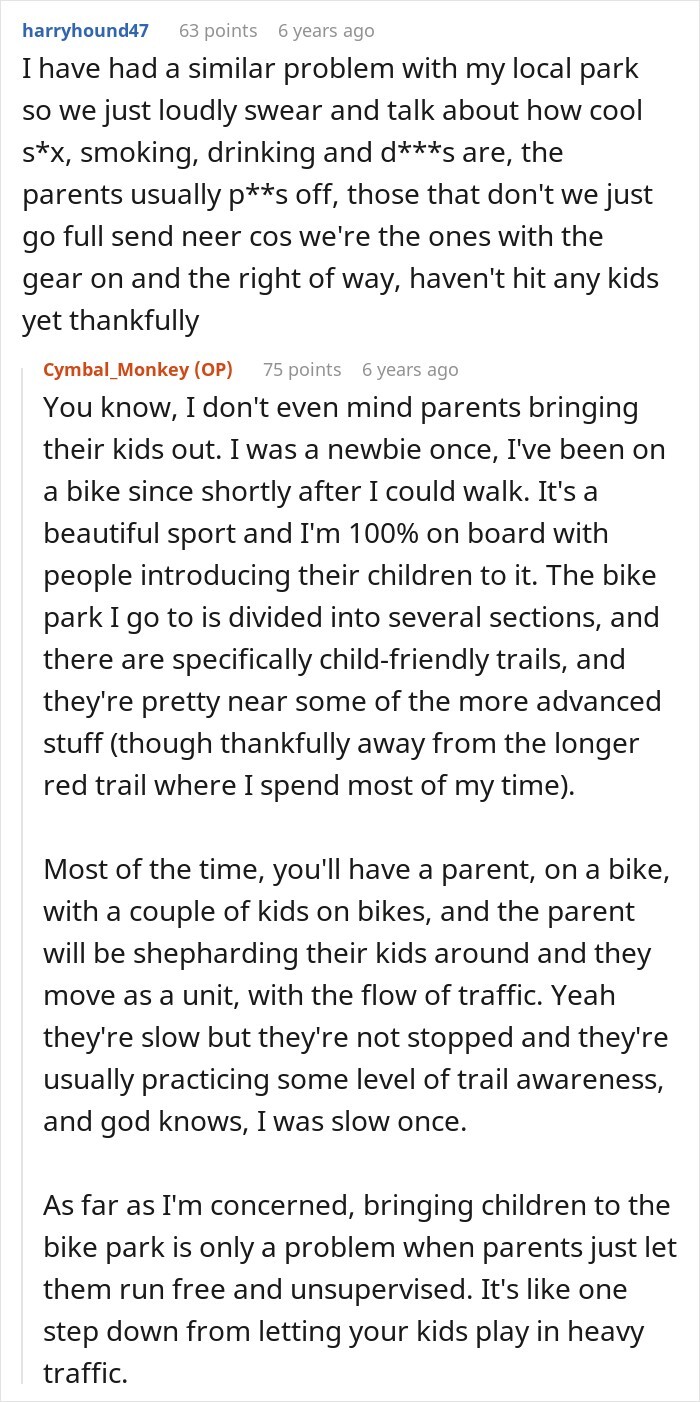
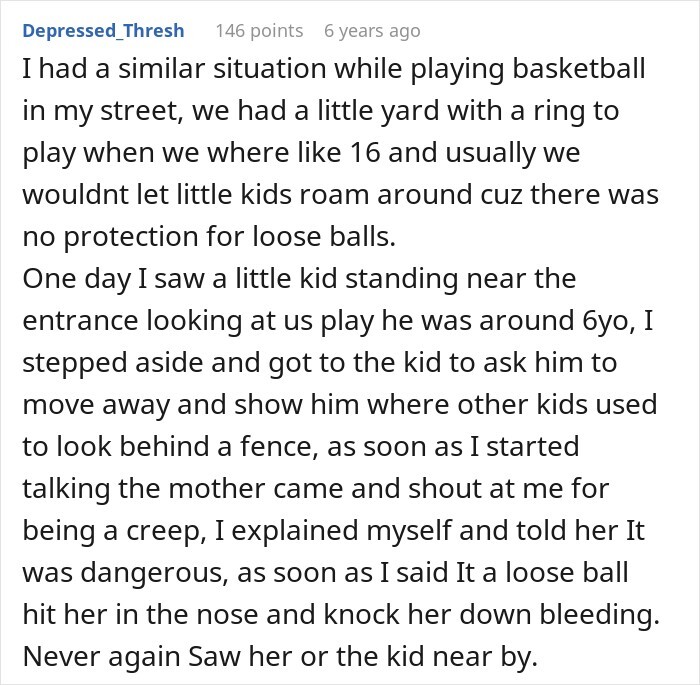
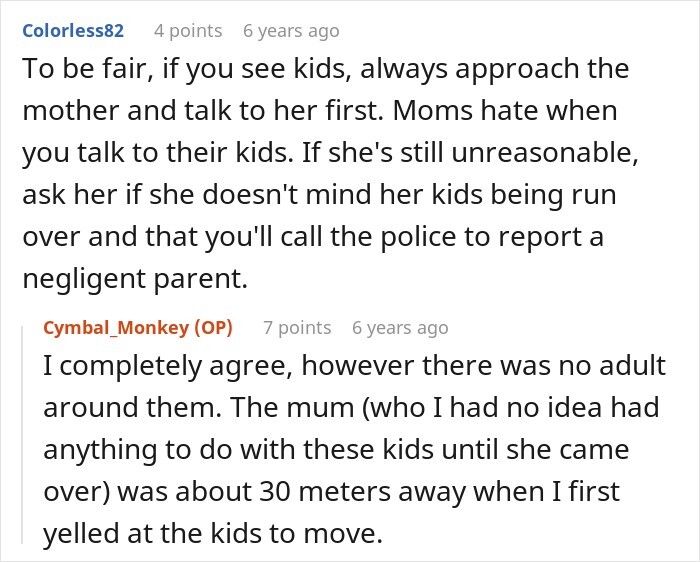
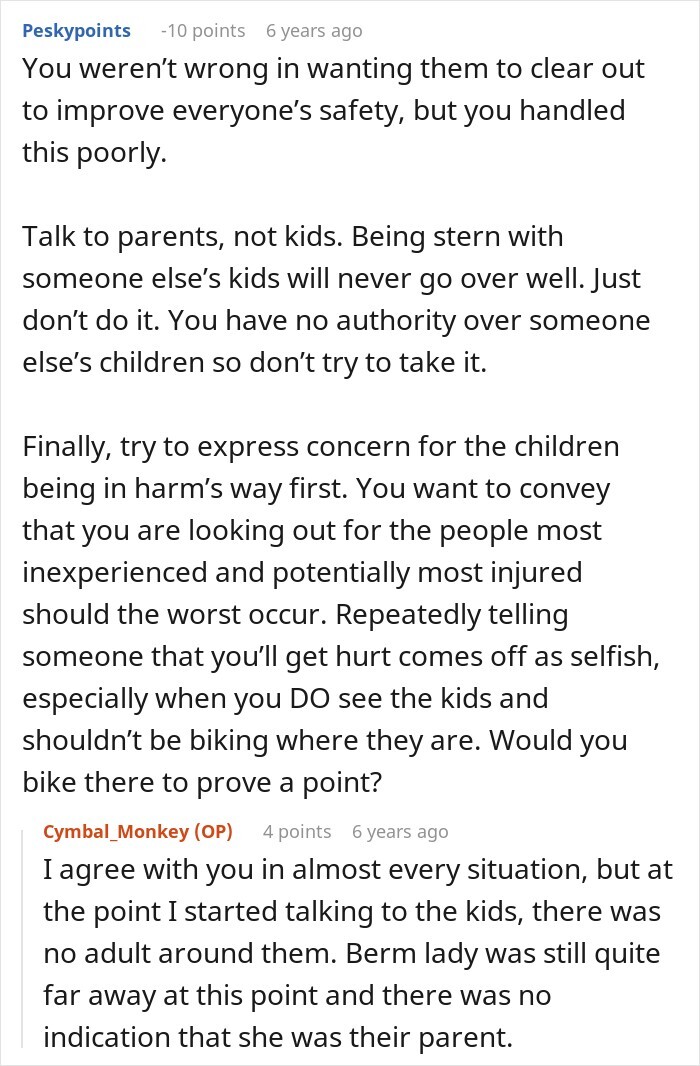
Some netizens called the OP out, insisting that his frustration should have been directed at the kids’ mother and not the kids
 Follow Us