Who doesn’t love a little extra money in their paycheck? Whether it’s a bonus, a commission, or an unexpected reward, seeing a bigger number in your bank account is always a nice surprise. Right, pandas? But what if that extra money wasn’t actually yours to begin with? Would you speak up or quietly enjoy your good fortune?
Well, that’s exactly the situation one worker found themselves in. They noticed their paycheck was unusually generous, but instead of being a one-time surprise, the extra money kept coming. As the weeks turned into months, it became clear that something wasn’t right. And let’s just say the worker had quite a decision to make. Keep reading to find out what happened next.
Getting paid on time and receiving the correct salary is something every employee should be able to count on

stockking / Magnific (not the actual photo)

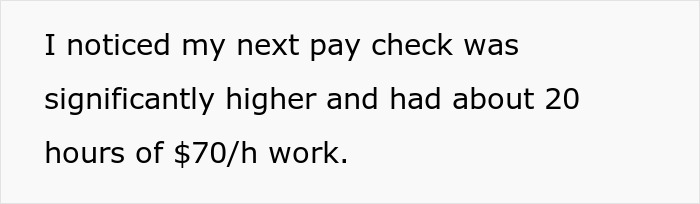
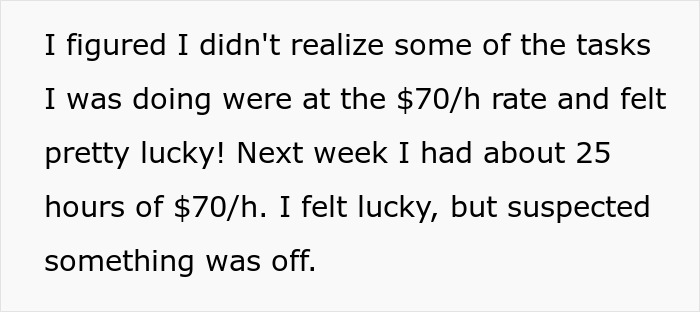
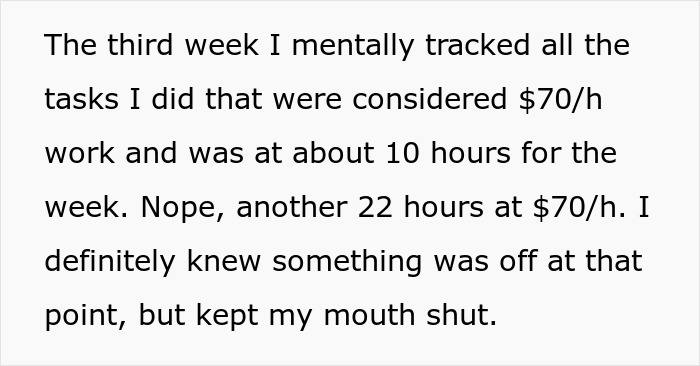
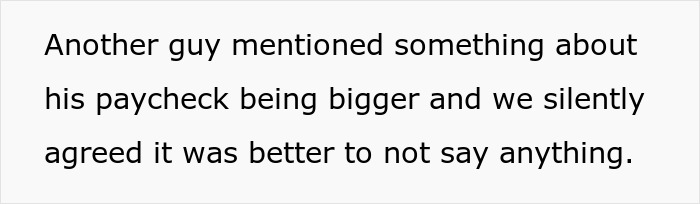
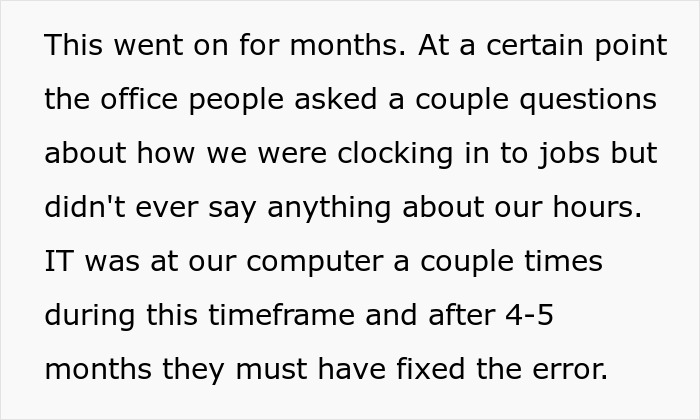
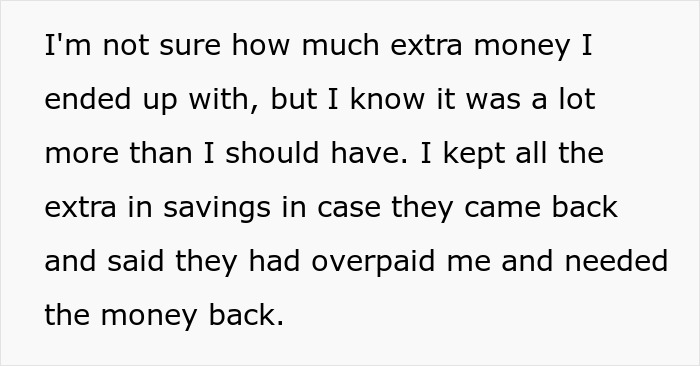
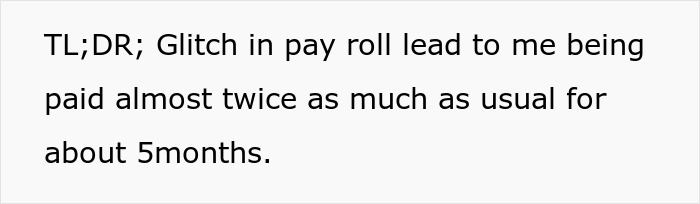
A person shared how a technical glitch in their company’s payroll system resulted in them being overpaid for months

magnific / Magnific (not the actual photo)

jcomp / Magnific (not the actual photo)

The Yuri Arcurs Collection / Magnific (not the actual photo)
People online were quick to share their opinions on the situation
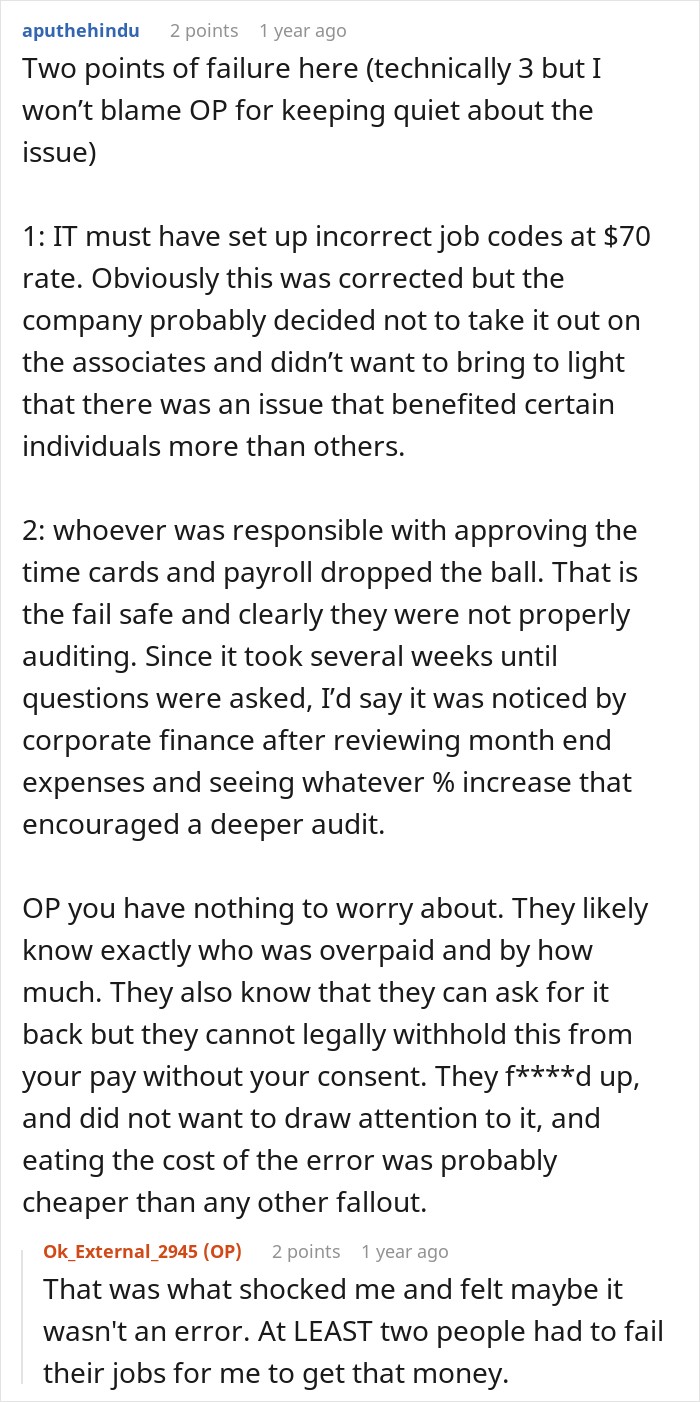
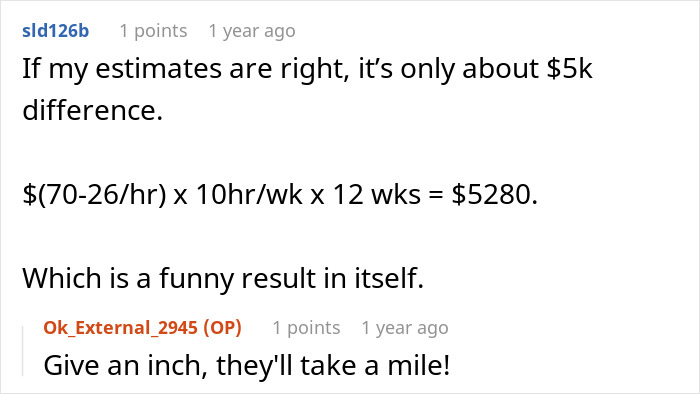
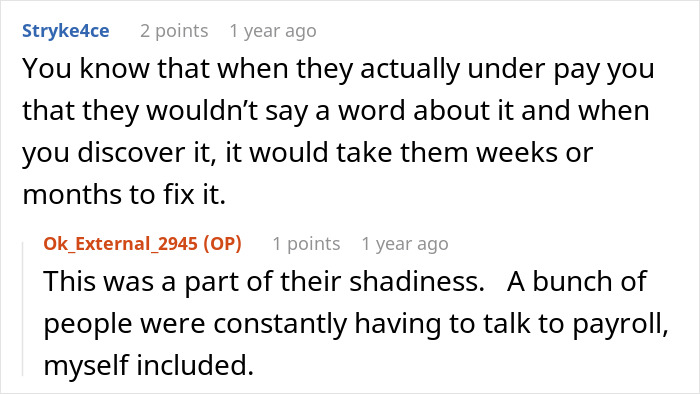
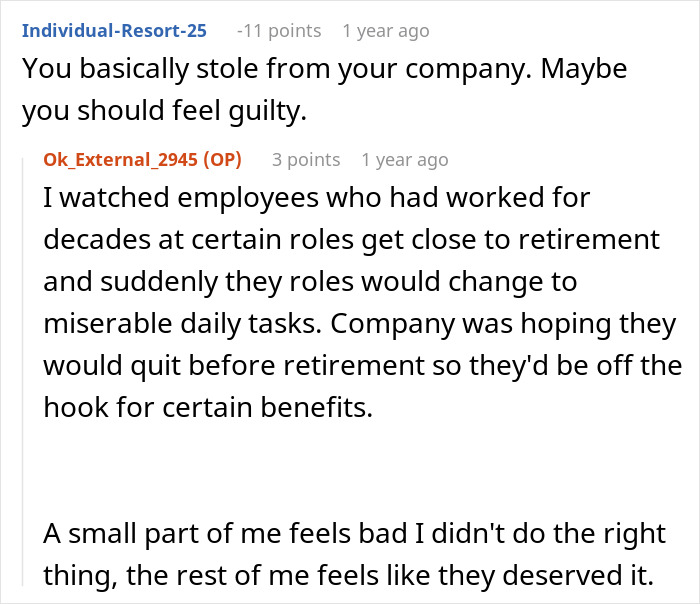

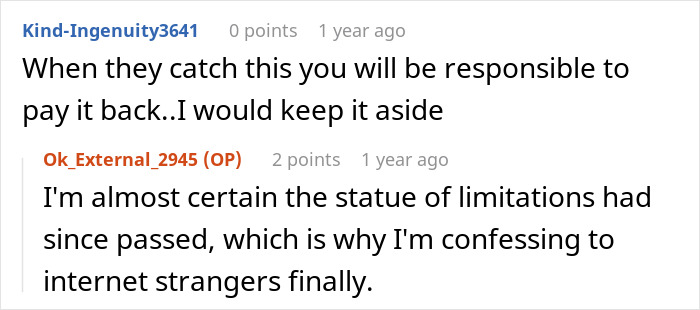
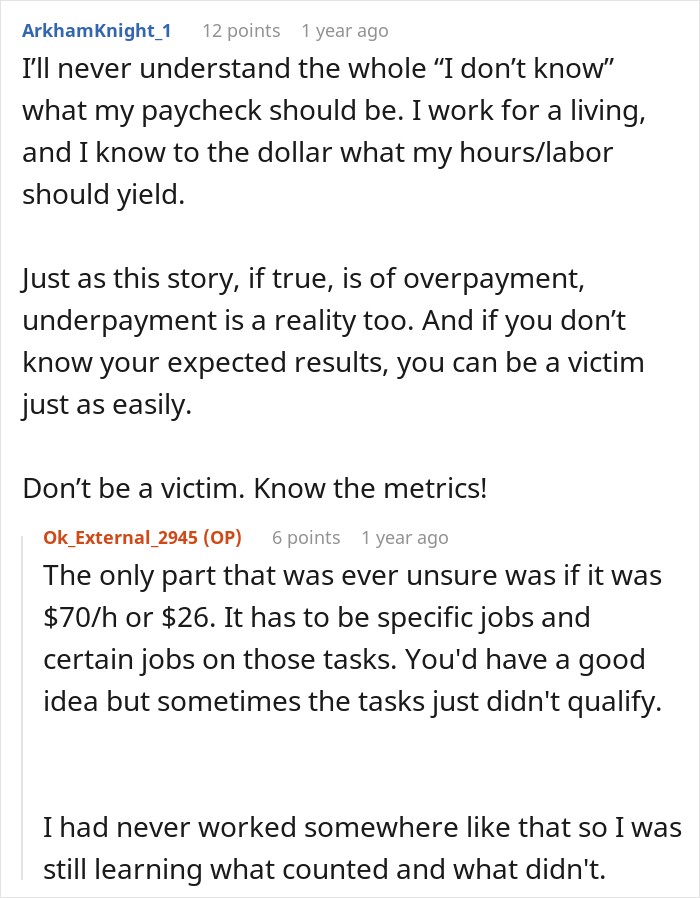

Human error is one of the most common reasons payroll mistakes occur in workplaces
When it comes to salaries, you’d expect companies to get the numbers right. After all, companies have payroll teams, fancy software, and systems designed to handle all those calculations. But believe it or not, mistakes still happen. And sometimes, they go unnoticed for weeks or even months. So, what causes these mix-ups? Well, the reasons can be surprisingly simple.
For starters, there’s human error. According to Forbes, entering the wrong numbers is a common mistake that can lead to payroll problems. Imagine someone accidentally typing $4,500 instead of $5,050. That’s $550 missing from an employee’s paycheck! And when you’re dealing with hundreds of salaries, it’s easy for one little typo to go unnoticed.
Then there’s the whole business of tracking working hours. Maybe someone forgot to clock in, their overtime wasn’t recorded correctly, or the system simply didn’t update their hours. Whatever the reason, the numbers on their paycheck might not match the work they’ve actually done. And let’s be honest, nobody wants to chase their employer for money they’ve already earned, especially when bills are due.
Things can get a little more complicated when bonuses and commissions enter the picture. Unlike a fixed salary, these payments often depend on targets, performance, or sales figures. Get one calculation wrong, and someone could end up with a bigger or smaller paycheck than expected. And while technology is supposed to make all this easier, software glitches and syncing errors can sometimes create problems of their own.
And if you work for an international company, there’s another possible headache: currency conversions. When salaries are calculated in one currency but paid in another, exchange rates and conversion fees can affect the final amount. Of course, not every difference means there’s been a mistake. But if the wrong exchange rate is used, an employee might end up wondering why their salary doesn’t quite add up.

katemangostar / Magnific (not the actual photo)
Employees may be legally required to return wages they’ve been overpaid
Now, here’s something worth knowing. If your employer accidentally pays you more than you’re owed, that money doesn’t automatically become yours. As tempting as it may be to treat it like an unexpected bonus, employers in many countries can legally ask for overpaid wages back. And depending on local employment laws, things can get complicated if the money has already been spent.
Take the United States, for example. Employers may be allowed to recover overpaid wages, sometimes by making deductions from future paychecks. However, rules vary by state, so companies can’t always take back whatever they want. They must follow legal requirements, and employees have rights, too.
In the United Kingdom, employers generally have the right to reclaim accidental salary overpayments. This might involve deductions from future wages or arranging a repayment plan. And you can imagine how stressful that could be. One month, you’re enjoying a little extra money, and the next, you’re being asked to return hundreds or even thousands of pounds. Not exactly the kind of conversation anyone wants to have with HR!
So, what should you do if your paycheck suddenly looks a little different? Well, before jumping to conclusions, check the details. Maybe you’ve received a bonus, a reimbursement, or a salary adjustment you weren’t expecting. But if you still can’t figure out where the extra money came from, it’s probably worth asking your payroll department. And until you know for sure, keeping that amount aside is a sensible idea. After all, spending money you might have to return could create an even bigger headache.
Of course, payroll mistakes can go both ways. While some employees receive too much, others end up being underpaid. And that’s why it’s always worth checking your payslip instead of assuming everything is correct. A quick look at your hours, deductions, and bonuses could help you spot a problem before it turns into something bigger.
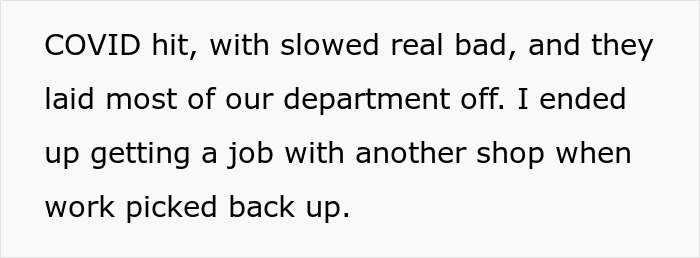
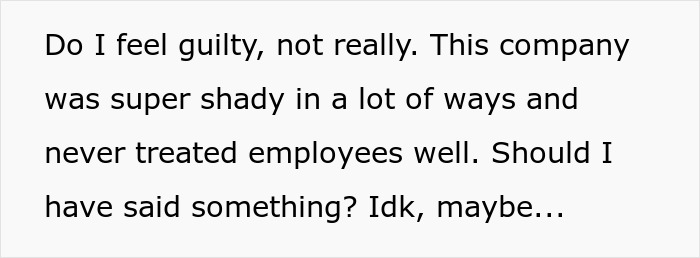
Back to today’s story, the worker noticed a technical glitch was putting extra money into their paycheck. Now, we can probably all understand how tempting it is to stay quiet when your bank account looks healthier than usual. But the company may eventually notice and ask for the money back. So, pandas, what would you have done in this situation? Would you have reported the mistake straight away, or waited to see how things played out? Let us know in the comments below!
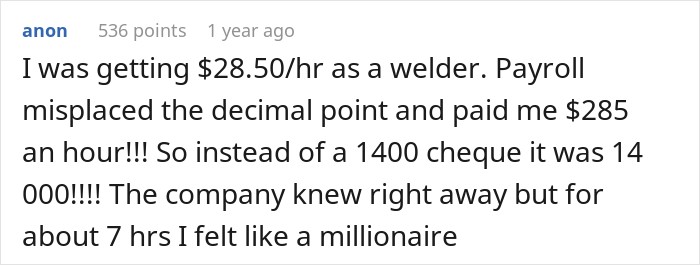
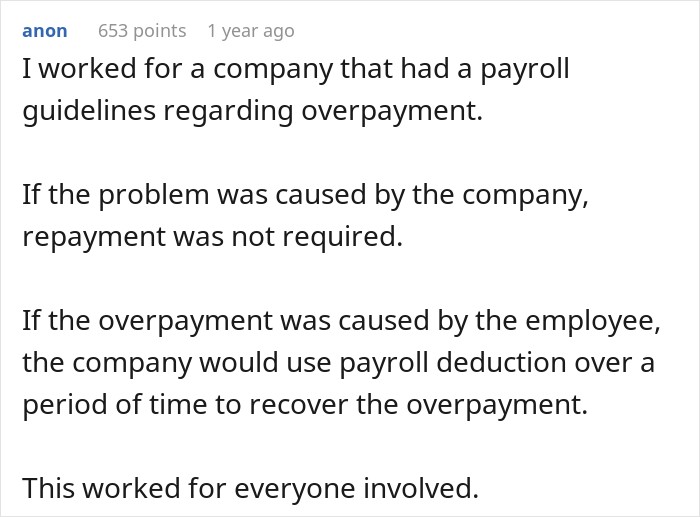
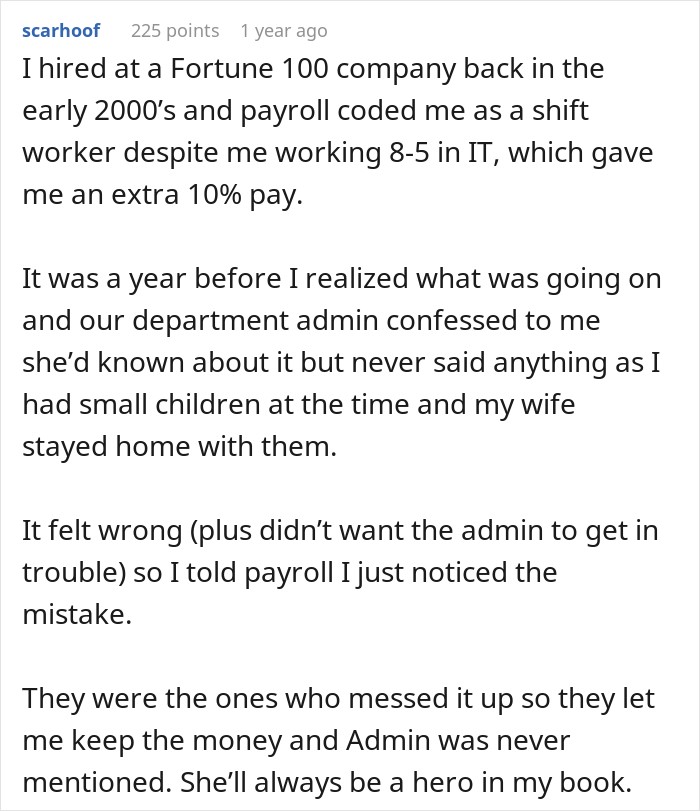
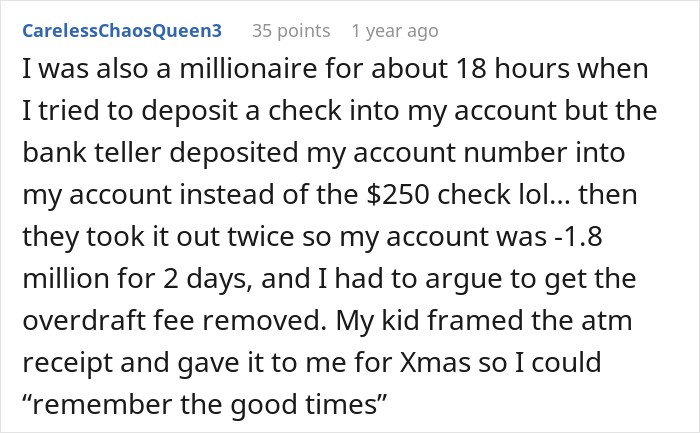
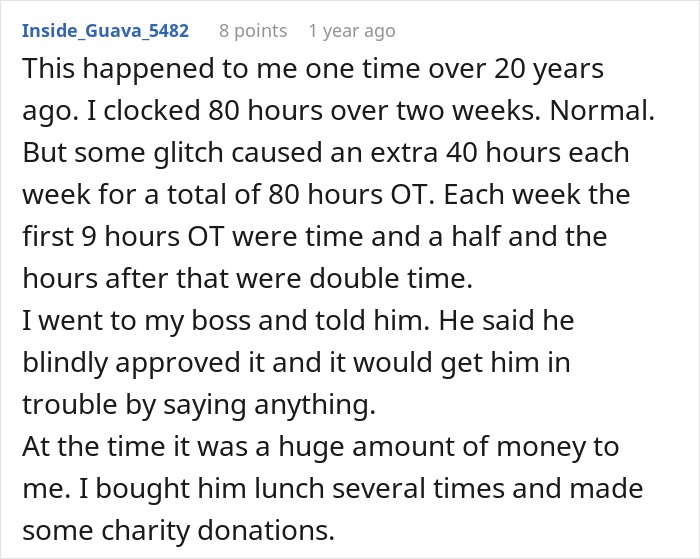
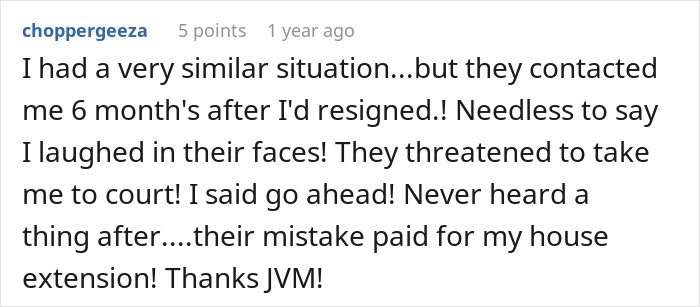
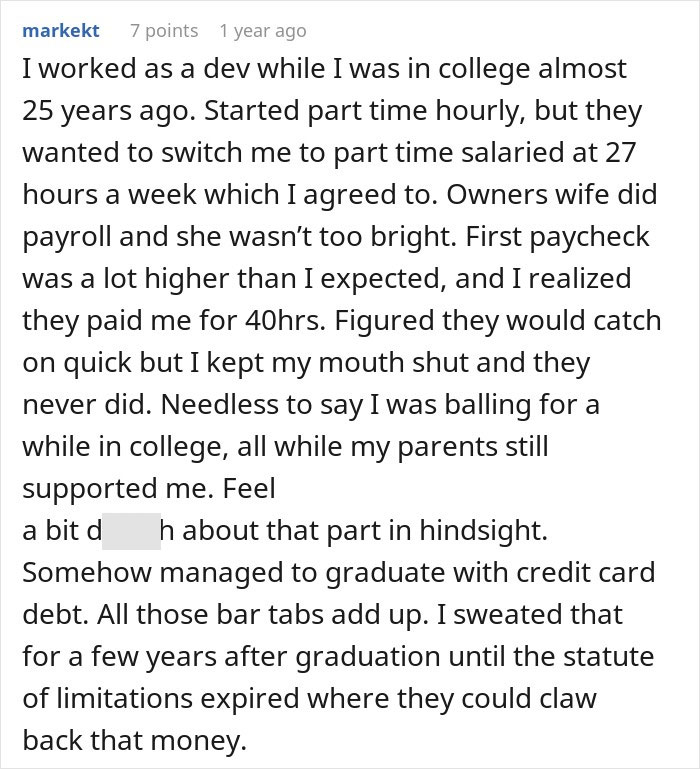
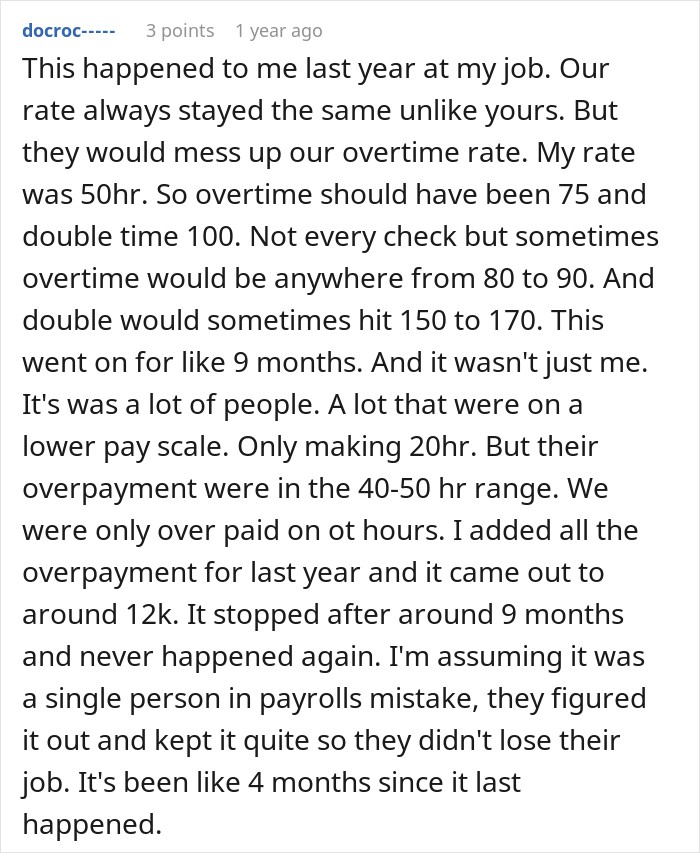
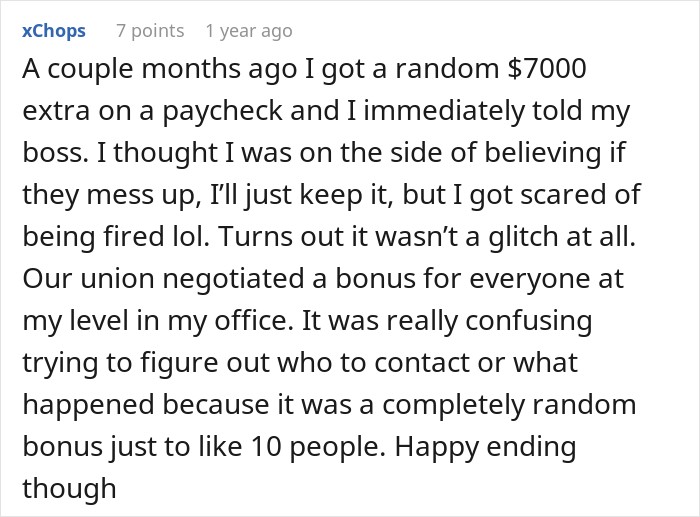
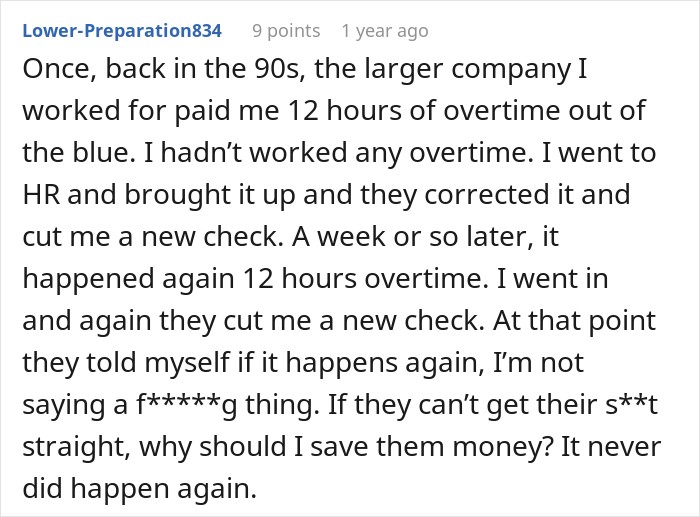
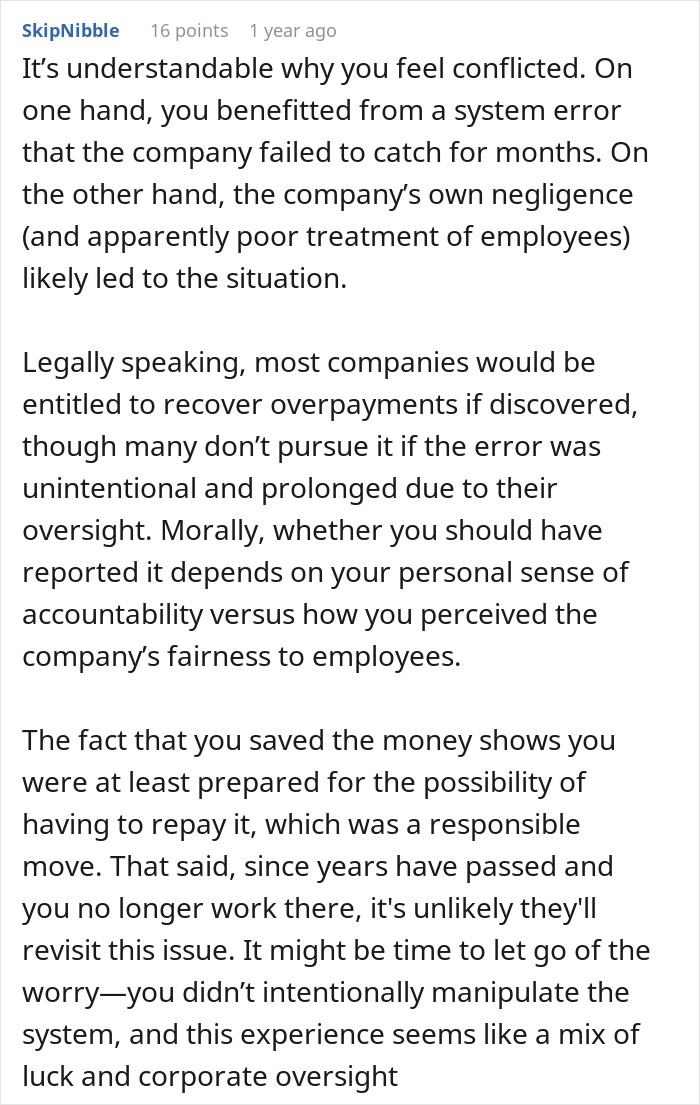
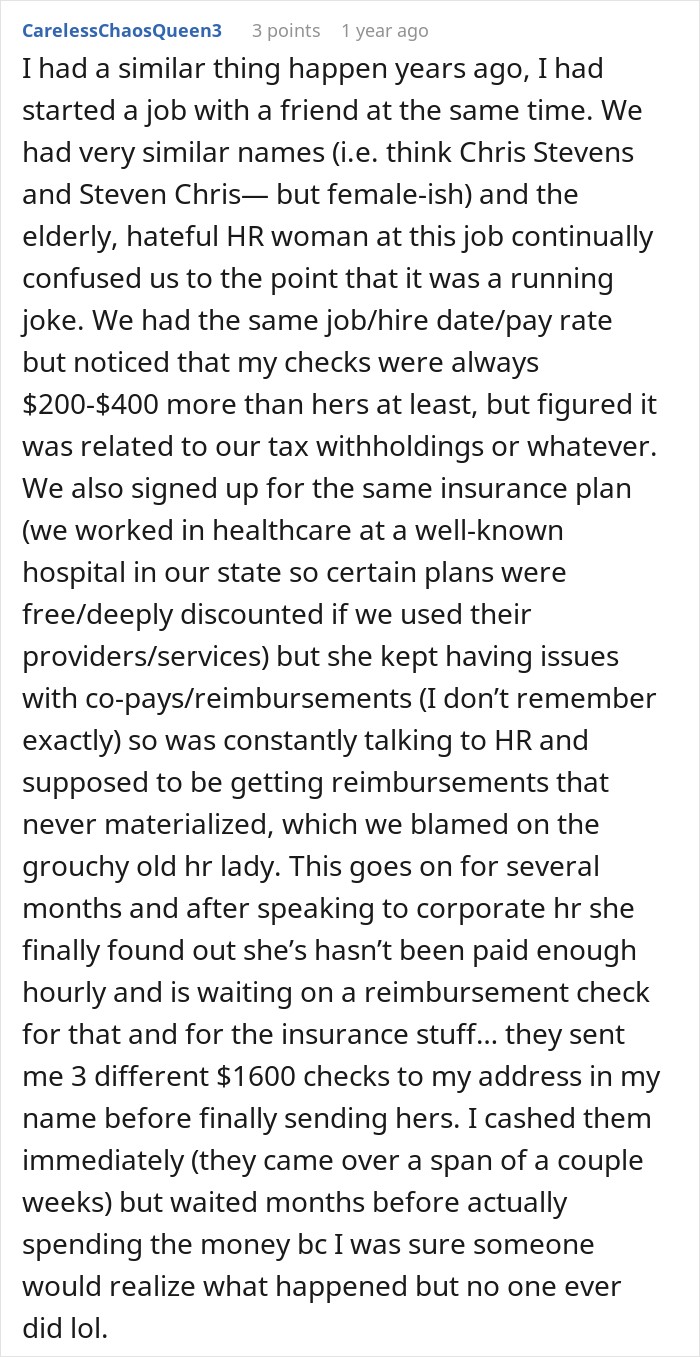
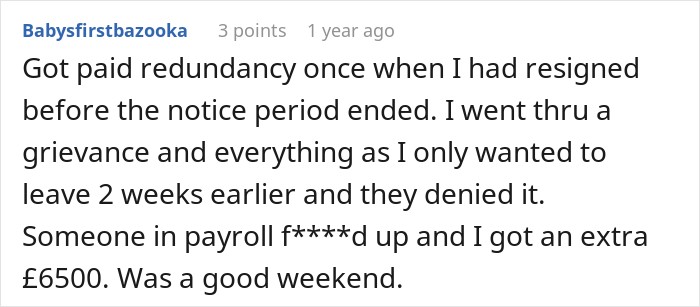
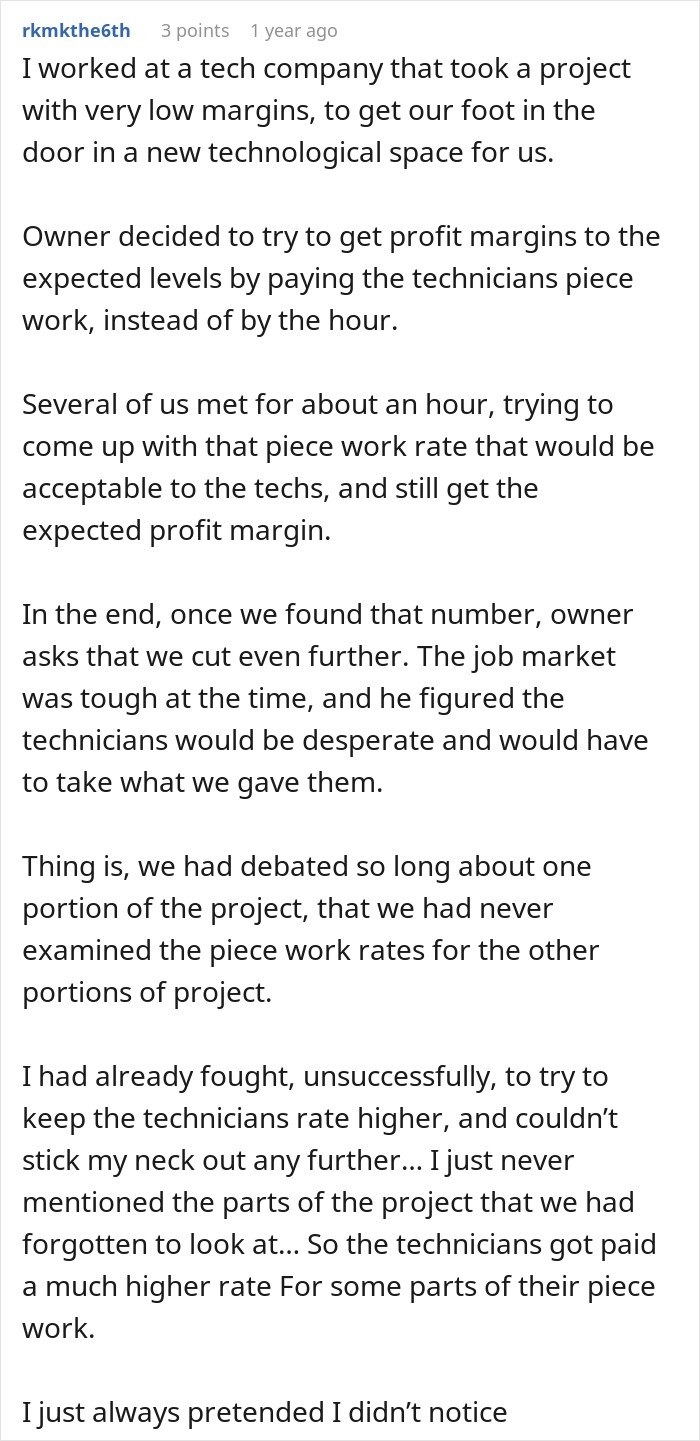
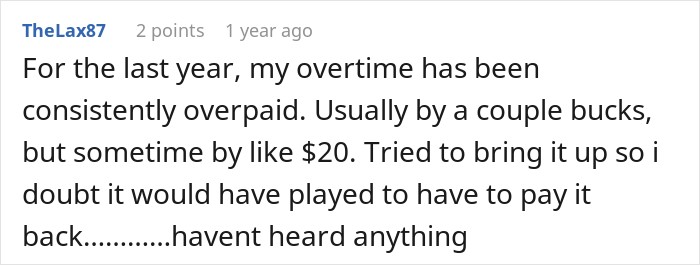
Several others shared similar experiences of receiving unexpected payments



 Follow Us