If you’ve ever worked a 9-to-5 job, you’ve probably heard the same advice: listen to your boss. Even when they’re stressed, unreasonable, or making questionable decisions, most employees figure it’s safer to follow instructions than argue.
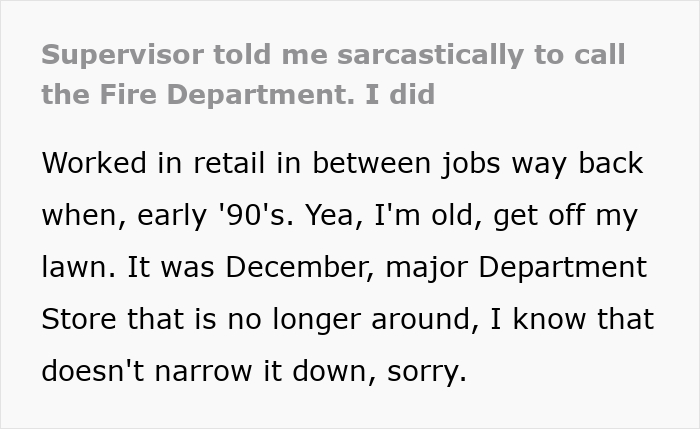
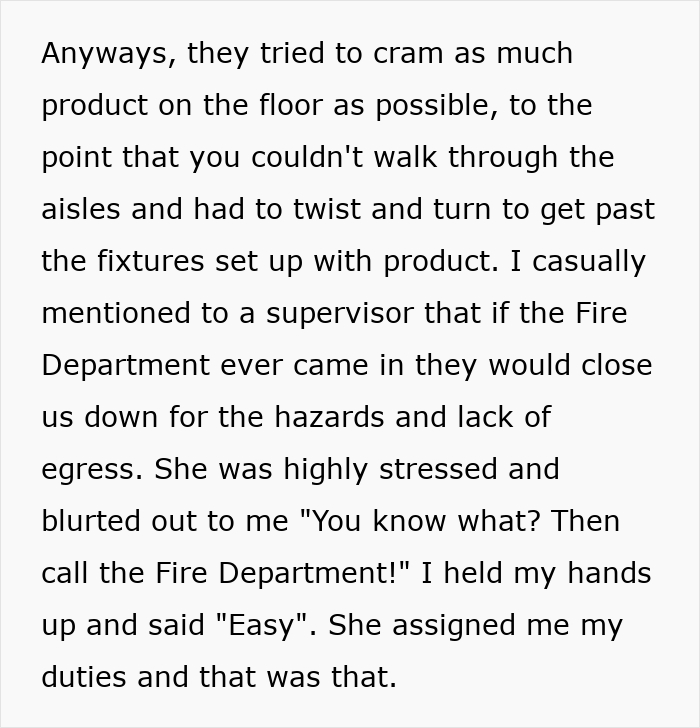
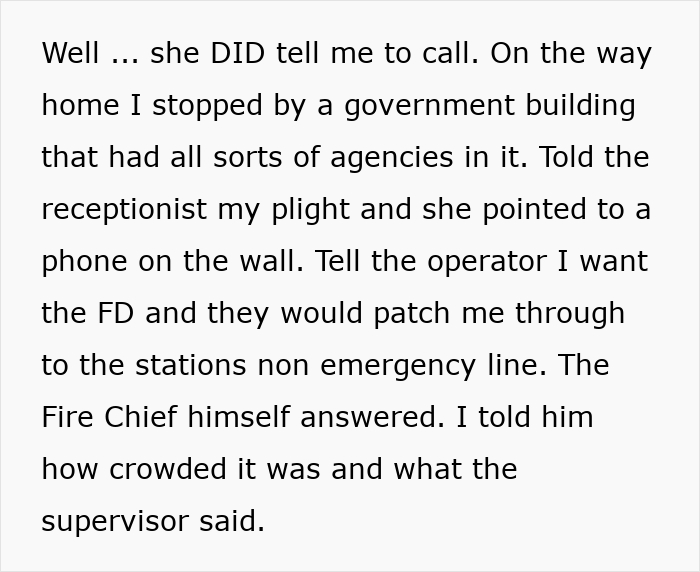
That’s exactly what happened in today’s story. A retail worker noticed a serious safety issue inside a crowded department store and brought it to management’s attention. Instead of addressing the concern, a frustrated supervisor sarcastically told the employee to “call the Fire Department.” So they did. Keep reading to see how one employee’s decision to follow orders to the letter left management dealing with consequences they never saw coming.
Working in retail comes with its fair share of challenges, from difficult customers to workplace drama

Ron Lach / Pexels (not the actual photo)

One retail employee recalled an incident from the ’90s when management brushed off their serious safety concerns

Vitaly Gariev / Pexels (not the actual photo)

Gustavo Fring / Pexels (not the actual photo)
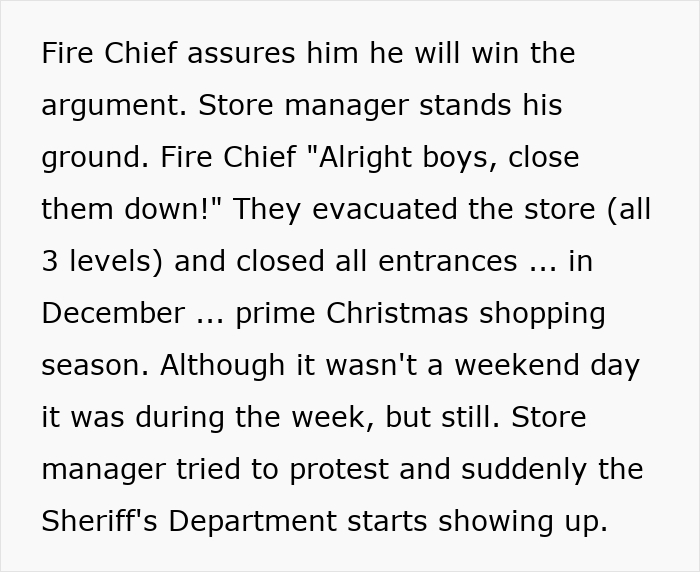
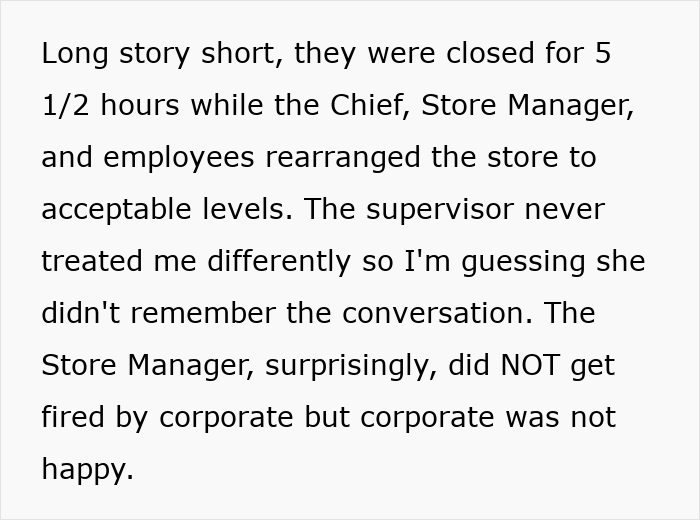
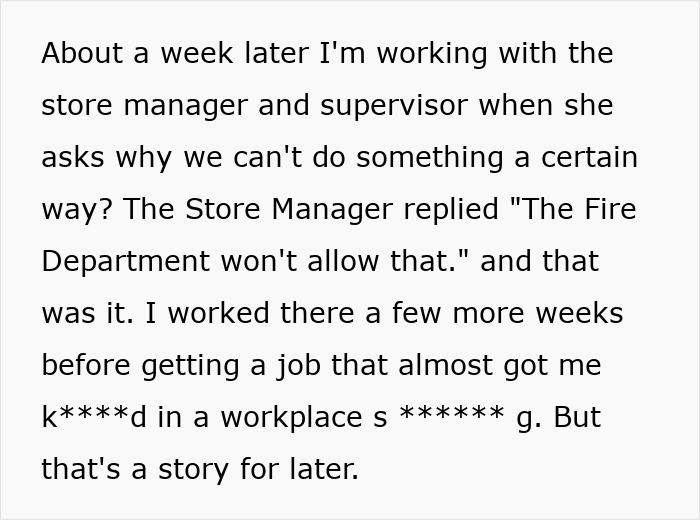

Kampus Production / Pexels (not the actual photo)
A good employee knows how to set healthy boundaries, even with their boss
In today’s story, the employee did exactly what their supervisor told them to do, even if it wasn’t what management expected. But following orders isn’t always the same as being a good employee. Sure, listening to your boss matters, but so does using common sense. Sometimes, doing your job well means questioning instructions, speaking up when something seems wrong, and knowing when a situation needs more attention.
If you’ve ever worked in a healthy environment, you’ve probably noticed that good managers don’t expect people to agree with them all the time. In fact, they often welcome questions, feedback, and new ideas. That’s because the goal isn’t to prove who’s right; it’s to solve problems and get the best results. Employees are often the ones closest to day-to-day operations, so their perspective can be incredibly valuable. A workplace where people feel comfortable sharing ideas tends to run much better than one where everyone stays silent. At the end of the day, a strong employee isn’t someone who blindly agrees with everything. It’s someone who brings both professionalism and critical thinking to the table.
Interestingly, Forbes points out that one sign of a great employee is knowing how to set boundaries. That might sound surprising because many of us grew up believing that the hardest worker is the best worker. But constantly pushing yourself until you’re exhausted isn’t sustainable. Good employees understand that they can’t perform at their best if they’re running on fumes. They know when it’s time to shut the laptop, stop checking emails, and focus on other parts of life. Work-life balance isn’t about caring less about your job; it’s about taking care of yourself so you can continue doing your job well. After all, burnout helps nobody.
The same Forbes article also highlights something many people struggle with: speaking honestly when it’s difficult. After all, blindly following instructions isn’t always the best approach, especially when something seems wrong. Raising concerns respectfully, asking questions, and sharing honest feedback can sometimes prevent much bigger problems down the road.
But here’s the thing: speaking up isn’t always easy, especially when you’re worried about how your boss might react. In her book The Fearless Organization: Creating Psychological Safety in the Workplace for Learning, Innovation, and Growth, Dr. Amy C. Edmondson explores how fear can stop employees from raising important concerns. Think about it. If pointing out a mistake, safety issue, or poor decision could get you into trouble, you’d probably think twice before saying anything. In unhealthy workplaces, people may stay quiet simply to protect themselves. But when employees feel comfortable asking questions and highlighting problems without fear of humiliation or punishment, it creates a healthier environment for everyone.
Ann Francke, chief executive of the Chartered Management Institute, summed it up perfectly in a BBC piece. She said, “If you have a knot in your stomach on Monday morning, constantly cowering in corridors to avoid confrontation or if you are scared to speak up in meetings for fear of retribution, that is toxicity.” Most people can immediately picture what she means. There’s a big difference between normal workplace stress and a genuinely unhealthy work environment. Deadlines can be stressful. Busy weeks can be stressful. Feeling afraid to speak or constantly worrying about someone’s reaction- that’s something else entirely.
Researchers studying workplace culture have reached similar conclusions. Authors of a study described toxic workplaces as environments where narcissistic behavior, aggressive leadership, offensive conduct, and disrespect become part of the culture. In these workplaces, employees often feel undervalued, unheard, and emotionally exhausted. Instead of focusing their energy on doing good work, they spend it managing stress and avoiding conflict. Over time, that can affect morale, productivity, and even people’s mental health. It’s difficult for anyone to thrive in an environment where respect feels optional.

Antoni Shkraba / Pexels (not the actual photo)
Recognizing and addressing problematic behavior is key to maintaining workplace standards
There are also some common warning signs of an unhealthy workplace. Micromanagement is a big one because, let’s face it, nobody likes having someone constantly looking over their shoulder. Other red flags include frequent criticism, dismissive comments, public embarrassment, and managers who refuse to listen to their employees. While these things might seem minor on their own, they can gradually affect someone’s confidence and job satisfaction. After all, everyone deserves to feel respected and trusted at work.
So, what can you do if you’re dealing with a difficult manager? For starters, talking to a trusted colleague or mentor can help you see the situation more clearly. Experts also recommend addressing concerns calmly rather than reacting in the heat of the moment. Having a private conversation, sharing specific examples, and explaining how the behavior affects your work can make a difference. Of course, there’s no guarantee things will improve overnight, but speaking up is often better than letting frustration build.
Just as importantly, protect your own well-being. Work matters, but it shouldn’t consume every part of your life. Setting boundaries, making time for hobbies, spending time with friends and family, and allowing yourself to disconnect after work are all important. When you’re stressed, it’s easy to let work follow you home mentally. But creating some distance can help you regain perspective and think more clearly about what to do next. Sometimes the healthiest thing you can do is remind yourself that your value as a person isn’t defined by your job title.
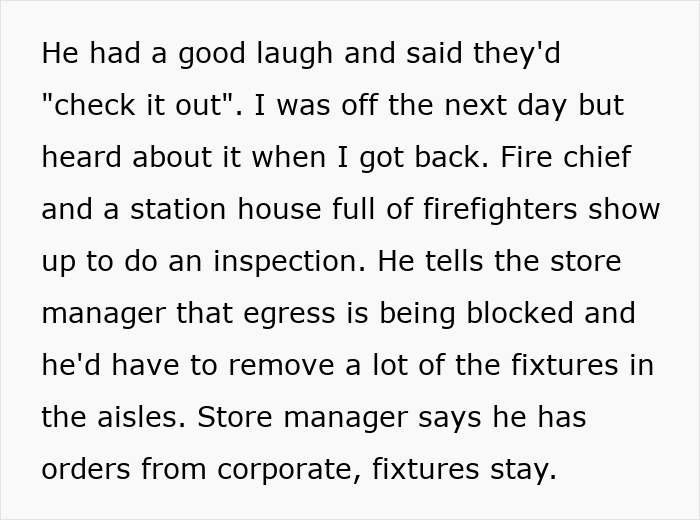
Coming back to today’s story, the supervisor’s dismissive attitude ended up costing the business more than they probably expected. By following the instruction literally, the employee got the fire department involved, leading to a temporary shutdown. While better communication could have prevented the situation, it also shows why genuine safety concerns shouldn’t be brushed aside. And in this case, a little malicious compliance certainly got management’s attention. What do you think, pandas? Was the employee justified, or would you have handled things differently?
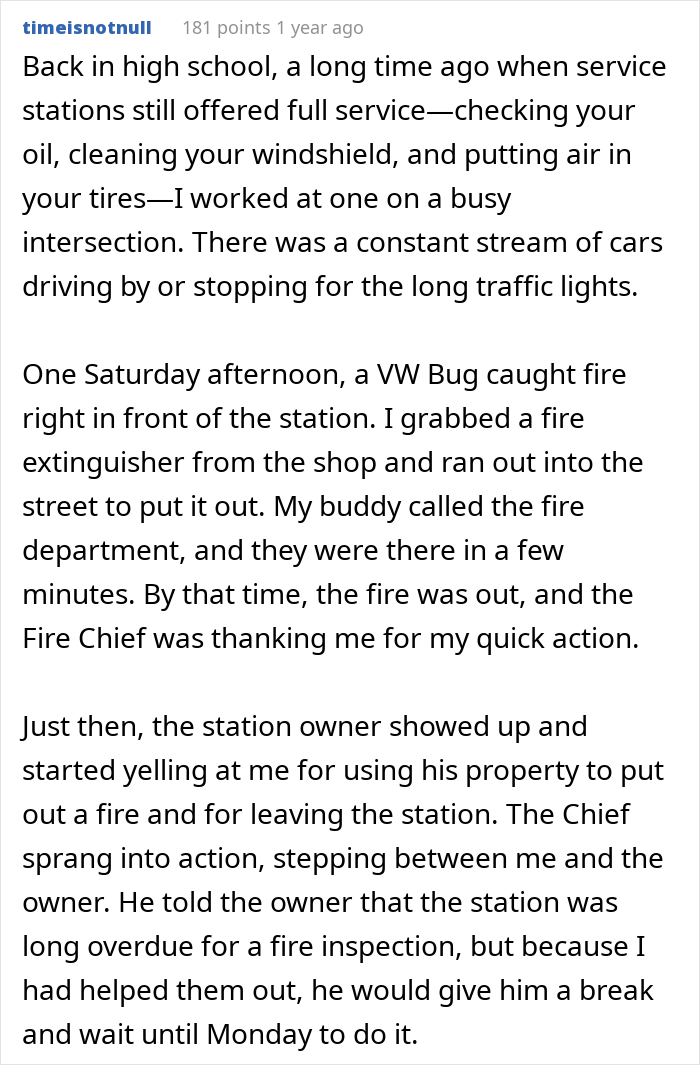
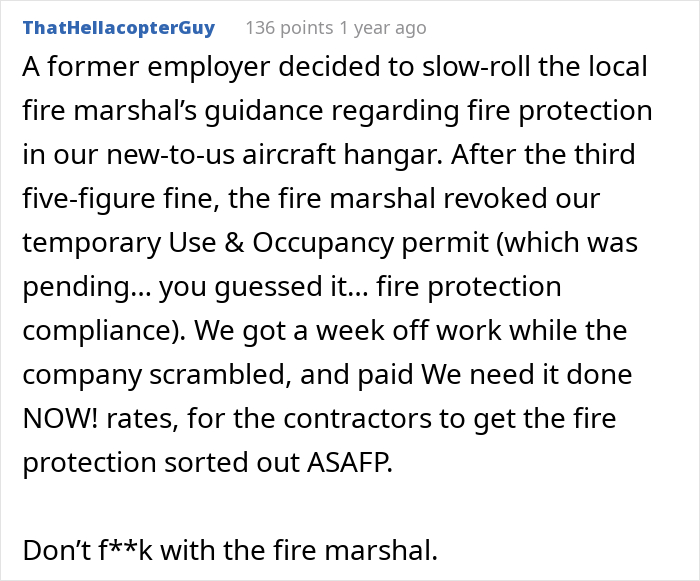
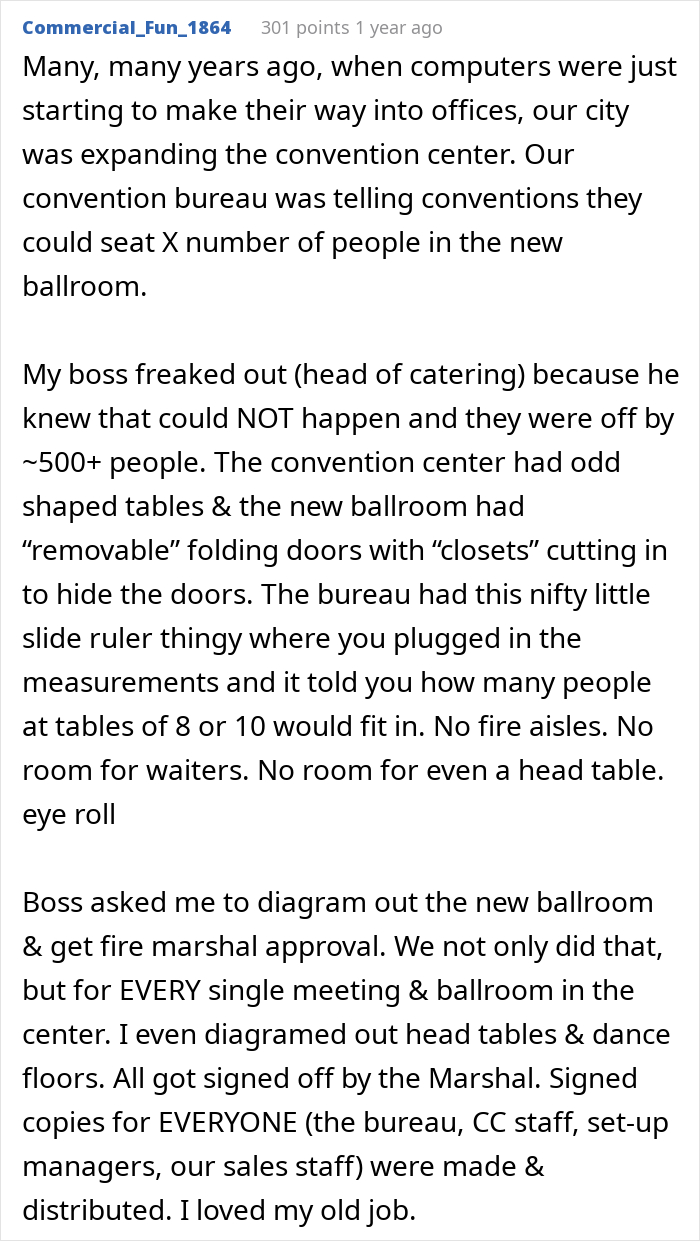
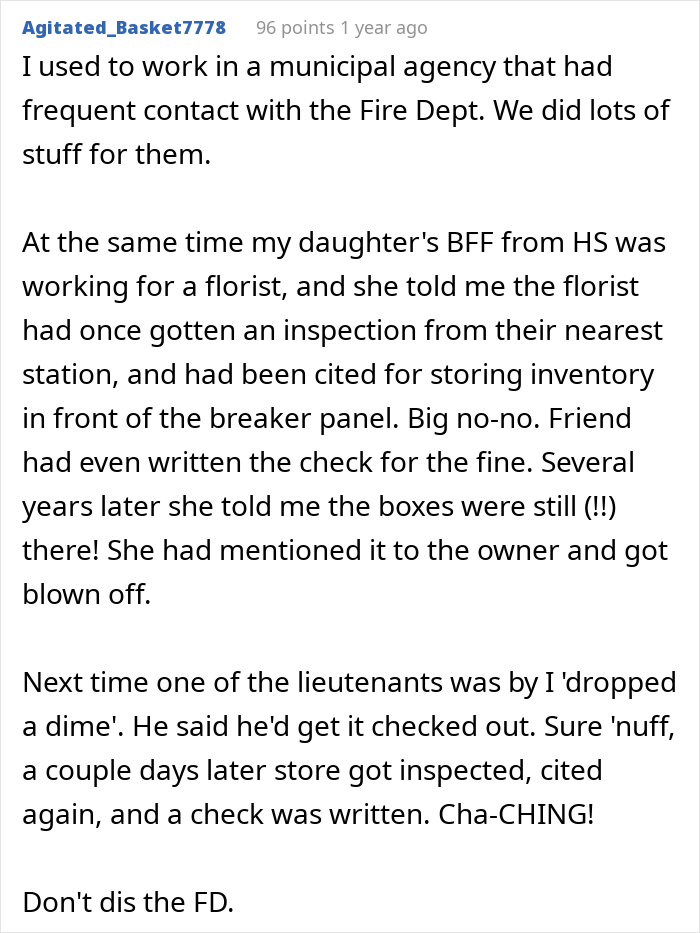
A few people shared similar experiences of having their concerns ignored at work
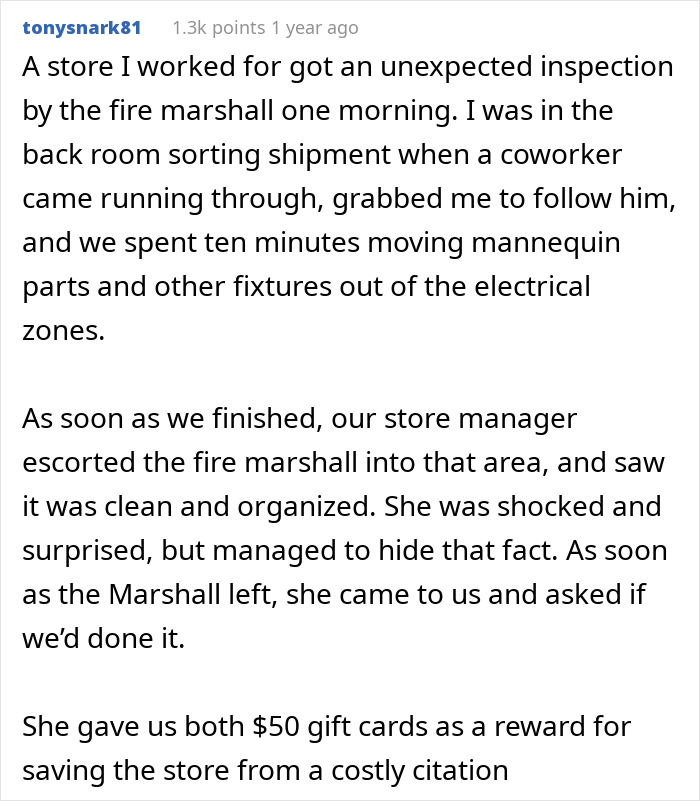
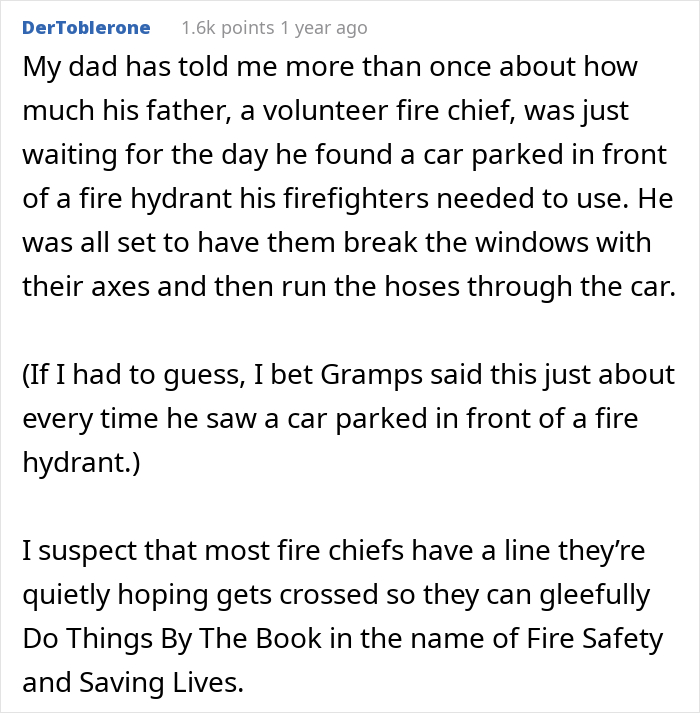
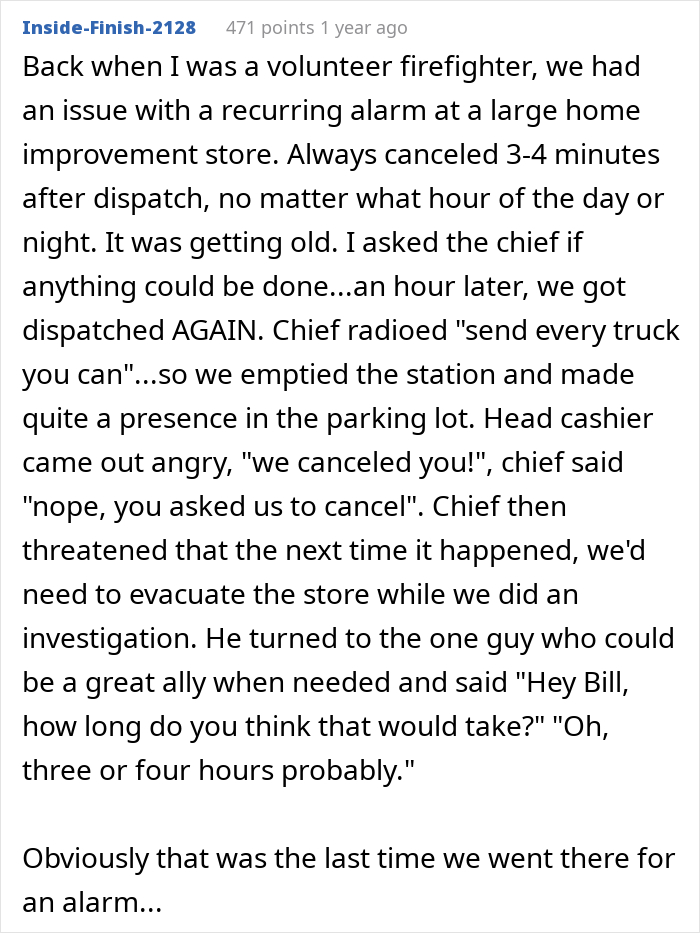
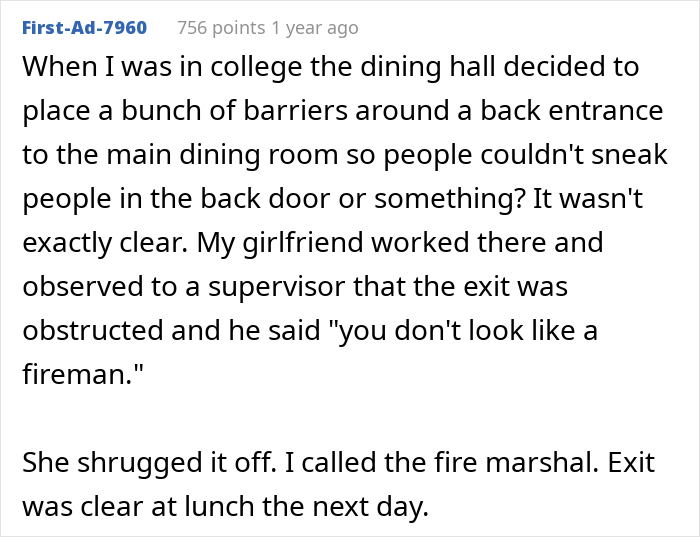
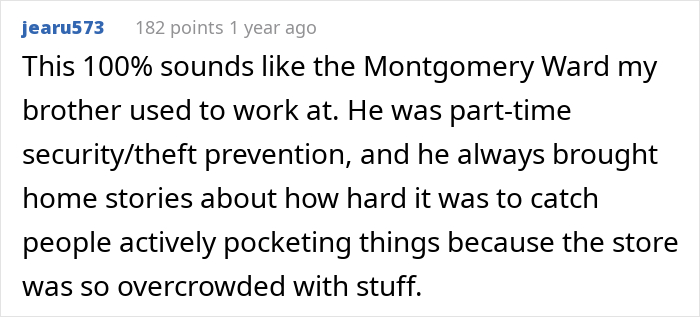

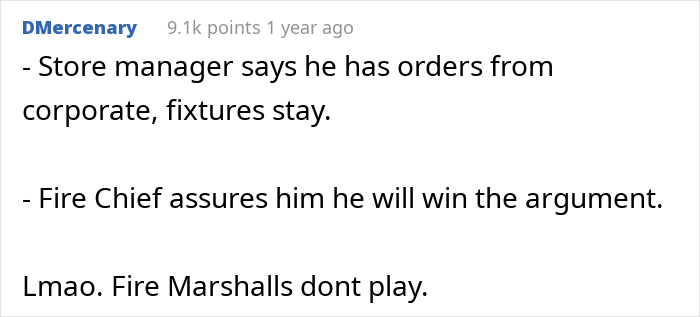
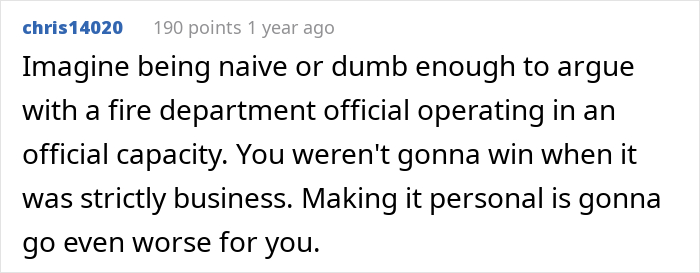
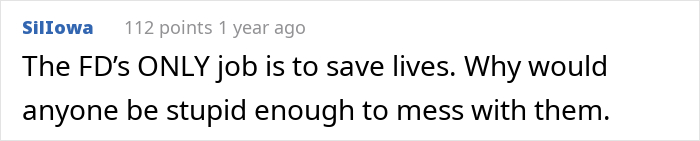
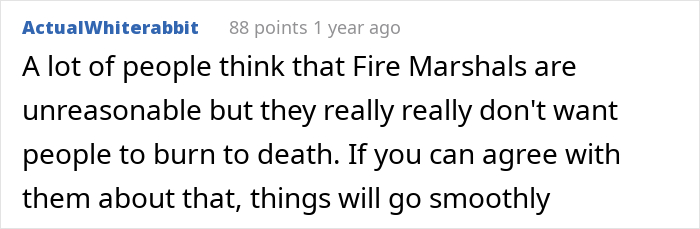
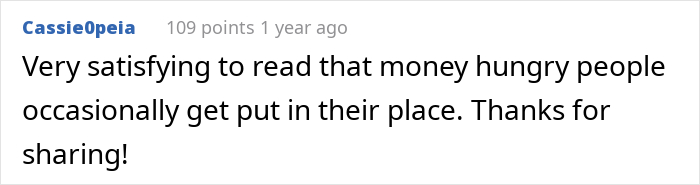
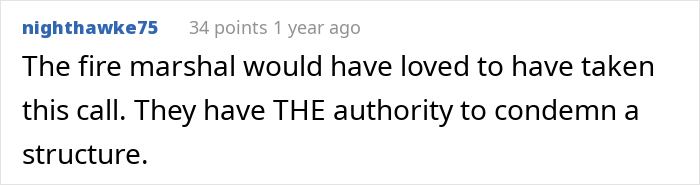
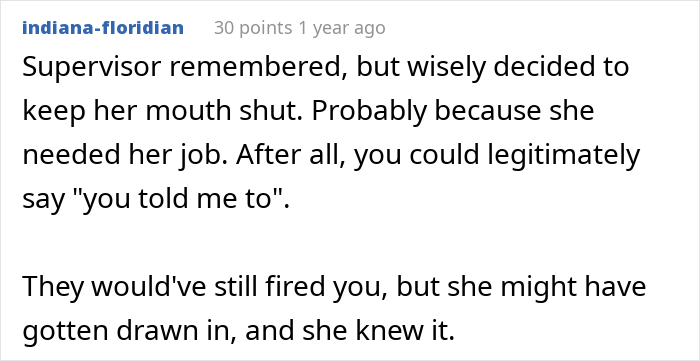
People were pleased with how the situation unfolded and felt management got what it deserved
 Follow Us