A Russian laboratory worker’s passing has sparked global concern after conflicting accounts emerged about what really happened inside a high-security anti-plague institute in Siberia.
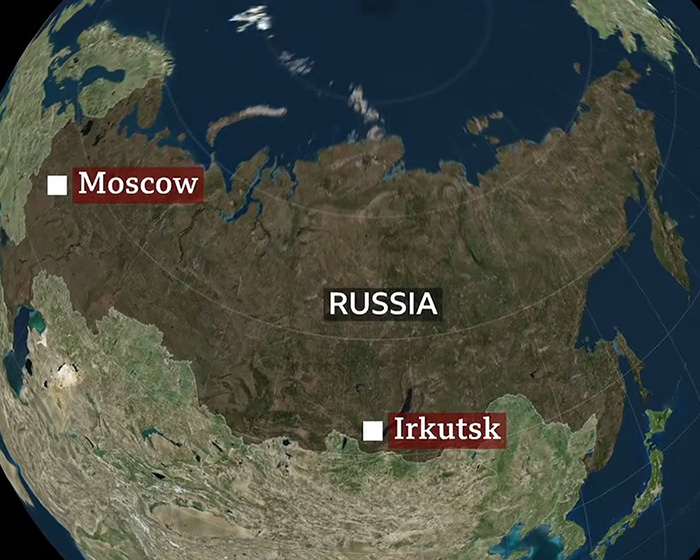
Darya Shipilova lost her life last week on October 2 after developing severe pneumonia and being hospitalized in Shelekhov, near Irkutsk.
Because she worked at the Irkutsk Anti-Plague Research Institute, early reports that she may have been exposed to pneumonic plague prompted authorities to quarantine around 200 people who had been in contact with her.
Now, Darya’s mother, Svetlana Shipilova, has publicly rejected the reported explanation behind her daughter’s passing, alleging she “knows the truth.”
Darya Shipilova passed away after developing severe pneumonia at a Siberian anti-plague institute
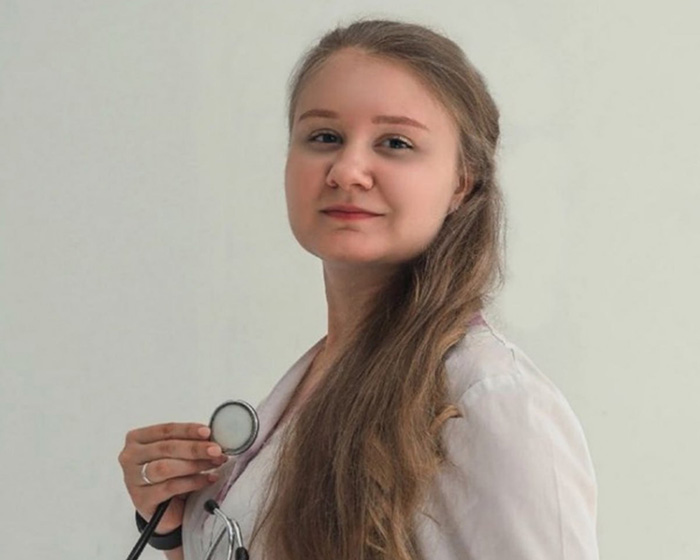
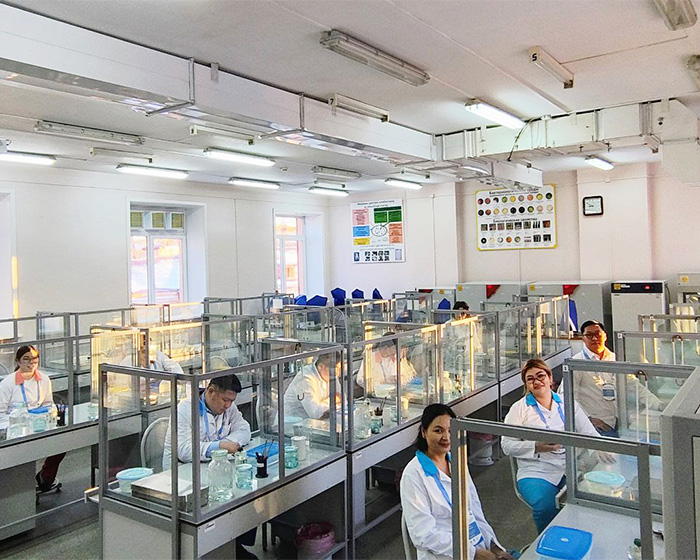
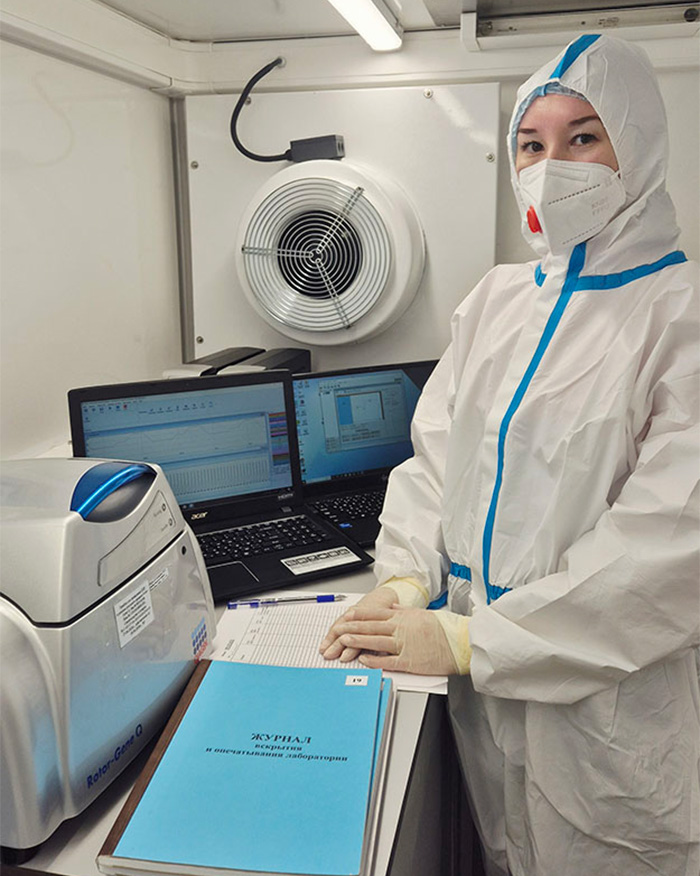
Darya Shipilova worked as a laboratory technician at the Irkutsk Anti-Plague Research Institute, a facility specializing in plague and other high-consequence infectious diseases.
She was reportedly hospitalized on September 29 after developing respiratory symptoms and later required mechanical ventilation until her passing.
Russian authorities have not publicly established a definitive cause of her pneumonia.



The uncertainty became particularly striking because of the response that followed her passing.
Nearly 200 people were initially placed under medical observation or quarantine, including institute staff and others who had potentially been in contact with her.
Several hospitals and facilities also faced precautionary restrictions.
Pneumonic plague is a serious respiratory form of plague caused by Yersinia pestis.
The late scientist’s mother claims she “knows the truth” and rejects the reported account of what happened
Unlike some other forms of plague, it can spread between people through respiratory droplets, but it is treatable with antibiotics when identified and treated promptly.
Despite the precautions, Russia’s federal public health and consumer protection agency, Rospotrebnadzor, has detected no plague infections among Shipilova’s contacts.
Svetlana Shipilova, a healthcare professional herself, has challenged the account circulated in some local reports that her daughter became infected after breaking a test tube containing live bacteria.



Speaking to the independent Russian outlet Glubina while under quarantine, Svetlana said she had not received an official document establishing her daughter’s cause of d**th and questioned how such an accident could have happened in a high-security laboratory.
“I know the truth,” she said. “I’m having to fend off stupid acquaintances who believed all this – the clever ones didn’t believe it, of course.”
According to news.com.au, she added, “Not even all medical professionals understand it’s impossible to break a test tube like that. Even if you fling it at the wall.”
Darya’s friends and former classmates have also questioned the story about her work at the lab
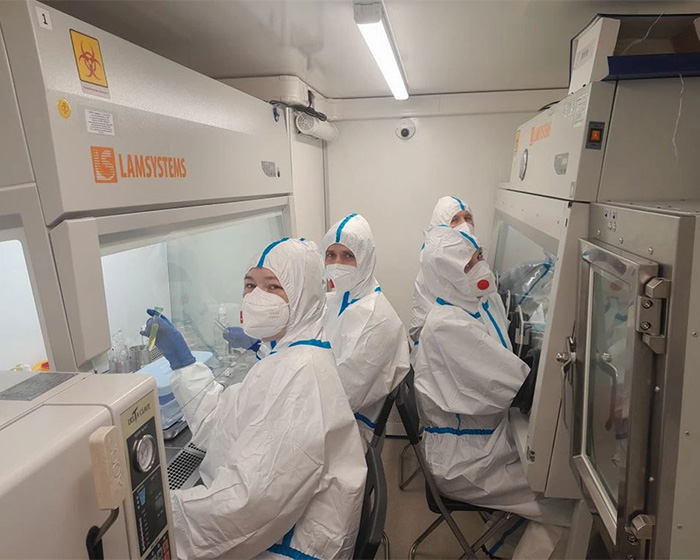
“Only an amateur could say something like that. Even hypothetically, you simply can’t spill what’s inside or break the tube – they’re that well protected.”
Svetlana also expressed anger over the treatment her daughter received before her passing, saying authorities “simply let my daughter d*e.”
She also said the family was struggling with the uncertainty surrounding the tragedy and Darya’s burial, telling reporters that she was still waiting for an official document from Rospotrebnadzor.
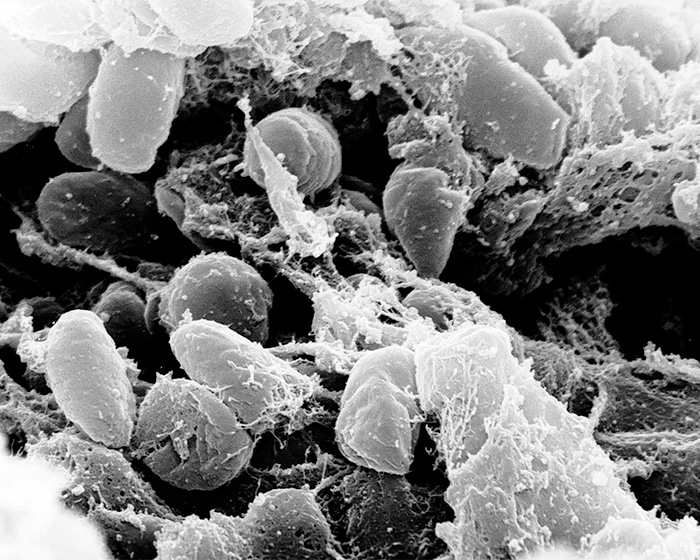
Rocky Mountain Laboratories, NIAID, NIH
“I’m waiting for it to become official. Not just something in the media; it has to be an official document,” she said. “It’s very hard for me right now. This whole spectacle drags on.”
People close to the late 28-year-old scientist have similarly pushed back against the suggestion that she was careless with laboratory safety.
A former school friend told People of Baikal, “They have dragged her name through the mud without even finding out what happened.”
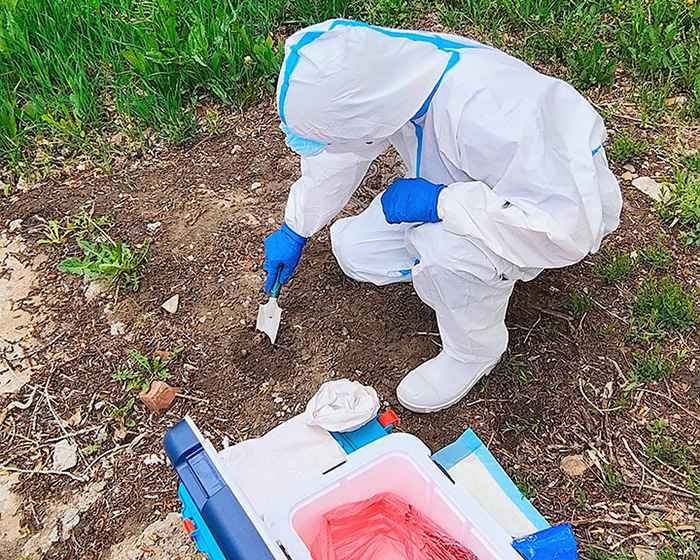
Another friend similarly added, “I can’t square this story with the Dasha [Darya] I knew. It’s as if they are talking about somebody else. Knowing how hardworking and responsible she was, it just doesn’t add up for me.”
An acquaintance who studied in the same department as her told the outlet, “Dasha was really smart. Not many people from our department land jobs at the plague institute… It’s a serious facility. They take everything seriously, and it’s safe.”
The conflicting accounts have added another layer of uncertainty to a case in which even the precise cause of passing remains unknown.
Russian authorities have reportedly withheld Darya’s autopsy results, and her funeral has not yet taken place
Rospotrebnadzor said on Wednesday, October 7, that there was no risk of an epidemic and that it was winding down the precautionary measures introduced after Darya’s tragic passing.
Nearly 5,000 tests among people connected to the case reportedly found no dangerous pathogens, and about 90% of those initially quarantined had been released.
The World Health Organization has also said the available information does not indicate a broader public-health risk, while continuing to seek more details from Russia about what caused Shipilova’s passing.

WHO Director-General Tedros Adhanom Ghebreyesus said more detailed and timely information was needed to properly understand the potential health risk.
For Darya’s mother and those who knew her, however, the unanswered questions have made an already devastating loss even harder to process.
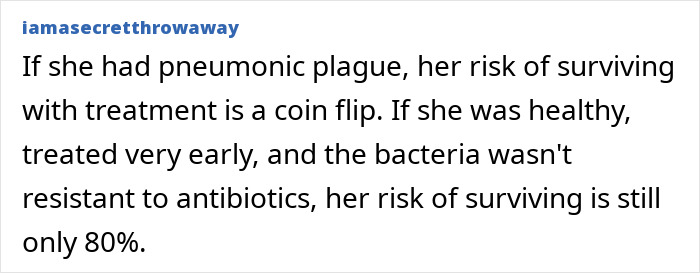
“This smells fishy… the theory of what really happened is getting sickening,” one netizen wrote



















 Follow Us