Medical knowledge is constantly and rapidly evolving. Practices considered safe or effective 20 years ago may not be today, and vice versa. The problem, however, is the potentially serious consequences of sticking to those methods.
This was the topic of discussion in a recent Reddit thread when someone asked, “Medical professionals, which medical practice has been changed because it turned out ot be terribly wrong?” Different people chimed in, including those outside the profession.
As you read these responses, you may also see how much society as a whole has evolved. Scroll through and feel free to join the conversation in the comment boxes below.
#1
So turns out women, babies, and minorities, can also feel pain! Who would have thought right?

Image source: Kermit_the_hog, stefamerpik

#2
It took them like…way too long to figure out that sticking their dirty hands in peoples wounds was making them get infections. In fact, the doctor that pretty much discovered germ theory was ostracized and ridiculed by his colleagues and eventually tricked into being committed to an insane asylum where he was beaten and ultimately passed from gangrene. All because he told his colleagues to wash their hands before delivering babies.

Image source: 32FlavorsofCrazy, Sean Horsburgh
#3
Gay conversion therapy.

Image source: emergencydoc69, Raphael Renter | @raphi_rawr
#4
Surgeries on infants with no anesthesia.

Image source: Hezcam, Getty Images
#5
Delaying exposure to peanuts in children.

Image source: hyperpensive
#6
Thalidomide is no longer used to treat morning sickness.

Image source: CakeDayOrDeath, Felipe Salgado
#7
The most recent one that came to light was that early intubation for hypoxic COVID patients was the wrong thing to do. It wasn’t anyone’s fault, the first COVID strain acted very oddly as a respiratory illness. People were coming in with very low oxygen levels and breathing way too hard. Usually this is a clear cut indication to put in a breathing tube. Turns out that these COVID patients could actually keep going like this for longer than expected.
Edit: Should clarify, I’m a physician who worked in NYC during the worst of the initial COVID outbreak. I’m not trying to point fingers, we didn’t what we thought was right at the time and I was one of the ones doing it. That’s how science works, sometimes you have to learn new things from mistakes that didn’t seem like mistakes at the time.
Edit edit: deleted the phrase “intubating them made them worse.” This was poorly worded. As people have pointed out, the evidence did not show a mortality difference or major morbidity measures. However other harder to study measures, things like barotrauma, VAP, tracheal stenosis, chronic volu/barotrauama related lung condition risk are just naturally higher when intubated than not. We intubated a lot of people in retrospect we didn’t need to. It didn’t make more of them pass away, but it was unnecessary.
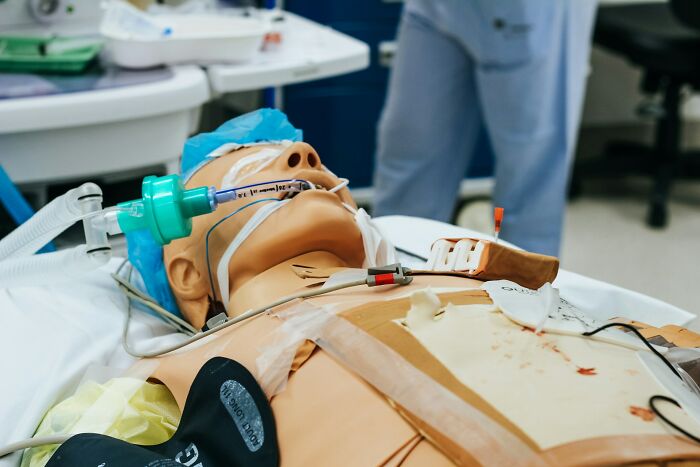
Image source: gonesoon7, Tim Cooper
#8
Lobotomies.
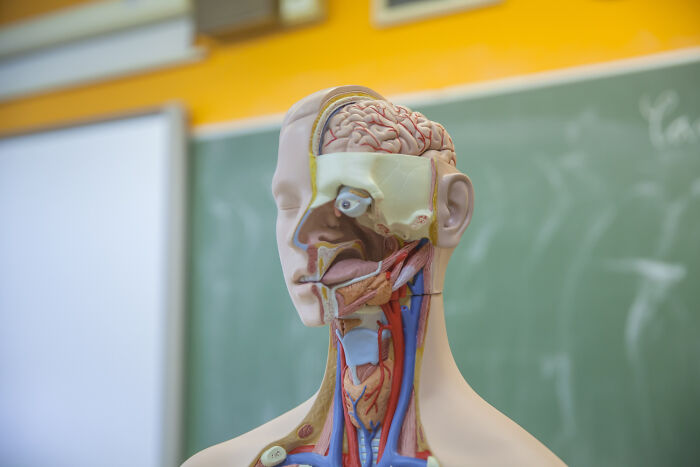
Image source: BoonOfTheWolf, wirestock
#9
Not a medical professional but they use to give premature babies 100% oxygen – which sounded like a good idea, unfortunately it made alot of those babies blind and one of those babies was Stevie Wonder.

Image source: Status-Tumblewed628, BBC Sounds
#10
Using race when calculating kidney function.
For GFR calculation, during most of my career, the only options were black or non black. If you selected black, it would make it look like their kidney function was much better than it actually was. The premise was that black people had a naturally higher muscle mass than other races so they’d have a higher natural creatinine level.
The issue is that black folks have an almost 50% higher risk of kidney dysfunction vs other Americans and since the calculation made it look like they had better kidney function than they did, it would make them move down on the organ donation list and make them less likely to get a donor kidney. A few years ago, most GFR calculators were changed to not include race.

Image source: NuclearEnt, National Cancer Institute
#11
Before the discovery of insulin in 1922, children diagnosed with type 1 diabetes were put on starvation diets to prolong their lives. It didn’t really do much good – they were going to pass away within months to a year regardless.
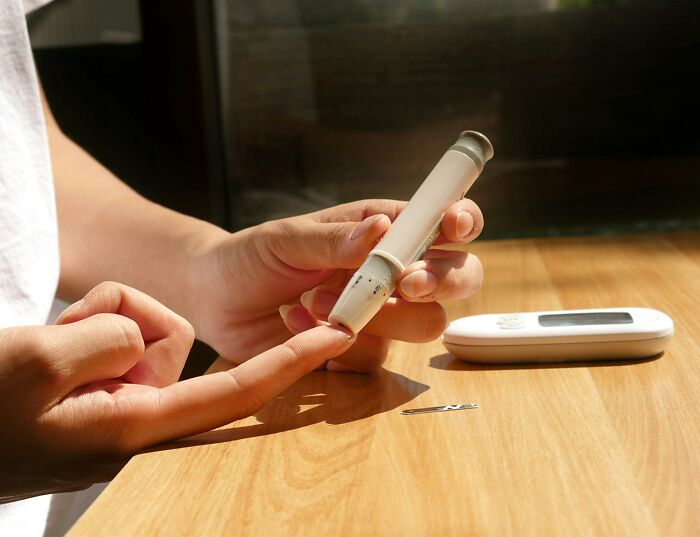
Image source: CinderellaFarted, isens usa
#12
Can someone comment on the prophylactic removal of tonsils in children?
It was so routine that my three older siblings had it done automatically, but by the time I came along it was much less common.
I can’t think of even one of my son’s friends who’s had it done.
weaselodeath:
Mostly they stopped doing it as frequently because the fatality rate for the surgery is not 0% and never will be. Now they pretty much only do it for airway issues.
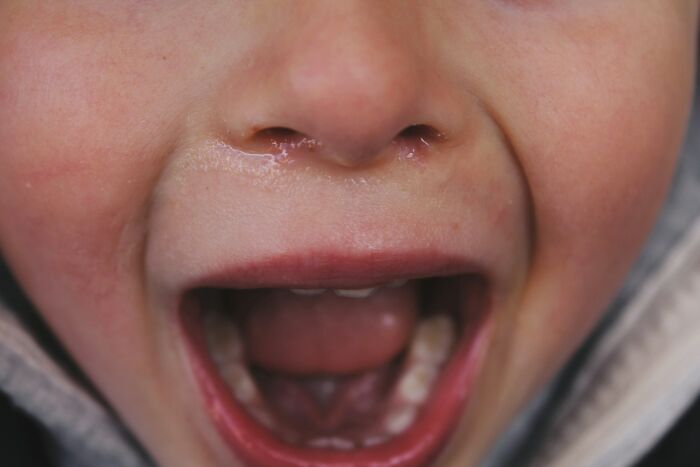
Image source: ImminentWeirdness, Marco Aurélio Conde
#13
Not giving women HRT therapy.

Image source: Longjumping-Sea-1084, Daria Trofimova
#14
The belief that multiple sclerosis was a psychosomatic fake illness.

Image source: untitledgooseshame, National Cancer Institute
#15
Re-orienting dementia patients. Don’t do it.
Edit to add:
I quickly saw how devastating it was for patients to be reoriented to their situation, their loved ones passed away and gone, etc. So I learned quickly to “just go with it”. Meet them where they’re at. Don’t feed into their reality but also don’t challenge it. Gently redirect them into something different.

Image source: Round-Celebration-17, Steven HWG
#16
During the latter half of the 20th century, tall adolescent girls were given high-dose synthetic estrogen therapy (such as diethylstilbestrol or ethinyl estradiol) to stunt their linear growth and reduce their final adult height. That resulted in a good percentage of them having infertility problems and some getting cancer. All because the patriarchy thought women shouldn’t be tall.

Image source: susan360360, Clinton Chiloane
#17
Rapidly lowering asymptomatic very high blood pressures without kidney or cardiac injury with iv blood pressure medicine — treating the number rather than the patient.

#18
Backboards & full spinal immobilization.
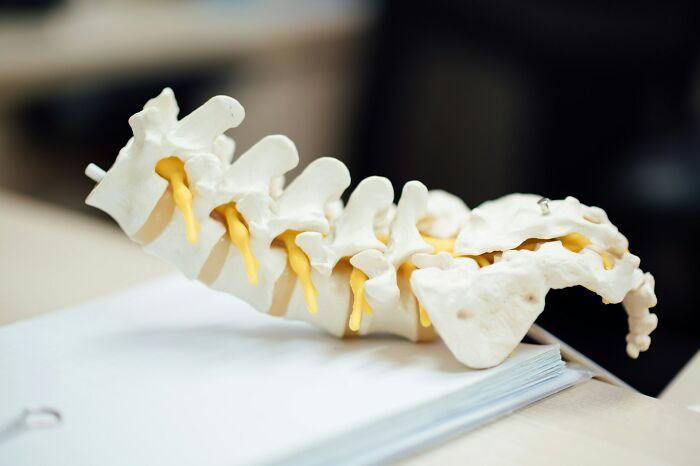
Image source: PowerShovel-on-PS1, CHUTTERSNAP
#19
So, sooo many (though many of these weren’t terribly wrong, they were just less effective than other therapies). The world of medicine is ever changing and rapidly so.
We used to treat blood loss with whole blood— then we developed fractionated blood products and swung to largely treating hemorrhage with red blood cells + fluids. Now we have since embraced the importance of all of those other components in stopping bleeding (platelets, clotting factors within plasma, etc.) And unsurprisingly then focus in trauma currently is toward whole blood or balanced component resuscitation.
[My personal theory is that this will even go a step further with blood which is fortified with even higher levels of clotting factors and platelets as these components are disproportionately consumed in hemorrhagic shock].
A lot of medications have good, but not perfect side effect profiles. These medications are generally overprescribed and then have somewhat of a backlash as the medical community sees more side effects from these meds. I would include NSAIDs, opioids, PPIs, beta blockers, ACE inhibitors, SSRIs, and many more among these. Would expect GLP-1s, ADHD stimulants, and many more medications to join this list in the future.
Oncology has generally gone toward less-aggressive and often delayed surgery. Chemotherapy and immunotherapy has improved immensely in the last 40 years. This means it’s less important to perform radical surgical resections as residual cancer can usually be treated with adjuvant/post-surgery systemic therapy and more aggressive surgery is more likely to result in more severe complications. Surgery may even be performed after chemotherapy— the idea being that a person is more likely to complete their chemotherapy. If there are post-operative complications, it’s less determinative to their overall outcome because they’ve already completed chemotherapy and aren’t missing out on that therapy while they’re dealing with infection, wound healing, etc.
So many procedures now have significantly less invasive alternatives. Compare abdominal aneurysms— this used to be treated with a 6+ hour open operation with a big incision where the aorta was replaced with graft material. Now we use catheters to place the grafts within the aorta (look up EVAR procedure). This turns a 6+ hour operation with a week in the hospital into a 1 hour procedure where patients can go home one or two days after surgery.
This is nowhere near a comprehensive list, I’ve just gotten tired of typing. But the short story is medicine is ever-changing and rapidly adapting to new research. It makes it a very exciting and challenging field to practice.
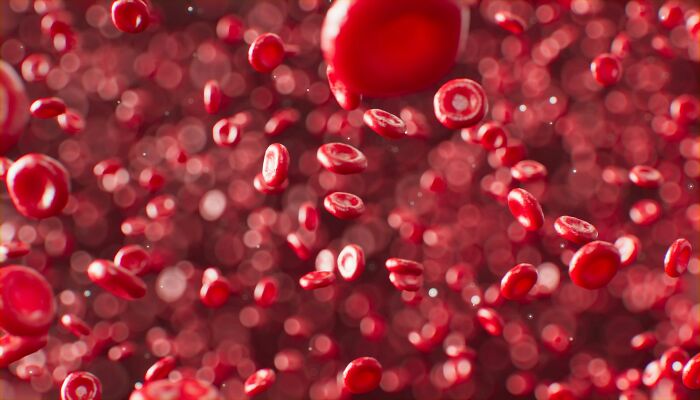
Image source: Dont_ClickThisLink, Anirudh
#20
Prolonged bedrest is probably one of the worst thing you can do to a sick person. The human body is not meant to be laying in bed for extended periods of time.
Except for people who are physically incapable, those with intact mobility in the hospital should be up and moving around, sitting when tired, and only laying for sleep or procedures.
Those with altered mobility should be encouraged to be an an activity level which is safe and tolerated, up in the chair as much as is possible.
Hospitals still put every patient in a bed and give them the “option” to get to the chair with assistance.
A 30 year old in for a thyroidectomy shouldn’t be in a bed after they recover. They should be in a chair and allowed to get up and move around.
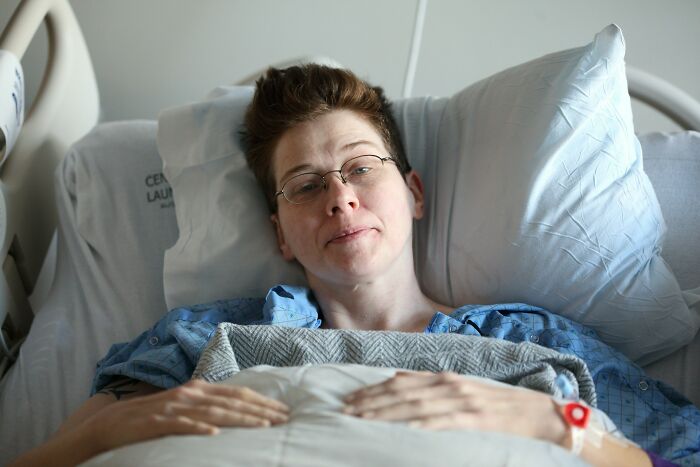
Image source: Bearacolypse, Alexander Grey
#21
Using IV fluids in the case of large volume blood loss. IV fluids increase the volume in circulation, which on the surface is a good thing, but washes out all the clotting factors that would otherwise try to plug up the hole causing the blood loss.
Still used in mild-moderate blood loss (and used very cautiously in worse cases) but turns out it’s not a good idea to pump people full of fluids with massive haemorrhage.
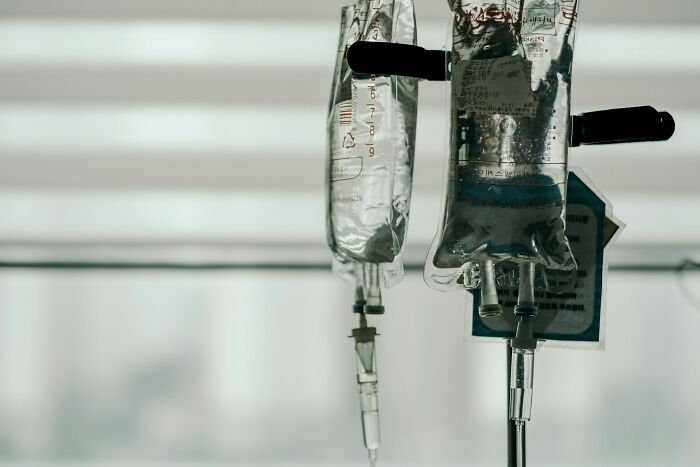
Image source: J0hn_Keel, insung yoon
#22
The medical community has really soured on tinctures of mercury, last i checked.
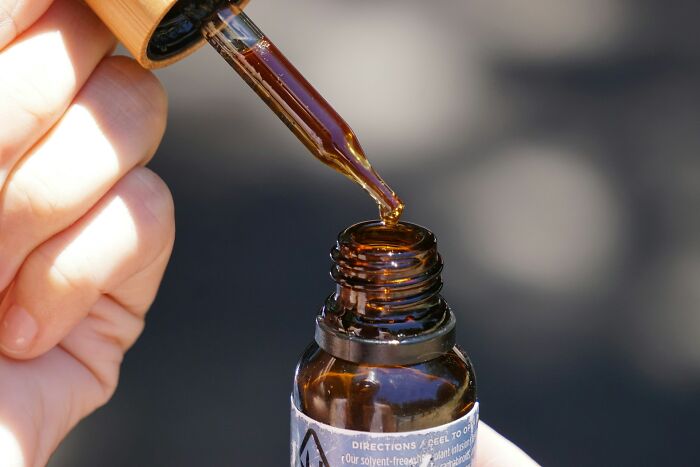
Image source: drewmana, Elsa Olofsson
#23
Routine medial episiotomies.

Image source: crakerforpolly18, Olivia Anne Snyder
#24
Chiropractic should be changed.

Image source: MudiMom, Sincerely Media
#25
Graded exercise therapy for chronic fatigue syndrome. The intention was to ‘build up’ patient tolerance for energy use. However, this was based on a fundamental misunderstanding of the condition, and a lot of patients got significantly sicker because the activities eroded rather than built their capacity .

Image source: clarice_loves_geese, Vitaly Gariev
#26
Barium bronchography/bronchogram: wherein patients would aspirate/inhale a contrast agent and have images taken of their lungs. Obvious issues. It went the way of the dodo. The radiologist who gave my lectures in med school said his predecessors would not talk about it – for good reason.
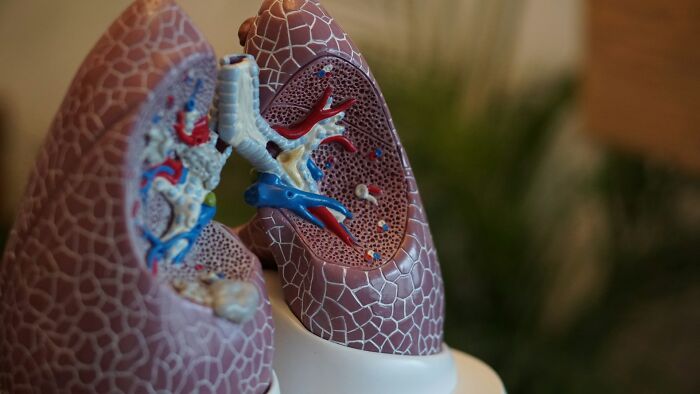
Image source: DaringNotDire, Robina Weermeijer
#27
A “wait and see” approach to rheumatoid arthritis.

Image source: AdvanceAlive2103, Towfiqu barbhuiya
#28
Giving blood thinners to post surgical patients used to be an obvious guaranteed guilty verdict in a malpractice case. Turns out the risk of fatal blood clot after surgery is greater than the risk of bleeding, so blood thinners are a net good thing. However, they can cause bleeding. So we give them, and accept that we will make some patients bleed, so that some other patients won’t pass away.

Image source: BitcoinMD, DC Studio
#29
One of my professors in med school told us that 50% of what we would learn in 4 years would eventually be outmoded. Heck, they used to laugh at handwashing.

Image source: bostonbmber198, seventyfour
#30
People used to say that when you get a concussion you need to stay awake.
Turns out the brain heals when you sleep, so sleeping a ton is actually one of the best things you can do to treat brain injuries.

Image source: CaptainFartHole, jcomp
#31
Fluids that patients get through the vein. There were two groups of fluids that were normally given. One group of fluids was especially good in raising the blood pressure and it did not have huge adverse effects. Until people found out that the research about this group of fluids was made up by one guy. He just wrote articles about research he never did. And after his articles were removed, it turned out that this group of fluids was actively harming people, especially their kidney. Know we know better and use another group of fluids that is not as good in raising the blood pressure but it doesn’t harm people.
Image source: Disastrous-Test-5124
#32
Thickened liquids for dysphagia, though this one is still in progress. You’ll still find a ridiculously large number of people on thickeners, and it’s every good speech pathologist’s mission to bring this archaic stuff to an end.
Image source: Curious-Bed-7737
#33
It used to be common to give MS patients the less effective, cheaper, less risky meds first and only go too the others as they failed out of the first ones. Turns out it’s actually better to just avoid damaging the nervous system all together, so most places start with the more aggressive, more effective options first.
Image source: justcurious12345
#34
Babies not feeling pain.
So operations conducted without any anaesthetic or pain relief.
Fun trauma times for all.
Image source: confused-leprechaun
#35
Might have already been mentioned, but pelvic exams on women when they are under anesthesia for other procedures. It was used to teach medical students how to do them, but without the consent of the patient.
Image source: Timber2BohoBabe
#36
Bloodletting?
Image source: Glittering_Spring465
#37
A z-pack for your 2 day cough.
Image source: andthecaneswin
#38
Neonatal circumcision becoming less popular. It is genital mutilation.
Image source: MomentSpecialist2020
#39
Lidocaine gel, cervical blocks like for SVD work too; learned during residency or midwife training. Very hot topic in journals currently. No discussion of had my ACL done without anesthesia!
Image source: M3UF
#40
Delaying exposures to common food allergens. It turns out that just increases the risk of allergies, while early exposure reduces it.
Image source: Foghorn2005
#41
In my country we don’t teach sternal rubs in life saving emergency procedures anymore because it can cause bruising and long lasting pain whereas a trapezius squeeze does the job without lasting effects.
Also most immunisations nowadays (normal childhood schedule vaccines) don’t require subcutaneous injection as they’ve found there really isn’t a difference between IM and SC in regard to the absorption of the vaccine. I haven’t seen a SC injection for immunisations.
Image source: yellowhairtie
#42
The method total hip replacements used to be done was a posterior approach, which was easier for the doc but a long recovery (6 months) with less mobility for the patient. Now an anterior approach is more common, which is harder for the doc, but so much better for the patient.
Image source: orangesquadron
#43
Doctors used to advise patients with asthma that smoking was a way to help ease the condition.
Image source: Brrred
#44
I can think of so many practices that were suddenly the new hot thing and then turned out to be worse than whatever they were treating.
-new start beta blockers before surgeries. Initial studies showed fewer heart attacks, which was true, but later studies (after it became standard of care) showed mortality was actually higher due to strokes.
-xigris was supposed to revolutionize treatment of sepsis. Once everyone started using it, it turns out that not only did it not help at all, it made people bleed.
-morcellating (basically chopping up into little bits to allow removal through a smaller incisions) uterine tumors ended up disseminating cancer in some folks, so that wasn’t a great idea.
-meds like vioxx, Zantac, thalidomide, turned out to have nasty long term problems.
Image source: casapantalones
#45
Complex medication protocols during ACLS/CPR. Basically just chest compressions w/ pulse check every 2 minutes, epinephrine every 3 minutes, sometimes shock or amiodarone. Complex medication regimens can slow down the thought process and aren’t effective.
Image source: Illustrious_Hotel527
#46
The cervix can’t feel pain …. Go ahead and zap that puppy. Ignore the moans and burning smell.
Image source: Fantastic_Holiday618
#47
As someone who is currently recovering from my third bout of mastitis, the treatment regimen has completely flipped on its head in recent years. You will hear TONS of moms insisting that you hop in a hot shower and massage/hand express your breast milk until your breasts soften. But in recent years they have discovered that mastitis is mainly caused by inflammation (not just fatty/clogged milk), which is made SO MUCH WORSE with heavy massage and heat. The new guidelines for mastitis are ice and ibuprofen around the clock with no extra expression.
Image source: BabDoesNothing
#48
We used to treat restless leg syndrome with dopamine agonists like Requip, but then discovered that it caused augmentation (meaning WORSENING) symptoms over years of use. Getting off of it was very difficult and sometimes even requires short courses of opioids for withdraw. We use gabapentin now.
Image source: PlagueDr99
#49
For a good chunk of time in EMS we’d give lots of fluids to trauma patients with hemorrhage. Turns out, thinning whatever blood that’s left inside the patient with saline kinda just washes out their clotting factors.
High-speed low-drag systems moved on to carrying whole blood for fluid resuscitation in these cases. We also target permissive hypotension in such patients.
I gotta wonder how many people the old-heads of the profession ended because we didn’t know better yet.
Image source: RamenAbeoji
#50
They sadly used to recommend putting babies to sleep on their tummies.
Image source: Elliza
#51
Taking away HRT for those in menopause. Many Drs have a long way to go though.
Image source: No-Hedgehog-7327
#52
Using hydrogen peroxide to clean wounds.
Image source: ElleWinter
#53
Oxygen when someone is having a heart attack. Used to always give people oxygen. Turns out hyperoxia will actually cause more damage to the heart tissue and people having a heart attack shouldn’t get extra unless they truly need it.
Image source: Mean_Sentence_1534
#54
Basically everything in regards to women.
Image source: chokingonwhys
#55
Basically all of them. So much of medicine is just “some dude started doing this in 1987 and now its canon”
– Fluid for hemorrhagic shock. We limit normal saline for raising blood pressure when people are bleeding until passing away because it turns out that watering down blood doesn’t work well. It also makes the blood harder to clot and can remove existing clots. Treating low pressure from blood loss with blood products is now the ideal first line treatment. There’s nuance in this of course.
– Starting IVs on the same side that a patient had a mastectomy is safe. The old logic was that the removal of lymph nodes following a mastectomy would increase the risk of infection and patients and providers were told that under no circumstances should access be obtained on the same side. Research has shown this to be absolute bs.
– Rapidly lowering asymptomatic blood pressure in the emergency room is not necessary and can be dangerous. A “stroke level” blood pressure isn’t real. Hypertension without acute symptoms (headache, dizziness, chest pain) should be addressed in an outpatient clinic and titrated slowly.
Medicine moves slowly and for good reason. Many treatments were based upon reasonable hypotheses given their knowledge at the time but as we learn move we change our treatments.
Image source: The_Albatross27
#56
Radical mastectomy. Disfiguring and there are much better treatments now.
Image source: CathyAnnWingsFan
#57
I trained as a midwife late 70s and every labouring woman received a shave and enema on admission ! No discussion , no consent, it was just the done thing ! Thankfully things have moved on somewhat.
Image source: cazza3008x
#58
Thalidomide for anxiety and depression is a good one. Flippers on seals are fun, but as a human birth defect they’re horrific.
Image source: mojomarc
#59
Needle decompression for pneumothorax no longer being taught for 2nd intercostal space because of low success rate (often needle was too high/overestimating where 2nd space “is”, population increasingly obese making tissue in the area too dense).
Image source: Duskfall066
#60
Large bore IVs with fluids wide open.
Image source: Guilty-Choice6797
#61
I’m a senior citizen and I still have a scar on my cheek from scratching a chicken pox mark.
Image source: kkz161
 Follow Us