Animals have an unmatched talent for making us laugh without even trying, and the internet is understandably obsessed.
Whether it’s a cat folded up like a freshly baked croissant or a tired golden retriever resting its head on a pool ledge like an overworked adult, our pets are constantly delivering top-tier comedy. Their everyday reactions somehow sum up the struggles of modern human life a little too well.
Scroll down for a fresh batch of cute and relatable animal memes, along with a quick look at how our favorite pets went from vintage postcard stars to ruling digital culture online.
#1
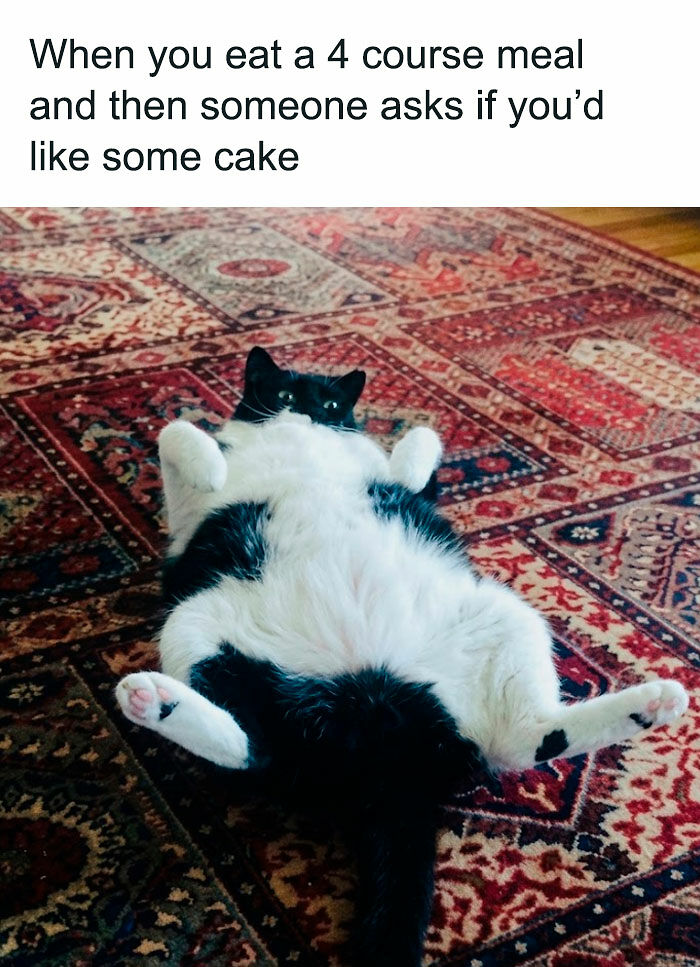
Image source: Alice La Dahlia

#2
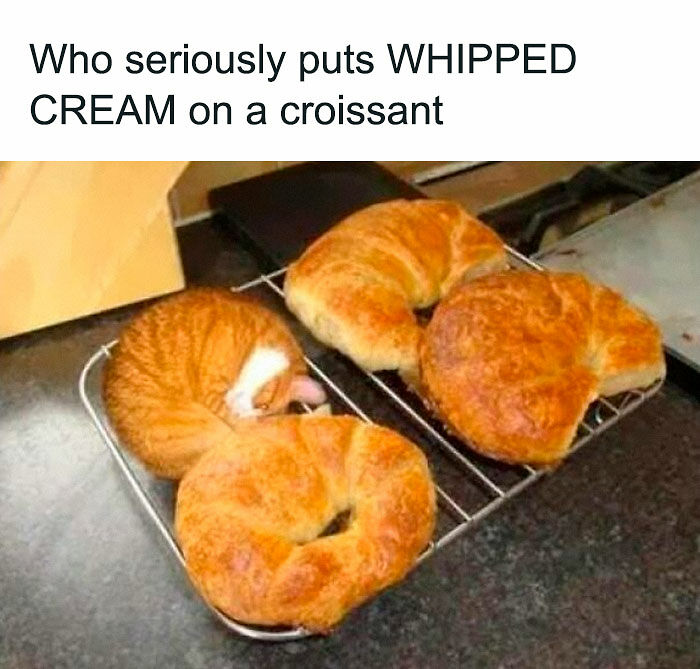
Image source: Marsha Stinnett
#3
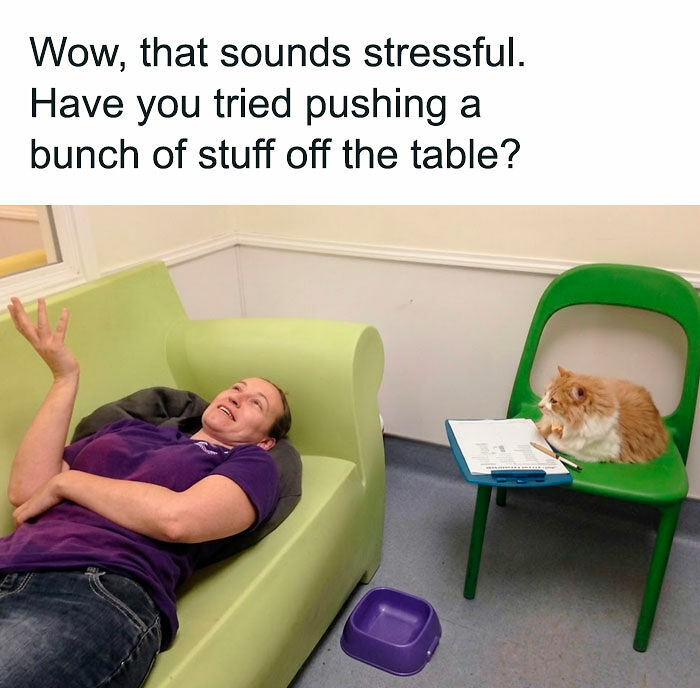
Image source: Sue Olszewski
Long before the internet gave us animal memes, Austrian ethologist Konrad Lorenz proposed the concept of Kindchenschema (baby schema), arguing that our brain’s response to cuteness is an evolutionary adaptation. He noted that specific physical traits — an oversized forehead, giant round eyes, chubby cheeks, and endearingly clumsy motor skills — act as a biological cheat code for human empathy.
Modern neuroimaging has since confirmed Lorenz’s theory with striking precision. When your eyes lock onto a creature with these proportions, your brain’s nucleus accumbens — the key hub of the reward system — lights up like a Christmas tree. It immediately floods your system with dopamine and oxytocin, the same neurochemicals responsible for love and protective bonding.
#4
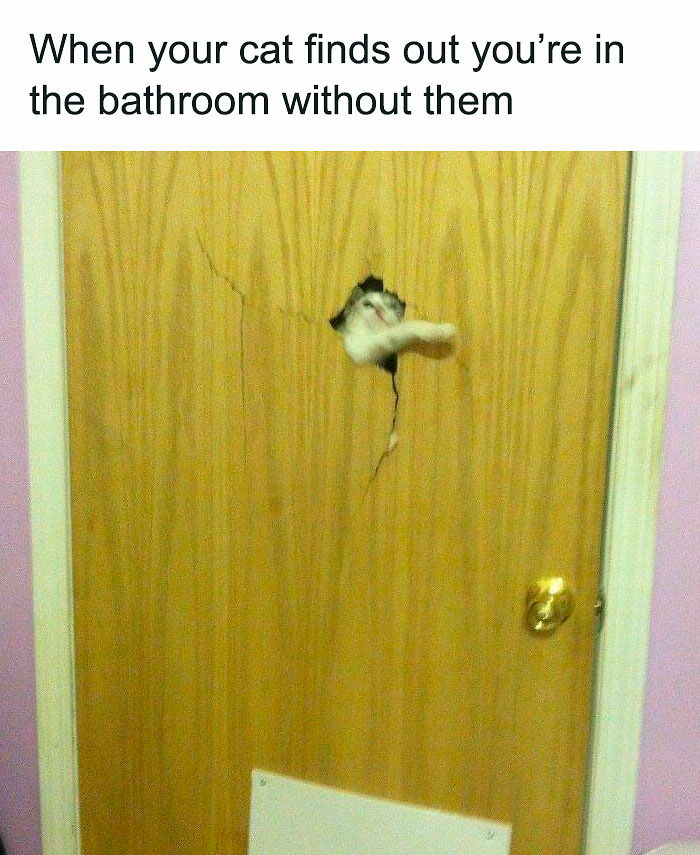
Image source: Kimberly Tobey
#5
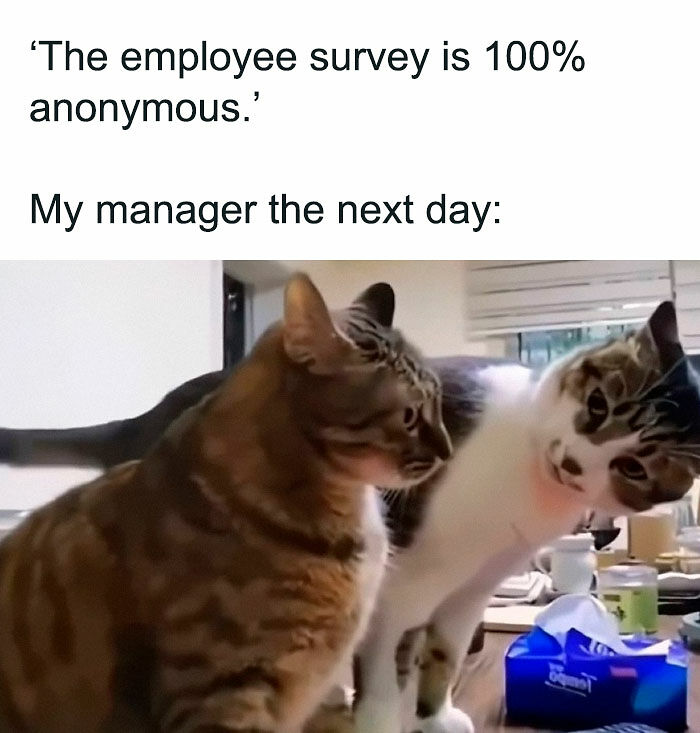
Image source: Angelina Tanner
#6
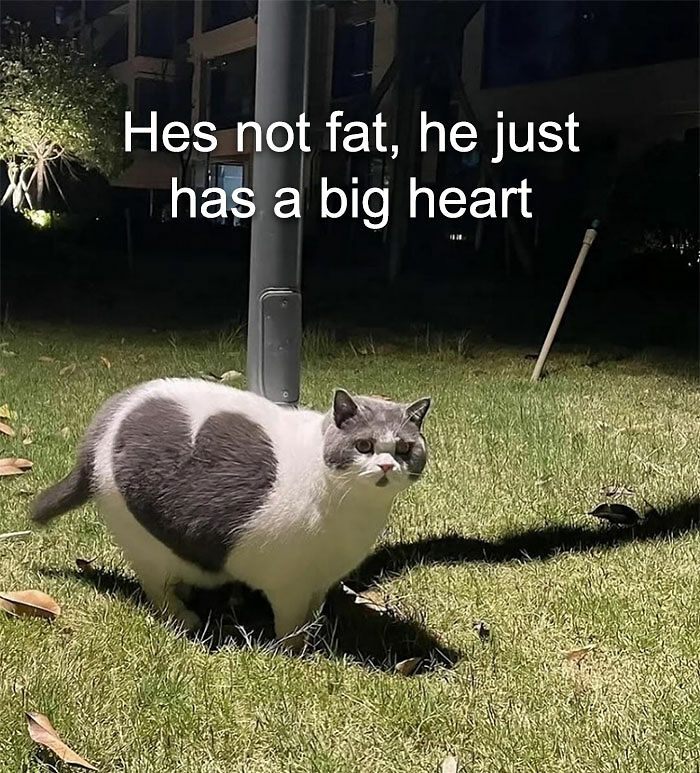
Image source: Alice La Dahlia
The impulse to look at animals is further amplified by how our visual processing system prioritizes the natural world. A 2007 Yale study revealed that the human visual cortex is hardwired to track other living creatures far more aggressively than inanimate objects, vehicles, or even complex machinery.
From an evolutionary standpoint, this hyper-vigilance kept our ancestors alive. In the modern environment, our animal-tracking radar fixates on the next best thing: a continuous stream of goofy, squishy-faced animals doing absurd things on our phones.
#7
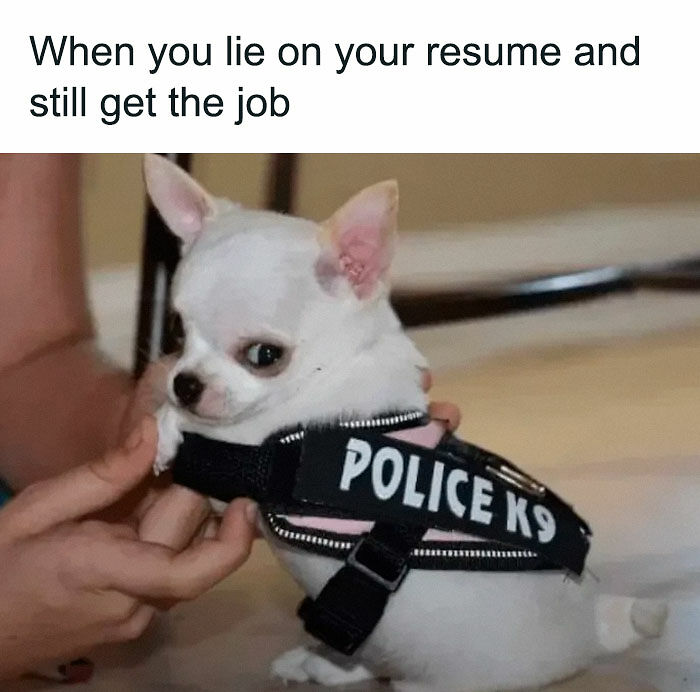
Image source: Gerri Kaldwell
#8
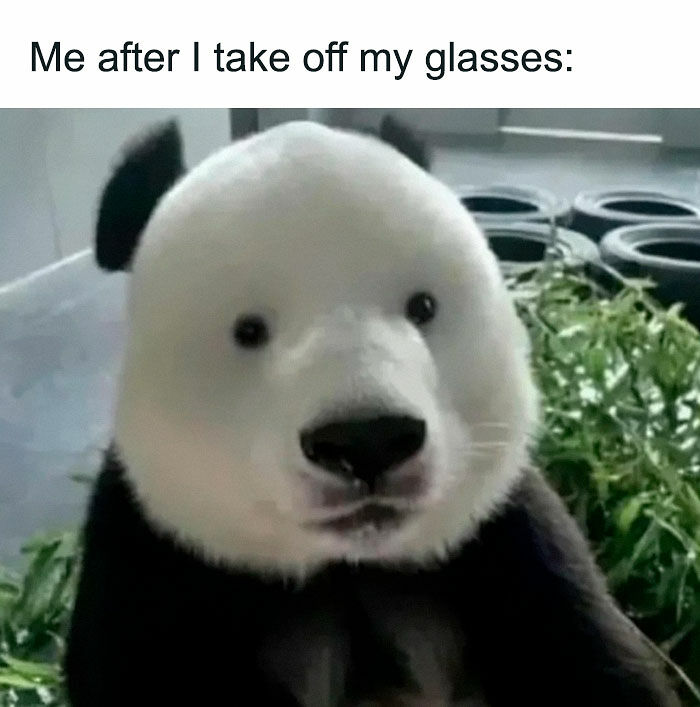
Image source: Martin Styles
#9
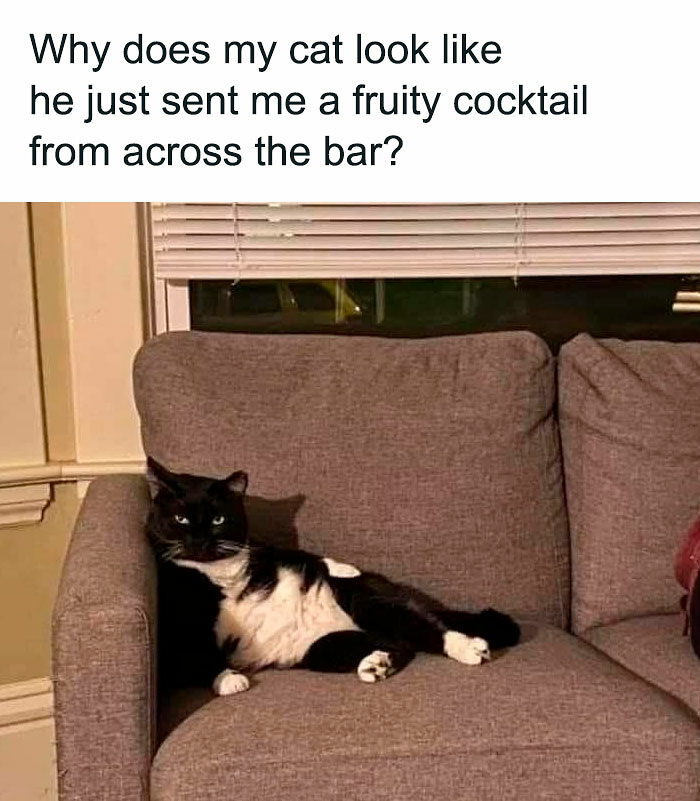
Image source: Raina Gentry
The evolutionary pull explains what happens when we scroll past an adorable animal photo or video. But why do our brains react so instantly, and why are we immediately compelled to hit the share button?
It turns out our neural wiring processes cuteness at lightning speed — long before our logical mind even has time to form a thought.
“We seek out cuteness because it feels good. The perception of cuteness attracts our attention very quickly — within 1/7 of a second — by triggering a response in the orbitofrontal cortex, the pleasure and reward network of the brain,” says Joshua Paul Dale, a professor at Chuo University in Tokyo. “This fast neural activity seems to be followed by slower appraisal processes that elicit caregiving behavior, decrease aggression, and activate networks involved in play, empathy, and compassion.”
#10
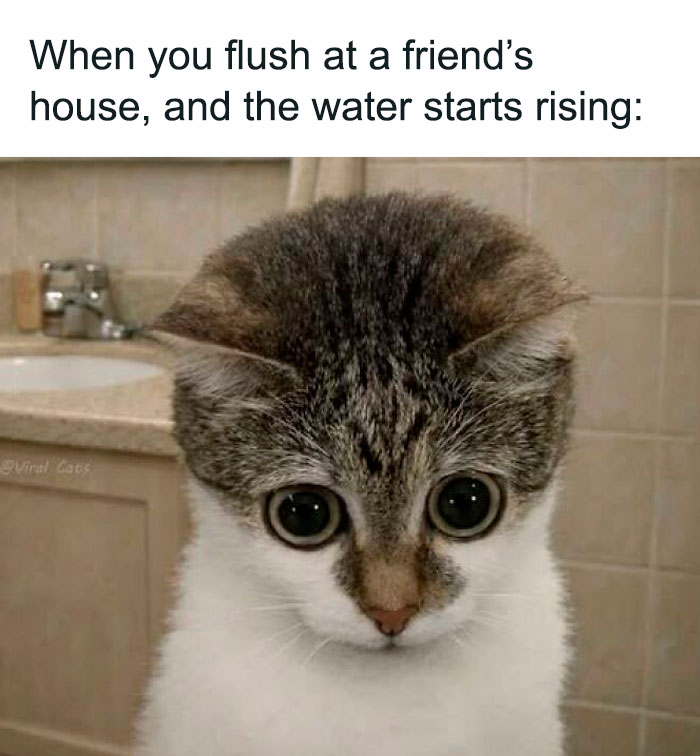
Image source: Martin Styles
#11
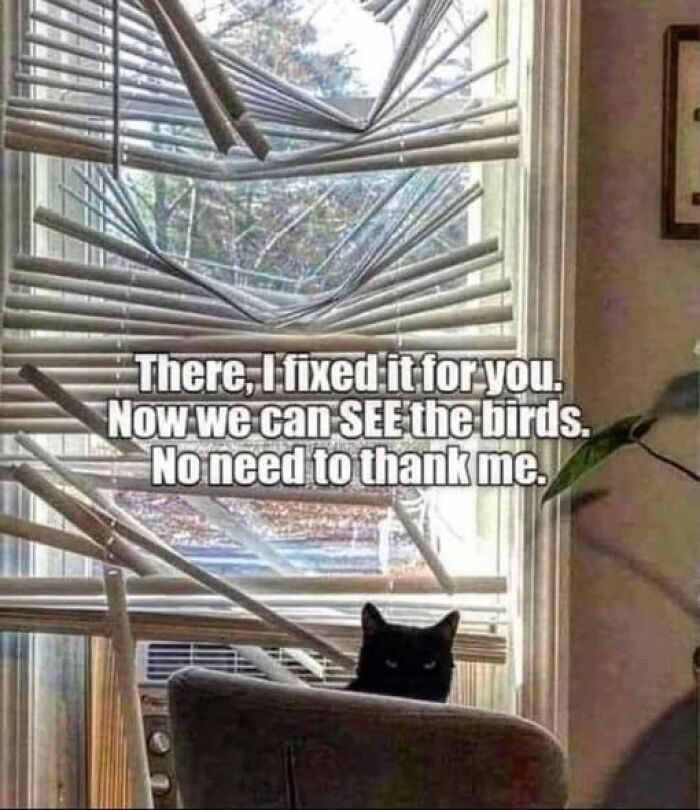
Image source: Sue Olszewski
#12
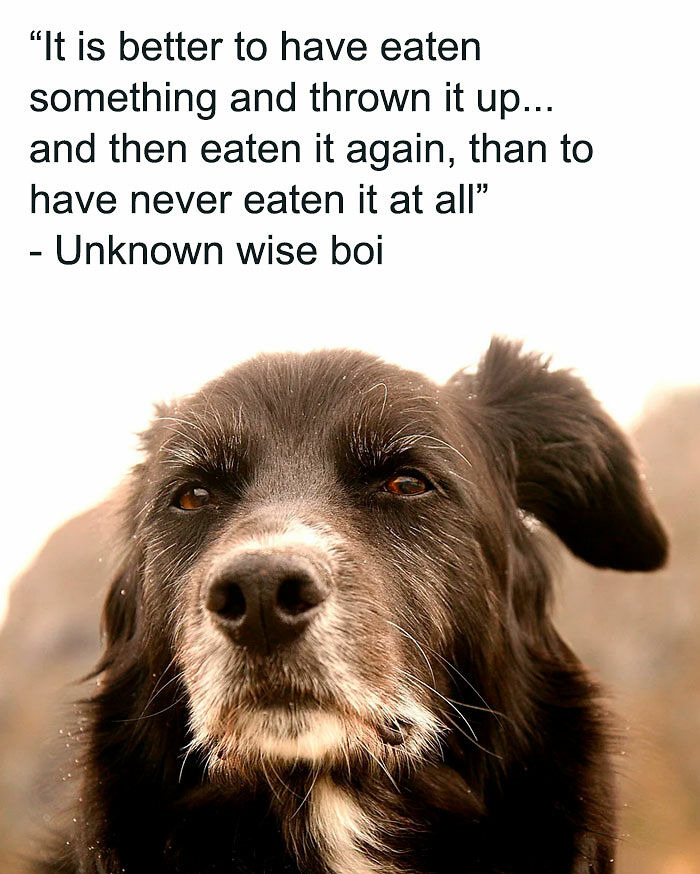
Image source: Raina Gentry
It turns out that irresistible rush of pleasure is also a powerful social tool.
A study by Concordia University researchers Ghada Shamayleh and Zeynep Arsel found that sending cute animal posts is a primary way we build and maintain strong relationships. When we send a clip of a clumsily tumbling panda with a caption like, “Us trying to get through Monday,” we are basically reaffirming our emotional bonds.
Curating these posts for specific people — sending a favorite breed or an inside-joke meme — also signals deep personal knowledge.
“By sharing animal content with the added reference to the sender’s relationship, people digitally pebble their loved ones as though to say ‘This made me think of you, of our relationship’,” said Shamayleh.
#13
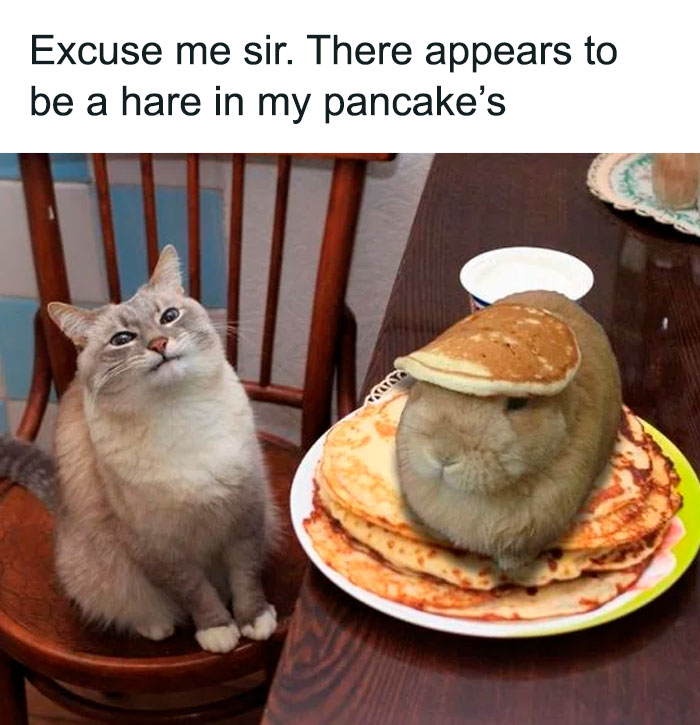
Image source: Larry Reindl
#14
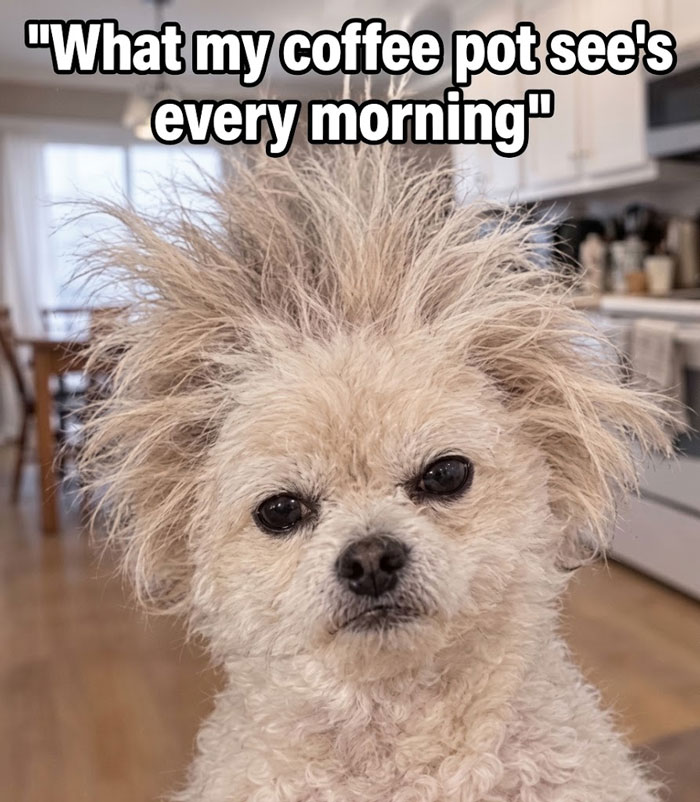
Image source: Gerri Kaldwell
#15
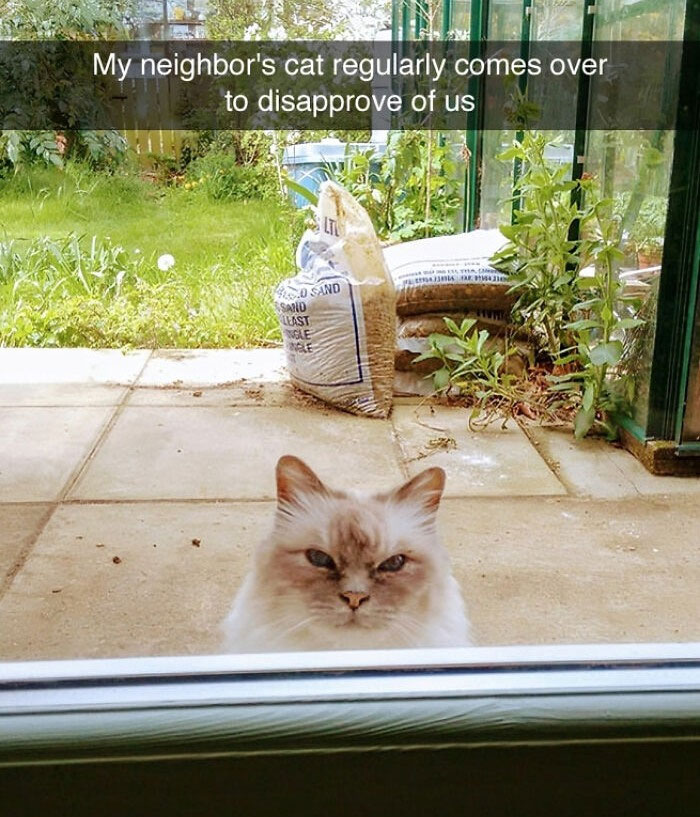
Image source: Alice La Dahlia
It’s kind of wild, but animal pictures and jokes aren’t just a thing of the internet age — they’ve been around for ages.
Cat postcards from the early 1900s can actually tell us a lot about social media today, experts say. Back then, postcards were everywhere, and cats basically owned the medium.
Cats were popular with royalty and the elite, even Queen Victoria was a cat fan. And these animals were also associated with Halloween.
Some postcards showed cats drinking milk or playing with yarn. Others were totally silly, dressing cats up like humans, making them do jobs, or acting out little home scenes.
“Postcards are similar to memes, and much like today, early 20th-Century visual culture was all about animals, especially cats,” says Heidi Herr, a librarian at Johns Hopkins University.
#16
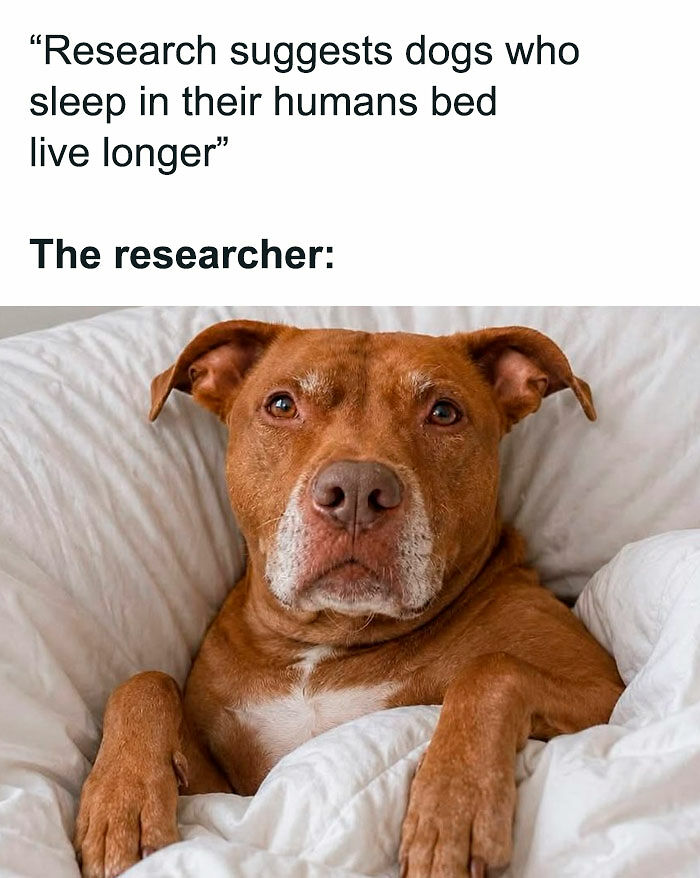
Image source: Kathy Bruno Bridge
#17
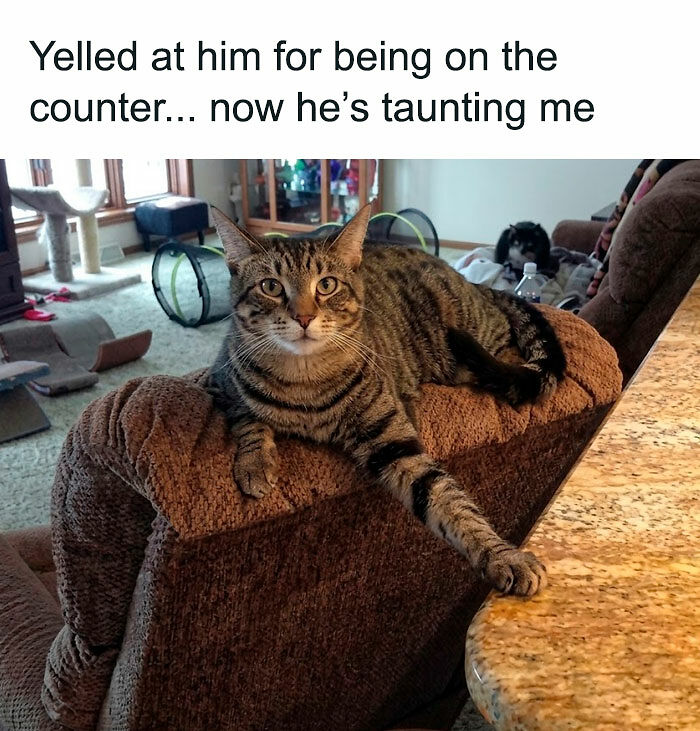
Image source: Gerri Kaldwell
#18
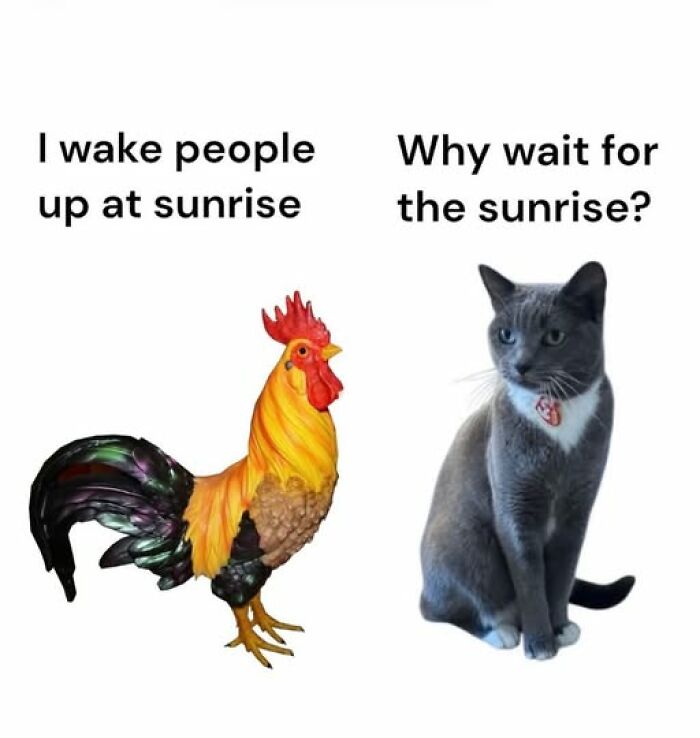
Image source: Alice La Dahlia
Ever since the internet really took off in the ’90s, people have been sharing pictures of animals with funny captions over email.
It also created some legit cat celebrities, like Grumpy Cat, Lil’ Bub, and Maru. These felines have appeared on TV shows, in ads, and even in film festivals. Some even got their own merchandise.
Canine icons like the side-eyeing Shiba Inu “Doge” broke the internet, eventually inspiring entire cryptocurrencies and a new dialect of web slang.
#19
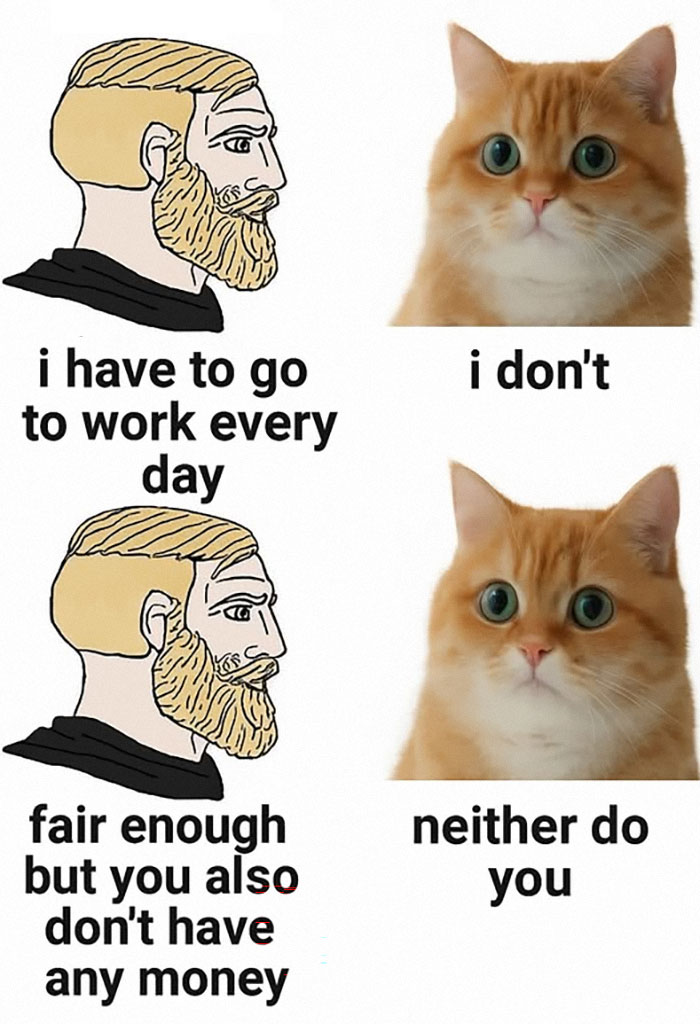
Image source: Alice La Dahlia
#20
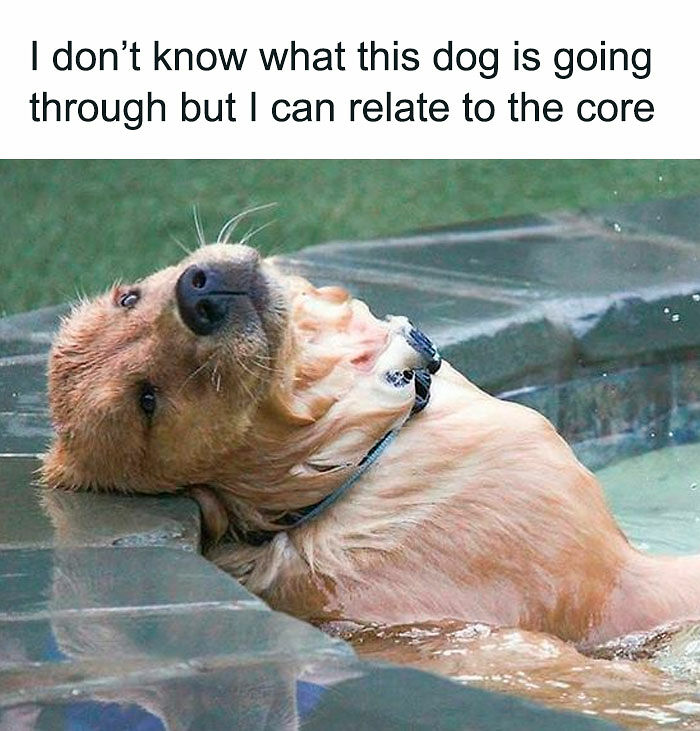
Image source: Larry Reindl
#21
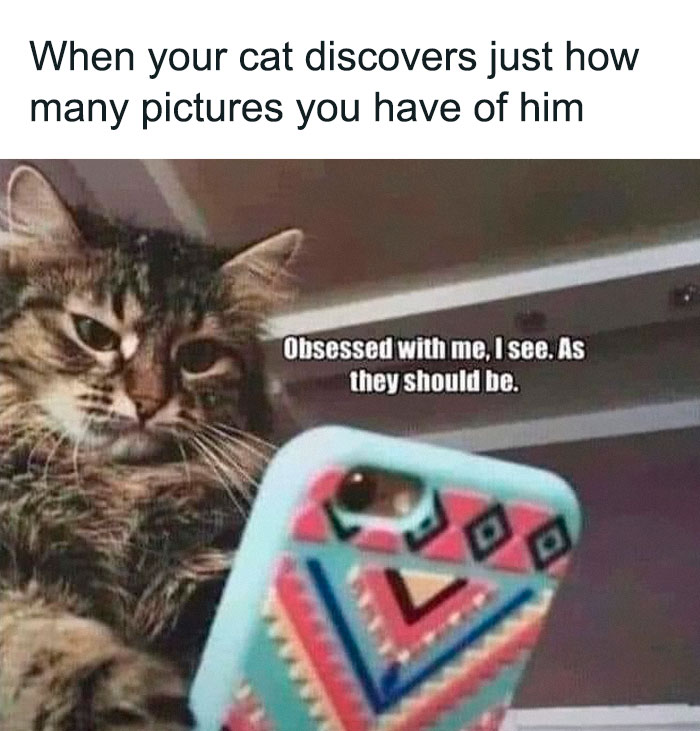
Image source: Clean, Funny & Cute Animal Memes
Ultimately, animal memes are the ultimate mental shortcut: cuteness gives your brain a quick hit of joy, and humor gives it a much-needed break from reality.
So go ahead, keep scrolling and sharing. And when life gets ruff, let the animal memes carry you.
#22
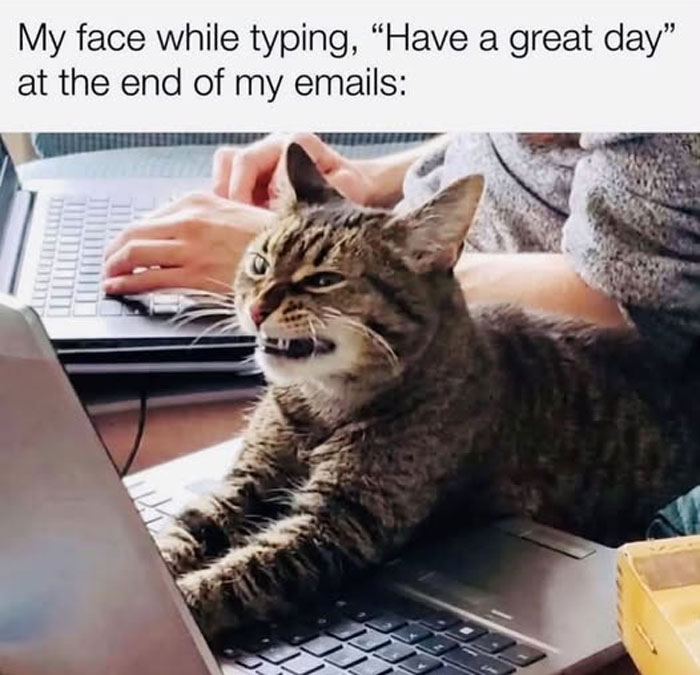
Image source: Alice La Dahlia
#23
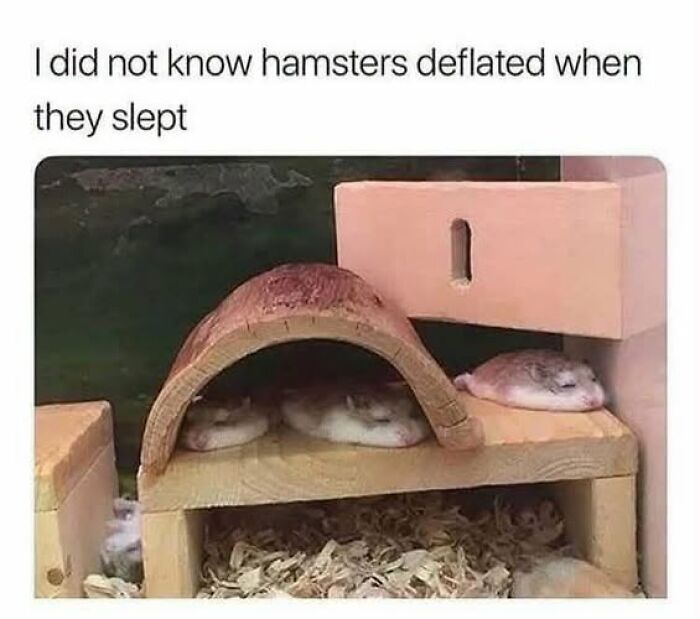
Image source: Jessica Ray Herrman
#24
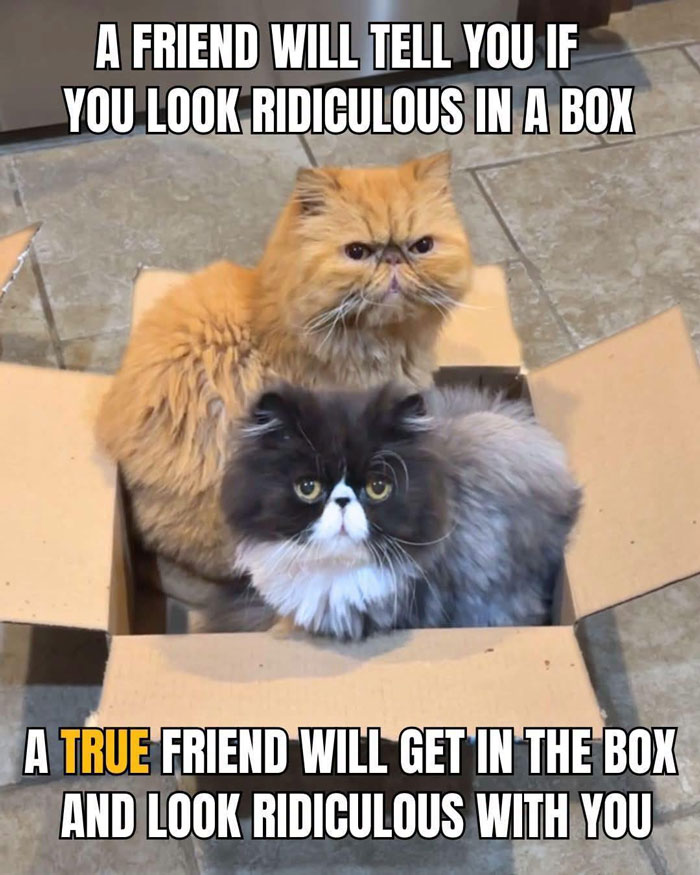
Image source: Alice La Dahlia
#25
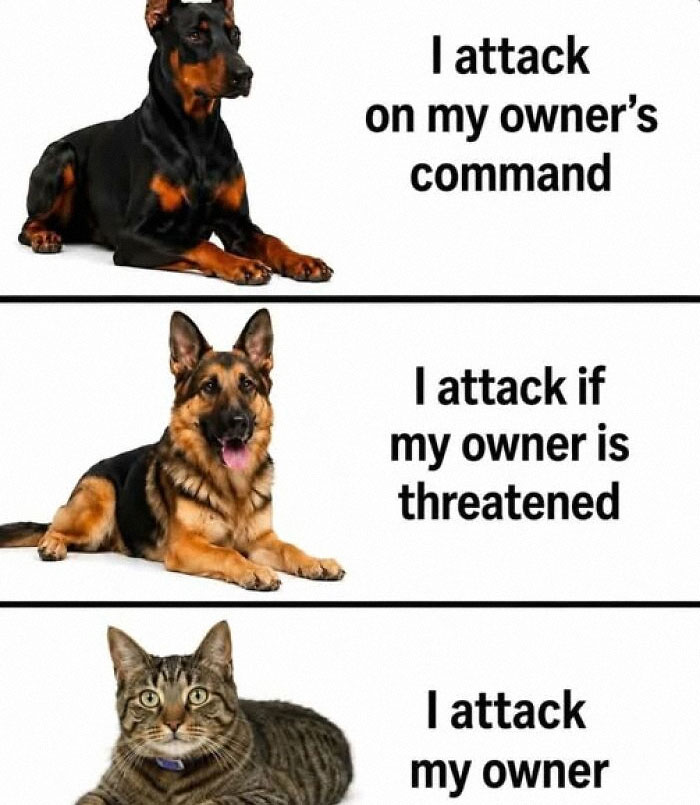
Image source: Raina Gentry
#26
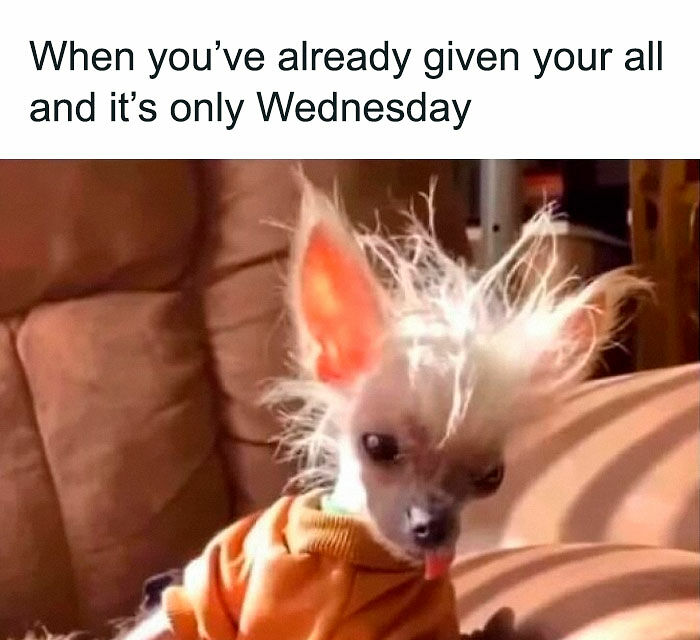
Image source: Catherine Lee Rodriguez
#27
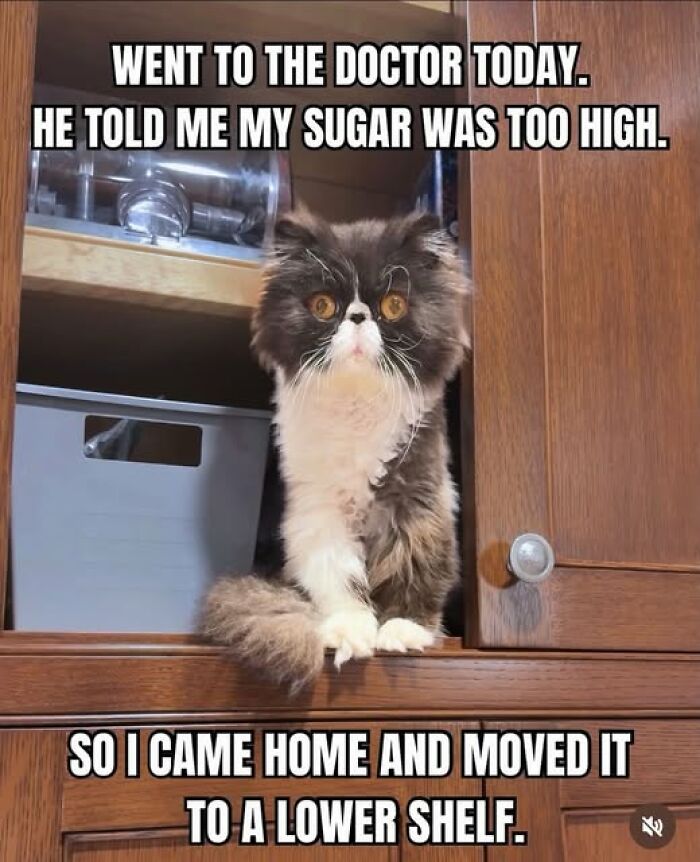
Image source: Alice La Dahlia
#28
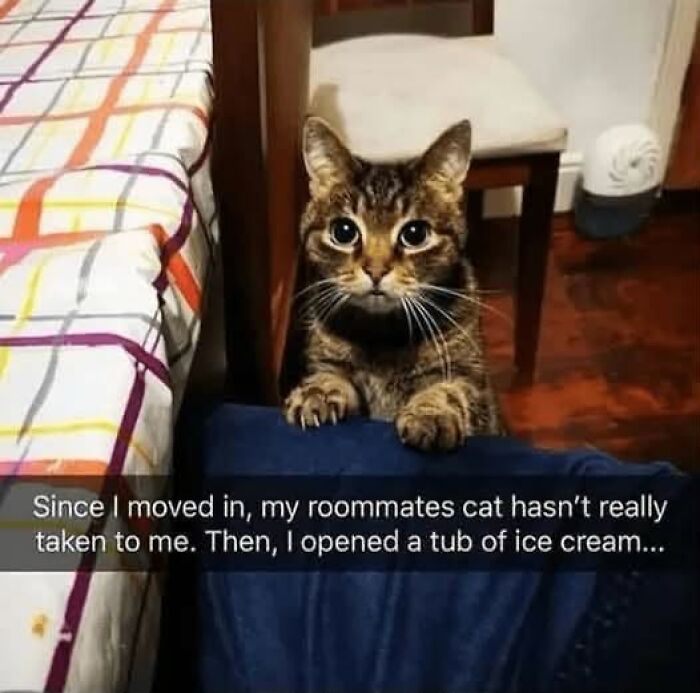
Image source: Sue Olszewski
#29
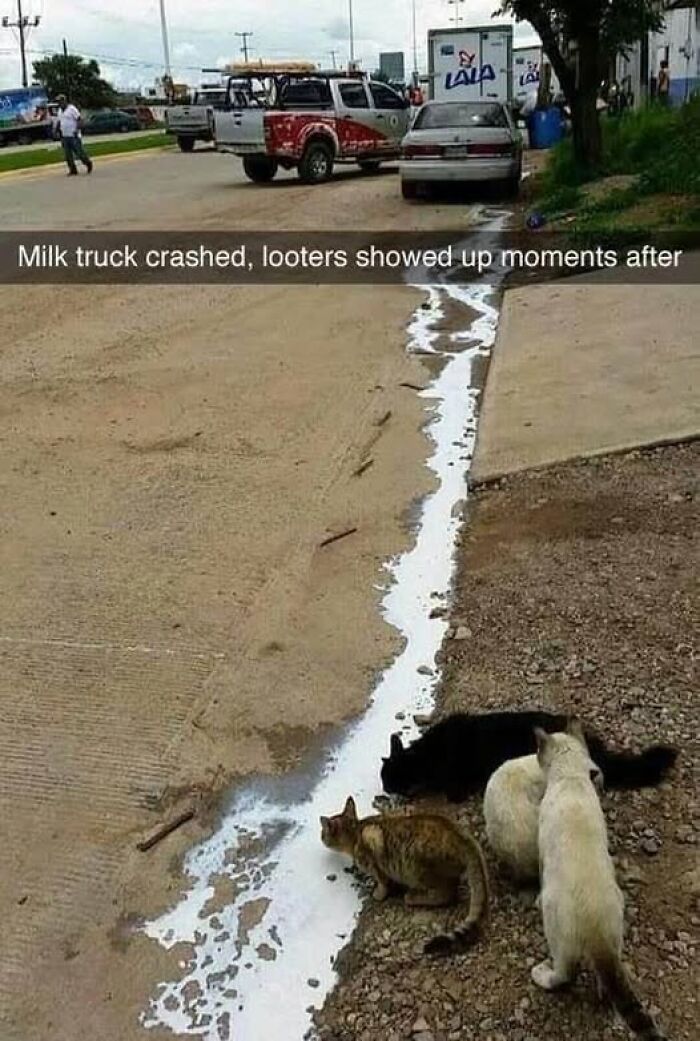
Image source: Susan Sensibaugh
#30
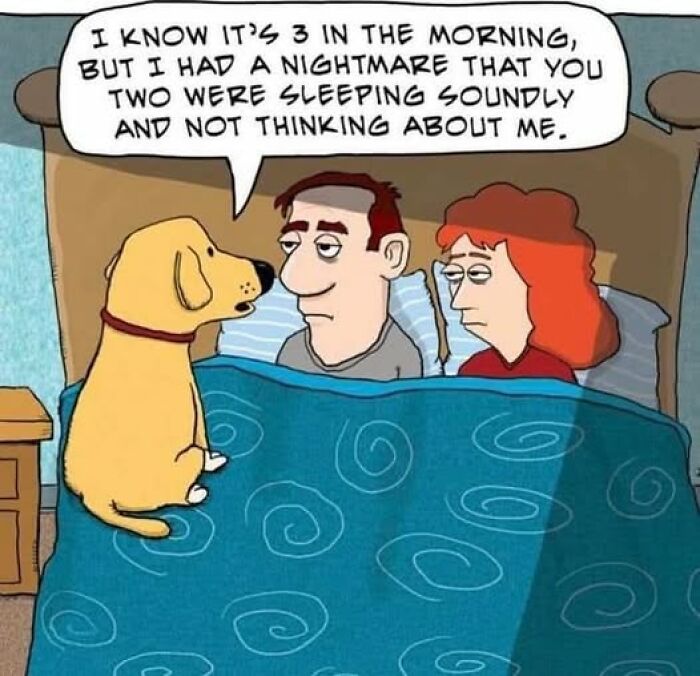
Image source: Wendy Hambor
#31
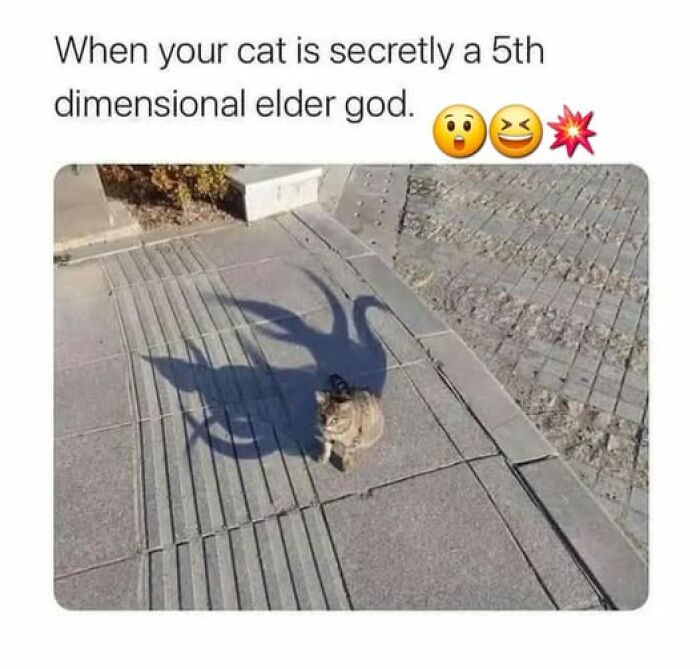
Image source: Marsha Stinnett
#32

Image source: Kathy Bruno Bridge
#33
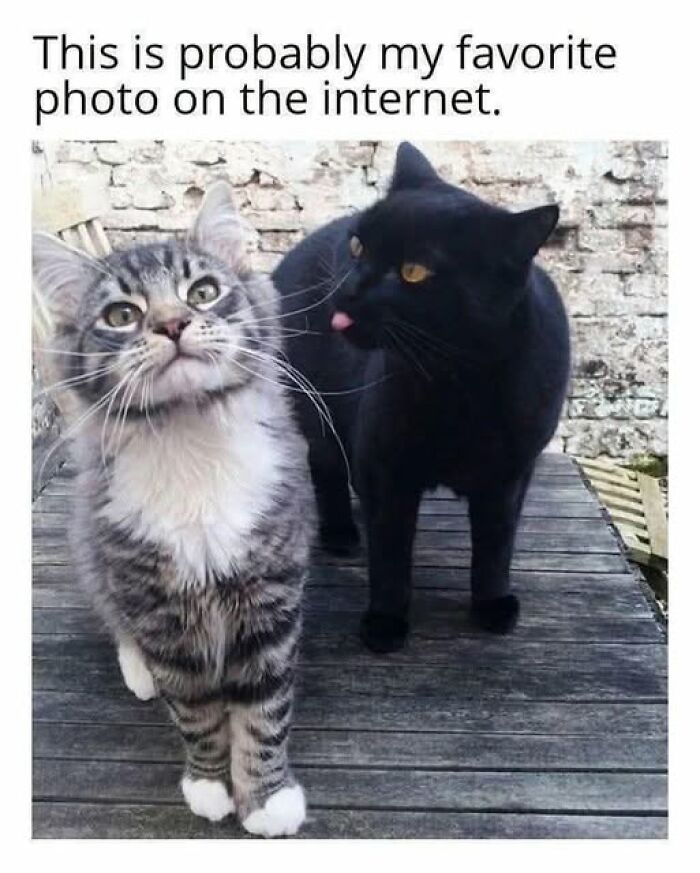
Image source: Gail Dubins
#34
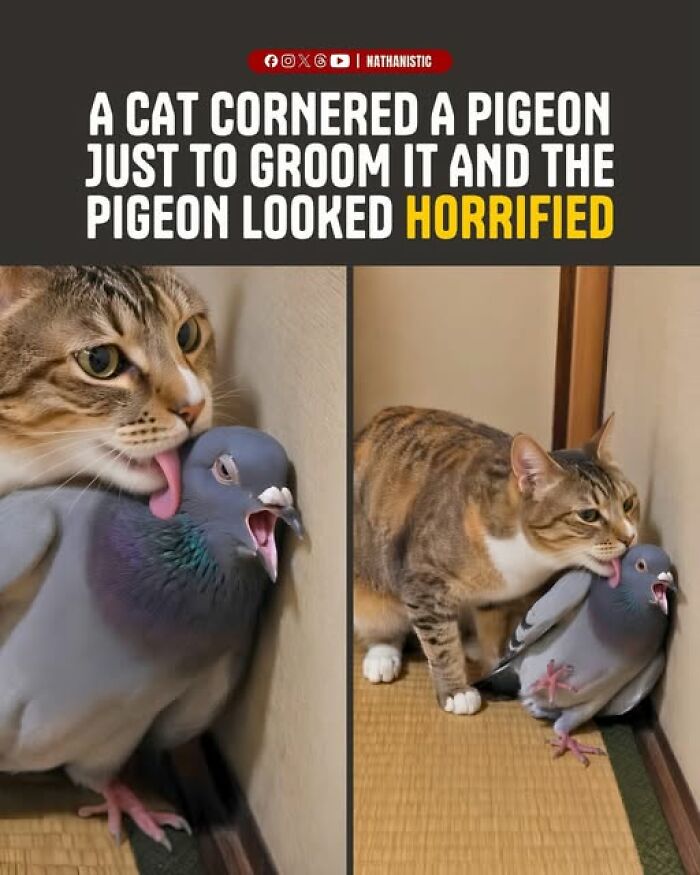
Image source: Gail Dubins
#35
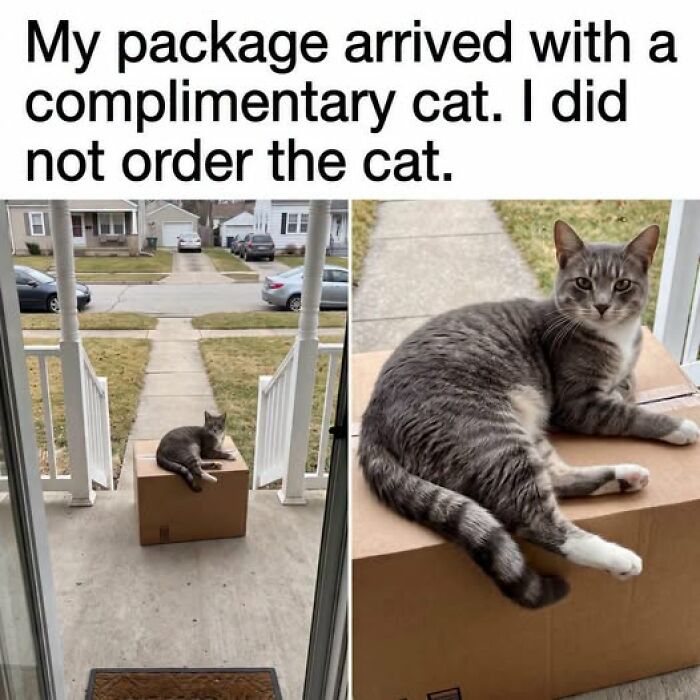
Image source: Gail Dubins
#36
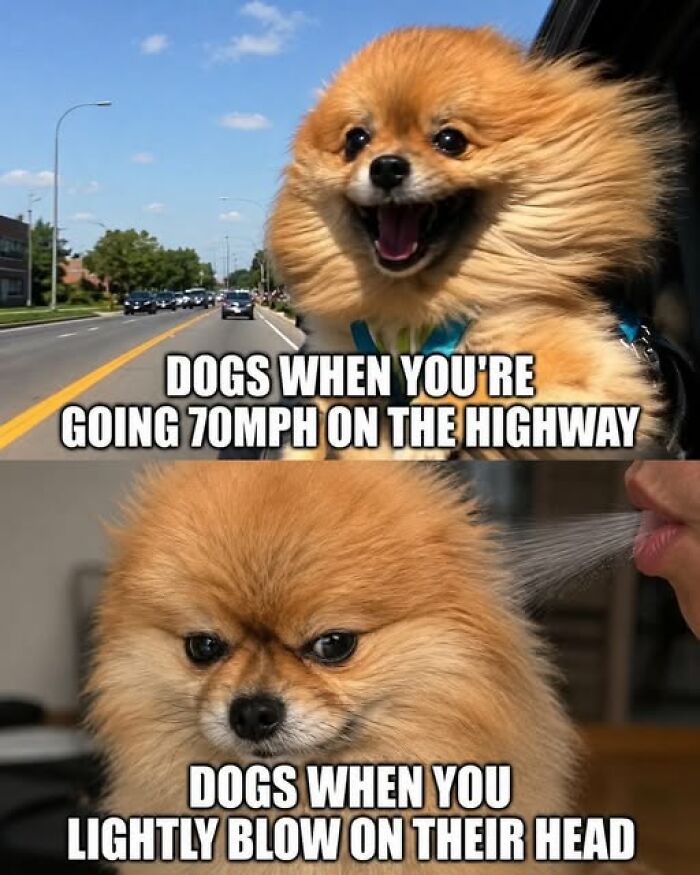
Image source: Sue Olszewski
#37
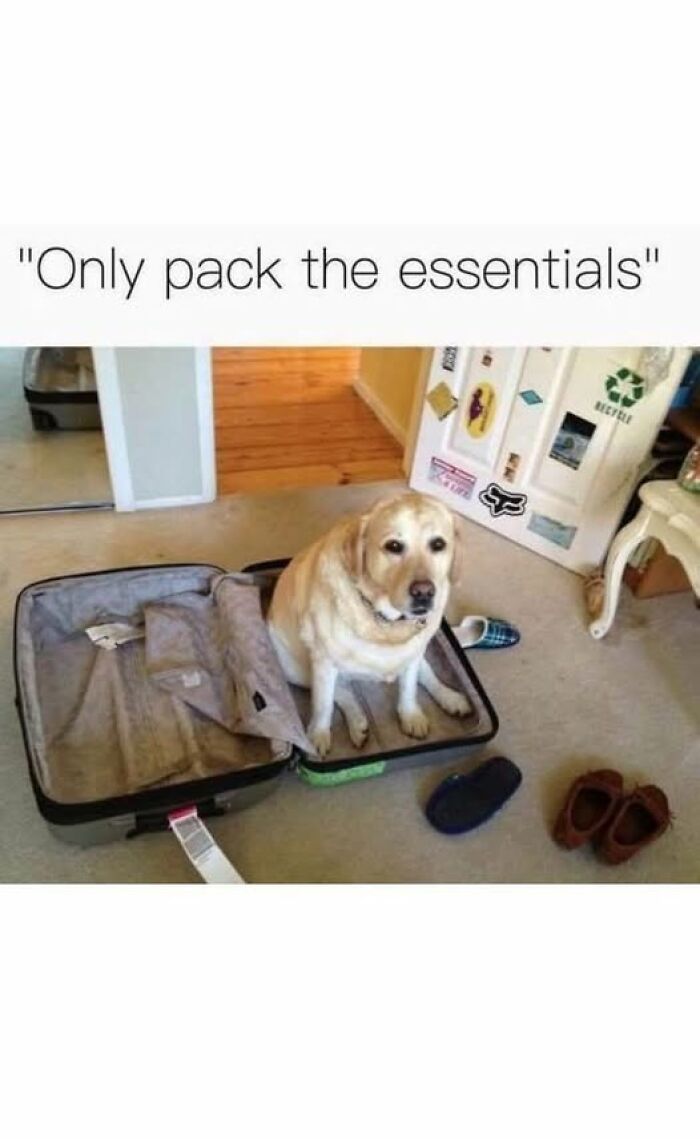
Image source: Angelina Tanner
#38
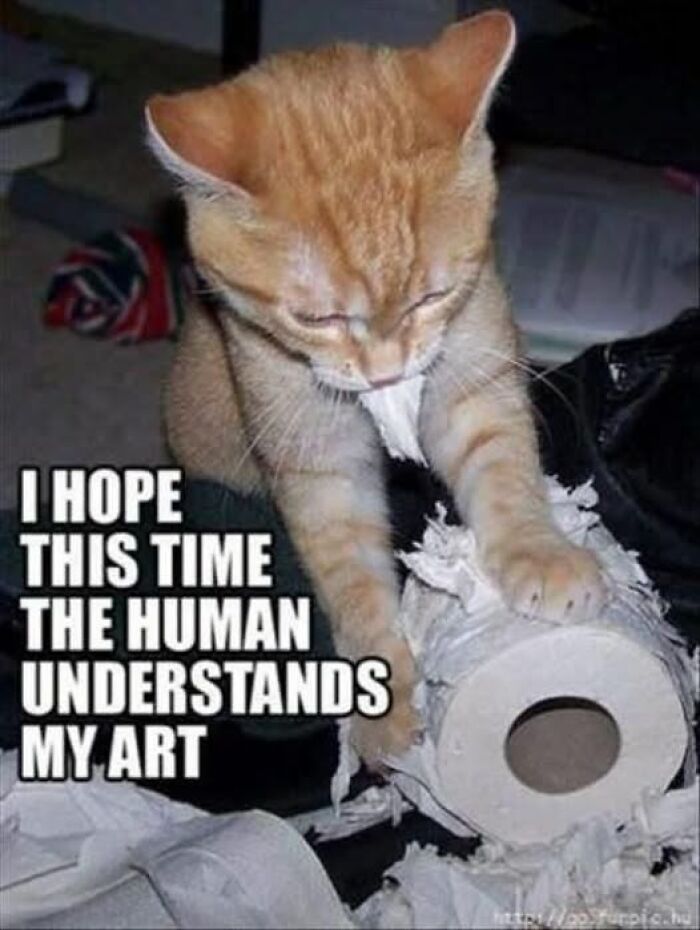
Image source: Mellissa Delorme
#39
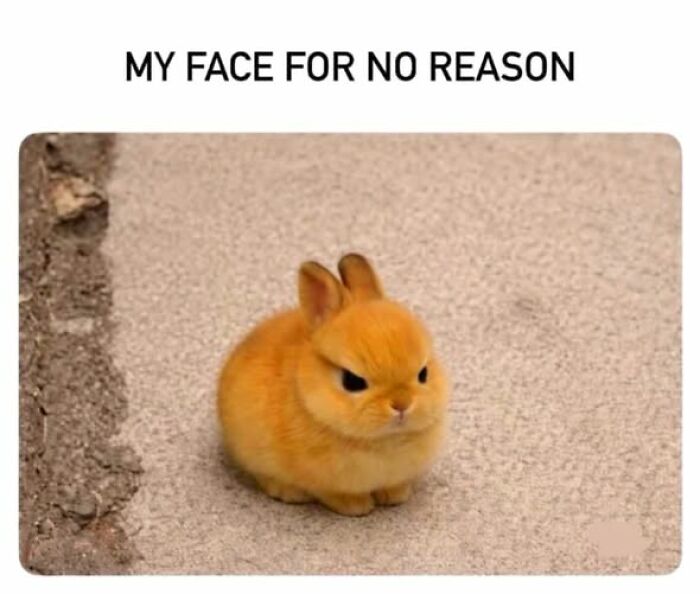
Image source: Catherine Lee Rodriguez
#40
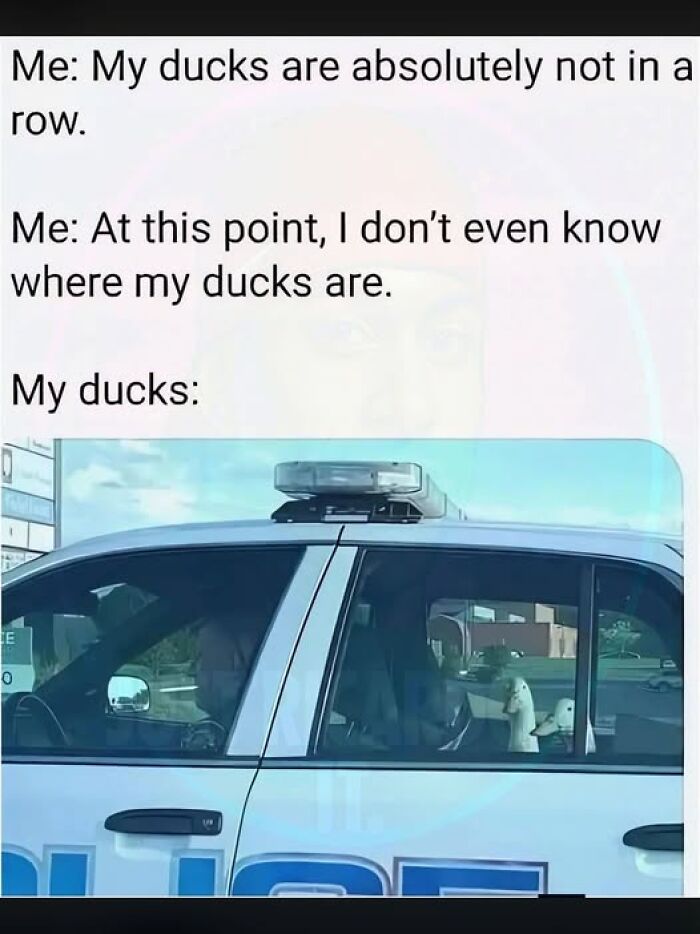
Image source: Kathy Bruno Bridge
#41
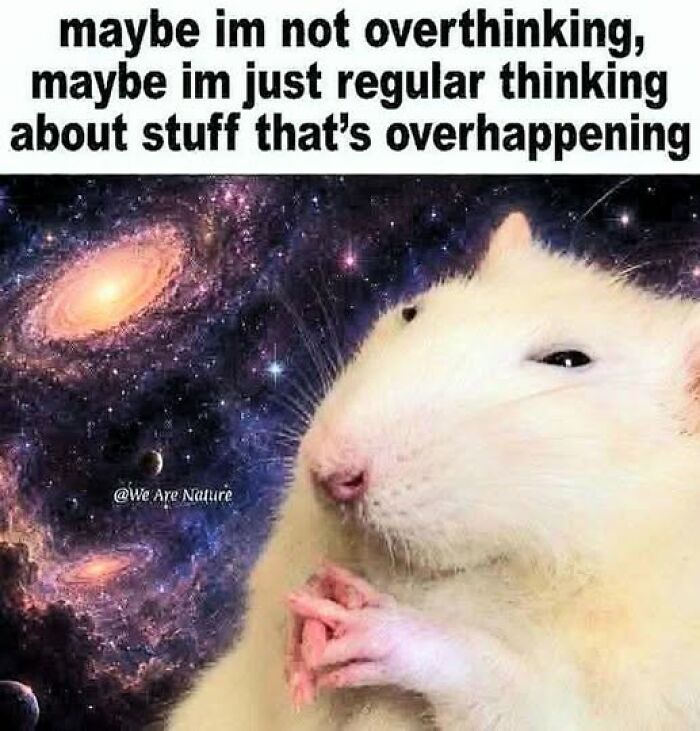
Image source: Bonnie Barr
#42
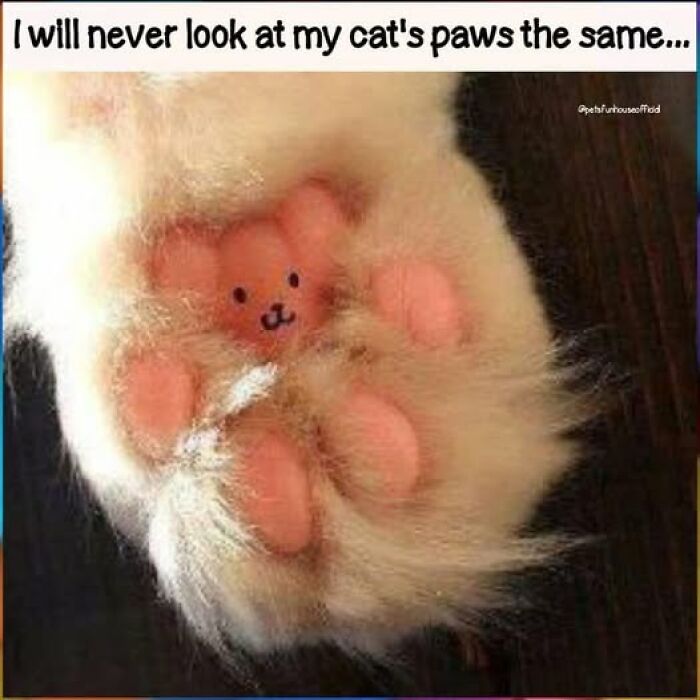
Image source: Steven Eugene Martin
#43
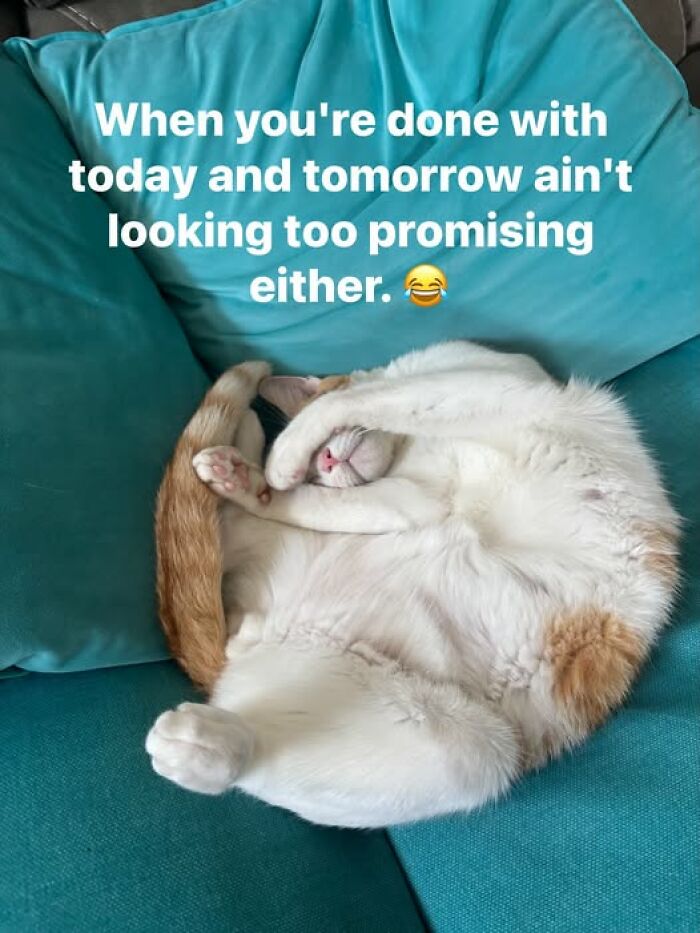
Image source: Trish Ritterbeck
#44
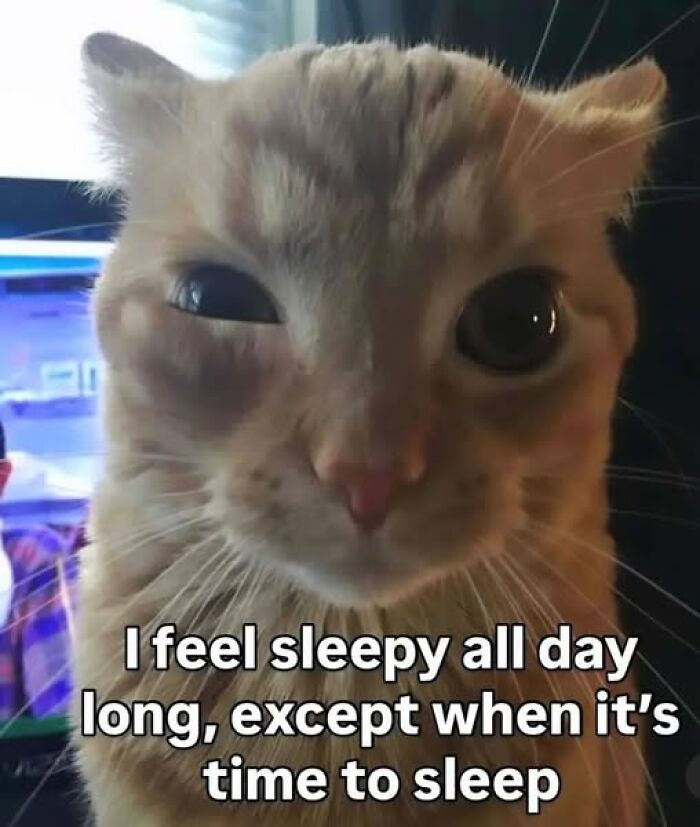
Image source: Alice La Dahlia
#45
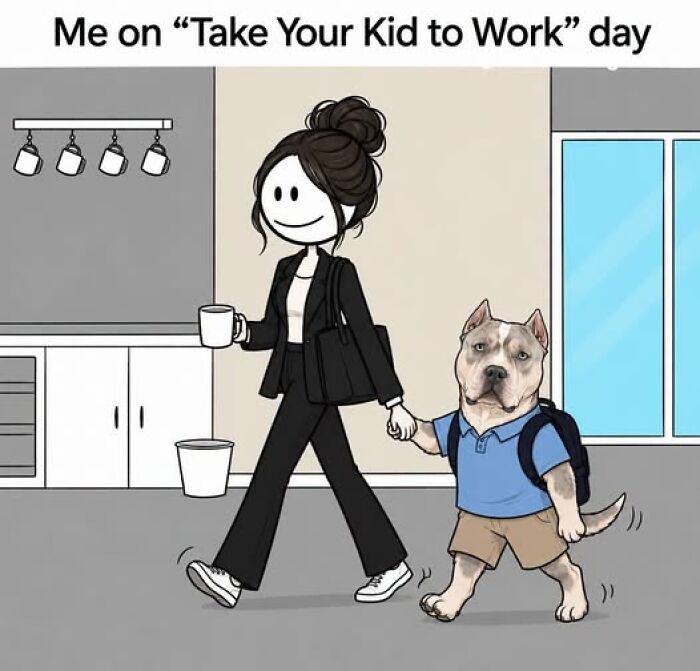
Image source: Jeremy McCormack
#46
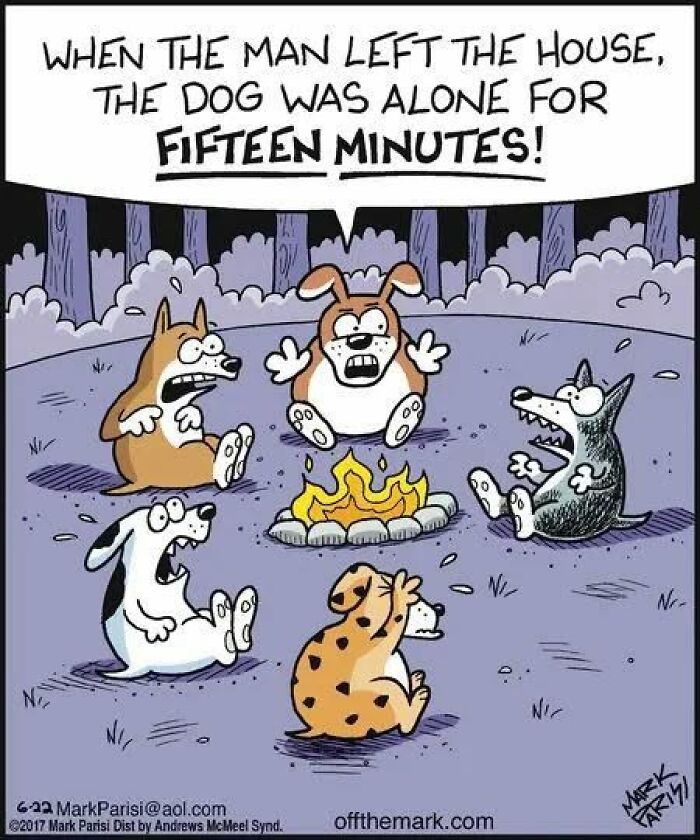
Image source: Wendy Hambor
#47
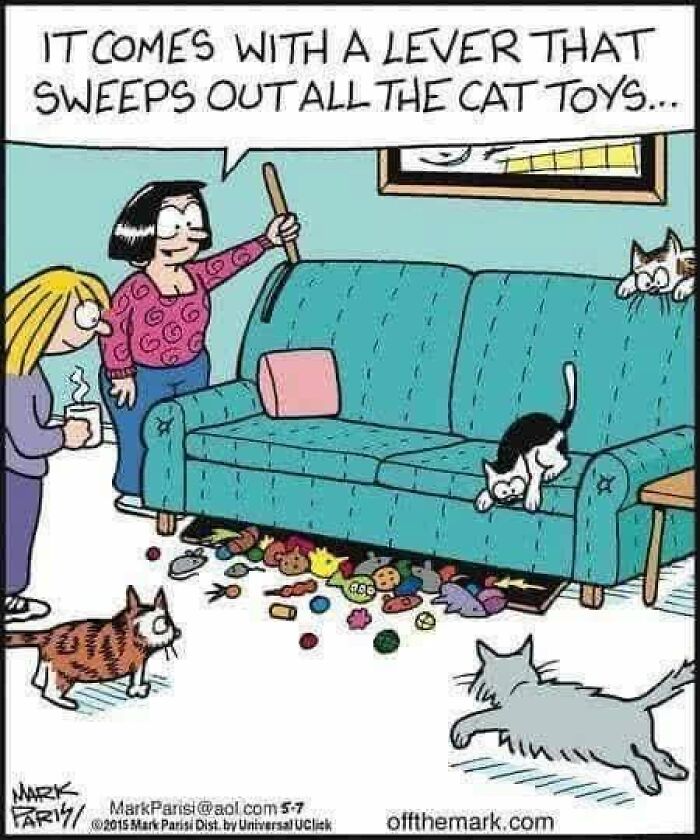
Image source: Elizabeth Fox-Wise
#48
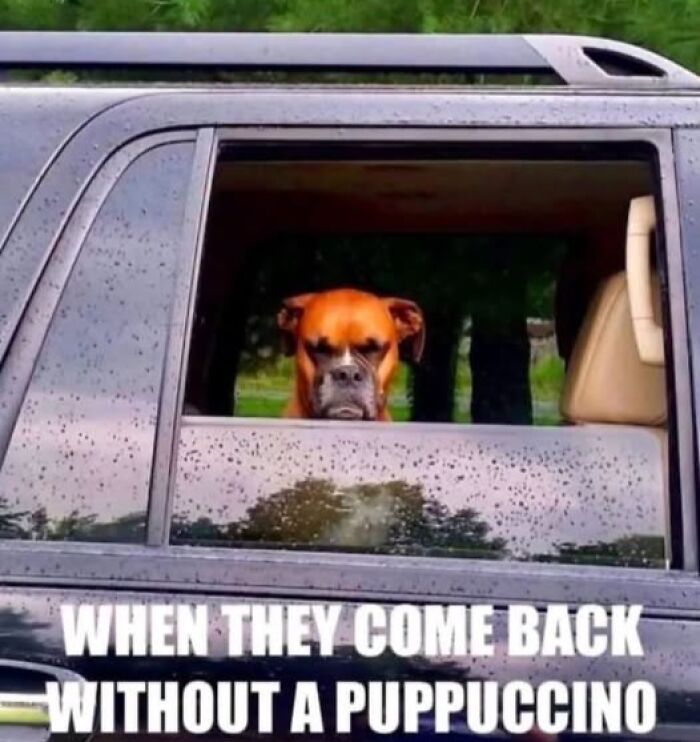
Image source: Kathy Bruno Bridge
#49
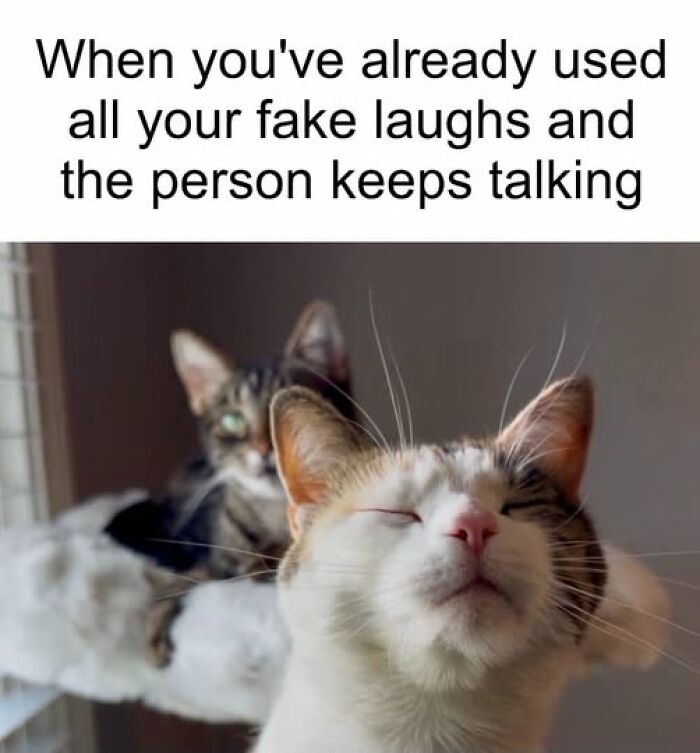
Image source: Gail Dubins
#50
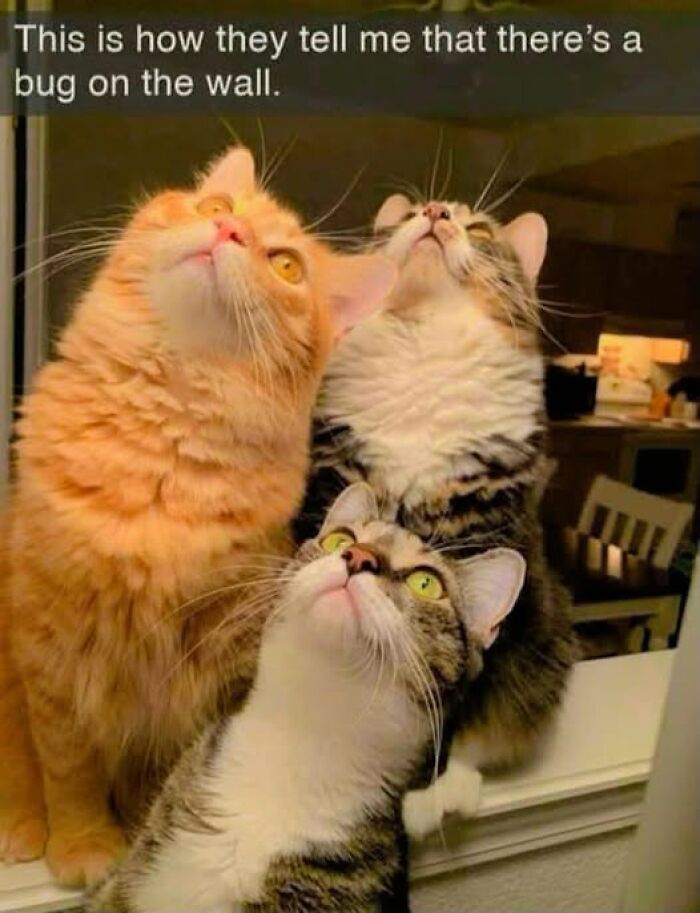
Image source: Sue Olszewski
#51
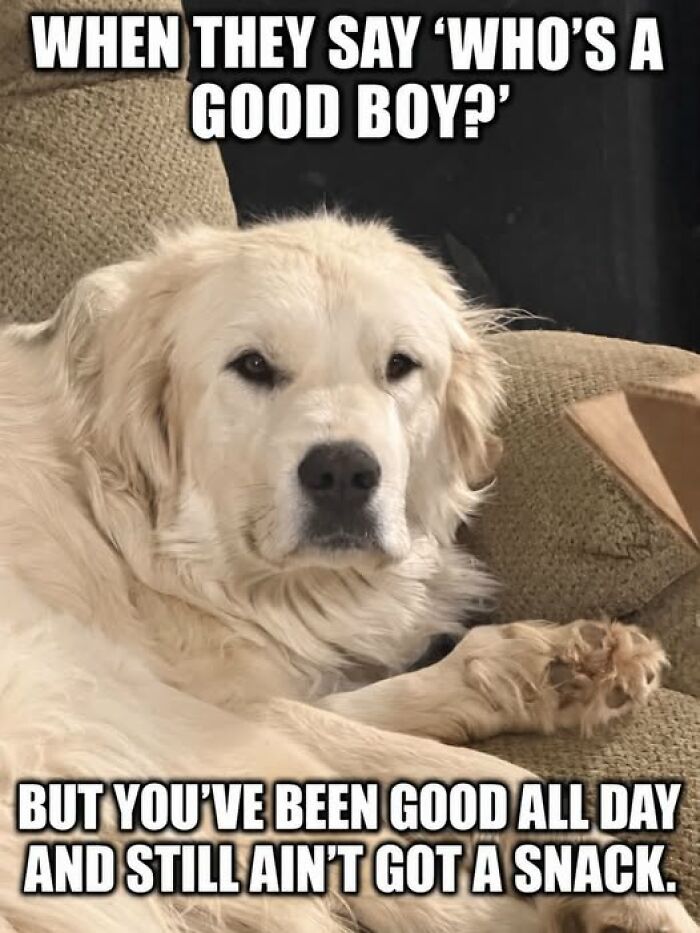
Image source: Ben Gooden
#52
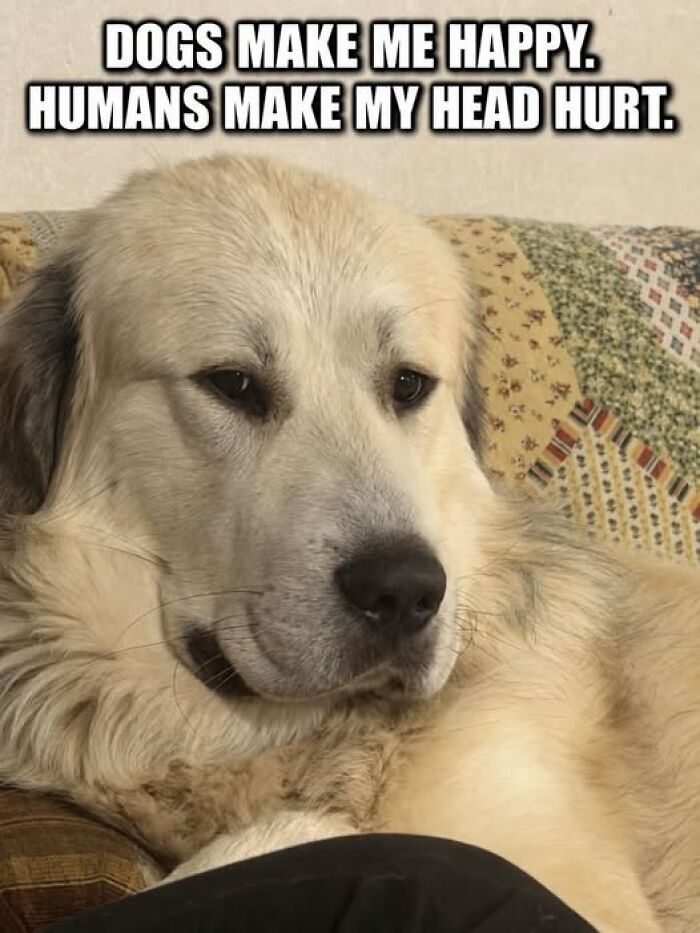
Image source: Ben Gooden
#53
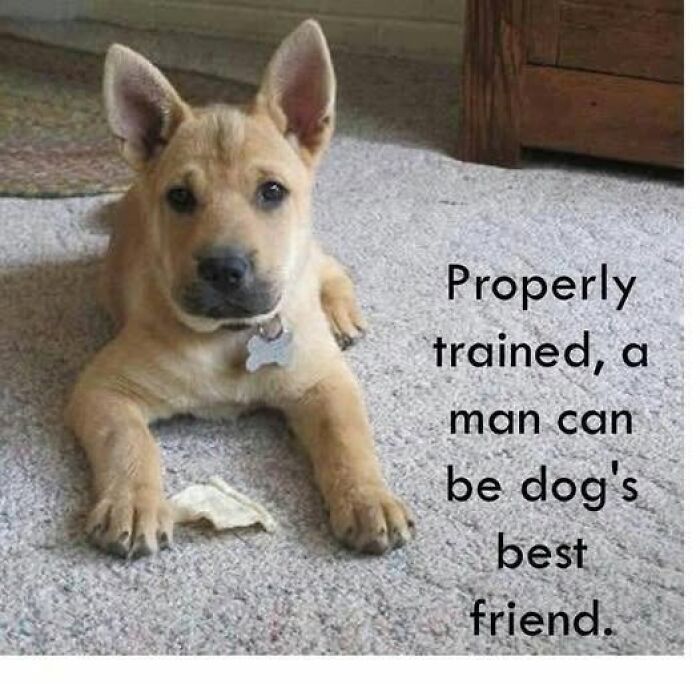
Image source: Elizabeth Fox-Wise
#54
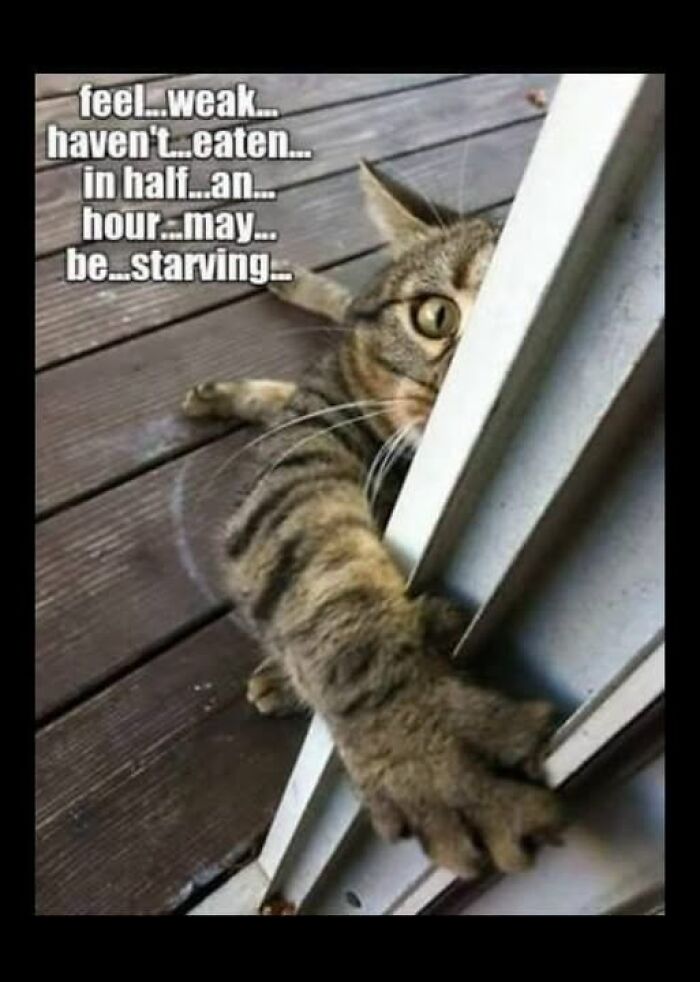
Image source: Jason W Smith
#55
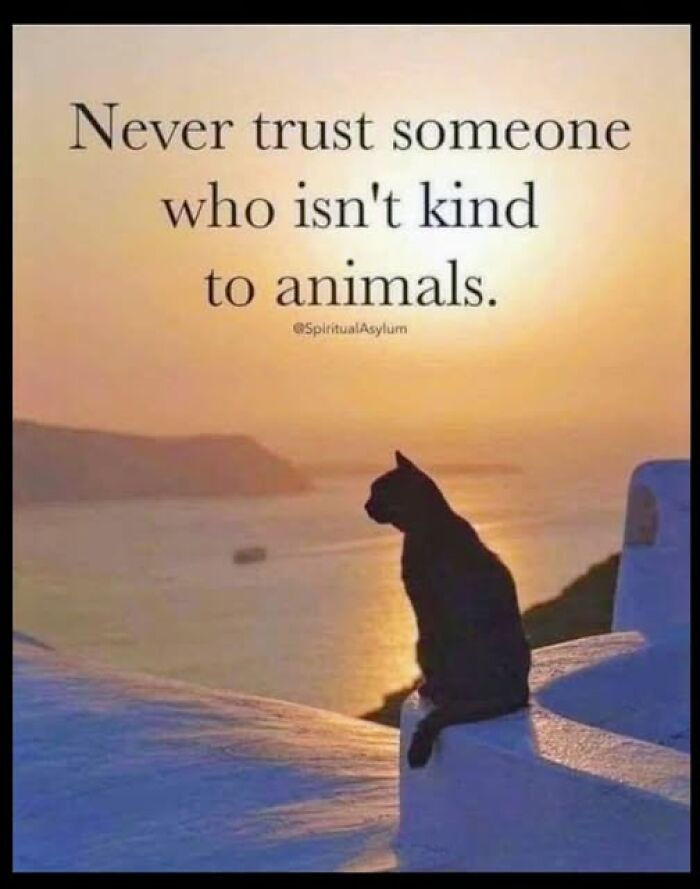
Image source: Diane Hioureas
#56
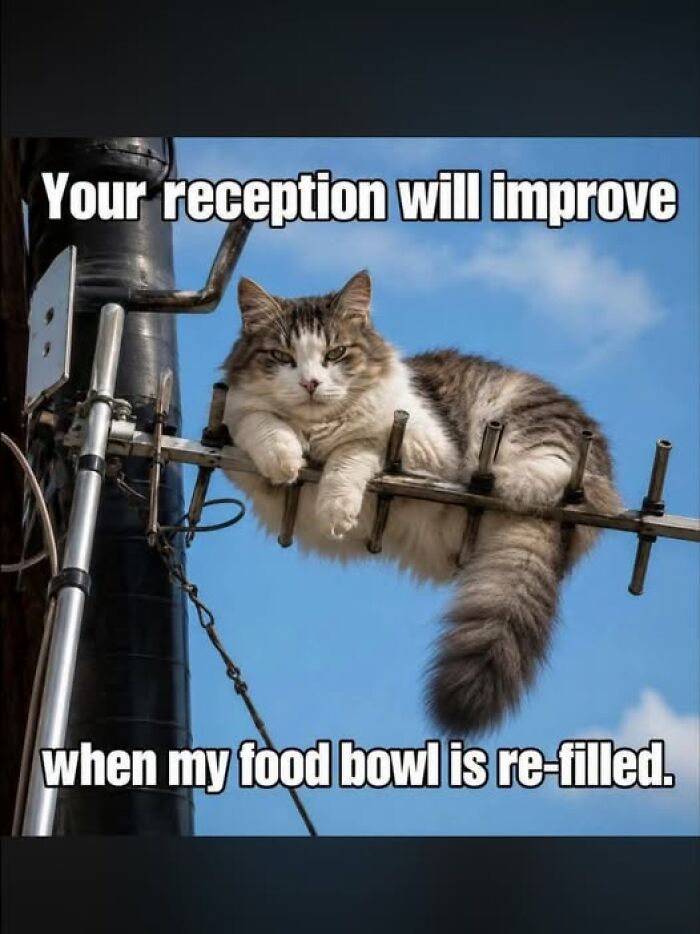
Image source: Kathy Bruno Bridge
#57
Image source: Sue Olszewski
#58
Image source: Alice La Dahlia
#59
Image source: Catherine Lee Rodriguez
#60
Image source: Sue Olszewski
#61
Image source: Diane Hioureas
#62
Image source: Sue Olszewski
#63
Image source: Kimberly S Coles
#64
Image source: Alice La Dahlia
#65
Image source: Sue Olszewski
#66
Image source: Alice La Dahlia
#67
Image source: Larry Reindl
#68
Image source: Marsha Stinnett
#69
Image source: Alice La Dahlia
#70
Image source: Donald Miller
#71
Image source: Sue Olszewski
#72
Image source: Steven Eugene Martin
#73
Image source: Carla Brown
#74
Image source: Gerri Kaldwell
#75
Image source: Larry Reindl
#76
Image source: Jeff Hurst
#77
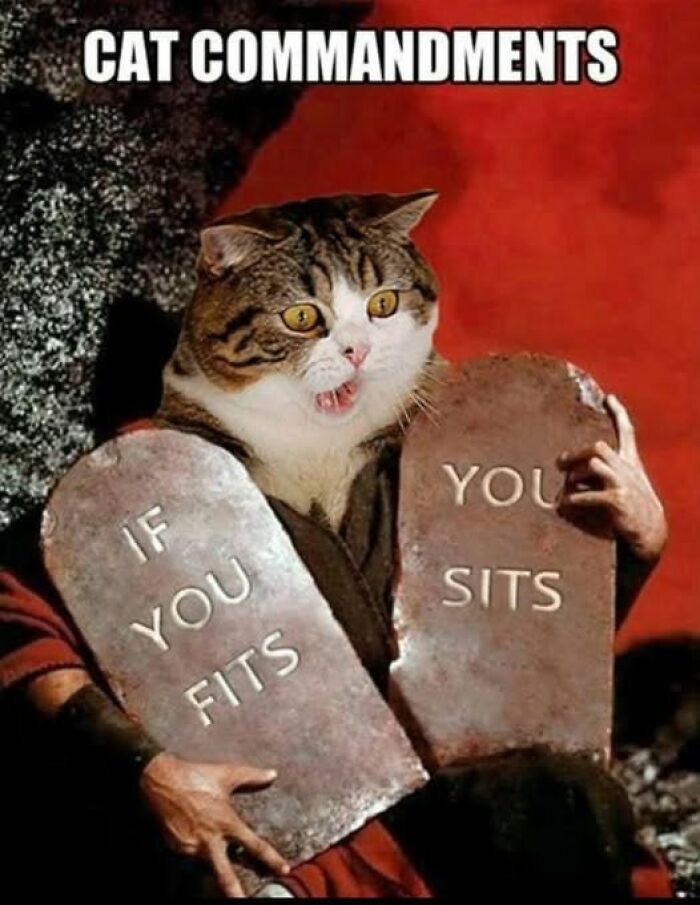
Image source: Wendy Hambor
#78
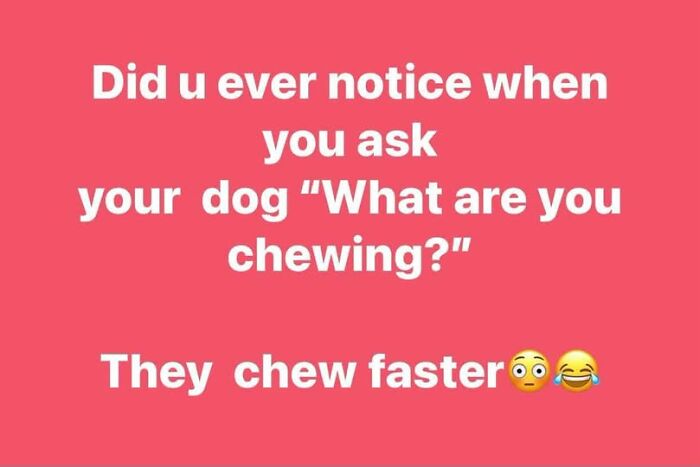
Image source: Jeff Hurst
 Follow Us