Remember, not all disabilities are visible. So, you shouldn’t go about making nasty remarks and dubious assumptions about the strangers you meet. For example, if you spot someone sitting in a priority seat on public transport, there might be a good reason for it. And if you genuinely need a seat and suspect that they might not, you can always ask—politely.
A young woman with a leg injury found herself being fiercely judged by two seniors for taking up a priority seat. Having had enough, she decided that it was time to teach them a lesson in humility. Read on to see what happened and why the strangers regretted jumping to conclusions.
Just because you don’t think that someone has a disability doesn’t mean that they don’t

Bruno Silva / Pexels (not the actual photo)

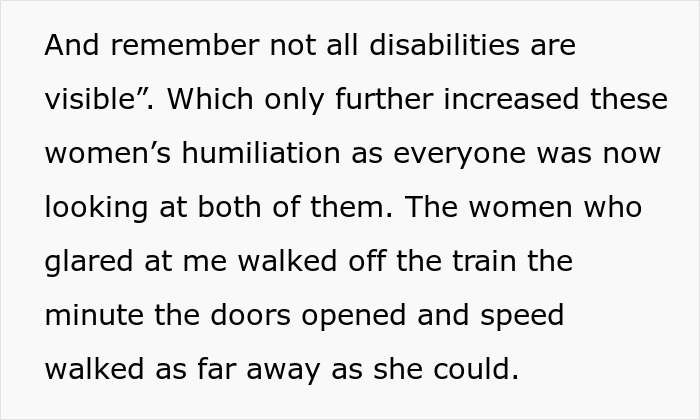
This woman sat in a priority seat on the train and heard some nasty comments from a couple of seniors. She decided to teach them a lesson

Teona Swift / Pexels (not the actual photo)


Zulfugar Karimov / Unsplash (not the actual photo)

Making instant judgments is what people do, but you don’t have to stick to your opinions based on just first impressions
Being judgmental falls in an emotionally messy gray zone. On the one hand, snap judgments and quick generalizations help human beings function in intense, noisy environments full of information. You end up having to make quick and broad evaluations about the people around you. On the other hand, first impressions can be incredibly superficial and lead you to decisions that are not even remotely related to the truth.
Case in point, the two senior women in the story made a sweeping generalization about a stranger in a priority seat because she was both young and didn’t have a visible disability. They acted (made judgmental comments) based on what they could see, without considering any alternatives. Someone with higher emotional intelligence would have either refrained from making those comments or, if they genuinely needed that seat, would have asked the stranger whether they could switch with them.
According to Psychology Today, people are hardwired to evaluate each other quickly. First impressions are affected by several things, including facial shape, vocal inflection, attractiveness, general emotional state, etc. These factors affect how someone perceives your intentions, trustworthiness, and physical strength, among other things.
The drawback is that these first impressions—which take just 7 seconds to make—tend to stick. “People tend to get attached to their initial impressions of others and find it difficult to change their opinion, even when presented with evidence to the contrary.”

Getty Images / Unsplash (not the actual photo)
Curiosity and empathy should drive your relationships with others, not just judgment
Some of the things that instantly leave bad impressions include the following behaviors:
If you strive to be less judgmental in your day-to-day life, you might find yourself more at peace and happier. According to John Kim, LMFT, curiosity and a willingness to understand others first are better approaches.
“If we commit to stopping judgment—if we make it a daily practice—our world opens up. We go from narrow to wide. And in that open space? There’s room for compassion, love, connection, creativity, and endless possibilities,” he writes.
Kim stresses that you can’t be curious and judge others at the same time. So, if you find yourself being judgmental, try to pivot toward more curiosity. “Wonder why someone is doing what they’re doing. Don’t label it. Don’t take it personally. Curiosity creates distance—and in that space, judgment dissolves.”
We want to hear your perspectives in the comments, Pandas! When is the last time you had to deal with seat drama on public transport? Has anyone ever challenged you over a seat you’ve taken on a train, bus, or plane? On the flip side, have you ever spotted a stranger unfairly hog a seat that they could’ve given to someone who actually needed it more? Share your stories and thoughts in the comments.
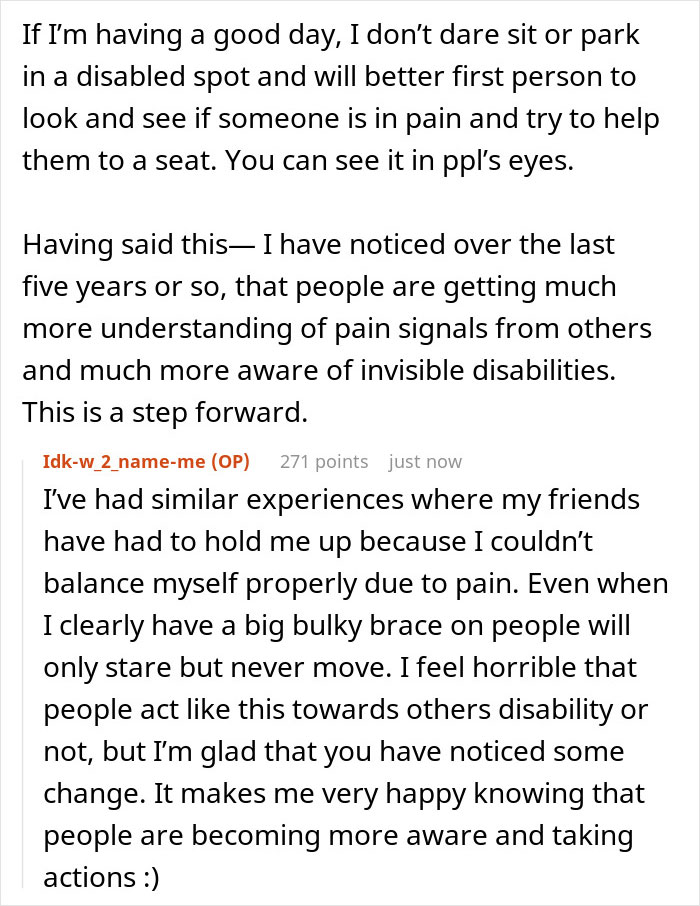
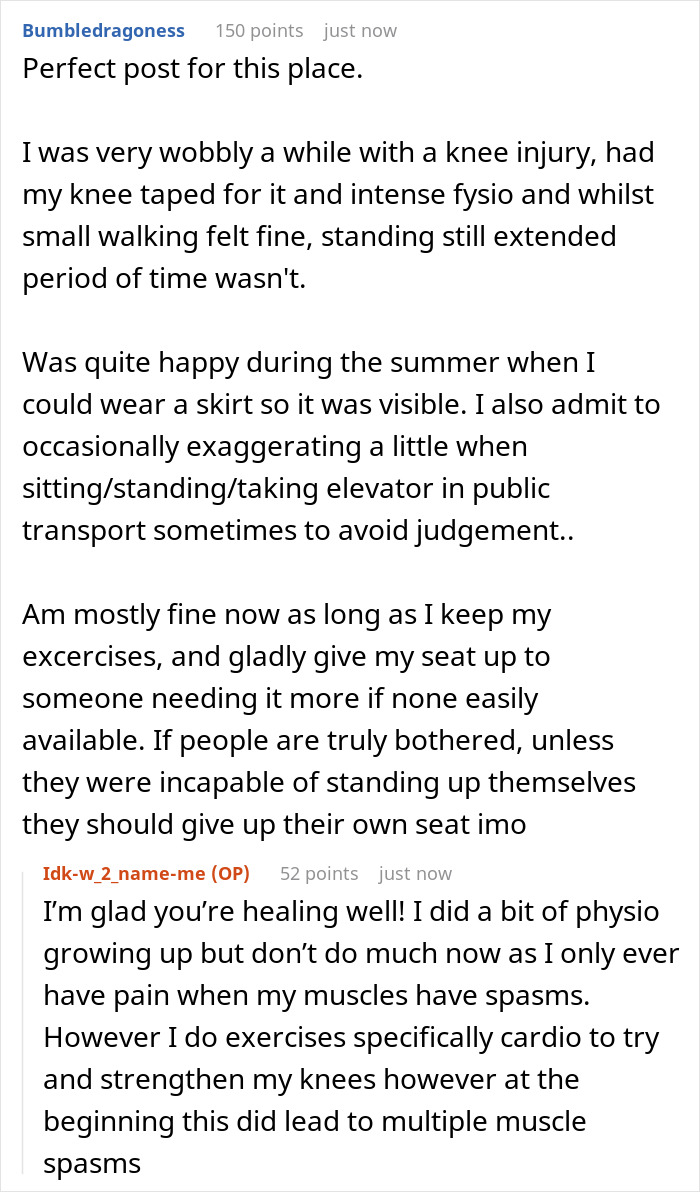
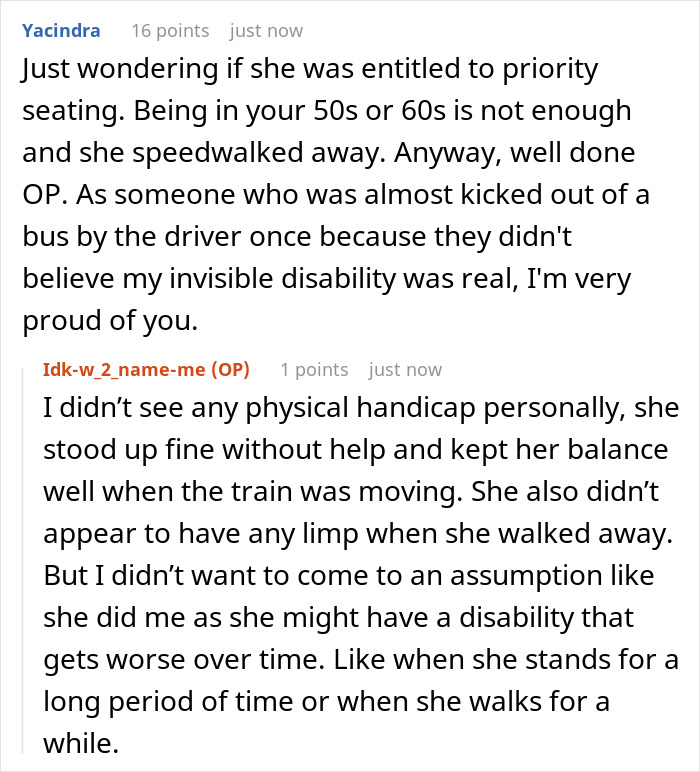
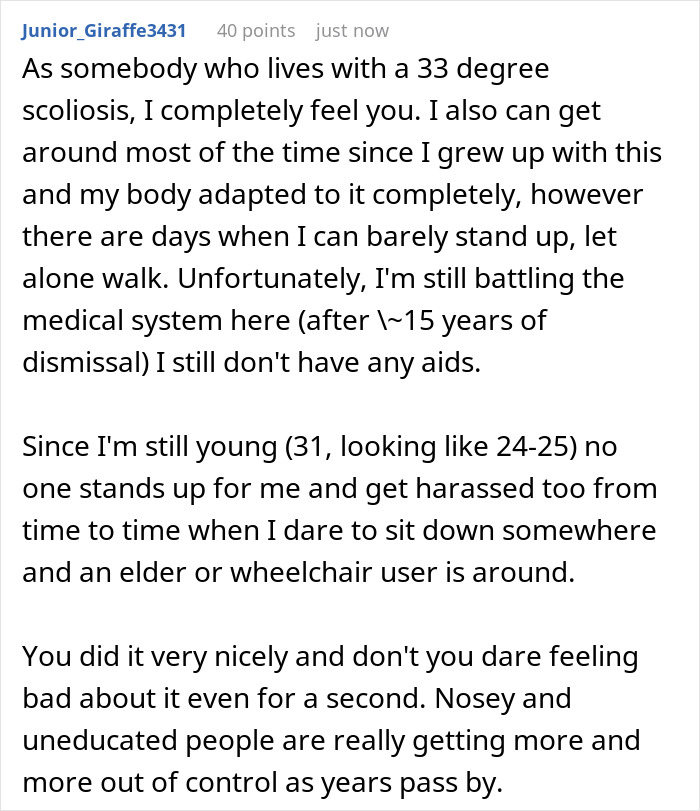
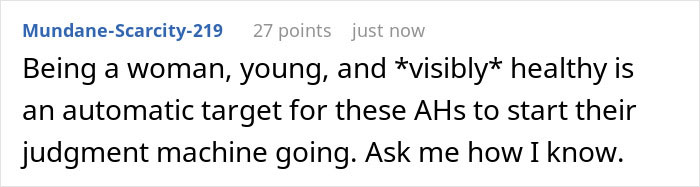
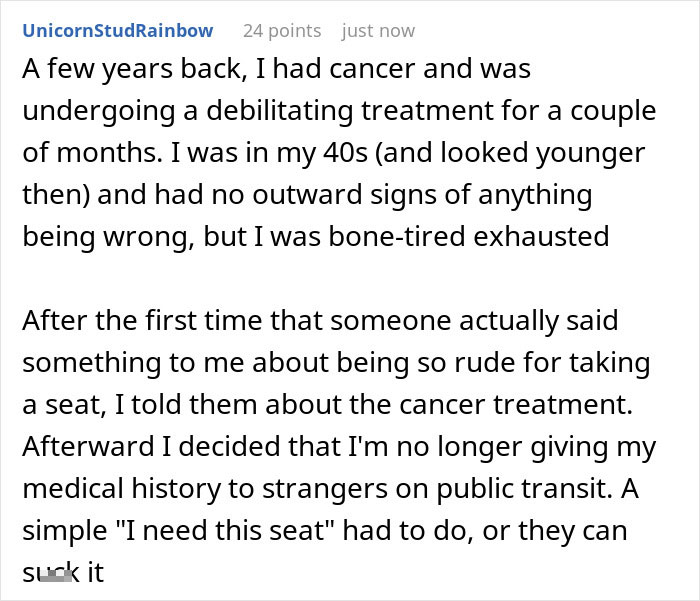
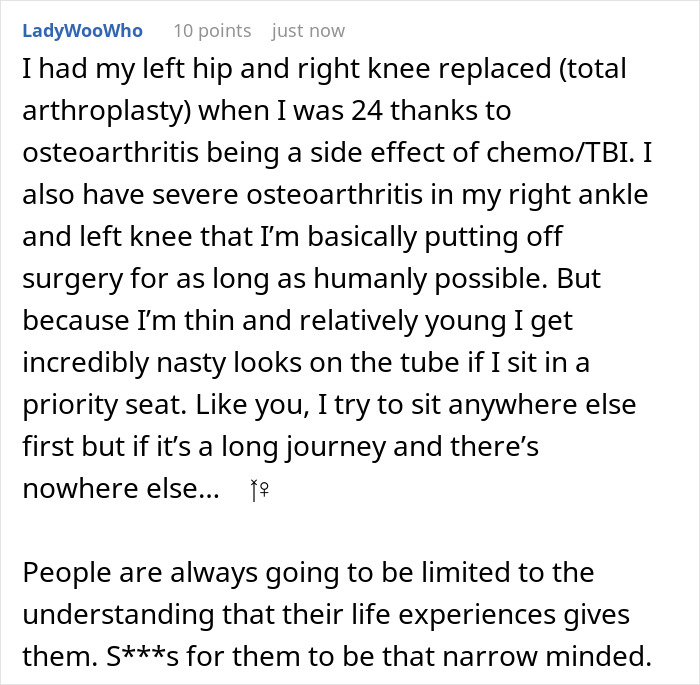
People online opened up about similar experiences and shared their perspectives








 Follow Us