There is something immediately unsettling about the worlds in Benedek Lampert’s latest photography project. At first glance, they resemble familiar wildlife scenes: tigers move through a burned forest, a panda wanders among towering green stalks, and penguins stand surrounded by ice. Look a little closer, however, and the illusion begins to unravel. The forests, oceans, and frozen landscapes in “The Nature We Replaced” (T.N.W.R.) aren’t recreations of nature at all. They are carefully constructed miniature environments made from materials linked to the very problems that threaten the animals pictured inside them.
Created by Hungarian photographer Benedek Lampert, the conceptual series represents a significant shift in his approach to miniature photography. For more than a decade, Lampert has specialized in building highly detailed scenes with scale models, handcrafted environments, practical effects, and carefully controlled photography. Bored Panda readers may already be familiar with his incredibly detailed miniature photography. We previously featured his toy photography spanning subjects such as Star Wars and other fictional worlds, as well as his ambitious miniature recreation of Ernest Shackleton’s Endurance expedition. With T.N.W.R., however, perfect realism takes a back seat to something more important: meaning.
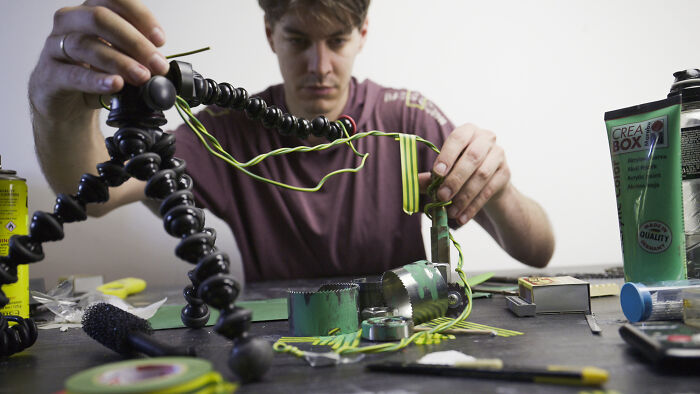
Scroll down to explore Lampert’s T.N.W.R. series, along with behind-the-scenes photographs revealing how some of these miniature worlds were constructed. And as you make your way through the project, let us know which image or concept left the strongest impression on you.
More info: figsfanphotos.com | Instagram | Facebook | youtube.com | tiktok.com
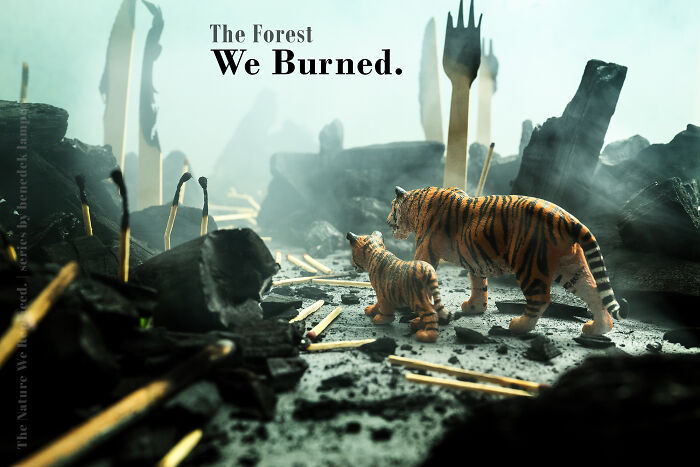
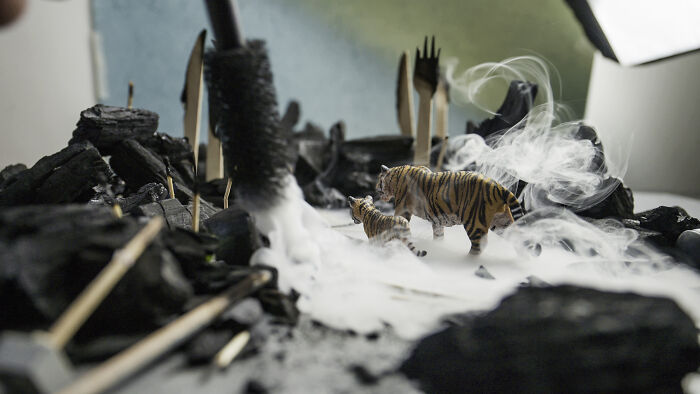
“The Forest We Burned” places a tiger in a landscape made from burnt charcoal and used matches
Nature, wildlife, and environmental storytelling have long been close to Lampert, and for this project he wanted to use the skills he had developed over years of miniature photography to address the future of the natural world. Rather than creating beautiful replicas of habitats, he deliberately constructed places that should never exist.

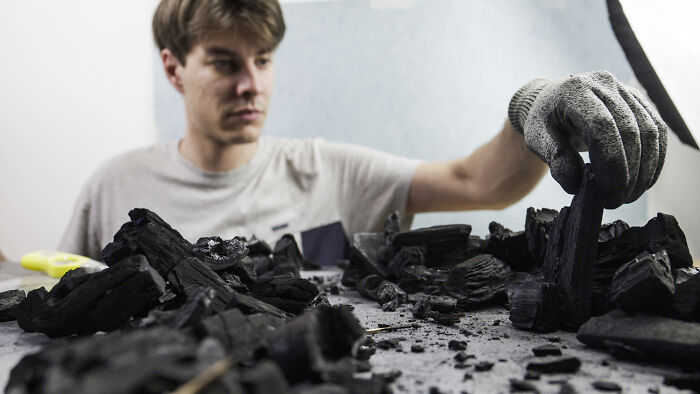
Benedek physically built the scorched forest rather than relying on digital effects to create the destruction
Smoke, lighting, and a low perspective transform the tiny set into a convincing habitat devastated by fire
Every scene places an endangered or threatened animal in an environment reconstructed from human-made materials, waste, or objects associated with ecosystem destruction. Plastic can stand in for vegetation, discarded materials become frozen wilderness, and other everyday objects are transformed into landscapes that appear recognizable from a distance but become increasingly disturbing once their construction is understood.
For “The Arctic We Created,” plastic bags take the place of the sea ice polar bears depend on
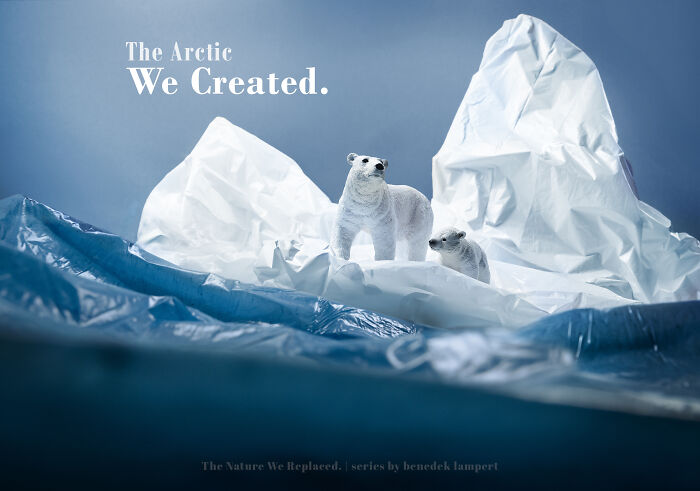
The artificial ice was deliberately made from waste, turning the material itself into part of the environmental message
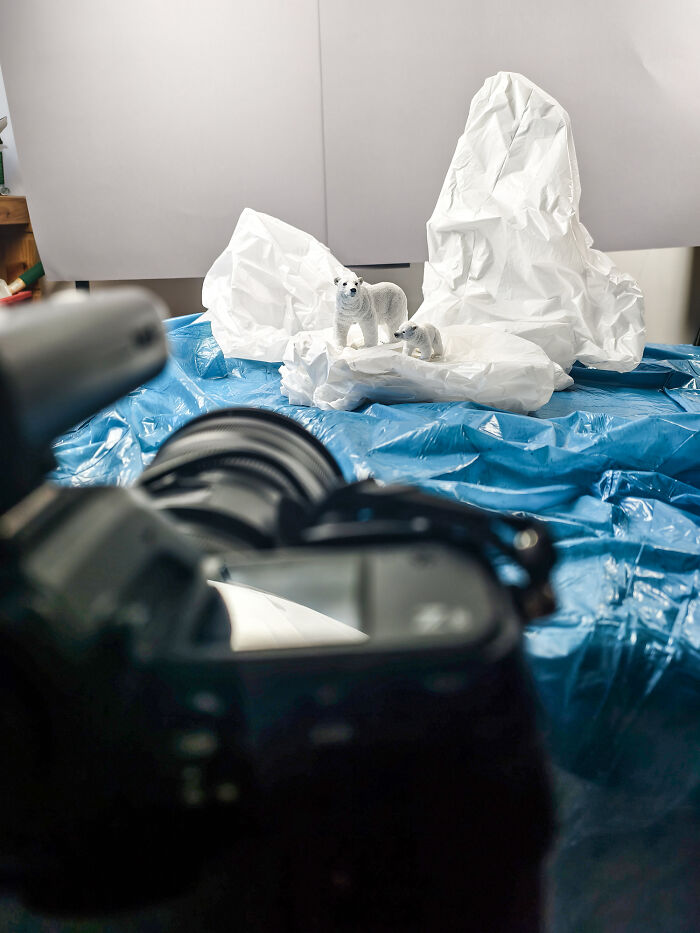
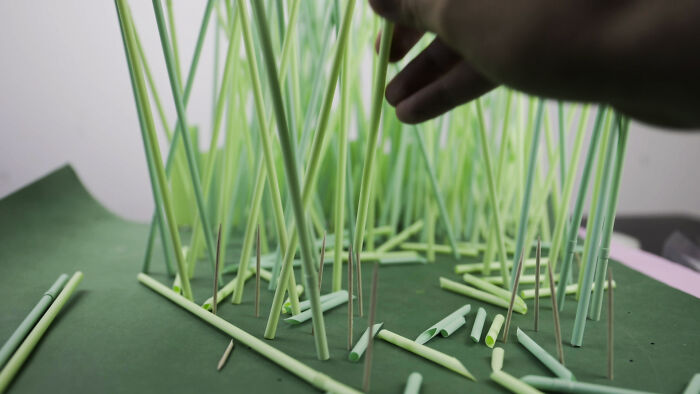
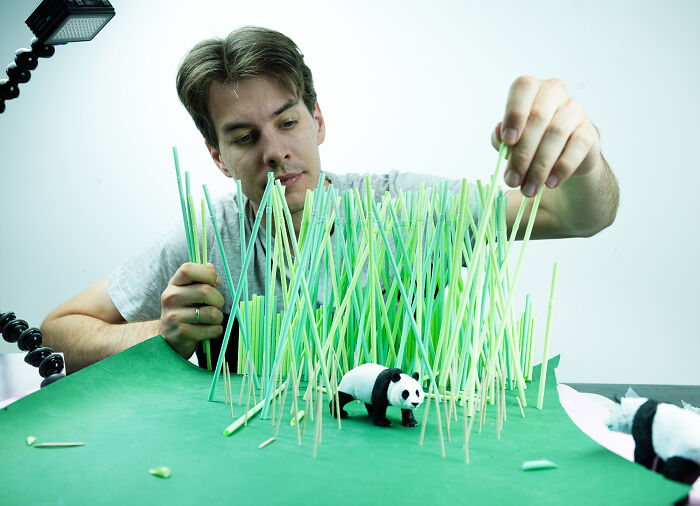
Each miniature environment is physically constructed around the threat facing the animal placed inside it. In “The Arctic We Created,” for example, a polar bear’s disappearing frozen world is recreated with plastic bags, connecting the loss of Arctic sea ice with a landscape increasingly overtaken by human waste. “The Forest We Burned” surrounds tigers with burnt charcoal and used matches, turning wildfires, deforestation, and the destruction of forest habitats into something viewers can see quite literally built into the scene. Elsewhere, plastic drinking straws stand in for the bamboo of a giant panda’s fragmented habitat, transforming what initially appears to be lush vegetation into an artificial imitation of nature.
Plastic drinking straws become bamboo in “The Habitat We Staged,” created around a giant panda
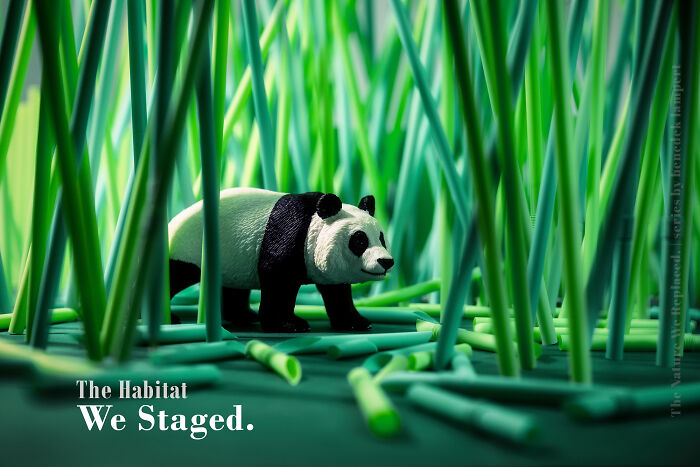
Giant panda conservation has made progress, but their remaining habitat is still fragmented into increasingly isolated areas
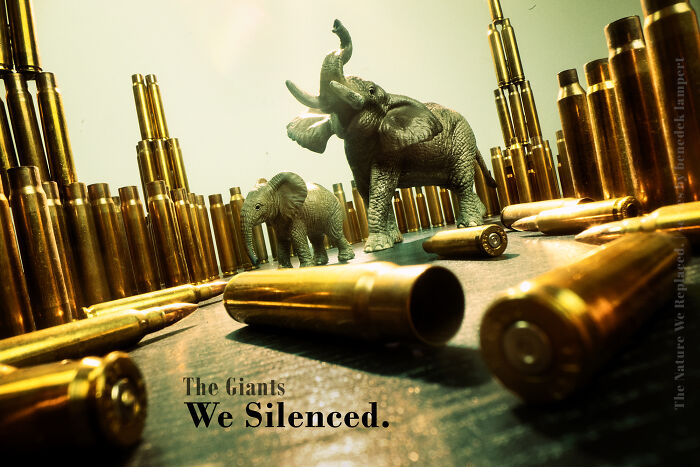
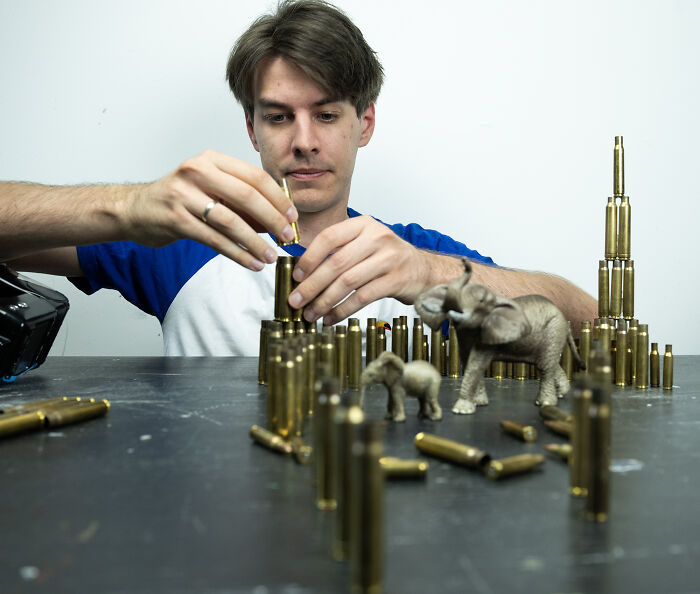
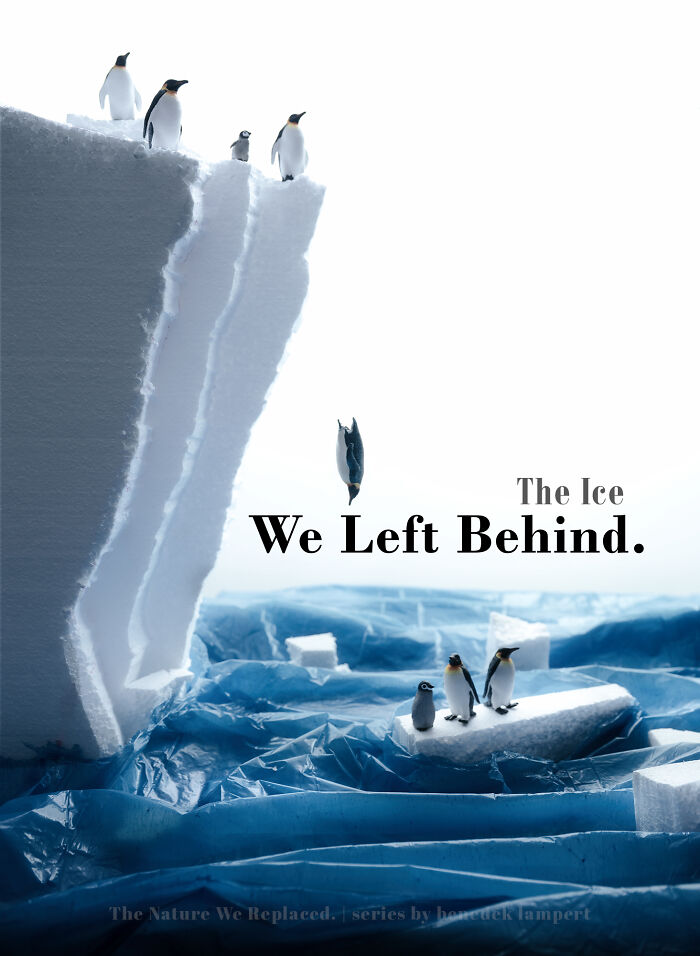
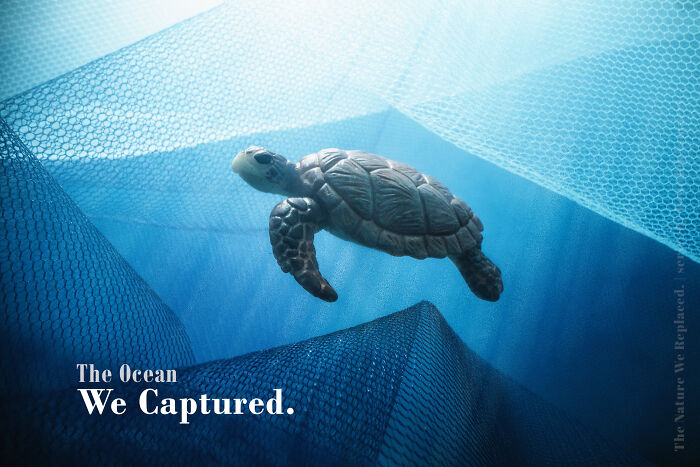
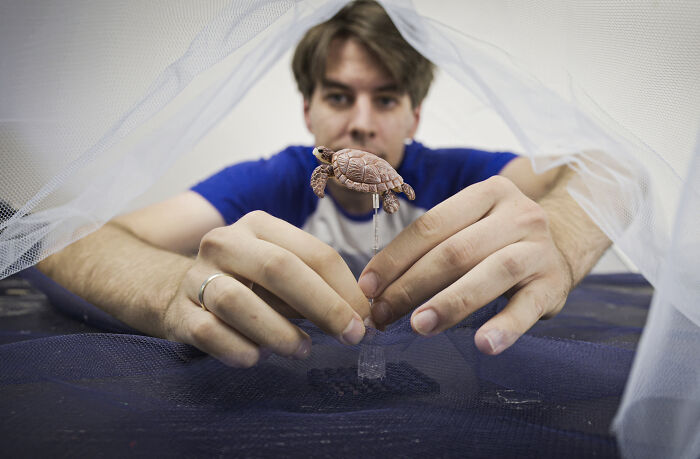
Other photographs make the threat even more inseparable from the environment itself. In “The Ocean We Captured,” sea turtles move through a miniature ocean made from fishing net, referencing the countless marine animals that become entangled in fishing gear and abandoned “ghost nets.” Lampert similarly uses discarded plastics and Styrofoam to construct a diminishing frozen landscape for penguins, while spent bullet casings form the setting for elephants threatened by illegal wildlife trafficking and poaching. Rather than simply placing miniature animals beside symbols of environmental damage, he builds the damage into their habitats, creating worlds in which the thing threatening each species has effectively replaced the nature it depends on.
The realism of the animals makes the artificial nature of their surroundings feel even more unsettling
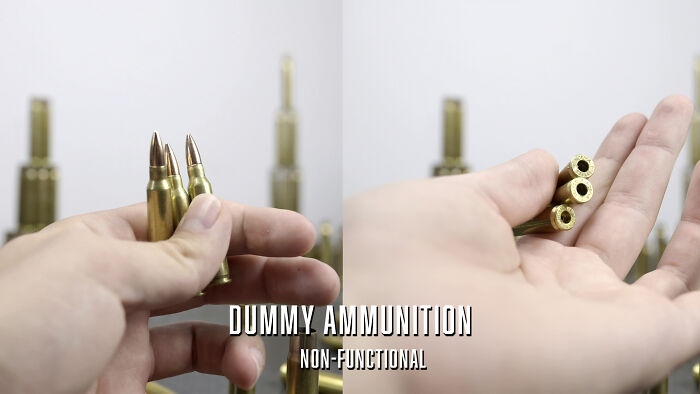
For “The Giants We Silenced,” spent casings form the landscape surrounding an African elephant
That contradiction is central to the project. The images aren’t simply intended to illustrate environmental problems. Instead, Lampert uses miniature photography to visualize the uncomfortable relationship between wildlife and the increasingly artificial world humans are creating around it. The animals remain recognizable and almost deceptively natural, while their surroundings reveal the consequences of pollution, habitat destruction, climate change, and other forms of human interference.
The material leaves little room for ambiguity, connecting the scene directly to poaching and the illegal ivory trade
The environments may be fictional, but the threats represented in them are very real
The animal figures themselves were provided by German toy manufacturer Schleich, which joined the project after Lampert approached the company with his concept. Their detailed and realistic models were especially important to him, as overly simplified figures could have weakened the credibility and emotional impact of the photographs. Against environments made from obviously unnatural materials, the realism of the animals makes the contrast even sharper.
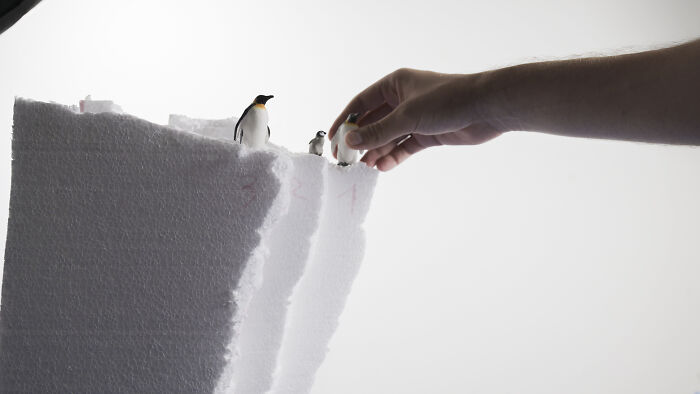
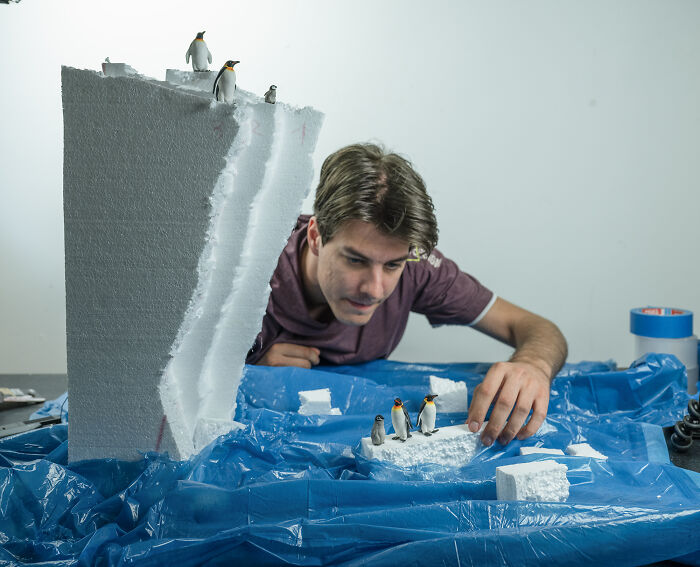
Discarded Styrofoam, plastic packaging, and bags become Antarctica in “The Ice We Left Behind”
Behind the finished illusion, carved foam and sheets of plastic reveal just how deliberately artificial this frozen world is
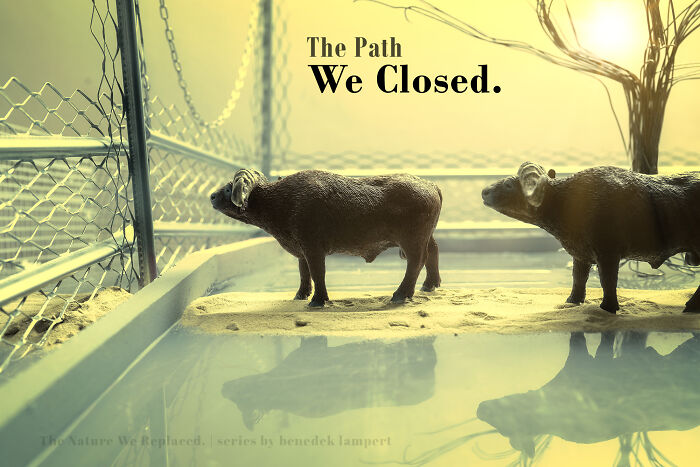
Even the names of the photographs form part of the storytelling. Each follows the structure “The … We …”, placing human responsibility directly into the language of the series rather than presenting the scenes as distant or unavoidable natural disasters. The titles describe environments that have been burned, captured, staged, closed off, or otherwise transformed by human choices.
It asks the question: ‘what happens when the materials we leave behind begin replacing the habitats wildlife needs to survive?’
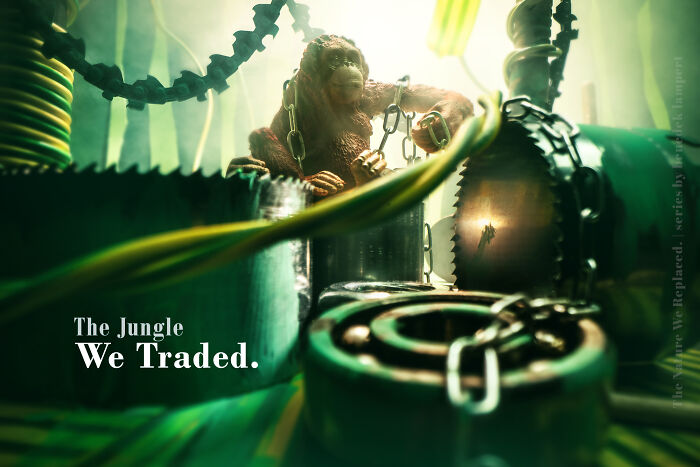
The mechanical landscape of “The Jungle We Traded” reflects how forests have been cleared to make way for timber, plantations, and agriculture
There is also a small but deliberate detail at the end of every title: a period. For Lampert, that full stop represents damage already done and consequences that cannot simply be reversed. At the same time, it isn’t intended as a declaration that everything is already lost. Benedek emphasizes that successful conservation efforts have shown that change is still possible, making the series a warning rather than an expression of hopelessness.
By replacing organic forms with machinery, Benedek visualizes what is lost when industry takes the place of a living ecosystem
The miniature setup of “The Ocean We Captured” turns discarded fishing gear into an inescapable habitat surrounding the animals
What makes the message of “The Nature We Replaced” impactful is that its artificiality isn’t something the photographer tries to hide. Once viewers notice what the landscapes are actually made from, the miniature illusion becomes part of the message. Familiar environments have been replaced, quite literally, by the products and consequences of human activity.
Lost “ghost nets” can continue trapping turtles and other marine animals long after fishermen have abandoned them
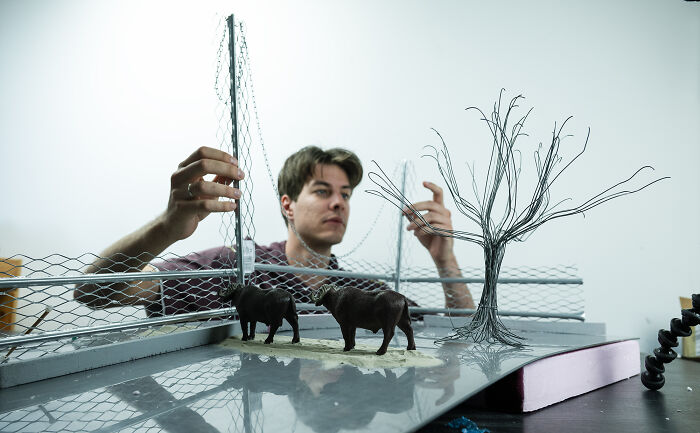
A physical barrier cuts through “The Path We Closed,” mirroring the obstacles wildlife encounters in human-altered landscapes
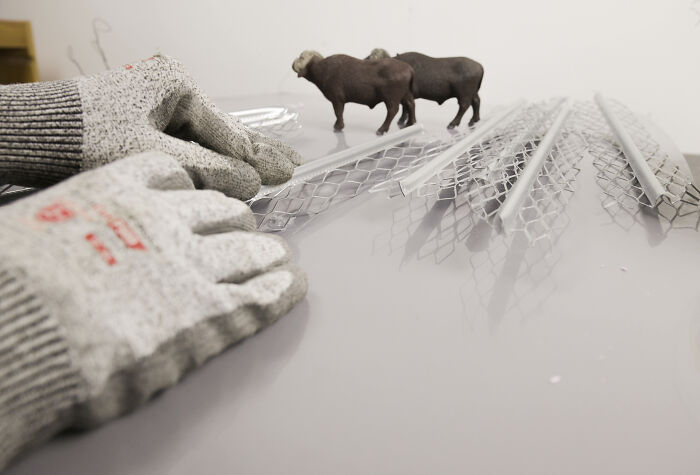
The BTS view makes the human intervention unmistakable as Benedek constructs the barrier around the miniature buffalo
Roads, fences, farms, and expanding settlements can sever migration routes animals rely on to reach food and water
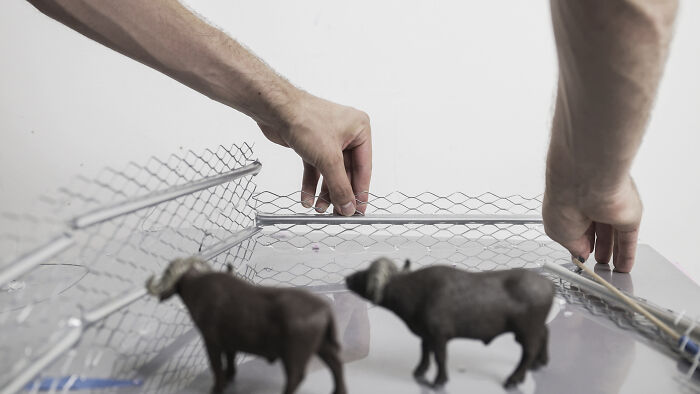
Even the titles were designed to emphasize that these changes are consequences of human choices
 Follow Us