It’s not uncommon for job seekers to sprinkle a few extra skills or impressive-sounding buzzwords on their resumes—maybe claiming mastery of a tool they barely know, or listing experiences that, on paper, look impressive but are mostly smoke and mirrors. It might seem harmless, just a little padding to get ahead but in the world of recruiting, those “small exaggerations” can turn into full-blown chaos.
One person shared a jaw-dropping story: after what seemed like a flawless interview, the company thought they’d hired two skilled engineers, only for the real hires to show up and completely derail expectations. They couldn’t code like the candidates, forgot key conversations, and left the team reeling in disbelief. Keep reading to find out how this wild, almost unbelievable hiring mix-up played out.
The hiring process can be time-consuming, challenging, and full of unexpected surprises

Image credits: DC_Studio / Envato (not the actual photo)

One person shared how they interviewed a highly qualified candidate online, only for someone completely unqualified to show up for the job, leaving them convinced it was a scam
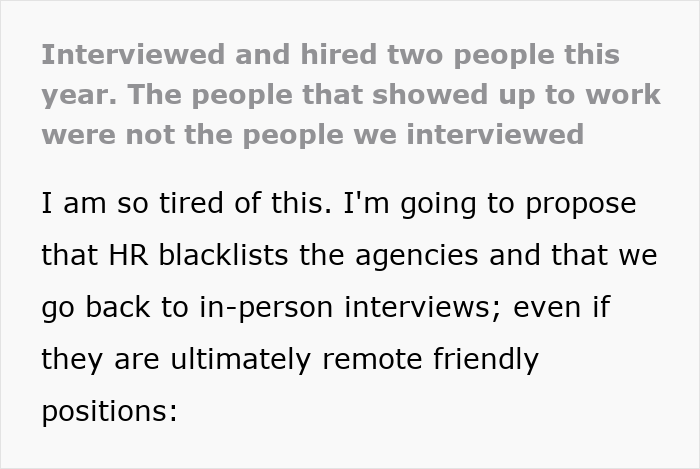

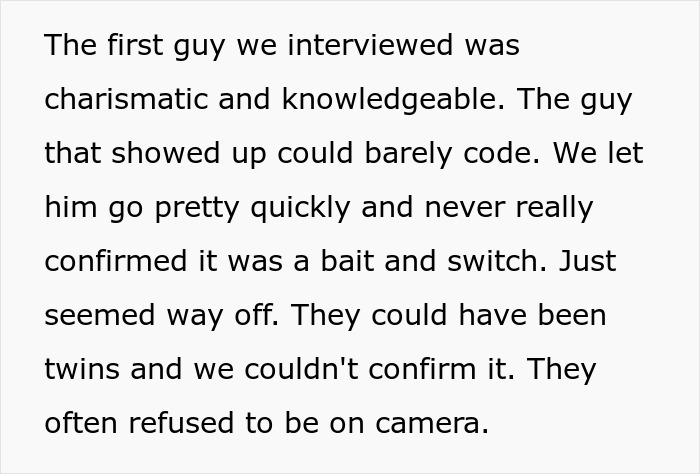
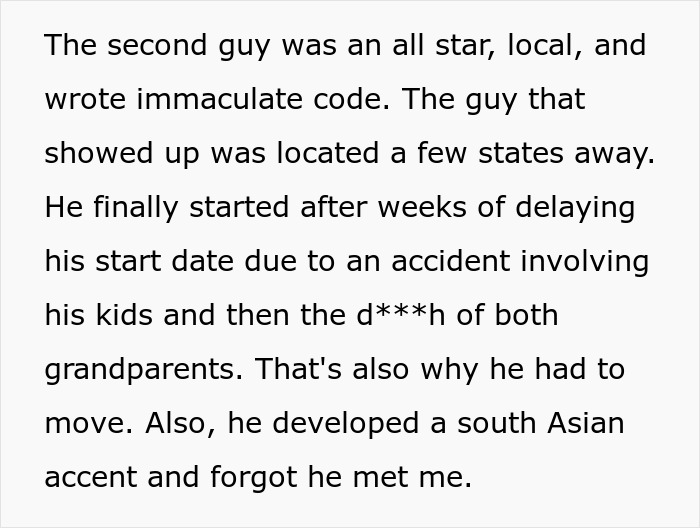
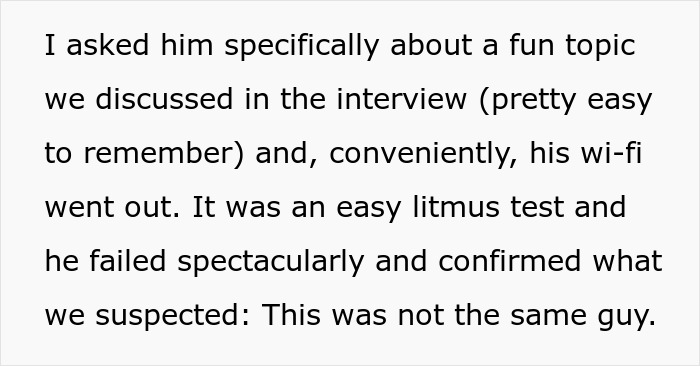
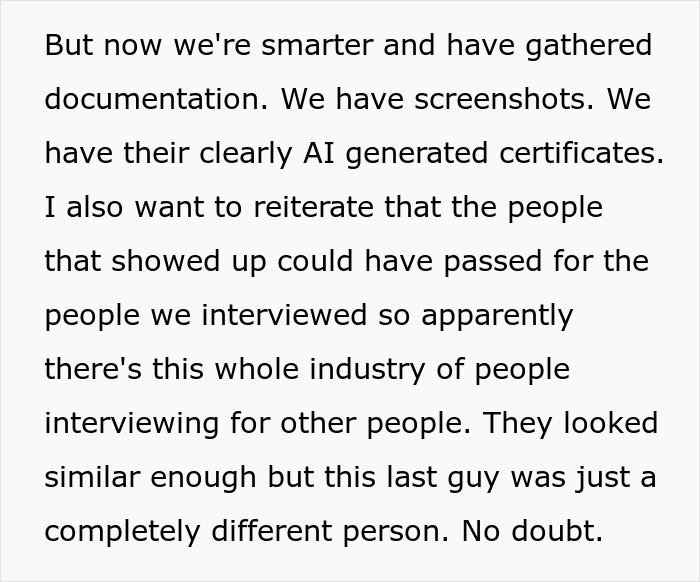
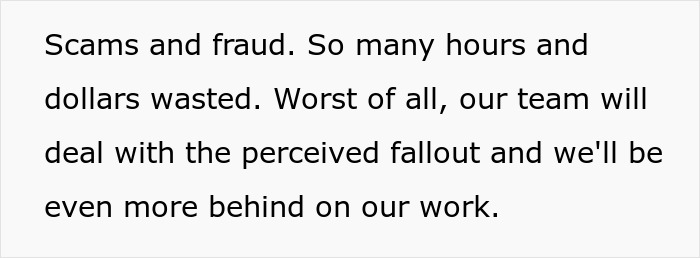
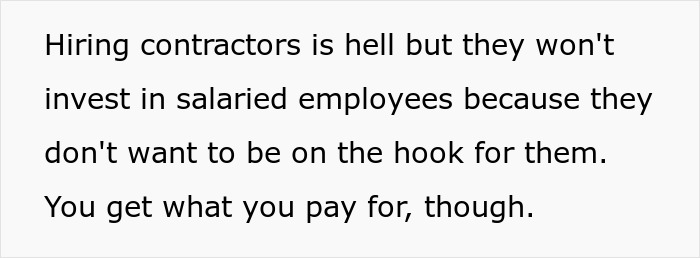

Image credits: ItsAllSoClear
After the bizarre experience, the company decided it would conduct all future interviews in person—even for fully remote positions

Image credits: sarawut20003 / Envato (not the actual photo)
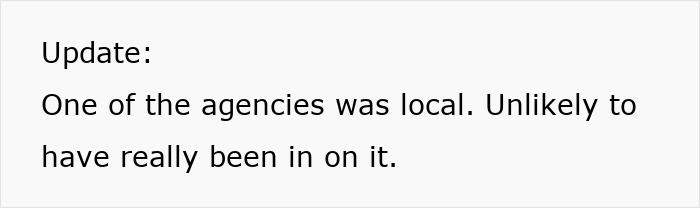
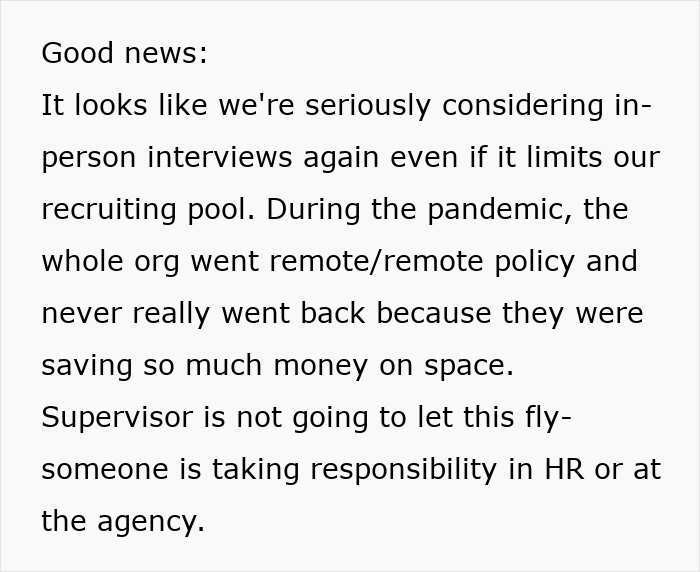
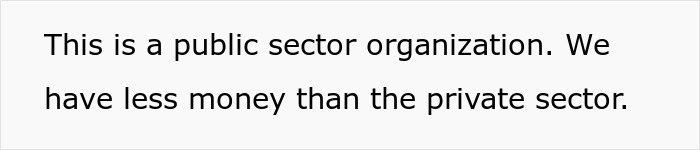
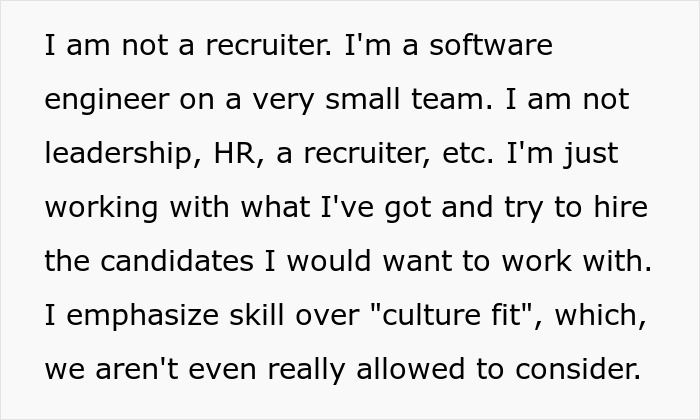
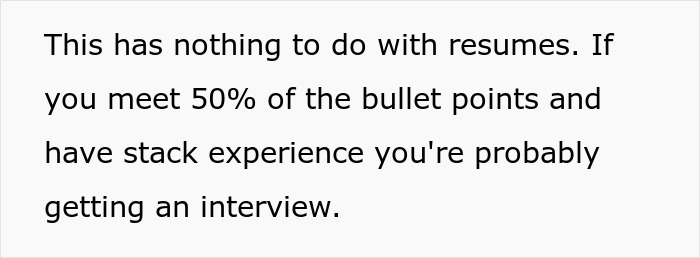
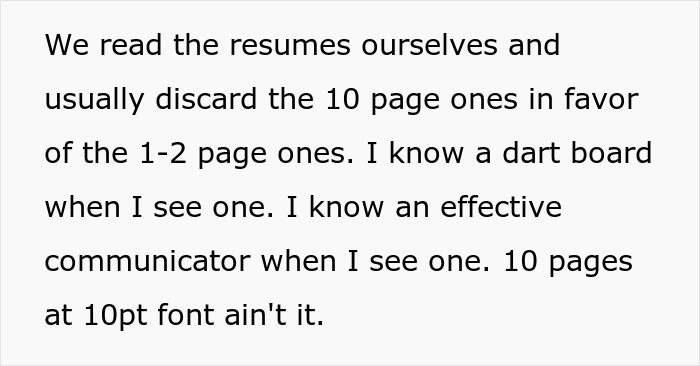
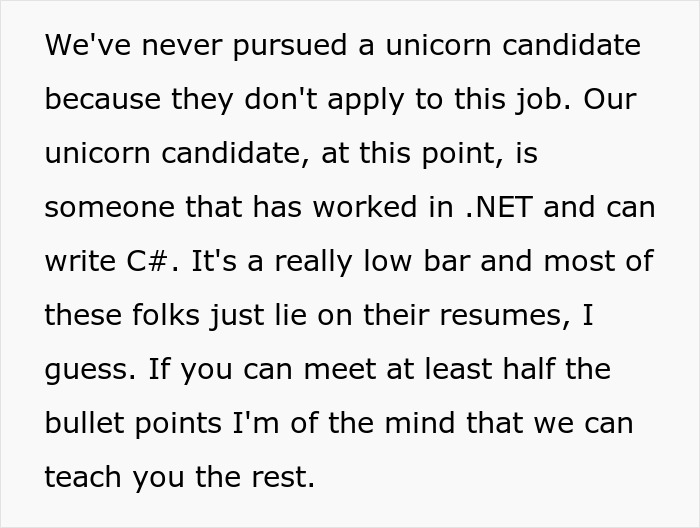
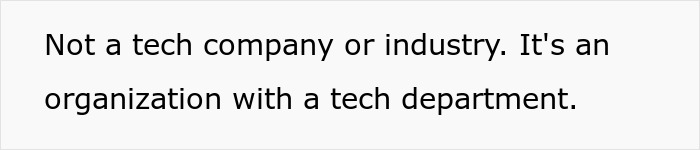
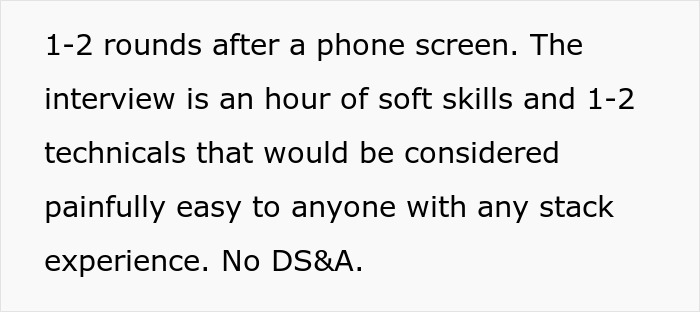
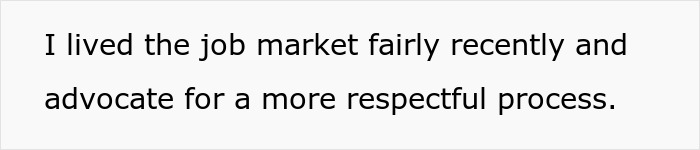

Image credits: svitlanah / Envato (not the actual photo)
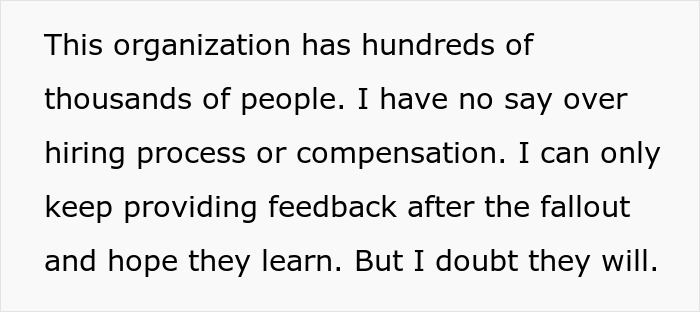
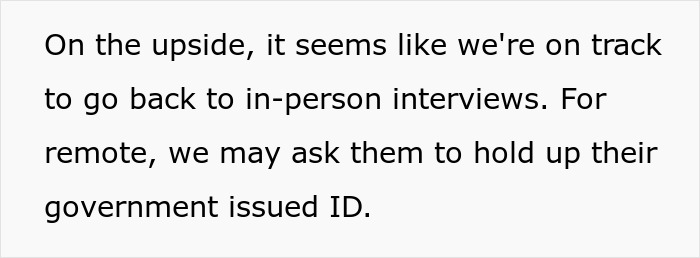
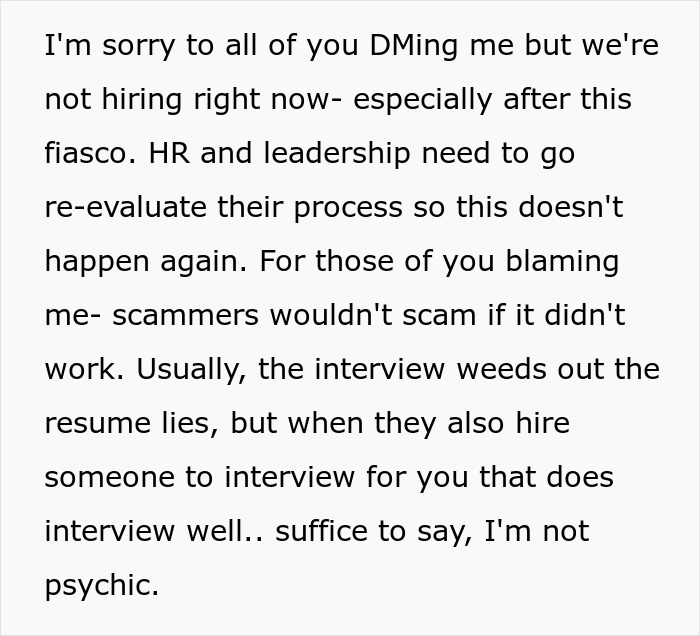
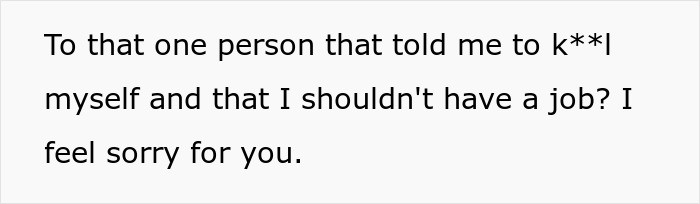
Image credits: ItsAllSoClear
Scammers frequently demand excessive personal information or upfront payments when offering fake job roles
Job hunting can feel exciting, but it’s also a bit of a minefield these days. Scammers are everywhere, waiting for an unsuspecting applicant to slip up. Even trusted platforms like Indeed regularly post warnings about shady job listings, fake recruiters, and other traps. The key is to stay alert, double-check information, and always trust your gut if something seems off. After all, a little skepticism can save you a lot of stress and money.
Scammers are clever and use all sorts of tricks to get your personal information. Fake job listings can pop up on social media, job boards, or even in emails that look convincing at first glance. They might promise high pay, flexible schedules, or dream roles, but the catch is almost always a request for money, personal data, or both. Some even ask you to pay a fee to “process your application” or “unlock” the job. These postings are designed to look official, but one wrong click could cost you dearly—so pause, investigate, and don’t rush.
Emails from “recruiters” can be another tricky trap. Some of these emails are legitimate, but many are from people pretending to be recruiters who found your resume online. The dishonest ones often ask for sensitive info like your ID, bank details, or other personal data right away. A real recruiter usually conducts interviews first, doesn’t demand money, and communicates professionally.
Work-from-home jobs have exploded in popularity over the last few years, and naturally, scammers have noticed. Remote roles are convenient and flexible, which makes them a perfect bait. Fake recruiters or companies know that many people are desperate for legitimate remote work, so they create postings designed to look credible. They promise easy schedules and generous pay, but in reality, their goal is to collect your information or get money out of you. Always confirm that the company exists, has a website, and has positive reviews before committing to anything.
Impersonators are another classic trick in the scammer’s playbook. Some people pretend to work for a well-known company or even act as your future manager. They might conduct “interviews,” give instructions, and try to convince you everything is real. These imposters are often polished and convincing, which makes it harder to spot the red flags. Check the company’s official HR contacts, look at LinkedIn profiles, and never hesitate to confirm someone’s employment through official channels before trusting them.
Data entry jobs are a goldmine for scammers because they sound simple and low-risk. Many “high-paying data entry” listings promise easy work and amazing hourly rates, but they’re rarely legitimate. After offering you a “position,” the scammer may ask you to pay for training, software, or provide your bank account info. In reality, these jobs are empty promises. Always research the company thoroughly and remember: if it sounds too good to be true, it probably is.
So how do you protect yourself? First, always go straight to the company’s official website to apply. Look for reviews or comments online; people often share experiences with scams. Double-check email addresses, company phone numbers, and LinkedIn profiles. A little digging can reveal whether a posting is genuine or just someone trying to take advantage. Being cautious doesn’t make you paranoid—it makes you smart and keeps your information safe.
Both recruiters and job seekers must stay vigilant and thoroughly research opportunities before sharing details or committing
Pay attention to the details. If a recruiter is asking for too much personal information too early, or if their email address looks sketchy, take a step back. Look for inconsistencies in spelling, logos, and communication style. You can also search online for the person’s name or email; often, forums and discussion boards will flag scams before you fall for them. Protecting yourself isn’t difficult; it just takes awareness, patience, and a healthy dose of skepticism.
It’s not just job seekers who get scammed; recruiters have to be careful too. With AI, fake certificates, and doctored resumes, people can pretend to have skills they don’t really possess. Some even get others to take interviews on their behalf. Companies need to be vigilant, verify documents, and ensure candidates actually have the experience they claim. These tricks might work for a while, but HR professionals and tech-savvy teams usually catch on pretty quickly.
At the end of the day, most scams don’t last long if you stay alert. For applicants, this means checking credentials, researching the company, and never sharing sensitive information without verification. For recruiters, it’s about validating skills, confirming identities, and spotting red flags before offering a role. With awareness on both sides, these scams can be minimized. Stay cautious, stay informed, and remember: a little diligence goes a long way in keeping your job search safe.
In this particular case, the employer quickly realized something was off and confirmed it was a scam. It must have been a costly and frustrating experience. Have you ever heard of something like this happening in a workplace? What are your thoughts on this situation—how would you handle it if you were in their shoes?
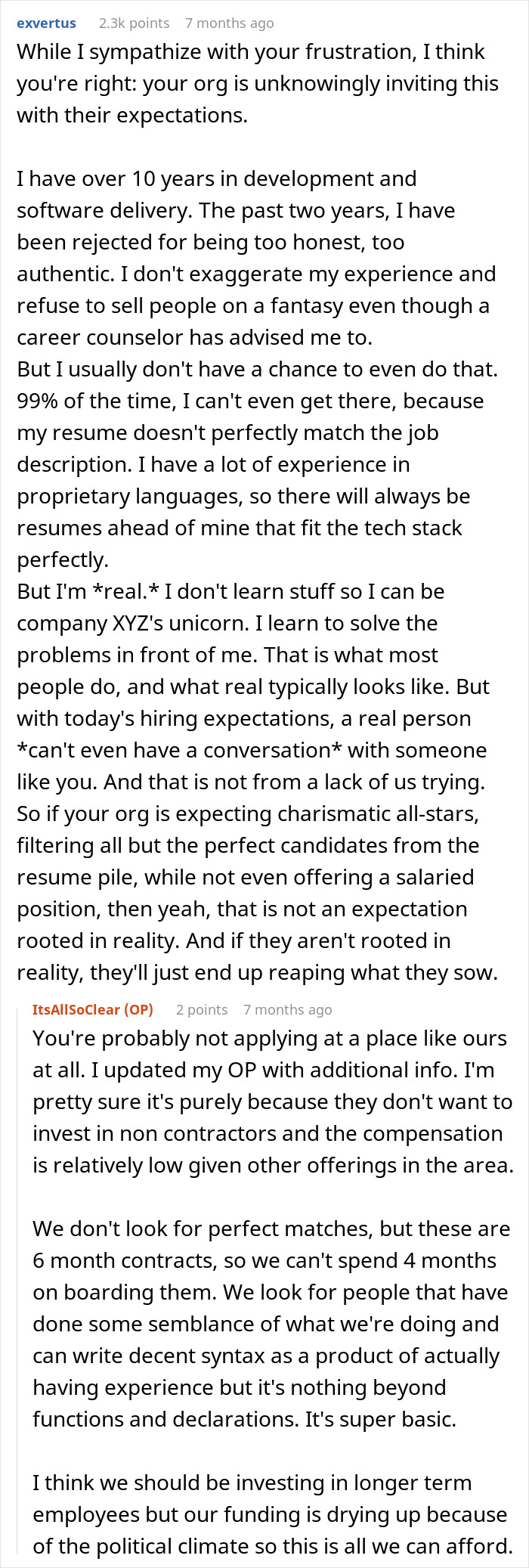
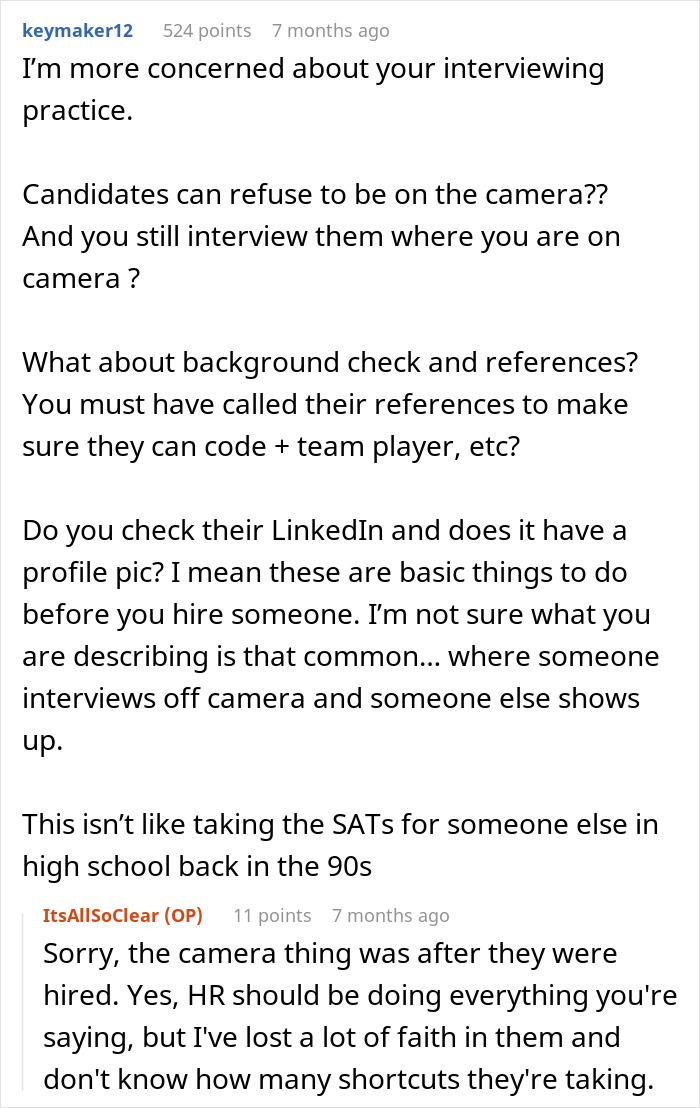
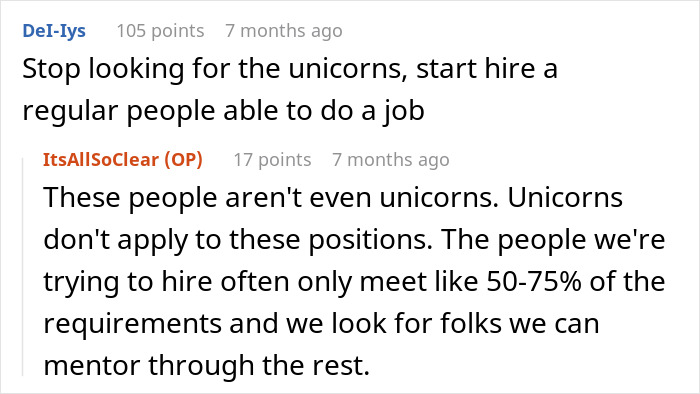
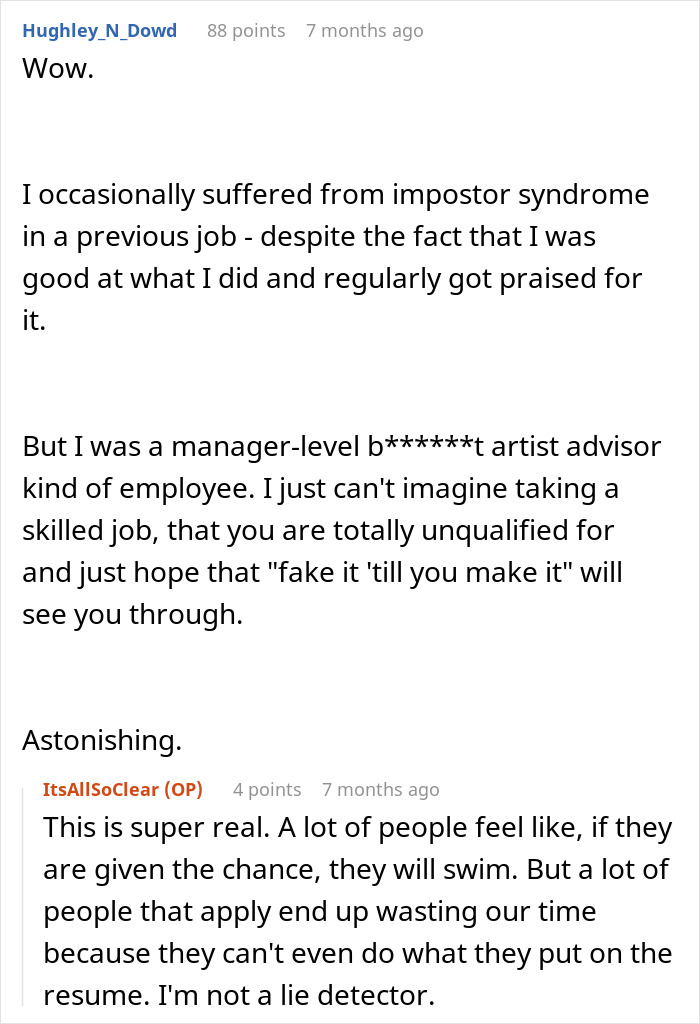
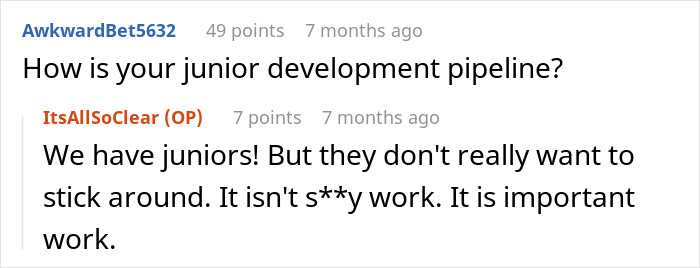
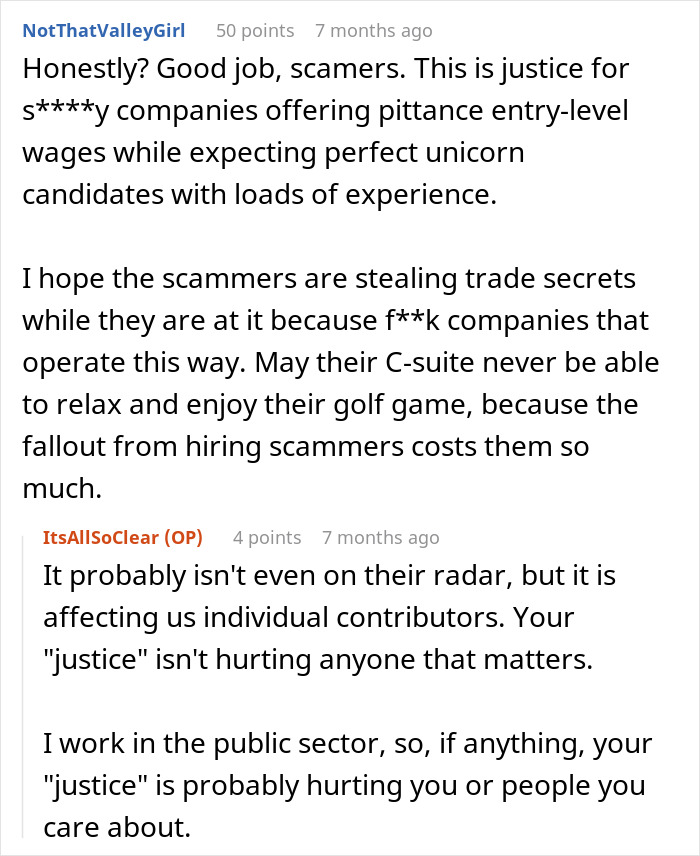
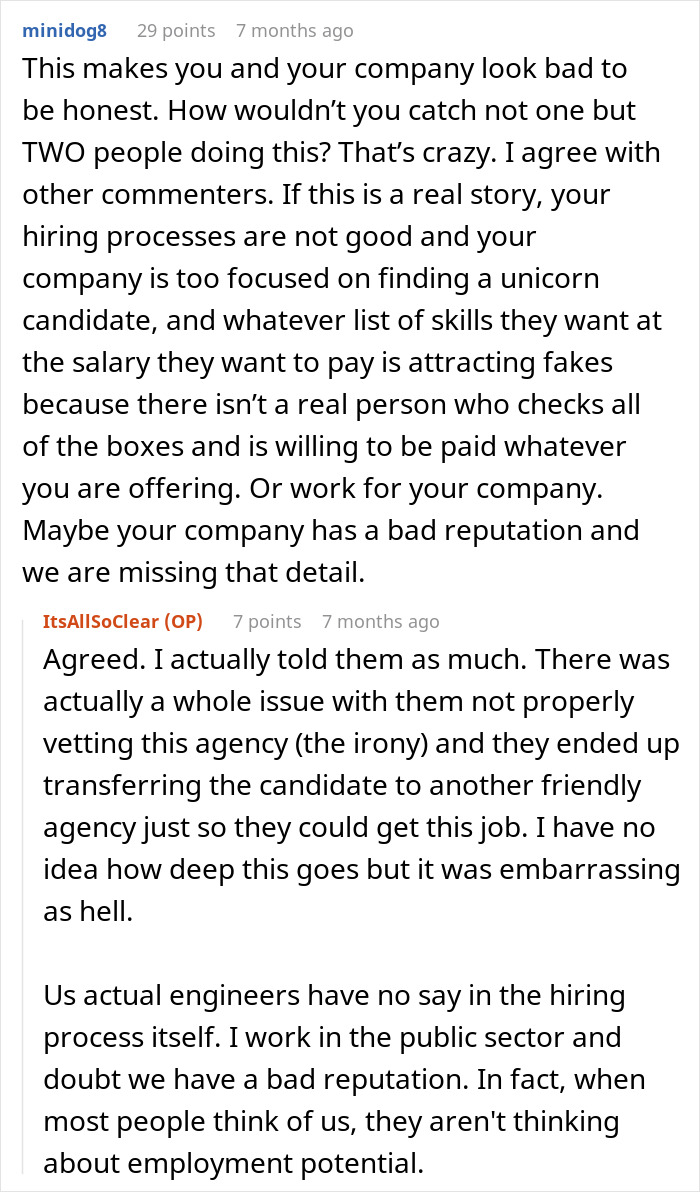
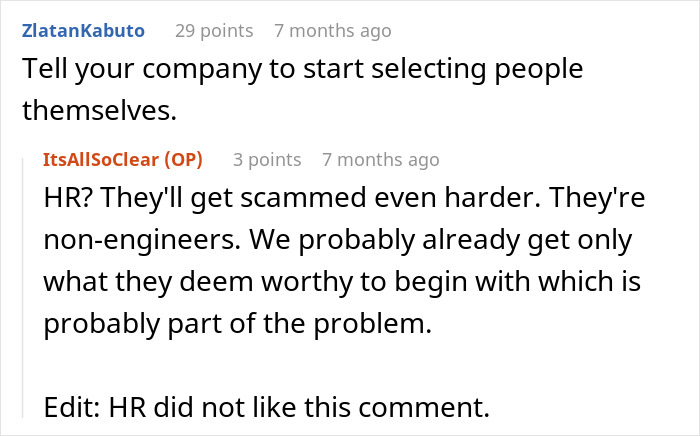
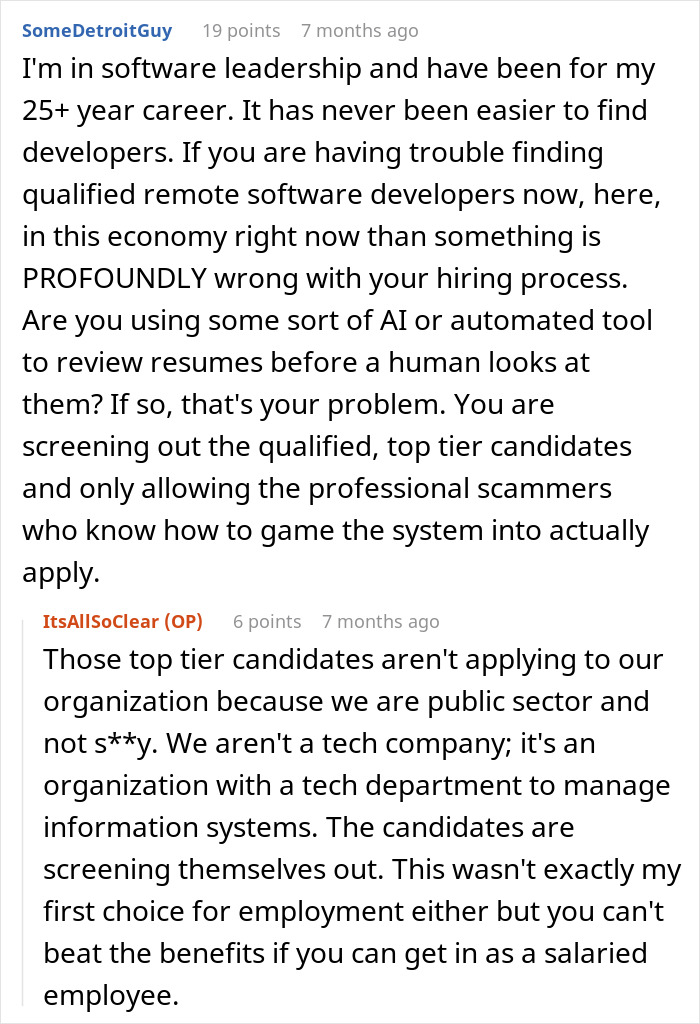
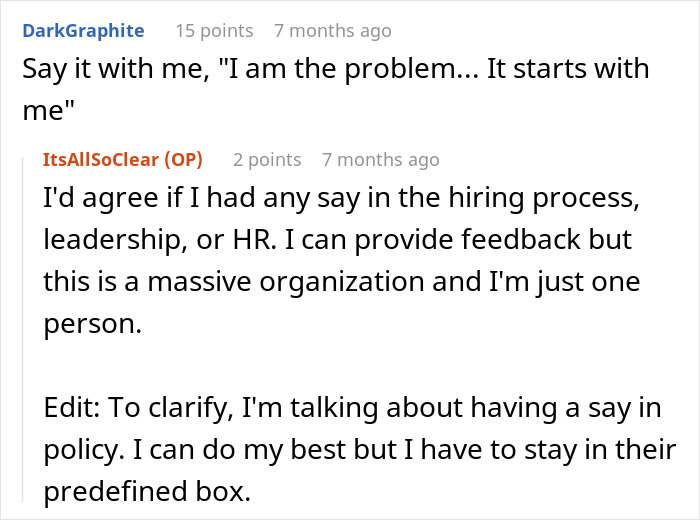
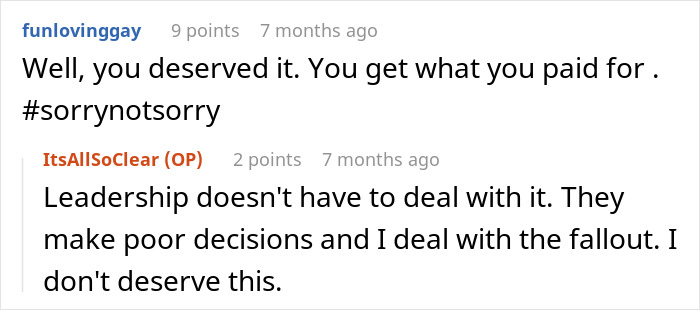
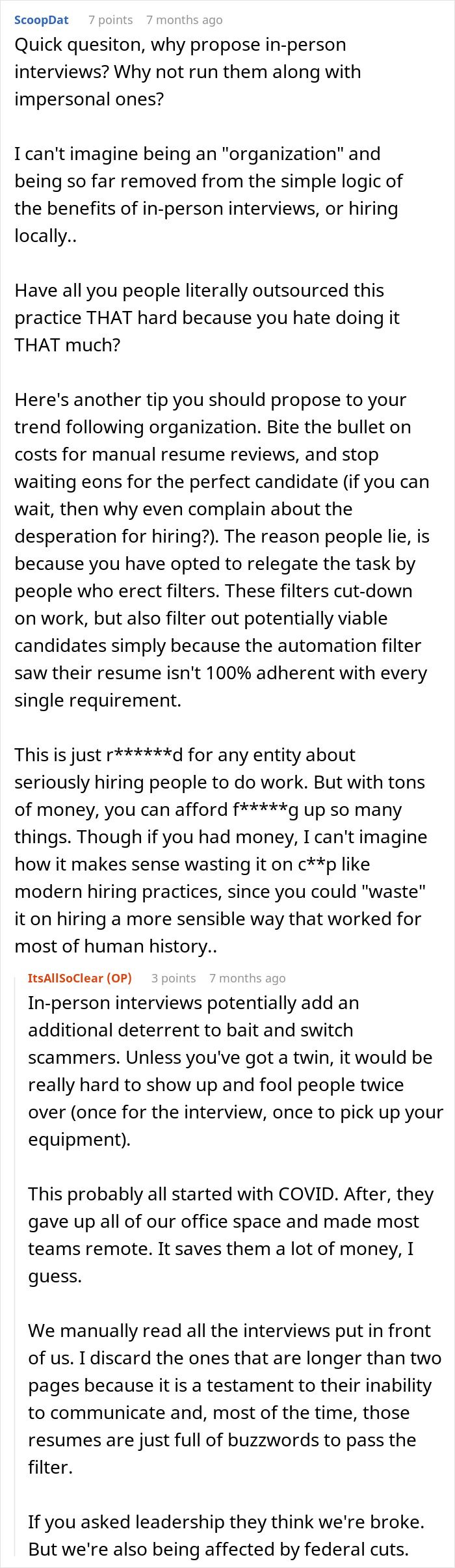
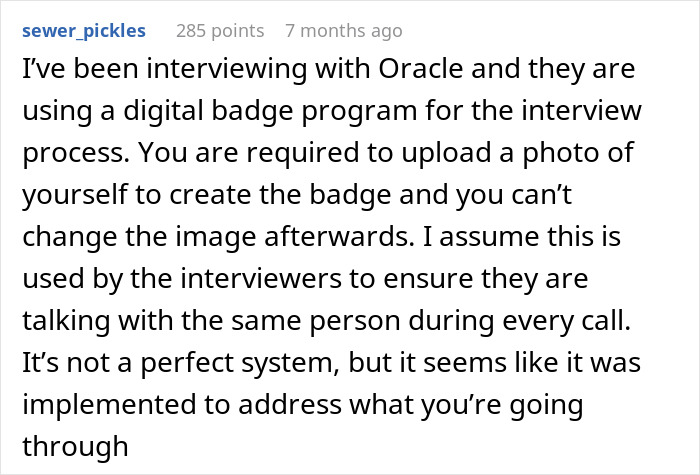
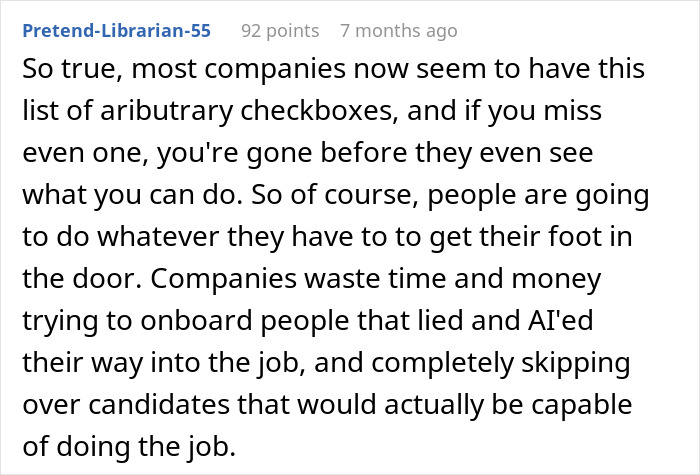
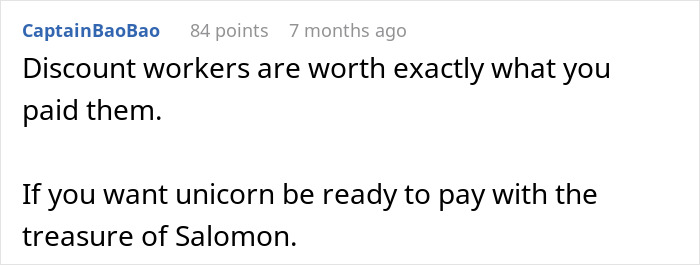
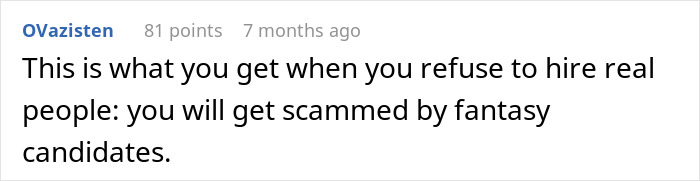
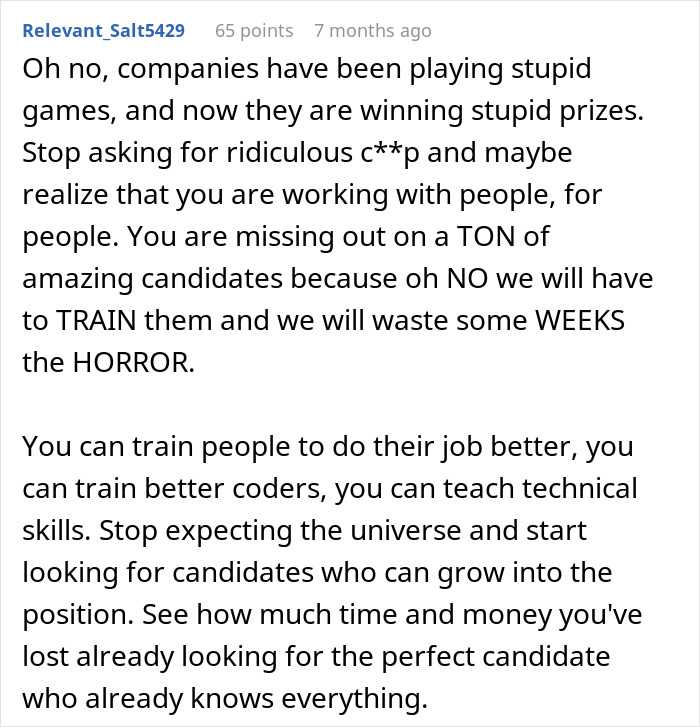
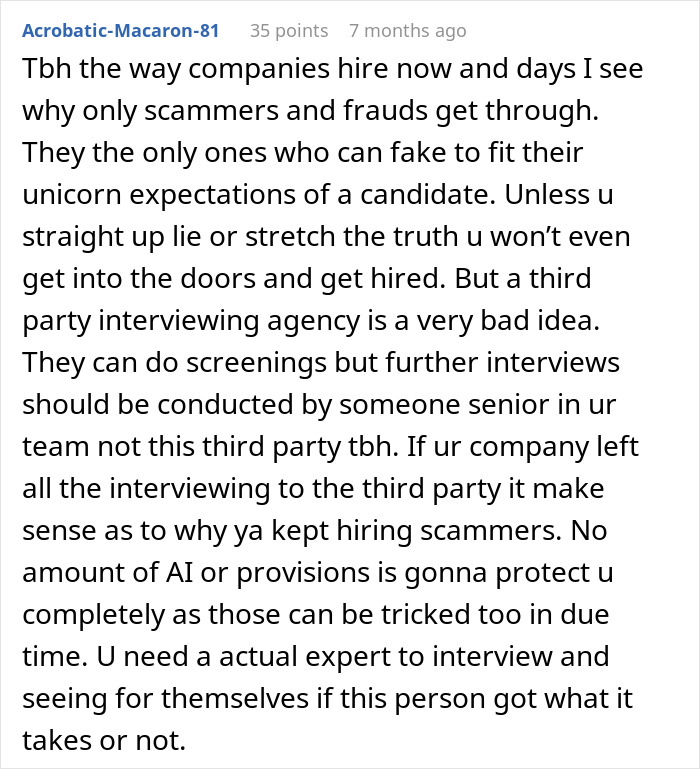
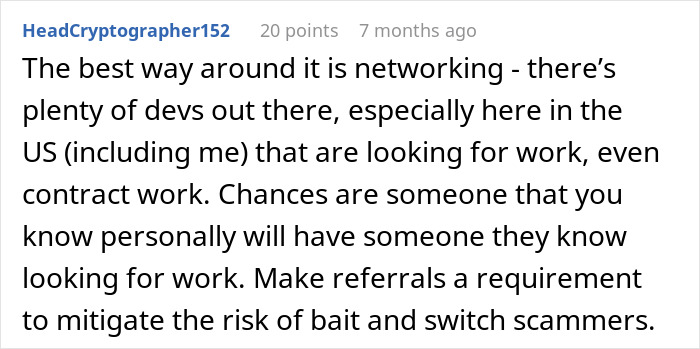
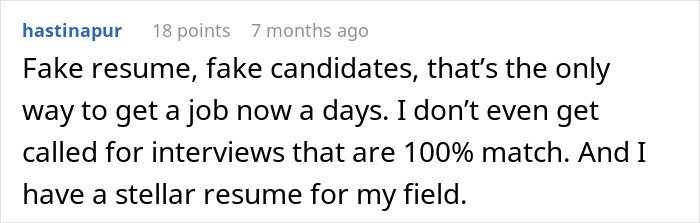
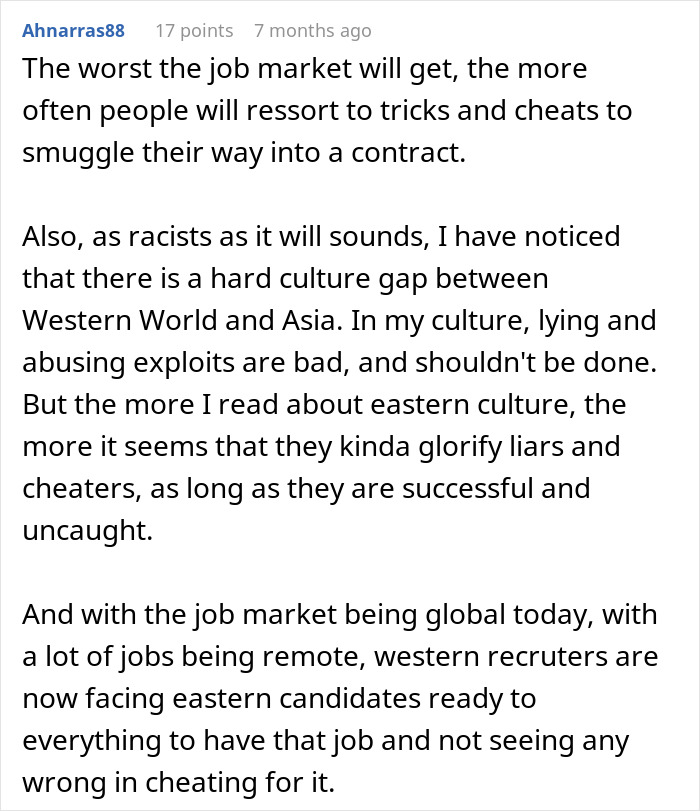
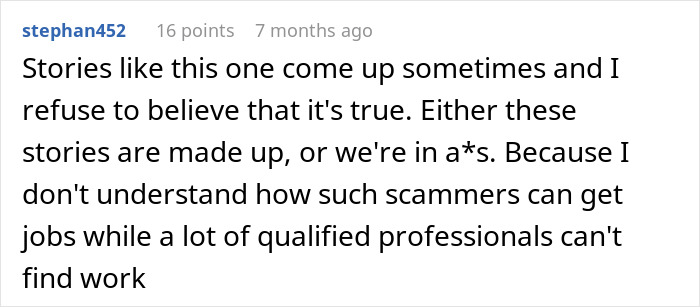
The story sparked plenty of discussion online, with people sharing their own opinions, while the original poster stepped in to clarify a few details in the comments



 Follow Us