More than 30 years have passed since the homicide of Shilie Turner, one of West Philadelphia’s most promising Black teenage athletes.
At the time of the crime, the 17-year-old William Penn High School senior was a standout runner with several scholarship offers on the table and outstanding Olympic potential. She was also a natural leader, with coaches seeing her as the star anchor of the relay team.
Her future was as bright as it could be, until one Sunday night in January 1993, she left home and never made it back.
The first sign that something was terribly wrong came the next day, when Shilie missed a track meet. For the people who knew her, that absence was almost unthinkable.
Weeks later, her body was found under a tarp in Fairmount Park.
At first, Shilie’s mother, Vivian King, pointed investigators toward the teenager’s track coach. But as detectives followed the case from the bus stop to the funeral and then to a local radio interview, one disturbing comment changed everything.
Shilie Turner was one of West Philadelphia’s most promising young athletes before disappearing in 1993
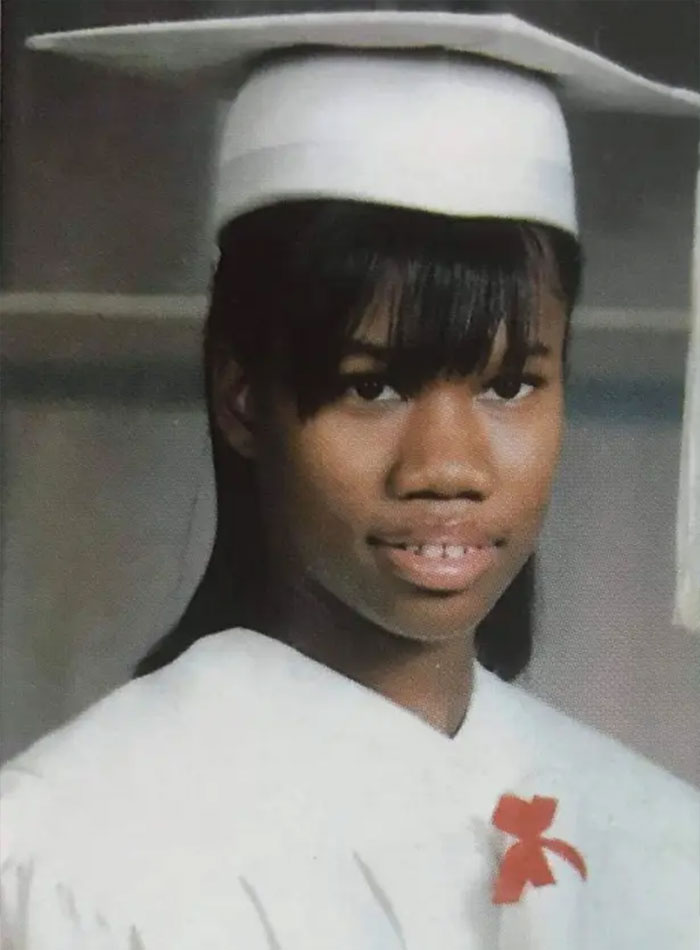
Image credits: Oxygen
17-year-old Shilie Turner was reported missing by her mother on January 19, 1993.
Shilie had last been seen Sunday night, when she left her West Philadelphia home after telling her family she was going out. By Monday, concern had turned to fear. The teenager had failed to return home, and then she missed something that made her absence impossible to dismiss: a track meet.
For Shilie, track was more than a sport. It was the key to a bright future that would improve not only her life but also that of her two sisters.
She was a standout senior at William Penn High School, the star anchor of the school’s relay teams, a natural leader, and an Olympic hopeful whose talent had already brought scholarship attention, including an offer from Clemson University.
“It was a really big deal,” journalist Yvonne Latty would later explain. “She was not only the star of the team, she was always there. She would never, ever not have shown up.”

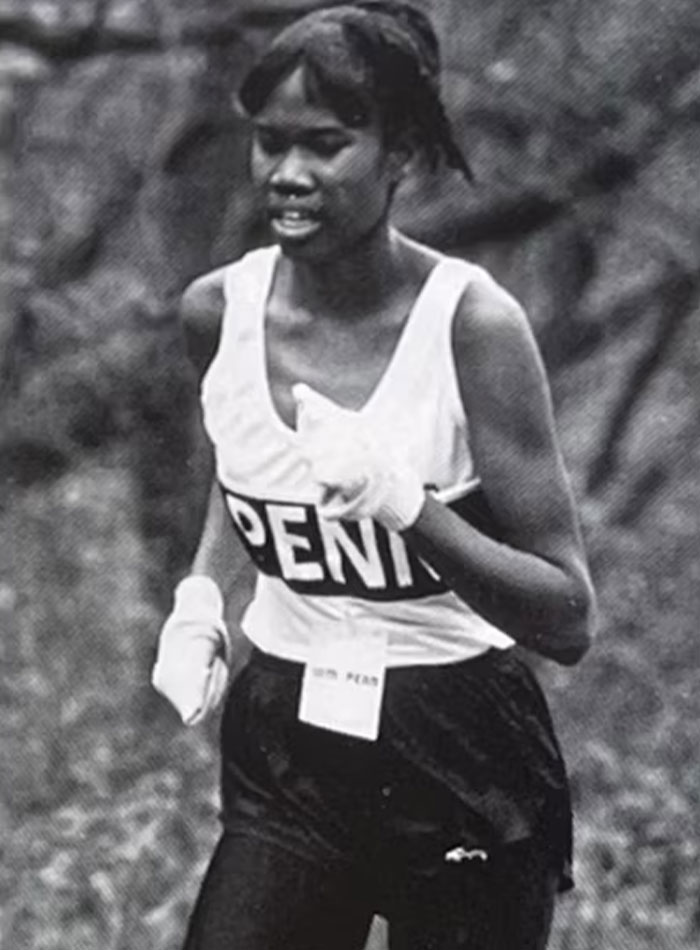
Image credits: Oxygen
Shilie lived with her mother, Vivian King, her stepfather Clarence Jones, and her two sisters. Friends described her as driven and responsible, the kind of teenager who carried more on her shoulders than most people saw.
Because Vivian worked long hours, Shilie often helped with housework and childcare, taking on responsibilities at home while also trying to build a future through school and track.
Friend Quanda Gary described Shilie and Vivian’s relationship as typical on the surface. But Shilie’s role inside the house also placed pressure on her, and that pressure may have been part of why she kept one part of her life hidden.
The night she disappeared Shilie and one of her closest friends, Andrea, planned out an innocent cover-up.
Shilie’s boyfriend, Shaun Williams, became the first suspect in the case
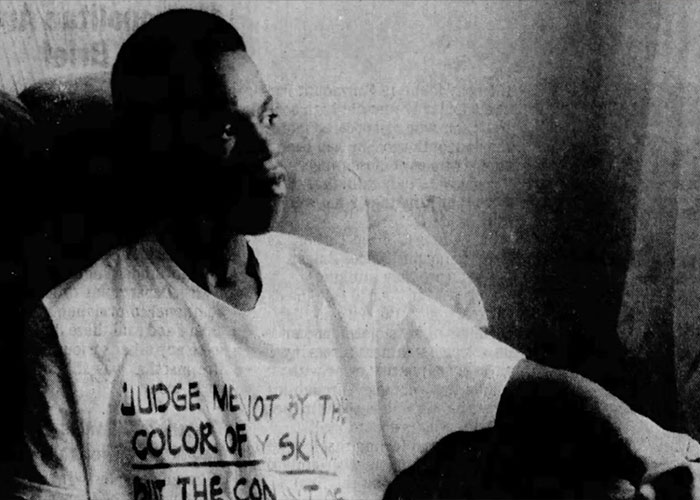
Image credits: Youtube/Black Girl Gone
By Sunday night, Shilie was still trying to hold onto the parts of teenage life that belonged only to her. Between balancing school, track, and the expectations that came with being the family’s rising star. Dating may have been one more thing she did not want to explain.
So when she left the house that night, the story her family heard was that she was going to a party or a dance. The truth, according to Andrea, was different.
Shilie was planning to meet Shaun Williams, her boyfriend.
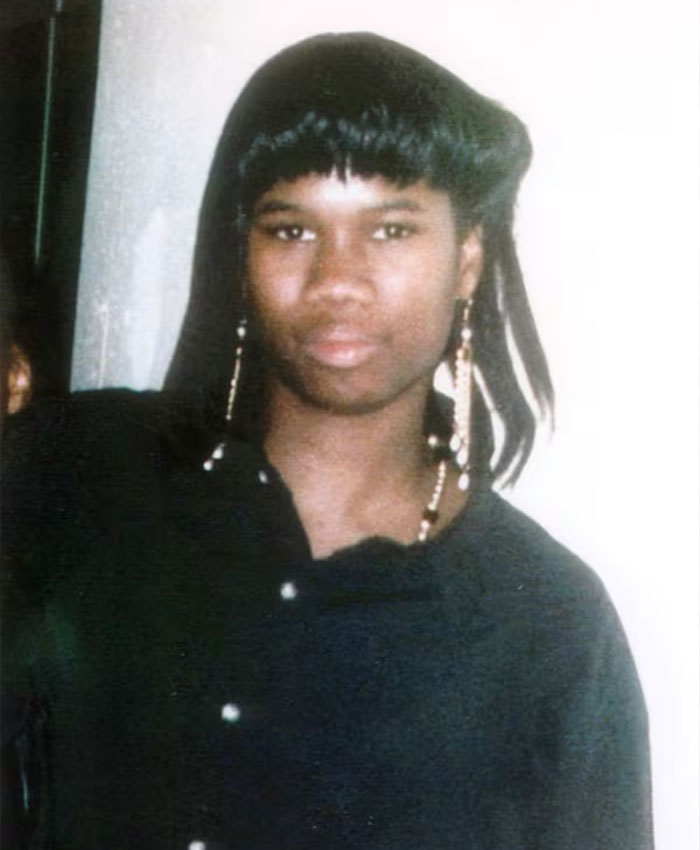
Image credits: Philadelphia Inquire
She got ready at Andrea’s house, away from her mother’s eyes. Andrea agreed to cover for her if Vivian called, then lent Shilie her father’s leather jacket to match the purple tracksuit she was wearing. After that, Andrea walked her to the bus stop.
Shaun later told investigators that Shilie spent the evening at his home with his family before the two went to his bedroom and “listened to music.” By the time they realized how late it was, it was around 1:30 am.
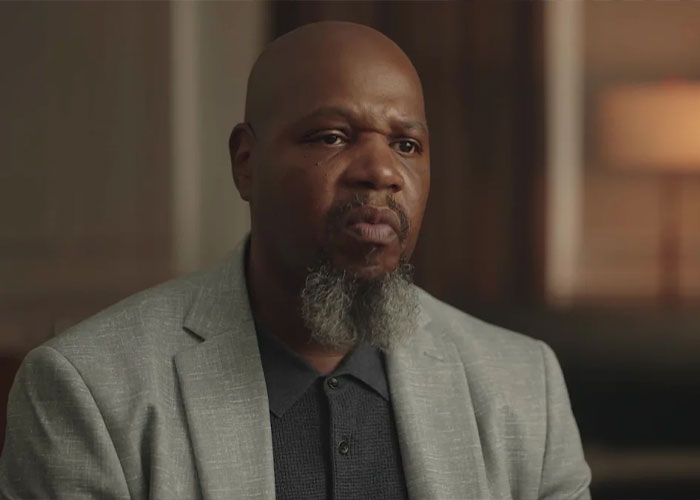
Image credits: Oxygen
Shaun walked her back to the bus stop so she could get home.
“That was the last time I saw her,” he later said.
In the early days of the investigation, Shaun was an obvious person for detectives to examine. He had been the last known person with Shilie. But that lead did not hold. A bus driver recalled seeing the two teenagers part ways and confirmed that Shilie boarded the bus alone.
That meant Shilie had made it away from Shaun. Somewhere between that bus ride and home, the young athlete disappeared.
Shilie’s body was found concealed under a tarp, ravaged by close-range firearm wounds
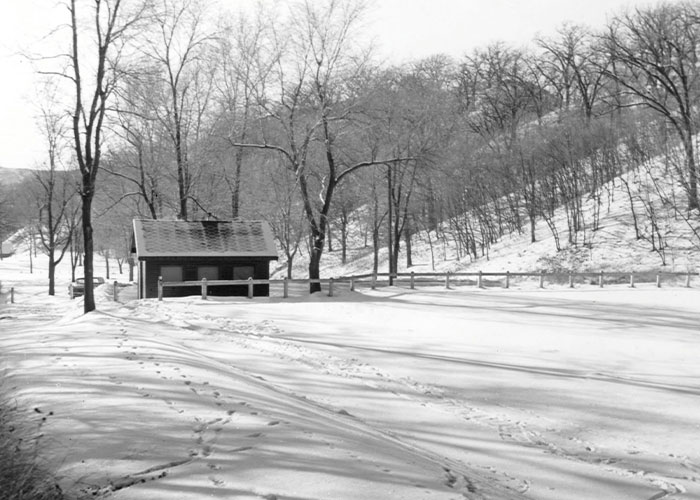
Image credits: Facebook
On February 20, 1993, a man walking his dog through a wooded section of Fairmount Park found a female body concealed under a tarp. The remains had been exposed to winter conditions and needed to be defrosted before authorities could make a formal identification, but one detail was immediately recognizable.
The victim was wearing Shilie’s purple tracksuit.
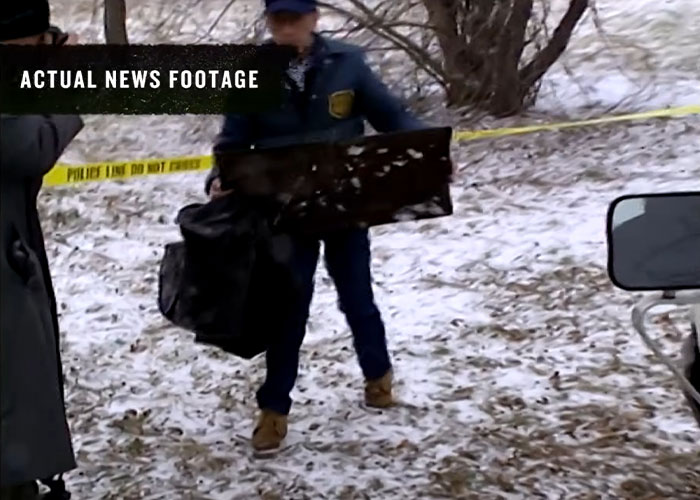
Image credits: Oxygen
Investigators determined that Shilie had been attacked with a firearm, with wounds to her face, chest, and hand. Reports vary on the exact count, but the violence was severe enough to leave no doubt that she had been targeted at close range.
Detectives went to Vivian King to tell her that her daughter had been found. Her reaction quickly redirected the investigation.
Shilie’s mother, Vivian, immediately pointed fingers to Shilie’s coach, Tim Hickey
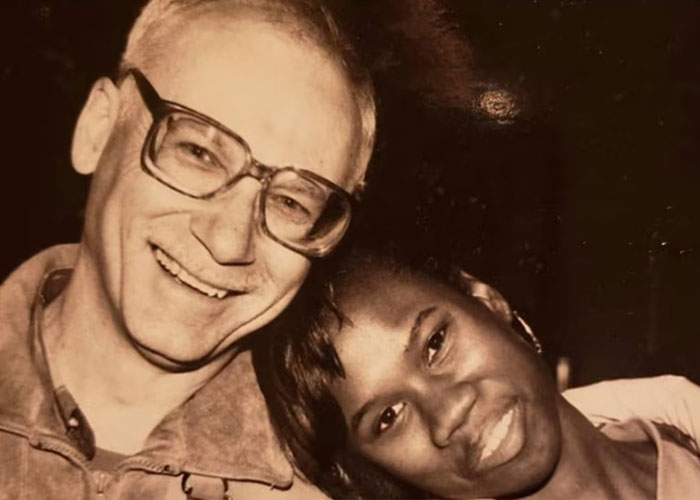
Image credits: Philadelphia Inquire
Instead of collapsing into shock or focusing on the loss, Vivian pointed investigators toward Shilie’s track coach, Tim Hickey. She told detectives that she believed Hickey had shown an inappropriate interest in Shilie and other girls on the team.
“Vivian was trying to tell us that she thought it was inappropriate for a male to spend so much time with the girls of the track team,” retired detective James Dougherty later said.
“She felt that Tim Hickey was taking a very strong liking to Shilie.”
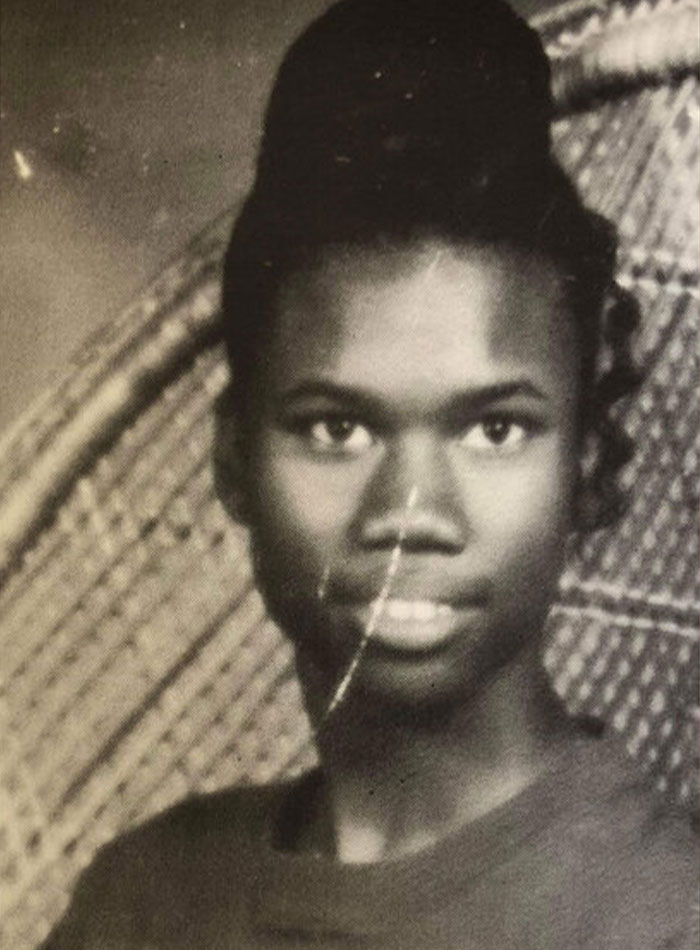
Image credits: Oxygen
The accusation forced police to confront a man who had been central to Shilie’s athletic life and dreams.
When detectives questioned him, Hickey appeared shaken by the disappearance of his star runner. But his timeline held. He had been out with a group of people the night Shilie vanished, and witnesses confirmed his alibi.
The accusation Vivian had placed in front of investigators began to collapse.
Still, Vivian’s decision to point toward the coach did not fade from the minds of those watching the case. It would later look less like a grieving mother offering a lead and more like the first attempt to move suspicion away from herself.
Those who attended Shilie’s funeral said Vivian appeared strangely composed despite her family’s grief
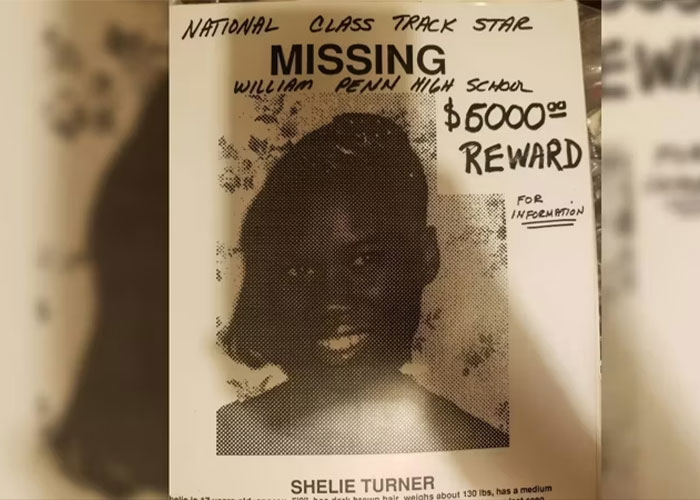
Image credits: Courtesy of Mister Mann Frisby
At Shilie’s funeral, the feeling of unease grew.
The church was packed with mourners. Shilie’s sisters were distraught, crying openly over the loss of their dear sister and protector. But Yvonne Latty, who attended the funeral, remembered Vivian behaving in a way that unsettled her.
“Her sisters were crying hysterically, and Vivian was looking around and waving at people,” Latty said. “She’s like, ‘Hey, hi, Yvonne, how are you?’ That is not the way a grieving mother acts.”
Others noticed the same composure, but unusual behavior is not proof of guilt. The turning point came later, when Vivian went on a local radio talk show to discuss Shilie’s passing.
During the interview, Vivian described specific details about the condition of her daughter’s body. One remark stood out so sharply that the host contacted police.
“What I remember about the show was Vivian describing in detail what Shilie looked like when she was s*ot and k**led,” Latty said. “She said her teeth were glistening in the moonlight.”
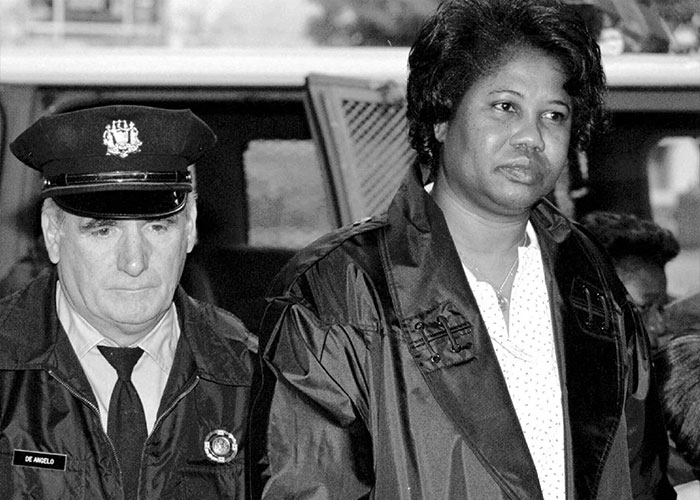
Image credits: The Philadelphia Inquire If
Those details had not been publicly released. Investigators took note.
“That moment was very important to the detectives,” retired assistant district attorney Judith Frankel Rubino later said. “How could she know that, unless she was there?”
Behind the scenes, detectives were also hearing rumors that Shilie and Vivian’s relationship had been more troubled than the public version suggested.
Just like that, Vivian had become a suspect.
When confronted by police, Vivian let out an “ungodly laugh” that scares officers to this day

Image credits: Unsplash (Not the actual photo)
Police brought Vivian in for another interview. Once again, she pointed to Tim Hickey. But by then detectives were no longer following her lead. They were watching her.
When investigators asked Vivian to take a polygraph test, her reaction stunned them.
“Vivian put her head back and opened her mouth really wide,” Dougherty said. “An ungodly laugh came from inside her. To this day, I still get chills in my bones.”
Vivian eventually agreed to the test, only to fail it.
Then she began to cry.
“You must think I’m a monster,” she told investigators, according to accounts of the interrogation. “Only a monster could have done this.”
By that point, detectives understood they were sitting across from the woman who had ended Shilie’s life.
In early March 1993, after a lengthy interrogation, Vivian signed a confession. She later recanted, claiming the confession had been coerced during a 10-hour interview, but the statement gave investigators the account they had been moving toward.
According to Vivian’s confession, she had been drinking heavily while waiting for Shilie to come home that Sunday night. When Shilie finally returned, mother and daughter got into a physical fight.
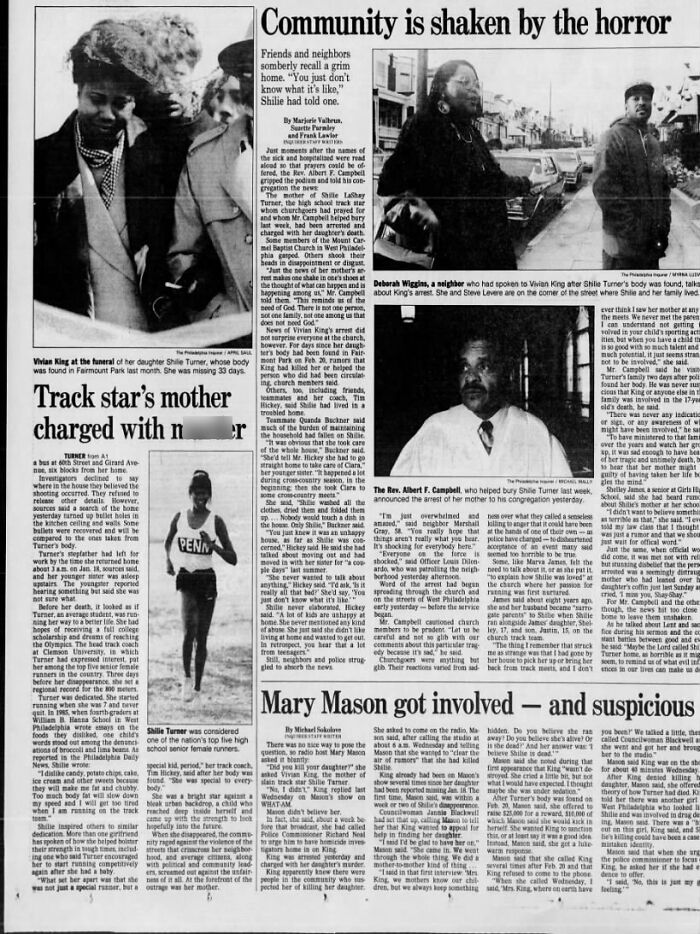
Image credits: 1993 Newspaper Article Via Newspapers
At some point, Vivian went upstairs to retrieve a firearm. She then ordered Shilie into the car, telling her she was going to drop her at the police station.
Instead, Vivian drove her daughter to Fairmount Park.
There, the two fought again.
“She hit Shilie on the side of the head,” Dougherty said, “then proceeded to s*oot Shilie.”
Vivian’s resentment was allegedly motivated by a mix of jealousy and self-hatred
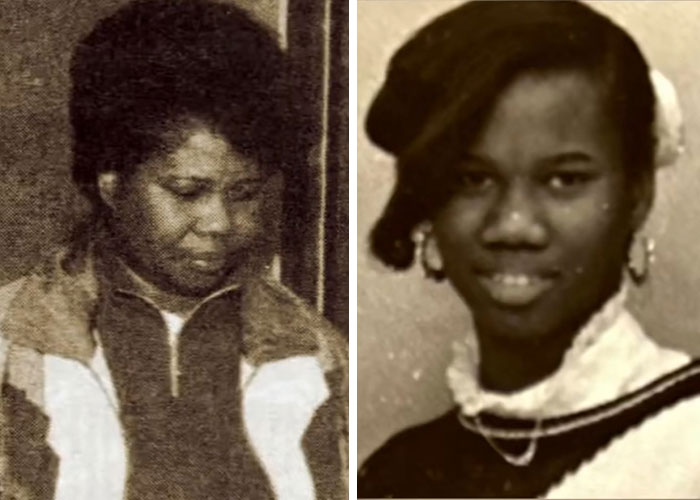
Image credits: Oxygen
The accusation stunned the community.
Vivian King was arrested and charged with homicide and unlawful possession of a firearm. She was held without bail while the case moved forward.
For those who knew Shilie, the revelation was almost impossible to absorb. She had become the cornerstone of her family, and a disciplined young woman that everyone looked up to.
Years later, Latty offered a theory about what may have driven Vivian’s resentment.
“Vivian King ran track when she was a child, but she wasn’t nearly as successful as Shilie,” the reporter said.
“I believe that Vivian was really jealous of Shilie. Shilie was a star and Vivian was not.”
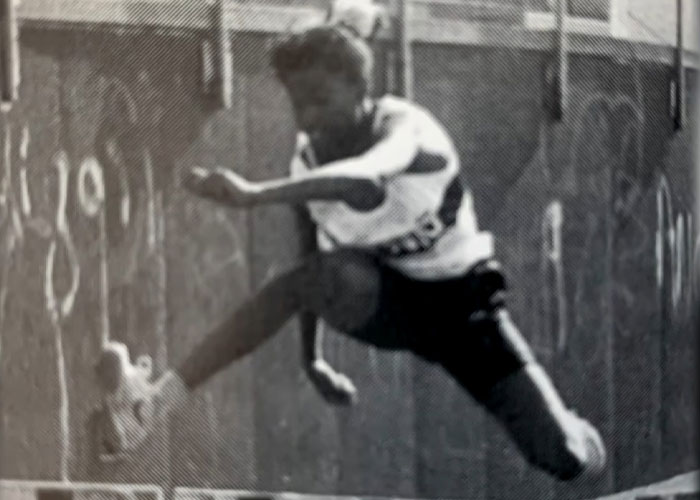
Image credits: Oxygen
At trial in October 1993, Vivian fought the confession. She testified that she had falsely admitted to the crime and claimed police had coerced her statement. Her defense also raised intoxication, arguing that drinks had played a role in whatever happened that night.
The jury did not acquit her. But they also did not convict her of first-degree homicide. Instead, jurors found Vivian guilty of third-degree homicide and illegal possession of a firearm.
In June 1994, a judge sentenced Vivian King to 10 to 20 years in prison. Reports indicate she served roughly the minimum term and was later released, eventually returning to Philadelphia.
“People like that don’t need to be out in society.” Readers disagreed with the sentence Vivian received
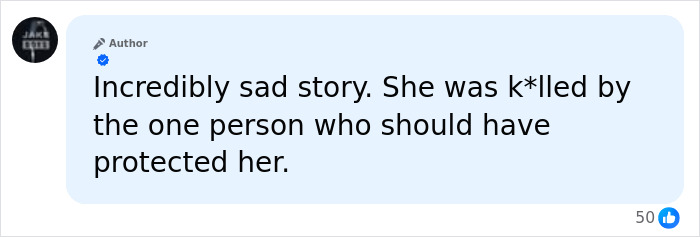
Image credits: www.facebook.com
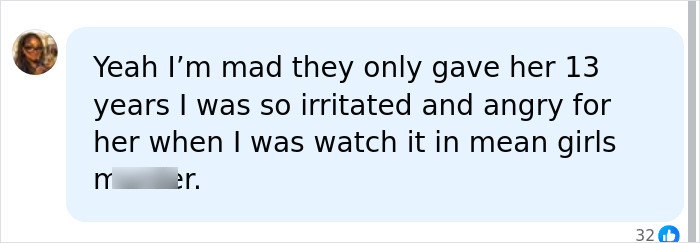
Image credits: www.facebook.com

Image credits: www.facebook.com

Image credits: www.facebook.com

Image credits: www.facebook.com

Image credits: www.facebook.com

Image credits: www.facebook.com

Image credits: www.facebook.com

Image credits: www.facebook.com

Image credits: www.facebook.com

Image credits: www.facebook.com

Image credits: www.facebook.com

Image credits: www.facebook.com
 Follow Us