There’s only so much you can fit into a history book, museum or gallery. Often, they’re specially curated to tell a specific story about the major turning points that brought us to where we are today. Wars, leaders, political agendas, economic collapses, pandemics and the like tend to get center-stage. That means a lot of the past goes unseen… but that’s not to say it was never documented.
Hiding behind the famous and iconic photographs are even more dusty moments in time, begging for a set of modern eyes to scroll over them. That’s where accounts like TimeTPhoto come in. With more than 459,000 followers, it’s a virtual gallery of the rarest facts, photos and footage from throughout history.
Bored Panda has put together some of the best posts from the page. Expect to see intriguing pics such as a sausage-laden French soldier, Muammar Gaddafi with one of his “lady bodyguards,” and the 1820 equivalent of Google. Each fascinating photo has a short back story accompanying it. So sit back, keep scrolling and forget about the current world drama as you get lost in the past. Don’t forget to upvote your favorites.
#1
Image source: timetphoto

#2
Image source: timetphoto
#3
Image source: timetphoto
History textbooks aren’t meant to contain a bunch of beautiful pictures and super exciting stories. What you’re taught at school, and how you’re taught it, can largely depend on where you find yourself, when you were born, and who was in charge of the curriculum.
According to Kate Slater, the assistant dean of student affairs at Brandeis University’s Graduate School of Arts & Sciences, textbook choice in the U.S.A is a highly politicized process in different states. Slater says everything from topics to the tone can differ. “There is no single story of American history,” says the expert.
#4
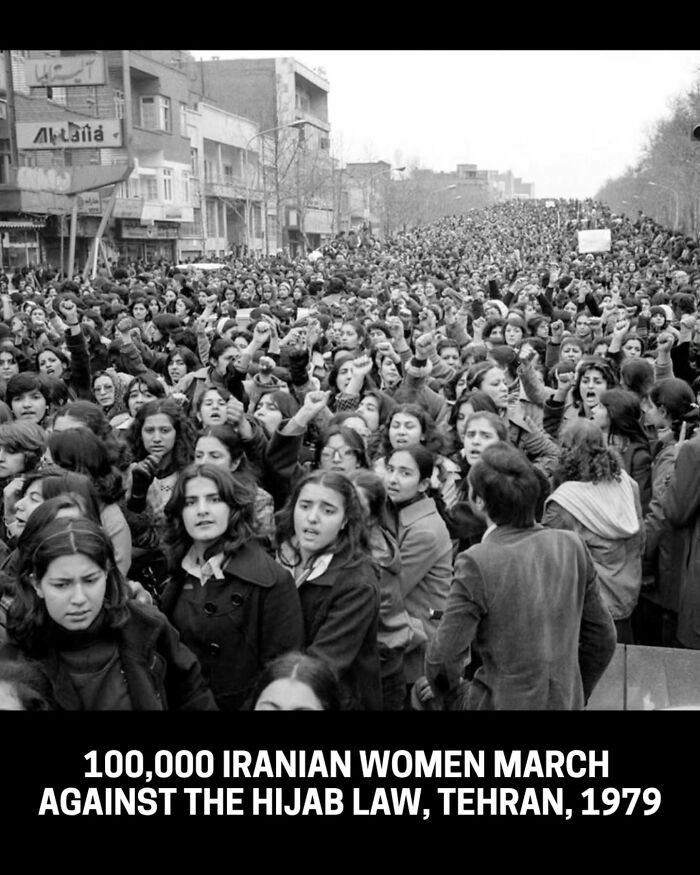
Image source: timetphoto
#5
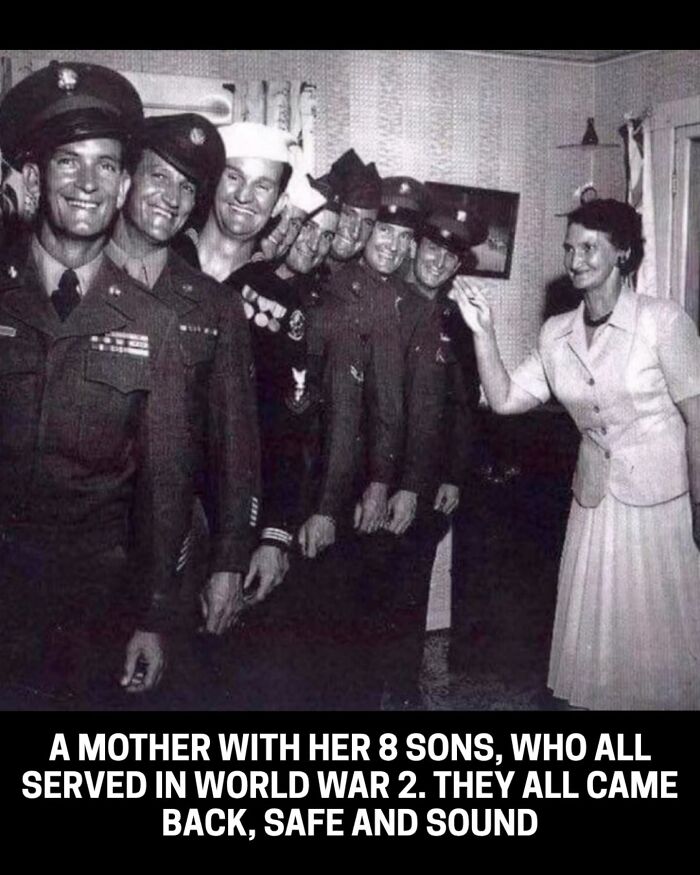
Image source: timetphoto
#6
A sausage laden French soldier.
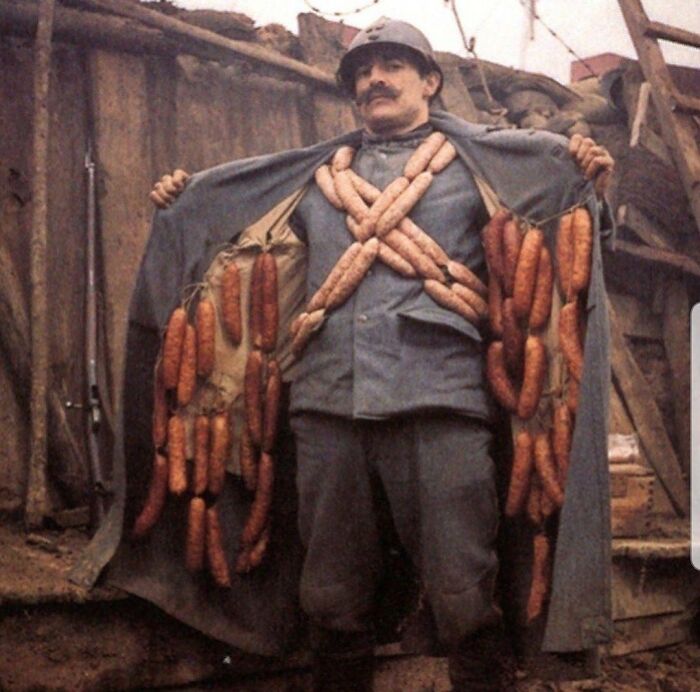
Image source: timetphoto
An EdWeek explainer reveals that there are no national history or civics standards in the United States, and that each state develops its own set of criteria for what students should learn. That means 50 states, 50 different differing sets of criteria.
“These guidelines are usually developed by committees of educators, curriculum specialists at the state department of education, academics, and community members,” explains the EdWeek article. “States update them periodically—generally every seven to 10 years— through a revision process. State boards of education, which vote to adopt or not adopt revisions, are the final decisionmakers.”
#7
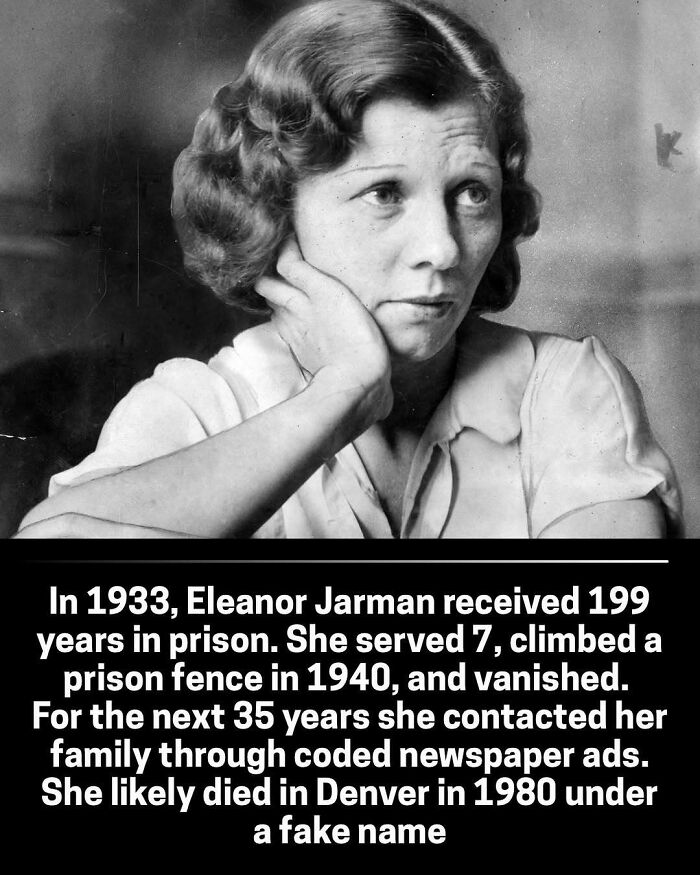
Image source: timetphoto
#8

Image source: timetphoto
#9

Image source: timetphoto
While some educators teach straight from the textbook, others are aware that this might not always be the wisest choice.
“Textbooks are just a version of text, just like every single document that we read to learn about the past,” says Sol Rheem, a high school social studies teacher in Massachusetts. “Students should know and understand that the textbook is a source of information, and therefore it has a writer and a context that it was written in and a moment in history that it was written in.”
#10

Image source: timetphoto
#11

Image source: timetphoto
#12

Image source: timetphoto
Christine Caulfield agrees. “The reliance on textbooks differs for every teacher. For me, it was a way to engage students in how to read critically, and it served as a baseline from which we would look at various issues in depth,” says the retired high school U.S. history teacher.
“I would take the textbook and, in essence, rip it apart,” she revealed. “We would think about whose voices were missing. What was left out was just as important as what was included.”
#13

Image source: timetphoto
#14
Image source: timetphoto
#15
An Indian student studying at the University of Madras in Tamil Nadu, 1905. While studying late at night, students use to tie their hair to a nail in the wall to prevent themselves from falling asleep
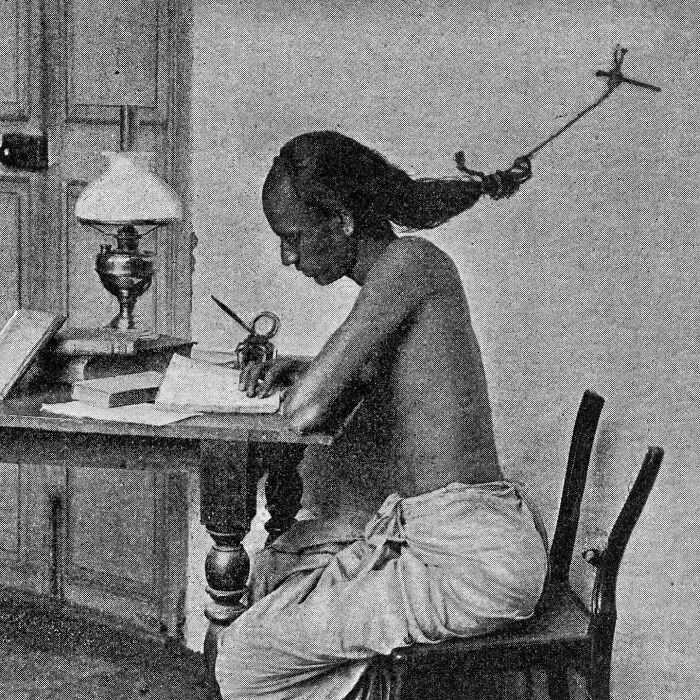
Image source: timetphoto
The American Historical Society (AHS) notes that while history textbooks convey historical facts, none are born equal.
“No matter what the subject or how large the book, historians are selective about which historical facts to include,” write AHS’s experts. “A satisfactory history text describes what the key selection criteria have been so that users can assess the validity of the choices and also have an awareness of the potential gaps.”
#16
Image source: timetphoto
#17
Image source: timetphoto
#18
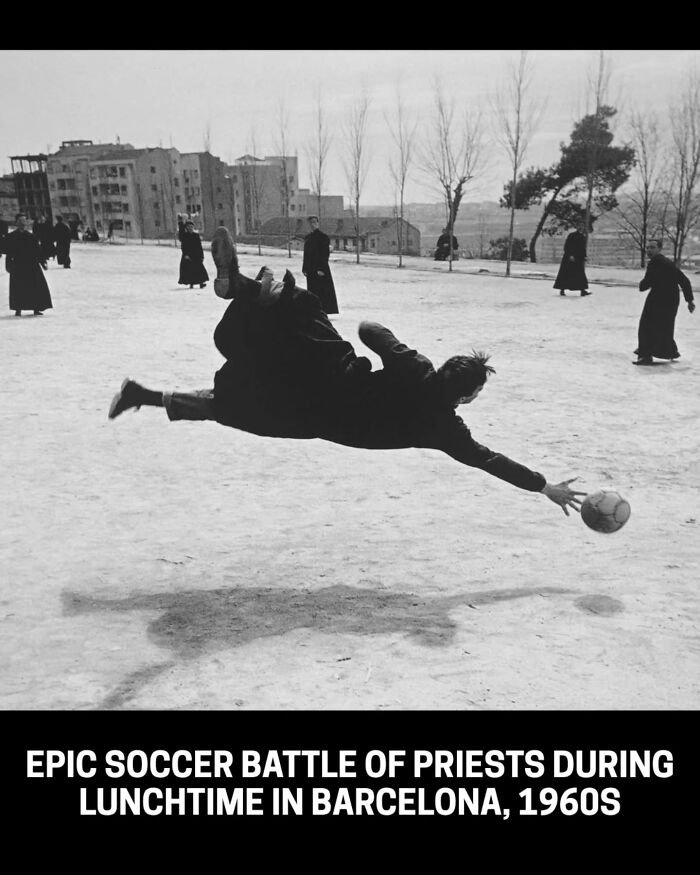
Image source: timetphoto
The AHS site goes on to note that when it comes to world history, if textbooks place less emphasis on certain early periods or geographical regions, they should explain why certain choices were made. The same applies to U.S. history.
“Some sequences of presidents are often summed up without great detail in an effort to discuss the broader social and political trends that characterize the era in question. Again, this kind of selectivity should be briefly noted and explained,” says AHS’s team.
They add that apart from explaining selectivity in coverage, good textbooks should also explain any gaps in our understanding of certain events.
#19
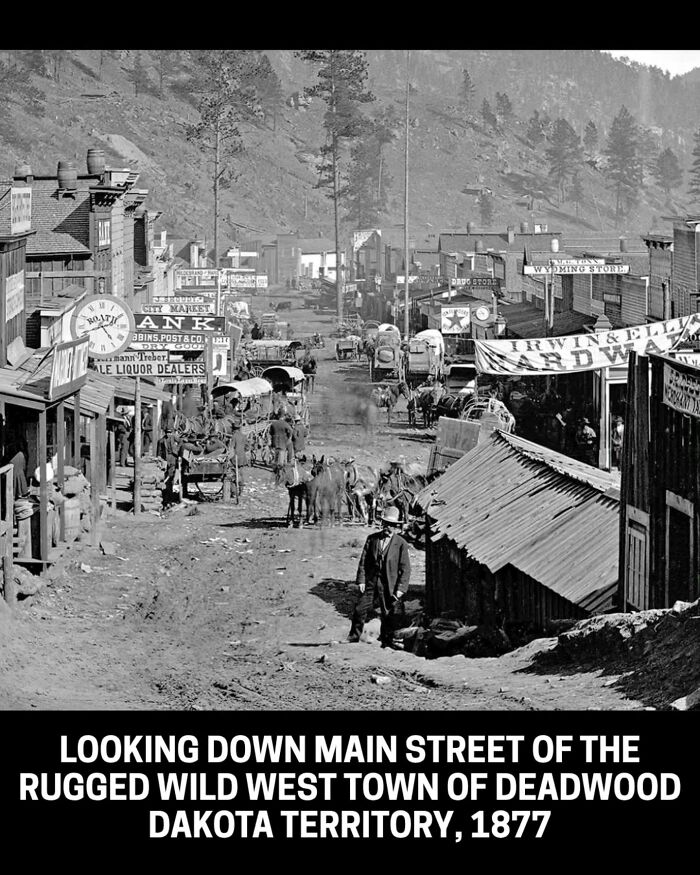
Image source: timetphoto
#20
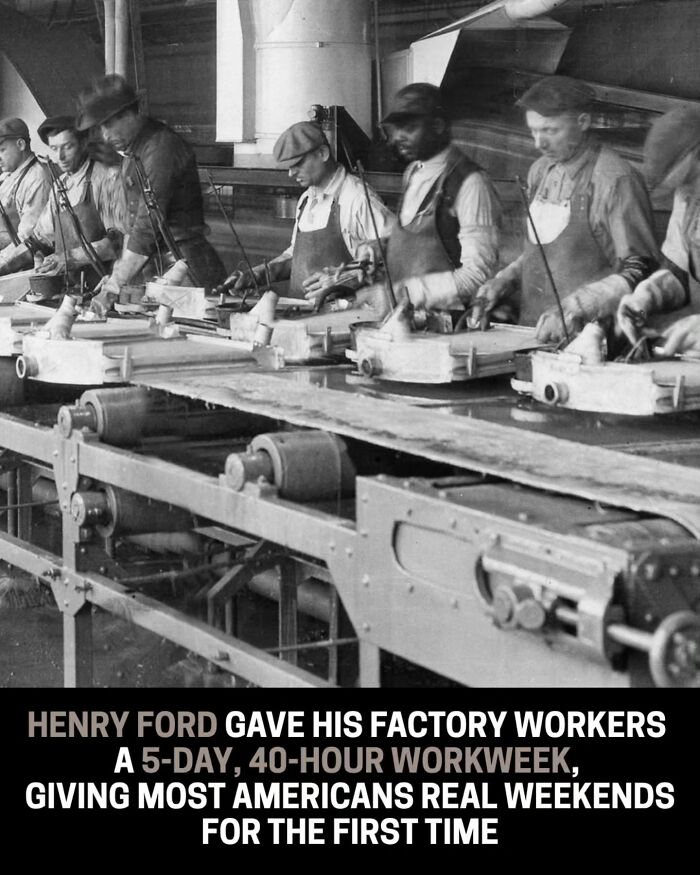
Image source: timetphoto
#21
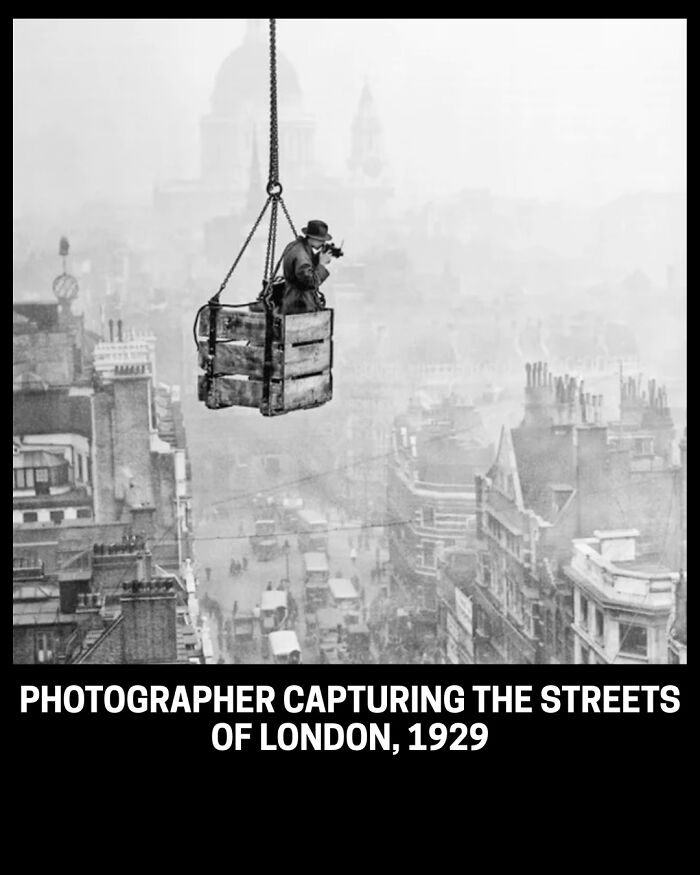
Image source: timetphoto
Regardless of what’s in your history textbooks, many experts agree that critical thinking is… critical.
“When you have a curriculum that doesn’t teach critical-thinking skills, that doesn’t talk about power, oppression or resilience, you rob these students of the ability to understand what’s happening in their own life in this moment,” says Rheem.
#22
Bulgarian Soldier Giving His Best Battle Cry for the Camera, ca. 1916
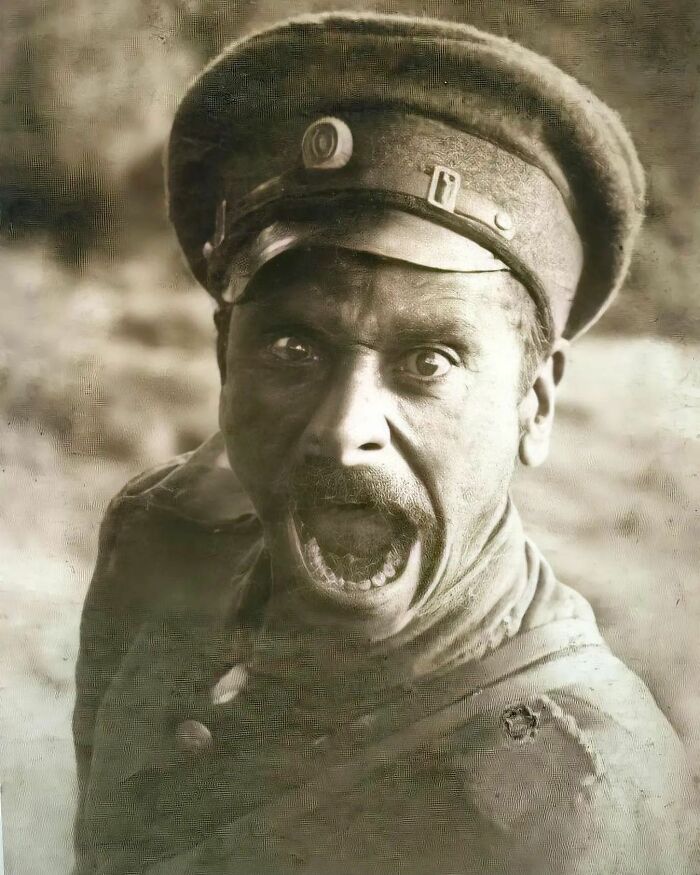
Image source: timetphoto
#23
Russians playing chess in a park in Moscow, 1950s.
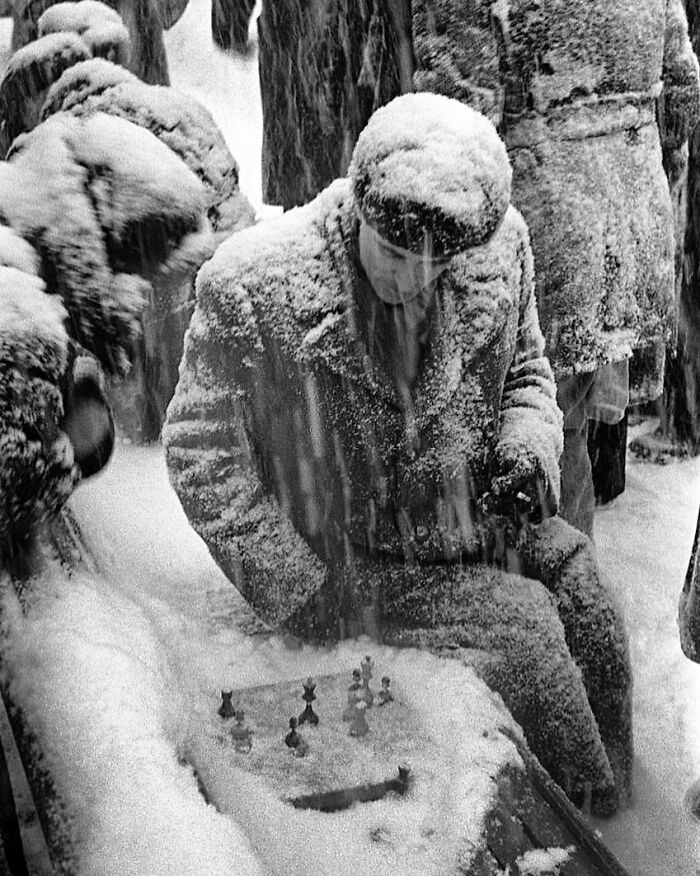
Image source: timetphoto
#24
Welsh woman washing her mine-working husband in 1931.
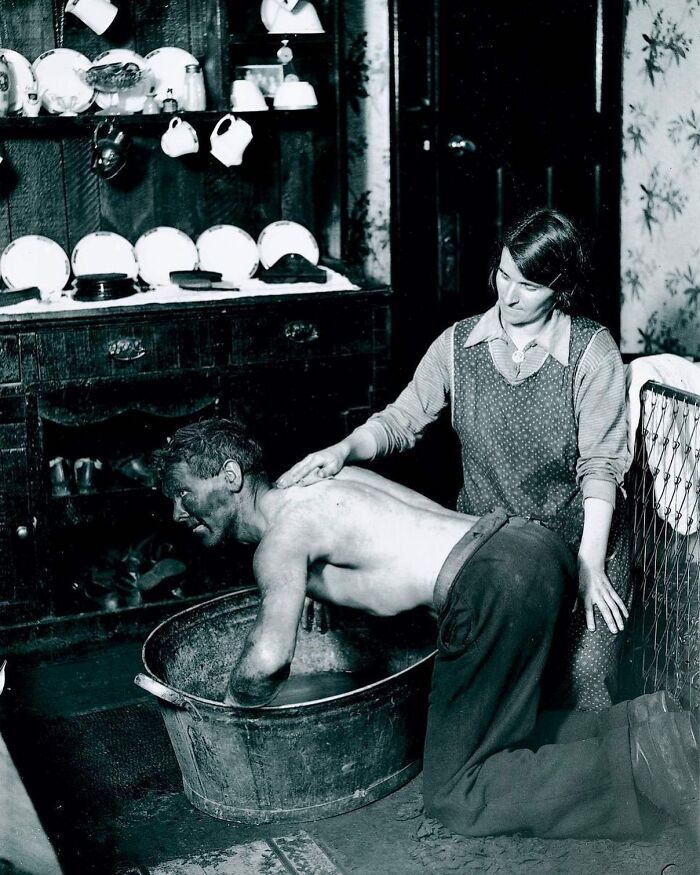
Image source: timetphoto
Some experts, like Education Pulse, believe that educators’ first priority should be to teach students how to read and interpret the facts of our past themselves. This means providing them with the skills to research and understand history in their own way.
“In the end, it is up to the teacher how they choose to use a textbook in their class. Some may choose to use it as the foundation for their class, some as supplemental material, and some not at all. But however we use these books in our curriculum, we constantly need to look out for the voices that are not represented,” notes the Education Pulse site. “If we can do this, we will help our students grow not only in their understanding of history, but in their ability to be a responsible citizen of the world.”
#25
Google reviews in 1920
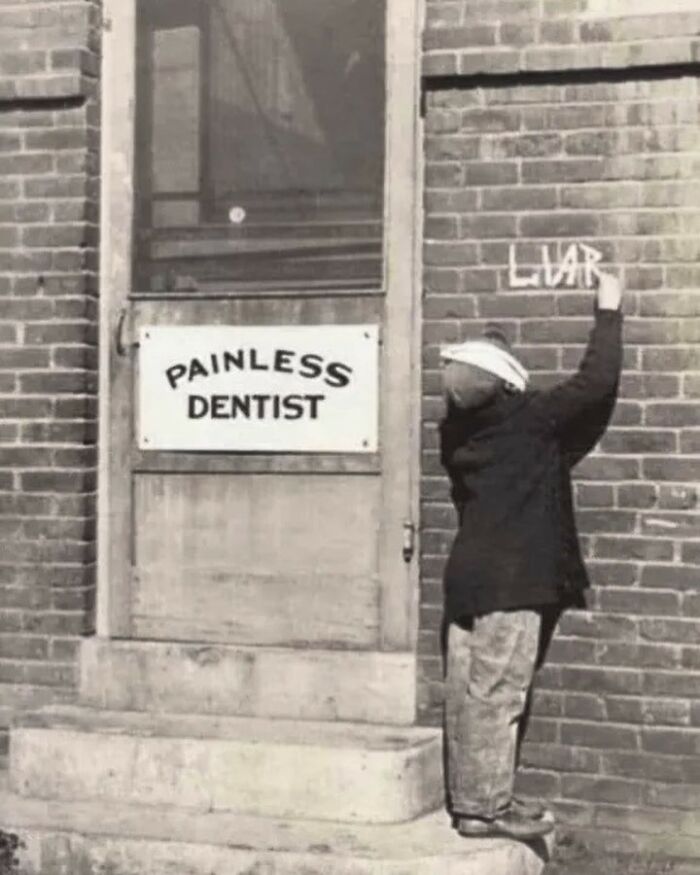
Image source: timetphoto
#26
Portraits of Native Americans by Carl Moon, 1900s.
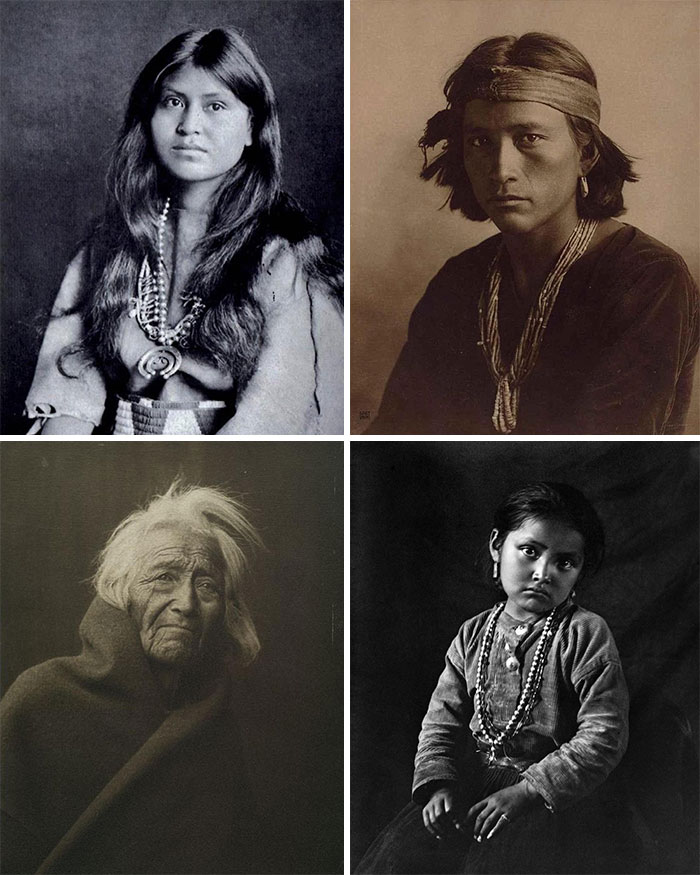
Image source: timetphoto
#27
A women is held captive in a wooden crate and left to die of starvation in a remote desert in Mongolia, 1913. It was capital punishment for committing adultery
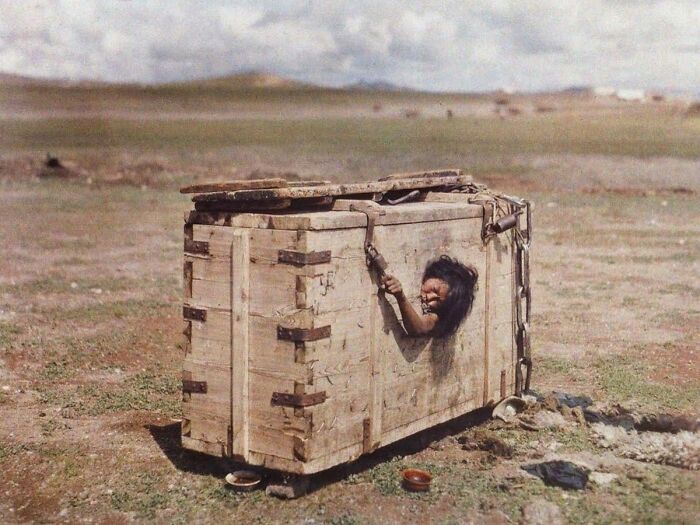
Image source: timetphoto
#28
Here’s a mugshot of 21-year-old Mary Snowden, prisoner at Leavenworth Federal Penitentiary – Kansas, USA, 1900.
Mary Snowden was sentenced to five years hard labor and costs in the federal penitentiary after she was convicted of assault with intent to kill. The 21-year-old had been married for just over a year when she became prisoner at Leavenworth.
Mary probably had both Native American and African American ancestry.
It is believed Mary died in 1908 from sustained injuries after she was shot in her thigh during an altercation with a jealous, drunken lover named Bub Williams
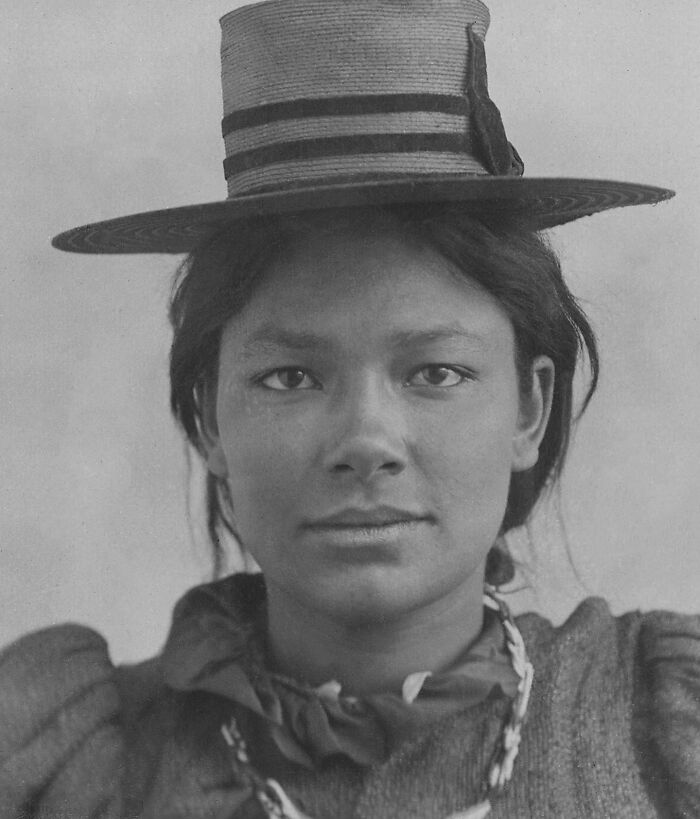
Image source: timetphoto
#29
Bundled-up twins, Russia, 1968
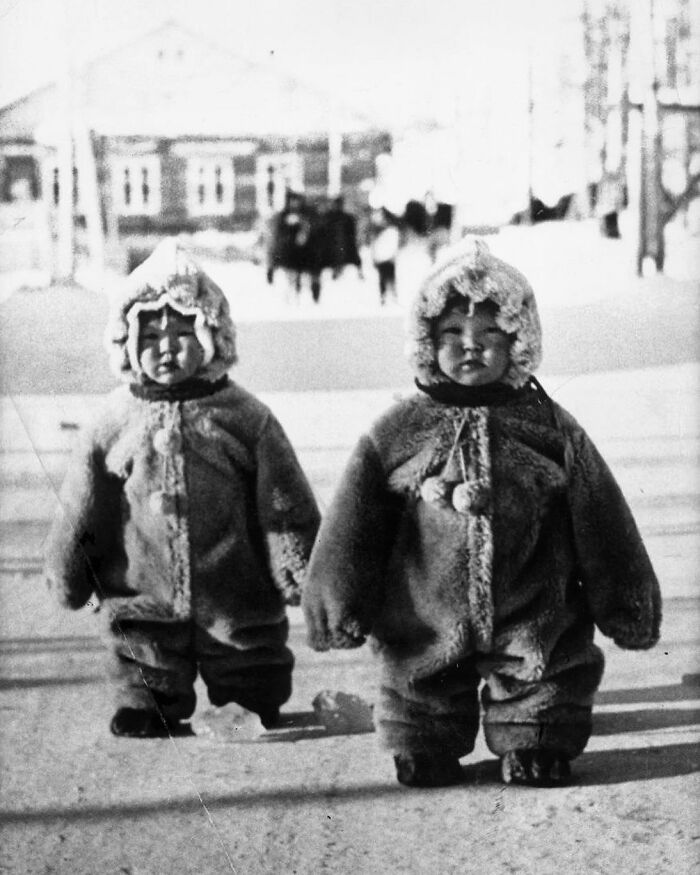
Image source: timetphoto
#30
Large Group of People Walking Along Ruins of Market Street toward Ferry after Earthquake, San Francisco, California, USA, ca. 1906.
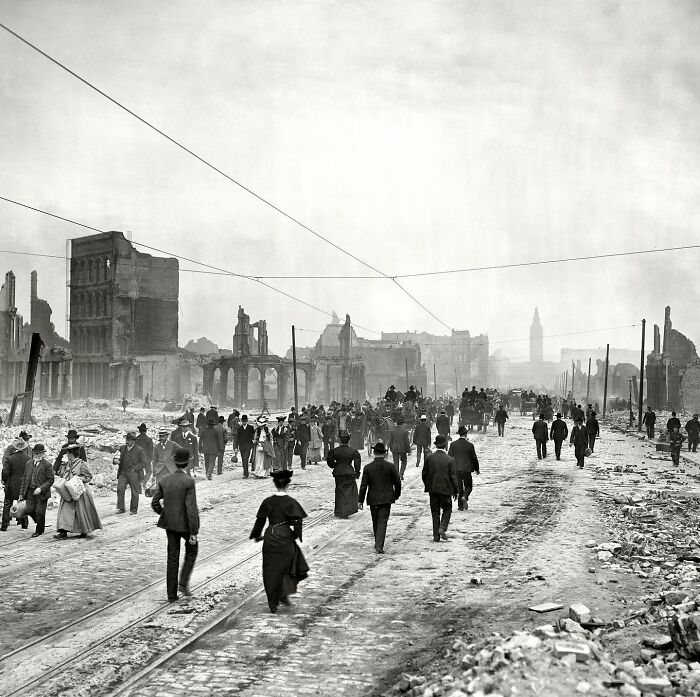
Image source: timetphoto
#31
Image source: timetphoto
#32

Image source: timetphoto
#33
Image source: timetphoto
#34

Image source: timetphoto
#35
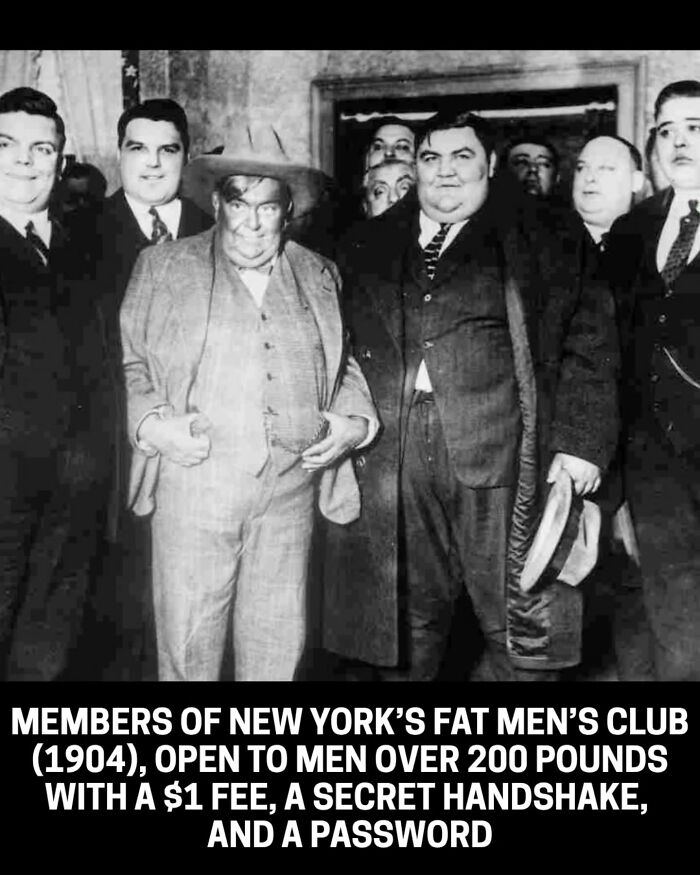
Image source: timetphoto
#36
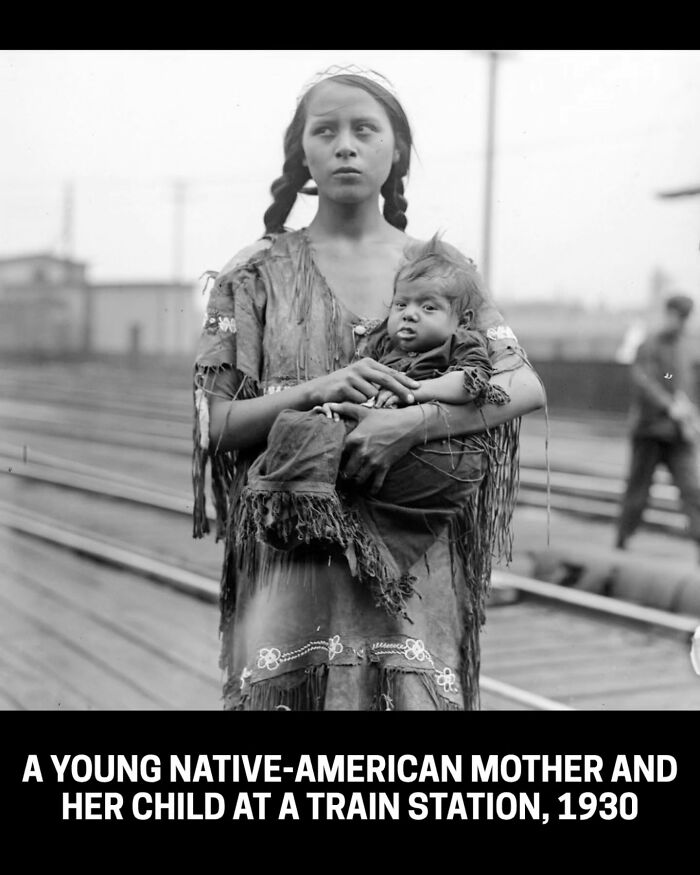
Image source: timetphoto
#37
Image source: timetphoto
#38
Image source: timetphoto
#39
Image source: timetphoto
#40
Image source: timetphoto
#41
Image source: timetphoto
#42
Image source: timetphoto
#43
Image source: timetphoto
#44
Image source: timetphoto
#45

Image source: timetphoto
#46
Image source: timetphoto
#47
Image source: timetphoto
#48
Image source: timetphoto
#49

Image source: timetphoto
#50
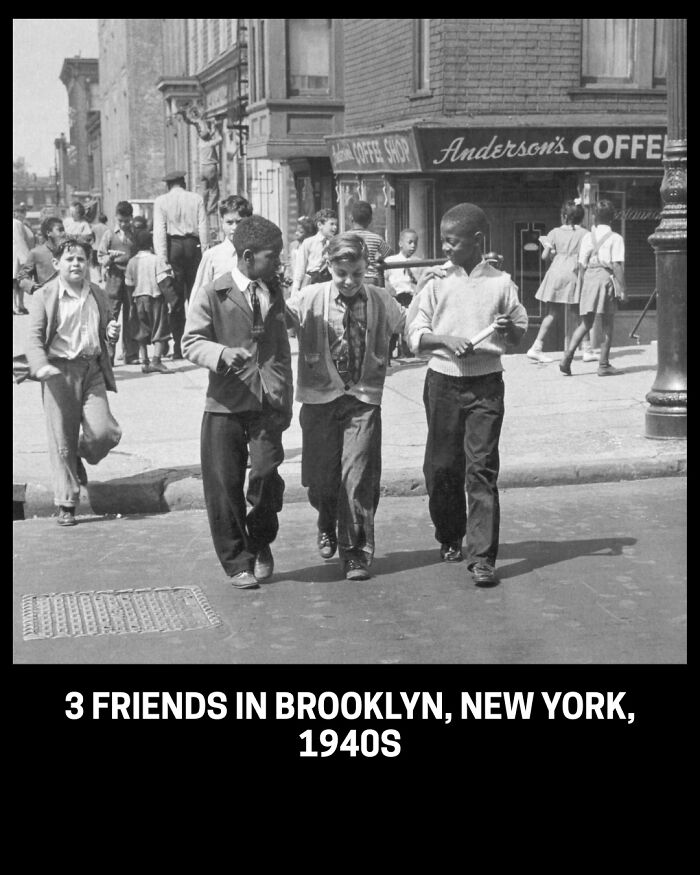
Image source: timetphoto
#51
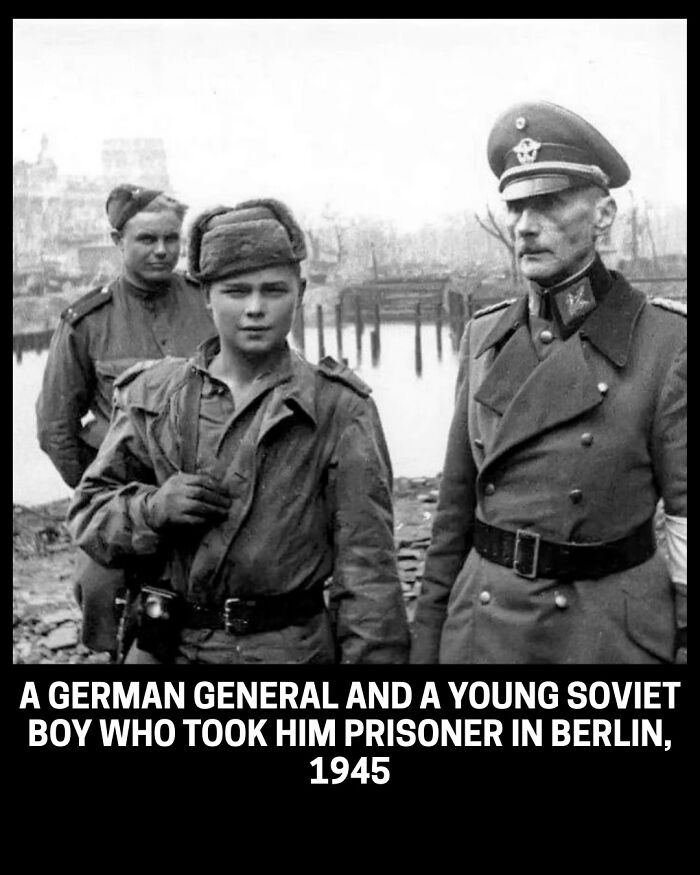
Image source: timetphoto
#52
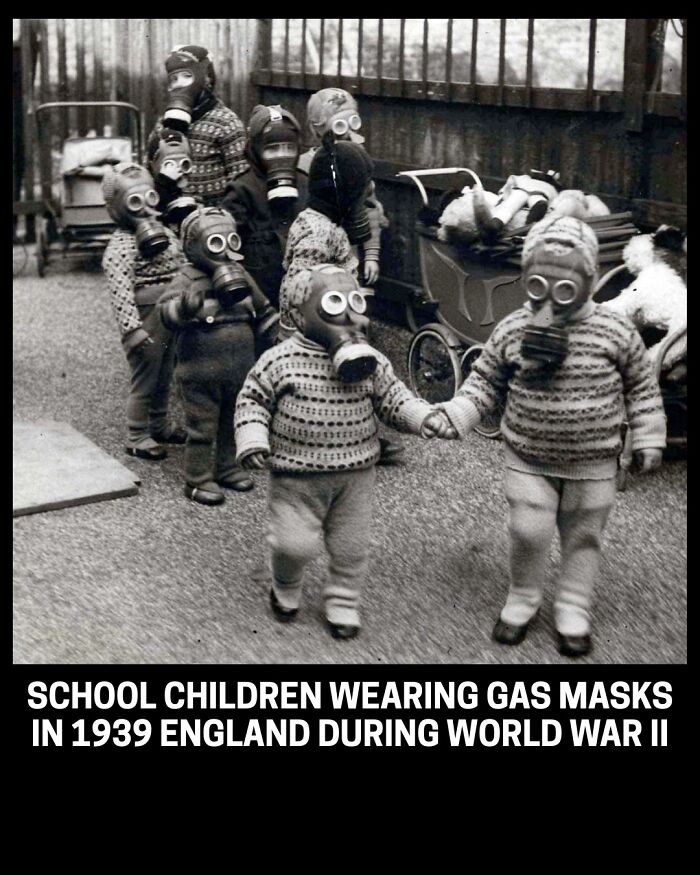
Image source: timetphoto
#53
The world’s last commercial ocean-going sailing ship – The Pamir – rounding Cape Horn, 1949
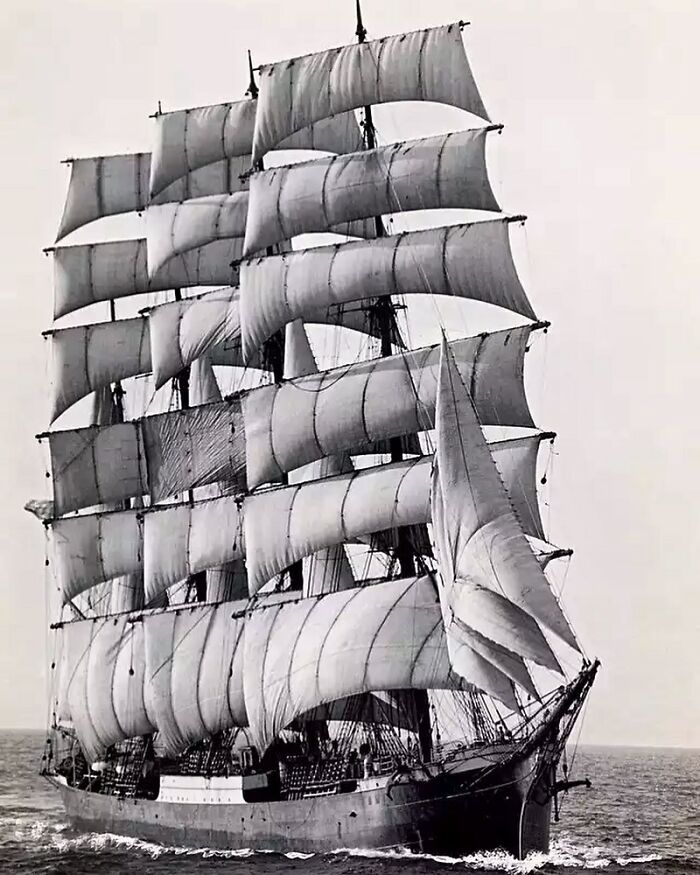
Image source: timetphoto
#54
A Japanese woman carrying her children in a bucket on her head, 1900s
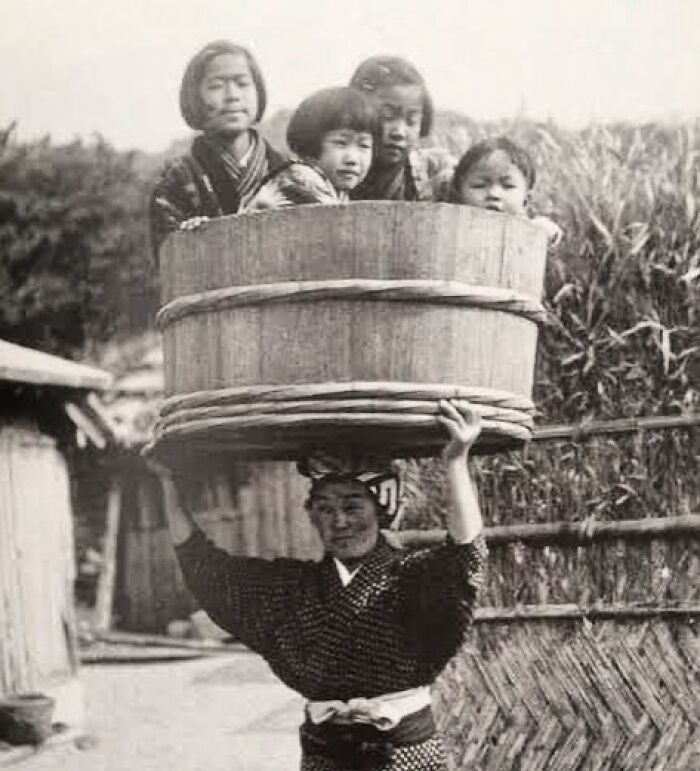
Image source: timetphoto
#55
Inuk man teaching his boy how to shoot. The man, Allakariallak, was popularly known as Nanook of the North. Circa 1920s
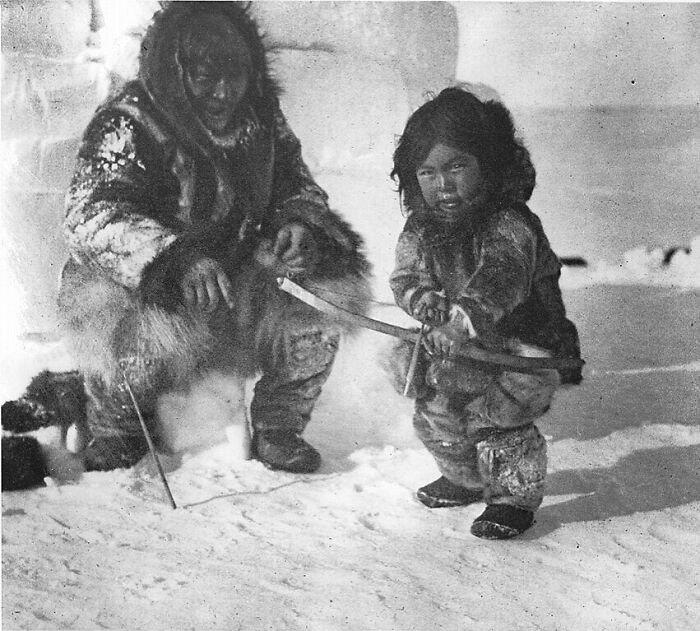
Image source: timetphoto
#56
A young Native-American mother and child, train station c.1930.
Photo taken by Leslie Jones, a photojournalist for the Boston Herald-Traveler.
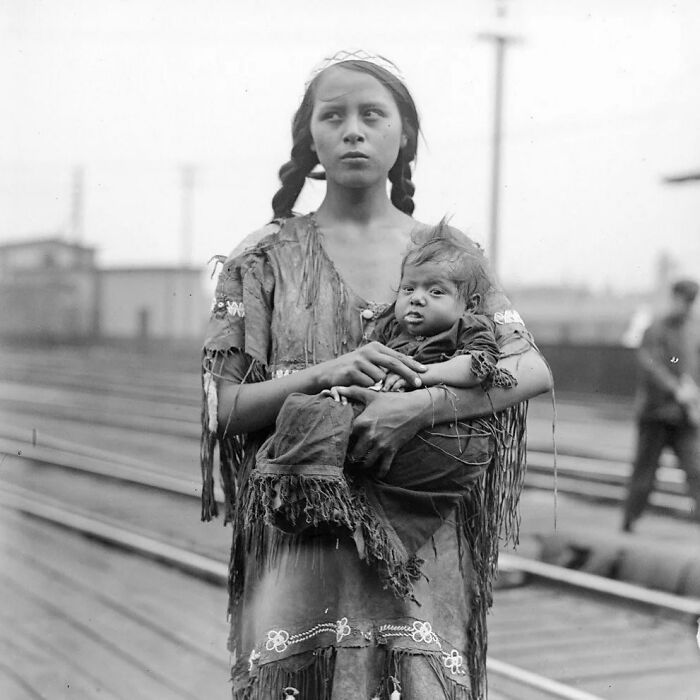
Image source: timetphoto
#57
A Filipino-American family posing for a family portrait, Philippines 1912
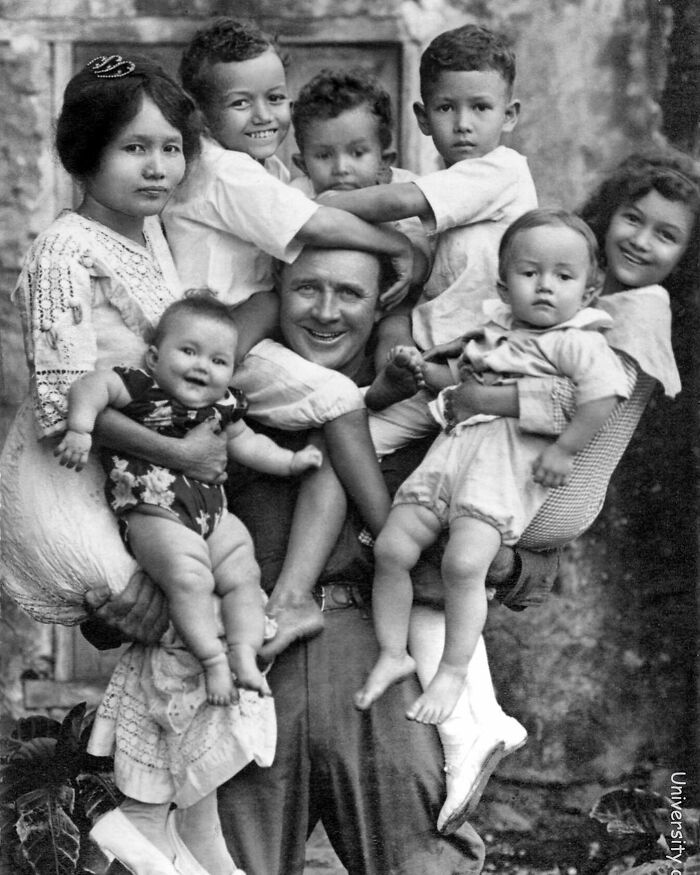
Image source: timetphoto
#58
A woman drinks from a “common cup” attached to a water pump, Chicago, 1899. Note the reactions of the boys behind her.
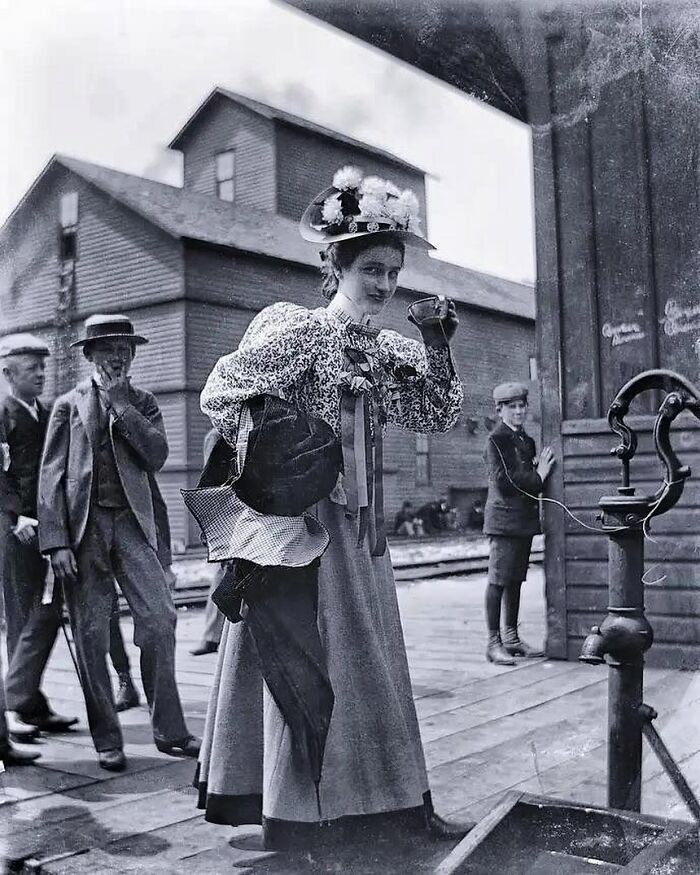
Image source: timetphoto
#59
Photo of two children – one vaccinated against smallpox, the other not. Circa 1901.
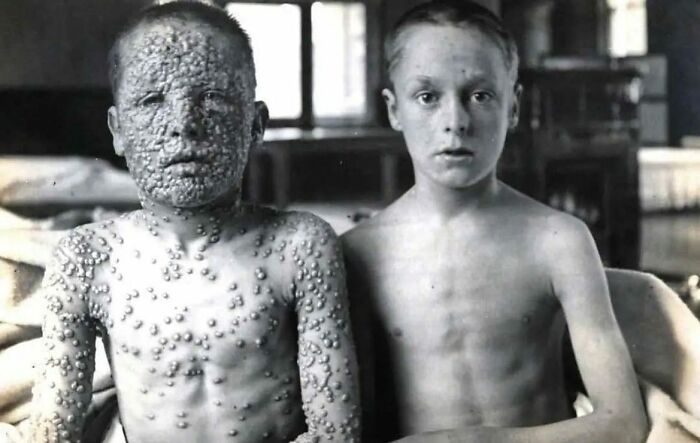
Image source: timetphoto
#60
Image source: timetphoto
#61
A dog dressed as a man with a cat on its lap, 1950s.
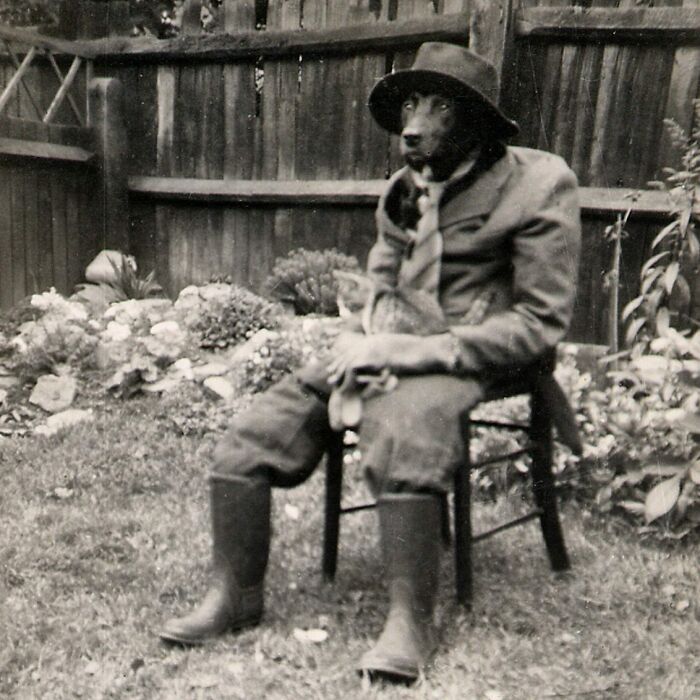
Image source: timetphoto
#62
Here’s a 1,342 year-old sequoia tree nicknamed “Mark Twain” that was felled in 1891 after a team of two men spent 13 days sawing it in the Pacific Northwest.
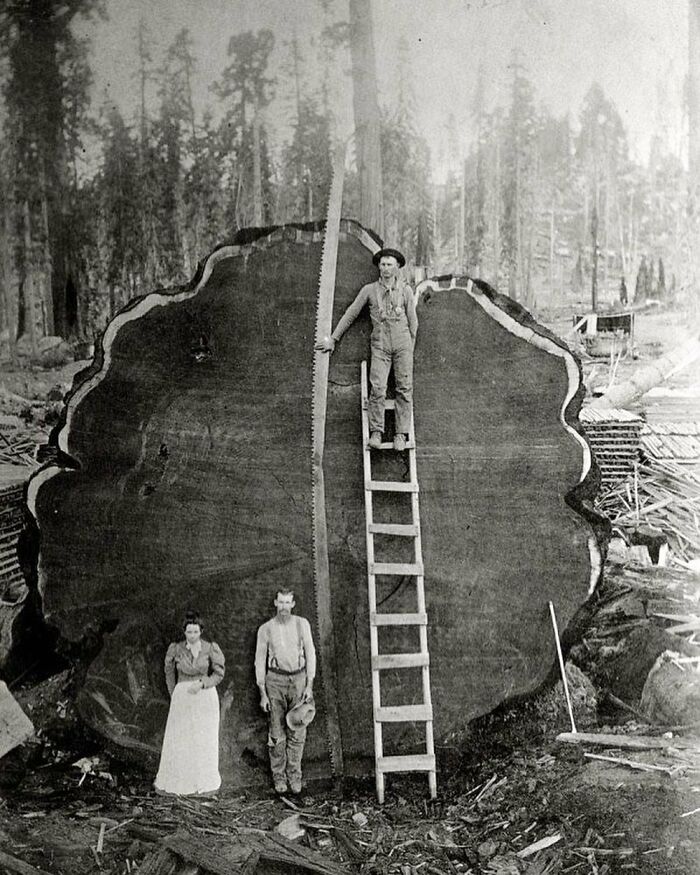
Image source: timetphoto
#63
These are members of the Fat Men’s Club of NY (1904). Members had to be at least 200 pounds, pay a $1 fee to enter and learn a secret handshake and password.
Fat men’s club declined in the 20th century as male obesity transitioned to being perceived as a primarily negative trait.
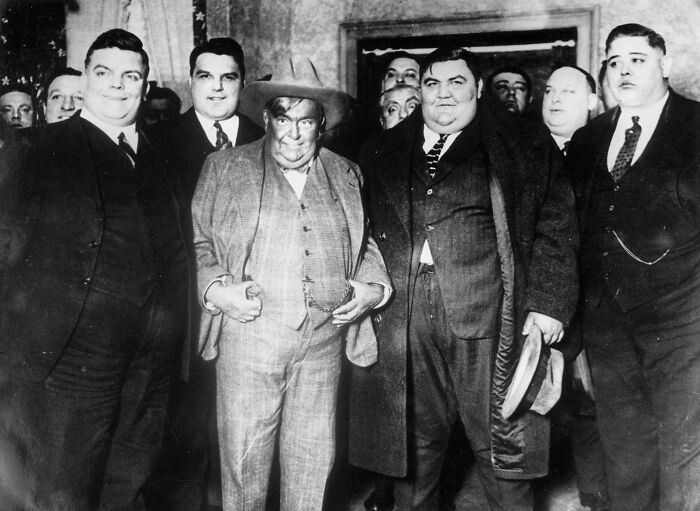
Image source: timetphoto
#64
Mulberry Street, Manhattan, 1900.
Mulberry Street was at the very center of Manhattan’s Little Italy, an ethnic neighborhood that followed the mass immigration of Italians to New York after the 1880s.
This scene, shot in 1900, shows something of the breadth of activity of Little Italy: vegetable stalls; barefooted children; shoe; boot and clothing merchants; a wagon of barrels and sacks; furniture removal men and blankets; quilts and rugs left out to air (or to sell).
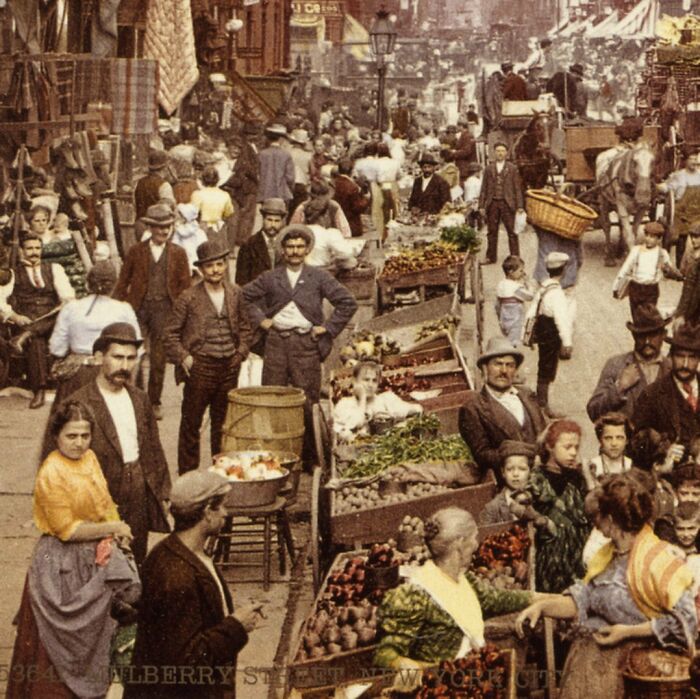
Image source: timetphoto
#65
Image source: timetphoto
#66
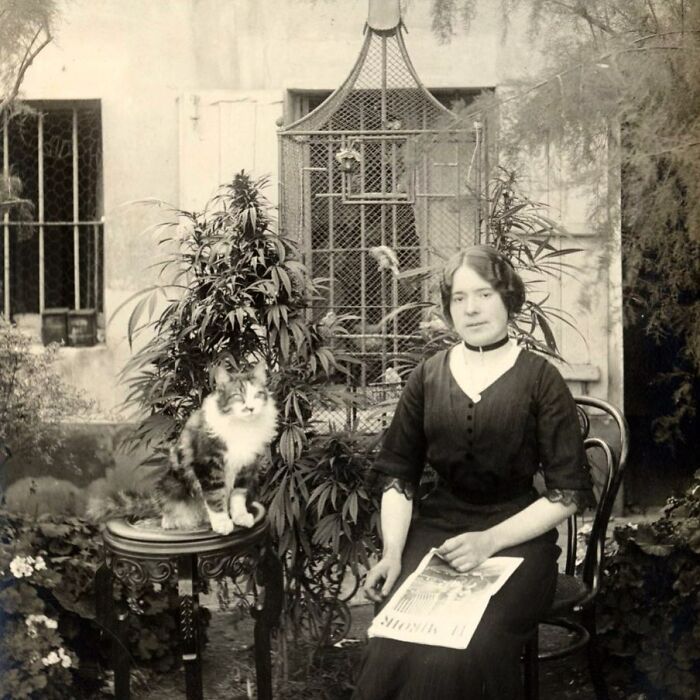
Image source: timetphoto
#67
“Children living in shacktown along Mississippi River bottom. Dubuque, Iowa.” April 1940.
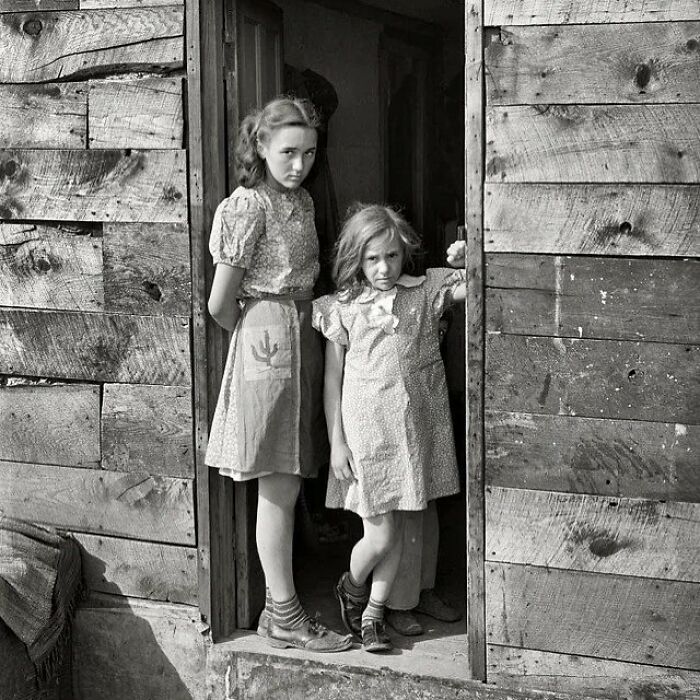
Image source: timetphoto
#68
Wartime selfie, 1944.
This is U.S. Army Forces 2nd Lieutenant Quentin C. Aanenson with his girlfriend Jacqueline Greer before being sent off to WW2.
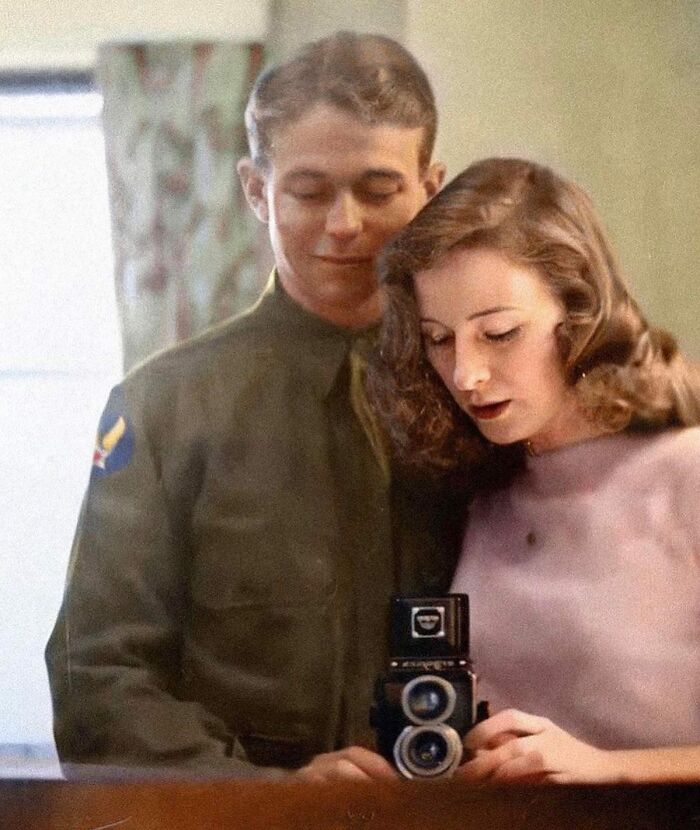
Image source: timetphoto
#69
In 1913, 10-year-old Sarah Rector received a land allotment of 160 acres in Oklahoma. The best farming land was reserved for whites, so she was given a barren plot. Oil was discovered there, and she became the country’s first black millionaire. She was so wealthy that the Oklahoma legislature legally declared her to be a white person.
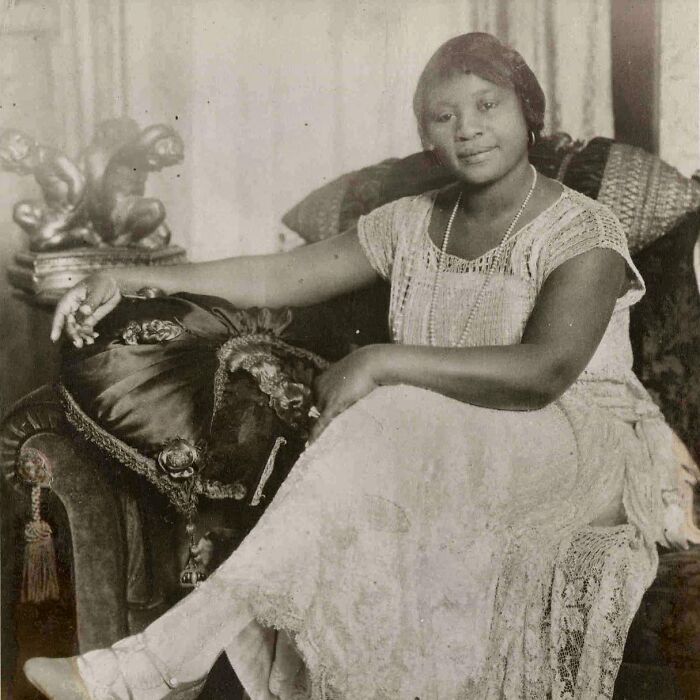
Image source: timetphoto
#70
Dinner party for French soldiers with severe facial injuries received during WWI, taken by Henri Manuel in 1925.
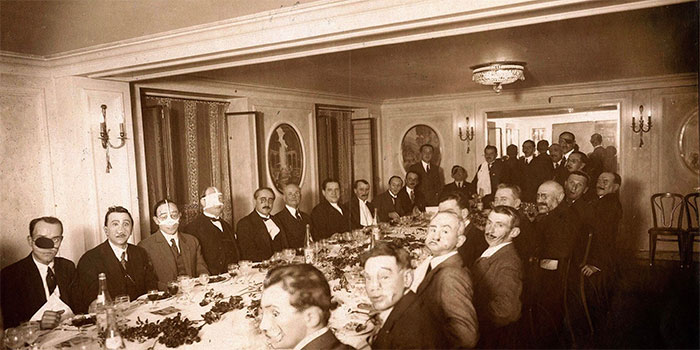
Image source: timetphoto
#71
A horse mounted cop in action on Tremont Street, Boston, 1920.
Photo by Leslie Jones
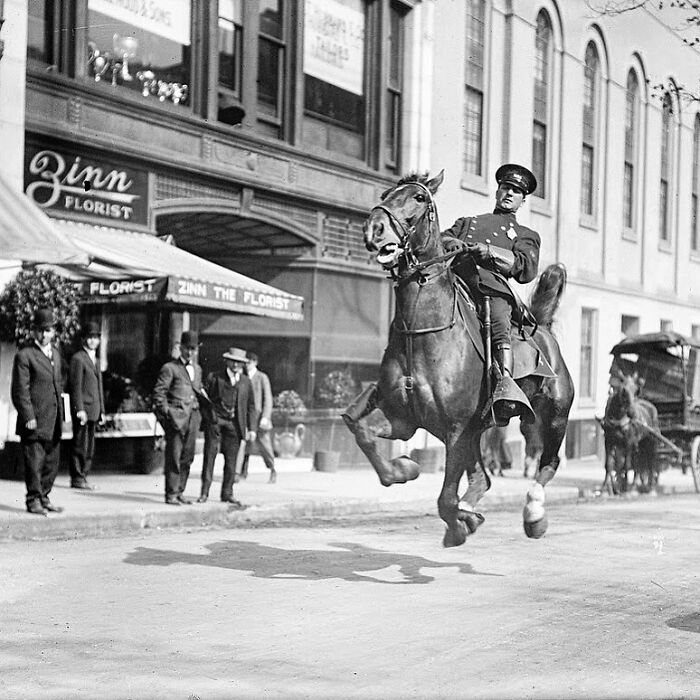
Image source: timetphoto
#72
A man feeding a polar bear and her cubs with milk, Russia, ca. 1950.
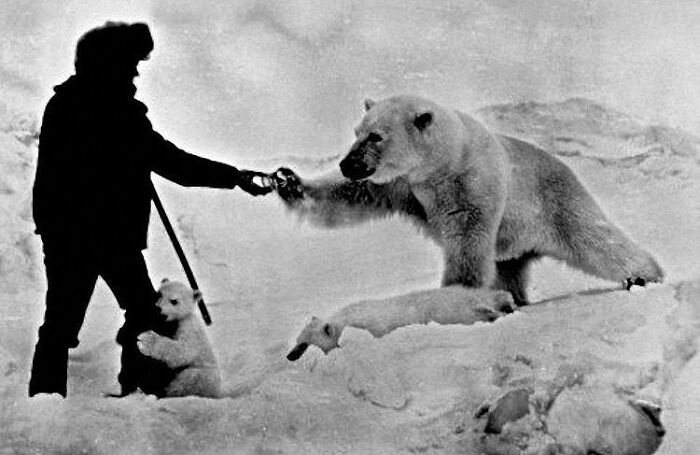
Image source: timetphoto
#73
A young girl trying to cut a sunbeam, 1886.
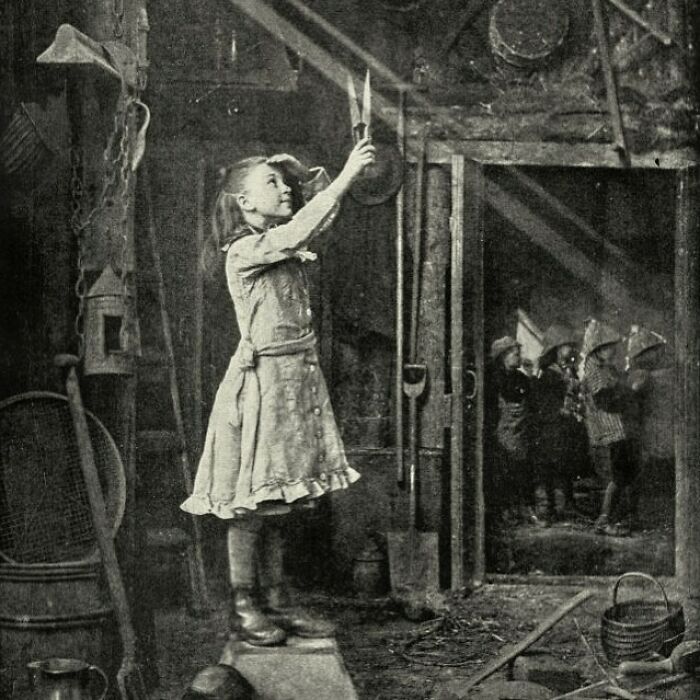
Image source: timetphoto
#74
“The exact moment when Harold Whittles, born deaf, hears for the first time after placement of earpiece.”
The photo was published in the February 1974 edition of Reader’s Digest, in the article “Unforgettable moments caught on film”.
Photographer Jack Bradley
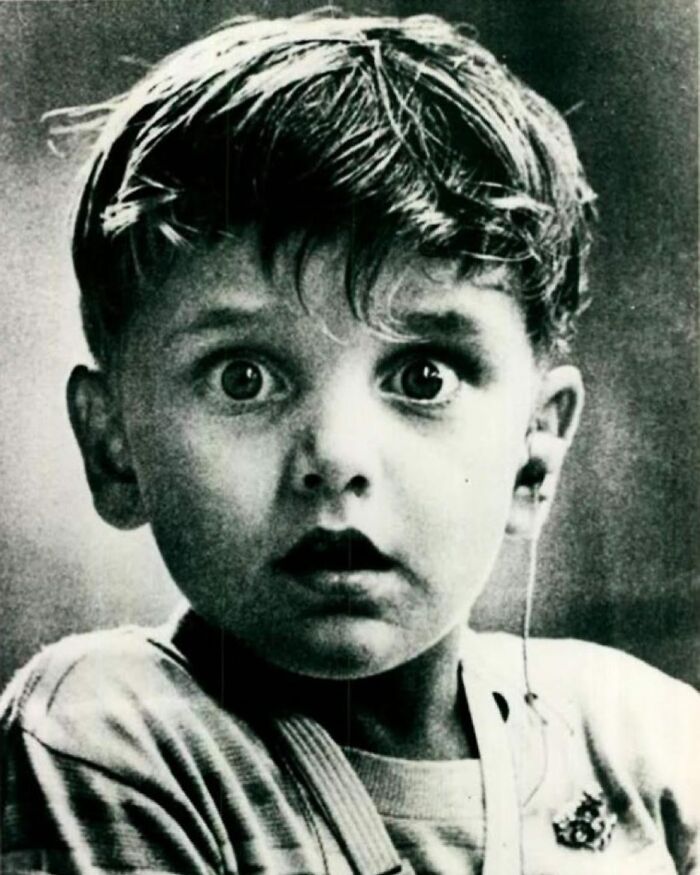
Image source: timetphoto
#75
5-year-old Harold Walker picks 20 to 25 pounds of cotton a day, Oklahoma, 1916.
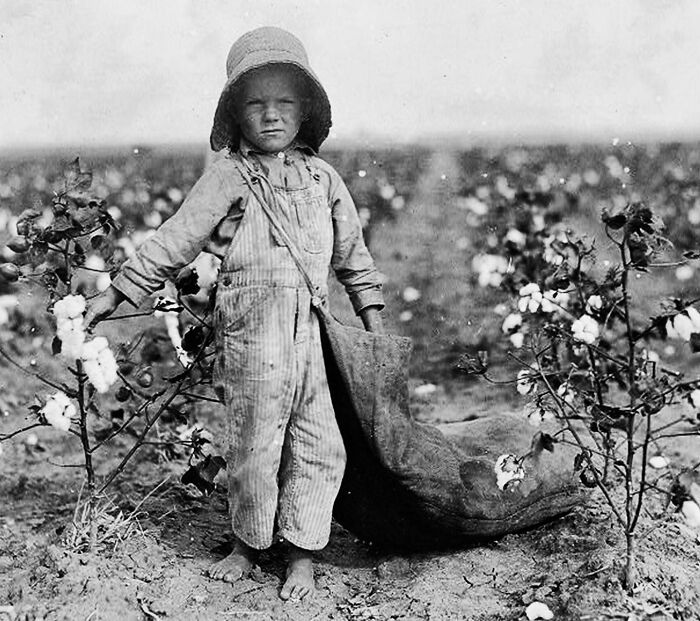
Image source: timetphoto
#76
A man browses for books in the old Public library of Cincinnati. The building was demolished in 1955. Today an office building and a parking lot stand where it used to be.

Image source: timetphoto
#77
Mugshot of Josip Broz Tito, President of Yugoslavia from 1953 to 1980, after he was arrested in 1928 for communist activities.

Image source: timetphoto
#78
Queen Elizabeth II had two “hidden” cousins named Nerissa (left) and Katherine Bowes-Lyom (right) who were both born with severe learning disabilities.
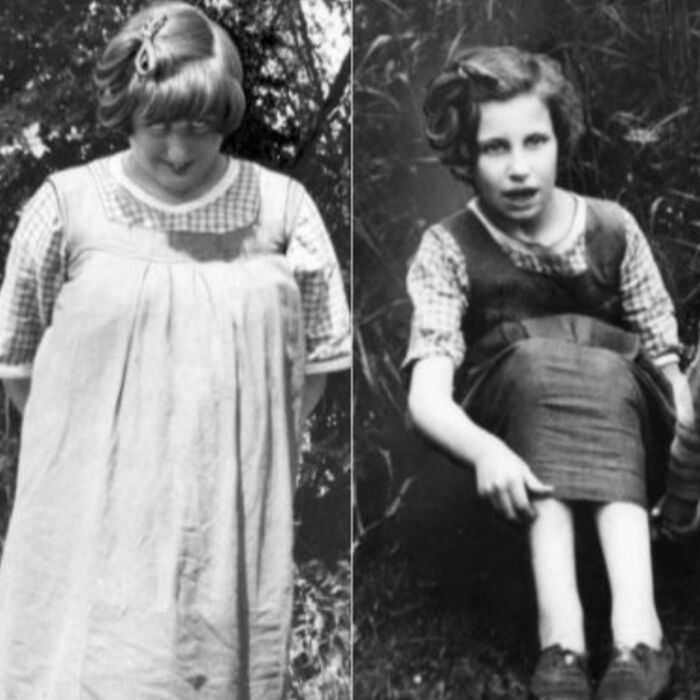
Image source: timetphoto
#79
Children stand in Mullen’s Alley, 1888.
Photo by Jacob Riis
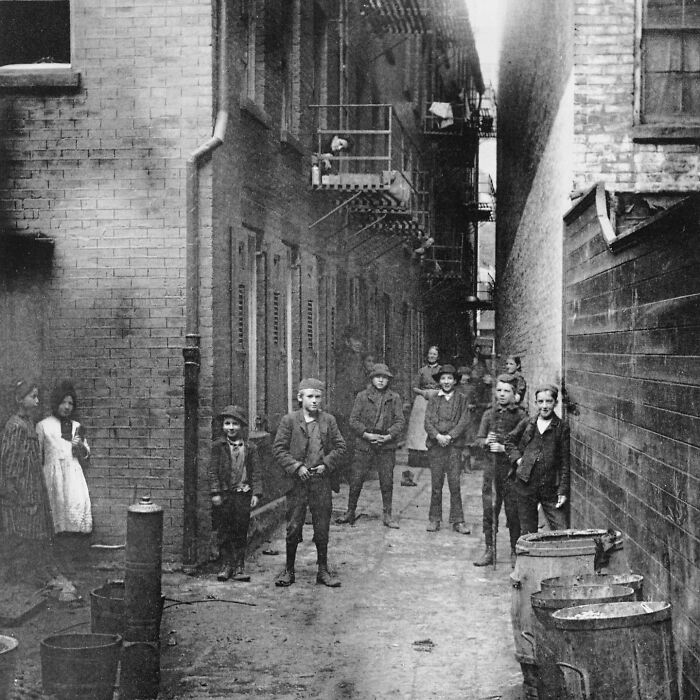
Image source: timetphoto
#80
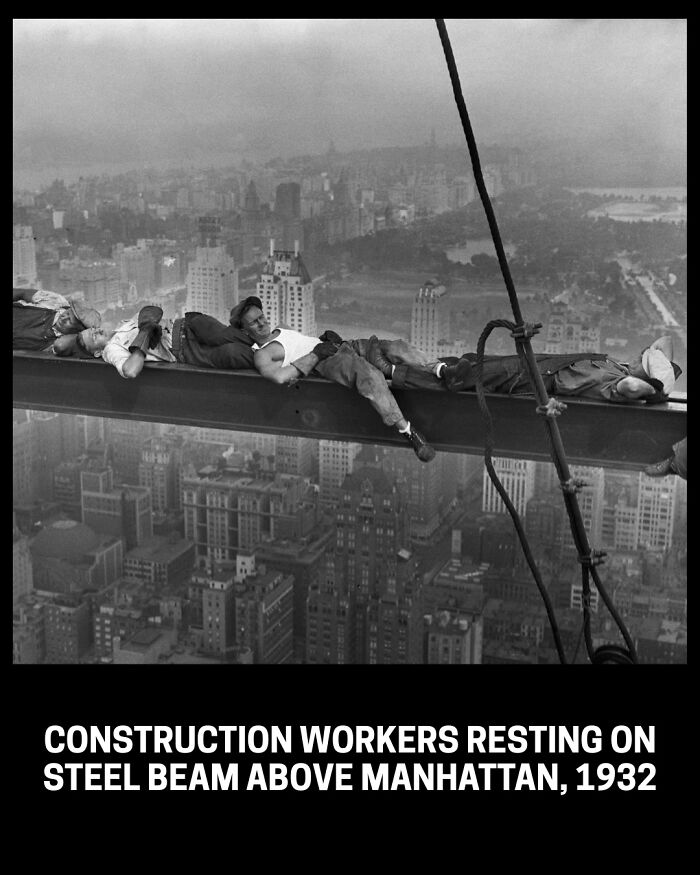
Image source: timetphoto
#81
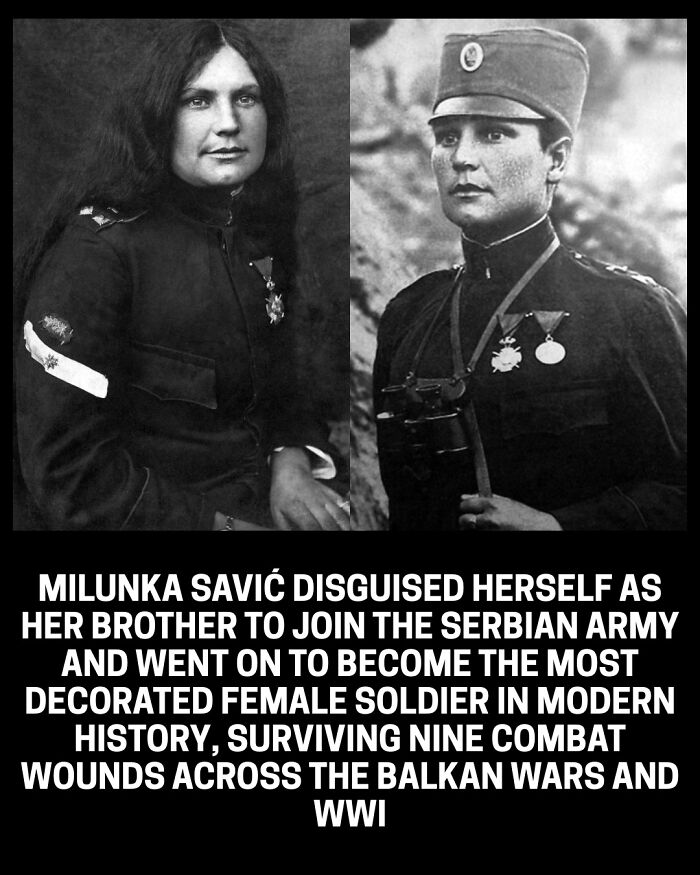
Image source: timetphoto
#82
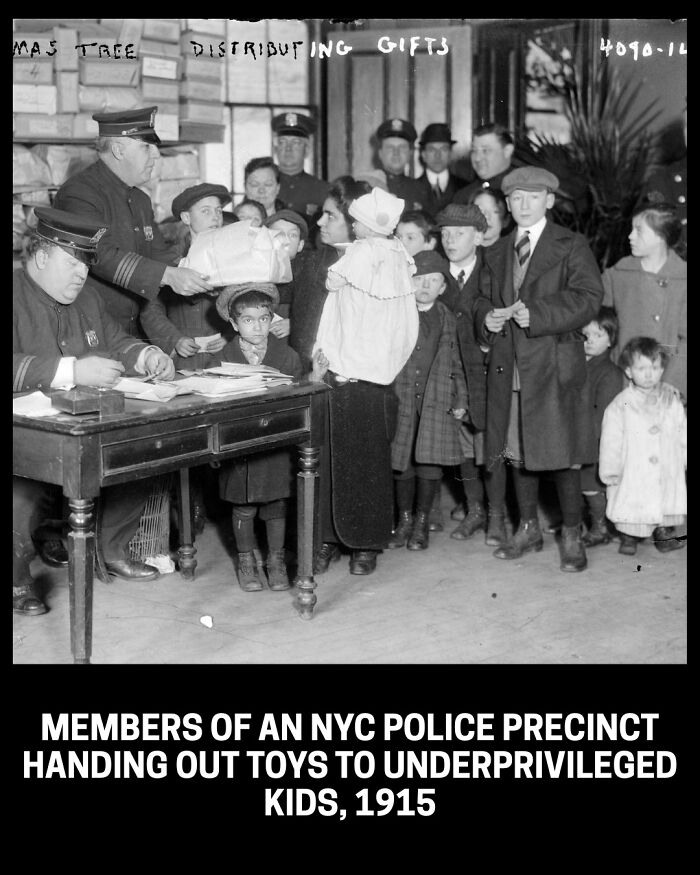
Image source: timetphoto
#83
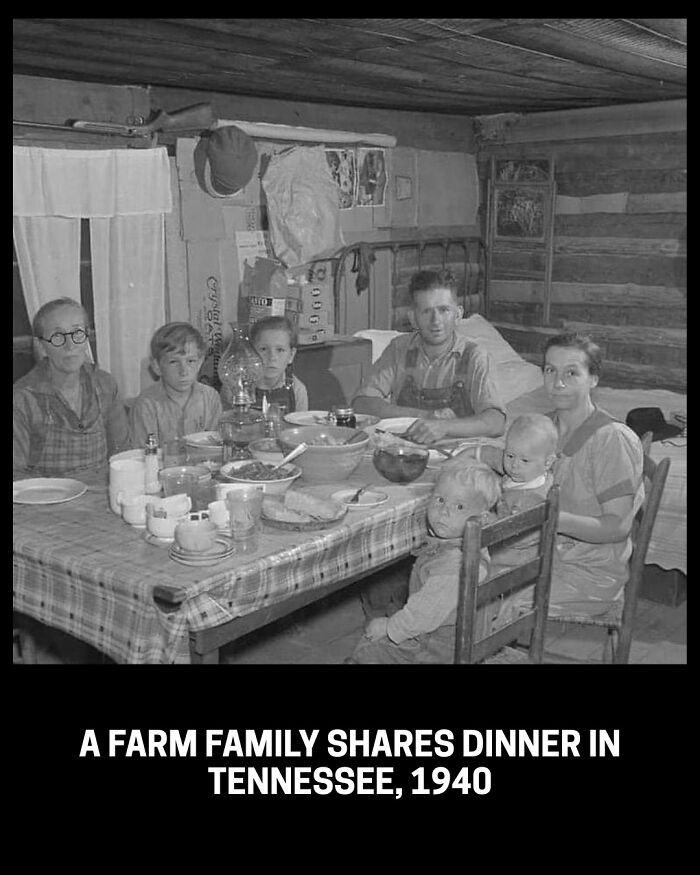
Image source: timetphoto
#84
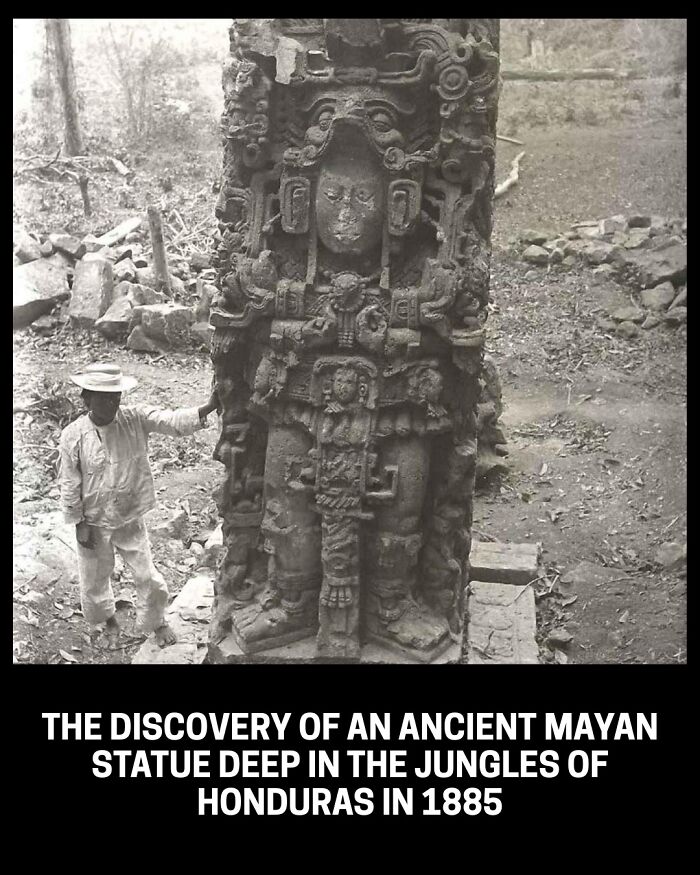
Image source: timetphoto
#85
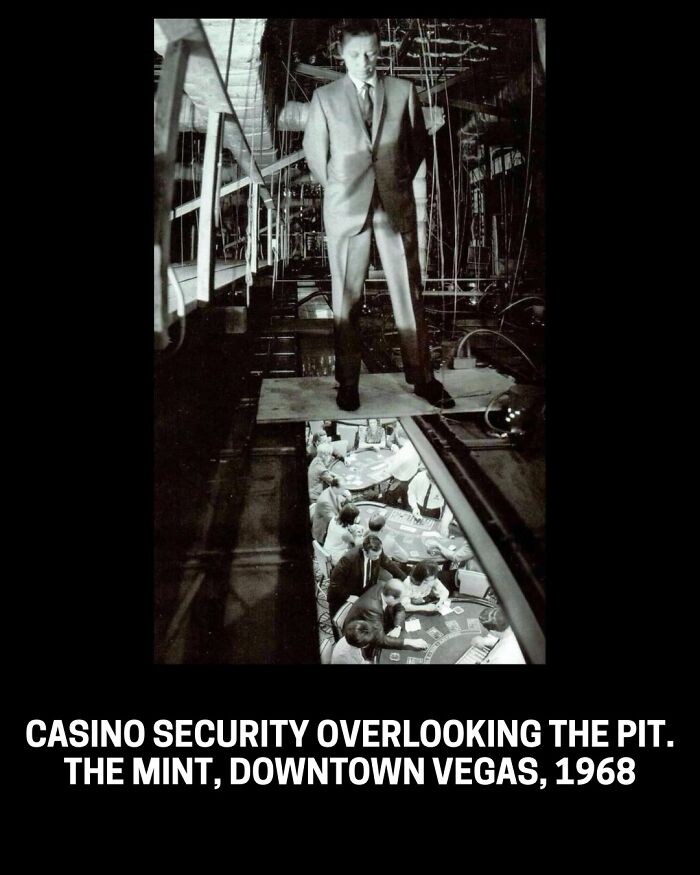
Image source: timetphoto
#86
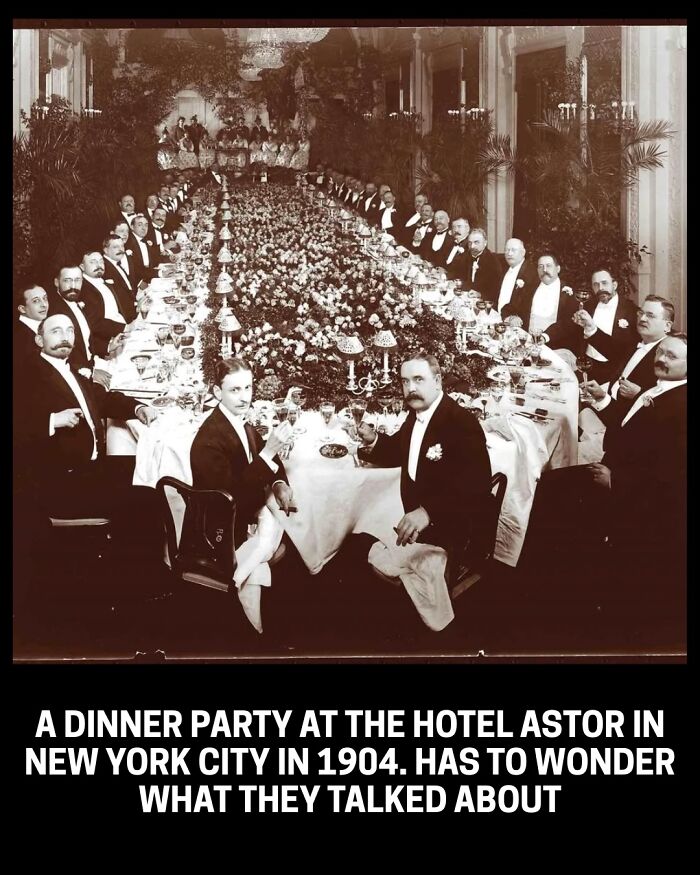
Image source: timetphoto
#87
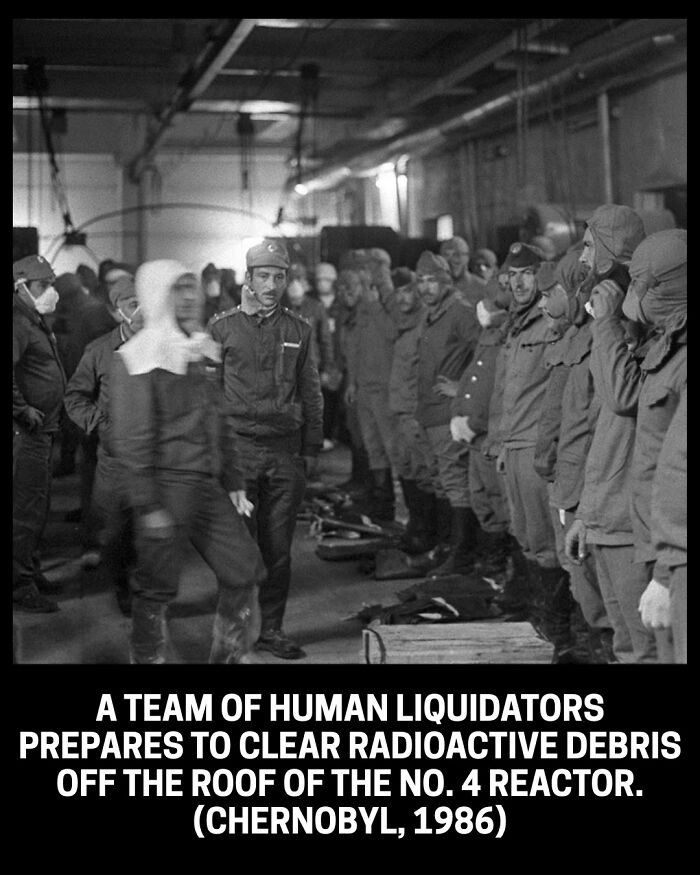
Image source: timetphoto
#88
Children in front of the world’s largest log cabin in Portland, Oregon, USA 1938. Built In 1905 burned down In 1964
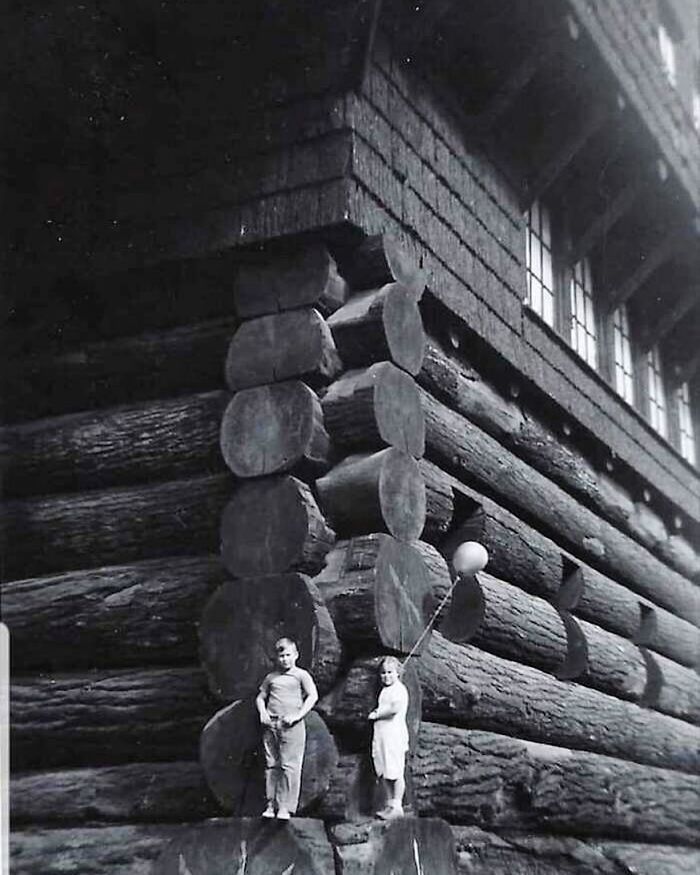
Image source: timetphoto
#89

Image source: timetphoto
 Follow Us