In Penang, Malaysia, cats are part of the everyday landscape. They wander through neighborhoods, rest near apartment buildings, wait around food stalls, and often become familiar faces to the people living nearby. Many of these cats are cared for by residents who feed them, watch over them, and try to help whenever they can. But as animal welfare volunteers know all too well, feeding alone does not stop the cycle of more and more kittens being born outdoors. That is where Cats Of Penang comes in.
The organization focuses on ‘Trap-Neuter-Return,’ or TNR, a method that allows community cats to be humanely trapped, sterilized, given time to recover, and then returned to the places they already know. Instead of trying to remove every stray cat from the streets, TNR aims to reduce the population over time while allowing existing cats to keep living safely in their familiar territories.
Bored Panda has reached out to them to find out more about how the program functions, so scroll down to read the full story.
More info: catsoterra.org | Instagram | Facebook
Cats are a familiar part of everyday life across Penang, Malaysia
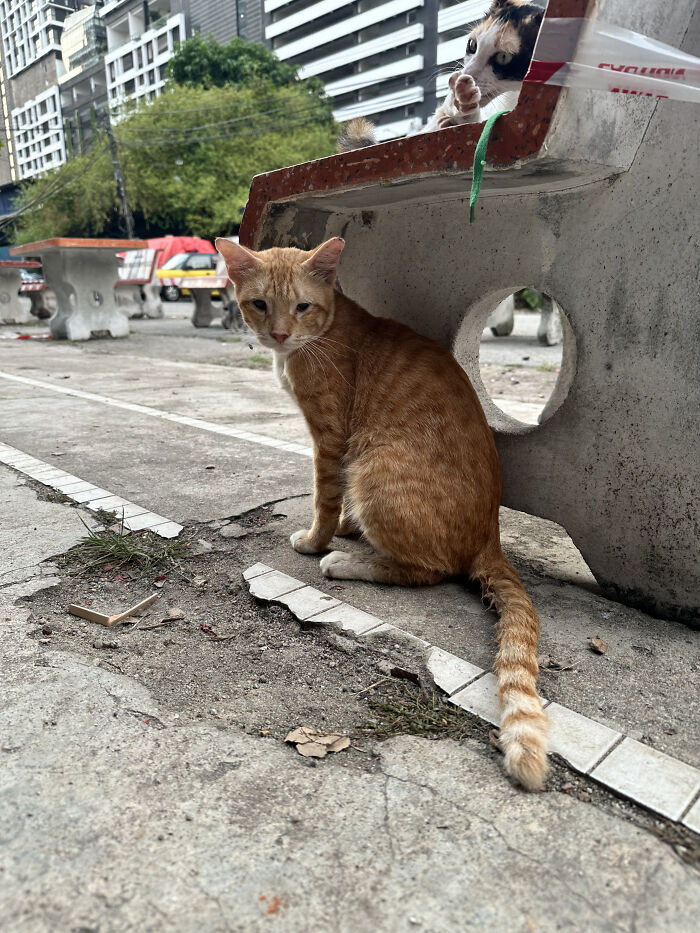
Image credits: Cats Of Penang
Although Cats Of Penang was only formed relatively recently, it has already grown into a large, volunteer-supported effort. So far, the group says it has helped arrange the sterilization of 707 community cats across Penang. Its impact also goes beyond that single number. According to the organization, RM45,400 (approx. 11,000 USD) has been subsidized for TNR services, while an estimated 6,342 kittens have been prevented from being born into street life.

Many of them live outdoors, relying on local feeders and kind residents for support
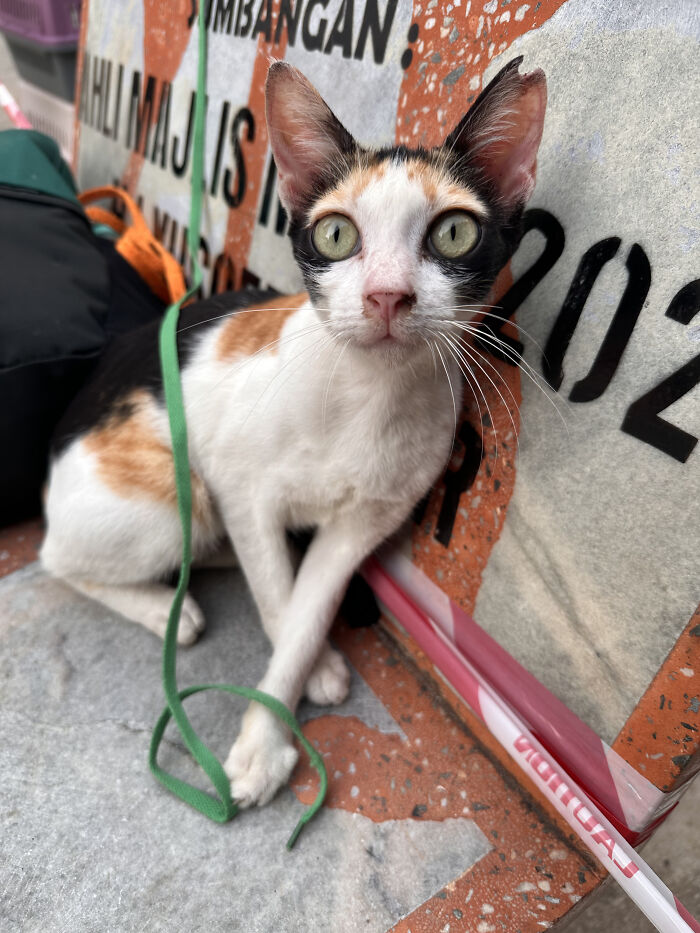
Image credits: Cats Of Penang
But without accessible sterilization, community cat populations can grow very quickly
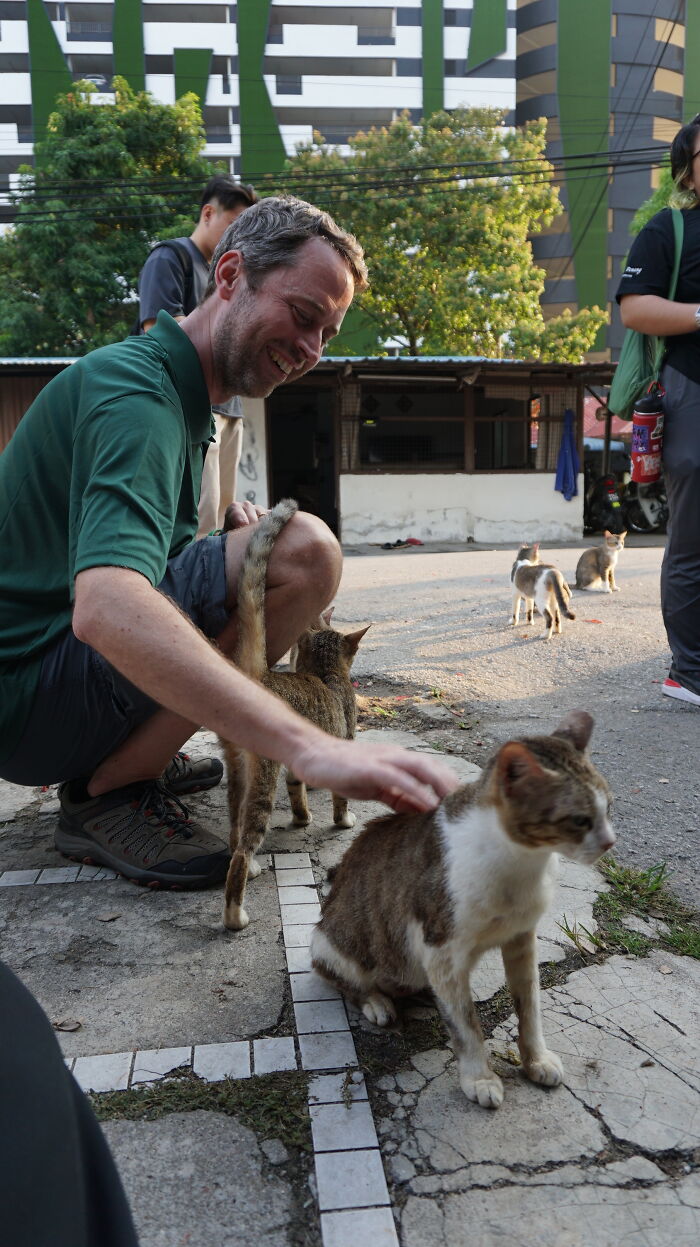
Image credits: Cats Of Penang
For the people behind Cats Of Penang, these figures represent more than statistics. Each one points to a cat that was trapped, transported, treated, monitored, and safely returned by people willing to spend their time helping animals in their community.
Cats Of Penang was created to help address the issue in a humane and organized way
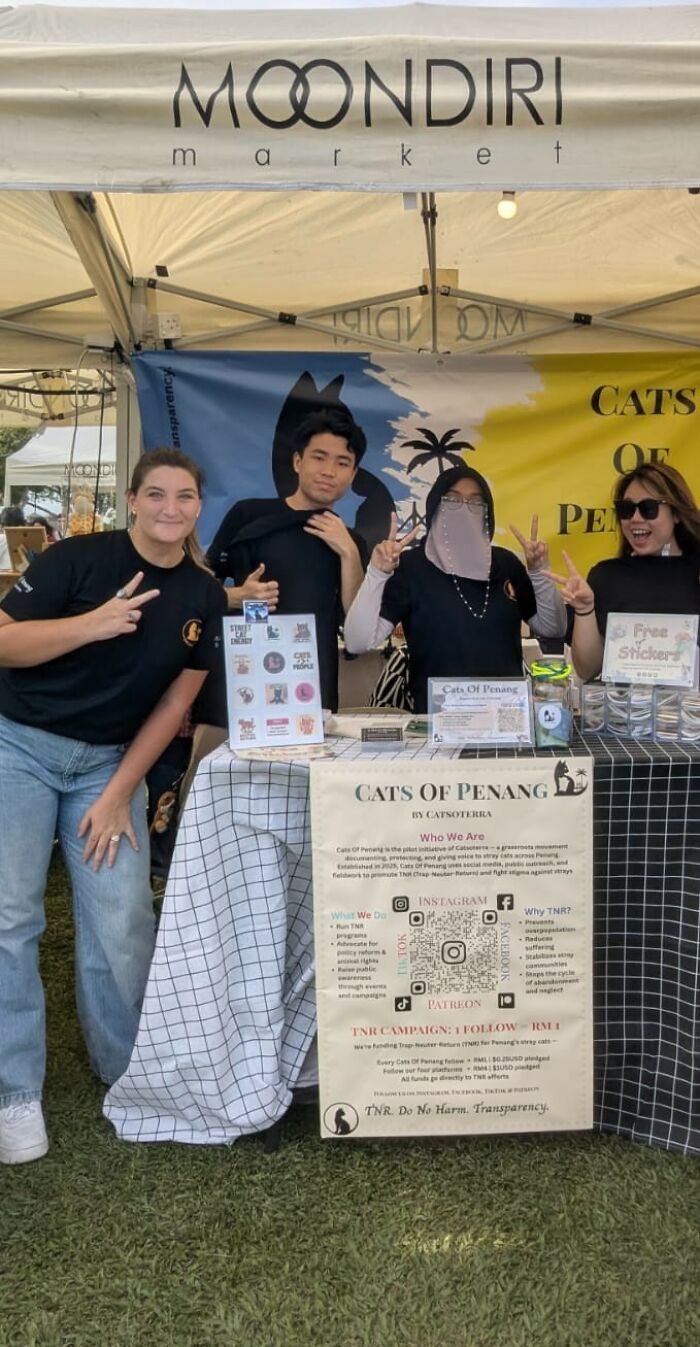
Image credits: Cats Of Penang
The organization focuses on the TNR or Trap-Neuter-Return method
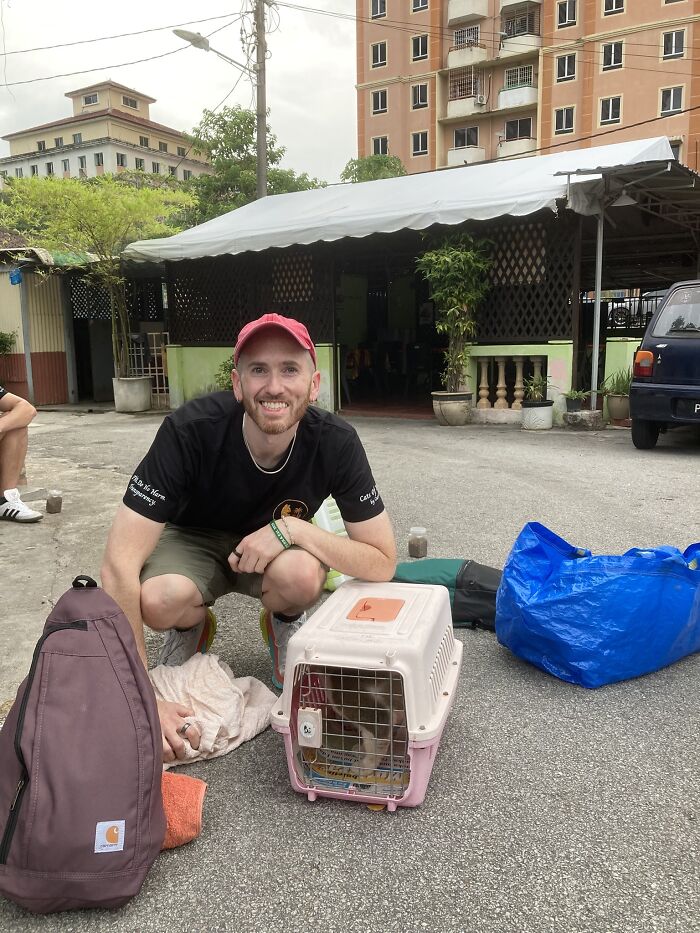
Image credits: Cats Of Penang
One of the most distinctive parts of the project is the system the organization has built to keep everything organized. Volunteers use a custom dashboard to book appointments, record cats, follow the progress of TNR work, and see where sterilization efforts are happening across Penang.
The goal is not to remove community cats, but to reduce suffering over time
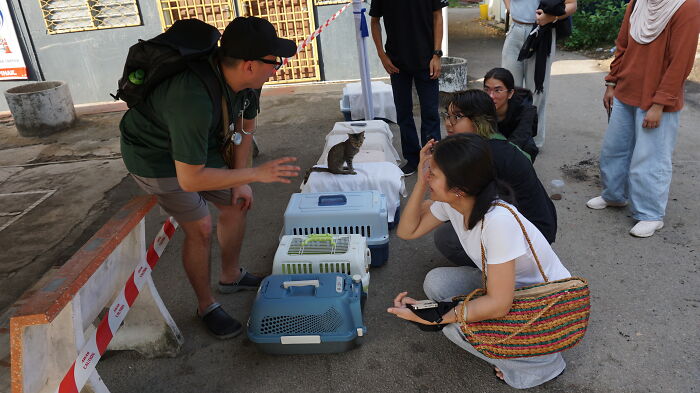
Image credits: Cats Of Penang
In just over a year, Cats Of Penang has helped sterilize 707 cats across the area
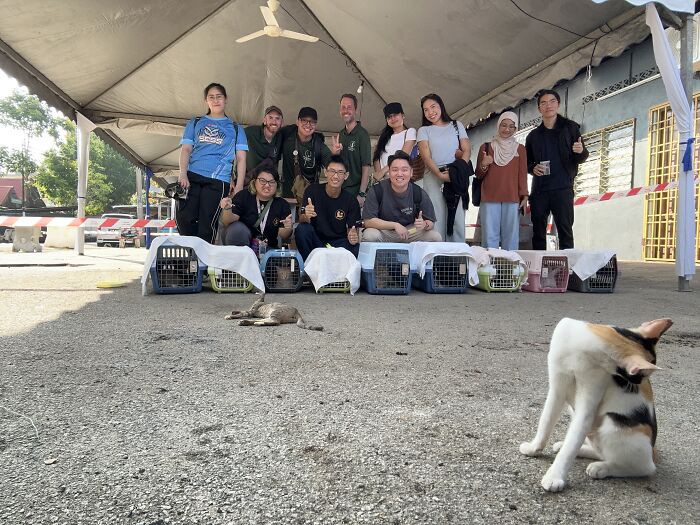
Image credits: Cats Of Penang
The map gives the team a clearer picture of the areas already reached, the neighborhoods where volunteers are active, and the places where more support may still be needed. In a field where much of the work can easily become scattered or informal, this kind of tracking helps turn individual acts of care into a coordinated citywide effort. Still, the technology is only one part of the story.
The organization says its work has also prevented an estimated 6,342 kittens from being born into street life
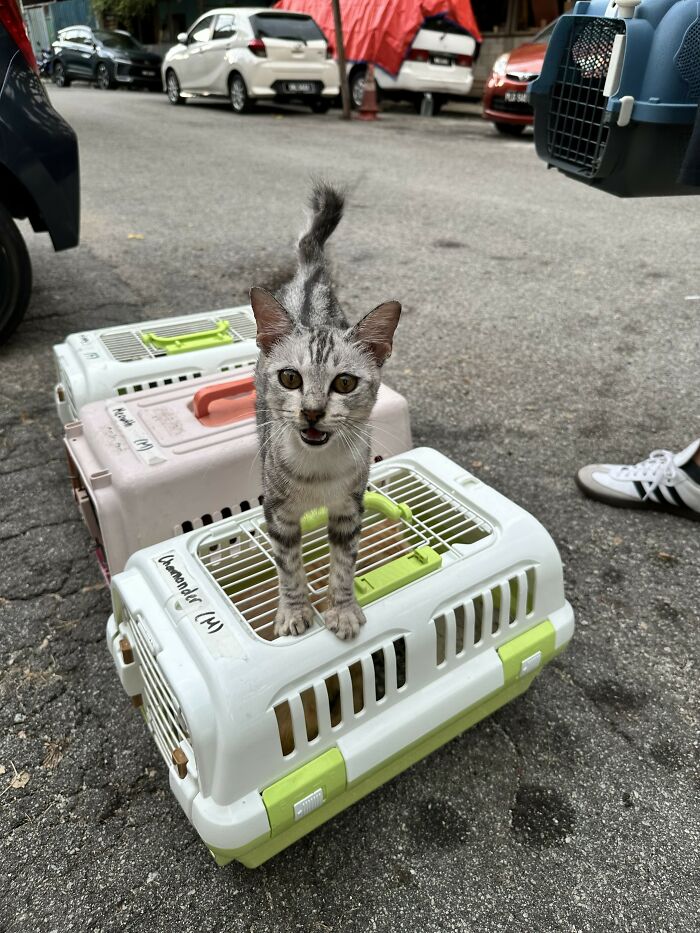
Image credits: Cats Of Penang
Most impressive is how they’ve integrated technology into the process, by using a custom dashboard to track cats and organize the effort
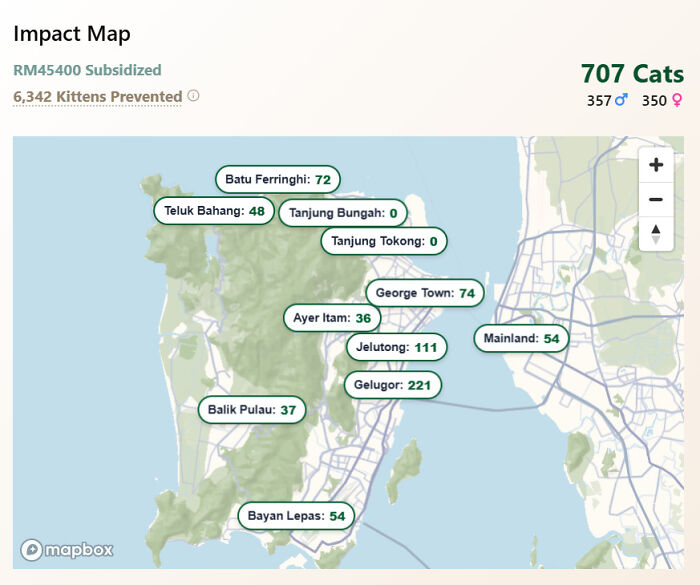
Image credits: Cats Of Penang
Cats Of Penang depends heavily on volunteers who do the hands-on work: setting up traps, coordinating with feeders, carrying cats to veterinary appointments, checking on them after surgery, and returning them to their neighborhoods once they are ready.
The system helps volunteers schedule appointments and see where sterilization work is taking place
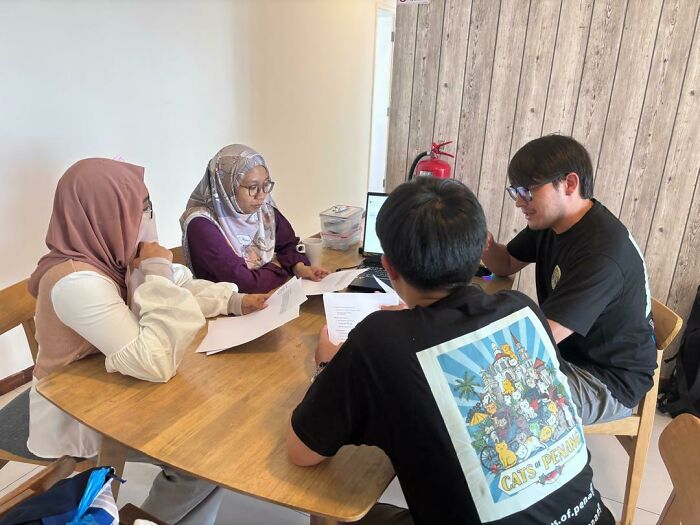
Image credits: Cats Of Penang
Although technology helps keep things organized, the work still depends on people showing up in person
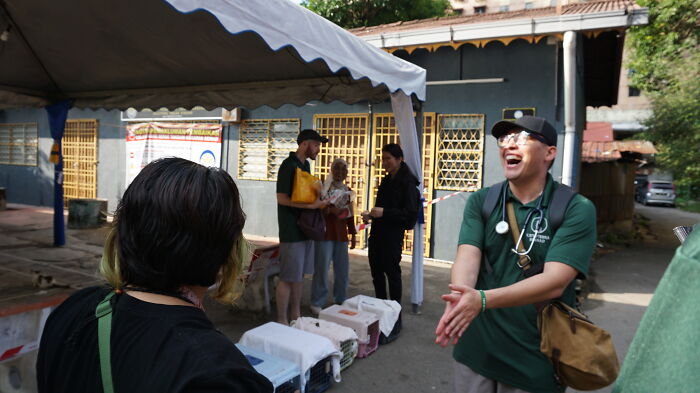
Image credits: Cats Of Penang
Some of the cats are calm. Others are scared, injured, or difficult to handle. Some cases require extra patience, while others simply require people to show up early, stay organized, and keep going even when the work is tiring.
Volunteers often wake up early, set traps, coordinate transport, and bring cats to veterinary appointments
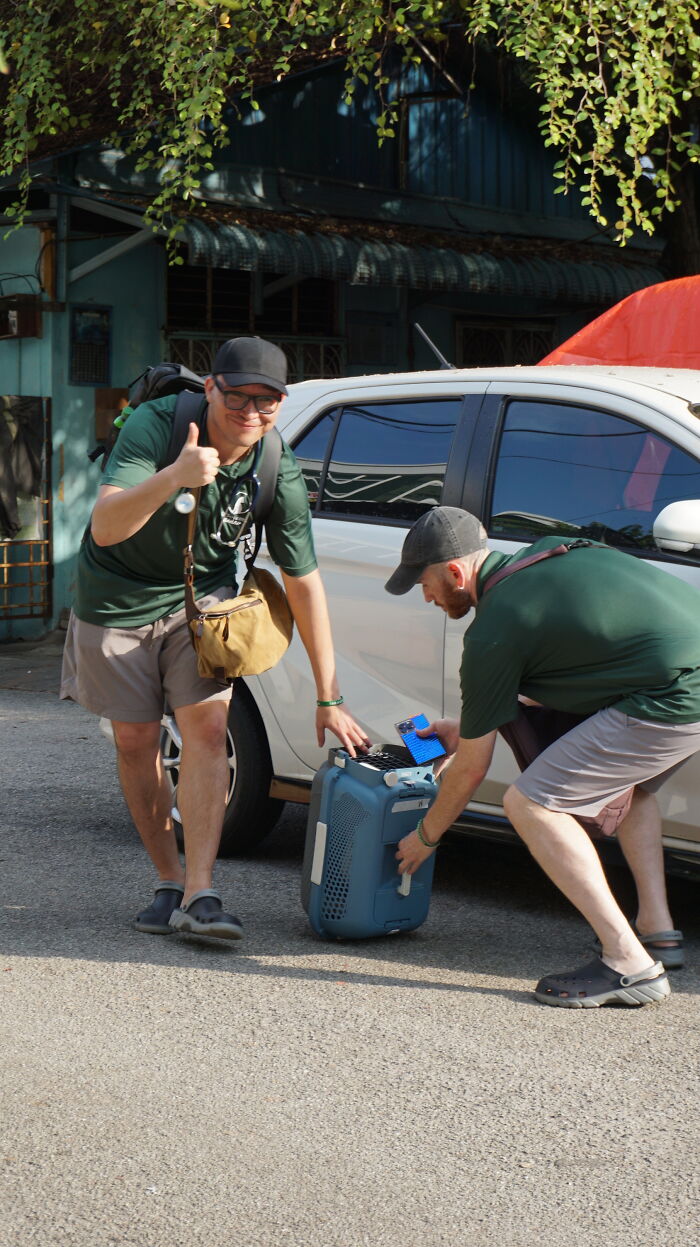
Image credits: Cats Of Penang
With help from the city’s veterinary center, Cats Of Penang can ensure the animals get the best care they can have
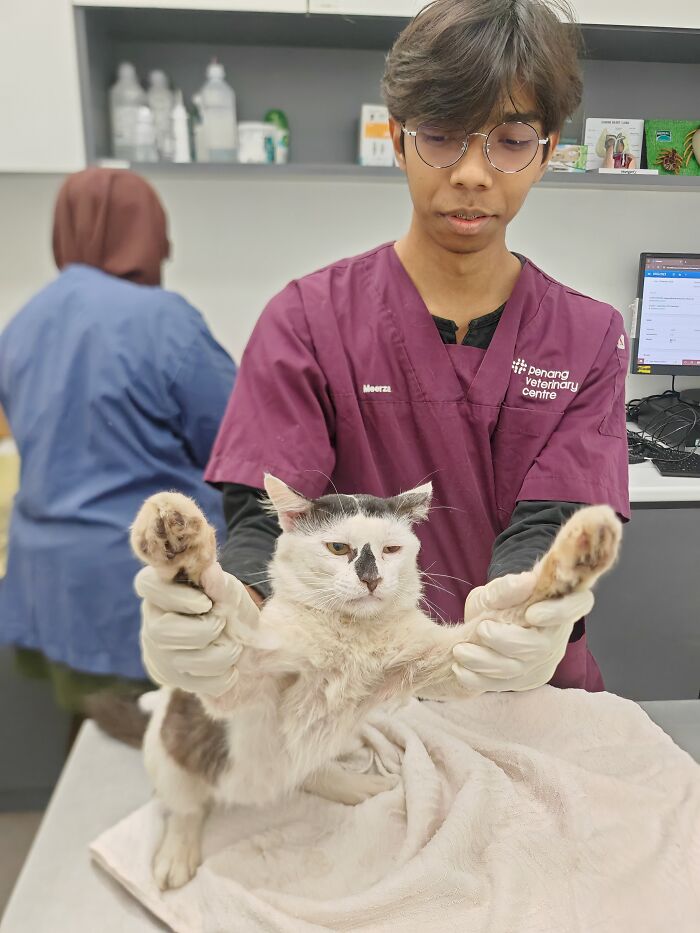
Image credits: Cats Of Penang
The organization is led by founder Daniel Lok Chin Leung, who is originally from Hong Kong and now based in the United States. He works with volunteers in Penang and abroad, including Johnny “Ricky” Trogdon, a respiratory therapist in the US who serves as Chief Marketing Officer, and Jonas Breuer, the group’s IT lead, who develops and maintains the digital tools used by the team.
Some cats are calm during the process
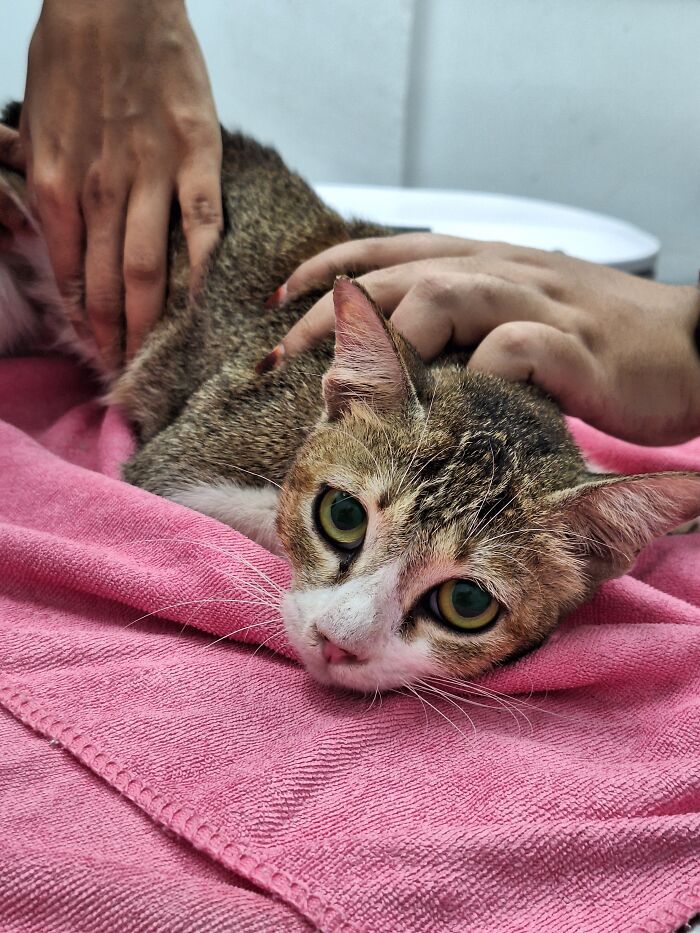
Image credits: Cats Of Penang
Others need a lot more patience and careful handling
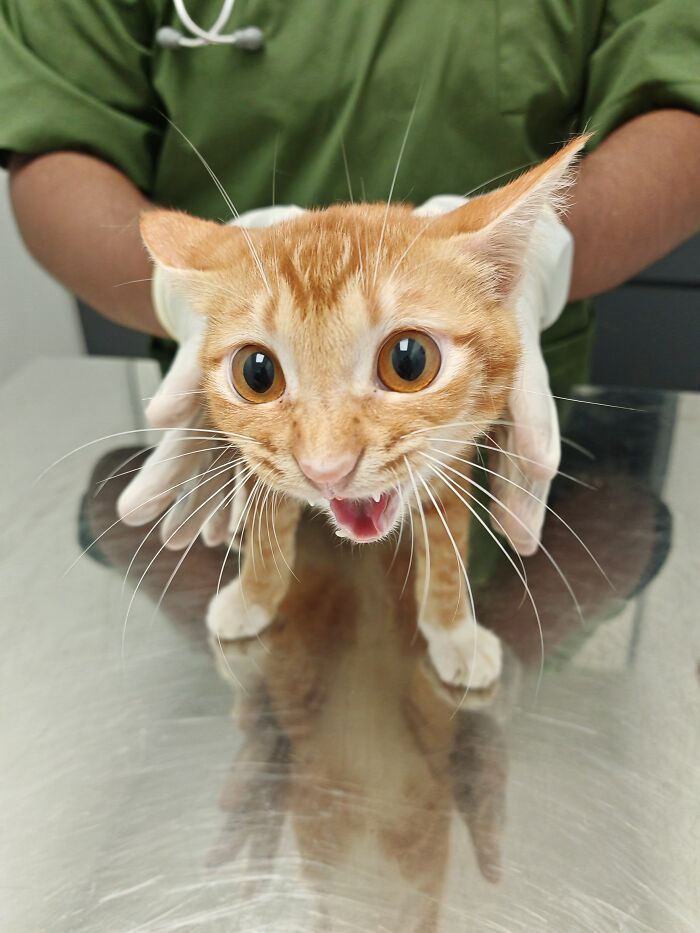
Image credits: Cats Of Penang
Unlike some larger animal welfare groups, Cats Of Penang has not grown through major institutional funding. Much of its support comes from Daniel himself, along with annual e-card memberships purchased by supporters. These memberships help cover sterilization subsidies and provide volunteers with the resources needed to participate in the program.
After surgery, the cats are monitored and given medical check-ups to make sure they’re in good health
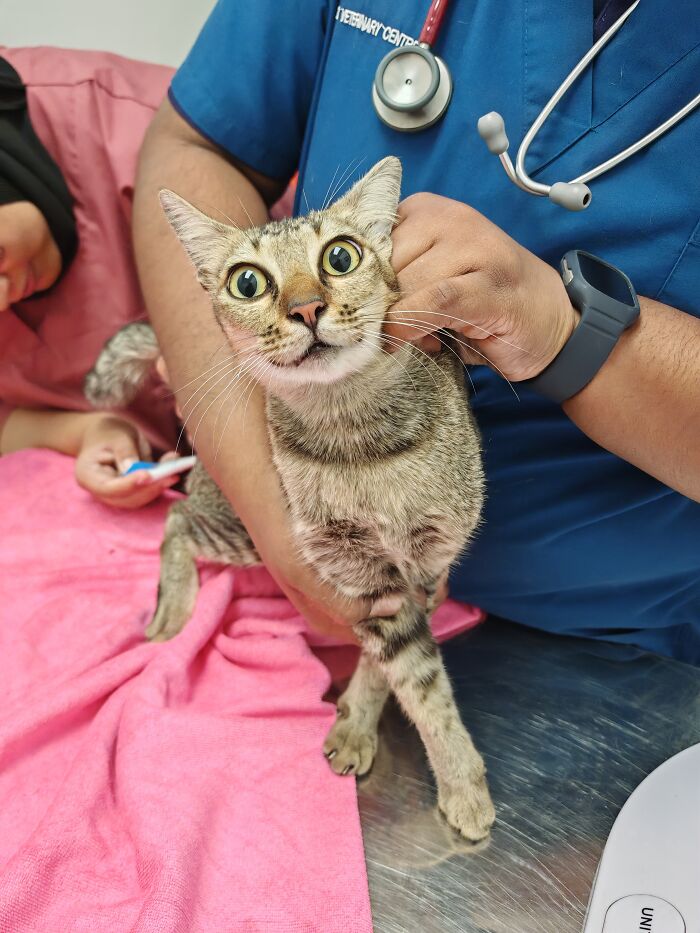
Image credits: Cats Of Penang
Once ready, the cats are returned to their familiar territory
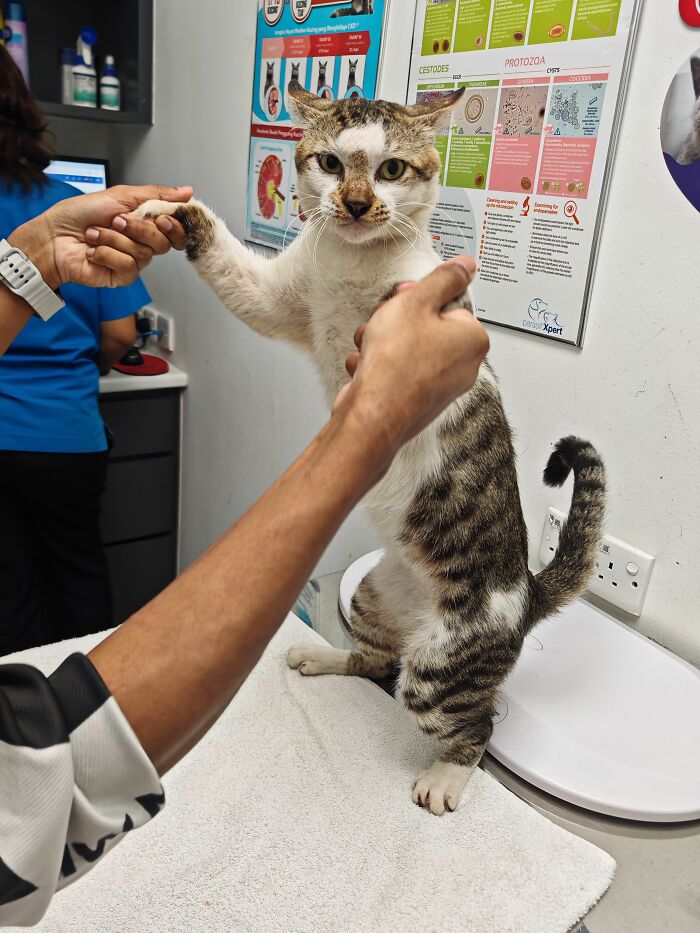
Image credits: Cats Of Penang
The model is practical but also deeply community-based. It gives people who already care about the cats in their area a clearer way to help, while also making the process more affordable and easier to organize.
For these community cats, going back to the place they know is an important part of the TNR process
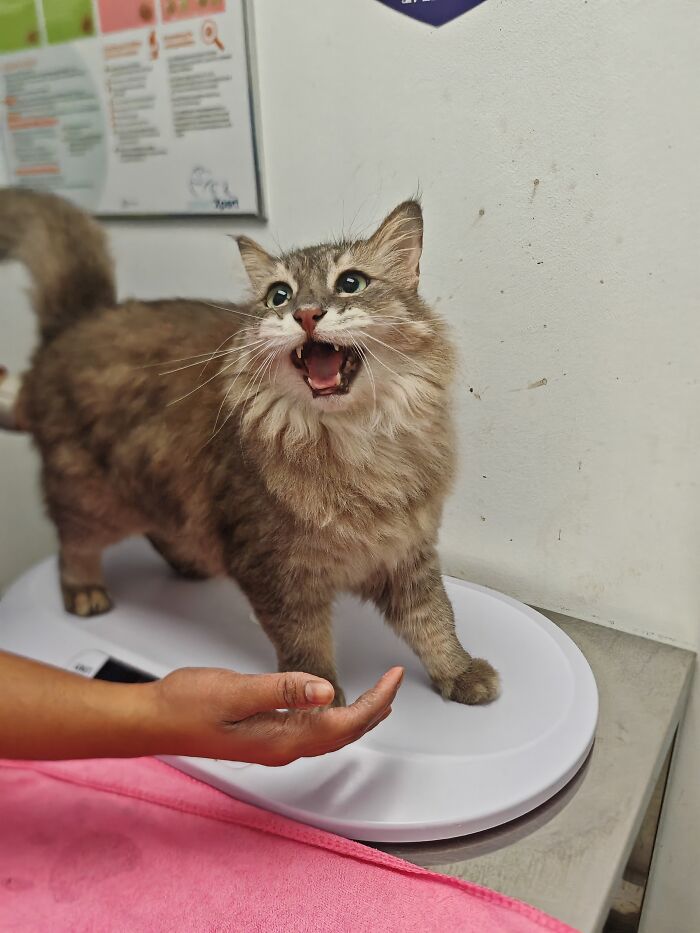
Image credits: Cats Of Penang
Unlike many larger animal welfare groups, Cats Of Penang has grown without major institutional funding
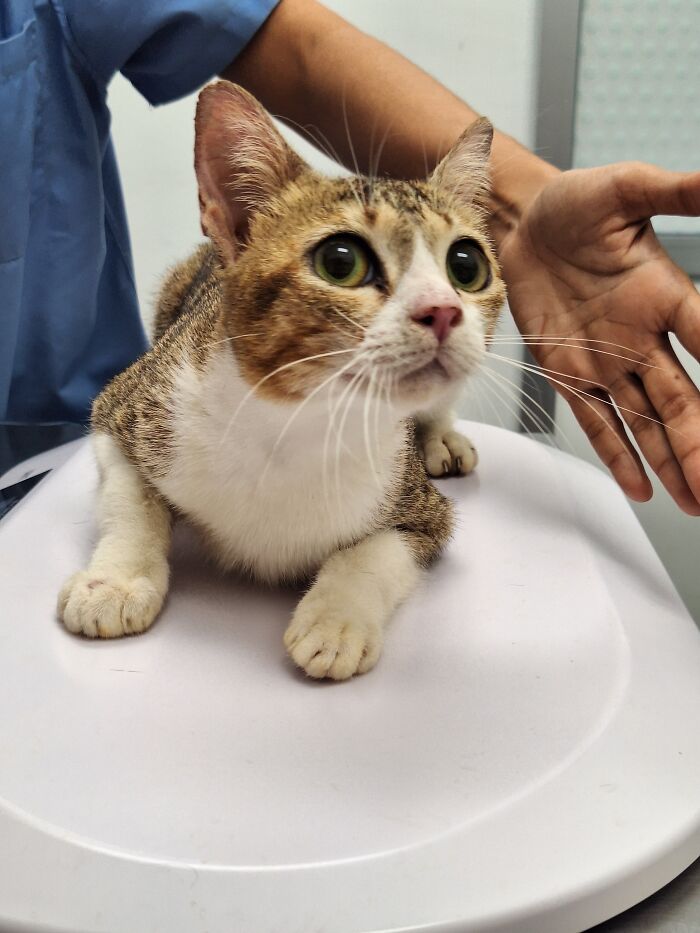
Image credits: Cats Of Penang
For many street cats, that support can make a life-changing difference. A single sterilized cat may not seem like much on its own, but when hundreds of cats are treated across different neighborhoods, the effect begins to build. Fewer unwanted litters means fewer kittens struggling outdoors, fewer exhausted mother cats, and a more manageable situation for both animals and the people trying to care for them.
A small international team provides assistance with outreach and technology
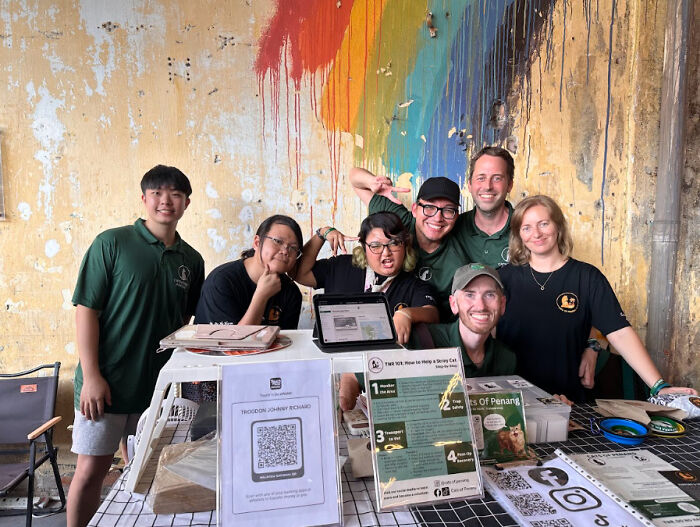
Image credits: Cats Of Penang
Despite that wider support network, the heart of the project remains the local volunteers and feeders
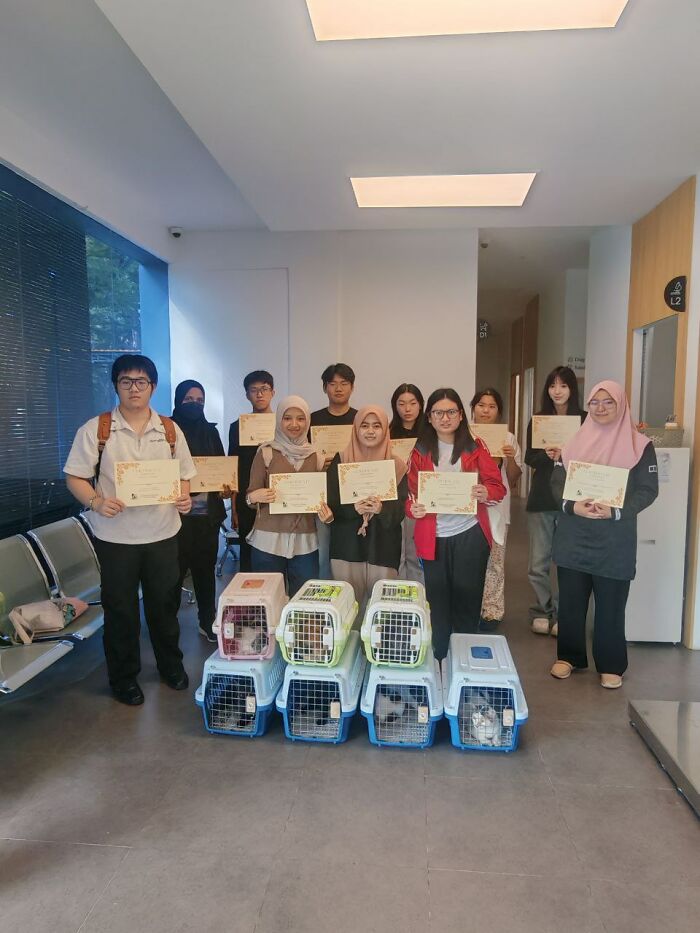
Image credits: Cats Of Penang
Cats Of Penang’s work shows how animal welfare does not always have to begin with a shelter, a large facility, or a massive budget. Sometimes, it begins with a group of people, a practical system, and the belief that even a very big problem can be approached one cat at a time.
These are the people who know the cats, their habits, and the neighborhoods they come from
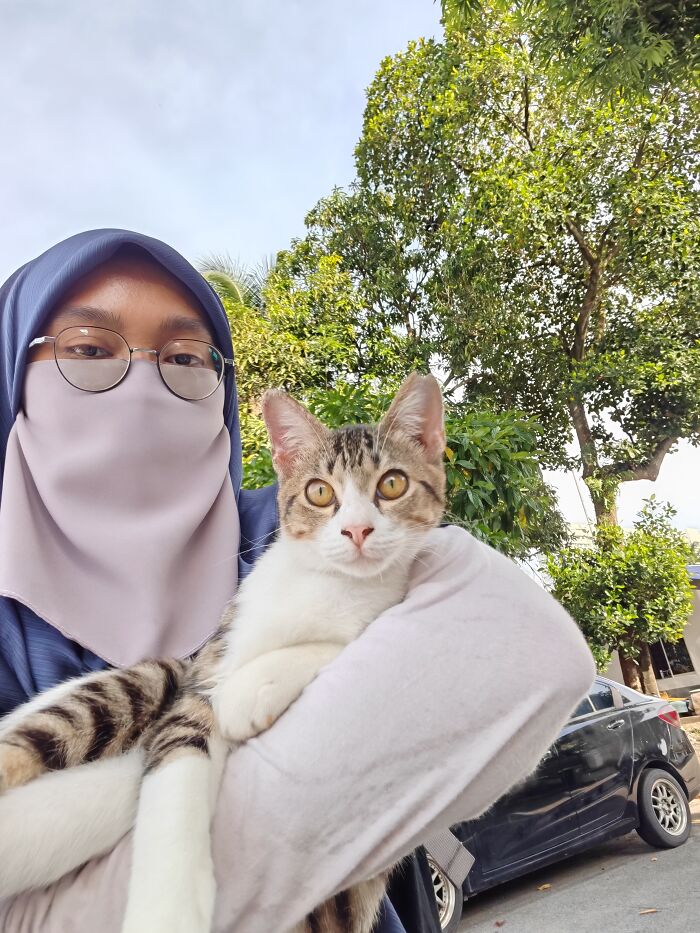
Image credits: Cats Of Penang
For the team, each treated cat is one small step toward a more manageable future for Penang’s street cats
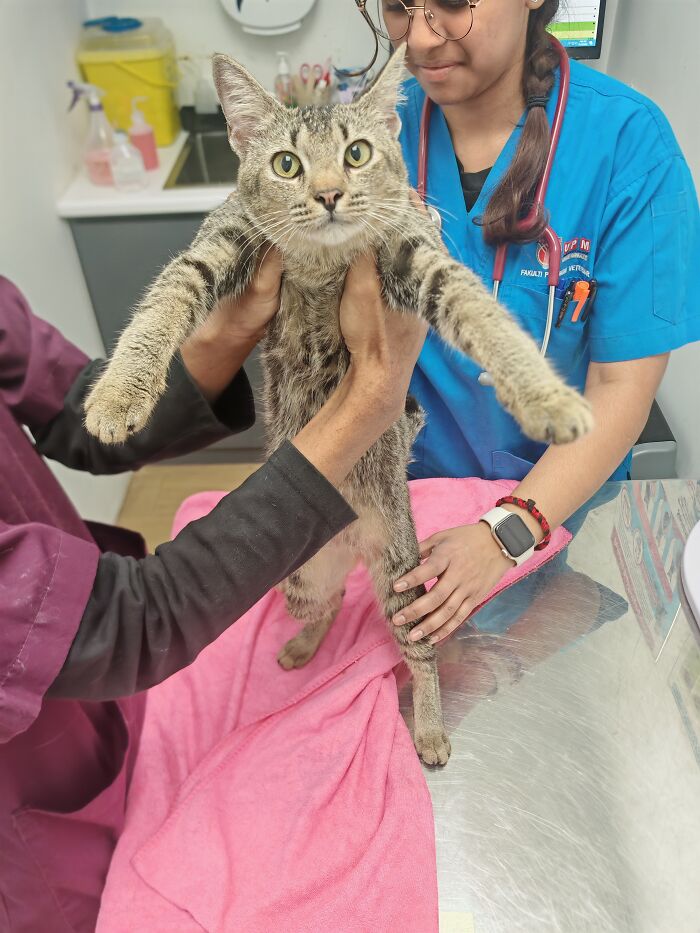
Image credits: Cats Of Penang
As the organization continues expanding its TNR efforts, its mission remains focused on making sterilization more accessible, organized, and effective for the people working to improve the lives of Penang’s community cats.
This organization is a true example of how compassion, practical tools, and community effort can come together to help animals
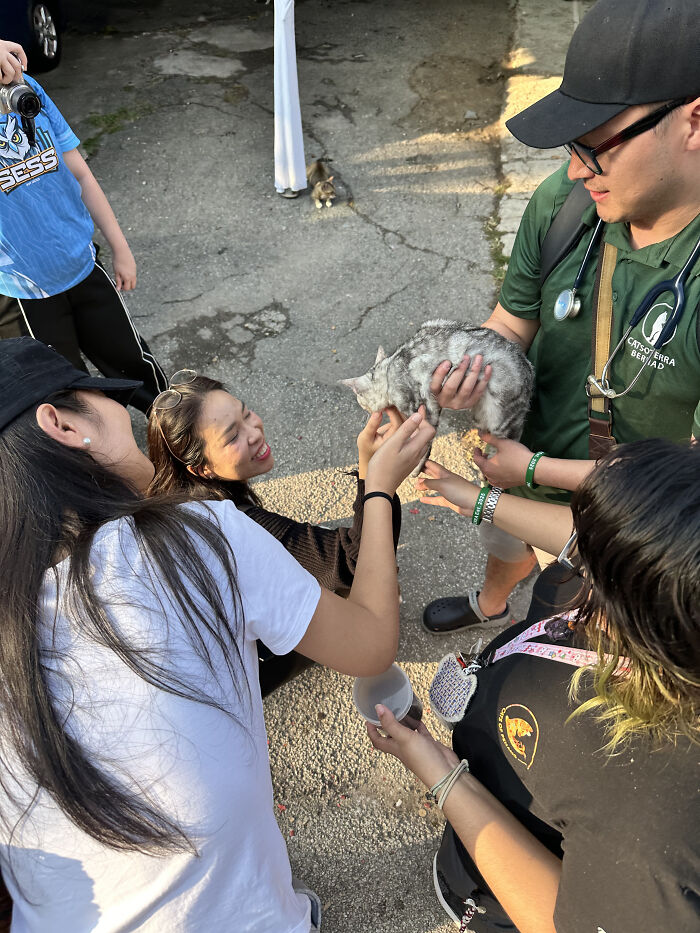
Image credits: Cats Of Penang
 Follow Us