Custody arrangements have a funny way of being completely fine right up until the exact moment one parent suddenly becomes the self-appointed inspector of your entire life. Everything could be running smoothly with flexible plans, until someone decides you’ve apparently been parenting wrong the entire time.
Today’s Original Poster (OP) found himself in a similar situation when his ex-wife called him out in the presence of his colleagues and questioned their flexible custody arrangement. At that moment, he came up with a genius idea that left the ex-wife full of regret.
More info: Reddit
Taking criticism at face value is one thing, but actually living by it word for word is something else entirely

Image credits: Wavebreak Media / Magnific (not the actual photo)

The author got married quickly, had two children in close succession, then discovered his wife had been unfaithful, leading to an immediate divorce and custody proceedings





Image credits: freepik / Magnific (not the actual photo)
He initially agreed to a custody arrangement and later gained more consistent time with the children, while the ex moved to another state





Image credits: freepik / Magnific (not the actual photo)
After military service and a period apart, he reunited with his children and noticed significant developmental delays, prompting him to invest in therapy and support


Image credits: pressmaster / Magnific (not the actual photo)
He later relocated to be closer to them, but tensions rose again when the ex-wife accused him of not taking things with the children more seriously


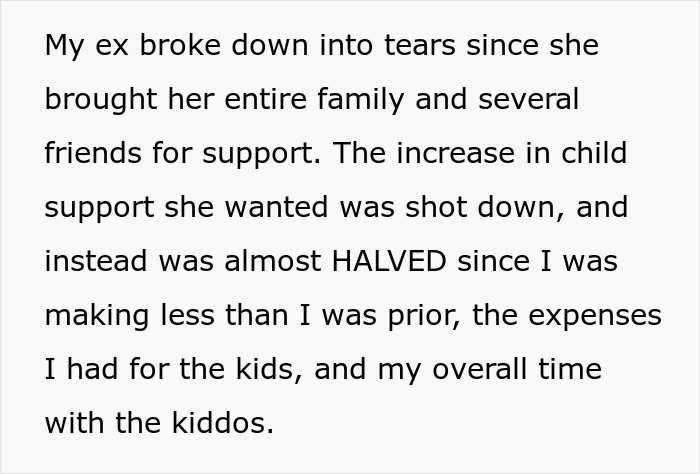
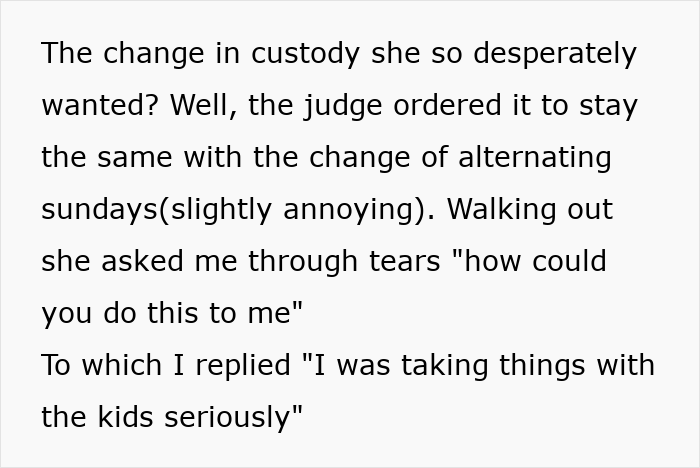

Image credits: www.kaboompics.com / Pexels (not the actual photo)
In response, he began to strictly follow the legal custody order, formalizing child support payments and carefully documenting the children’s condition and care during exchanges

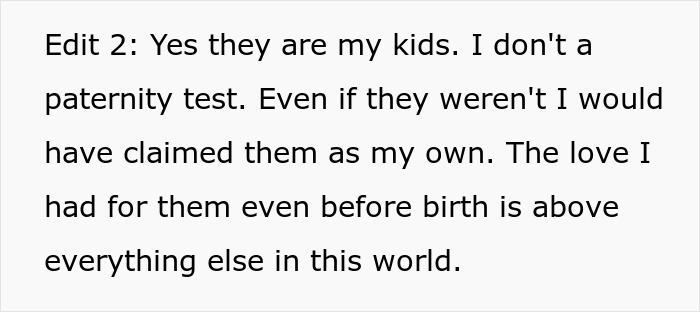

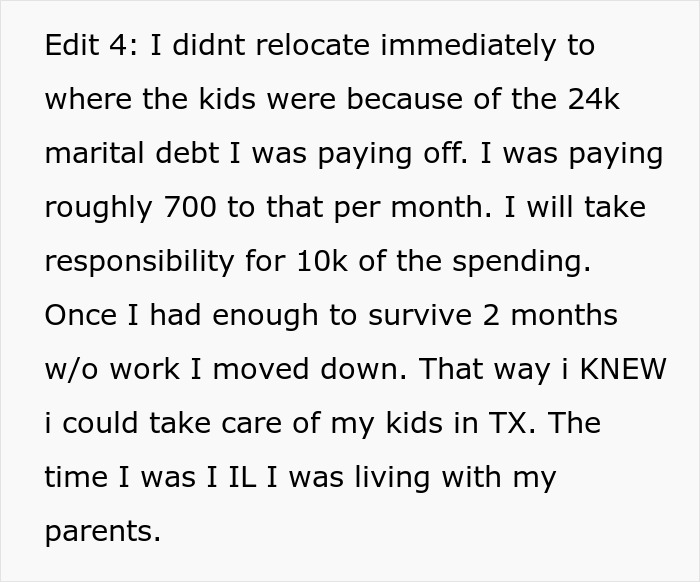
Image credits: ladderinstairs
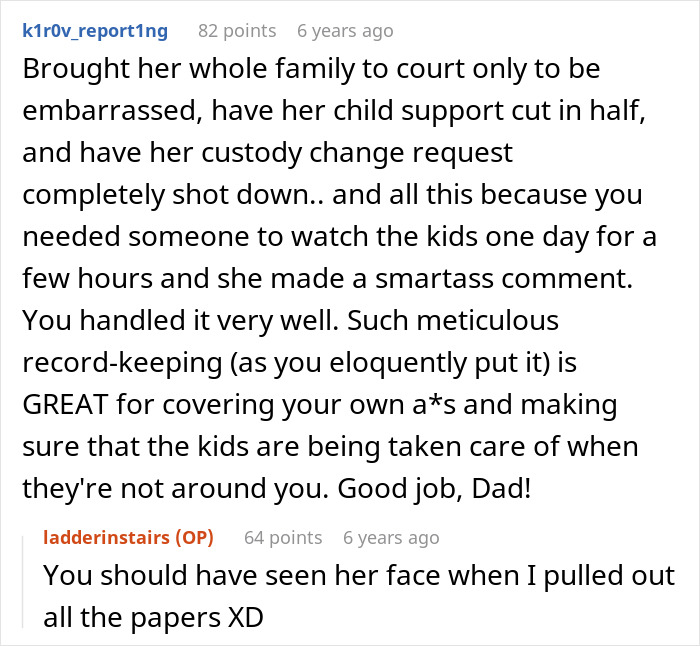
When they showed up in court, he presented extensive records and medical documentation, resulting in his ex-wife’s custody request being denied
The OP met his wife and they got married within a year, with two children arriving back-to-back. Shortly after, he found out his wife had been cheating with different men, so he filed for a divorce. He pushed for custody adjustments and ended up with weekend visitation rights after legal revisions his ex surprisingly accepted.
Years passed with limited contact due to finances and the OP being in the army, until he reunited with his children and noticed significant developmental delays like mobility issues and behavioral challenges. After leaving the military and returning to civilian life, he then relocated with his new partner, driven partly by proximity to his children.
Because of this, the custody arrangements became informally flexible for convenience, and once, the OP’s girlfriend had to text a friend to look after the kids. Unfortunately, this friend was a mutual friend to the OP and his ex-wife, and they told the ex-wife that they had been asked to look after the kids.
She was livid and stormed into the OP’s place of work, asking him to take the kids and the custody arrangements more seriously. At this point, the OP had an idea. He began to align strictly with legal agreements, documentation, and schedules and also began keeping records of medical issues and injuries.
Eventually, the ex took him to court, where he presented the documentation, medical notes, and expense records. To the ex-wife’s dismay, child support was reduced, and the judge added only minor schedule adjustments. When she asked him why he would do such a thing to her, he told her that he’d simply “taken the custody arrangements more seriously”.

Image credits: syda_productions / Magnific (not the actual photo)
In custody disputes, the Children’s Law Center notes that early custody agreements often end up defining much more than just schedules, rather they effectively lock in parenting roles and long-term expectations. Once routines are established, those patterns tend to become the default structure for both parents.
On the child development side, the Cleveland Clinic highlights that early milestones such as walking, basic speech, and social responsiveness, are widely used as general indicators of healthy neurodevelopment. While variation is normal, delays across multiple areas can signal the need for early assessment and intervention.
In the context of custody transitions, this becomes especially relevant, because inconsistent care environments or disrupted routines can make developmental delays more visible. From a legal perspective, Laker Legal explains that custody arrangements often drift into informal, flexible routines as parents adapt to real-life demands like work schedules and childcare needs.
Over time, the written court order may function more like a backup reference than an actively followed plan. However, this flexibility carries risk as working it out casually can quickly turn into a formal court dispute when expectations collide.
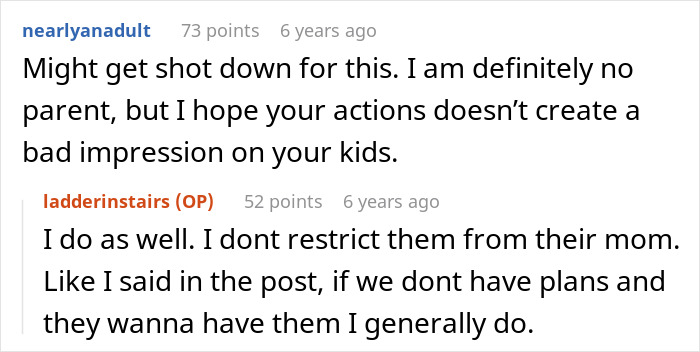
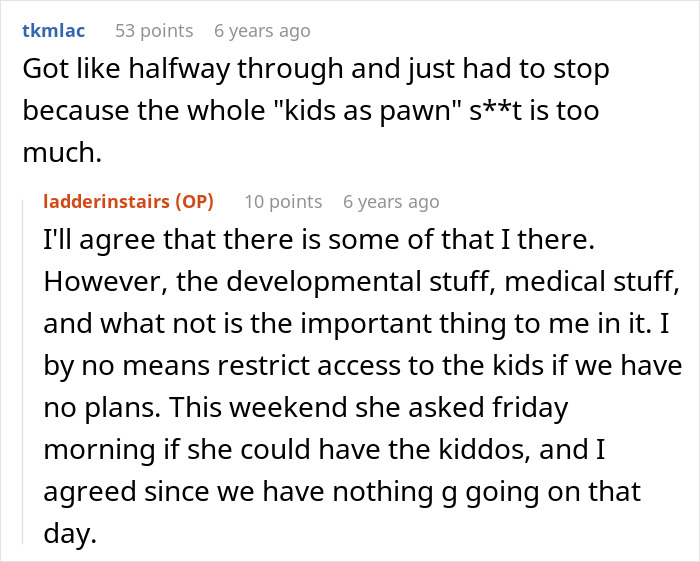
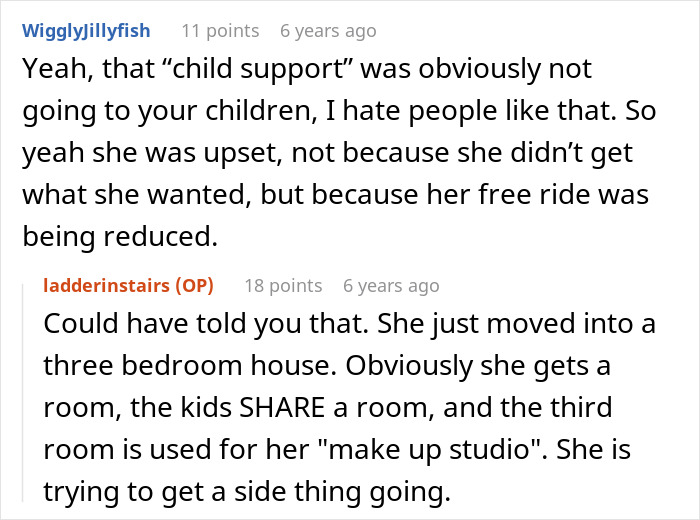
Netizens supported the OP’s actions, especially around documentation, custody enforcement, and the courtroom outcome. What do you think about this situation? Do you think he handled this situation fairly, or did he go too far by switching to strict legal enforcement? We would love to know your thoughts!
Netizens praised the author but expressed frustration and empathy for the children’s situation, while also criticizing the ex





 Follow Us