Crack open any biology textbook, and you’ll find tidy diagrams, clean labels, and plenty of comforting facts about the human body.
Muscles flex, neurons transmit, and vital organs perform their assigned functions necessary for everyday life.
But the human body is a complex thing that cannot be simply defined by a few terms, and there are several oddities so strange they rarely make it into mainstream scientific conversation.
This list of fascinating facts is an invitation to delve into lesser-known bodily territory. The quirks you’re about to encounter aren’t medical anomalies or obscure disorders; they’re features of being human that quietly contradict what most of us think about our bodies. We may even recognize some in ourselves, yet dismiss them as one-time things.
These oddities challenge the idea that human bodies are predictable, standardized, or even fully understood.
Some are harmless curiosities, others are evolutionary leftovers, and a few are downright unsettling once you realize they’re happening to you right now. Every answer has a question. Why does the body do that? And how have we made it this far without noticing?
What follows is a journey through the wild back alleys of human anatomy and physiology.
It’s also a reminder that the body isn’t just a marvel of physical engineering; it’s also a patchwork of compromises, accidents, and strange solutions that somehow work well enough together every day.
#1 Glowing Bones
Knowing that there’s an entire skeleton under our skin is a little unsettling, but finding out that under certain conditions it can glow is something else.
Bone tissue naturally fluoresces when exposed to UV light due to collagen and mineral content. This wild quirk was discovered while scientists were using UV imaging to study bone structure and disease.
The eerie glow now helps researchers detect microfractures, tumors, and metabolic changes long before they’re visible on standard scans. According to National Geographic, the same thing happens to chameleons’ bones, giving humans something crazy in common with nature’s colorful magicians.
Unfortunately, human bones don’t light up in quite the same fun way under UV light because of the thick layer of skin covering them, but the glow is there.
It serves no purpose and causes no harm, but its presence can be surprisingly handy for bone analysis.
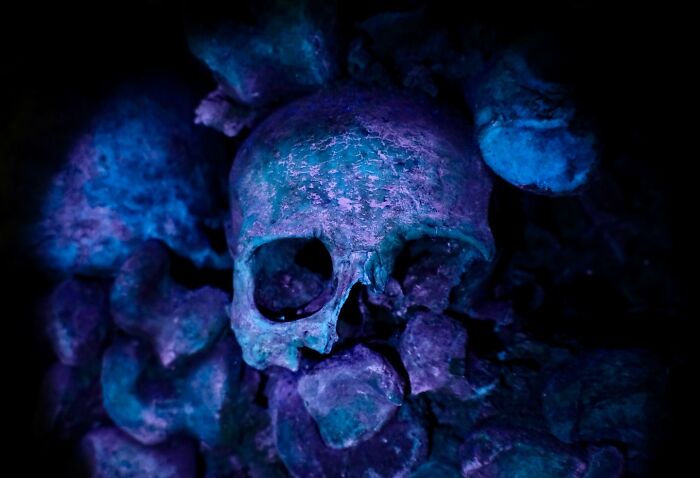
Image source: airasmussen / Instagram

#2 Self-Renewing Skin Cells
Skin is the largest organ in the human body, and it’s constantly shedding and rebuilding itself.
It may feel like a smooth, stable surface area, but you actually replace your outer skin roughly every 27 days. What’s creepy to think about is how seamless the process is: millions of old skin cells flake off daily without us noticing, with new ones produced to take their place.
Information from the Dermatology Associates of Atlanta likens the process to “exfoliation”, but adds that deeper layers of skin don’t renew in the same way, which is why tattoo dyes stay on our skin.
Nonetheless, skin remains one of the body’s most active organs, healing cuts, fending off microbes, and repairing everyday damage that we may not even be aware of. It’s a frontline defense system that has been in place for centuries, protecting internal organs through an endless renovation project.

Image source: BumbleBee727 / Reddit
#3 Pseudogenes
Human DNA is littered with broken genes that don’t do anything anymore, but that’s not a mistake.
These genetic fossils, termed “pseudogenes”, are sequences that once coded for useful proteins, then became deactivated over time by mutations. What makes them strange is that they’re still copied and inherited.
Scientists first discovered them while mapping DNA and discovering certain genes that looked damaged. According to the National Human Genome Research Institute, pseudogenes mutate and change across multiple generations, acting as internal historical markers.
Some pseudogenes even resemble genes for things humans no longer need, like making vitamin C, a bodily process that many animals still have.
From an evolutionary standpoint, they’re proof that natural selection isn’t perfect, yet our bodies are no less functional. Think of your body as a trial-and-error scrapbook, not a brand-new instruction manual.
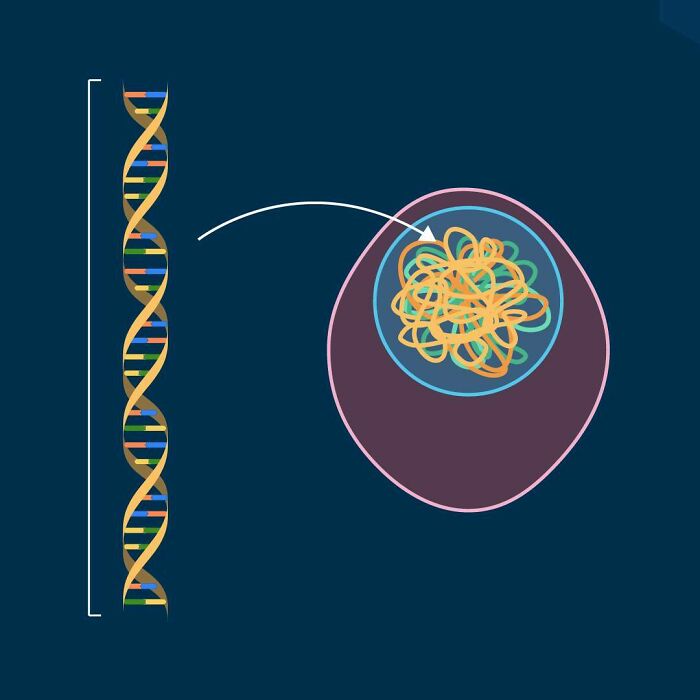
Image source: labxchange / Instagram
#4 Accessory Organs
People being born with extra parts isn’t uncommon, but most don’t know they might have extra organs. Approximately 30% of people actually have these accessory organs and don’t find out until something goes wrong with them. Oddly, they’re not useless because they function the same as the original, just in a different space.
The spleen is one of the most common accessory organs. Per Springer Nature Link, it’s usually benign, but may mimic a tumor or enlarged lymph node. Accessory livers and pancreases are also common. Most additional organs can cause similar confusion, though they’re primarily unexplainable anatomical variations.
From an evolutionary perspective, they’re developmental leftovers that form when tissues split or migrate oddly during early growth. Now, they can be left alone, although in rare cases, an accessory organ can compensate if the main one is damaged or removed.
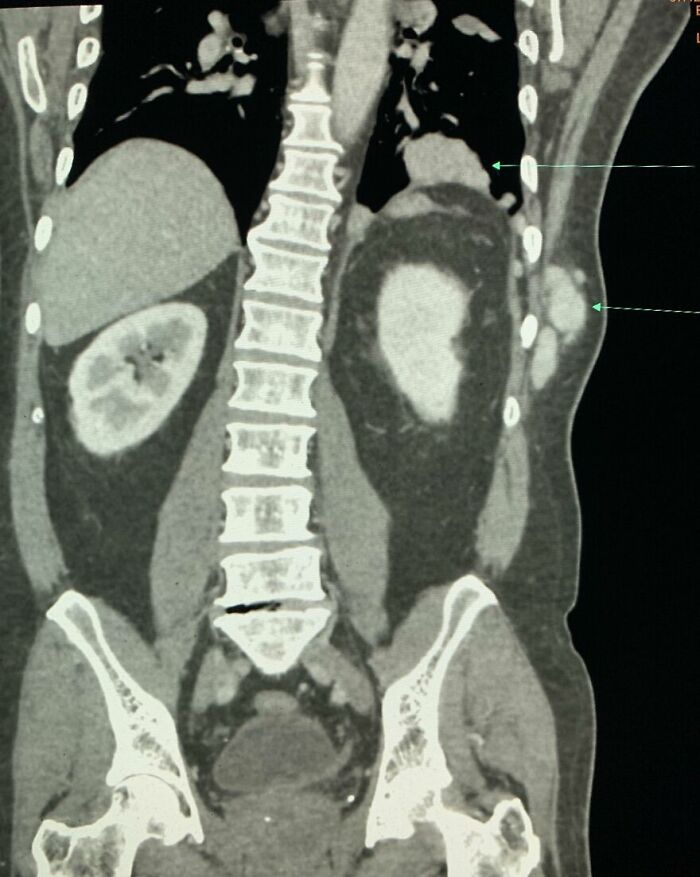
Image source: xpietoe42 / Reddit
#5 Contagious Yawning
Yawning is weird enough on its own as gulping in more oxygen tricks our brains into staying awake, but the fact that it’s contagious is downright eerie. Seeing, hearing, or even reading about another person’s yawn can trigger one, almost like a copy-and-paste.
According to Smithsonian Magazine, this happens because yawning is a “product of empathy”, with primate research indicating that human bodies often mimic other people’s emotional actions involuntarily. This might explain why we empathize more easily with friends and family than with strangers.
From an evolutionary angle, contagious yawning may have helped groups to synchronize alertness or rest cycles. It’s as if our bodies are running ancient software that occasionally glitches when somebody yawns across the room. It serves no purpose, but it’s not detrimental either; just a quirk we’ve all experienced.

Image source: BoredGirl003 / Reddit
#6 Vestigial Tailbone
Your tailbone, or, as it’s more formally known, coccyx, is a quiet reminder that humans once had tails. For most people, it’s just a little bump at the base of the spine, but others have an extended version that looks exactly like a small tail. It’s a crazy callback to our prehistoric ancestors.
Research by the Asian Journal of Neurosurgery deems a vestigial tailbone a “benign condition”, and suggests that some people have a more visible “tail” than others with the condition. Most of the human population just has a tiny residual part that’s now slightly repurposed in the spine, and it still works just as well.
Today, the tailbone anchors ligaments and muscles involved in sitting and pelvic support. Spending too much time being sedentary makes us painfully aware of this evolutionary relic. It’s a fossil that we all carry around daily, hidden in plain sight, yet still occasionally bruised.
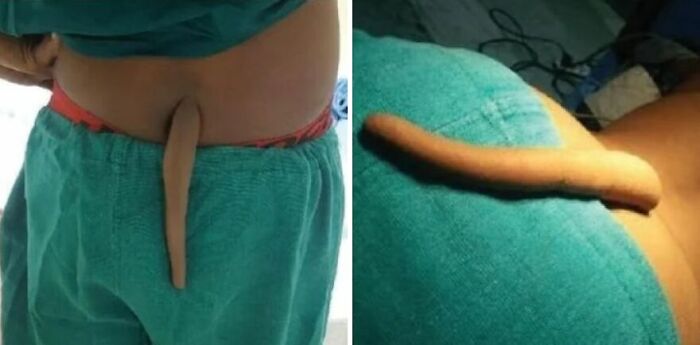
Image source: EriccMendez / Reddit
#7 Extra Arm Artery
This body quirk isn’t quite so common, but some people walk around with bonus plumbing in their arms and no idea about it. Around 1-2% of the population has an additional artery that never disappeared during fetal development. Most embryos start with this artery, then it fades as other blood vessels take over.
However, according to BBC Science Focus Magazine, this additional artery is becoming less rare due to “micro-evolution,” in which several body changes are being observed. The median artery is also changing blood flow patterns in the forearm and hand for those who have it.
Usually, it causes no problems, but sometimes it’s linked to carpal tunnel syndrome because it takes up space in an already crowded area. Evolutionarily, this artery was useful for our ancestors who relied heavily on climbing; it’s just that some modern bodies never got the memo to remove it.
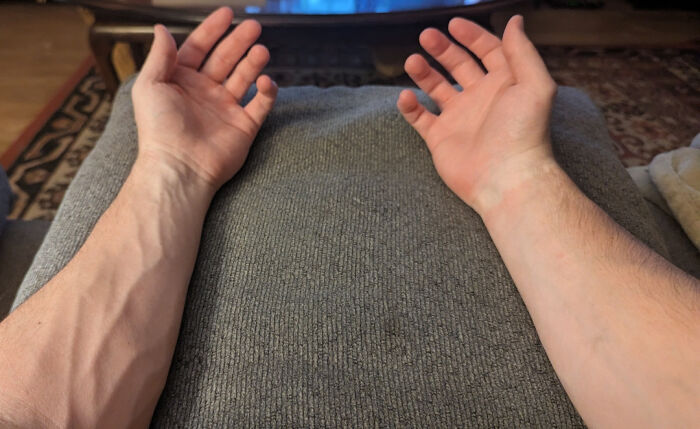
Image source: Neon Sandwich / Reddit
#8 Ever-Growing Ears
Your ears are one of the few body parts that never really stop changing, and not in a glow-up kind of way. As you age, your ears actually seem to get bigger, even after everything else has long since finished growing. The weird part is that they’re not growing as bones do. Instead, time slowly stretches out the cartilage and skin.
Per ScienceDirect, there is no clear medical purpose for this bodily quirk, yet it happens consistently across different racial, ethnic, and age groups. Collagen loss makes ears less elastic, so they droop rather than bounce back. Scientists have been observing it with fascination for decades.
Unfortunately, larger ears don’t improve hearing, but they can subtly change how sound funnels into the ear canal. Our noses also go through the same process with age, so we’re lucky that the effects aren’t as noticeable as they could be!
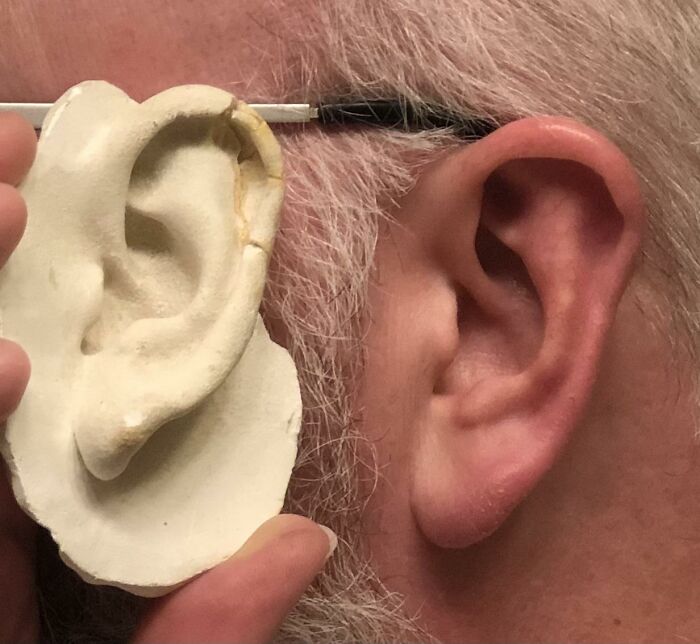
Image source: r/mildlyinteresting / Reddit
#9 Hypnic Jerks
We’ve all experienced it: that sudden, startling jolt right as we’re falling asleep that feels like tripping off the curb. That’s called a hypnic jerk, and it’s one of sleep’s strangest party tricks. Your muscles abruptly contract just as your brain transitions from wakefulness to sleep, often accompanied by a flash of imagery. The frustrating part is that nobody knows exactly why this errant messenger is sent.
One hypothesis, per Sleep Foundation, is that a misfire happens “between nerves in the reticular brainstem”, so while the muscles relax, the brain mistakenly thinks the body is falling and jerks them into action. Slower breathing and heart rate as the body enters the optimal sleepy state may also send warning signals.
Hypnic jerks are more common when you’re stressed, overtired, or caffeinated. They’re harmless, but wildly dramatic for something that happens every night to billions of people. It’s essentially your brain slamming the brakes when the body switches on cruise control.

Image source: Unknown
#10 Strong Stomach Acid
Believe it or not, your stomach contains acid strong enough to dissolve metal. Human stomach acid can reach a chemical pH as low as 1, rivaling battery acid, which is extreme by biological standards. This brutal chemistry helps break down tough food that passes through the esophagus and kills bacteria.
According to New Scientist, an experiment at the Sapienza University of Rome linked feelings of fear and disgust to a more acidic stomach pH, though it’s unknown if the emotions raise the acidity or vice versa. Either way, the stomach uses a thick mucus lining to prevent the acid from burning through to the intestines.
Our stomach acid’s pH may have evolved to better handle questionable food sources. Luckily, it’s a contained acid bath in one area and doesn’t extend to the rest of the digestive system, including the rectum.
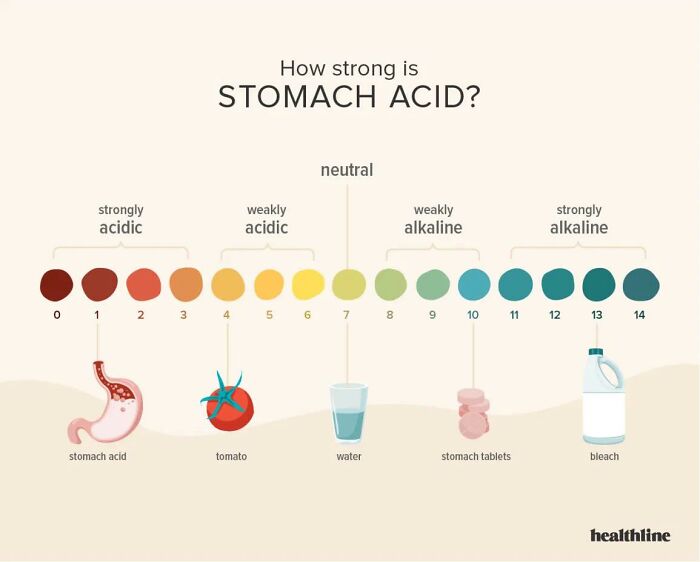
Image source: ihateshitcoins2 / Instagram
#11 Brain Sensory Filtering
At any moment, your senses are flooding your brain with more information than it could possibly handle, yet you don’t feel any emotional whiplash. That’s because the brain aggressively filters sensory input before you’re even aware of it. This process, called sensory gating, decides which sights, sounds, smells, and sensations are worth conscious attention.
The weird part is how much gets discarded. ScienceDirect confirms that anything “redundant, repetitive, or irrelevant” is automatically tuned out, leaving the body free to react to the most dominant, necessary, and recent stimuli. That’s why we don’t feel our clothes on our skin or hear ourselves blinking.
Brain responses to repeated stimuli demonstrate how easily we can subconsciously ignore things. When sensory filtering malfunctions, the world can feel painfully loud or chaotic, so evolution likely evolved to reduce that so humans could react to the most significant things first, which is still handy.
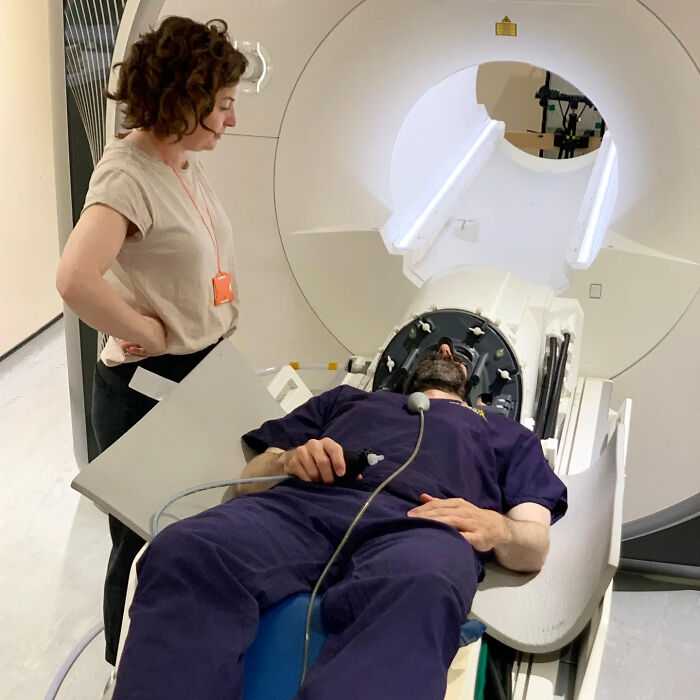
Image source: uclmedphyseng / Instagram
#12 Tongue Prints
Your tongue has a unique pattern of ridges, bumps, and textures that’s so individualistic it can identify you just like a fingerprint can.
These tongue prints don’t change much over time, so the average adult likely has the same pattern they did as a baby. Researchers first discovered this while exploring alternative biometric identifiers for when fingerprints aren’t usable.
According to research in the Journal of Forensic Dental Sciences, tongue characteristics can also be used to identify medical conditions, as the print is affected by disease. The tongue is constantly moving, healing, and exposed to saliva inside the mouth, yet that surface pattern never changes.
Some security providers have even proposed tongue-scanning devices, though the idea hasn’t quite gone mainstream yet. For now, tongue prints are another reminder that the most overlooked parts of the body are secretly one-of-a-kind.
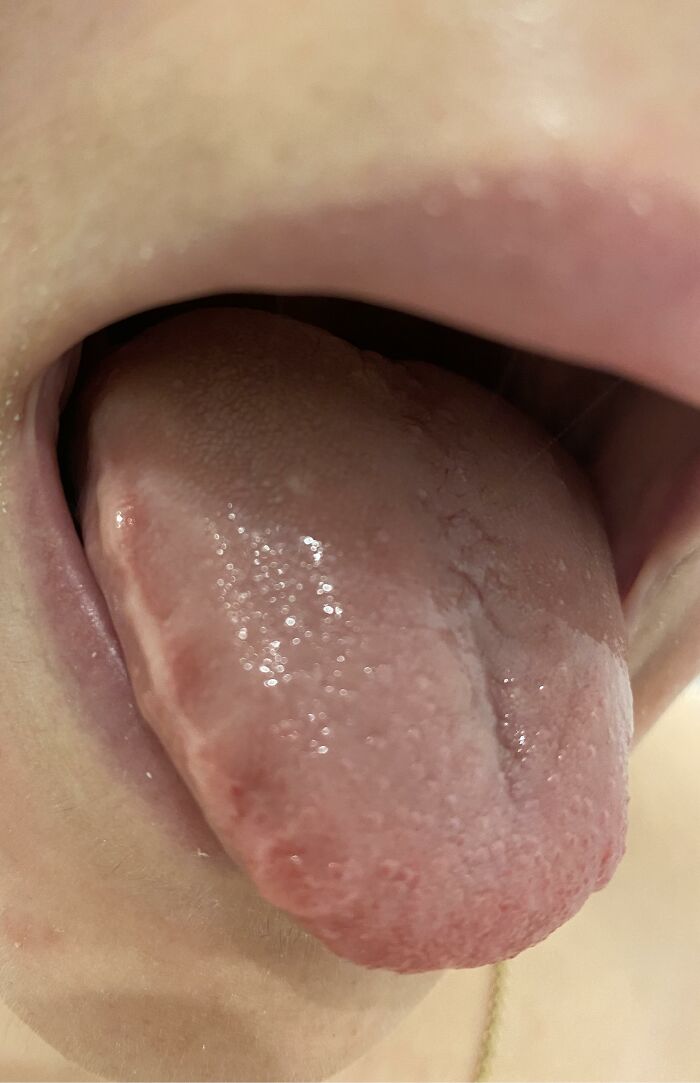
Image source: uydurukvari / Reddit
#13 Asymmetric Lungs
Check any diagram, and you’ll see lungs portrayed as a pair of identical twins, but they’re actually uneven, and for a good reason. The right lung has three lobes, while the left only has two, leaving room for the heart. This built-in asymmetry is strange because most organs are balanced, yet the chest is carefully crowded.
Anatomists noticed this a long time ago while mapping organ placement. Per Sci Rep, it aids airflow in the chest and improves filtration, removing most irritants before they reach the lungs and their extensive network of blood vessels and veins.
Evolution likely shaved a lobe off the left lung to solve the problem of fitting vital organs into a tight space. The asymmetry slightly reduces total air capacity, but it doesn’t usually cause breathing problems. Ultimately, lungs are proof that imperfections can provide surprising biological solutions.
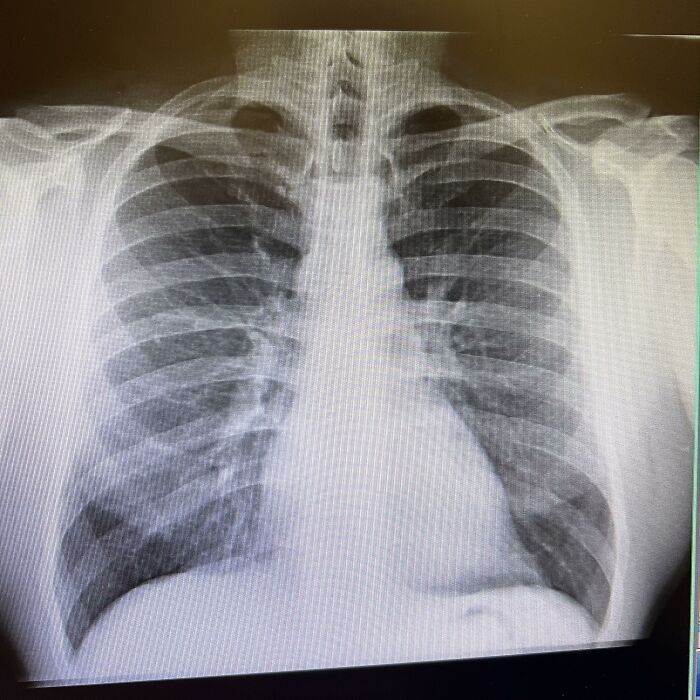
Image source: Illustrious-Egg761 / Reddit
#14 Alcohol-Producing Gut Microbes
Getting drunk is easy, but some people can do it without touching a drop of alcohol. Certain gut microbes can ferment carbohydrates into ethanol, which is produced in the body. This rare condition, sometimes called “auto-brewery syndrome”, happens when yeast or bacteria overpopulate in the gut. Doctors were more than surprised to discover it first!
According to Smithsonian Magazine, people are typically not born with auto-brewery syndrome, but develop it with age, especially if they have another condition that affects their gut microbiome. There are even cases of patients being acquitted of alcohol-related charges.
What makes this quirk so oddly fascinating is that the microbes behave like a tiny brewery. They work together to break down food the body can’t digest, and fermentation has long assisted with that and other bodily functions. The body still manages it fine, but some people may get tipsy without realizing it.

Image source: doctorvee / Instagram
#15 Missing Forearm Muscles
All of our bodies are different, right down to the muscles, but some people actually have one entirely missing in the forearm.
The palmaris longus muscle, which helps to regulate grip strength, is absent in about 15% of the population. What’s weird is that most people who lack it don’t notice any discernible difference.
Doctors often test for this muscle by asking patients to touch their thumb and pinky together while flexing their wrist. ScienceDirect confirms that the muscle actually has “little overall value to hand function”, so it’s not a huge loss.
Throughout history, having the palmaris longus muscle would have helped humans climb for resources more quickly and grip things, but that’s not such a big concern anymore.
Sometimes, surgeons may harvest the tendon for reconstructive surgery because it’s not essential; it’s just left as a residual reminder of mankind’s arboreal past.
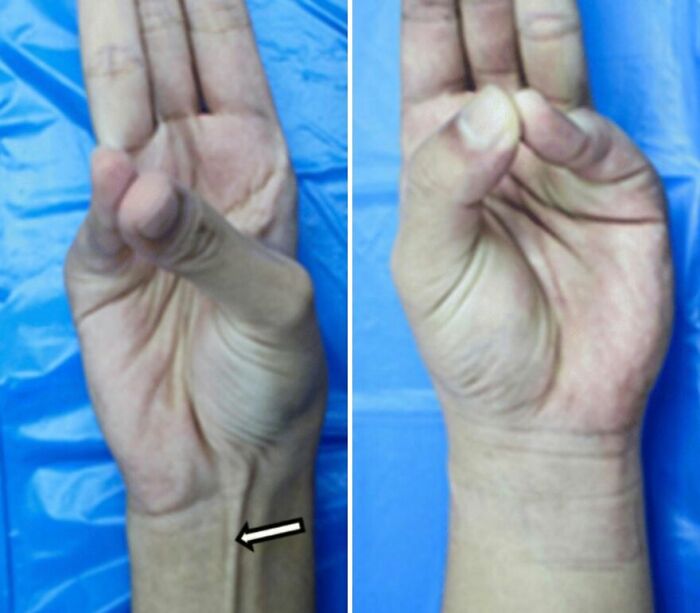
Image source: split6661 / Reddit
 Follow Us