While some people can be boisterous and obnoxious about their prejudices toward cultures outside of their own, others can be indirect about it. You won’t feel their insults until you put two and two together.
That kind of implicit racism is what this mom appeared to have shown toward her neighbor. Her biggest grievance was that the other person fed her son ethnic food, as she threw in some indirect jabs about how it was prepared and what it contained.
The neighbor, who babysat the child out of the goodness of her heart, was made to wonder whether she actually did something wrong.
Some people may be indirect in expressing their prejudices toward other cultures

Image credits: anon (not the actual photo)

This woman appeared to have experienced some underhanded racism from her neighbor



Image credits: dejansarec / freepik (not the actual photo)
Ultimately, she wondered whether she actually did something wrong

Image credits: thekawaiipisces
People who engage in racial microaggressions are likely not conscious of it
While the mom’s actions aren’t a good look for her, by all accounts, it also wouldn’t be fair to call her an outright racist. Based on the author’s story, she didn’t directly insult the food for its ethnic background.
According to Columbia University psychology professor Dr. Derald Wing Sue, people who engage in racial microaggressions are likely not conscious that they are doing it. As he explained, such behavior typically stems from biases that the person isn’t aware of.
“Most people harbor unconscious biases and prejudices that leak out in many interpersonal situations and decision points,” Dr. Sue wrote.
Dr. Sue added that getting people to realize their mistakes is a “monumental task” because they see themselves as “fair-minded individuals who would never consciously discriminate.” And for the most part, they are genuinely unaware of their biases.
Being on the receiving end of possible racial microaggressions, as the woman in the story seemed to have experienced, can be confusing. You may feel offended, but you may also be unsure whether you should be.
An appropriate approach for such cases is necessary, which the Harvard Business Review categorized into three primary strategies: disarm, defy, and decide.
The first step is to disarm the erring individual by explaining how their remarks made you uncomfortable. The goal is to invite the person to “sit in the awkwardness” to get to the root of the problem.
Defying is about asking the person what exactly they meant by what they said, which gives you the opportunity to gauge their intent. From here, you can decide how you will react and feel about the situation.
“It is ultimately up to each individual to respond in the way that is most authentic to who they are and how they want to be perceived,” an excerpt from the article reads.
The woman appeared to have tried to reason with her neighbor, to no avail. At that point, it may be best for her to avoid interactions and focus on protecting her peace.
The author provided more information about the dish she served the child


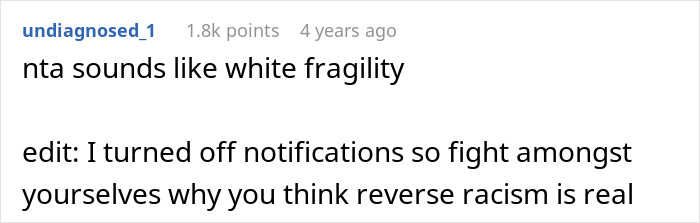
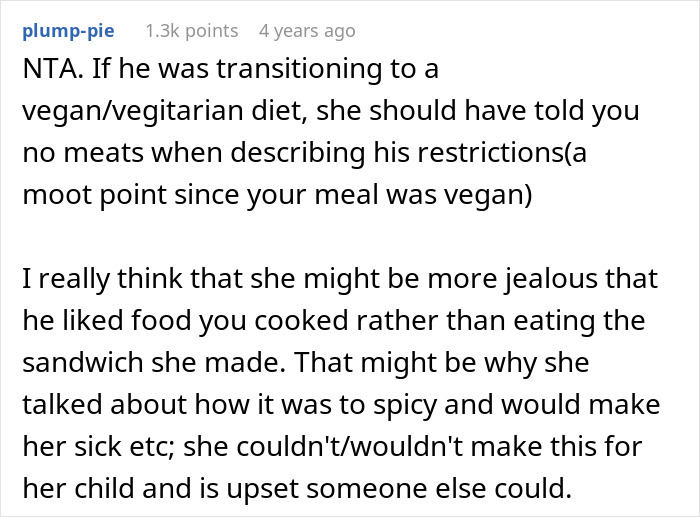
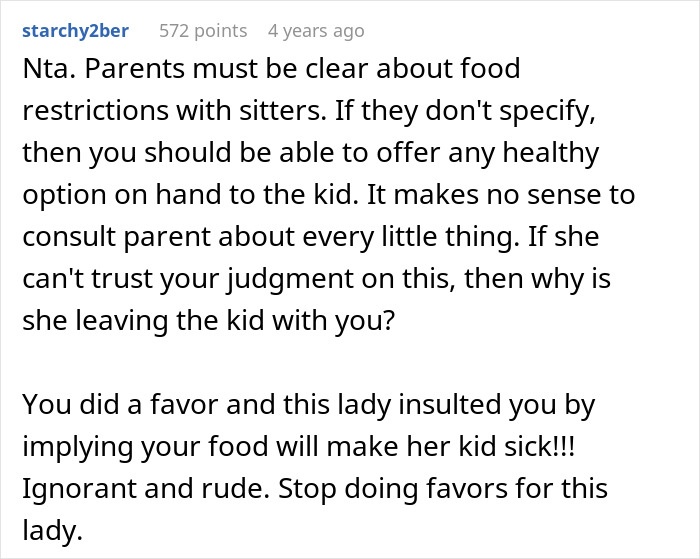
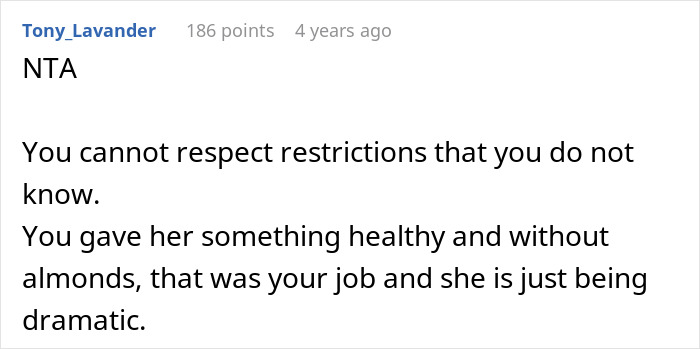
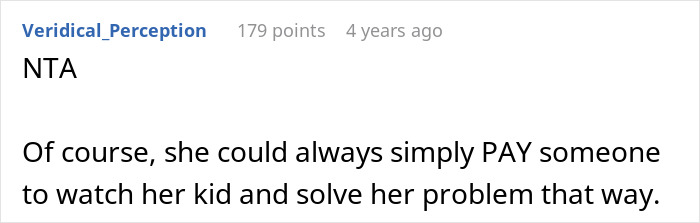
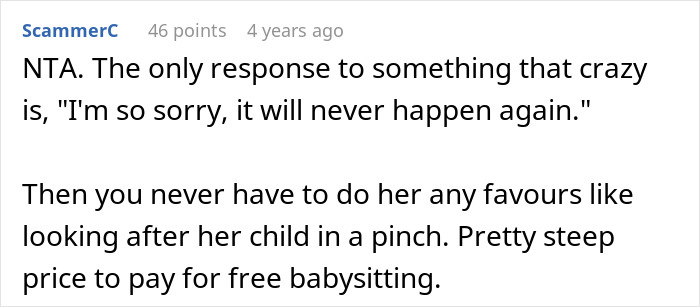
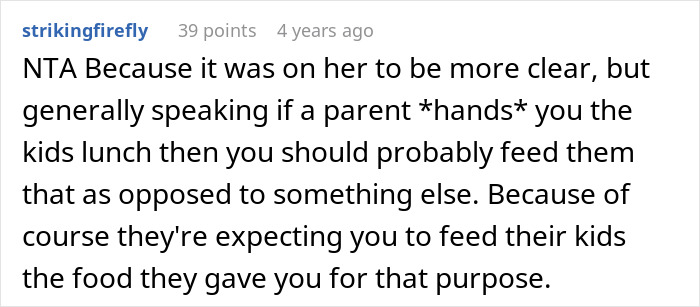
Most people in the comments sided with her












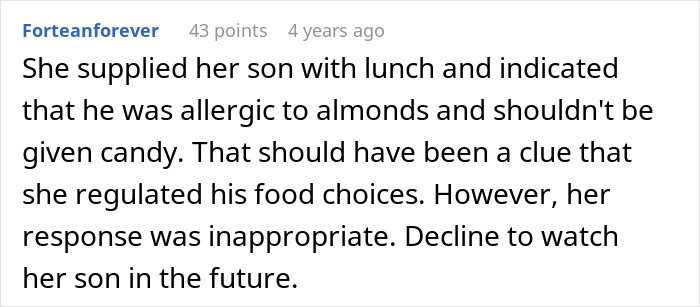



A few commenters thought everyone involved was in the wrong


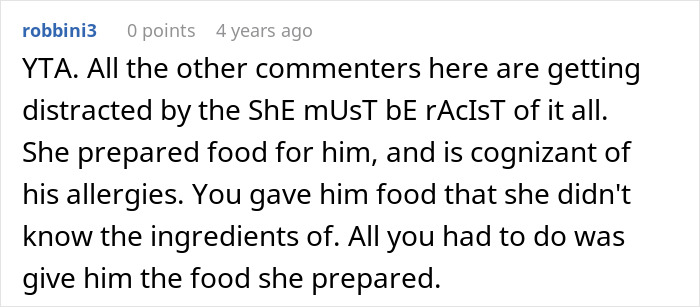
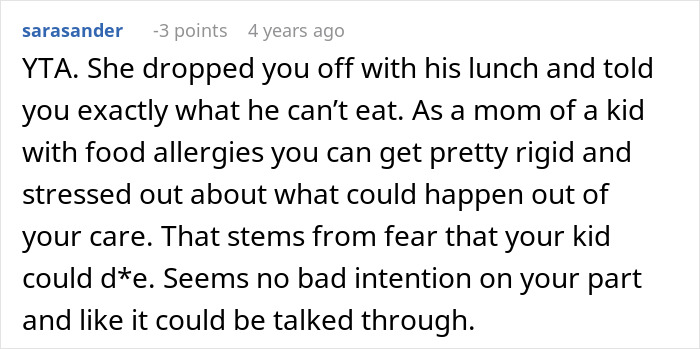
And a good handful blamed the author for possibly putting the child at risk







 Follow Us