It’s crazy to think that we once believed the Earth was flat, and that if you walked a few steps too far, you’d fall right off into who knows what. Nowadays, we’re sending crews to space, inventing cures for strange diseases, and employing robots to do the jobs of human beings.
Thanks to the smart men and women who dedicate their lives to studying science, human beings have come a long way. But as much as we like to think we know it all, we actually really don’t. And here’s the evidence: someone once asked the scientists out there, “What’s craziest or weirdest thing in your field that you suspect is true but is not yet supported fully by data?” and they woke to more than 12,000 responses.
Astrobiologists, psychiatrists, paleontologists, computer scientists, and others all came forward to share their theories and research that they believe to be fact. Since the original thread is now more than a decade old, some of the answers have already proven to be true. Others, not so much. But we found the entire brainy discussion interesting nonetheless. Here are the top responses…
#1
[Psychology/Biology]
This is kind of out there, but I believe hormonal birth control plays a role in a subset of divorces and in the birth of children with poor immune systems. I think most people are familiar with the t-shirt study that found women were attracted to the smell of men with dissimilar immune systems and that they felt t-shirts with similar immune systems smelled like their father or brother.
Women on hormonal birth control did not perform well in that study – they often picked similar immune systems as more attractive. A massive percentage of women are on birth control during their dating years and when they meet their husbands. After marriage, another percentage of those women will stop taking hormonal birth control in order to have children. What happens then?
If you have a woman who marries a man who is a poor genetic match – someone she may not have wanted to be with if she wasn’t on birth control – when she goes off of her birth control, it stands to reason that her perception of her husband may change. Given that her body and personality will be going through a change while her hormones are re-regulated, her husband’s view of her may change as well. It would not surprise me if this subconscious change contributes to divorce rates. In addition, should those hypothetical people have children, the child may have a poorer immune system due to the lack of genetic variance between its parents.
Edit: Ladies, please don’t let this scare you off of your hormonal birth control. The point of this thread was to share something weird that *isn’t fully supported by data.* I do not have any studies that say that these changes in odor preference actually cause divorce or poor genetic variance in children. Mate selection is confusing and odor is not the only determining factor (you don’t need a scientist to tell you that!) The only pieces of information here that are supported by any data are that women are capable of smelling similar and dissimilar immune systems and that their ability to do that may be altered when they are on birth control. Nothing more.

Image source: nobodycaresaboutmyus, Andrej Lišakov/unsplash
Last year was a busy year for scientists. Well, every year is, but last year was no different. The brainy men and women in their respective fields were researching theories left, right, and center, and they managed to make some major breakthroughs.
According to the Smithsonian Magazine, 2025 was the year in which scientists drilled some of the oldest ice ever recovered, researched a cancer blood test, and identified the pathogen behind a devastating decline of sea stars.
“Astronomers surpassed 6,000 confirmed exoplanets, and a new observatory unveiled its first space photos,” it adds. “Rock fragments offered tantalizing evidence that humans set the first deliberate fires roughly 350,000 years earlier than thought.”
Ordinary people also contributed to science by sharing rare videos that captured a meteorite striking the ground, as well as an earthquake fault in motion.

#2
Chestnut blight was introduced to the united states in the early 1900’s and since then , all American chestnuts in much of the U.S. cannot mature properly and will die at a nearly uniform stage in development. Much of the work I did in college was looking at the issue of the blight, my masters took me to propose that the chestnut gall wasp has a direct link to developmental challenges introduced by hormonal changes within the chemistry of C4 pathway photosynthesis. These changes are directly influencing a protein coupling mechanism failure and aiding the blight of the chestnut. My doctoral thesis is showing this without a doubt and will soon present ways to offset the population growth of the gall wasp and will soon allow chestnuts to be regrown naturally. They will then dominate our landscape again as they did early in our history. I have a personal specimen in the smithsonian credited to my professor and I for being the first ones to document the gall wasp this far north on the easy coast.
EDIT: Woah. Gold on my Chestnut work? Thank you everyone for your interest in Castanea dentata! I cannot link my masters thesis yet because it is still well within the depths of peer review. My doctoral thesis is what I am working on now. As soon as this info becomes available I am going to share with you guys! Thanks.

Image source: aliveandwellthanks, Daderot
#3
Physics
We can, and will eventually, achieve Inertial Confinement Fusion as a cheap and renewable source of energy.
Here is the website to the NIF project. I can’t say much more than the website tells, but suffice it to say I’m convinced it *will* work, and it will work soon.

Image source: OpticalDelusions, U.S. Department of Energy
One of the big scientific moments of 2025 happened right at the beginning of the year, when surgeons in America performed an organ transplant that was anything but ordinary. Instead of using a human kidney, the doctors successfully transplanted a gene-edited pig kidney into a man called Tim Andrews.
While it was the fourth transplant of its kind in the States, it was a breakthrough in terms of how long the organ kept working. Andrews lived with the pig organ for a record-breaking 271 days before it failed and was removed in October, the Smithsonian reveals.
#4
Paleontology
“Darwin’s Dilemma” refers to the absence of known macroscopic fossils (ie. excuding microbial stuff) from beneath the base of the Cambrian period (ie. older than 541 million years) when he was first describing his theory of evolution. Everyone (including Darwin) expected that when fossils were found from before the Cambrian period that they would be the ancestors of modern animals.
Then when those fossils WERE found Ediacara biota we call them, after the Ediacara Hills in South Australia), they were enthusiastically classified as ancient jellyfish, ancient worms, etc.
But it turns out that’s a load of bull. Consensus is growing that almost none of those classifications were accurate. Instead, most Ediacaran organisms seem to have belonged to extinct groups unrelated to anything alive today, and they lived in a world that was so different from the following 540 million years, they had modes of life distinct from any living macroscopic organisms. We were so eager to make everything fit into our neat little evolutionary narrative that for decades we basically glossed over these crazy, alien sort of ecosystems that could be critical to understanding the origins of complex life on other planets as well as our own. We’re still just beginning to really understand it though. It’s a very controversial field of paleontology.
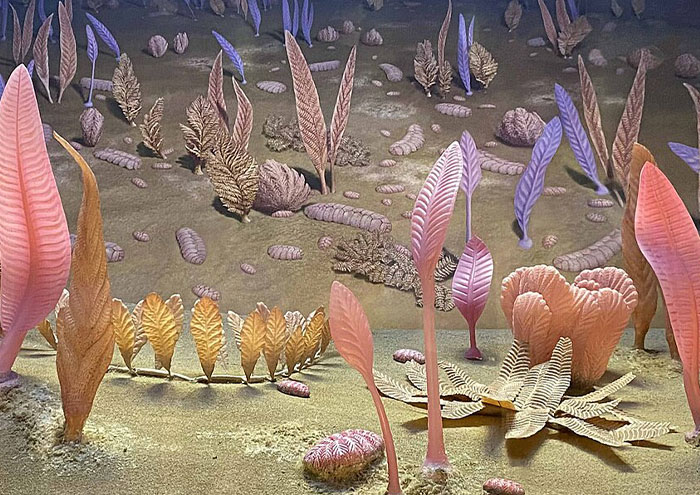
Image source: archaeopteryxx, Ryan Schwark
#5
Psychiatry
There was a recent finding that 5 psychiatric disorders share some common genetic mutations related to voltage gated calcium channel subunits in the brain.
Voltage gated calcium channels play a role in neurotransmitter release. Which is why some medications that increase the amount of neurotransmitter in the synapse (such as SSRIs) seem to “cure” some psychiatric disorders for some people.
This also might pose why electroconvulsive shock therapy works for some patients in treating their previously treatment resistant depression. The shock activates the voltage gated channels that are effected by the mutation.
psychiatry is probably one of the least understood areas of medicine. We still have no idea what truly causes mental disorders.

Image source: carBoard, Meg Aghamyan/unsplash
#6
Computer science/machine learning
There is a reasonable chance that, within the next 10 years, computers that analyze large bodies of data and make statistical predictions will be able to make much better routine strategic decisions at almost every layer of society than actual humans. This means many of the decisions that pertain to economics, politics, etc. At some point this will likely start having a major impact on the structure of society, as there won’t be all that much room for argument when the computer says that some decision is or is not optimal.
Some current signs that point to this, for example, are the story about an automated Target marketing campaign that detected that a teenage girl was pregnant before her own father knew about it. Automated data analysis (when data is available) is simply better at predicting common events than real people. Why then would a corporation for example rely on human executives to make decisions about acquisitions and mergers? Why would a politician use human strategists to choose policy positions? And if a politician makes decisions by computer, why do we need the politician?
This will raise some interesting questions. Should we still use human juries and judges when computers can determine guilt or innocence with much greater accuracy? What happens when a human jury convicts a man, and the innocence project makes an appeal on the basis that the judge-o-matic predicts that the man’s chance of having actually committed the crime is 0.000001%?
Should we have politicians set the tax rate, when computers can do it better to optimize both economic growth and government performance?
I would emphasize that this has little to do with “AI” — it’s not intelligence, just prediction. And we’ll have to contend with this issue long before computers become “intelligent” in the conventional sense. It also doesn’t apply to rare, unprecedented events (so a computer won’t tell you whether we’ll invent cold fusion), but it will very much apply to events that have happened before (recessions, political unrest, effect of taxation on the economy, etc).

Image source: afranius, Planet Volumes/unsplash
“Andrews got a reprieve from dialysis for much of this year—and, as a living symbol of hope for other patients in need of kidney transplants, he threw the first pitch at a Boston Red Sox game,” adds the publication.
That same year, scientists over in China reported a successful transplant of a portion of a pig liver, which they removed after 38 days. This is good news for people waiting on a lifesaving organ transplant in a world where supply does not meet demand.
Pigs have metabolisms, immune systems, and organ sizes that resemble those of human beings, and scientists now believe they may hold the key to saving thousands of lives.
#7
Biology
When personal genomic sequencing becomes readily accessible, even as a routine medical service (much like a physical), we should be able to place the data into a controlled anonymized database and use statistical analysis to essentially link most disease states and predispositions to their genotypic bases. There are loads of “combinitoric blackholes” in the genome data right now, since we haven’t been able to collect large-scale, high-throughput disease/genotype relationships on a genomic scale yet due to the expense.
Have a look at the company 23andme for an example of a smaller scale version of this. They represent a good first step towards breaking the cost down and making personal genomics accessible regardless of socioeconomic status.

Image source: MaybeComputer, sunflowerfarmer/reddit
#8
Astrophysics
Our entire universe is inside a black hole. Here’s an article about it.
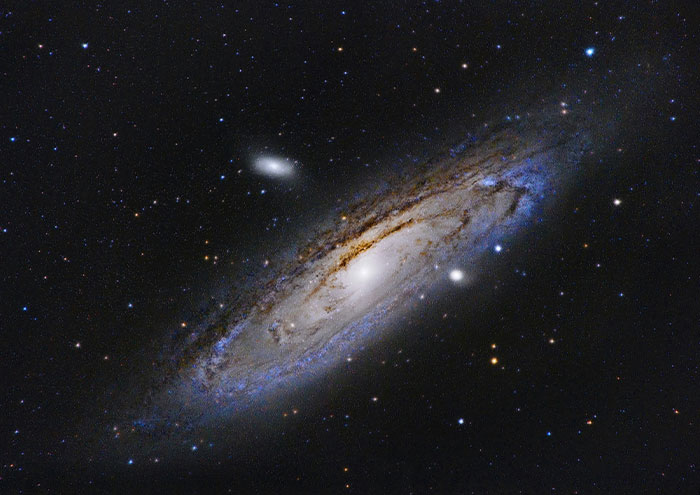
Image source: anon, Arnaud Mariat/unsplash
#9
I am studying in a relatively new field of science called astrobiology and just finished my first internship. Of all my studies, this is what caught my attention:
In 2004, the spectral signature of methane was detected in the Martian atmosphere by both Earth-based telescopes as well as by the Mars Express probe. Because of solar radiation and cosmic radiation, methane is predicted to disappear from the Martian atmosphere within several years, so the gas must be actively replenished in order to maintain the present concentration
Edit: TL;DR I truly believe we will have confirmation of life outside of planet earth in the next 2-3 generations.
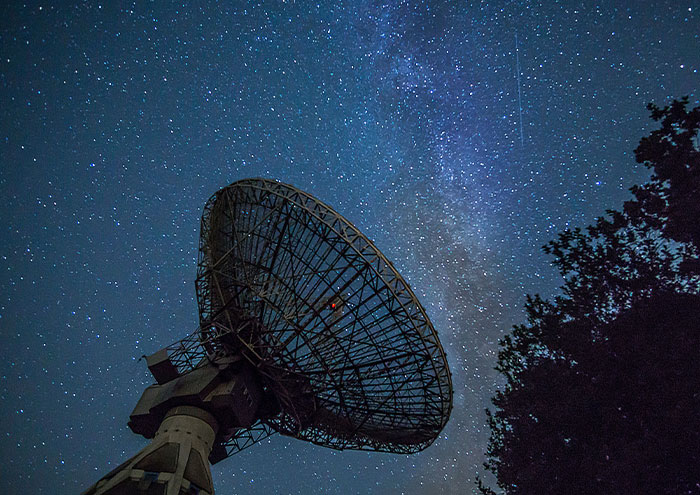
Image source: anon, Stephan Widua/unsplash
Also in 2025, a team of of astronomers identified what they called the “strongest evidence yet” of life on another planet. They found two chemical compounds on an exoplanet far, far away, that they say are only produced by living things.
“The discovery, reported in April in Astrophysical Journal Letters, came from James Webb Space Telescope data about the world K2-18b,” reports the Smithsonian. “The exoplanet, orbiting a star 124 light-years away, had already seemed like a candidate for hosting life.”
#10
Chemistry
A lot of the accepted mechanisms for the way reactions occur are incomplete at best. Example, water and alkali metals go boom. The accepted mechanism is that the metal dissolves and loses an electron which goes to an H+ to make H which combines with another H to make H2. Then the heat causes the H2 to combust. However recent observations of various colors associated with metal vapor evolving durring the reaction suggest the metal may be vaporizing at the interface with water and that this reaction is occurring in the gas phase rather than a simple dissolution of the solid and subsequent electron exchange.
Edit: So a lot of people don’t like the alkali metal with water example, so here is a bit about my own research. I am working with a material that has been known since the 50’s. It wasn’t thought to be too exciting, but we understand more about the mechanism by which it forms now. We have been able to use this knowledge to add a simple compound to the mixture that actually slows the formation of the material. This has lead us to creating the highest resolution photo resist in the world.

Image source: ZombieGenius, Getty Images/unsplash
#11
Neuroscience here – paraplegia/quadriplegia are solved problems. We are already very good at recognizing patterns of activity measured through EEG or other (relatively) non-invasive recording methods in real time and using this data to control various simple machines. The next step is expanding the scale so that, instead of controlling a computer mouse, a paralyzed individual controls legs or arms fluidly. Currently, the most well-known researcher adapting this technology to allowing paralyzed people to walk and move is Miguel Nicolelis, who plans to construct an exoskeleton to allow a paralyzed person to kick a soccer ball at the World Cup. Soon (very soon), we will be able to make this feasible for real-world application.
Beyond that, the entire field of brain machine interface is booming. It is a natural adaptation of where neuroscience is, because you simply (it is not simple, but relatively so) need to be able to recognize recurring patterns you observe when an individual thinks or does something to be able to use those patterns to control machines. It’s a fancy trick to allow “thought control” without really understanding why or how those “thoughts” exist in the first place. Very, very cool stuff.

Image source: Originalfrozenbanana, Getty Images/unsplash
#12
Mathematics
There are probably an infinite number of twin primes. A twin prime pair is two primes whose difference is 2 (eg. 3,5 11,13 41,43)
Previously it wasn’t known if there were an infinite number of ANY prime pairs (given some number n, are there an infinite number of n-prime pairs where the difference between the two primes is n)
As of now the twin prime conjecture has yet to be proven but lately there has been a lot of progress through the Elliot-Halberstam conjecture by Yitang Zhang. Recently Yitang Zhang was able to bring the minimum gap between primes down from infinity to 70 million (so there are an infinite number of 70,000,000-prime pairs). Though there is a lot of work to go since the Elliott-Halberstam conjecture has a limit of proving that there are an infinite number of 16-prime pairs (pairs of primes with a difference of 16).
My apologies if I got anything wrong, mathematics isn’t actually my field but some of my colleagues are quite excited about it.
EDIT: Seems 42 isn’t a prime number, and dang I was hoping so much it would be haha. Also I’ve learned if I want people to respond right away, I just need to make a small mistake somewhere.

Image source: Kattib, Vitaly Gariev/unsplash
It’s important to note that the scientists did not find actual life-forms on the exoplanet—only the signatures of the compounds, known as dimethyl sulfide (DMS) and dimethyl disulfide (DMDS). They’re both sulfur-based gases found on Earth and produced by living things like algae.
While it is a big deal, the discovery is not a definite sign of life outside of Earth. That’s because some experts believe that DMS and DMDS can be made in a way that doesn’t require any living organisms. It’s likely going to take more time and research to find definitive proof of life in space.
#13
Astrobiology/planetary science
There are most likely billions of ‘Earth-like’ planets in the galaxy (not really controversial, but so far observational data has not found many – this likely a technological or methodological shortcoming rather than the product of a representative sample) and that life, perhaps not advanced or intelligent, likely exists on many of them.
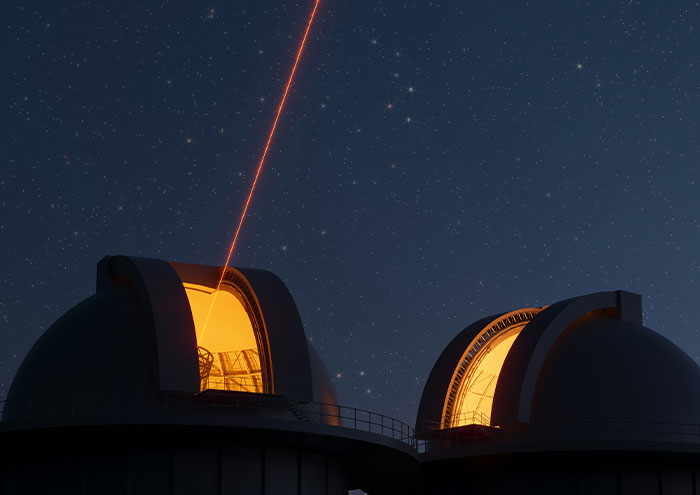
Image source: anon, Planet Volumes/unsplash
#14
Yes this is my thread!
I think viruses were indispensable for creating complex life. Their unique characteristics enable them to copy and introduce genes from one species into another. Several colleagues have similar ideas, but only circumstantially supported.
Image source: anon, L N/unsplash
#15
Astronomy
There are these things called Lorimer bursts in radio astronomy- the first detected only a few years ago, only four detections since. Basically it’s a huge burst of noise that asks for a few milliseconds and disappears, more here.
The reason btw these are so weird is they’re HUGE bursts of energy- and they come from about half the visible universe away from us. This should not happen, and no one really has an idea of how these things would be generated since right now there are no models for it.
Anyway, people still don’t know what they are- there’s some discussion that it was a weather phenomenon for awhile, and one telling thing is so far only Parkes Observatory in Australia (where “The Dish” was filmed) has seen them so everyone in radio astronomy is eager to be the person who spots one at a not-Parkes observatory.
So my weirdest thing is these things are crazy mysterious, but I like to think they’re real and from far away. What can I say, I’m a romantic who loves curve balls thrown at us in science, and we only barely have the technology to look for them… plus hey, it’d make a nice chapter in my thesis if I found one!
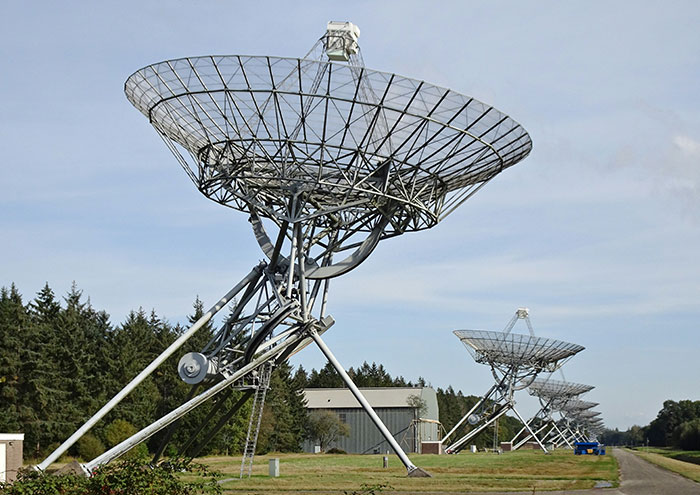
Image source: Andromeda321, Ben Berwers/unsplash
While some discoveries and breakthroughs in 2025 were intriguing, others were downright bizarre, like the creepy thing now known as the ‘Bone Collector.”
It’s a species of caterpillar that was spotted wearing the leftover body parts of the prey it had devoured as camouflage. Straight out of a Steven King novel, this insect is a rare exception in the insect world, reports BBC Science Focus: “just 0.1 per cent of moth and butterfly species are carnivorous.”
#16
Psychology/Psychiatry
There is ongoing discussion on the neurological and neurobiological correlates to Depression. Psychiatry has focused on neurotransmitters like Dopamine and Serotonin, because most antidepressants have effects on these transmitter systems and seem to help the patients over the course of many weeks (SSRIs take at least three weeks to show measurable, non-placebo effects in patients).
But, as a matter of fact, we still do not know why.
A German psychiatrist now proposed a new model for Depression, explaining it with a chronic o******e of Cortisol, a hormone closely associated with stress. He was even able to treat patients with a Cortisol antagonist – successfully and within hours of treatment.
(Very short explanation of the theory, actually.)
His work has not been acknowledged very much until now, but I wouldn’t be surprised if there is something true to it.

Image source: neurotroph, Daniel Martinez/unsplash
#17
The Americas were inhabited by humans at least 30,000 years ago, possibly up to 60,000 years ago or more. Lots of archaeologists whisper this in hushed voices, but there are so many entrenched detractors that there’s no way for this to become accepted until the current older generation pass away.
EDIT: 60,000 is kinda at the boundary of possibility, dates of around 30,000 years in age are expected by a sizeable number of archaeologists studying pre-clovis material. A lot of people are asking me questions that I have tried to answer elsewhere so please read through the comment tree to see a list of some of the sites and dates in question, how the debate is currently framed, my opinion, some opinions that agree with me as well as a few voices in opposition, hopefully most of your questions should be answered there.
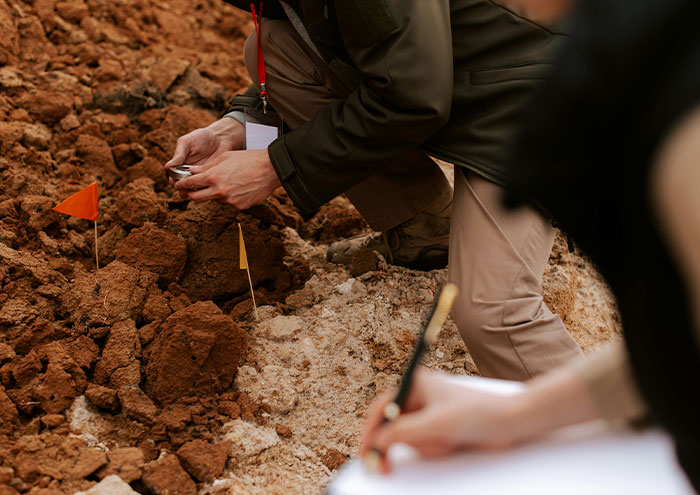
Image source: anon, Kateryna Hliznitsova/unsplash
#18
Anesthesiology
Surgery and other actions that can aggravate the inflammatory response might be a contributing factor to neurodegenative disorders similar to Alzheimers. There have been some preliminary studies on stuff like this and the data seems promising, but we have to take into account the effects of different types of anesthesia, different types of surgery, etc.
EDIT:
To all the people asking for papers, I don’t have any. This is all speculation. I thought that it was clear by the question posed by the thread. There’s no hardcore proof that I can provide for you at this time. My apologies. I have a hard copy of a paper that was submitted to some journal, but it was rejected because it didn’t take a couple of key factors into account, so unfortunately, there’s no link to it.
Also, poor word choice on my part. While I will refer to it as Alzheimer’s Disease, I’m really talking about general neurodegeneration that can resemble Alzheimer’s Disease. Many of the markers that we’re testing for are the same.
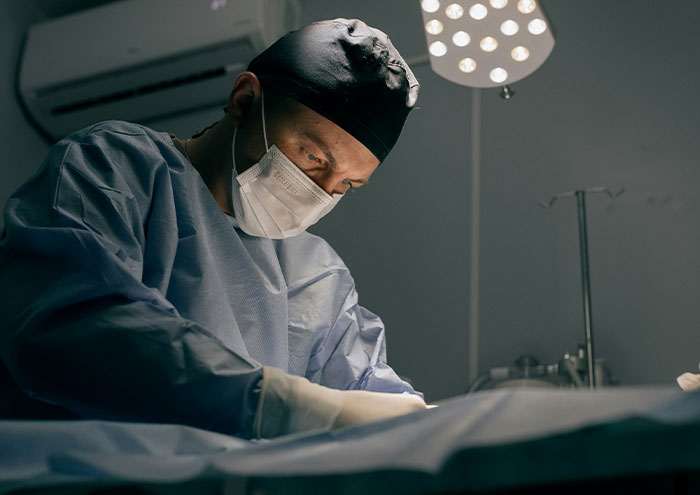
Image source: steeplechasingkitten, Alexander Mass/unsplash
#19
Neuroscience/Psychology/Physics
There is a theory proposed by Nobel prize winning physicist Roger Penrose and all around cool guy Stuart Hameroff, M.D. that consciousness is not created by the brain (called ORCH-OR). They argue that the standard model of information processing in the brain — that information is transmitted by neural firing rates — it totally wrong. Although they agree neural processing is important, they argue that the microtubules in the brain allow the brain to connect (or tunnel) to processes that happen at the quantum scale (and that is where the real action is). Penrose argues that fundamental knowledge (like mathematical truth, beauty, etc) actually exists in some form at the Plank scale (very, very small scale). There is talk of wave collapses, etc that only physicists can really understand. Through this quantum mechanism, our brains are able to connect to this latent information (so this is a Platonic theory or knowledge). This means our brains/minds do not create knowledge (as most brain scientists think). Instead it allows us to connect to the knowledge that is inherent in nature.
There is some (or a lot, depending on who you talk to) hand waving, and no data to support this. However, the question of how the brain “creates” consciousness is such a vexing problem that it seems we (neuroscientists–of which I am one) are asking the wrong question. That is why this theory is exciting (even if its completely wrong).
This has huge implications for how consciousness is generated and especially for the problem of human identity. For example, it means that we cannot reduce ourselves down to the brain and its neural activity. It might suggest that when we die, the fundamental processes (at the quantum scale) that are ‘us’ might exist as probabilistic quantum states–forever. Its not clear that we could ever recover those states after our physical body decays, but its fun to think about.
Yeah, yeah, I know, you will all throw up your hands that its just quantum physics bla bla. But actually the theory is starting to gain attention (and by attention I mean prominent physicists and neuroscientists are starting to publicly refute it — being refuted is better than being ignored!).
Edit: Thanks for the gold! I’m new to Reddit (just signed up a few weeks ago).
I’d like to say that this theory has zero empirical evidence. Penrose has proofs for it in his published work, but that is theoretical mathematics and quantum physics. The theory is testable, according to Penrose and Hameroff, but we’d need to build a very powerful particle accelerator. So, “in the future.” (Of course that is a cop-out). The theory inspires me because it attempts to answer the question of how Godel could have solved the incompleteness theorem. If you don’t know what that is, then you should read about it. Its a paradox that has haunted most of the greatest minds of the 20th and 21st century, including Godel. If you think consciousness is reducible to physics, and you hold this as a “firm” belief (as someone said), then you have not read enough about reductionism. There are serious problems with reductionism and there is no clear way out (although I’m inclined to hold his position anyway — its intuitive). This is what makes studying the human mind — my field — so much fun! If you think you understand how the brain/body “gives rise” to consciousness, you are fooling yourself (or you deserve the Nobel prize). Nobody does, but that is OK. Its also part of the fun!
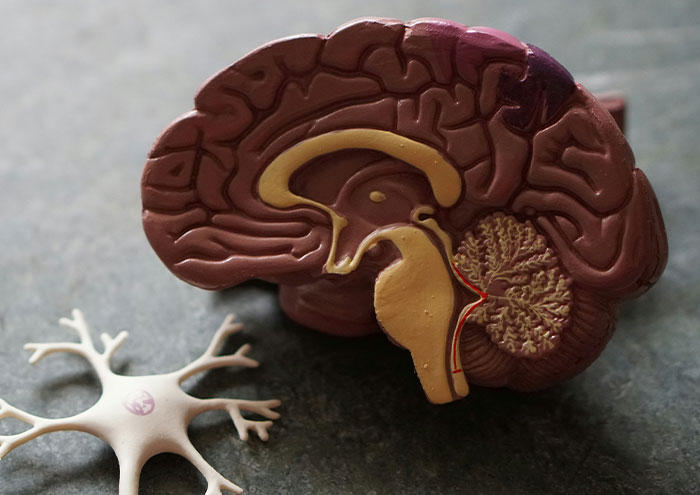
Image source: tegestologist, Robina Weermeijer/unsplash
#20
Psychiatry/Psychotherapy
That bipolar, depression, epilepsy, schizophrenia, and several other “brain” disorders are much more similar than we already know.
There’s already some correlative literature, but it’s in it’s infancy.
See psychogenic nonepileptic seizure disorder for one example. Also, the use of an anti psychotic medication such as Abilify for (now FDA approved treatment of) SSRI/SNRI resistant depression seems to suggest a more systemic issue than clinical depression has traditionally been viewed (as a unipolar disorder).
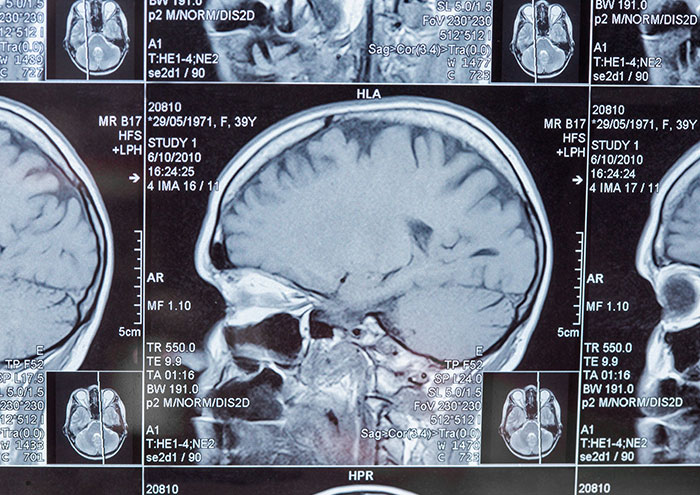
Image source: Freudypants, Getty Images/unsplash
#21
An interesting observation:
The response lengths in this thread follow the Average Dissertation Length (proportionally) for each corresponding field.
Not too surprising, but I thought it was interesting.

Image source: Altair3go, Getty Images/unsplash
#22
Chemistry
We will, eventually, be able to efficiently design enzymes to conduct complicated chemical transformations that would be otherwise impossible on unmodified substrates.
A 2008 Science paper (David Baker, Ken Houk, Forrest Michael, and a bunch of other awesome scientists) showed proof of principle in designing a “Diels-Alderase” enzyme in silico. They designed the necessary transition state and the protein sequence that would form the corresponding active site, built the protein, and it catalyzed the exact reaction they intended to catalyze. It’s beautiful work and they’ve done a lot of incredible things since then. Scott Miller’s group at Yale has done similar things using much smaller peptide catalysts to do site-specific modifications of things like Vancomycin, which is a huge antibiotic, in a very selective manner.
What does this mean? Taking for example the development of antibiotics, we’re running into problems of resistance – bugs are developing immunity to existing antibiotics. Even our last resorts (like Vancomycin) are starting to fail. We can bypass these resistance mechanisms by modifying the antibiotics at certain positions, but this can be an incredibly difficult process. If we could design protein catalysts to promote the desired reaction on the unmodified antibiotic in a highly selective manner, we can make libraries of antibiotics efficiently that can tide us over until we develop some other manner of treating infections.
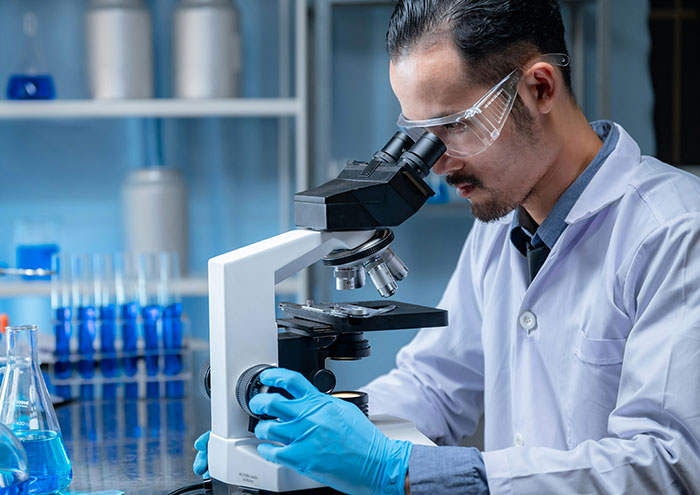
Image source: Ratsofat, Getty Images/unsplash
#23
Cetology
It is suspected that at least some baleen whales can echo locate to at least a rudimentary extent, this is due to several recordings of abnormal whistles produced during the rescue of several humpback whales on different occasions (humpback whales occasionally get lost in river systems and need to be aided in getting out). Also, it is likely that bottlenose (and possibly other) dolphins are able to follow magnetic lines, a likely reason for many beachings. Currently there is some observed evidence of this however there has not been a mechanism for this navigation that has been isolated as of yet. (not a surprise as it takes about a dozen or so nerve cells to do this and dolphins have over 1,000,000,000,000 cells in their body).
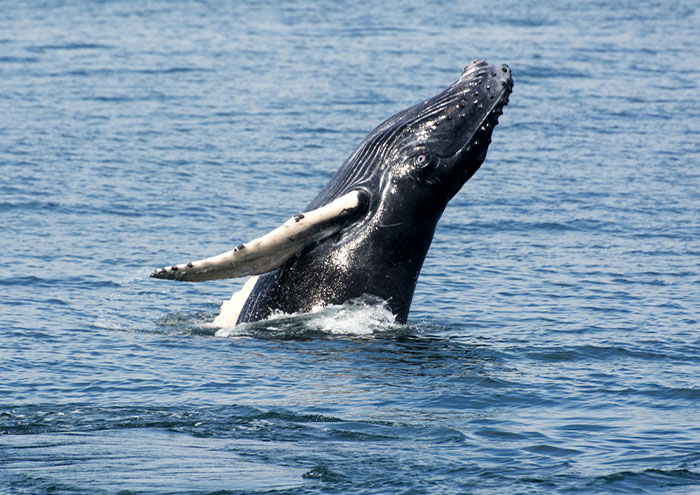
Image source: anon, stephan hinni/unsplash
#24
Computer Security
Generating random numbers isn’t hard, it’s just that we’ve ignored all the easy ways of doing it because they might fail somewhere.
It is precisely the fact that it’s difficult to measure randomness, that makes it so tricky to deal with this.

Image source: dakami, Christina @ wocintechchat.com M/unsplash
#25
Biology/Immunology
So much of our adult health is based on things we encountered during early childhood but we are only starting to realize the extent of it. Most basic science done in animal models focus on adults, even when trying to model pediatric disease. It is becoming clear that our immune systems are drastically different as infants, and we need to tailor vaccines or other preventative methods to address this.

Image source: Punches_baby_pandas, CDC/unsplash
#26
Geography
That you can figure out the routes illegal immigrants will take in crossing borders on foot based on hill slopes. Initial data seems to confirm it, but there’s so little work done on it out there. Basically, as far as we can tell, human beings will avoid steep stuff at all costs. The problem is that most studies are done on concrete with established pedestrian areas, and you can’t just ask an illegal immigrant to tell you what route he took on foot because most of them actually don’t know.

Image source: anon, Getty Images/unsplash
#27
I am a student in meteorology. This is more of a technological advance than something that needs to be “proven”. Within the next 10-20 years, most cars or cell phones will have microchips in them who’s sole purpose is to record the current data (such as temp, wind, etc). This will allow for millions upon millions of data points which in turn will greatly increase the grid spacing for forecast models. In layman’s terms, forecast accuracy and forecast personalization will be near pristine, down to the seconds. Microchips are already cheap enough, we just need the proper computing power to process all of that data in real time. Supercomputers to the rescue!
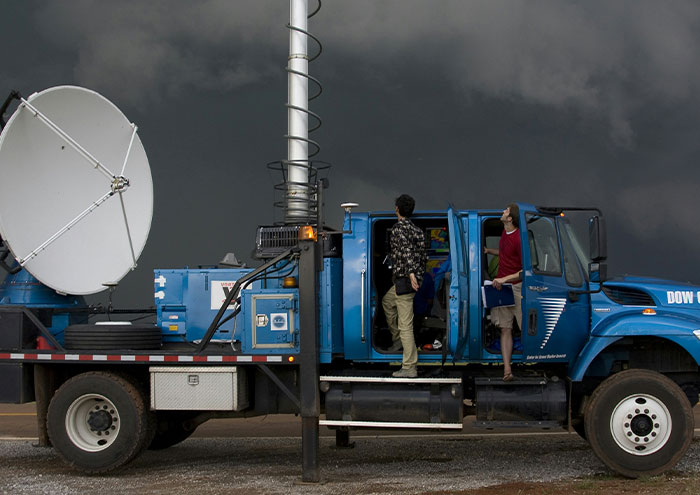
Image source: anon, NOAA/unsplash
#28
Stock Market
Even if there have been thousands of papers written on the stock market in the past decades, they all seem to contradict eachother. We now know the performance of stocks is influenced by a number of firm factors:
– Analyst coverage
– Size
– Book-to-market value
– Leverage
– Institutional ownership
– ….
Yet even including all these factors, it’s rare to find a study that arrives at a greater explanatory value than 15%. There are fortunes being spent in the stock market each day, and we still don’t have a clue what causes the movement. This means that after the data comes in, we are “only” able to explain about 85% of the variance.
Personally, I’m sure that more than anything else insider trading and herd behaviour is responsible for the rise in stock prices. Look at the London Whale Scandal at JP Morgan, where *one* banker took on such huge positions that he was able to manipulate the market. Despite this, he was responsible for losing $2 billion.
Other than that, there was the [libor scandal](http://en.wikipedia.org/wiki/Libor_scandal), where bankers basically manipulate their trades in order manipulate their earnings.
Combining these two, I am **personally** rather sure that most of the movements in the stock market can be explained these days by investment bankers arranging to buy certain stocks at certain times, to start a snowball effect and rack in huge profits. To be clear, this is my personal opinion and is not supported by any data whatsoever. I might as well be completely wrong and there is simply a large control variable we haven’t discovered yet. This can be random as well, some researchers have even discovered that on average, stock returns are significantly higher in January than in other months.
I don’t want to sound like a “WAKE UP SHEEPLE” person, but if anything the past months have shown us, it’s that the banks have both the money and people necessary to manipulate the stock market. At his peak, Jerome Kerviel had invested more than $50 billion dollars in the stock market. And that’s just one small trader.

Image source: anon, Jakub Żerdzicki/unsplash
#29
Epilepsy: in severe cases patients have all connections to one half of their brain severed to control seizures. No input, no output, and no communication with the rest of the brain, but that half remains active for the rest of their lives. For these people, aspects of their personality and memories disappear forever on the day of their surgery, because their neuroanatomical substrates resided in that hemisphere. If that half has no input but continues to fire, what is it doing? Wondering who turned the lights out? Remembering the good times? Slowly spiraling into senseless patterns of neural firing akin to dementia? I’d love to find out.. ‘
**EDIT**: The split-brain procedure is actually something else entirely – Severing the corpus callosum. This isn’t what I’m referring to, which is the seldom-used hemispherectomy; specifically the method in which the hemisphere remains in the head to avoid complications surrounding the pressure change upon removing it.
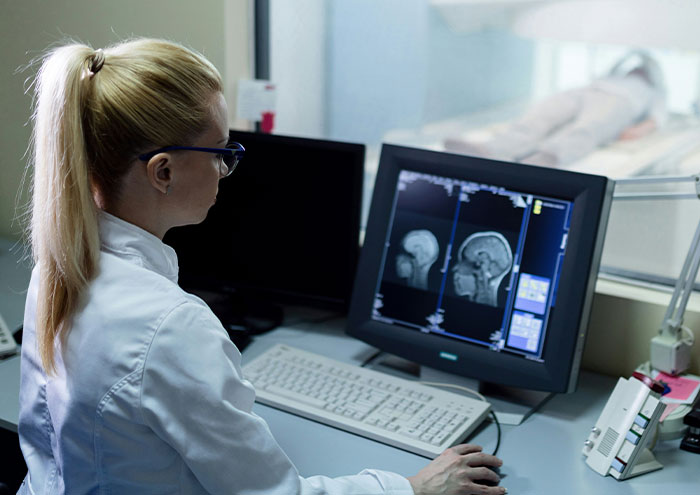
Image source: godset, Getty Images/unsplash
#30
Biology
It’s not really that crazy (at least I don’t think it is), but I firmly believe that human sexuality is grounded in a genetic basis.
Unfortunately, the only studies I’m aware of that got solid results on genetic control of sexuality were those performed on small model organisms such as *Drosophila.* Neurological studies on more complex animals – especially humans – are difficult enough, and sexuality is thought to be governed by a convoluted web of interacting neurological components.
There *have* been studies on humans that identified distinct phenotypes between hetero- and homosexuals’ brains. For instance, my memory’s a little foggy but I recall one example where certain brain activity patterns of a homosexual male more closely resembled those of a typical heterosexual female than those of a heterosexual male. But that’s hardly enough for us to establish a clear link.
Of course, it doesn’t really matter how much data we ever get on human sexuality and genetics; it’s one of those topics where there will always be those who deny it because it conflicts with what they feel *must* be true.
**Edit:** For clarification, I do believe epigenetic factors also play a role (and perhaps are more impactful) in governing sexuality. The only reason I neglected to mention them in my original post is because I feel that a genetic basis for homosexuality is much more controversial.
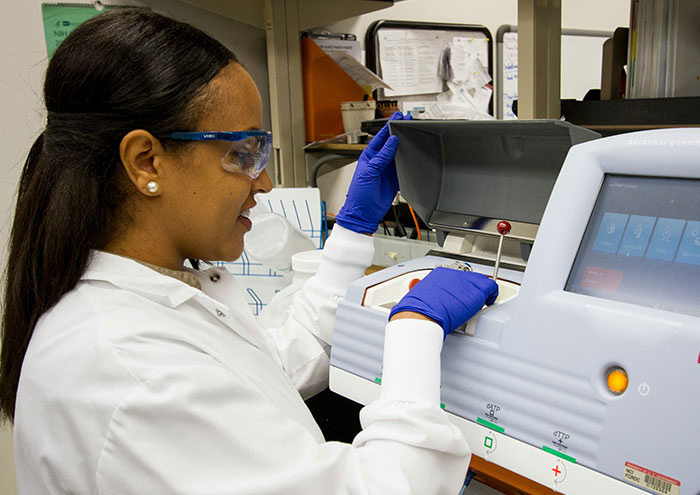
Image source: magzillas, National Cancer Institute/unsplash
#31
[Pharmaceutical Clinical Research]
That there is a cure for cancer available.
The problem, though, is that cancer in and of itself is so freaking variable between every type of cancer and then between every human being that it’s nearly impossible for one cure to work for every person.
One “cure” may work for a selected group of people but we don’t have the technology readily available to be able to know the exact DNA composition of the target cells of those cured people to be able to determine why the cure worked and then how to apply it to other people.
So, there may be cures out there but in order to be “fully supported by data” we aren’t able to get a big enough sample size tested in one study in order to get statistically significant results.
Image source: notnicholas
#32
Cancer Biology
As a few other biology people have pointed out, we’re now very close to being able to practically (cost-wise) sequence genomes routinely in clinical practice. A *large* portion of cancer research going on now is focusing on how to take that sort of information (i.e. your cancer has these 56 mutations) and develop a therapy that is specific *for you!*
The first proof of concept d**g for this type of approach (known as personalized medicine) is Erlotinib, a med that specifically shows action in patients with mutations in the EGFR gene. It’s been in the clinic for several years now.
In the near future, cancer physicians will have a whole suite of these sorts of targeted meds (which work extremely well for a subset of patients while having little side effect) to give in combinations dependent on which mutations are present in your cancer. This might be a little more than 10 years out, but it is exciting and will yield positive results all along the way.
Image source: mountainmover88
#33
Epidemiology
In the United States, there is absolutely no etiologic/biologic difference between race/ethnic groups’ risk of various chronic diseases, including but not limited to the [Hispanic Paradox](http://en.wikipedia.org/wiki/Hispanic_paradox), [the association between African-Americans and increased risk of diabetes](http://www.diabetes.org/living-with-diabetes/complications/african-americans-and-complications.html), the higher prevalence of chronic heart disease and COPD among African Americans, and the myriad of race/cancer associations.
I suspect a majority of these associations are consequences of differences in socioeconomic challenges, health disparities, cultural practices (such as foods consumed, exercise practices, etc.), and other learned behaviors.
Image source: oldschoolcool
#34
Biology/Evolution
It’d be awesome to settle the arguments about the theropod origin of modern birds once and for all. Its frustrating because of how far back in the evolutionary timeline we have to look in order to get a picture of when birds first emerged. I mean, we don’t even know for sure how birds developed flight! Did they climb and glide or jump and flap for short distances?
Really the only way us wildlife biologists will get some answers is if some nice geneticist or paleontologist makes a breakthrough discovery haha.
EDIT: Everyone seems to be missing the fact that the topic is about ideas that aren’t fully supported. While the idea that birds evolved from theropod dinosaurs is in fact the most popular and widely held opinion, it is still technically a *theory* and has not been completely proven.
I was giving an example of something I thought might advance in my professional field and to spark some interesting discussion (mission accomplished). I mean, its not like popular biological opinions have ever been wrong, right?
EDIT 2: Alright everyone, I am not suggesting that most of the scientific community is wrong. I’m just stating that because this is a theory, I thought it would fit in a thread about ideas that aren’t fully supported.
Also, of course I believe in evolution.
Image source: Mrblatherblather
#35
Biology/Immunology
That the high salt in our western diet is partially responsible for the increase in autoimmune conditions in the west.
There is other weird stuff happening in immunology, like modifying bacteria (listeria) to be vaccines for cancer and other diseases. There’s also stuff about being able to smell MHC types and immune system quality.
Image source: kroxywuff
#36
Tissue engineering
We are going to find a biological recipe for creating self-assembled tissues from scratch.
Developmental biological processes can turn a single-celled zygote into an adult human. It’s pretty incredible when you think about it. Somewhere buried in the complexity of metazoan biology are a set of ‘origami-like’ rules that allow growing tissues to self-assemble into larger tissues and organs. If we can model and manipulate these programs with precision, we can engineer just about any tissue we like.
A lot of people are familiar with ‘3D organ printing’ as a route to organ manufacturing, but I think its a dead end without more knowledge of biological self-assembly. If we can’t control how tissues develop, the organs will fall apart as soon as they are printed. The missing pieces of tissue self-assembly are quantitative models for tissue morphogenesis, which are being filled in as we speak by advances in *in vitro* tissue culturing and molecular biology (like viruses that can measure gene activity over time with good spatial resolution).
Image source: Funktapus
#37
Does classic Roman history count?
I have two, about two of the greatest poems of the classic times. Firts off, Ovidius.
Ovidius, after writing his famous epic, made several poems about how he was banished from Rome to a small town near the Black sea because of “Carmen et error”. A song and a mistake. However, what these two factors are, is never specified. He also never seems to have actually fought his punishment. All he did was create a load of poems where he rants and curses. It is believed now by more and more people that Ovidius was never banished, but that this was just a form of comedy, and he performed these poems in Rome while everyone was just laughing their a*s off.
Second, Catullus. Catullus wrote an entire series of poems about his affair with Lesbia. Lesbia (a fake name, the “real” Lesbia, who the character is based on was most likely named Clodia) was a married woman, who had multiple boyfriends, and their relationship had many ups and downs. I believe that Lesbia never existed, and was just a character (possibly based on Clodia), made up by Catullus when he needed inspiration for his poems.
The biggest piece of evidence here is the fact that Lesbia’s looks are never properly described. Only in one poem you vaguely get to know what she might have looked like. This was probably just Roman stand-up.
Edit: I have another fun one.
The Parthenon in Athene, Greece, widely assumed to be (the most famous) temple ever, might not have been a temple.
You see, you were never, not under any circumstances supposed to enter a temple. A god lived in a temple, and entering the temple was like walking into the god’s house uninvited. But then why did the parthenon have a huge statue of the godess Athena *inside* the temple? The only way that would be visible is if looked at through the (half) open doors, when the sun is about right. Or you’d have to enter the temple.
I heard a claim it was a treasury. I’m not sure how I feel about that, but I’m pretty sure it’s not a temple.
Image source: anon
#38
Biology
Not a practicing scientist but I work in the science field. We know very little about the depths of the ocean. Once we really start exploring those depths, we’ll find living fossils that can answer tons of unanswered questions about the formation of Earth.
Image source: RegDud
#39
Business Administration
Corporations will start to be measured and graded by how productive they are in a scale immediate-global community.
Basically, crowdfunding will begin to start, maintain and break entire business companies. It’s basically going to be the foundation stone of capitalism 2.0. It’s going to absorb principles of communism into itself, making transparent models of managing so rooted no one will be able to tell what a company ISN’T doing.
Just so you have an idea. We’re looking at an immediate future where a consumer receives a code which lets him access how and when a dairy product was made, together with on-demand access to the manufacturer’s CCTV (yes, even the slaughterhouses).
Image source: DrakeSaint
#40
Chemistry
This’ll probably get buried, but the research done in my lab has shown that thioureas, (sulfur containing molecules,) are stronger electron donors than phosphine ligands. This is pretty weird, as phosphines are pretty much the golden standard for this.
Wasn’t even the point of the research to look into this, just an interesting byproduct.
Image source: Kid_Achiral
#41
Ecology/Biology
The presence of culture in mammals has been documented in pods of Orca Whales. Culture in this context refers to behaviors that are passed down from generation to generation. With Orca Whales we see this manifest as hunting techniques. Geographically distinct pods exhibit strikingly different hunting strategies. Certainly the differences in these strategies arise mainly because of the differences between geographic regions. However, the idea of culture comes into play when new techniques are developed by individual whales within a pod. When a whale develops a new hunting technique, other whales take notice. If it is a significantly more successful technique it will catch on more rapidly. Additionally, females teach hunting techniques to their young, passing on these techniques much like alleles for different passed on.
The idea of culture in mammals speaks to a level of intelligence that most people don’t attribute to non-humans. For some, it is easy to believe that animals such as whales, dolphins, and chimpanzees could develop culture, but I believe it extends even further down the “ladder of animal intelligence”. I believe that even rodents such as squirrels, prairie dogs, and pika could exhibit distinct cultures manifest as foraging or anti-predation behavior. I have studied a population of Red Squirrels in Colorado and I firmly believe that their behavior is distinct enough from other Red Squirrel populations to support my beliefs regarding culture in mammals.
Image source: Shalom86
#42
How many of these people are experts in their field, and how many are claiming to be?
I’m strongly bothered by this thread simply because there are people who’ll just say anything to prove their point.
Image source: zRiffz
#43
Classics/archaeology/ancient science
A little late to the game on this one, and I’m not exactly a scientist, but here’s my weird fact that may be true, although is based on tenuous evidence.
What we’ve found definitively in anthropological studies of cultures with a strong oral tradition (the one I’m familiar with is studies of peoples in the Balkans) is that oral memory is a lot better in other cultures that rely less on writing. That, for instance, is why the Iliad and Odyssey could be passed down by oral tradition for centuries before they were written down, relatively intact.
As a result of this, some scholars have made the case that the date of the fall of Troy is preserved in the Iliad and Odyssey, based on their descriptions of astronomical phenomena (some of which are more dubious readings than others). The date given by the astronomical dating lines up with the date archaeologists have determined for the destruction of Troy VIIa, which the consensus of scholars accepts to be the Homeric Troy.
Image source: thrasumachos
#44
Biology / Immunology
The Hygiene Hypothesis
Humans evolved with helminths and other microorganisms in their systems which modulated the immune systems that we have today. With the increasing cleanliness of the Western world, it’s the very absence of these organisms in our bodies that is causing our immune systems to function improperly and result in autoimmune disorders.
I feel like in the next few decades more evidence for this hypothesis will be published and therapies using worms or specific proteins might become the norm for treating autoimmune diseases and allergies.
Image source: norilor
#45
Physics
I’m surprised no-one has said string theory(/theories) yet. It lacks any observational data as the particle accelerator required to gain any data to prove/disprove it would need to be roughly the size of the solar system and would require enough power per second to keep the majority of the earth powered for a year. So, we’re nowhere near being able to measure it.
Image source: randomness888
#46
[Cancer biologist]
Utilizing herpes virus as a promising vector for gene therapy for otherwise incurable tumors like glioblastomas. In this case, I guess herpes is the gift that keeps on giving.
Image source: epicpanda5689
#47
Chemistry/Pharmaceuticals
Most batch based med manufacture will move to continuous processes over the next 20 years. It’s cheaper, greener, produces more product in less time and the quality control is much more robust. (I’m currently working in the field, there are about 8 of us working on it in one of the 10 biggest med companies in the world).
Image source: anon
#48
Engineering
Not necessarily supported by data, my opinion. I believe that in the next 20 years the world is going to undergo a minor economic upheaval due to stagnation of the progression of microelectronics along the Moore’s Law curve. We’ve been enjoying the fruits of this for the last 50 years, but as we approach transistors that are single atoms in at least one dimension, the rate of progress will be unsustainable. Already we have seen an exponential increase in the cost of following the curve.
To be fair, there are many ways that this problem will be mitigated somewhat. Different materials will help us to once again start running things faster (rather than just putting more functionality in the same area). 2.5 and 3D die stacking technologies will help. Etc. Etc. But the fact is, we’ve been pushing along this curve mostly with silicon, mostly by overcoming *relatively* easy lithography and materials challenges, and that has enabled a pace of progress that other methods will not be able to maintain.
I don’t see us hitting a brick wall, just a significant slowing. And it is worth mentioning that many pundits, most much smarter than I, have predicted such dire results in the past and have all been wrong.
But if true, the economic effects of the semiconductor industry slowing down could be substantial. It is one of the few industries where significantly increased value/$ over time has been a dependable engine of progress.
Image source: afcagroo
#49
History
That the food shortages that led to the Russian Revolution were indirectly, but loosely directly, caused by the prohibition of alcohol in 1914 by Tsar Nicholas.
Prior to 1914 there was an Imperial Monopoly on the production and trade of Vodka. This was several hundred years standing and in the late 1800’s accounted for over a third of the Empires tax income.
This monopoly also facilitated the trade of grain and vodka between the rural and urban. Grain to the cities and vodka to the villages.
When the prohibition took effect, alcohol production went underground with the rural production of samogen (moonshine). On top this, all industrial products went to the war effort.
Essentially, farmers had no reason to part with their grain, and since they made alcohol on their own it became a cash crop.
When women and children were starving in St. Petersburg in the winters of 1916 and 1917, it wasn’t because there was no grain in Russia, it was because it wasn’t being moved out of the countryside. The Women couldnt feed their children and they took to the streets. The Tsar was overthrown and a civil war began.
Interesting hypothesis that is not often looked into due to the closing of the Russian Archives.
Image source: hxcbandbattler
 Follow Us