Relationships are interesting, but it’s always nice to feel like you’ve finally found your person. However, you never really anticipate that at some point, you might be asked to reconsider the entire rulebook of your relationship.
It would almost be funny, if it didn’t hit a little too close to home. Today’s Original Poster (OP) shared that he and his girlfriend started off strong, until they suddenly found themselves at odds over something much bigger than just feelings.
More info: Reddit
Being in a relationship is already a delicate balancing act, but it becomes even more complicated when one partner wants to open it up

Image credits: nensuria / Freepik (not the actual photo)

The author and his girlfriend started dating and agreed to a monogamous relationship while being openly honest about their histories
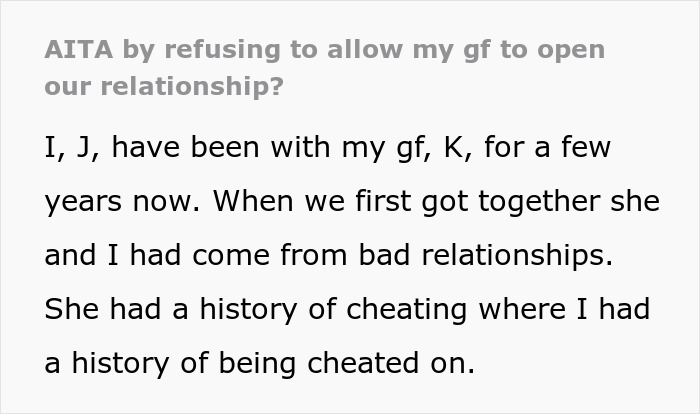
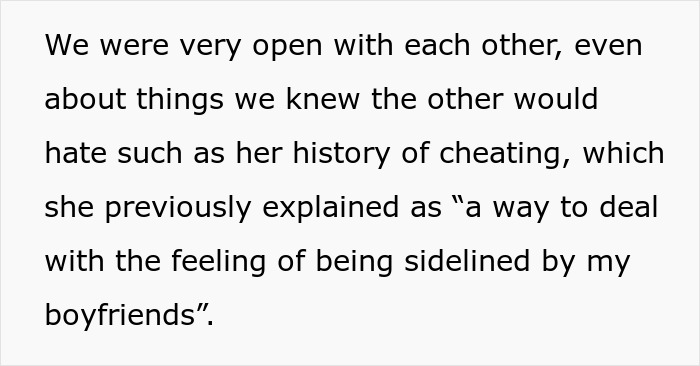
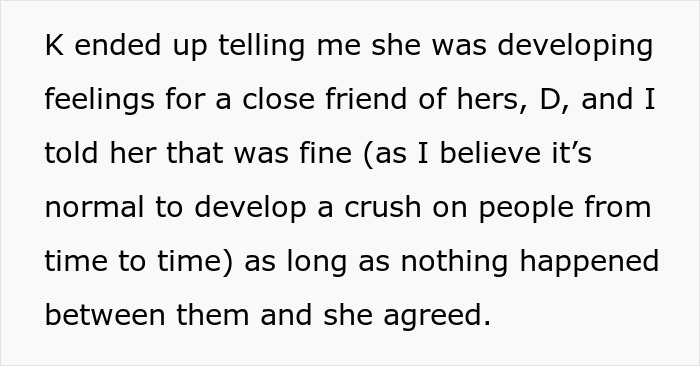
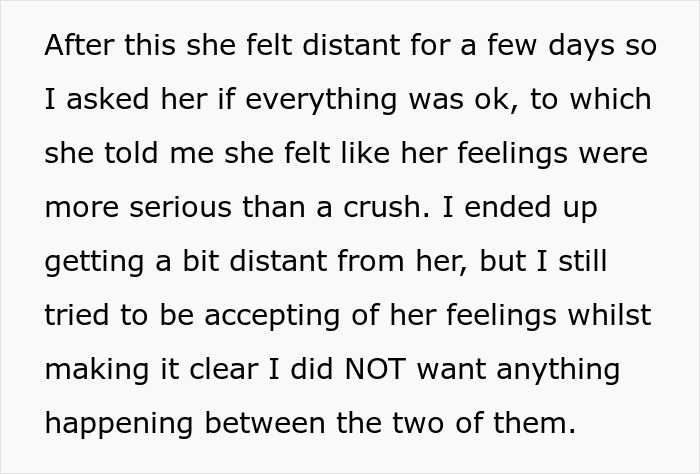
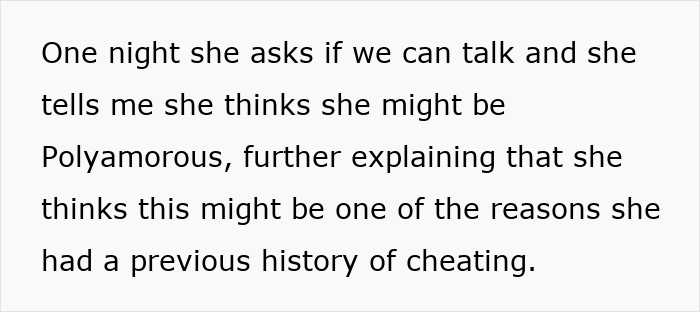
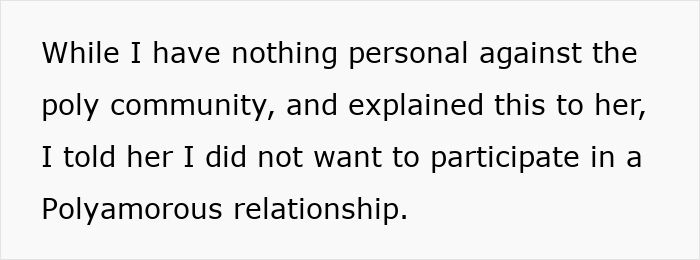

Image credits: Drazen Zigic / Freepik (not the actual photo)
The girlfriend developed feelings for a friend, and later suggested she might be polyamorous, pushing him to consider opening their relationship despite his discomfort

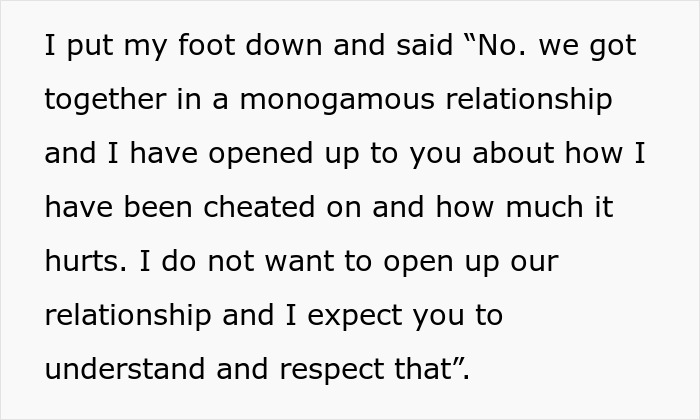
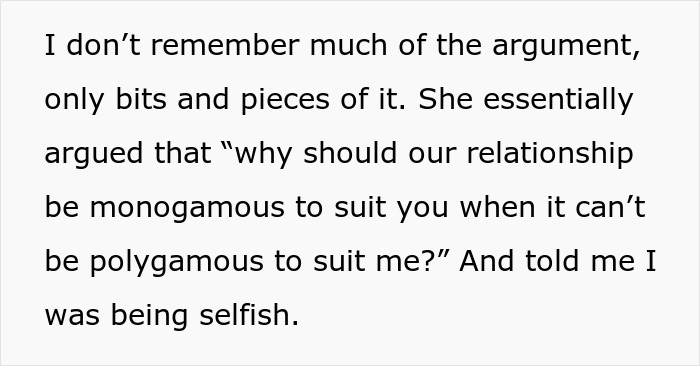

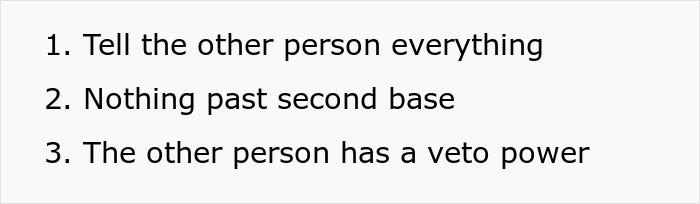
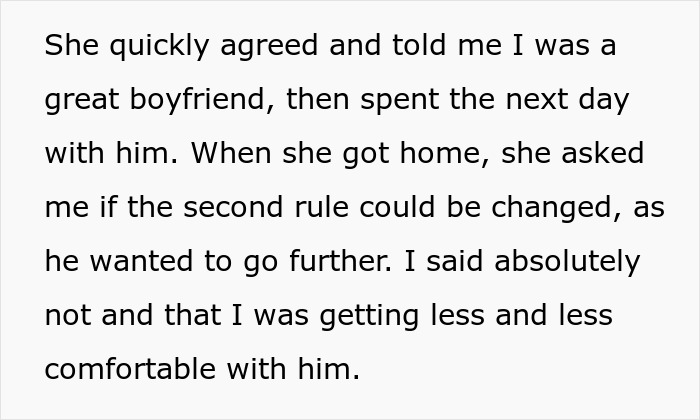

Image credits: TriangleProd / Freepik (not the actual photo)
They briefly attempted an open relationship with strict rules, but the girlfriend quickly tested the boundaries, wanting to go further than he was comfortable with

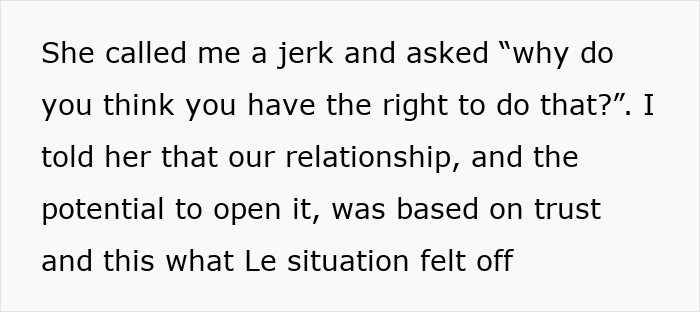
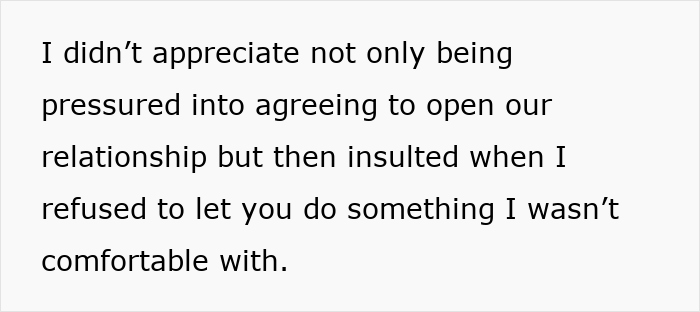
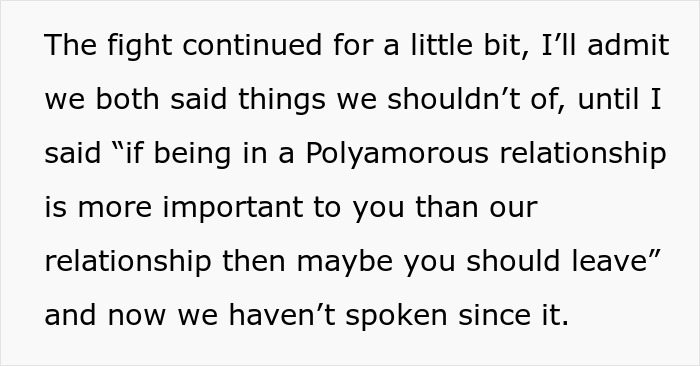
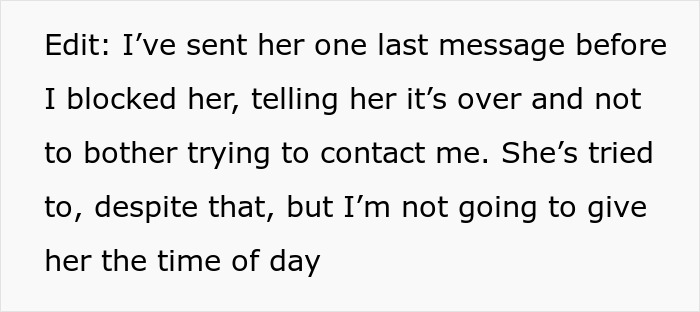
Image credits: Puzzleheaded_Math162
After repeated conflicts over trust and limits, the author exercised his veto to end the open arrangement, ultimately breaking up when it became clear their relationship values were incompatible
The OP shared that he and his girlfriend didn’t exactly enter their relationship with a blank slate. The girlfriend had a history of cheating, and he had a history of being cheated on. To their credit, they chose honesty about their dealbreakers early on. So when the girlfriend admitted to developing feelings for her friend at some point, the OP tried to handle it maturely, acknowledging that crushes can happen.
However, his only boundary was that nothing should actually happen between them. Unfortunately, the girlfriend’s feelings for the friend grew deeper than a passing crush, and the OP, while trying to stay understanding, began pulling back. Eventually, the girlfriend suggested she might be polyamorous, and while he respected the concept in theory, he made it clear he didn’t want that kind of relationship for himself.
His girlfriend pushed back, accusing him of being closed-minded and even suggesting he might enjoy it if he tried. Under pressure, the OP reluctantly agreed to open the relationship, but only with strict rules including full transparency, physical limits, and mutual veto power. However, after the girlfriend spent more time with the friend, she quickly returned asking to push past the agreed limits.
The OP refused, and another argument followed, and this time he used the veto rule to shut the arrangement down entirely. His girlfriend was furious, questioning his right to make that decision despite it being part of the agreement she had accepted. The OP, overwhelmed and hurt, ultimately told the girlfriend that if being in a polyamorous relationship mattered more to her than their relationship, she should leave.

Image credits: ufabizphoto / Freepik (not the actual photo)
In the context of the OP’s story, it’s helpful to look at what research says about polyamory and consensual non‑monogamy. According to Business Insider, polyamory involves intentionally engaging in multiple romantic or intimate relationships, with everyone fully informed and consenting.
PsyPost expands on this by emphasizing that successful consensual non‑monogamy (CNM) works best when all partners participate authentically, without suppressing their core desires or identities. They highlight that this is because it thrives when all participants actively choose and embrace the relationship structure, so no one feels coerced or sidelined.
Clear, upfront agreements that define non-exclusivity distinguish CNM from infidelity. Try Candle points out that a shared commitment to rules, boundaries, and emotional needs, combined with regular, honest dialogue, prevents resentment and strengthens trust. In other words, the success of polyamorous or CNM relationships relies on mutual respect, ongoing communication, and alignment between all partners.
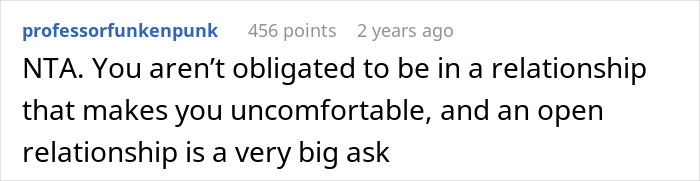
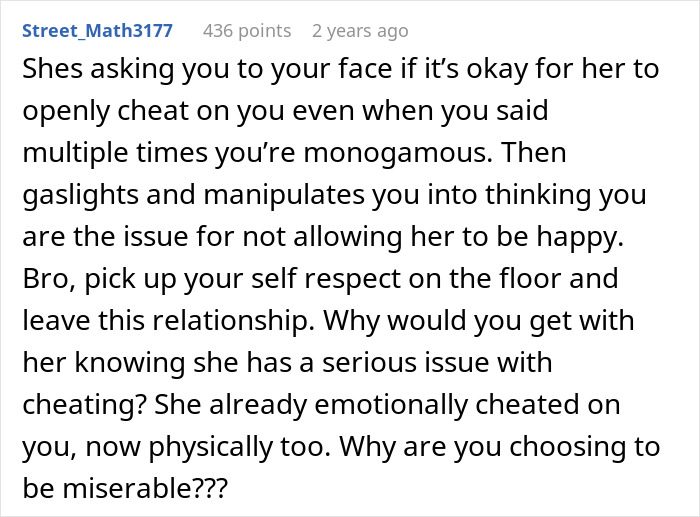
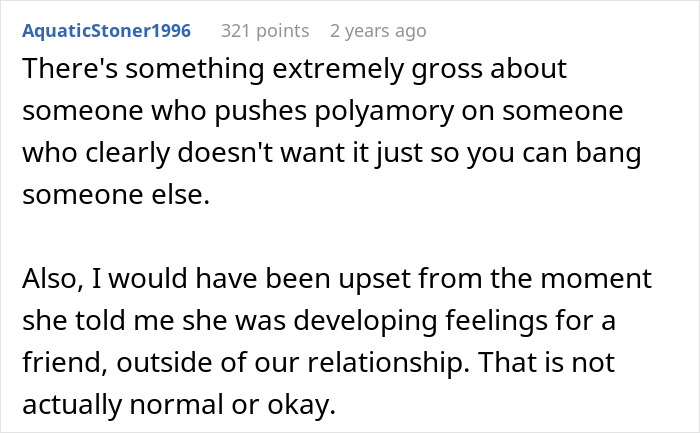
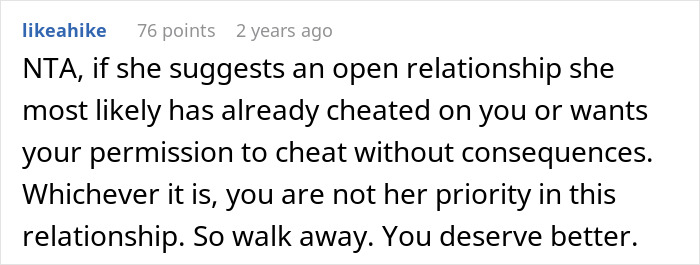
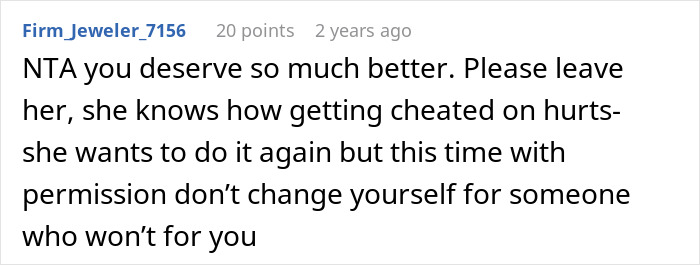
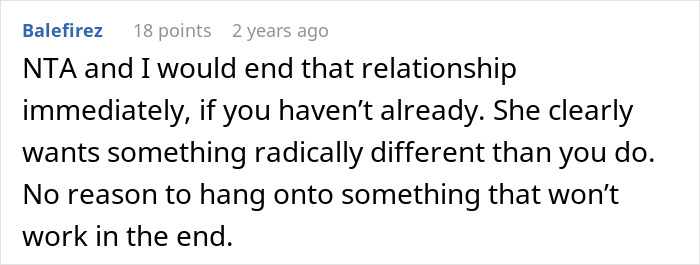
Netizens were firmly on the OP’s side, emphasizing that he wasn’t wrong for setting boundaries and protecting his own comfort. They also insisted that the girlfriend’s behavior was manipulative and selfish rather than a genuine polyamorous identity. Do you think polyamory can truly work if one partner isn’t fully on board, or is it always a dealbreaker? We would love to know your thoughts!
Netizens also insisted that the author should move on and seek a partner whose morals and expectations match his own








 Follow Us