On Monday, March 30, bombshell claims of a “bullet mismatch” in the ongoing Charlie Kirk assassination case, raised by suspect Tyler Robinson’s defense, made headlines, adding a shocking twist to the legal proceedings.
As netizens began questioning the fate of the case, with some even fueling wild conspiracy theories online, multiple experts, from former federal prosecutors to ex-ATF agents, have weighed in to decode what this claim really means for the investigation.
“The entire thing is really strange… There’s just no way,” one social media user reacted.
Multiple experts have weighed in on the “bullet mismatch” claim presented by Tyler Robinson’s defense team in the Charlie Kirk case

Image credits: Gage Skidmore/Flickr
On Friday, March 27, Tyler Robinson’s defense filed a motion requesting a six-month delay in the preliminary hearing, which is currently scheduled for May 18.
In the filing, they alleged that the “bullet recovered” from Kirk’s body does not match the rifle believed to have been used in the assassination.
Kirk was reportedly fatally struck in the neck in September last year while attending a college debate at Utah Valley University. He later succumbed to his injuries at a local hospital in Orem.

Image credits: Pool/Getty Images
The defense team cited a report from the Bureau of Al**hol, Tobacco, Firearms and Explosives (ATF), which they claim was “unable to identify” the fatal bullet as having been fired from the vintage Mauser .30-06 rifle reportedly recovered by investigators.
Additionally, the filing alleged the presence of multiple unidentified DNA profiles on the rifle and its wrappings, potentially contradicting the prosecution’s earlier claim that DNA consistent with Robinson’s had been found on the weapon.
The filing stated, “Regarding the firearm evidence, the defense has been provided with an ATF summary report which indicates that the ATF was unable to identify the bullet recovered at autopsy to the rifle allegedly tied to Mr. Robinson.”
Image credits: Gage Skidmore/Flickr

Amid these claims, several experts noted that a lack of a “conclusive match” between the fatal bullet and the suspect’s rifle is a common forensic outcome and does not necessarily weaken the prosecution’s case.
Former federal prosecutor Neama Rahmani told People, “It’s not like he’s necessarily going to walk away from this just because there’s an inconclusive ballistics report. But it’s certainly a good step in the right direction for the defense.”
“It happens all the time. It doesn’t necessarily mean the person is innocent, it doesn’t exclude that firearm.”
From former federal prosecutors to ex-ATF agents, experts have weighed in on the impact of the new claims
Image credits: ABC News


As for the defense’s request to delay the preliminary hearing, Rahmani said there is a possibility it could be “ultimately delayed.”
Meanwhile, former ATF special agent in charge and Arizona State University faculty associate Bernard Zapor told Fox News, “It’s not uncommon for a round that went through a human body, especially if it traveled through tissue, to say conclusively that it’s tied to a specific firearm, because by nature the projectile is supposed to transfer all of its kinetic energy, and it often disintegrates into fragments and whatnot.”
“We have DNA on the g*n that don’t match sh**ter? Makes no sense and they [are] trying to cover up,” one netizen wrote
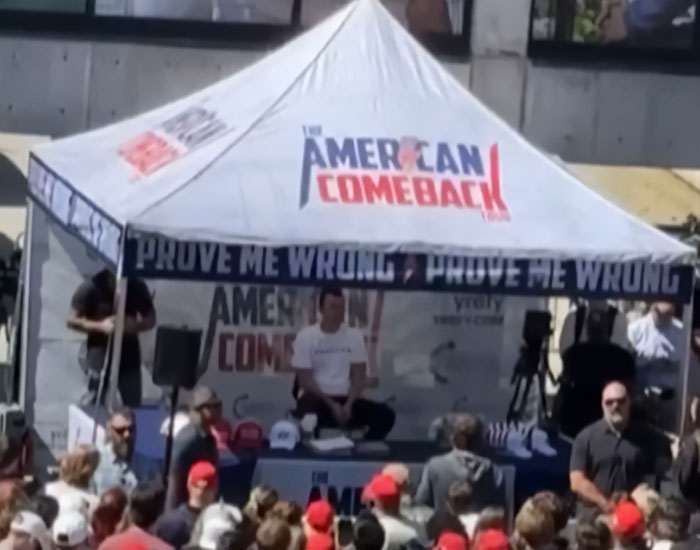
Image credits: CBS News
Zapor added, “The fact that it went through several bone structures, there was going to be very little left.”
Meanwhile, retired FBI supervisory agent Jason Pack explained, “Unable to identify is not the same as ruled out. That’s a finding of inconclusiveness, not exoneration.”
According to Fox News, two sources with direct knowledge also claimed the mismatch could be due to the bullet striking bone and fragmenting on impact.
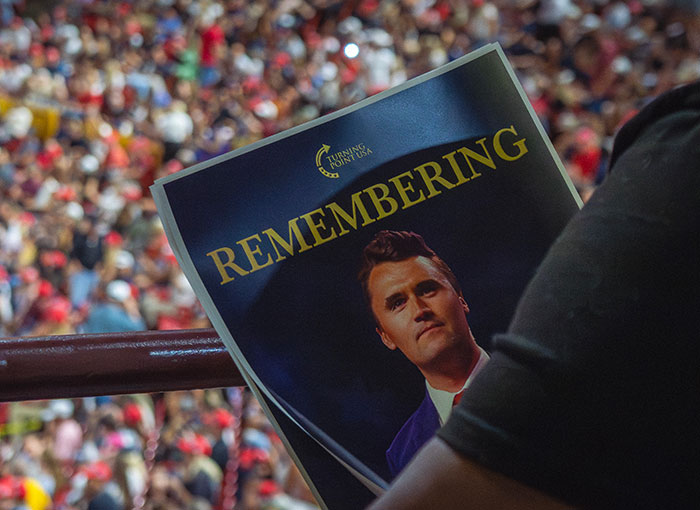
Image credits: SBS Photo AZ/Flickr

Moreover, the spent shell casing recovered at the scene reportedly matched the suspected firearm.
In light of this, Jason noted, “That’s a pretty significant piece of evidence for the prosecution. And pretty da*ning for the defense.”
These expert insights appear to have further divided public opinion online. While some questioned the defense’s claims, others alleged a suspicious “cover-up” in Charlie’s case.
Authorities alleged that the suspected weapon belonged to Robinson’s grandfather and had been given to him as a family gift
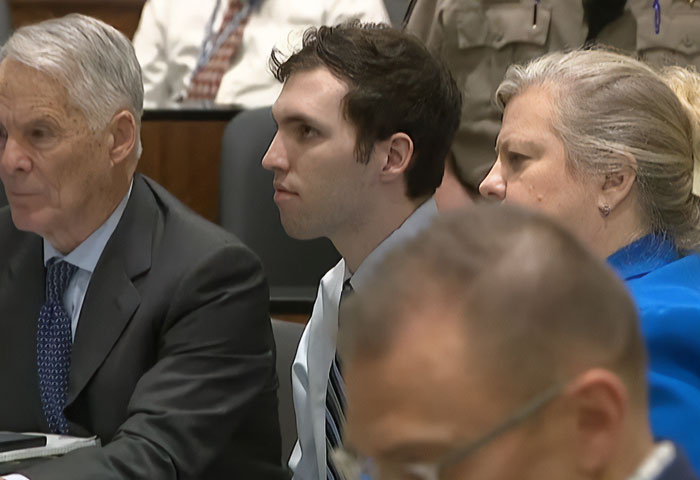
Image credits: Newsnation

One critic wrote, “They paved over the crime scene the next day. They are all accusing this kid without due diligence… why are they trying so hard to pin this kid and not finding the real ki**er?”
Another user questioned, “What bullets? The high cal ones that somehow got stopped by Charlie’s titanium neck?”
“Put all evidence aside, and the major hurdles will be explaining how he disassembled the g*n in 6 seconds. No conspiracy theories are needed. This is impossible. Something is wrong,” remarked a third.
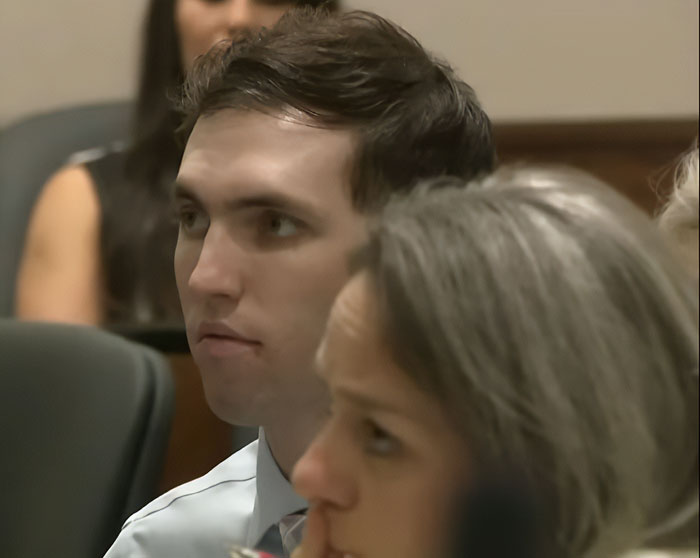
Image credits: ABC 7 Chicago
Others, however, pushed back, arguing, “The bullet recovered was .308 in diameter and had the same type and number of grooves as the rifle recovered. The recovered bullet did not have enough material left of it to give a 100% match. Inconclusive doesn’t mean that the bullet wasn’t fired from the rifle…”
Another comment read, “No! He told people what he was doing, he told them after he did it as well. He admitted he had done it! He is guilty! End of story!!!!!!!! I am so sick and tired of the disgusting practice of making a mockery of the law like this!!!!!”
The defense also claimed in its filing that it had received over 20,000 electronic files, including audio recordings, videos, and written documents, as well as an additional 600,000 data items from prosecutors.
The presiding judge, Tony Graf Jr., has not yet ruled on whether to grant the defense’s request for a six-month extension to review the extensive material.
It has been reported that the rifle recovered at the scene belonged to Tyler’s grandfather and had been given to him by his family.
Despite multiple pieces of evidence presented by the prosecution, Robinson has not yet entered an official plea in court.
“Sometimes bullets break into pieces after impact and cannot be matched to ballistics…” wrote one social media user










 Follow Us