While many of the forms of things in the past, doors, or houses, for example, remain recognizable, the fact is that the particulars are what really set them apart. So it can be interesting to take a step back and wander through some images of what things looked like before.
So we’ve gathered the best posts from the “Fascinating History” X page for your viewing enjoyment. Get comfortable as you scroll through, upvote the most interesting ones and if you also feel like the name Twitter now feels like ancient history, share your thoughts in the comments below.
More info: X
#1
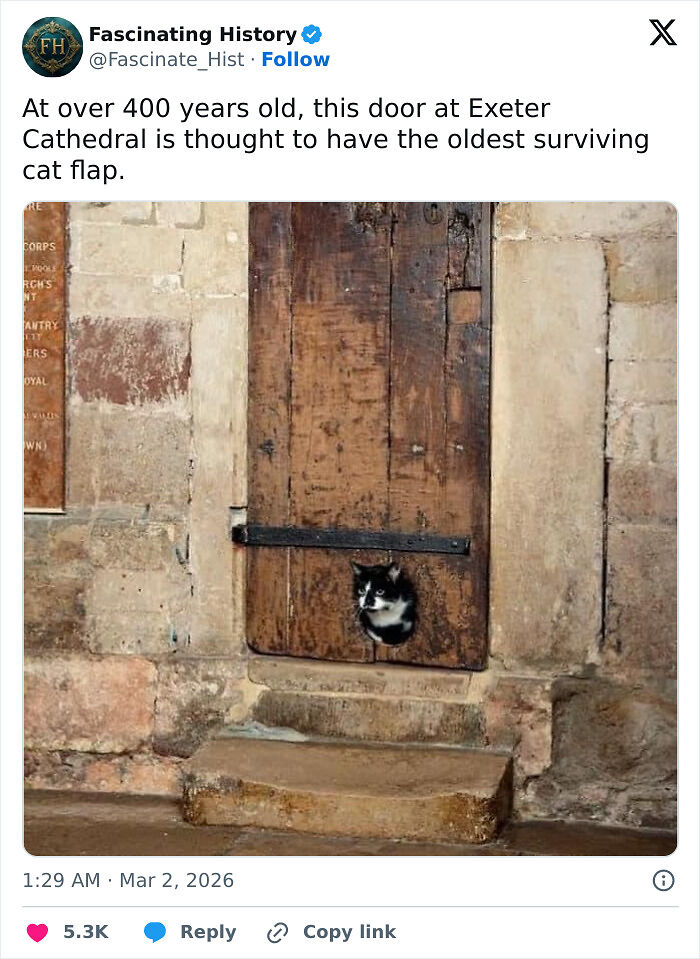
Image source: Fascinate_Hist

#2
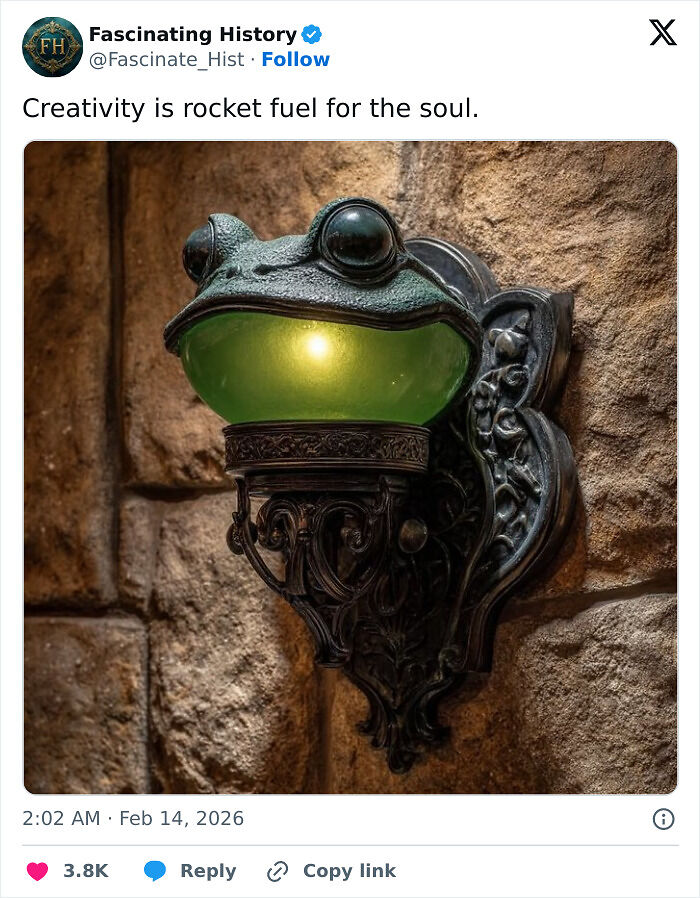
Image source: Fascinate_Hist
#3
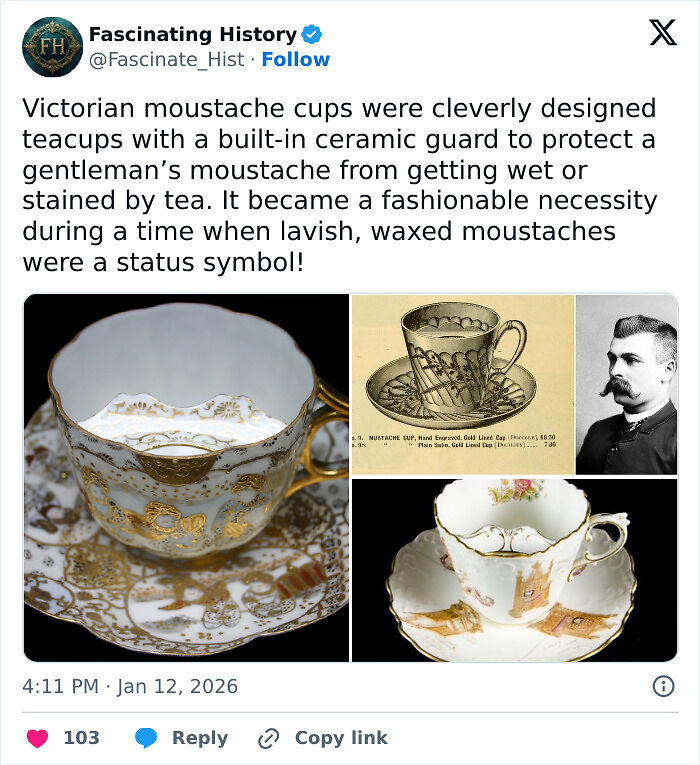
Image source: Fascinate_Hist
There is a specific, quiet thrill that comes from stumbling upon a heavy, cast-iron typewriter or a bulky, mint-green toaster from an era when appliances looked like they belonged on the set of a space-age sitcom. We often find ourselves pausing to stare at these relics of the mundane, not because they are inherently beautiful in a classical sense, but because they act as physical anchors to a world that no longer exists.
This fascination is partly driven by what psychologists call the “reminiscence bump,” though when it applies to objects from before our birth, it shifts into a phenomenon known as anemoia, a sense of nostalgia for a time we never actually lived through.
#4
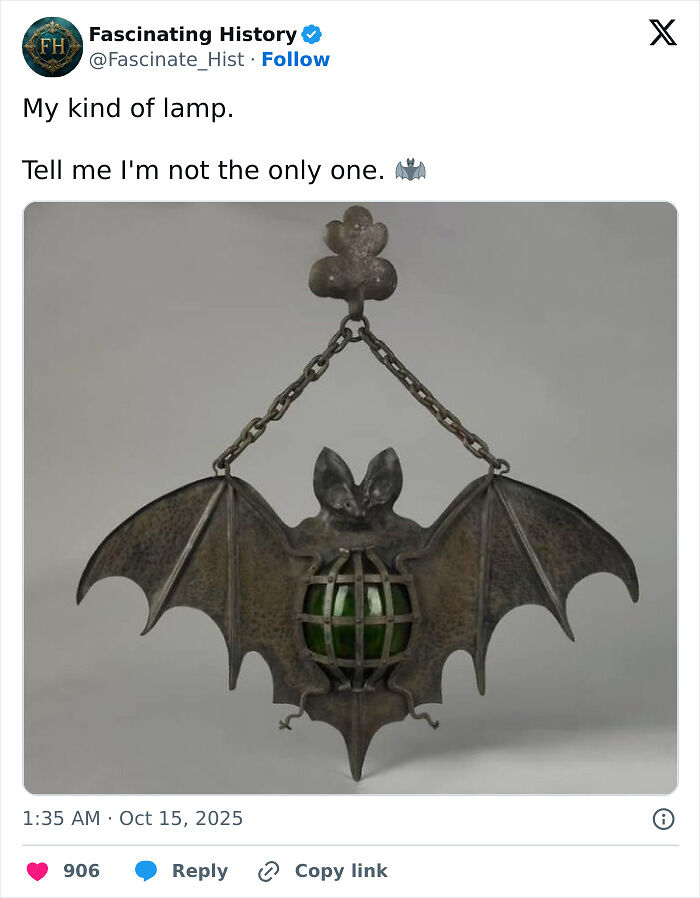
Image source: Fascinate_Hist
#5
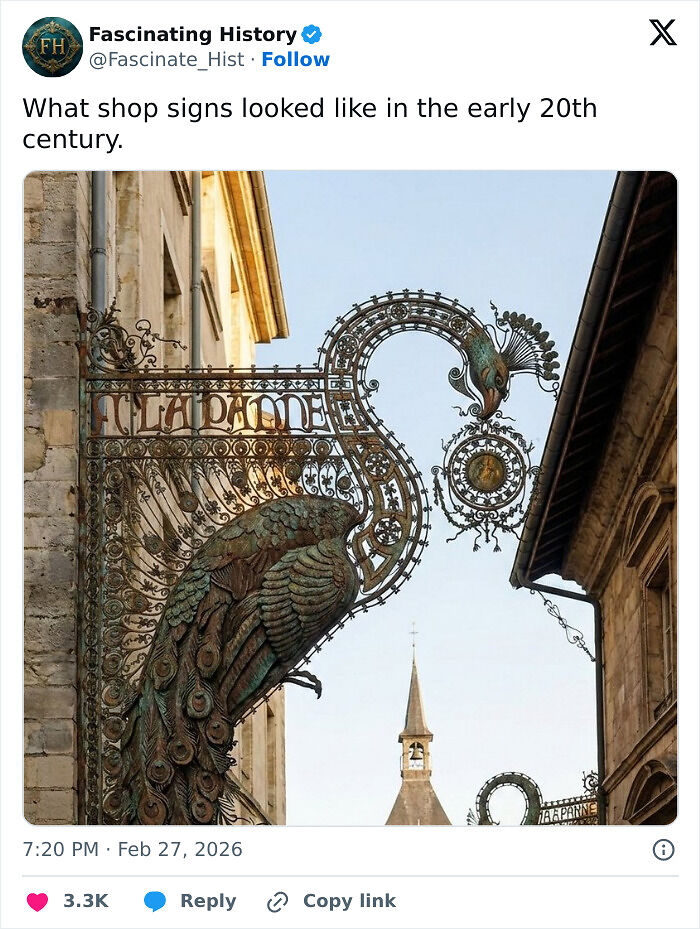
Image source: Fascinate_Hist
#6
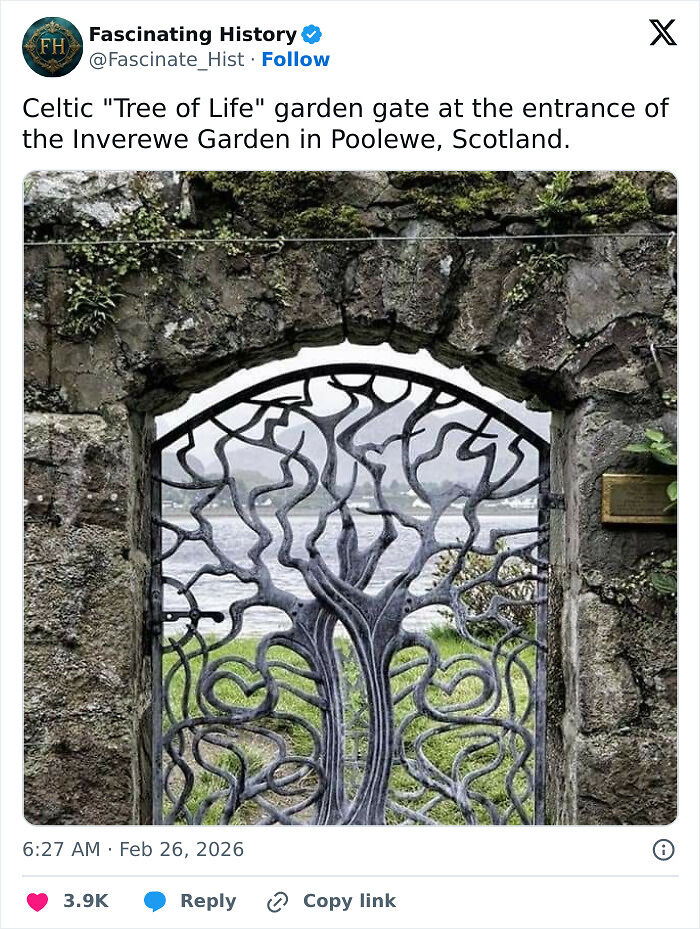
Image source: Fascinate_Hist
According to research highlighted by The New York Times, nostalgia is far more than just a sentimental daydream, it serves as a powerful psychological tool that helps us maintain a sense of continuity in an ever-changing world. This pull toward the physical is often a reaction to “digital fatigue.”
#7
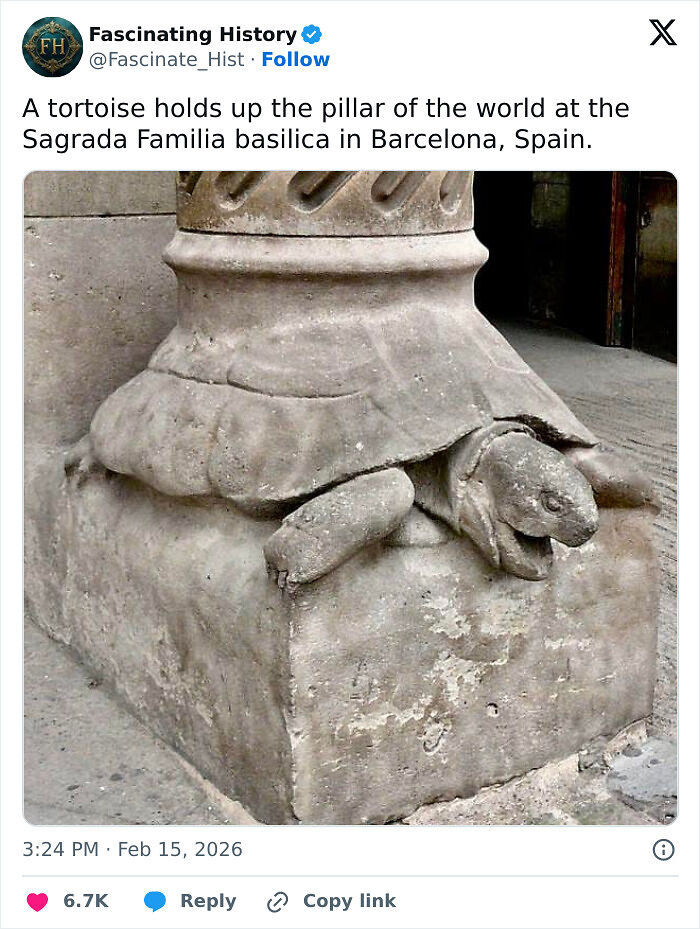
Image source: Fascinate_Hist
#8
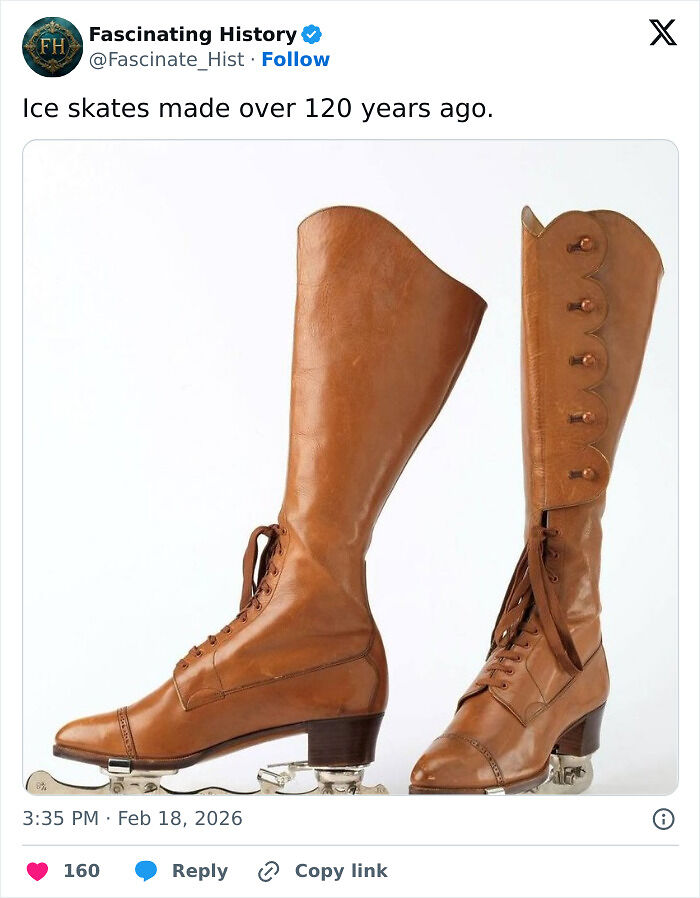
Image source: Fascinate_Hist
#9
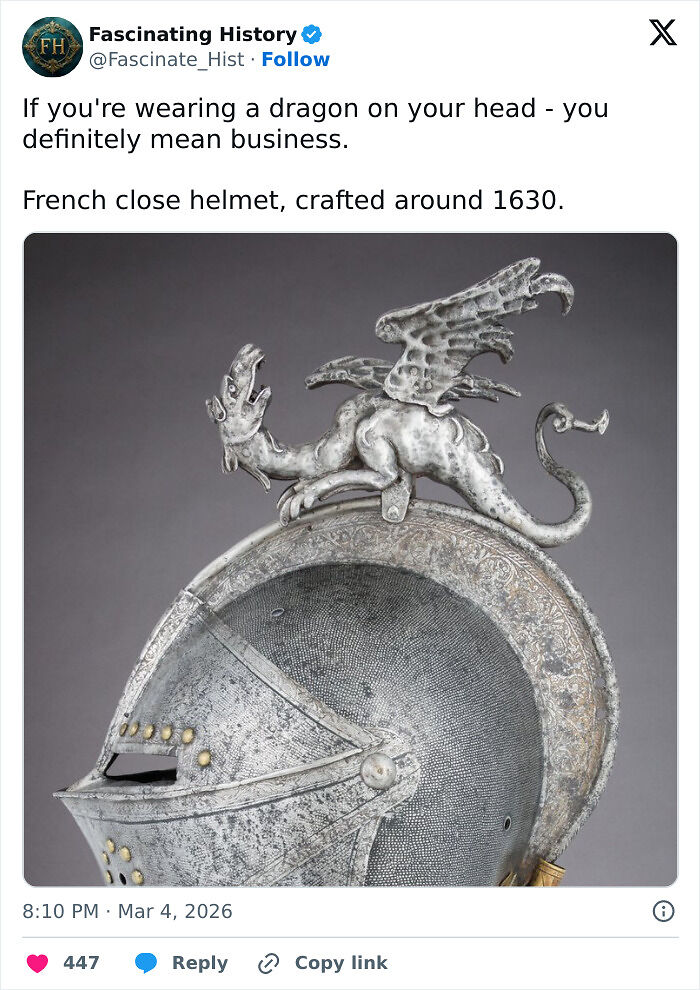
Image source: Fascinate_Hist
As Scientific American has noted in discussions regarding the brain’s preference for physical media, we often crave the spatial and tactile cues that tangible objects provide. An old object demands a different kind of attention, it has a texture, a smell, and a specific sound that forces us to slow down. We find beauty in the “patina”, the scratches on a wooden desk or the worn-down edges of a silver spoon, because those marks represent a life lived.
#10
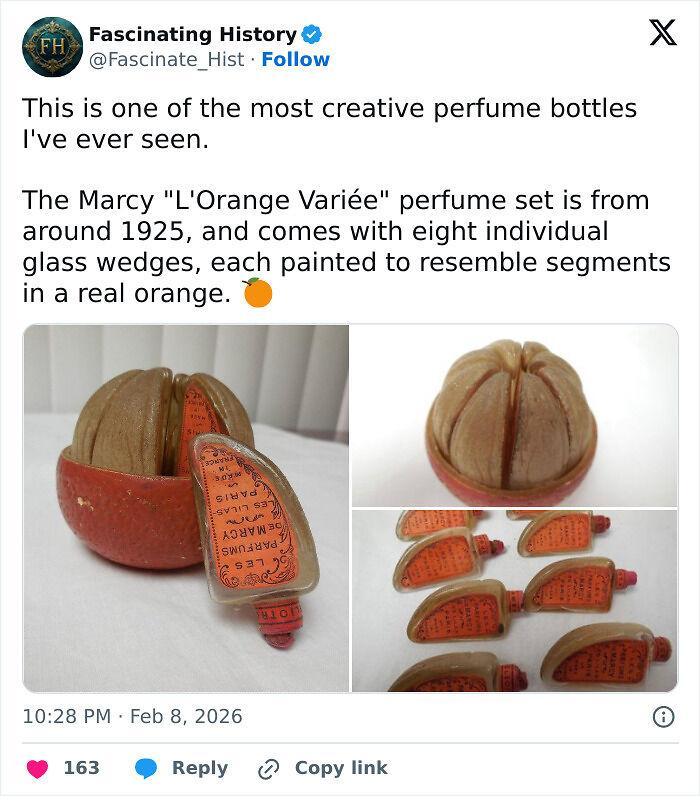
Image source: Fascinate_Hist
#11
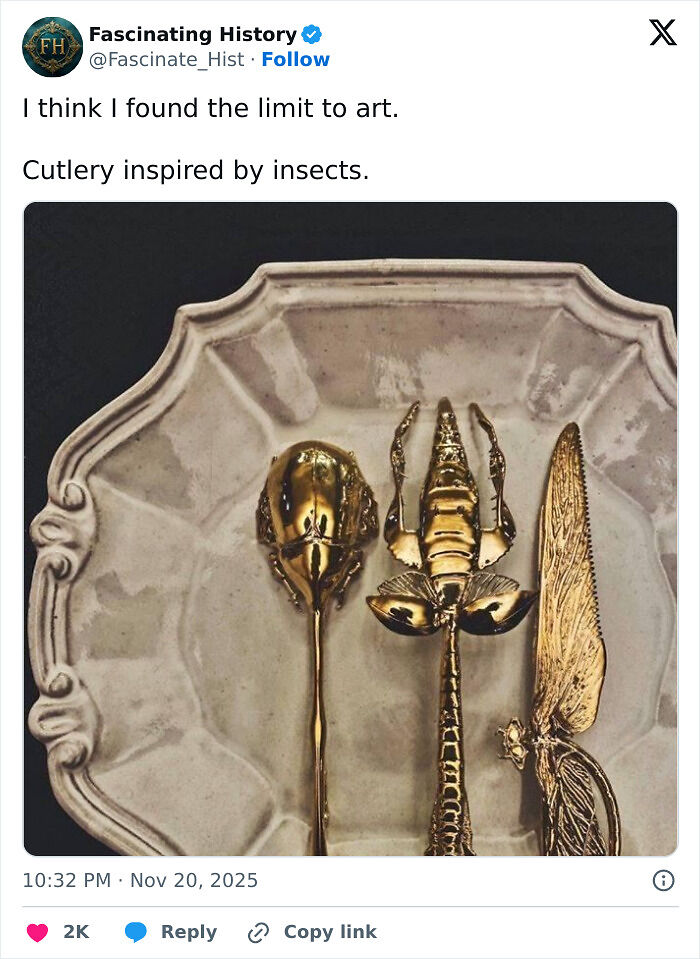
Image source: Fascinate_Hist
#12
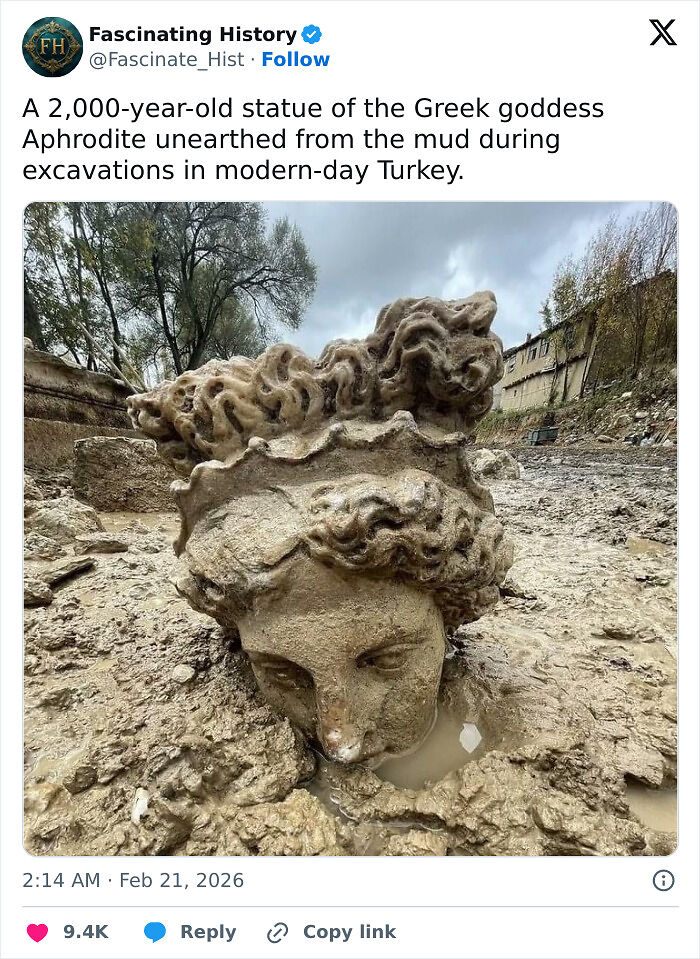
Image source: Fascinate_Hist
These imperfections are a visual record of human interaction, making the object feel more like a companion and less like a disposable commodity. Furthermore, we are naturally drawn to the mystery of the “unsolved story” embedded in everyday items. Every dent in a vintage lunchbox or faded inscription in a second-hand book is a narrative hook that invites us to play detective.
#13
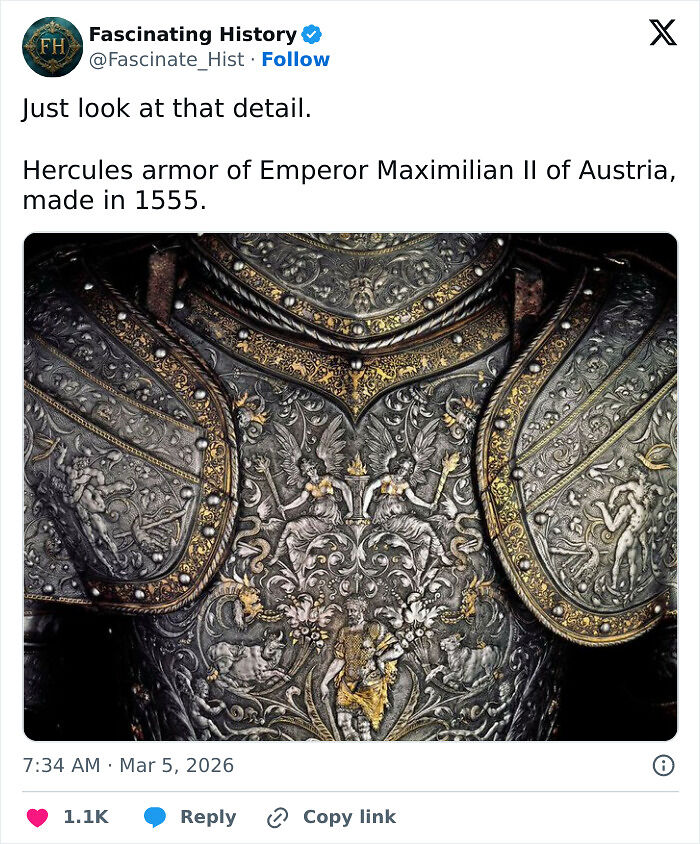
Image source: Fascinate_Hist
#14
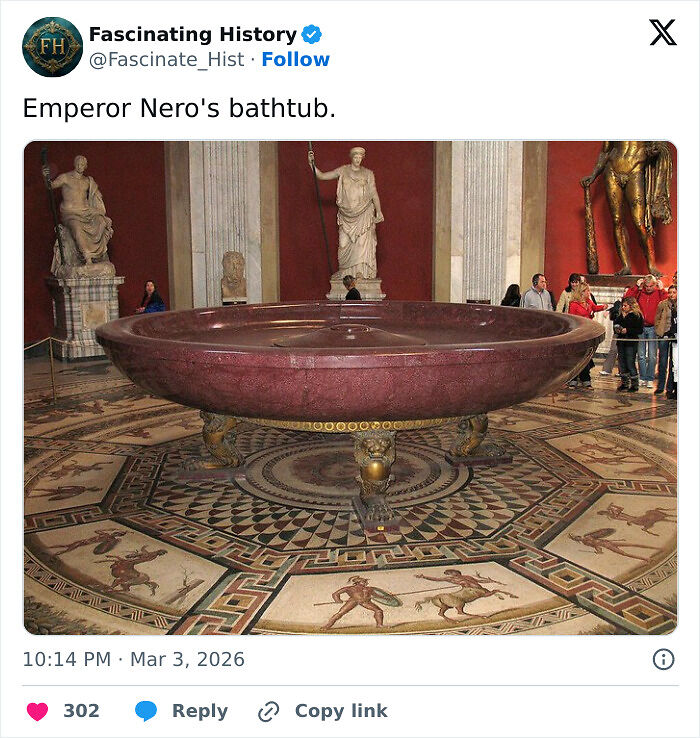
Image source: Fascinate_Hist
#15
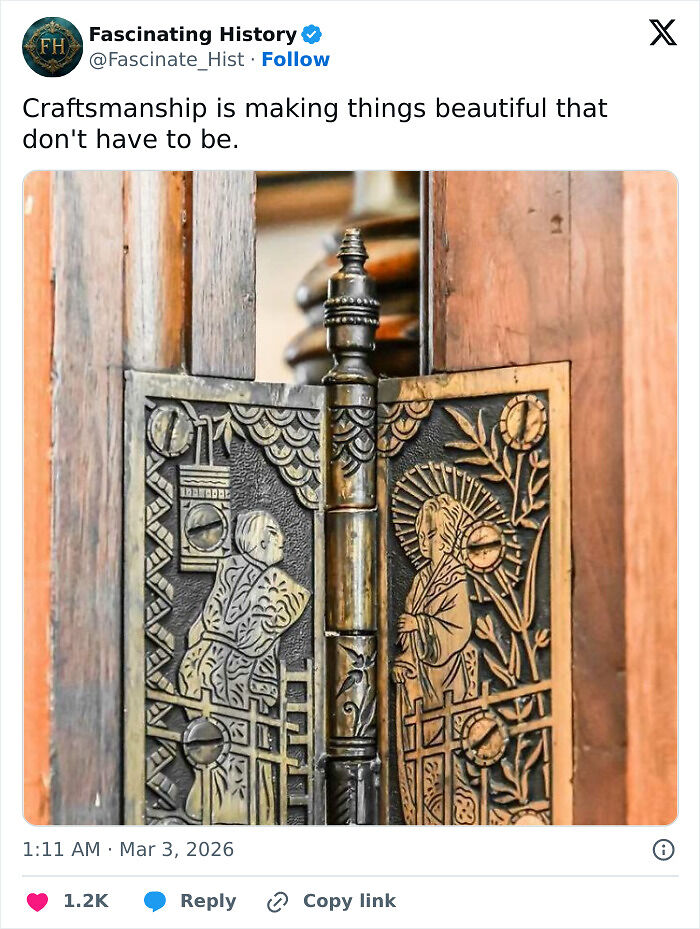
Image source: Fascinate_Hist
Humans are evolutionary wired for storytelling, and mundane old objects are essentially “story-prompts” that allow our imaginations to run wild. We find ourselves wondering who held this object last, what their morning routine looked like, and how this specific item managed to survive the relentless march of time.
#16
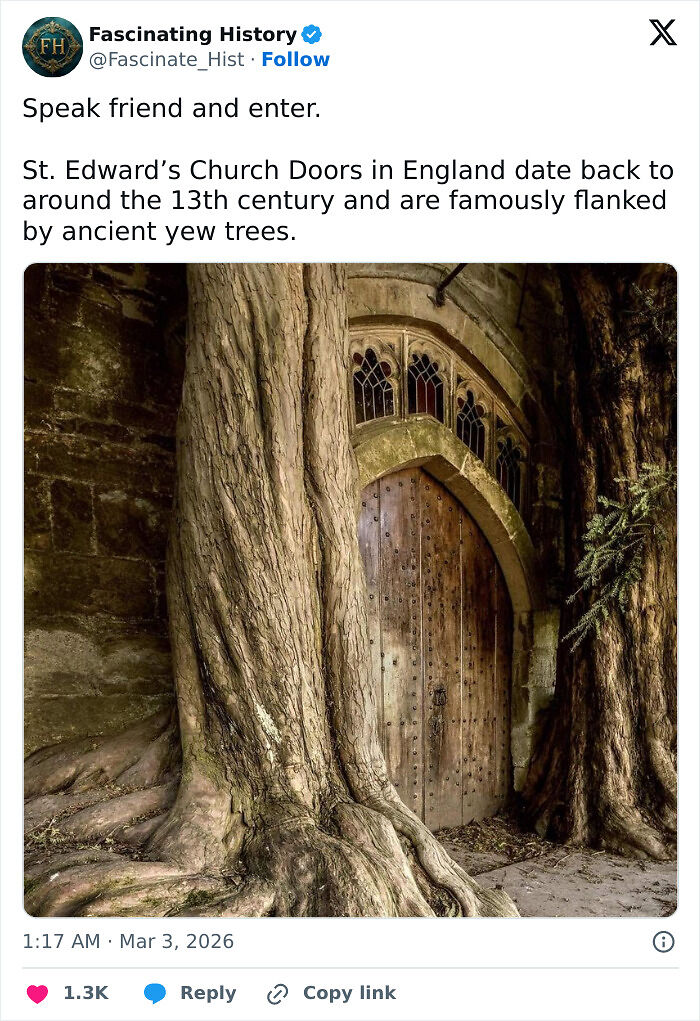
Image source: Fascinate_Hist
#17
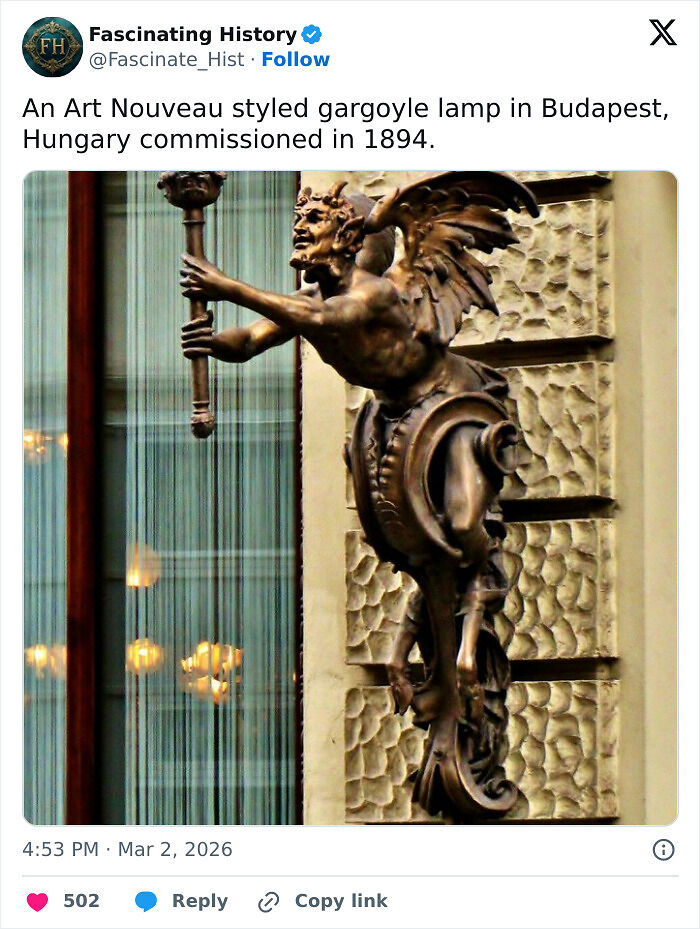
Image source: Fascinate_Hist
#18
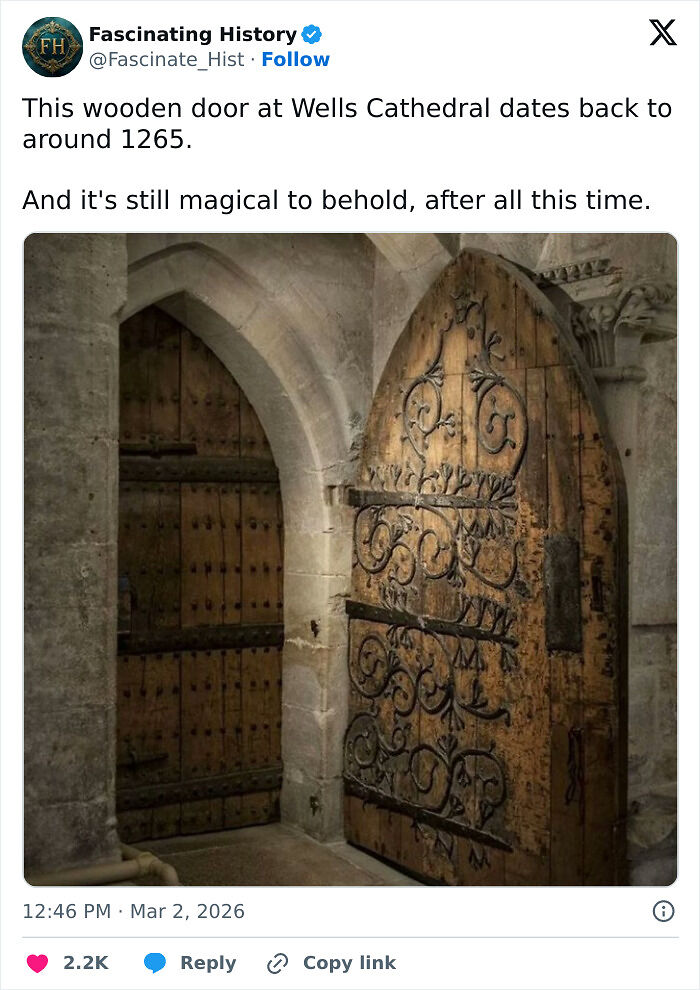
Image source: Fascinate_Hist
This sense of survival is a major part of the appeal. In a world characterized by planned obsolescence, where a smartphone is considered ancient after three years, seeing a 70-year-old fan that still hums to life feels like a small miracle of engineering. The shift from “built to last” to “built to be replaced” has changed our relationship with our belongings.
#19
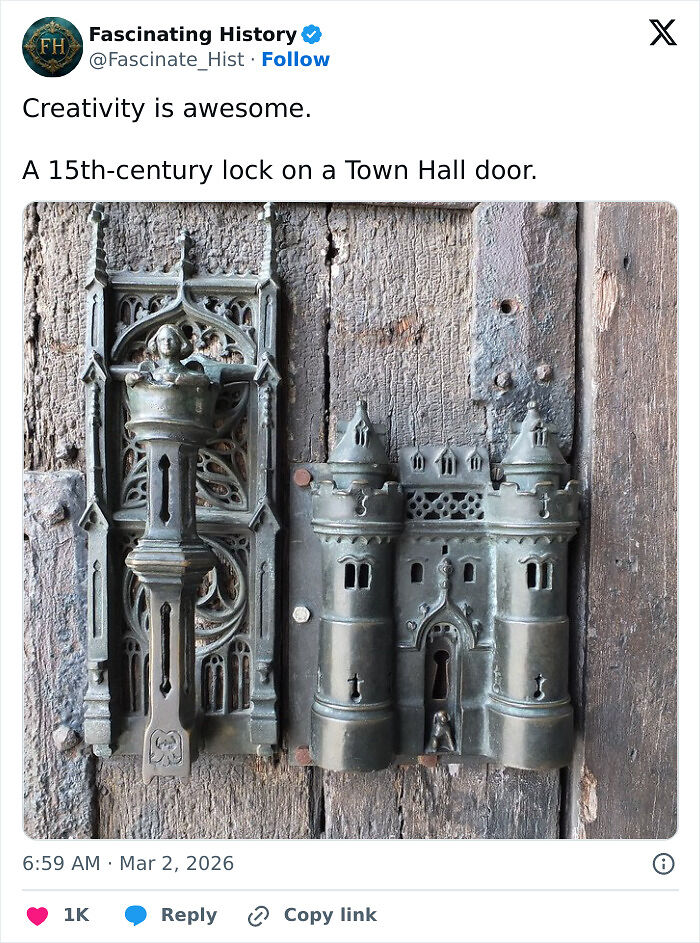
Image source: Fascinate_Hist
#20
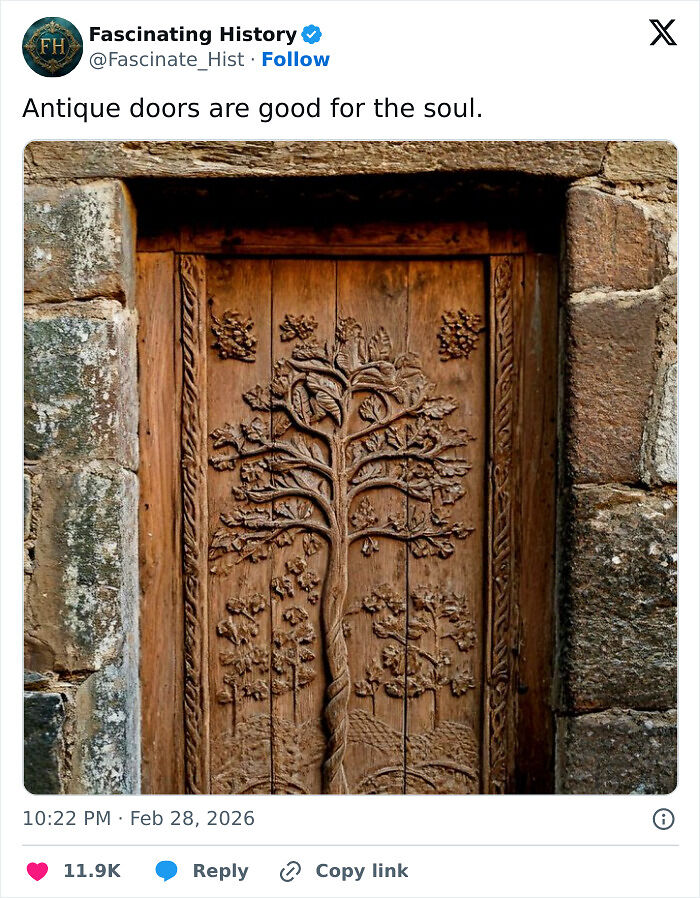
Image source: Fascinate_Hist
#21
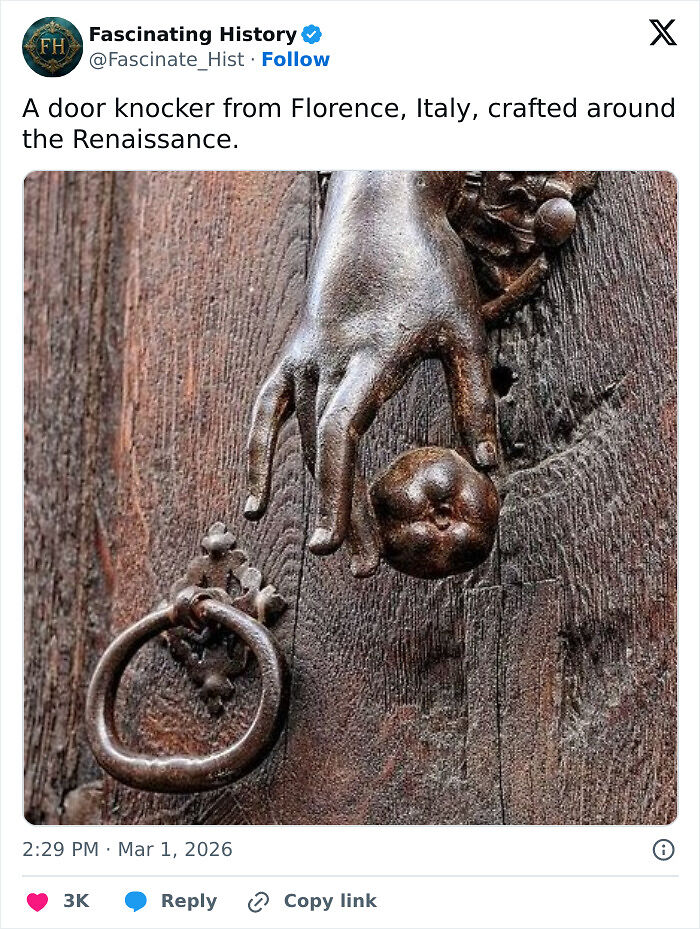
Image source: Fascinate_Hist
Consequently, we view surviving vintage items with a level of respect usually reserved for elders, they are the “tough” survivors of a different manufacturing philosophy. Looking at old versions of common things allows us to see the “rough drafts” of our modern lives, which provides a fascinating perspective on human progress.
#22
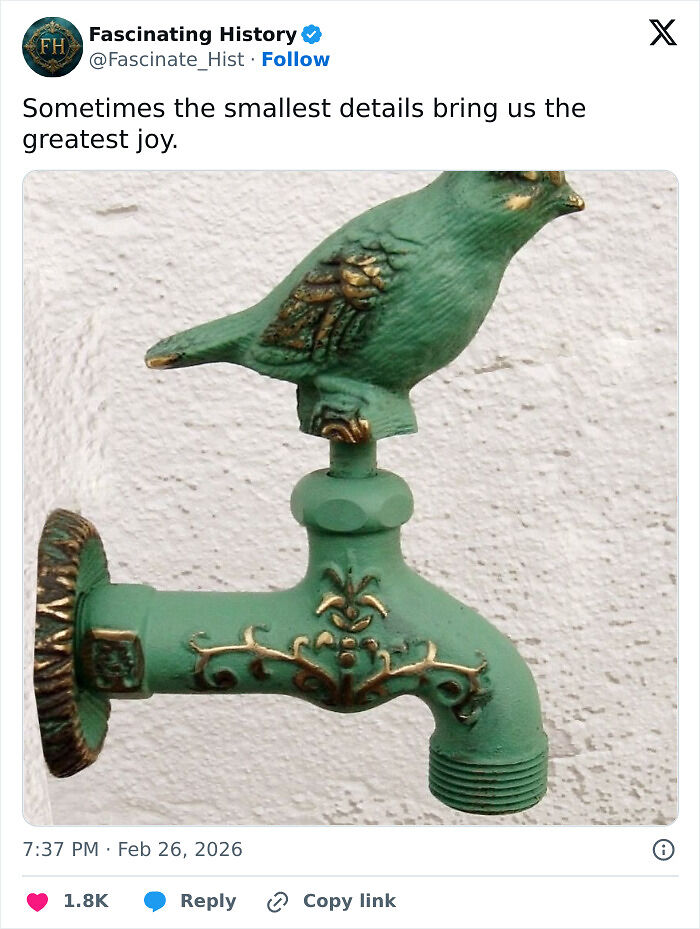
Image source: Fascinate_Hist
#23
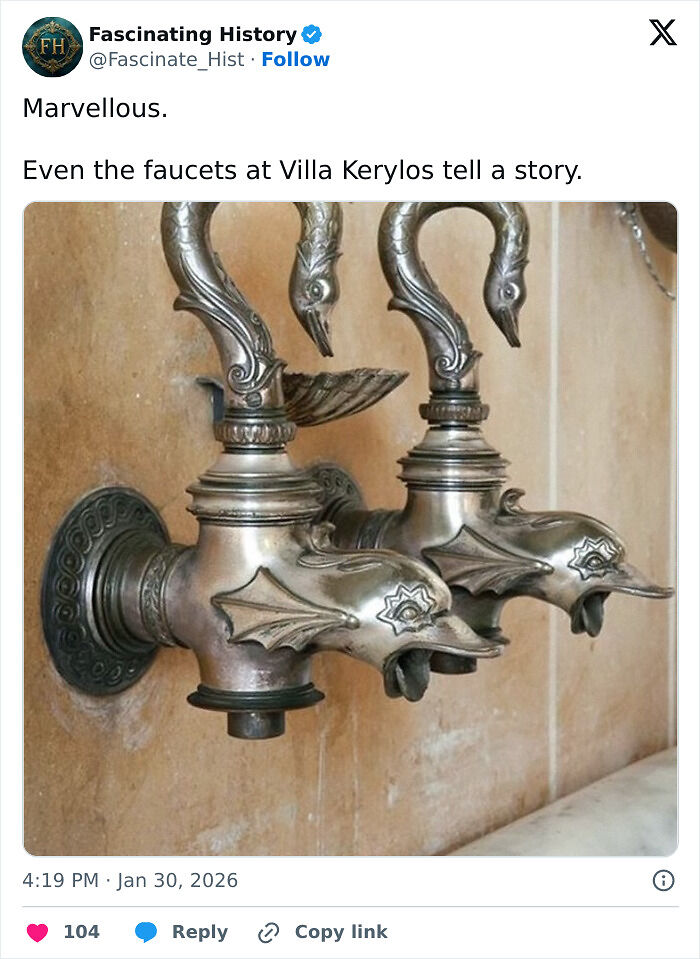
Image source: Fascinate_Hist
#24
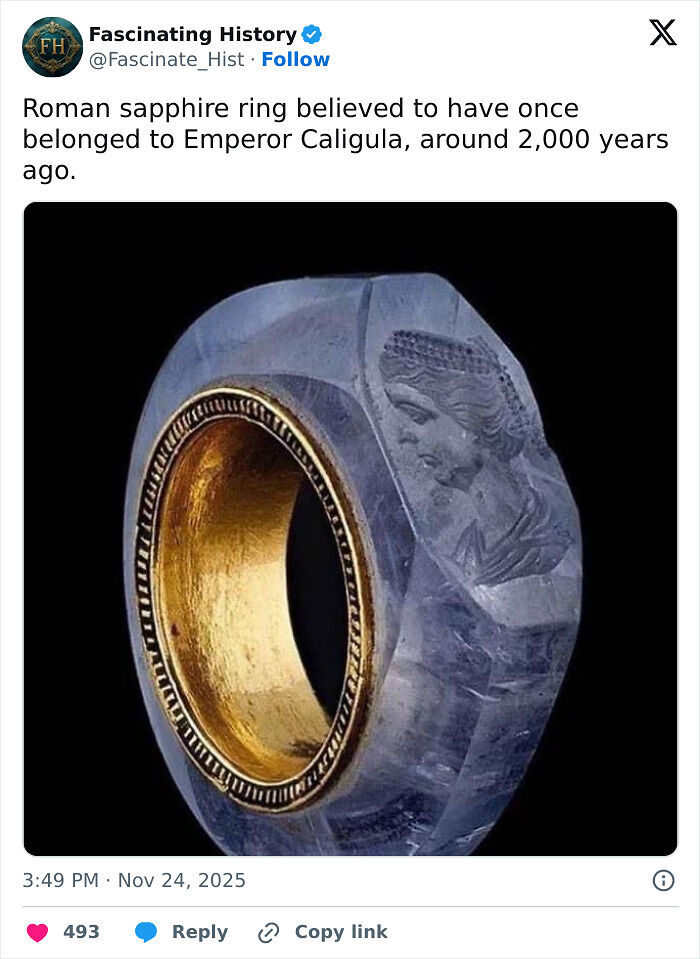
Image source: Fascinate_Hist
Seeing a primitive version of a hair dryer that looks like a vacuum cleaner or a massive, room-sized computer component reminds us of the iterative nature of genius. It strips away the polished magic of contemporary tech and reveals the mechanical bones of how things actually work.
#25
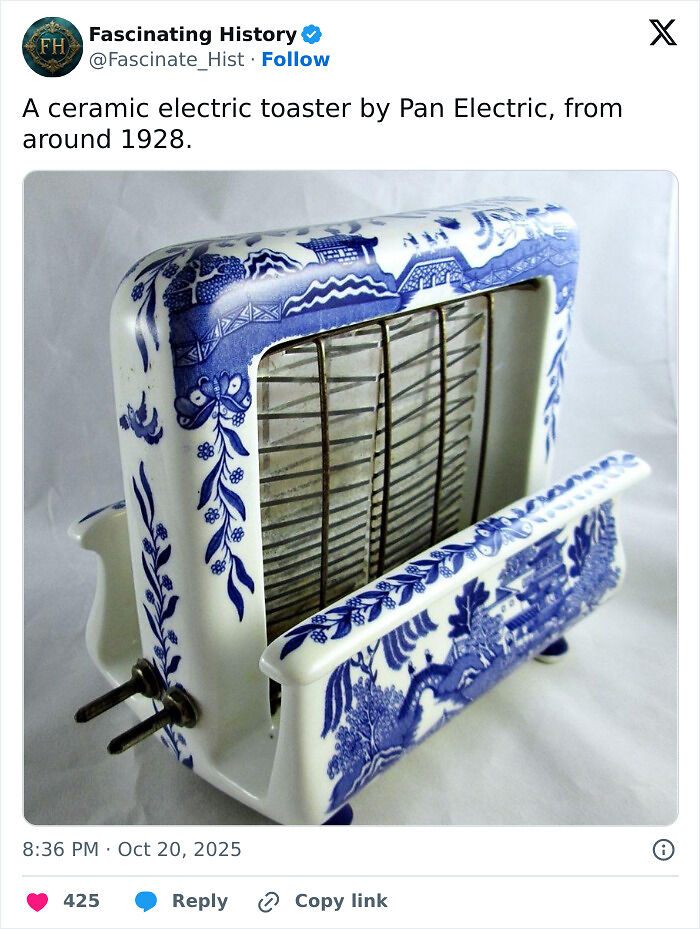
Image source: Fascinate_Hist
#26
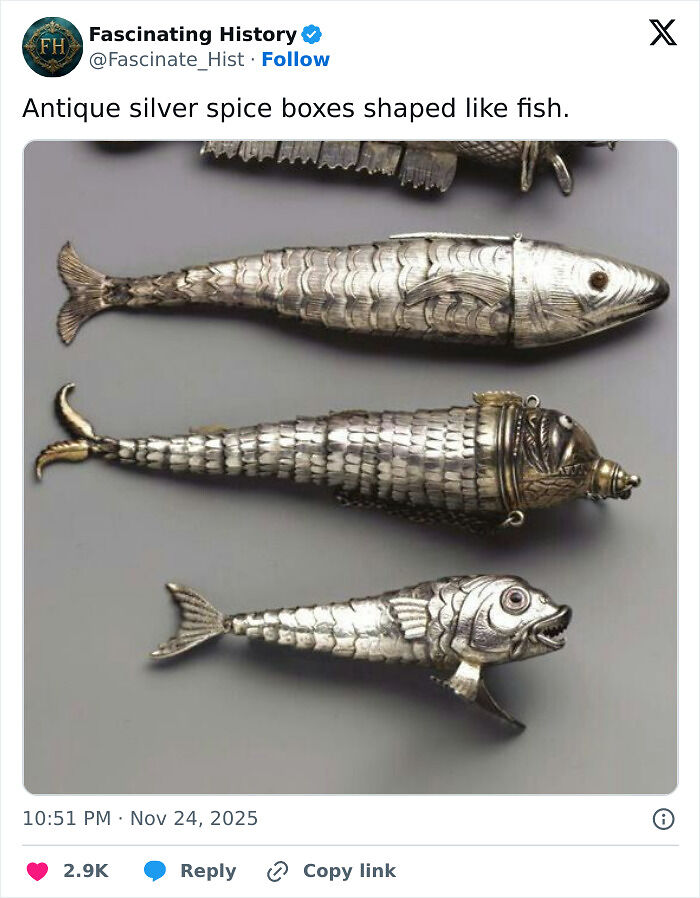
Image source: Fascinate_Hist
#27
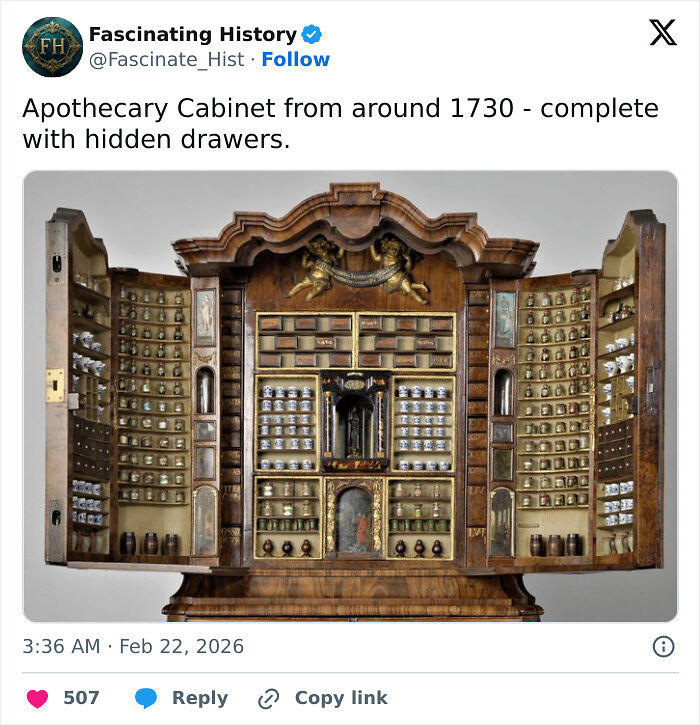
Image source: Fascinate_Hist
This transparency is deeply satisfying because it makes the world feel more understandable and less like it’s run by invisible algorithms. We aren’t just looking at old stuff, we are looking at the evolution of human thought and problem-solving. It is a reminder that we are part of a long, messy, and incredibly creative lineage. By appreciating these mundane artifacts, we celebrate the small, everyday ways that people have tried to make life a little easier, one clunky, heavy, beautifully outdated invention at a time.
#28
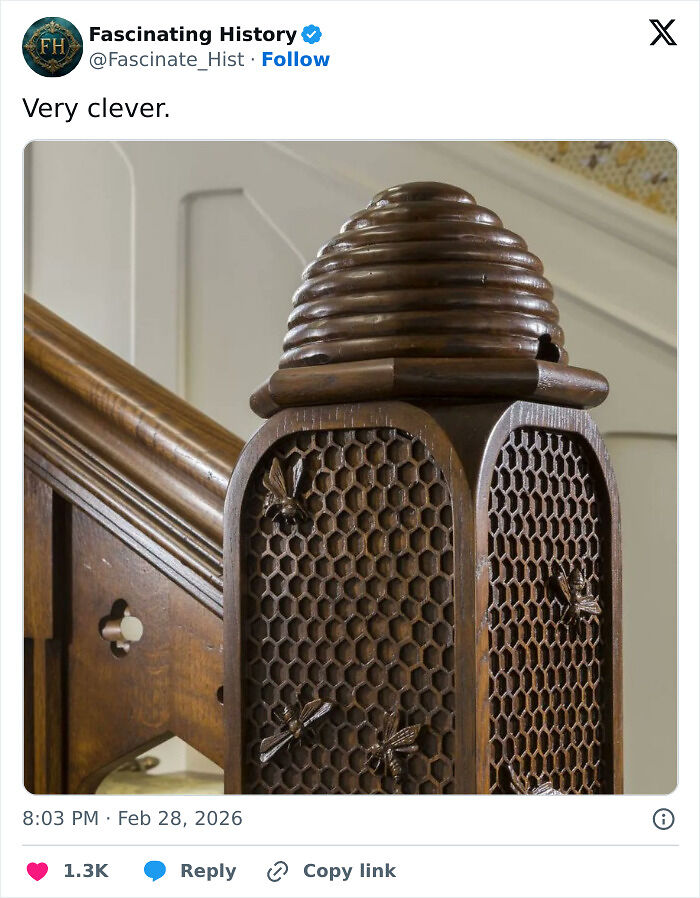
Image source: Fascinate_Hist
#29
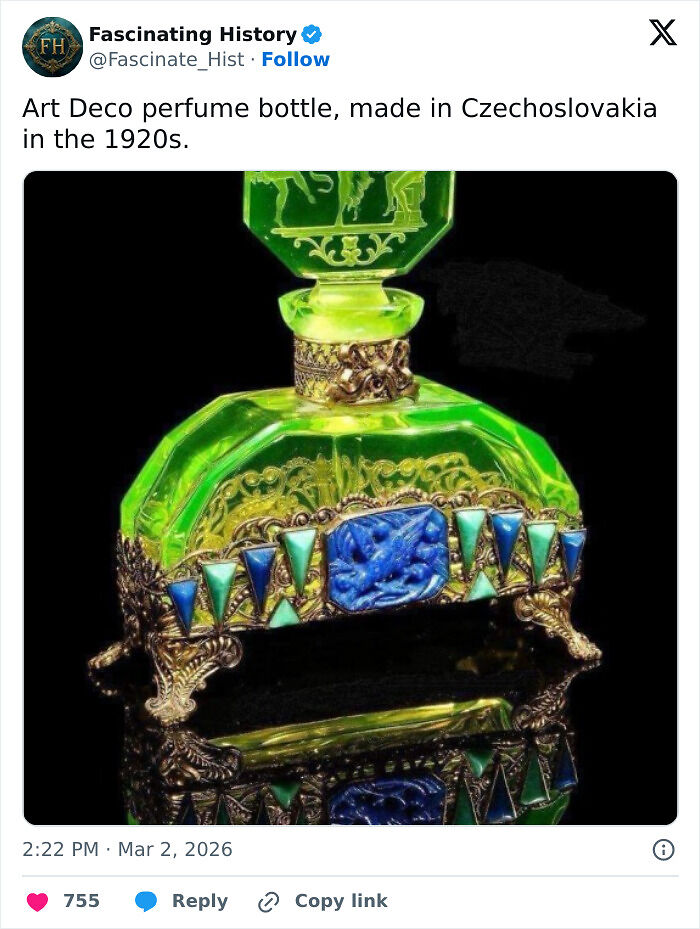
Image source: Fascinate_Hist
#30
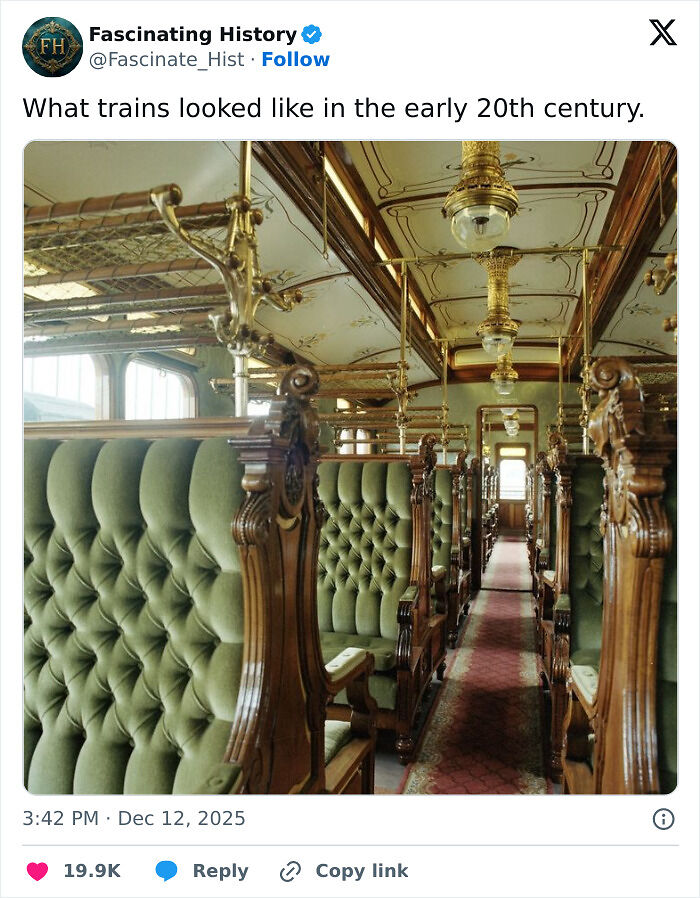
Image source: Fascinate_Hist
#31
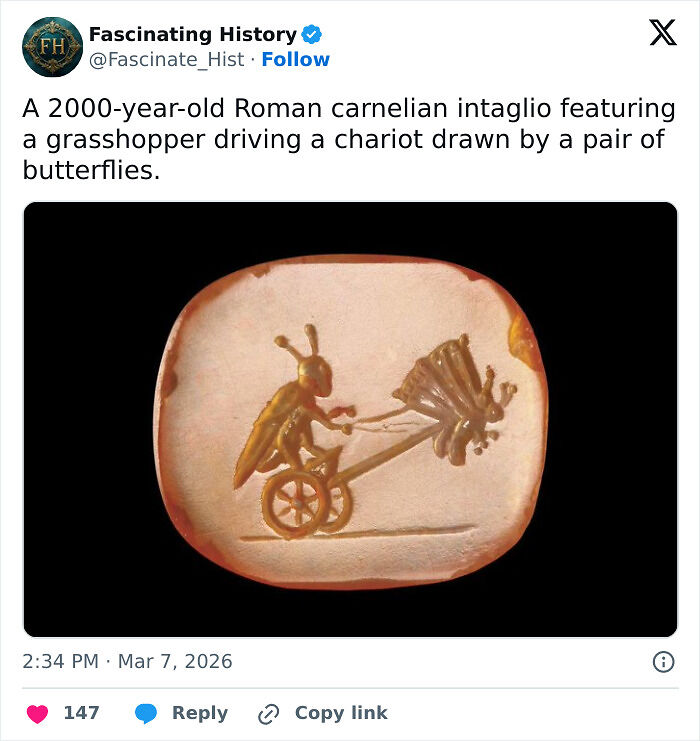
Image source: Fascinate_Hist
#32
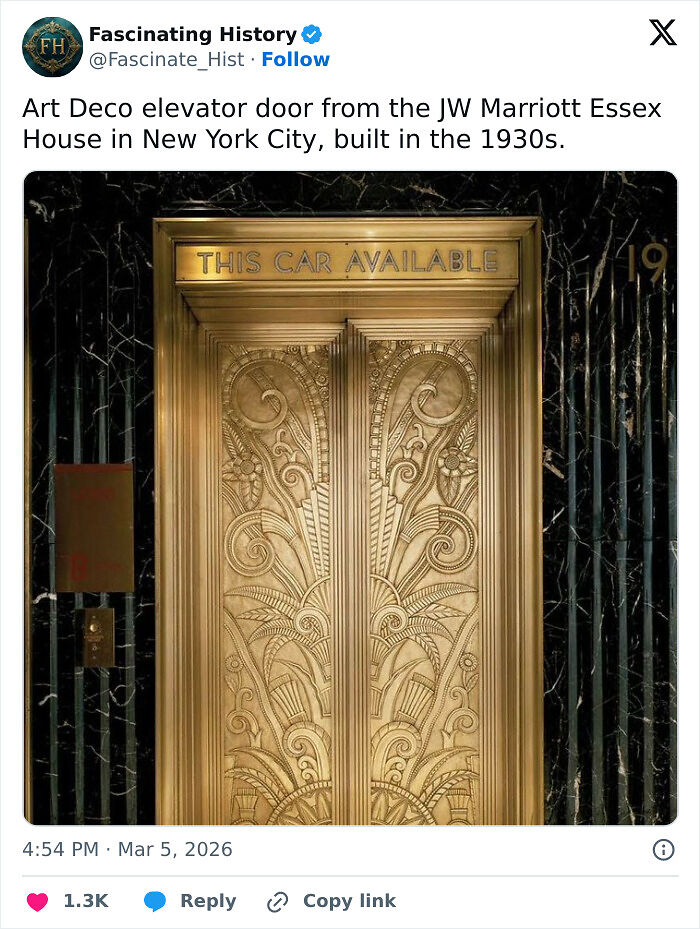
Image source: Fascinate_Hist
#33
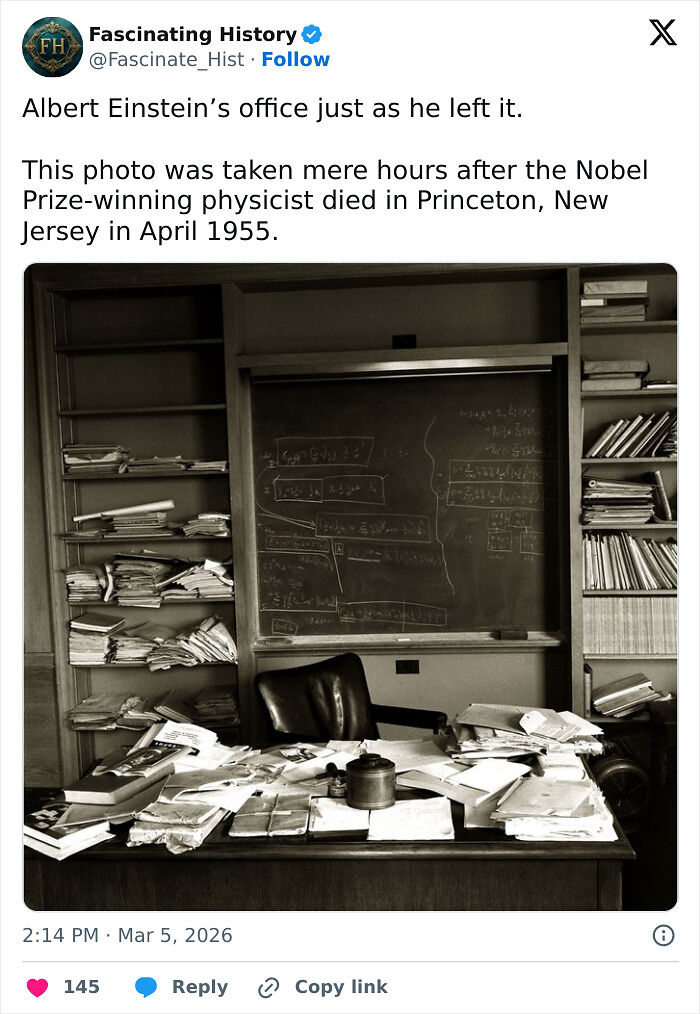
Image source: Fascinate_Hist
#34
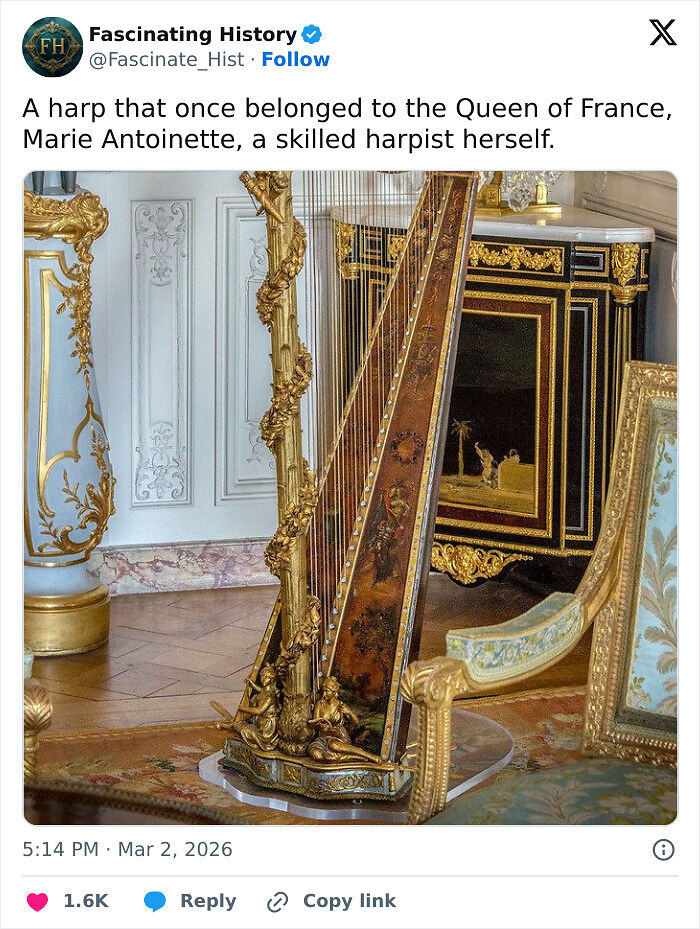
Image source: Fascinate_Hist
#35
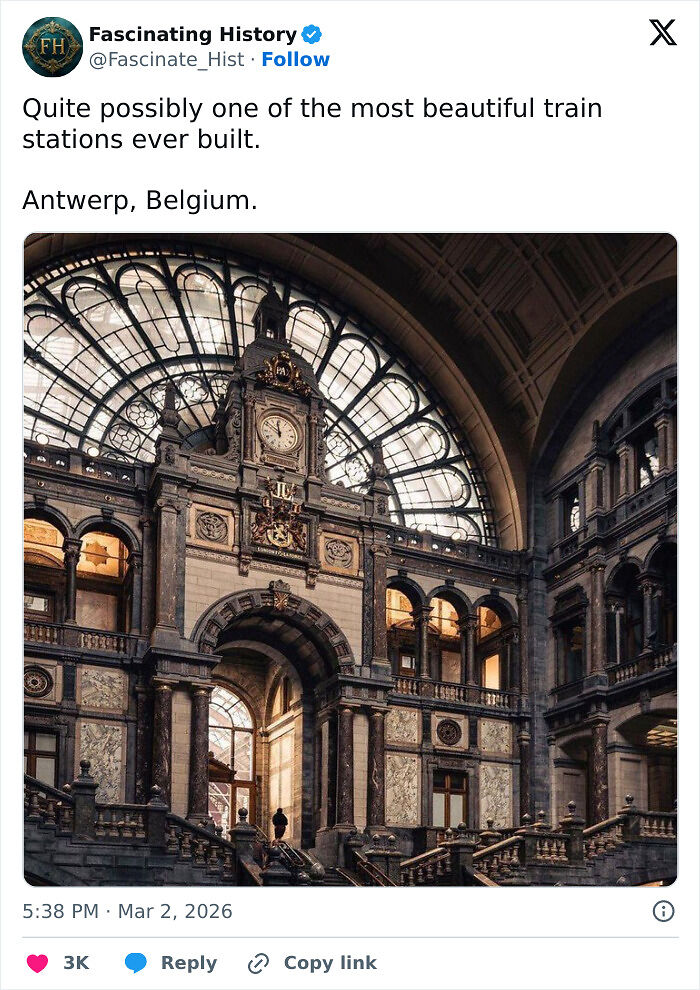
Image source: Fascinate_Hist
#36
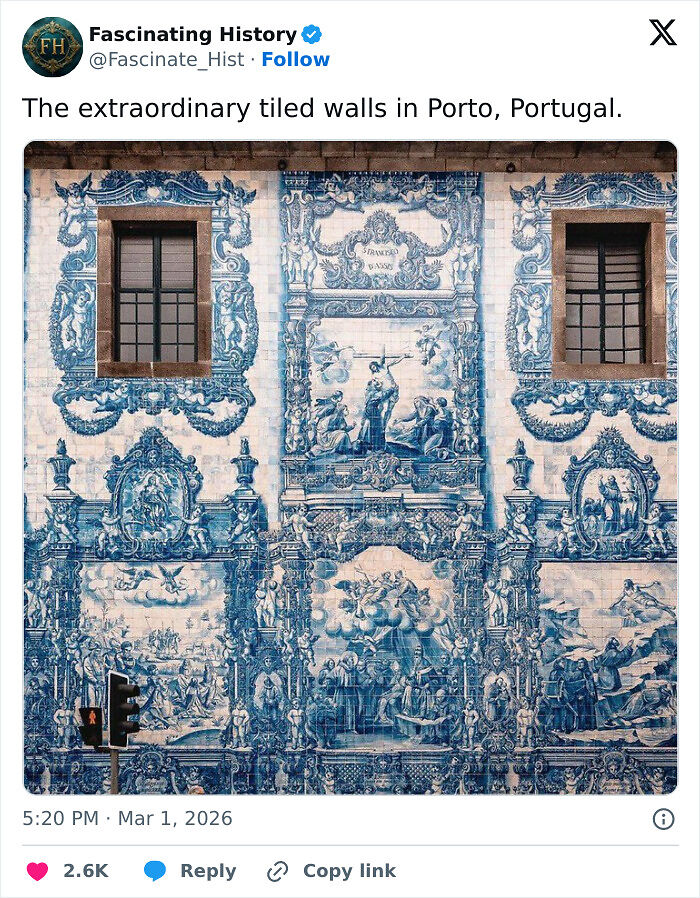
Image source: Fascinate_Hist
#37
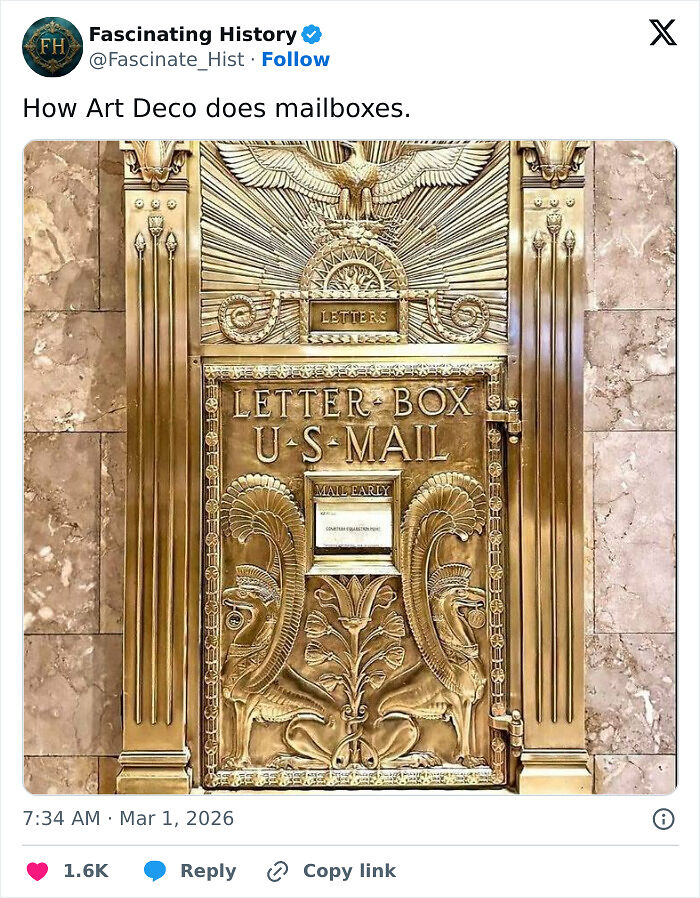
Image source: Fascinate_Hist
#38
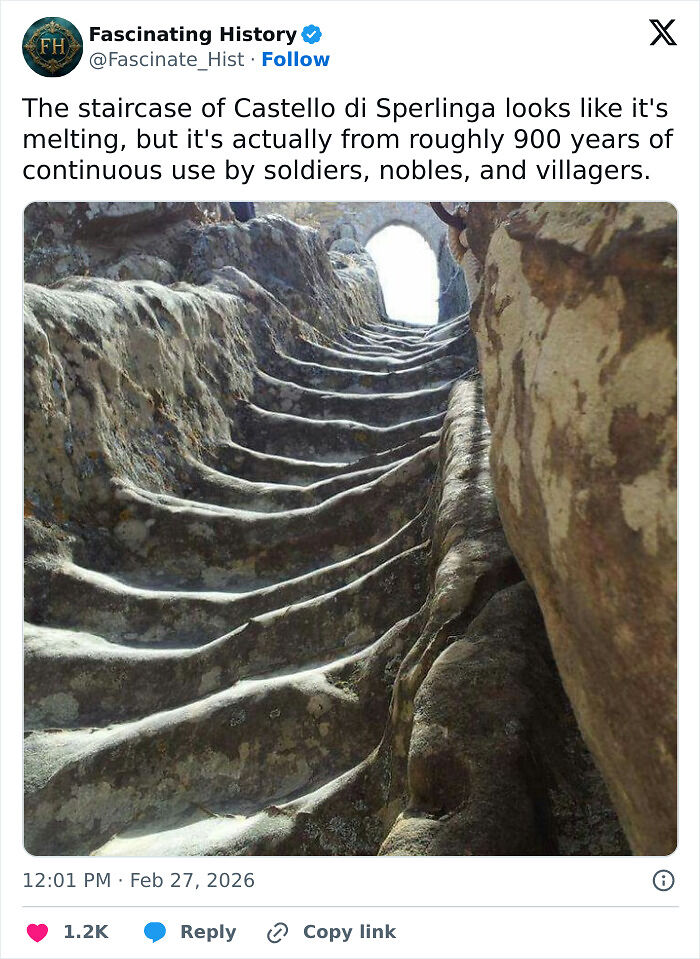
Image source: Fascinate_Hist
#39
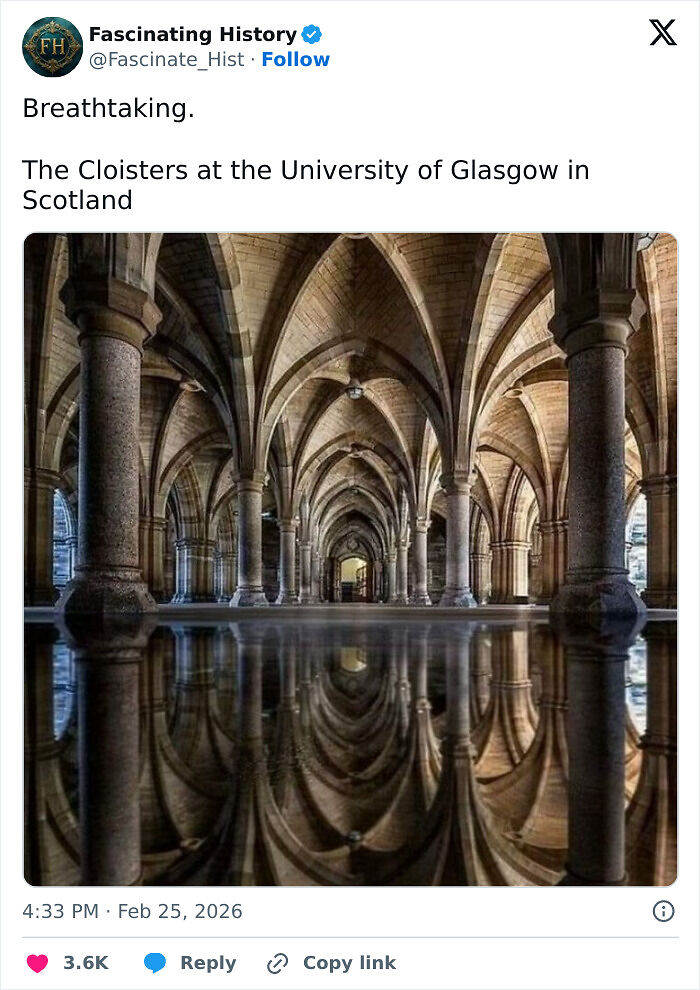
Image source: Fascinate_Hist
#40
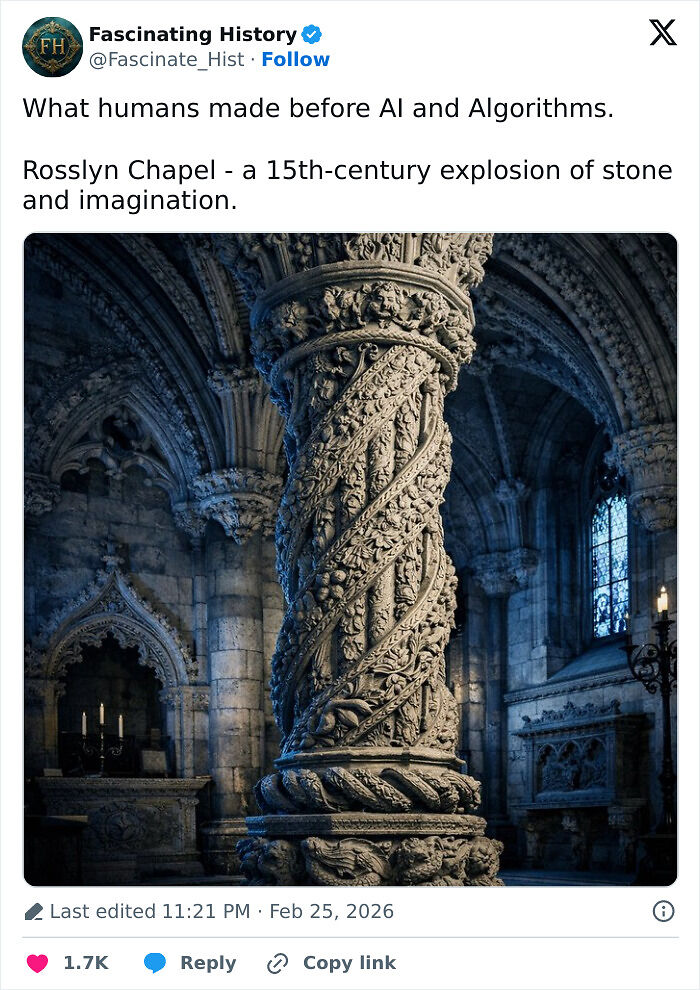
Image source: Fascinate_Hist
#41
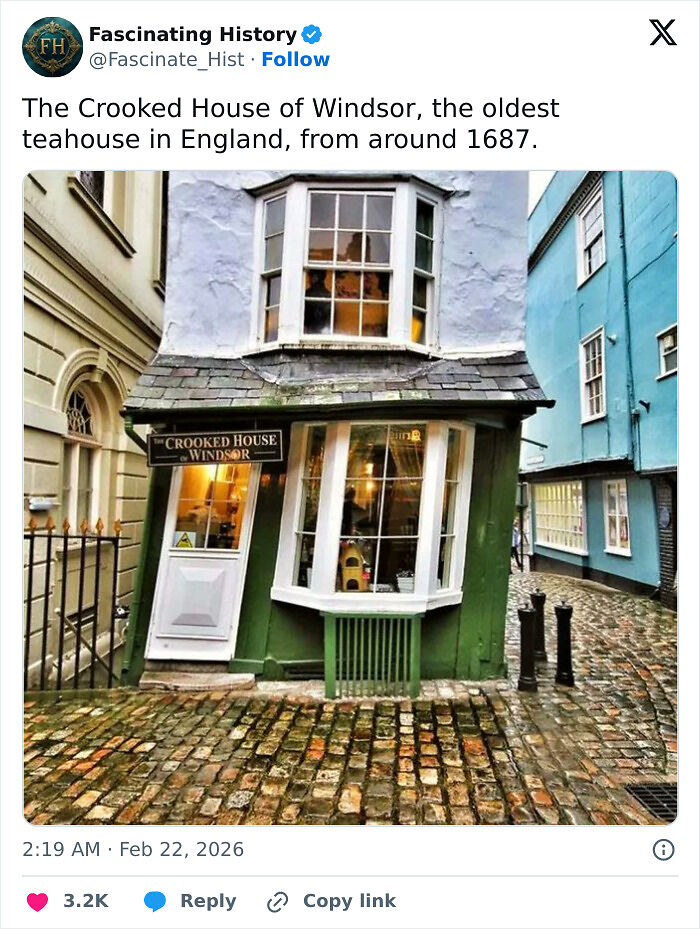
Image source: Fascinate_Hist
#42
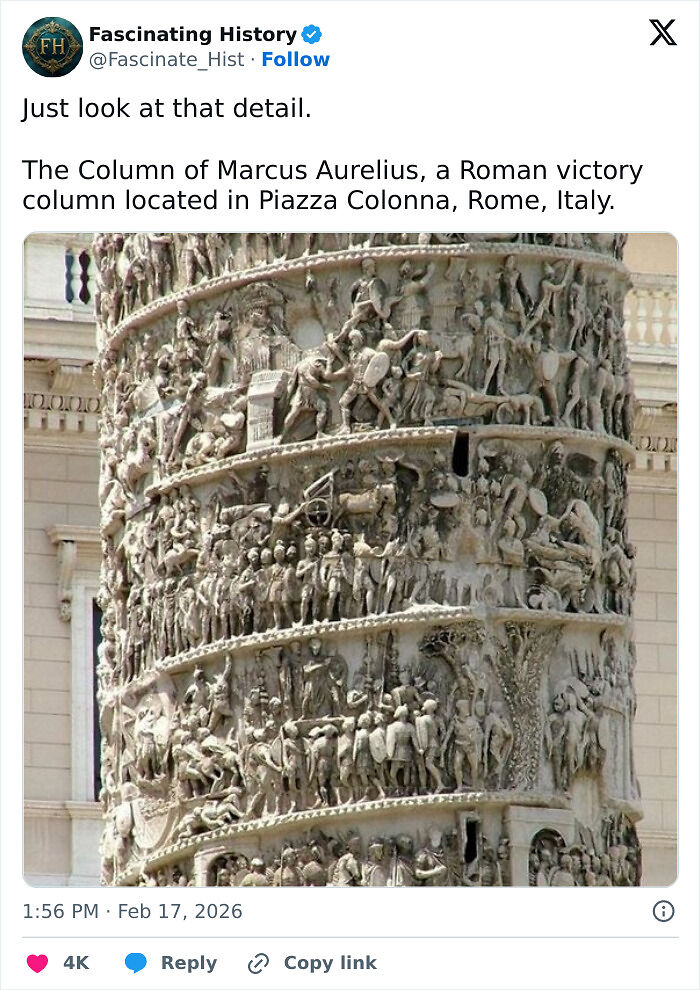
Image source: Fascinate_Hist
#43
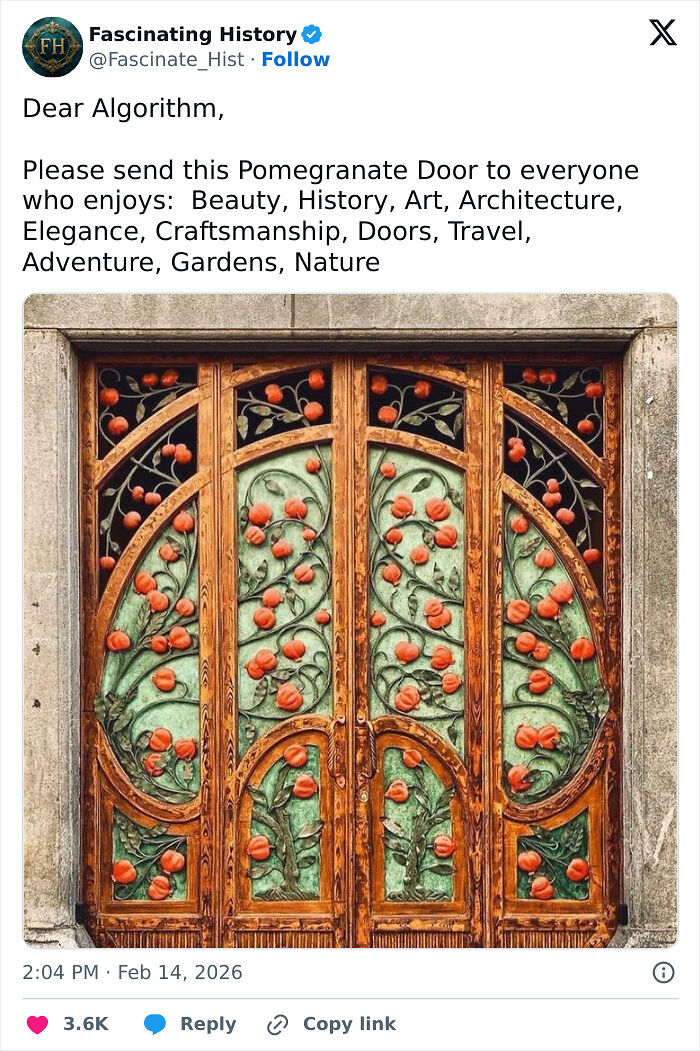
Image source: Fascinate_Hist
#44
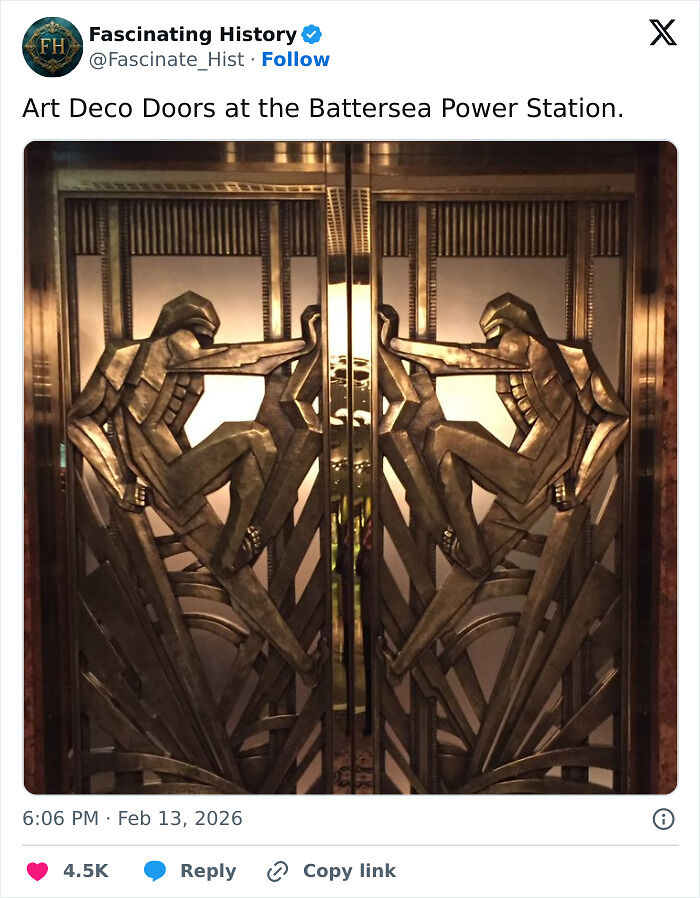
Image source: Fascinate_Hist
#45
Image source: Fascinate_Hist
#46
Title: Disillusionment
Artist: Francesco Queirolo
Date: circa 1752–1759
Location: Sansevero Chapel Museum, Naples
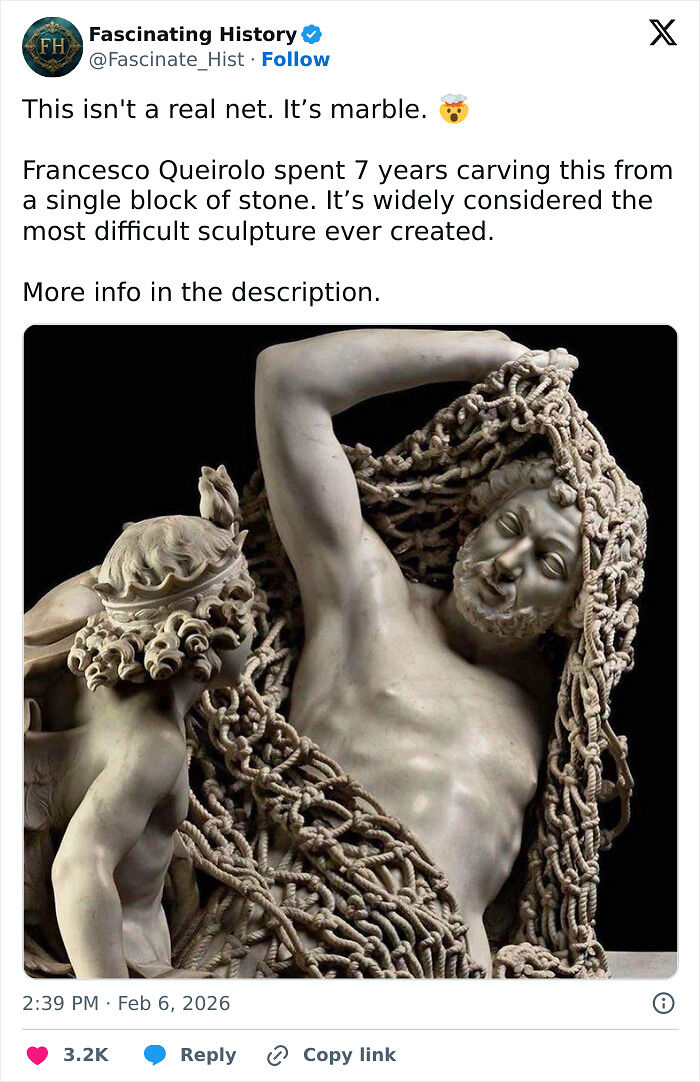
Image source: Fascinate_Hist
#47
Image source: Fascinate_Hist
#48
Image source: Fascinate_Hist
#49
Image source: Fascinate_Hist
#50
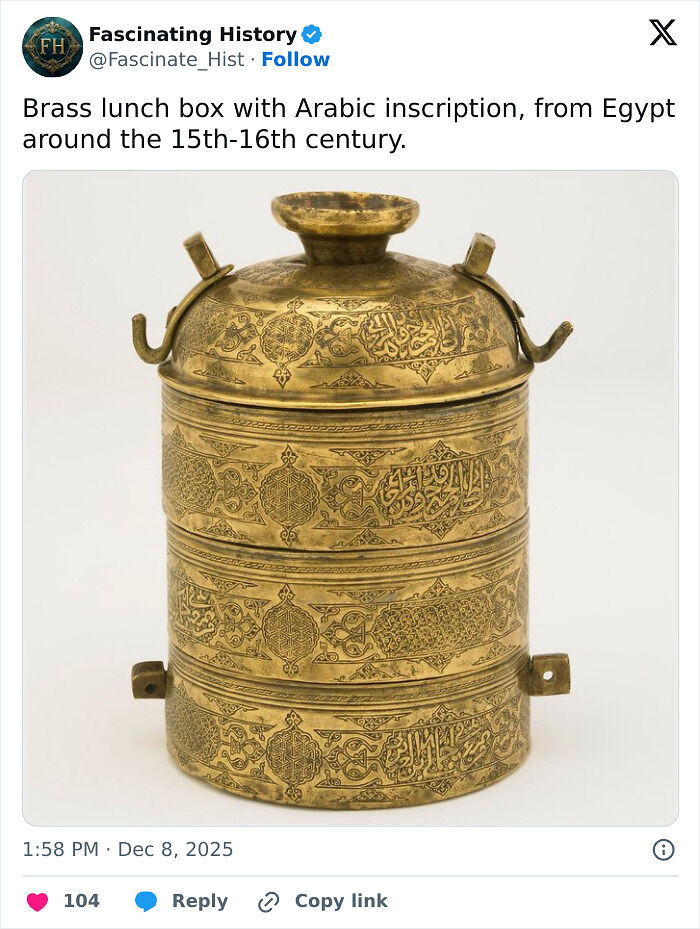
Image source: Fascinate_Hist
#51
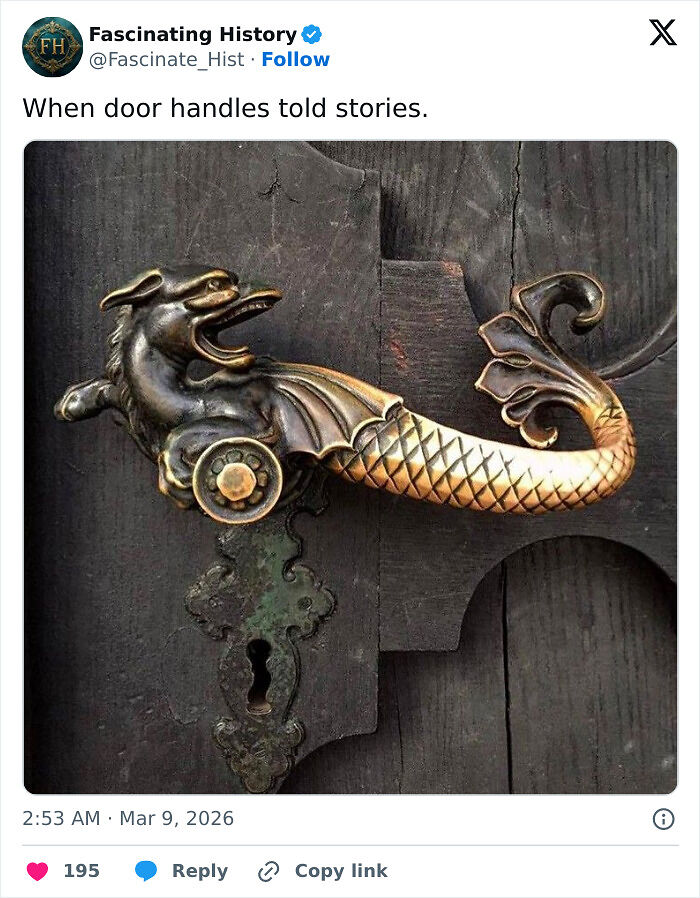
Image source: Fascinate_Hist
#52
Image source: Fascinate_Hist
#53
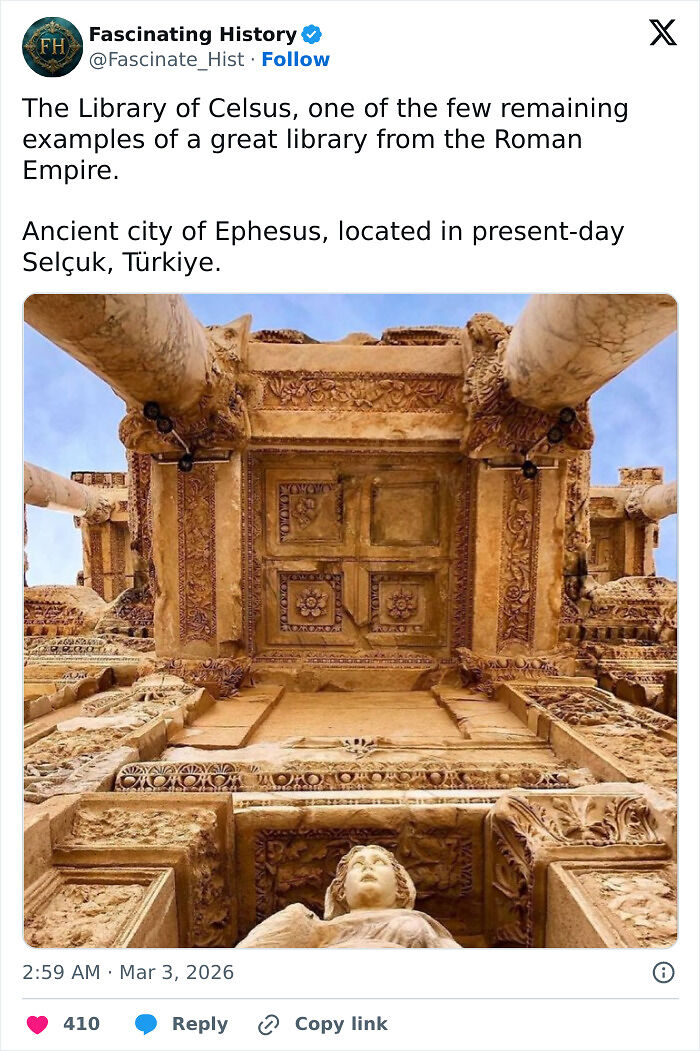
Image source: Fascinate_Hist
#54
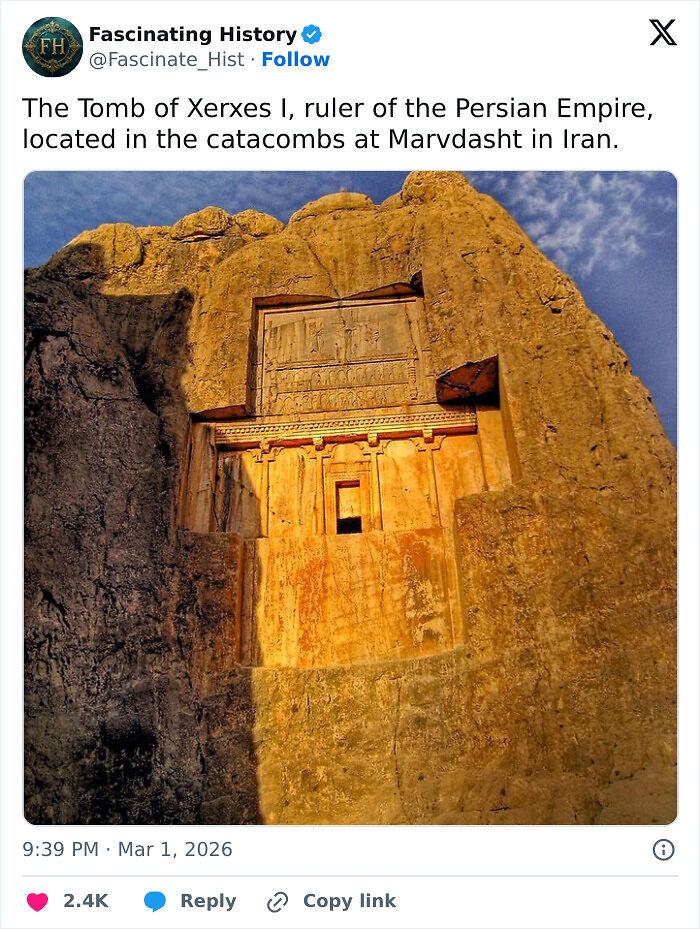
Image source: Fascinate_Hist
#55
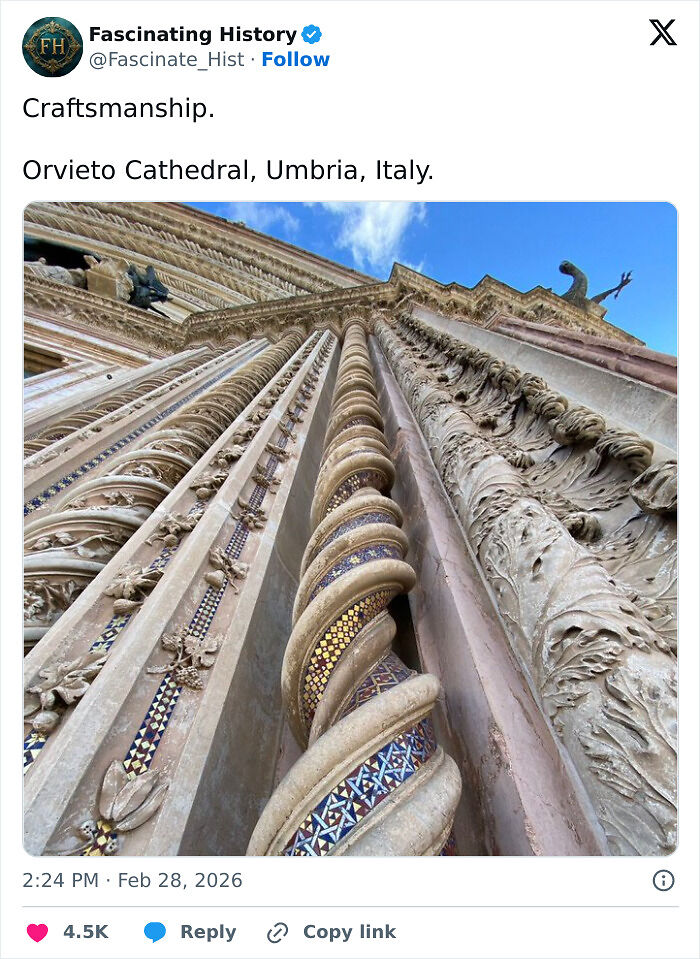
Image source: Fascinate_Hist
#56
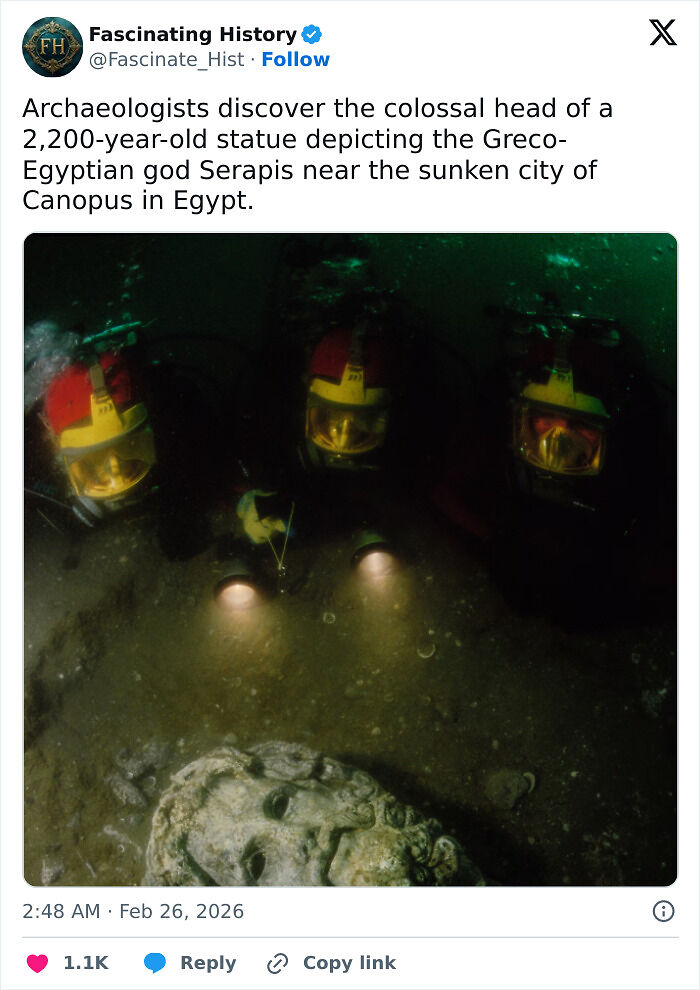
Image source: Fascinate_Hist
#57
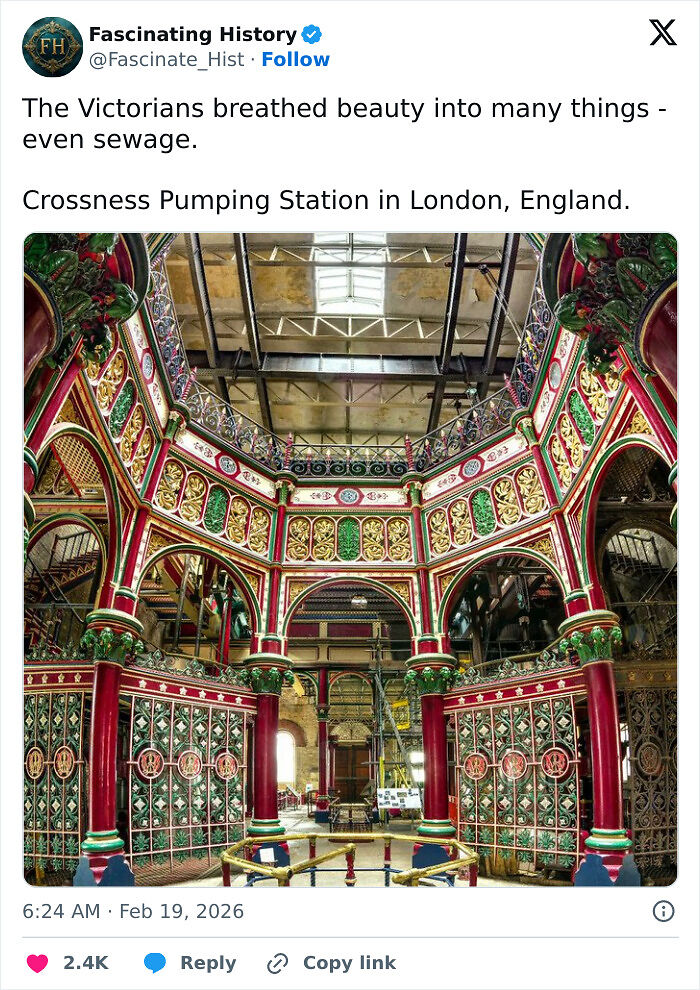
Image source: Fascinate_Hist
#58
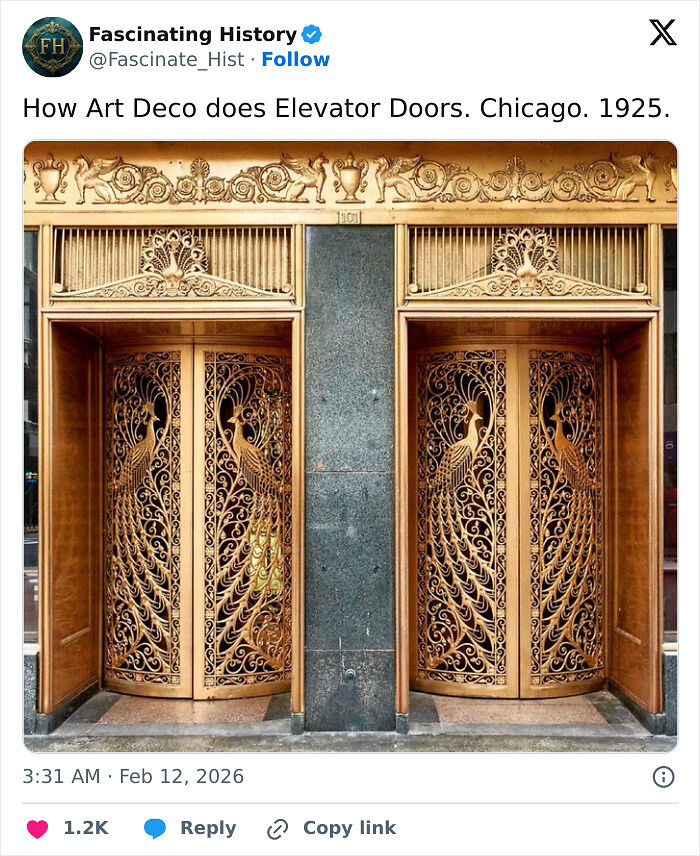
Image source: Fascinate_Hist
#59
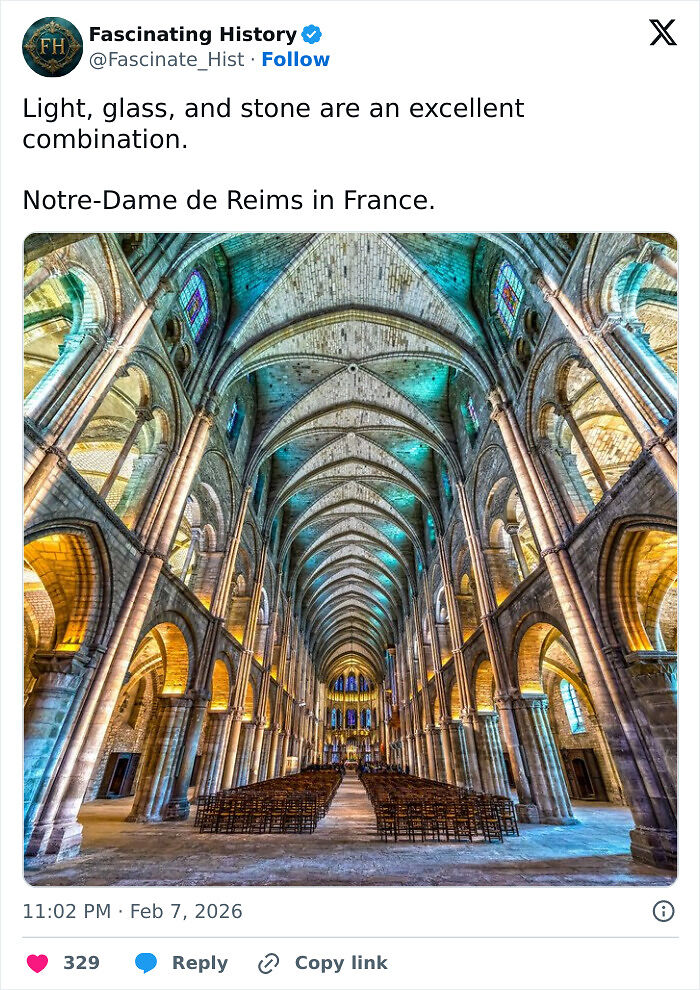
Image source: Fascinate_Hist
#60
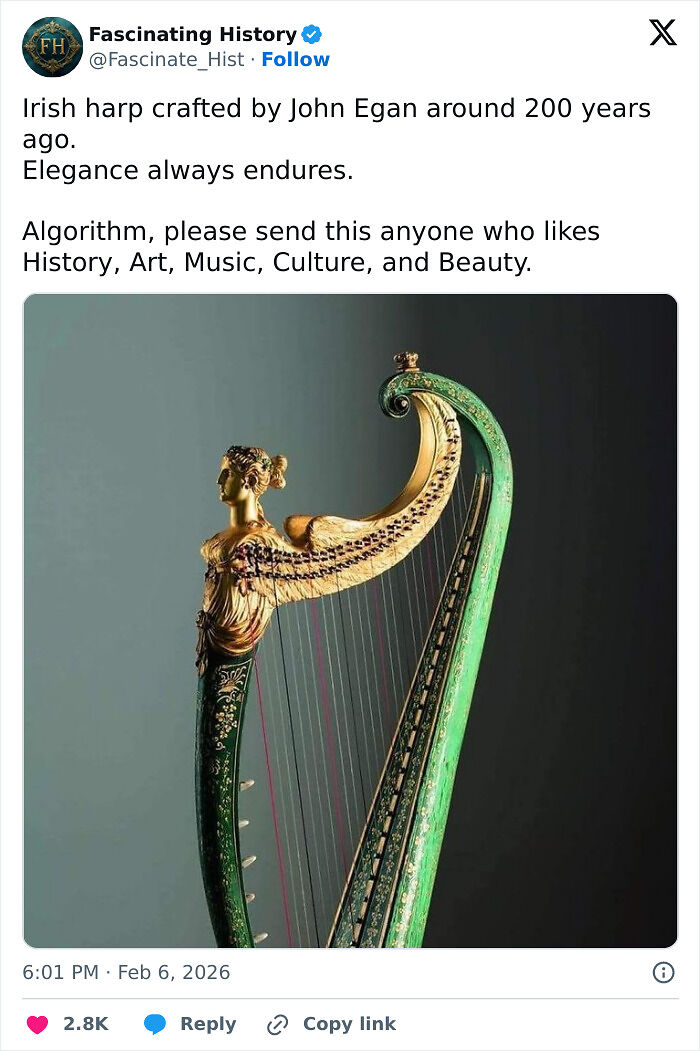
Image source: Fascinate_Hist
#61
Image source: Fascinate_Hist
#62
Image source: Fascinate_Hist
#63
Image source: Fascinate_Hist
#64
Image source: Fascinate_Hist
#65
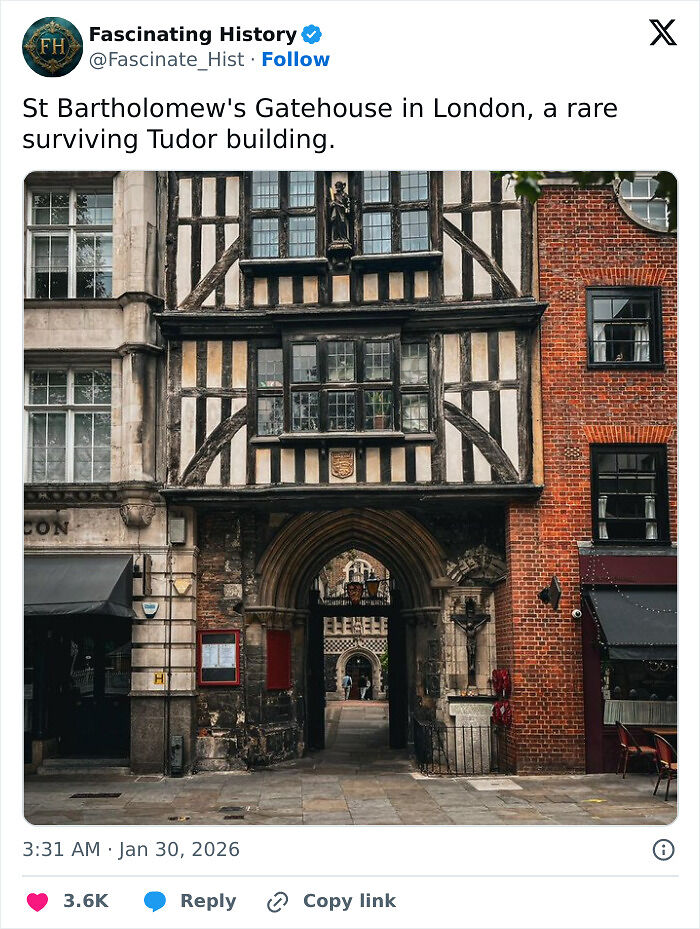
Image source: Fascinate_Hist
#66
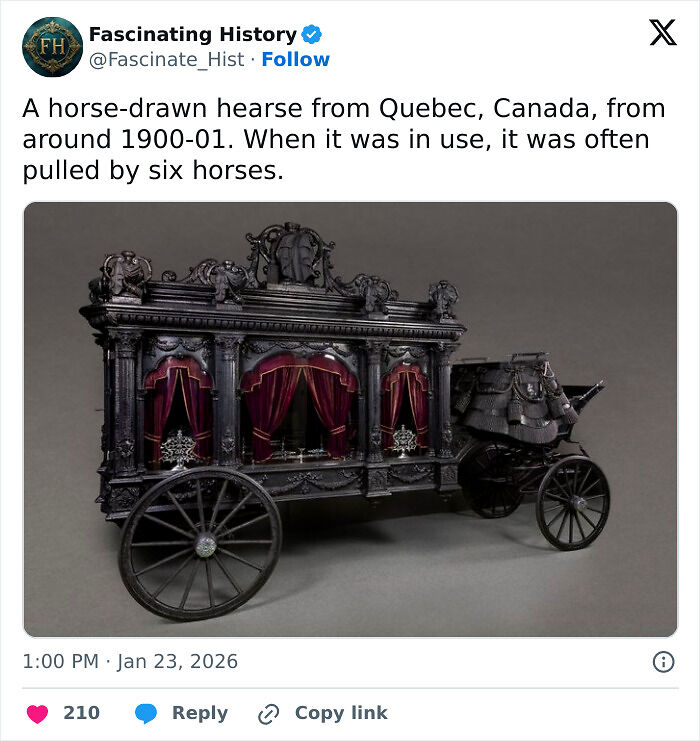
Image source: Fascinate_Hist
#67
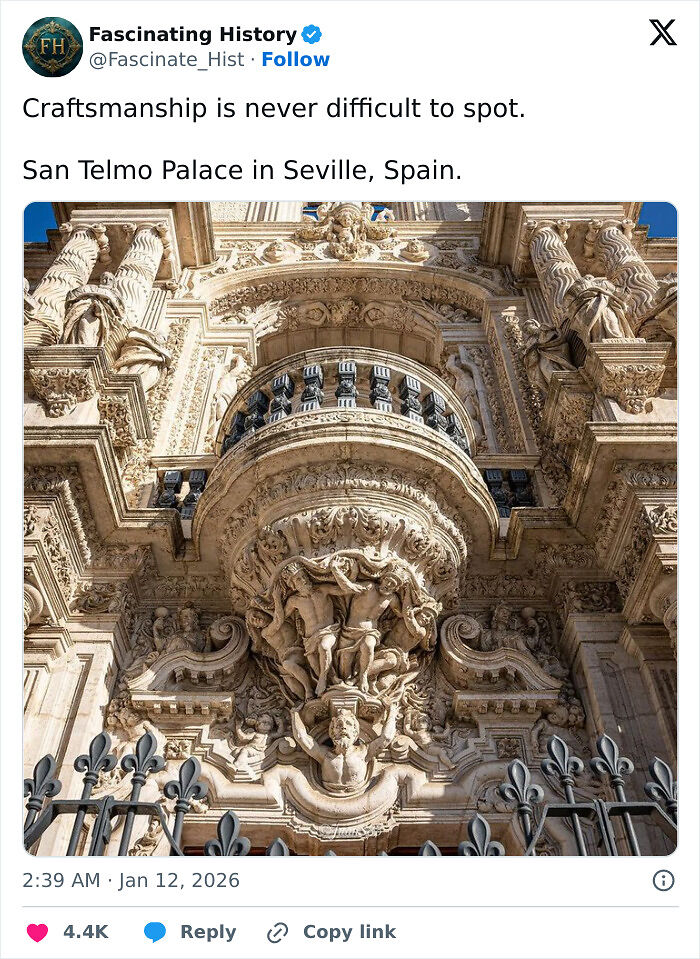
Image source: Fascinate_Hist
#68
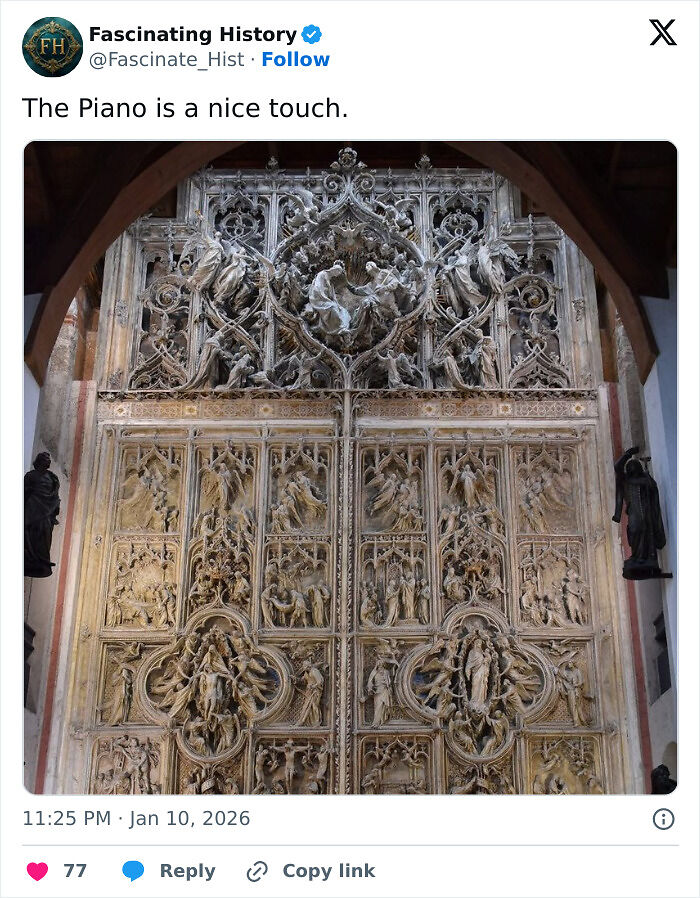
Image source: Fascinate_Hist
#69
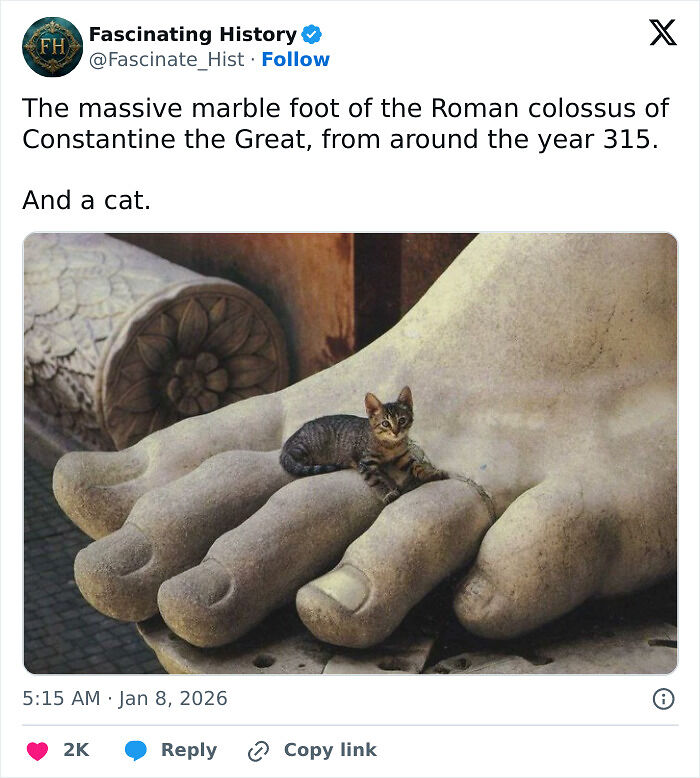
Image source: Fascinate_Hist
#70
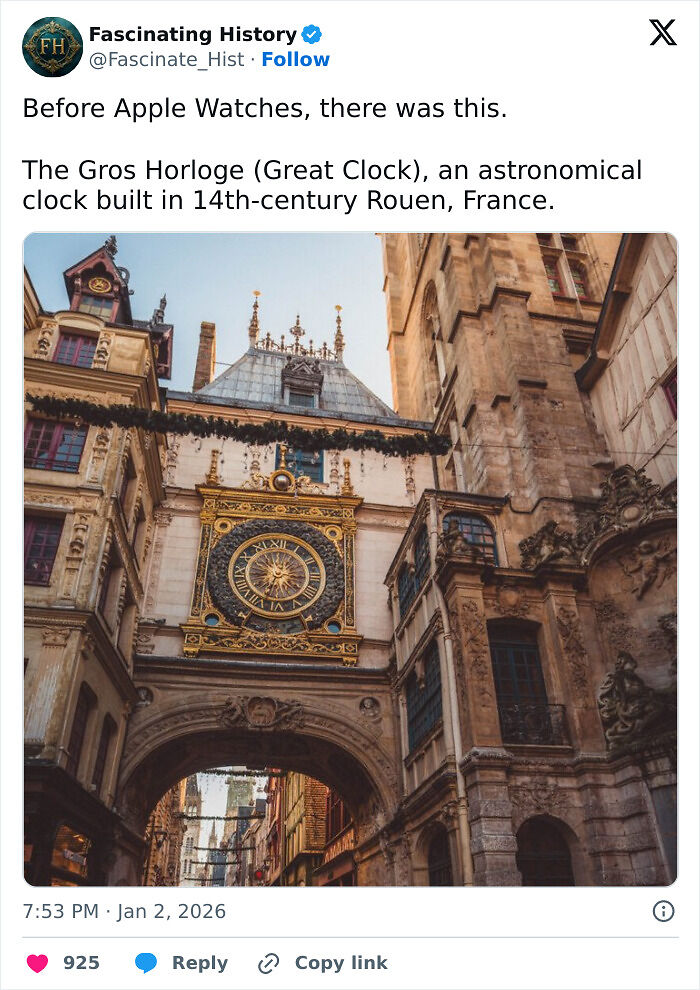
Image source: Fascinate_Hist
#71

Image source: Fascinate_Hist
#72
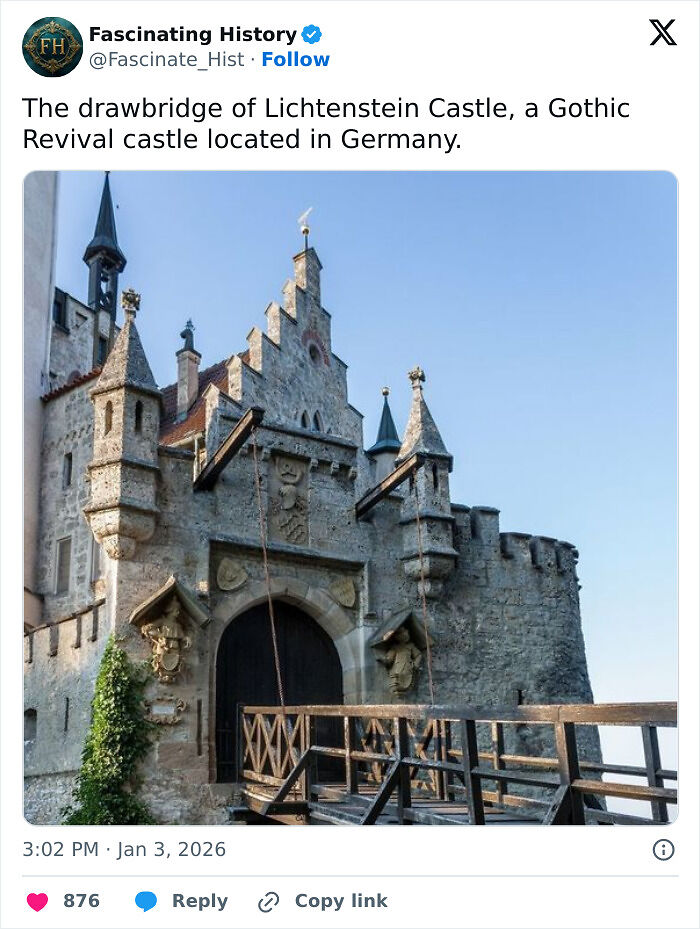
Image source: Fascinate_Hist
#73
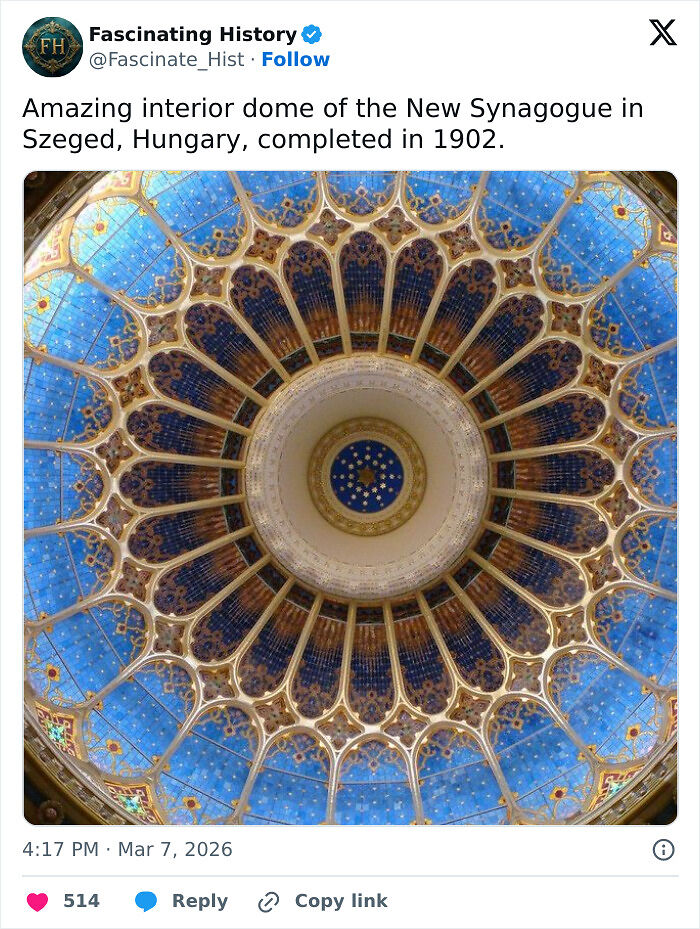
Image source: Fascinate_Hist
#74
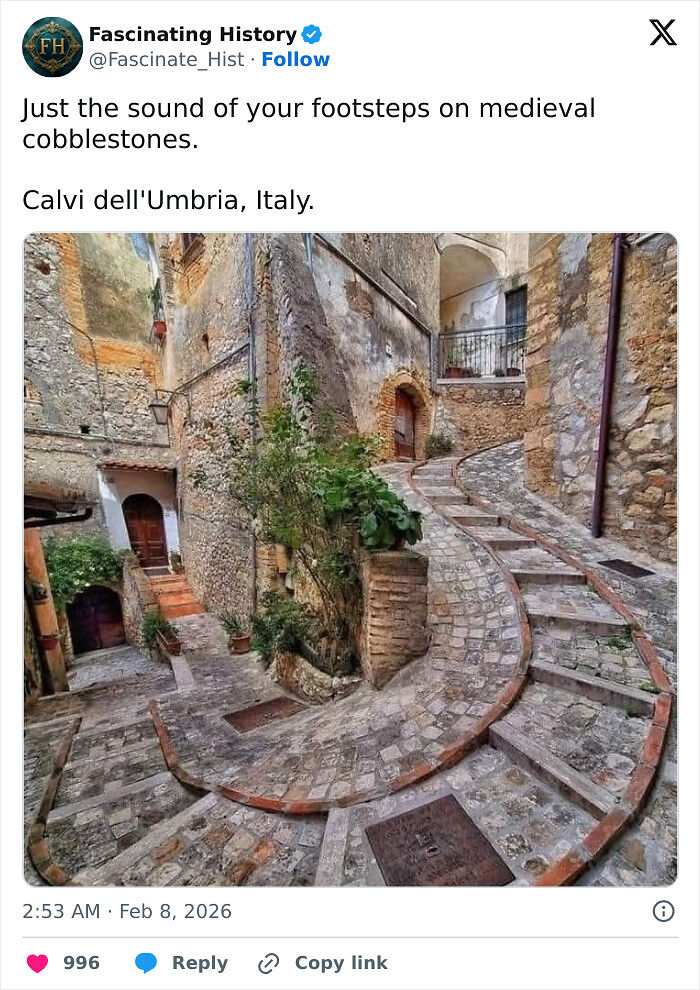
Image source: Fascinate_Hist
#75
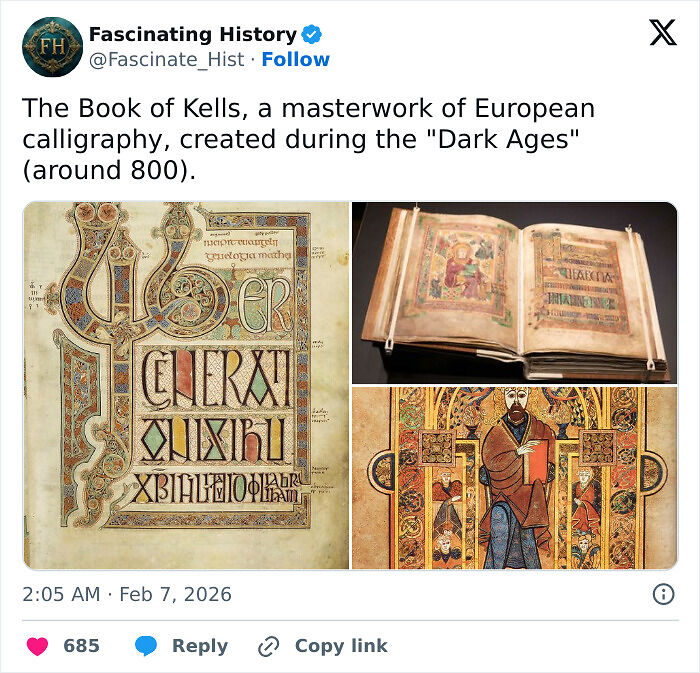
Image source: Fascinate_Hist
#76
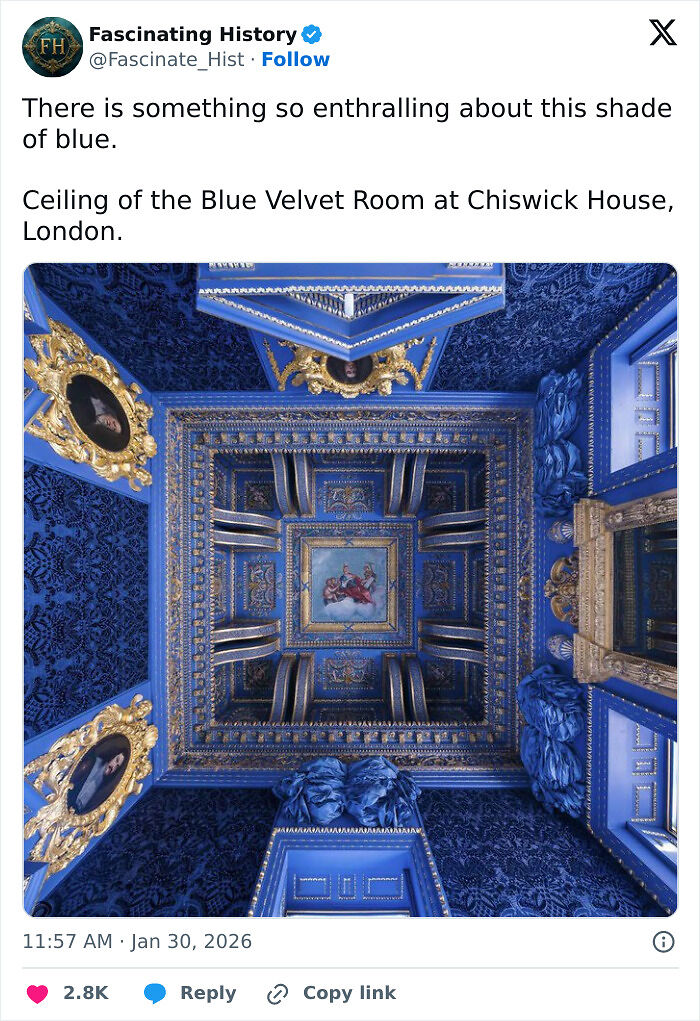
Image source: Fascinate_Hist
#77
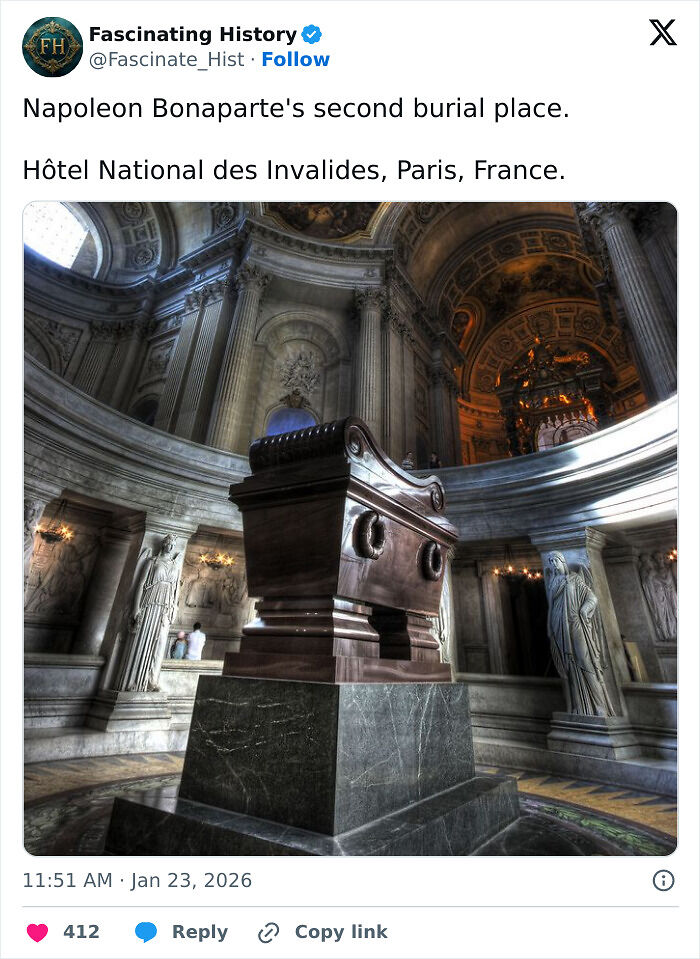
Image source: Fascinate_Hist
 Follow Us